


History and Origins
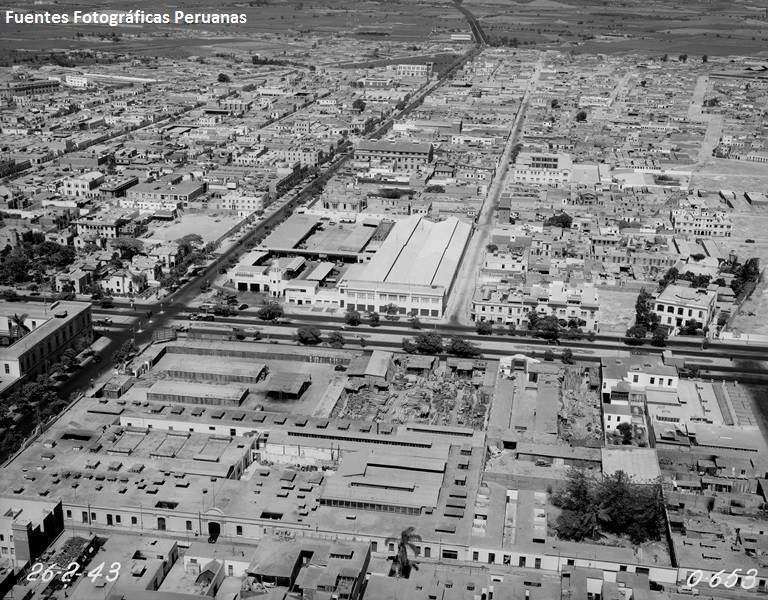
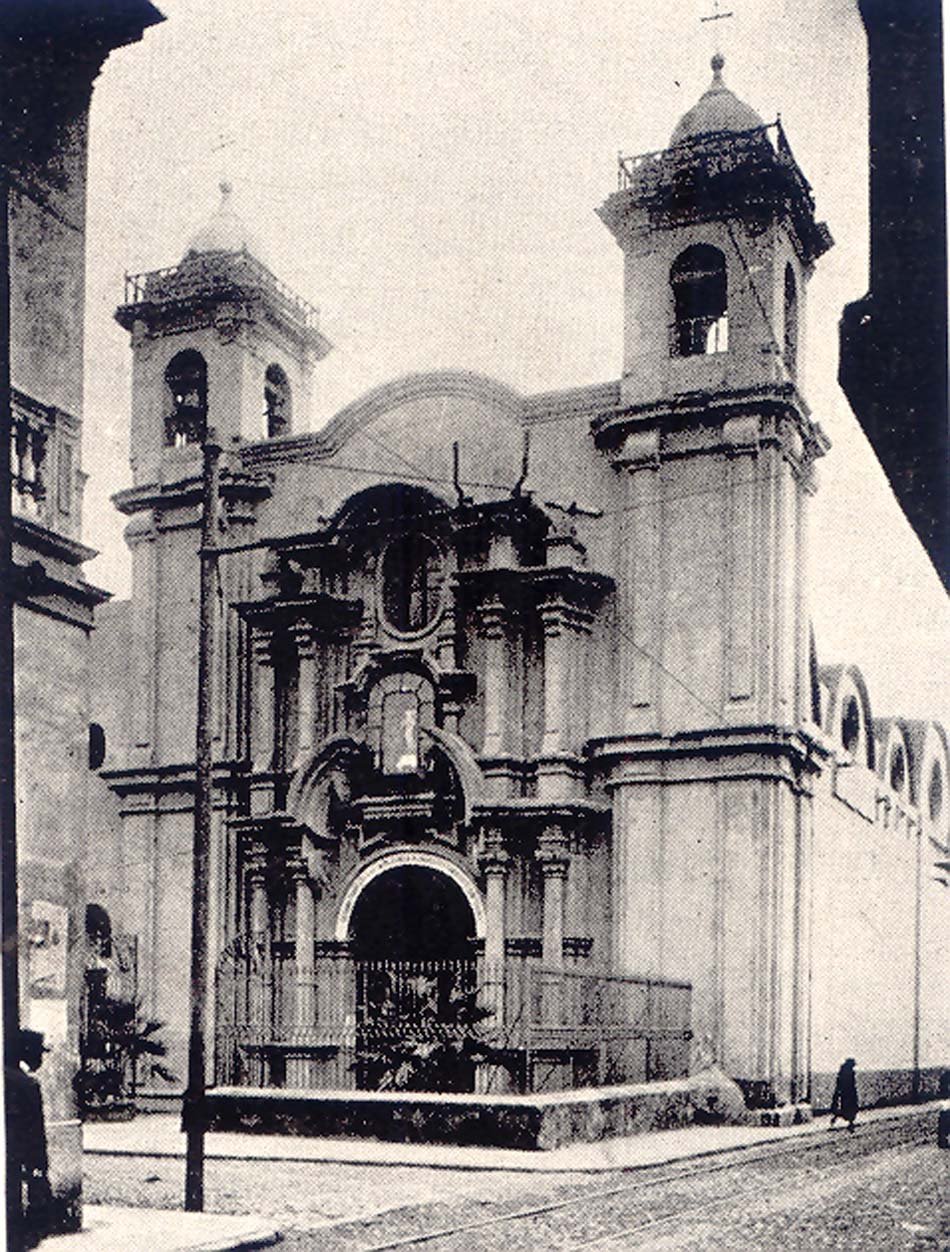
The Santuario de Santa Rosa de Lima is built around the family home of Isabel Flores de Oliva, born in 1586. From a young age, Santa Rosa dedicated herself to prayer, penance, and acts of charity, even transforming her home into a place of aid for the poor. After her canonization in 1671, her birthplace became a prominent pilgrimage site for Catholics worldwide. Over time, the sanctuary complex expanded to include a basilica, hermitage, gardens, and museum, all preserving the legacy of Peru’s patron saint (deperu.com).
In 1991, the sanctuary and Lima’s historic center were recognized as UNESCO World Heritage Sites, reinforcing their global cultural and historical significance (infobae.com).
Architectural and Spiritual Highlights
The Basilica and Sanctuary Complex
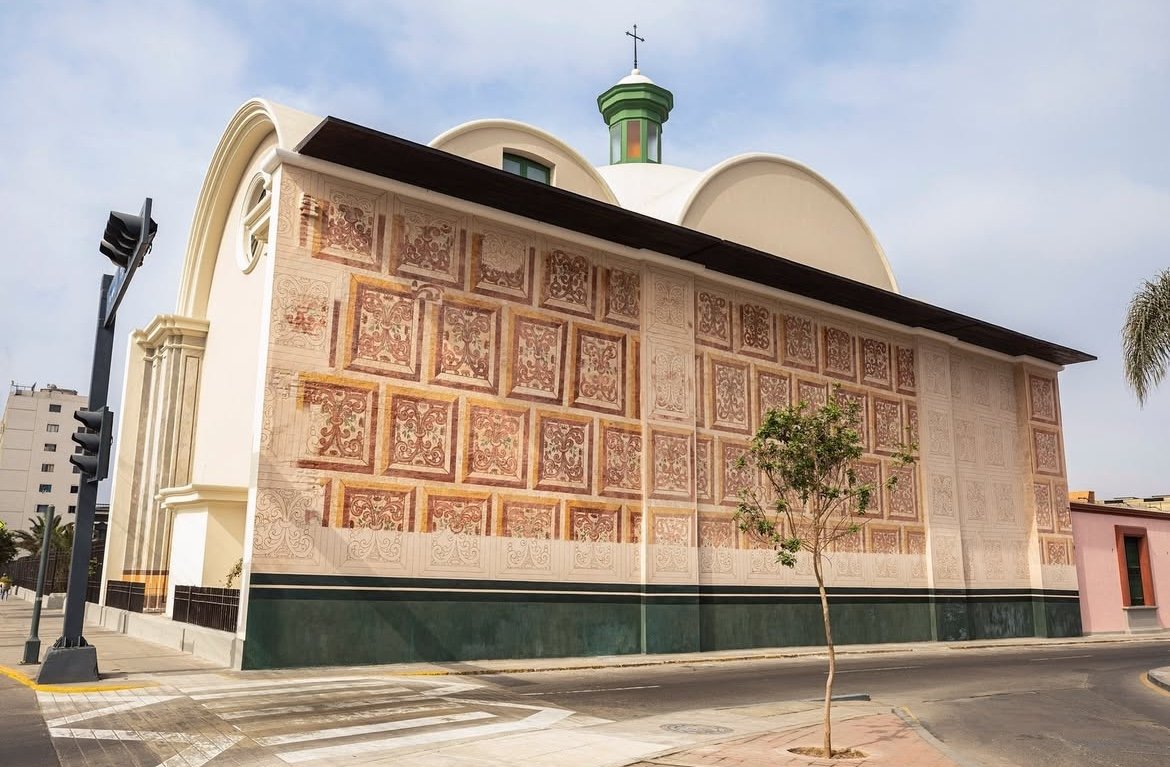
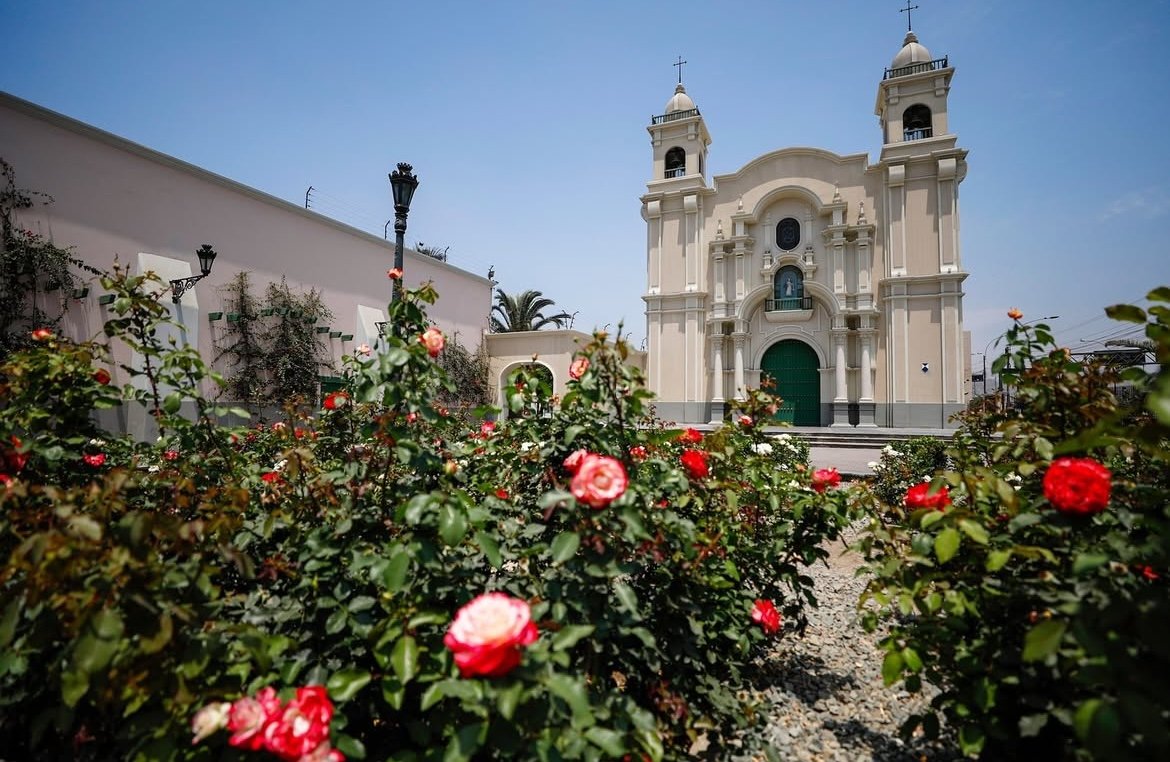
The main basilica showcases colonial and neoclassical architecture, with beautiful altarpieces and religious art that tell the story of Santa Rosa’s life and mission. The sanctuary also includes:
- Santa Rosa’s Family Home Preserved rooms and artifacts offer a glimpse into 17th-century Limeña life, including her bedroom, kitchen, and oratory (Infobae).
- The Hermitage (La Ermita) A simple, serene structure built by Santa Rosa and her brother, serving as her place of prayer and penance.
- The Well of Wishes (Pozo de los Deseos) A 19-meter-deep well where pilgrims drop written prayers and petitions—a tradition that remains deeply meaningful to visitors (Turismo Peruano).
- Gardens and Orchard Restored green spaces filled with roses and native plants, symbolizing the saint’s connection to nature and tranquility.
- Museum and Relics Exhibits include her personal items, religious relics, and devotional art, such as the 17th-century portrait by Angelino Medoro and the Niño Doctorcito statue (Free Walking Tours Peru).
Visiting Hours, Tickets, and Accessibility
- Visiting Hours Open daily from 9:00 AM to 6:00 PM, with extended hours during major feast days. Confirm hours ahead of your visit, especially on holidays (Turismo Peruano).
- Tickets General admission is free. Donations are appreciated to support the sanctuary’s maintenance.
- Guided Tours Available in Spanish and English, and can be booked online or at the visitor center. Guided tours may require a nominal fee.
- Accessibility The sanctuary is mostly wheelchair accessible, with ramps and designated seating. Some historic areas have limited mobility access due to preservation efforts.
- Facilities Restrooms, seating, and a gift shop are available. During feast days, additional vendors offer flowers and devotional items.
Special Events and Pilgrimage Traditions
August 30th – Feast Day of Santa Rosa de Lima
The sanctuary’s largest event occurs on August 30th, the saint’s feast day. Thousands of pilgrims join processions, attend special Masses, and participate in the ritual of casting prayers into the Pozo de los Deseos. The celebration includes music, floral decorations, and a festive community atmosphere (Turismo Peruano).
Year-Round Pilgrimage
Visitors can engage in traditional practices year-round, such as:
- Writing prayers for the wishing well.
- Reflecting in the hermitage and gardens.
- Praying in Santa Rosa’s preserved bedroom.
- Lighting candles or purchasing religious items as mementos.
Nearby Attractions in Lima’s Historic Center
- Basílica y Convento de Santo Domingo Houses the remains of Santa Rosa and other Peruvian saints; a major pilgrimage site (infobae.com).
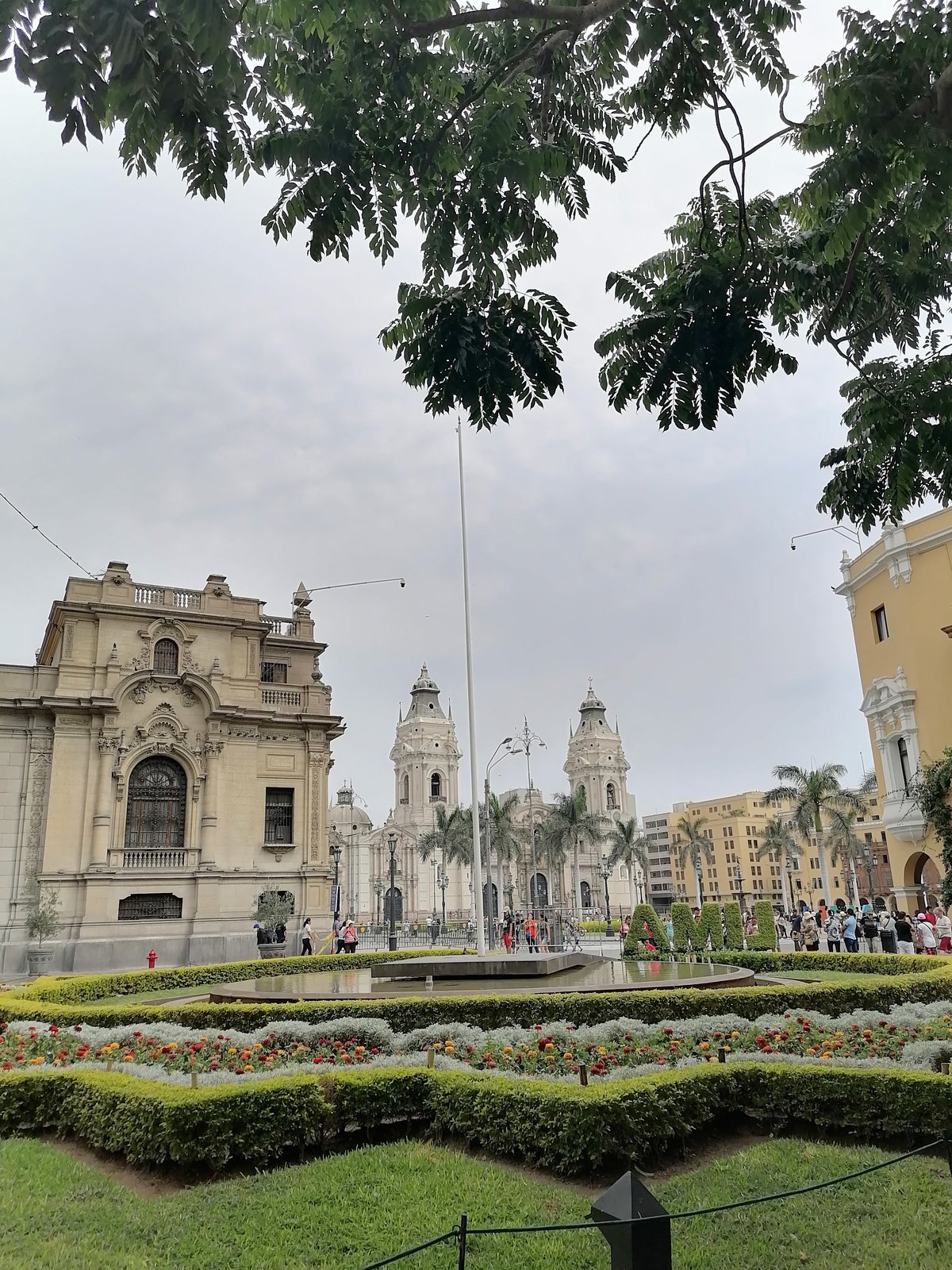
- Plaza Mayor (Plaza de Armas) Lima’s historic main square, surrounded by colonial-era architecture.
- Casa-Capilla de San Martín de Porres Dedicated to another of Lima’s saints, just steps from the sanctuary.
- La Catedral de Lima The city’s principal cathedral, a short walk away (Lonely Planet).
Visitor Tips & FAQs
Practical Advice
- Dress Code Wear modest attire covering shoulders and knees.
- Best Time to Visit Weekday mornings for a quieter experience; August 30th for vibrant festivities.
- Photography Permitted in most areas, but avoid flash and respect restrictions during services.
- Language Most signage is in Spanish; English-speaking guides are available for tours.
- Safety The area is busy but safe during the day. Exercise standard urban precautions.
Frequently Asked Questions
Q: Is the sanctuary accessible for people with disabilities?
A: Yes, ramps and accessible facilities are available, though some historic rooms have limited access.
Q: Are guided tours available?
A: Yes, in both Spanish and English—book in advance, especially during high season.
Q: Is there an entrance fee?
A: No, admission is free. Donations are encouraged.
Q: Can I participate in rituals at the wishing well?
A: Yes, anyone can write prayers and cast them into the well.
Q: What are the sanctuary’s visiting hours?
A: Generally 9:00 AM – 6:00 PM daily, with possible changes during holidays or special events.