Historical Context and Architectural Heritage
The Casona de San Marcos: A Colonial Landmark
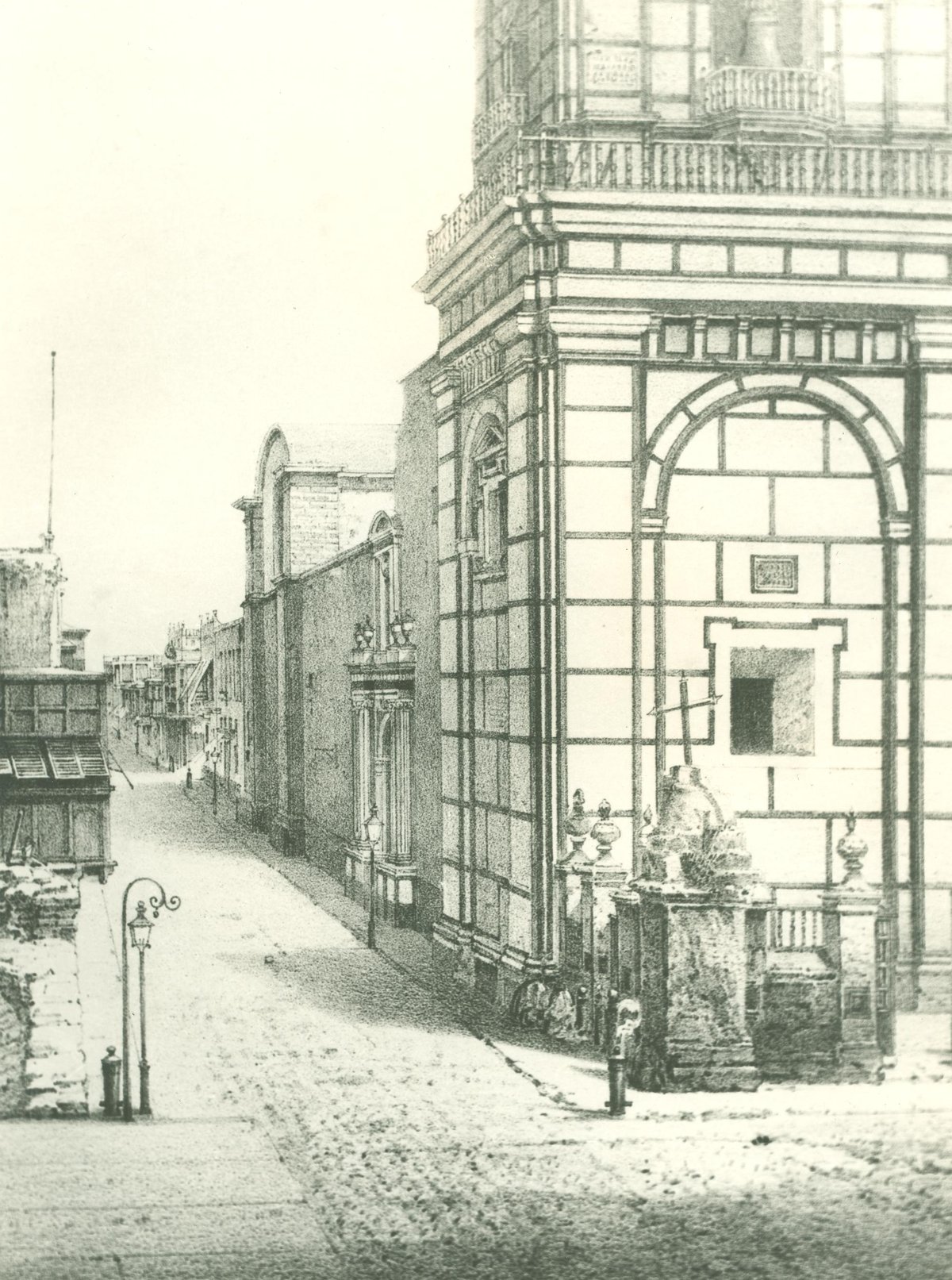
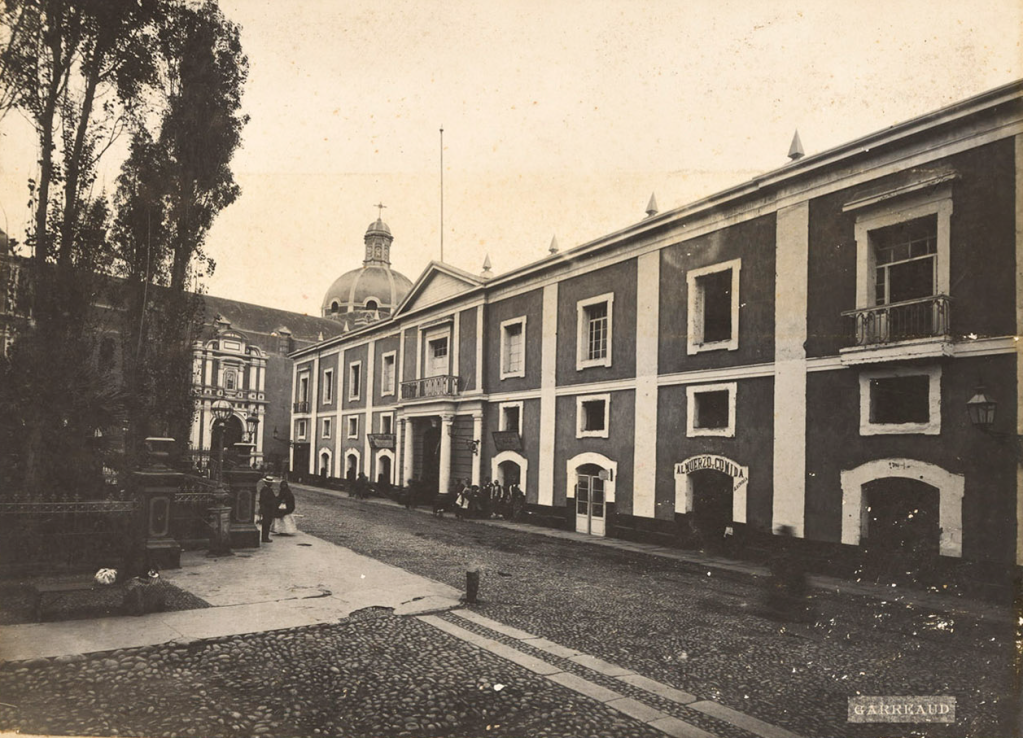
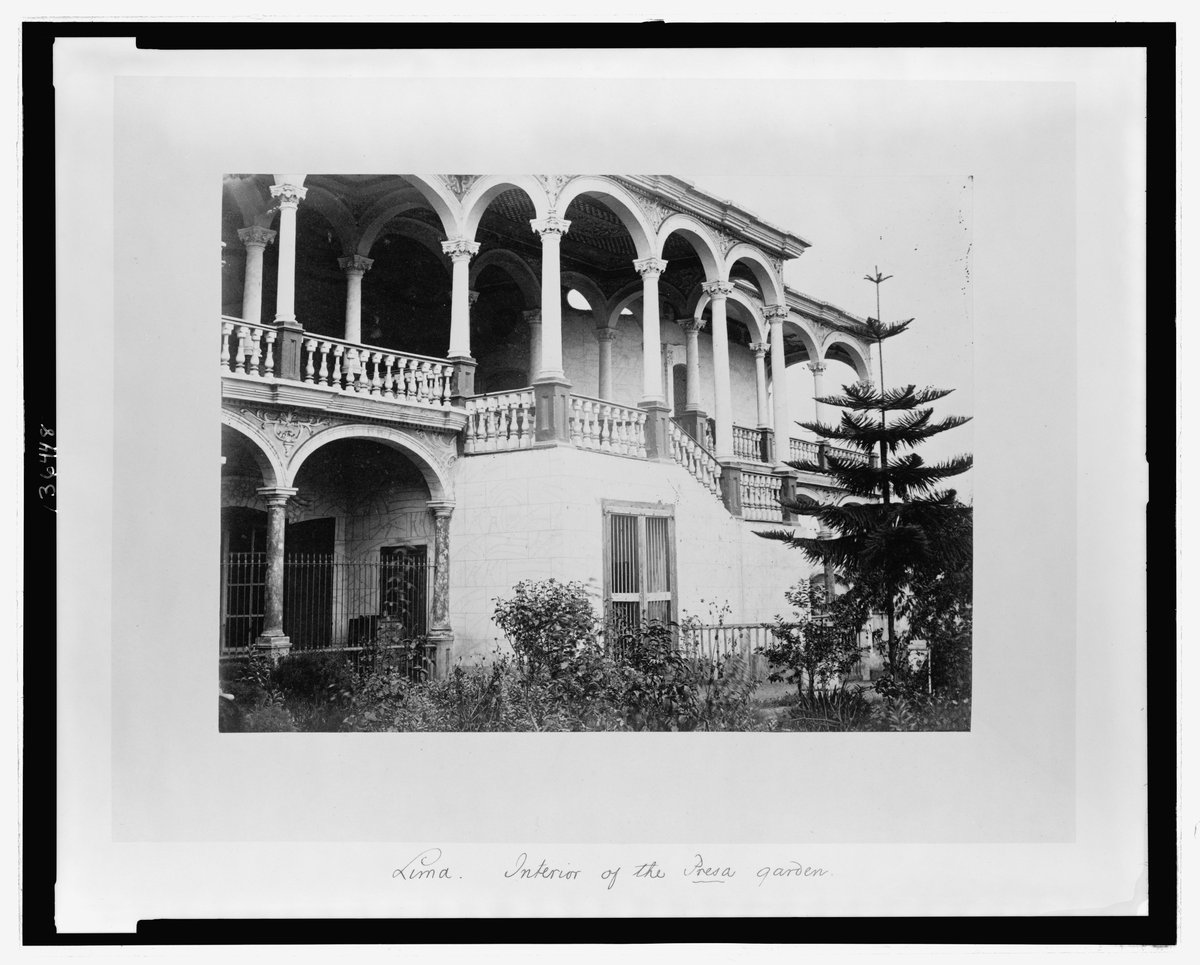
MASM is housed in the Casona de San Marcos, an 18th-century building recognized as a prime example of Spanish colonial architecture and part of Lima’s UNESCO World Heritage Site. Originally a Jesuit novitiate, it later became the seat of the Real Convictorio de San Carlos and has played key roles in Peru’s academic and civic life. Its grand courtyards and ornate halls, including the Courtyard of los Maestros and Courtyard of los Naranjos, are highlights of Lima’s built heritage (Limaenescena; El Comercio).
Museum Origins and Evolution
MASM traces its roots to 1951, when the Museum of Pictorial Reproductions was established to promote art appreciation at the university. In 1970, the Museum of Art and History was founded by Dr. Francisco Stastny, expanding the institution’s purview. These efforts united in 1996, forming the present MASM and consolidating its role as a guardian of Peruvian art across historical periods (UNMSM Cultura; Wikipedia.
Restoration and Modernization
Significant restoration, supported by international and national partnerships, revitalized the Casona in the late 20th century. Today, the building serves as a thriving cultural hub, hosting exhibitions, educational workshops, and community programs as part of the Centro Cultural de San Marcos.
Museum Collections and Exhibition Highlights
MASM’s collections provide a panoramic view of Peru’s artistic legacy:
Colonial and Republican Art
The museum’s colonial and republican holdings illustrate the evolution of Peruvian art from the 16th to the 19th centuries. Notable are religious paintings from the Cusco School, republican portraits, and landscapes by artists such as Ignacio Merino and Francisco Laso (Museos Cultura).
Modern and Contemporary Peruvian Art
MASM’s modern and contemporary art collection features works by leading artists, including Sérvulo Gutiérrez, Julia Codesido, Fernando de Szyszlo, and Tilsa Tsuchiya. The museum regularly presents exhibitions that explore themes of identity, politics, and social change (WhichMuseum).
Folk Art and Popular Traditions
The folk art section celebrates Peru’s diverse regional cultures through textiles, ceramics, retablos, masks, and other artifacts. These objects embody traditional craftsmanship and play a central role in the museum’s educational outreach.
Portrait Gallery and Peasant Art Archive
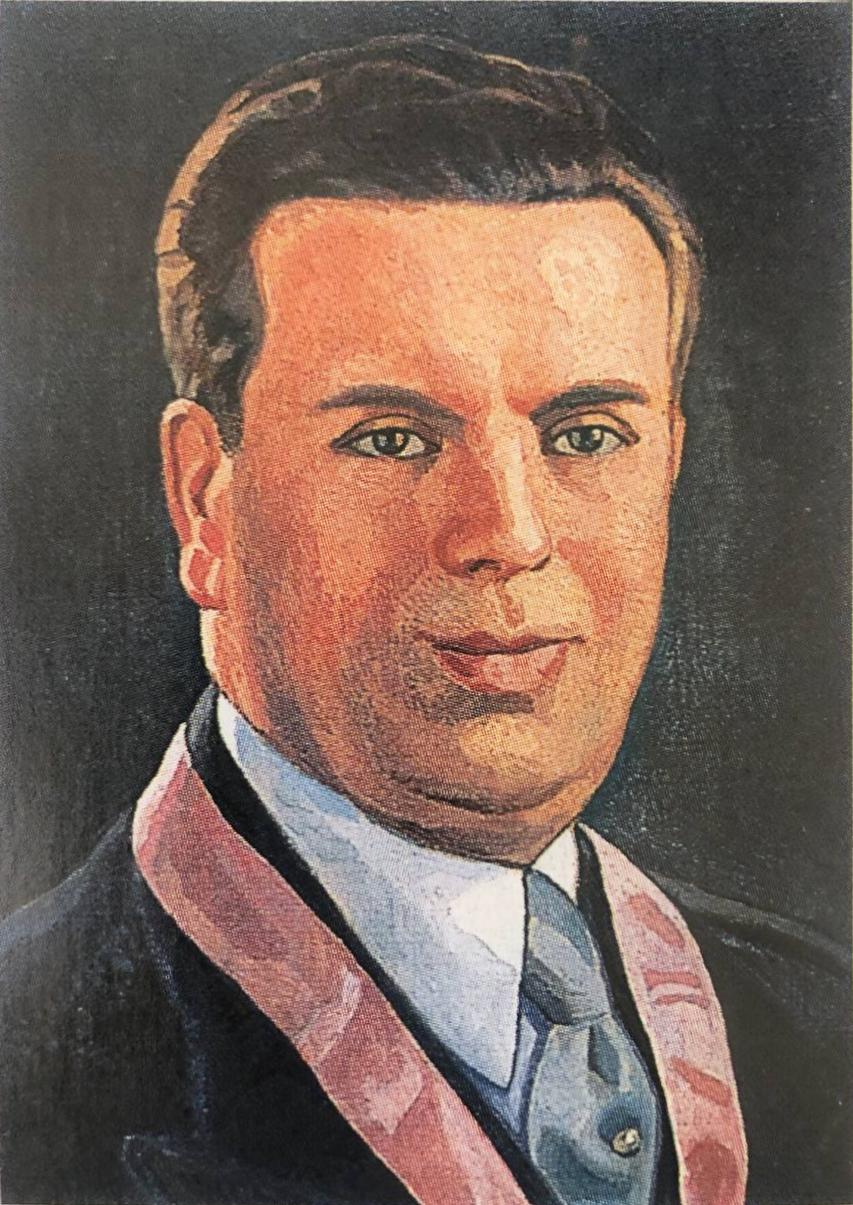
MASM’s portrait gallery immortalizes notable figures from San Marcos and Peru’s history, while the archive of peasant drawings and paintings documents rural life and preserves marginalized perspectives within the nation’s artistic narrative.
Visiting Information: Hours, Tickets, and Accessibility
Location
- Address Av. Nicolás de Piérola 1222, Parque Universitario, Lima Historic Centre
Hours and Admission
- Tuesday to Saturday 10:00 AM – 5:00 PM
- Closed Sundays, Mondays, and national holidays
- Admission General – PEN 10; Students/Seniors – PEN 5; Free on the first Sunday of each month; discounts for groups and occasional free entry during cultural festivals (Museos Cultura; El Comercio)
Accessibility
- Ramps and accessible restrooms are available; some areas have historic stairways and uneven floors, but staff are ready to assist.
- For detailed accessibility services, contact the museum or consult the official site.
Facilities
- Restrooms, gift shop, and a café are available.
- Photography without flash is permitted in most permanent galleries.
Guided Tours and Educational Programs
- Guided tours in Spanish and English (advance booking recommended).
- Workshops, lectures, and family-friendly activities are regularly offered.
- Special tours for schools and academic groups can be arranged through the university.
Nearby Historical Sites
Enhance your cultural itinerary by visiting other landmarks near MASM, including:
- Plaza Mayor
- National Museum of Archaeology, Anthropology, and History
- San Francisco Monastery
- Biblioteca España de las Artes
- National Library of Peru (Google Arts & Culture)
Frequently Asked Questions (FAQ)
Q: What are the visiting hours?
A: Tuesday to Saturday, 10:00 AM – 5:00 PM; closed Sundays, Mondays, and national holidays.
Q: How much are tickets?
A: General admission is PEN 10; students and seniors PEN 5; free on the first Sunday monthly.
Q: Is the museum accessible?
A: Yes, major exhibition halls are accessible, and staff can assist with mobility needs.
Q: Are guided tours available in English?
A: Yes, with advance request and subject to staff availability.
Q: Can I take photos inside the museum?
A: Non-flash photography is permitted in the permanent collection; restrictions apply to some temporary exhibitions.
Q: How do I get there?
A: Easily accessible by Metropolitano bus, city bus lines, taxi, or rideshare. Ask for “Casona de San Marcos” or “Museo de Arte de San Marcos.”
Practical Visitor Tips
- Language Most signage is in Spanish; English tours available with advance notice.
- Visit Duration Allocate 1–2 hours for a thorough visit.
- Safety The area is safe during the day; use rideshare services for convenience if needed.
- Contact For group visits and special requests, contact the museum via the official website.