Origins and Context
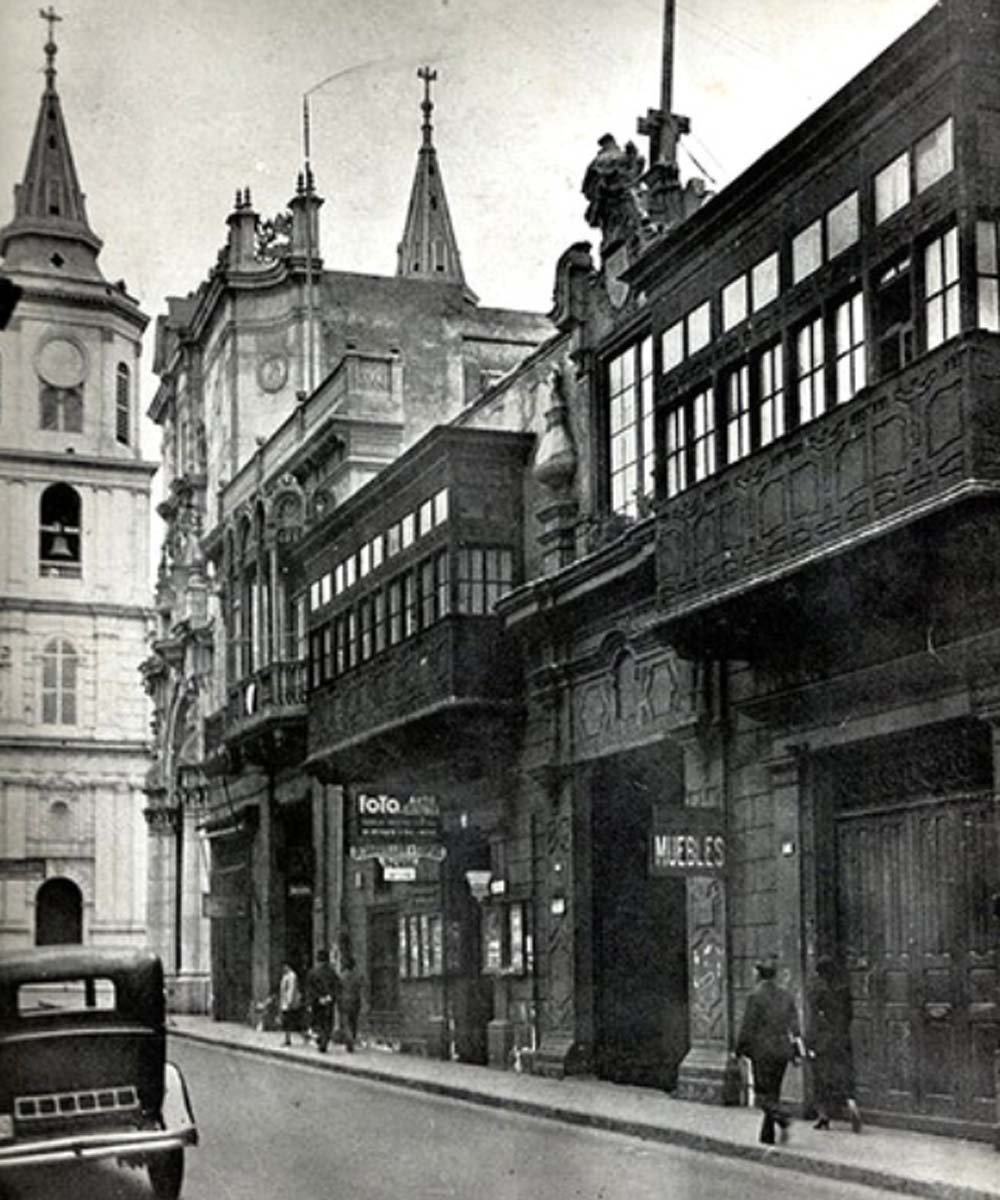
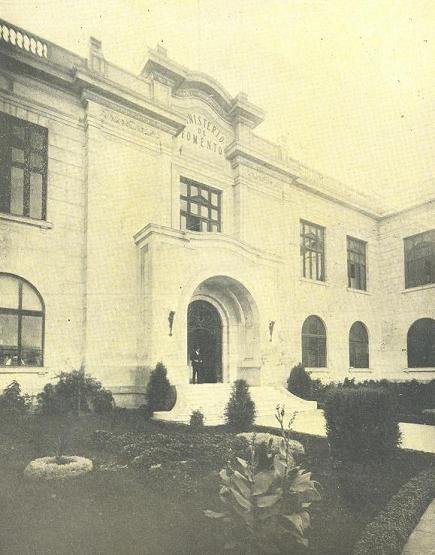
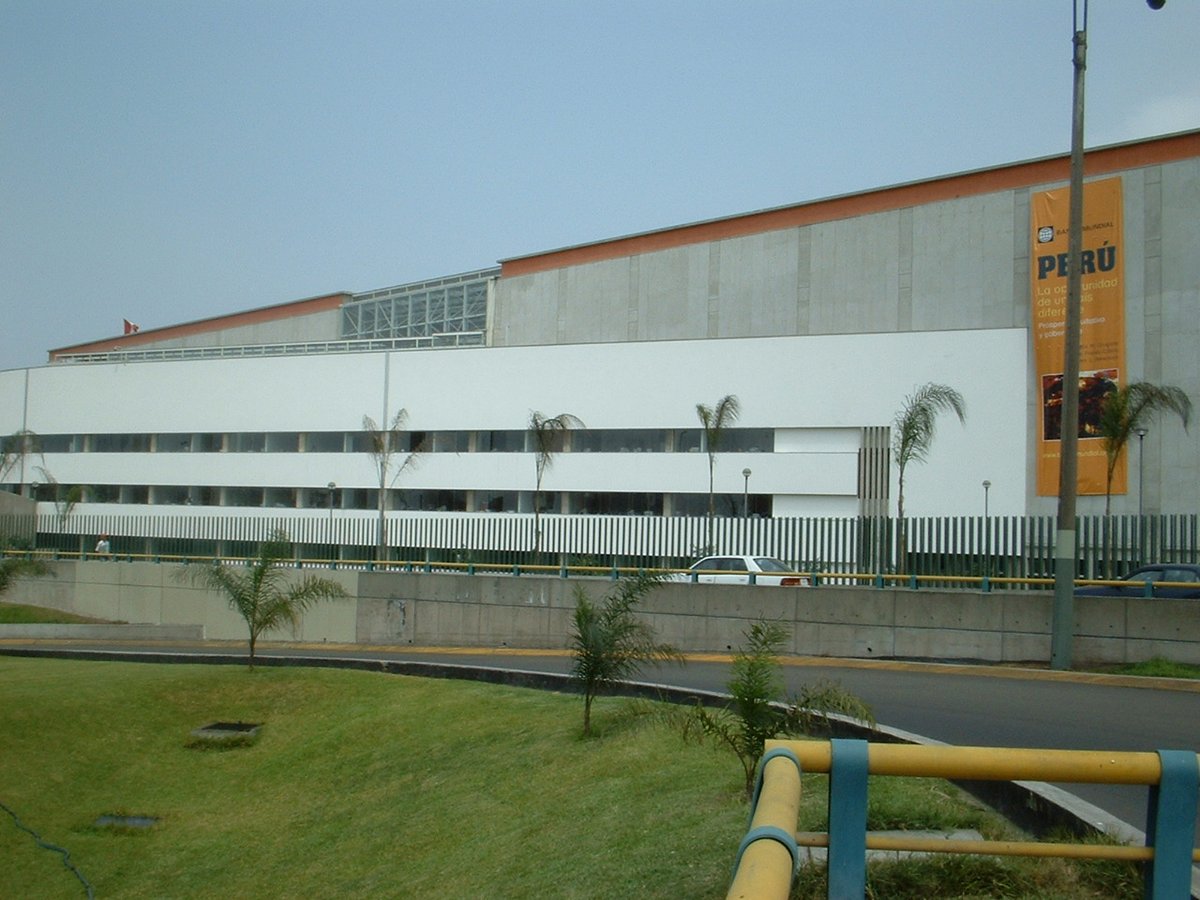
The building that houses MUCEN was established as the Central Reserve Bank’s headquarters in 1929, reflecting Peru’s early 20th-century economic growth and urban renewal efforts. Designed by the American firm Fred Ley & Company—also responsible for New York’s Chrysler Building and Lima’s Hotel Bolívar—the structure integrates neoclassical and Beaux-Arts elements. Its grand façade, column-free ground floor, and innovative steel beam construction were architectural milestones for their time. When the bank relocated in the late 1970s, architect Frederick Cooper Llosa led the building’s transformation into a museum, repurposing spaces like the vault into secure exhibition areas. The museum opened to the public in 1982, preserving both its historical function and architectural beauty. (El Comercio)
Visiting MUCEN: Hours, Admission, and Accessibility
Location: Jr. Lampa 474 (corner of Jr. Lampa and Jr. Ucayali), Lima Historic Center
Visiting Hours (Lima Main Branch):
- Tuesday to Saturday: 9:00 a.m. – 1:00 p.m. and 2:00 p.m. – 5:00 p.m.
- Closed Sundays and Mondays
Regional Branches:
Arequipa, Piura, and Trujillo branches are open daily from 10:00 a.m. to 4:30 p.m. (Museos Nacionales)
Admission and Tickets:
- Admission is free for all visitors.
- No tickets are required, but registration at the entrance is encouraged.
- For guided tours or group visits, advance booking is recommended.
Accessibility:
- The museum is fully wheelchair accessible, with ramps and elevators.
- Accessible restrooms and tactile guides are available.
- Staff are trained to assist visitors with special needs.
Museum Collections and Exhibitions
Permanent Collections
Archaeological Gallery
Features over 4,000 pre-Columbian artifacts—ceramics, textiles, gold, silver, woodwork—representing cultures such as Moche, Nazca, Chavín, Lambayeque, Chimú, Chancay, and Inca. Highlights include ceremonial vessels, intricate textiles, and the Hugo Cohen gold collection. (Intiland Tours, LimaEasy)
Metallurgy Hall
Displays ritual objects, jewelry, and masks made from gold, silver, and copper, illustrating the cosmological and social roles of metalwork in ancient Peru.
Numismatic Collection
Traces the evolution of Peruvian money from colonial coins to modern banknotes, highlighting the development of national symbols and economic history. (Wikipedia)
Peruvian Popular Art Gallery
Showcases folk art traditions—retablos, masks, ceramics, textiles—from diverse regions, emphasizing both ancestral craftsmanship and contemporary innovation.
Republican Art Gallery (Pinacoteca)
Exhibits Peruvian paintings from the independence era to the present, including works by Gil de Castro, Pancho Fierro, Daniel Hernández, and others.
Temporary Exhibitions and Special Events
- National Painting Competition Since 2008, this event has promoted contemporary Peruvian art, with winning pieces displayed in annual exhibitions.
- Thematic Rotating Exhibitions Focus on topics such as currency evolution, textile symbolism, and Peruvian identity, often in collaboration with local communities and scholars.
- Workshops and Family Programs Regularly scheduled, especially during weekends and school holidays, to encourage family and community engagement. (DePeru)
Visitor Experience: Facilities, Tours, and Tips
Guided Tours and Educational Programs:
- Free guided tours are available in Spanish and English for individuals and groups; advance reservation is recommended.
- Audio guides and educational workshops are offered, especially for school groups.
Facilities:
- Café and gift shop near the entrance
- Seating areas and free Wi-Fi
- Cloakroom for bags and backpacks
Photography:
- Non-flash photography is permitted in most areas; some temporary exhibitions may have restrictions.
Travel Tips:
- Wear comfortable shoes for exploring the museum’s polished floors.
- The museum is easily accessible by public transportation, taxi, or on foot from other Lima historic sites.
- Combine your visit with nearby attractions such as Plaza San Martín, Plaza Mayor, and the Cathedral of Lima for a full day of cultural exploration.
Cultural Significance and Social Role
MUCEN is more than a museum—it is a vibrant center for dialogue, education, and the construction of national identity. Its collections and exhibitions bridge Peru’s pre-Columbian past, colonial transformations, and contemporary society. By highlighting the evolution of national symbols and artistic expression, MUCEN fosters a sense of unity and pride while promoting social reflection and inclusion. The museum’s commitment to accessibility and community outreach—through programs, workshops, and special events—ensures its relevance for diverse audiences, both local and international. (Google Arts & Culture, WhichMuseum)
Plan Your Visit: Practical Information and Recommendations
- Advance Booking Reserve guided tours online, especially during peak seasons.
- Amenities Enjoy refreshments at the café and browse the gift shop for souvenirs.
- Family Friendly Educational programs and workshops are available for children and families.
- Safety Security procedures and health protocols are in place for visitor safety.
- Stay Connected Follow MUCEN on social media for updates on exhibitions and events. Download the Audiala app for interactive audio guides and maps.