
Visiting Information
Visiting Hours
- Casona de San Marcos (Historic Building & Cultural Center) Monday to Friday, 9:00 AM – 5:00 PM
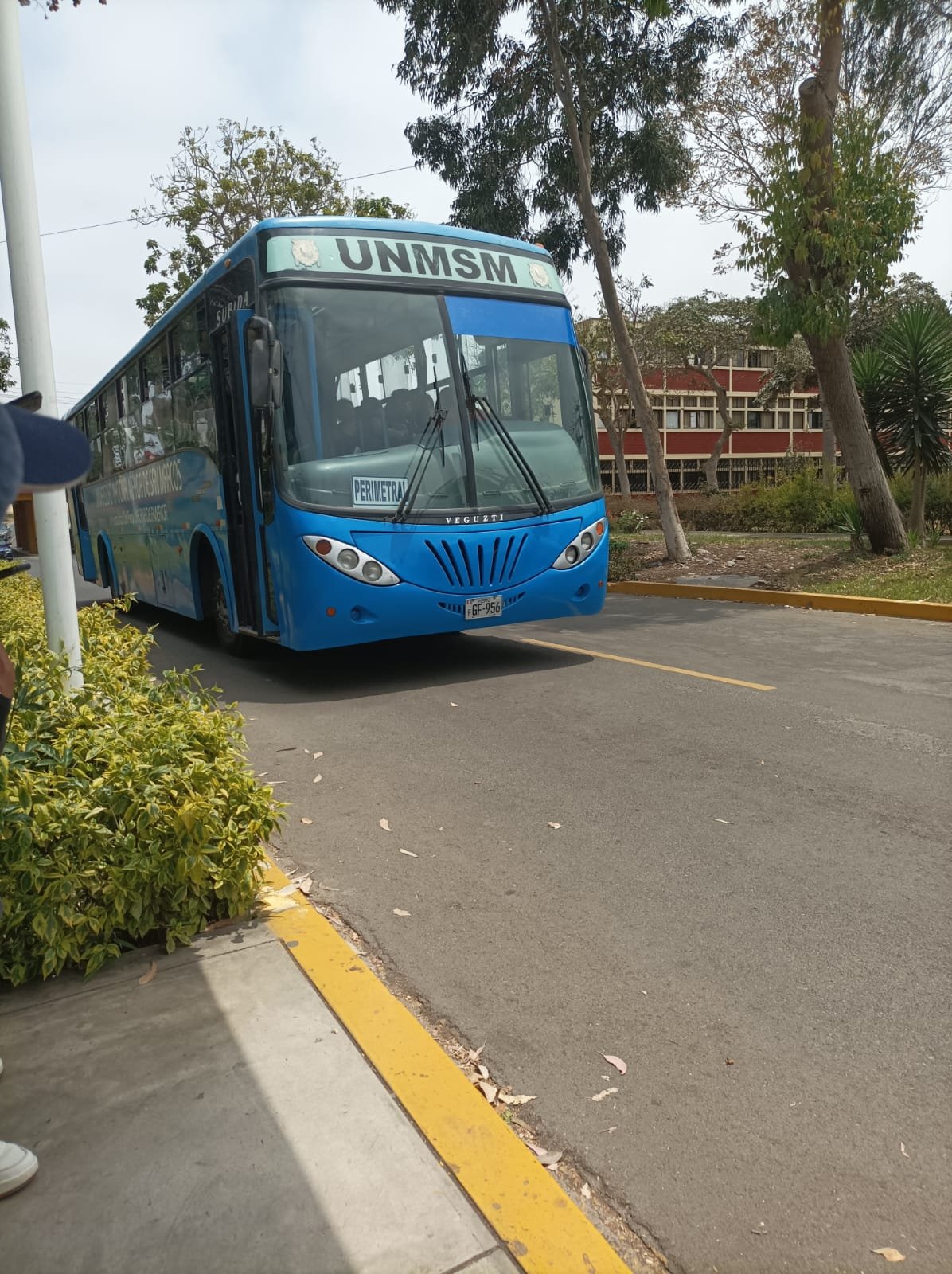
- University City (Main Campus) Open to visitors during daytime hours, typically 8:00 AM – 6:00 PM
- Museums Most are open Tuesday to Saturday, 9:00 AM – 4:00 PM. Special exhibitions may have different hours.
Always check the official university site or Lima Tourism Board for updates, especially during holidays or events.
Tickets and Entry
- Casona de San Marcos Entry is generally free, as it functions as a cultural center. Some exhibitions or events may charge a nominal fee.
- Guided Tours Available upon request via the university’s cultural office or local tour operators; advance booking recommended.
- Museums Some are free; others (such as La Casona or special exhibitions) may charge around PEN 10 (approx. USD 3) for adults; discounts for students and seniors.
- University City Access is open, but some areas may require permissions or be restricted to students and staff.
Accessibility
Key sites, including Casona de San Marcos, are wheelchair accessible. Ramps and assistance are available on request. Visitors with specific needs should contact the university in advance.
How to Get There
- Location The historic Casona de San Marcos is at Av. Nicolás de Piérola 1222 in Lima’s city center.
- Transport Reachable by taxi, rideshare, or public buses. The central location makes it ideal for walking tours and combining with other historic Lima attractions.
Highlights for Visitors
Casona de San Marcos
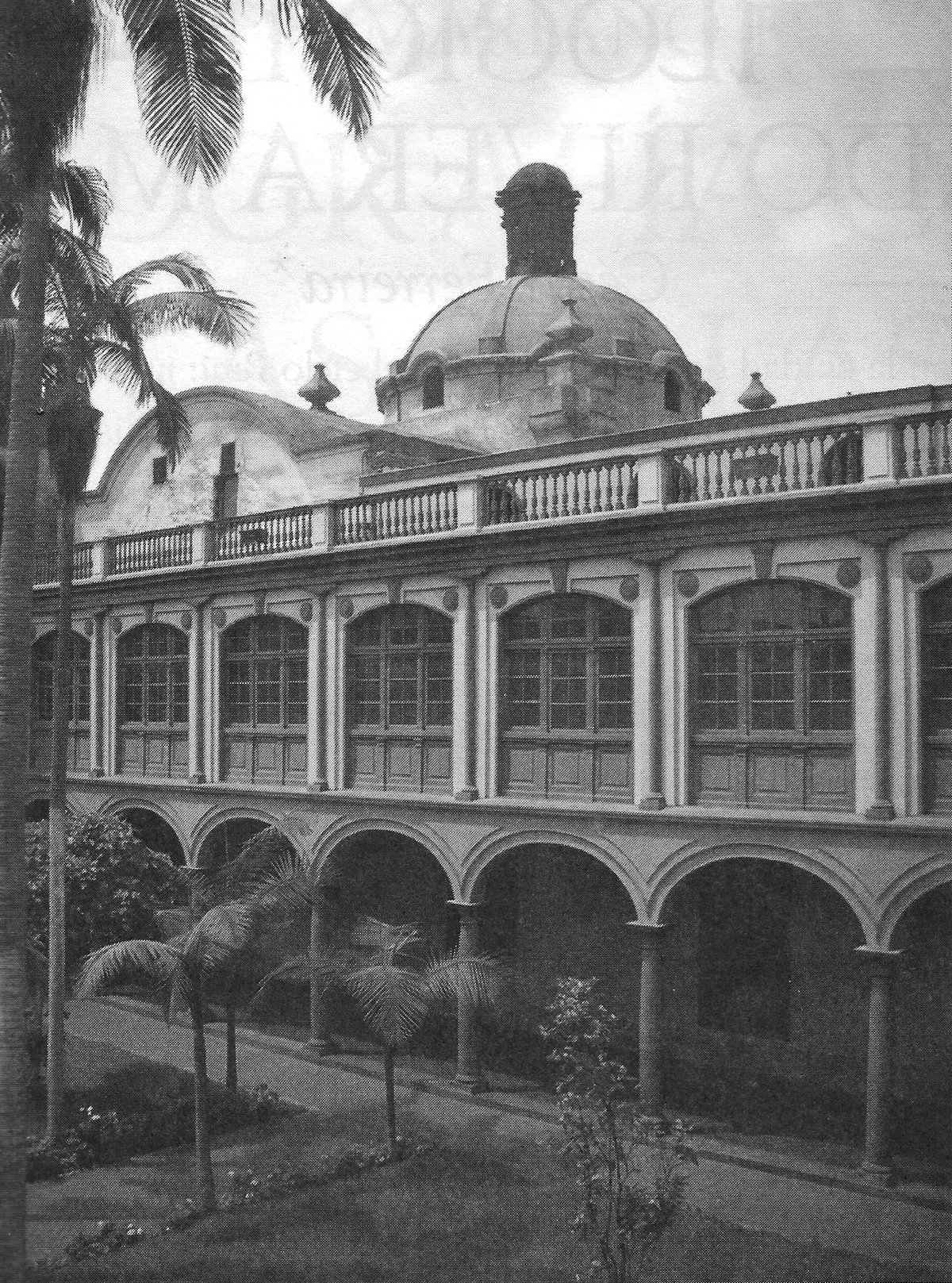
Admire colonial architecture and enjoy a range of cultural exhibitions, academic events, and concerts. The building itself is a UNESCO World Heritage Site, featuring beautiful courtyards and baroque details.
University Stadium
Inaugurated in 1951, the stadium is a landmark for sports and university ceremonies. It is open to visitors during events.
Huaca San Marcos Archaeological Site
Located on the University City campus, this archaeological site dates to pre-Columbian times and offers guided tours on weekends.
Museums
- Museum of Natural History Extensive collections of Peruvian flora, fauna, and fossils.
- Museum of Art Works by Peruvian artists.
- Museum of Archaeology Artifacts from Peru’s ancient civilizations.
- Sacaco Paleontological Museum Prehistoric fossils and paleontological research.
- Historical Museum of Physical Sciences Exhibits on Peruvian science and innovation.
Central Library
One of the largest academic libraries in Peru, open to researchers and visitors by appointment.
Founding and Early Years (1548–1571)
San Marcos was conceived by the Dominican Order in 1548 and officially founded in 1551 by royal decree, making it the oldest university in the Western Hemisphere. It became San Marcos in 1574, following papal confirmation in 1571.
Colonial Era (16th–18th Centuries)
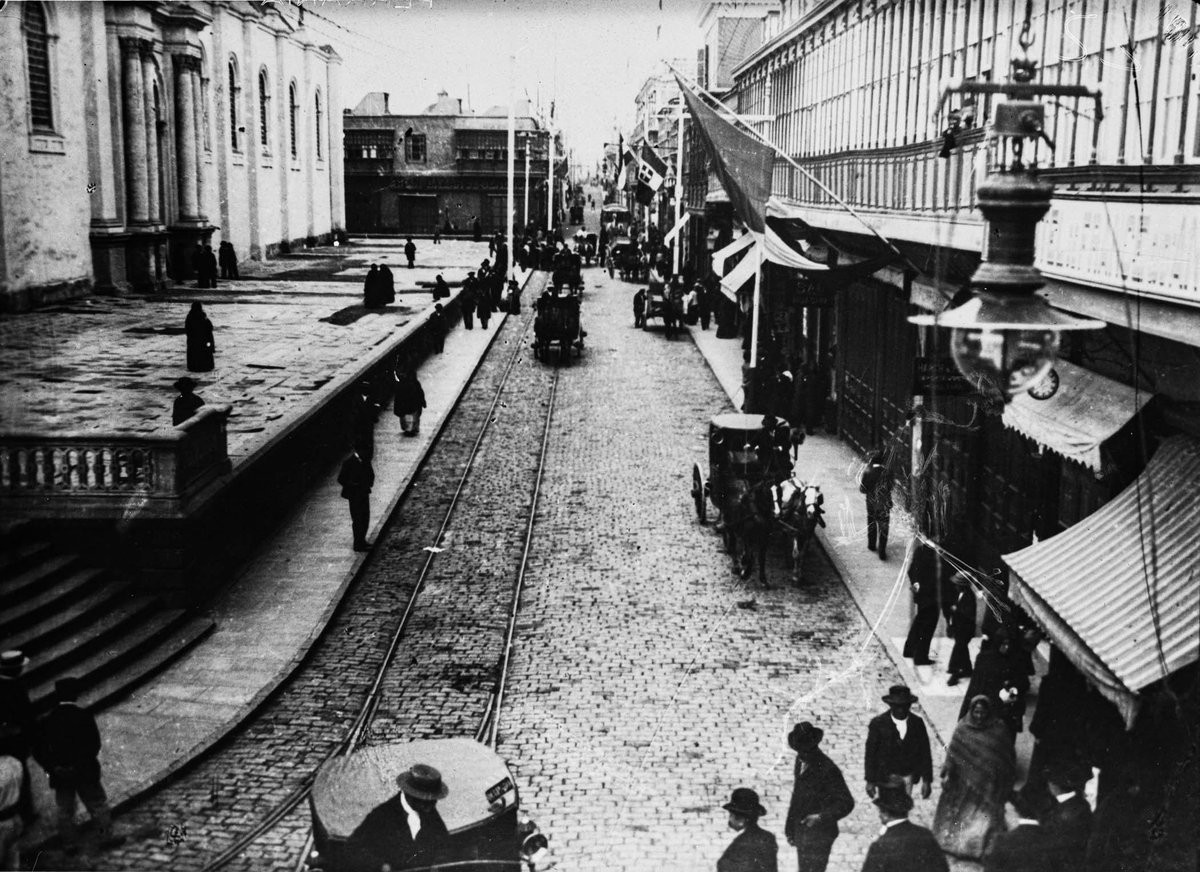
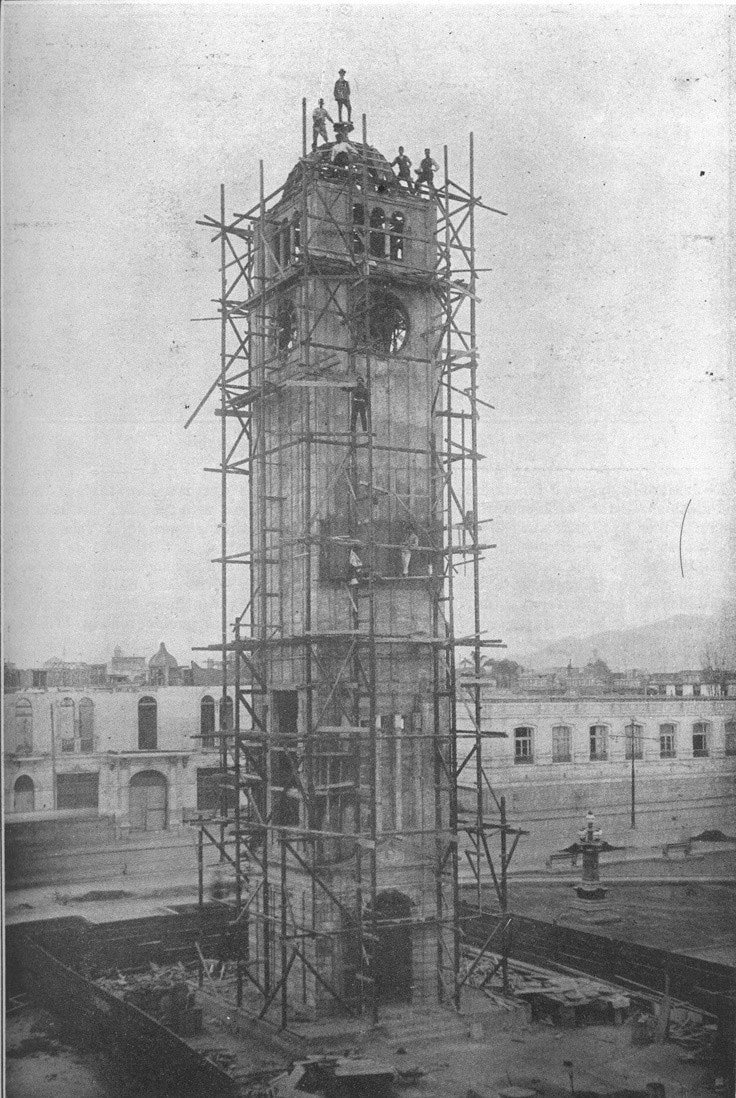
The university became the intellectual heart of the Viceroyalty of Peru, training clergy, lawyers, and administrators. The Casona de San Marcos now stands as a monument to this era.
Independence and Republican Era (19th Century)
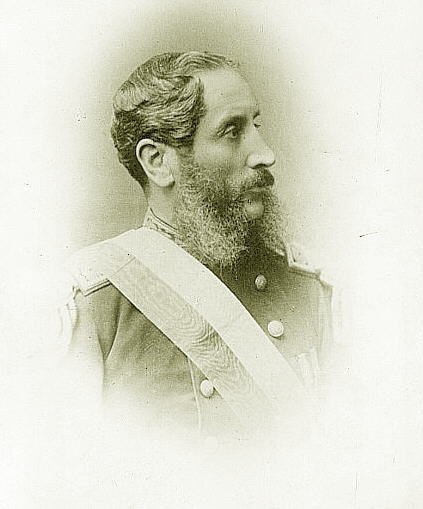
San Marcos played a central role in Peru’s independence, hosting the first Constituent Congress in 1822. In 1874, it gained autonomy, marking a new era of academic freedom.
Modernization and Reform (20th Century)
Driven by student activism, San Marcos expanded its academic programs and research institutes. The stadium’s inauguration in 1951 underscored its cultural influence.
The University City and Contemporary Era (1966–Present)
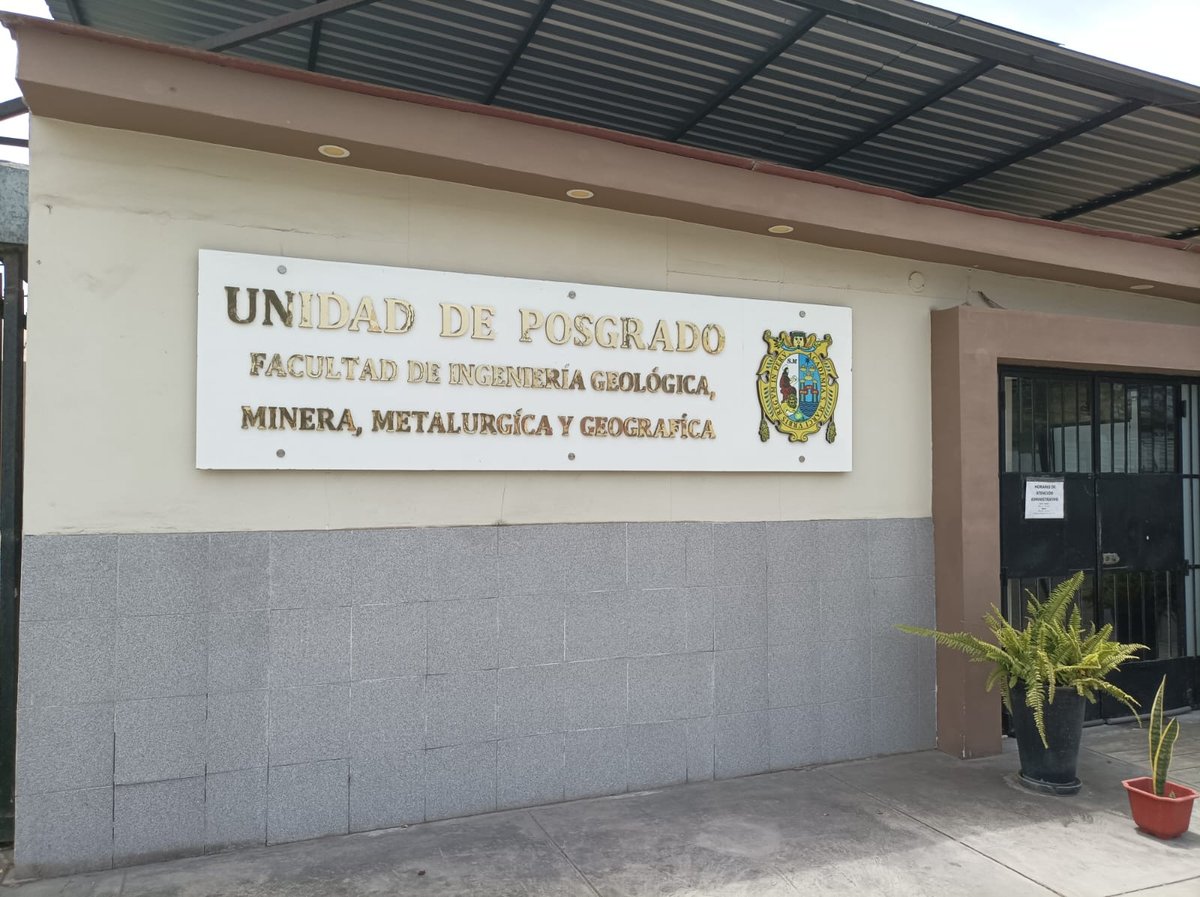
The University City campus, opened in 1966, houses most faculties and the Huaca San Marcos site. Today, UNMSM educates around 40,000 students and is widely recognized for its research excellence.
Notable Alumni
Distinguished alumni include Nobel laureate Mario Vargas Llosa, poet César Vallejo, and 21 Peruvian presidents. San Marcos is renowned for shaping leaders in literature, science, and politics.
FAQs
Q: What are the main visiting hours?
A: Casona de San Marcos: Mon–Fri, 9:00 AM–5:00 PM; University City: generally open 8:00 AM–6:00 PM.
Q: Is there an entry fee?
A: Casona is typically free; some exhibitions and museums may charge a small fee.
Q: Are guided tours offered?
A: Yes, by appointment through the university or local tour operators.
Q: Is the site wheelchair accessible?
A: Yes, with ramps and assistance available at main sites.
Q: How do I get there?
A: Centrally located in Lima, accessible by public transport, taxi, or on foot.
Nearby Attractions
- Plaza Mayor Lima’s historic main square.
- Basilica and Convent of Santo Domingo Rich in colonial art and history.
- Museo de la Inquisición y del Congreso Insights into Peru’s colonial and political history.
- San Francisco Monastery Famous for catacombs.
Events and Cultural Activities
Throughout the year, San Marcos hosts public lectures, art exhibitions, concerts, and festivals. Many are free or low-cost, often held at La Casona.
Visitor Experience and Tips
- Orientation Maps and information desks are available in Spanish and English.
- Safety The campus is generally safe during the day; exercise usual caution with belongings.
- Practicalities Carry small cash for snacks or souvenirs; ATMs are on campus.
- Dress Code Casual attire is fine for general visits; smart-casual suggested for formal events.
- Accessibility Most modern buildings are accessible; check in advance for historic sites.
Visitor Services and Amenities
- Guided Tours Book in advance via the visitor center.
- Cafeterias Affordable Peruvian meals available on campus.
- Shops Bookstores and souvenir stands sell academic and cultural items.
- Wi-Fi Available in many public areas (registration may be required).
Visuals and Media
- Virtual Tours Visit the university’s website for virtual experiences.
- Photo Opportunities Casona de San Marcos courtyards, Huaca San Marcos, museum exhibits.
- Social Media
- Facebook: @UNMSM
- Instagram: @unmsm_oficial
Plan Your Visit
Stay updated via the National University of San Marcos website and Lima Tourism Board. For guided audio tours and real-time tips, download the Audiala app. Explore related articles and virtual content about Lima’s historical and cultural attractions.
Summary and Visitor Recommendations
A visit to the National University of San Marcos offers a unique blend of historical legacy, academic prestige, and vibrant cultural activity. With its centuries-old tradition, iconic sites, and commitment to accessibility, San Marcos stands out as a leading destination for anyone interested in Peru’s history and culture. Plan ahead, use official channels for current information, and take advantage of cultural events, guided tours, and digital resources to make the most of your experience. (National University of San Marcos Visiting Hours, Tickets, and Historical Tour Guide, Monument of San Marcos University in Lima, Visiting the National University of San Marcos)