
Architecture & Facilities
Location and Setting
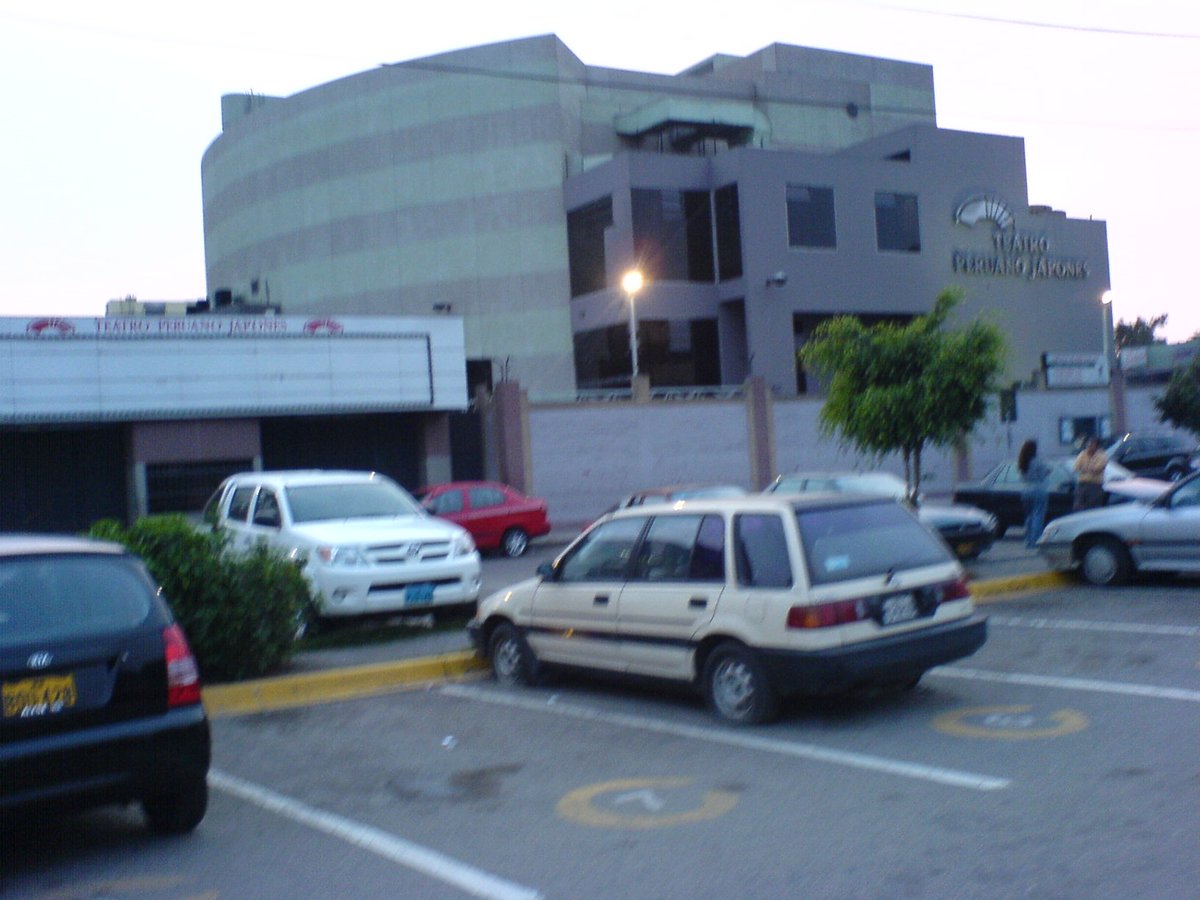
- Address Av. Gregorio Escobedo 803, Jesús María, Lima.
- Setting Centrally located within the Residencial San Felipe neighborhood, the theater is easily accessible by public transport and taxi, and is adjacent to the Japanese-Peruvian Cultural Center complex (APJ official site; portaljesusmaria.com).
Auditorium & Technical Features
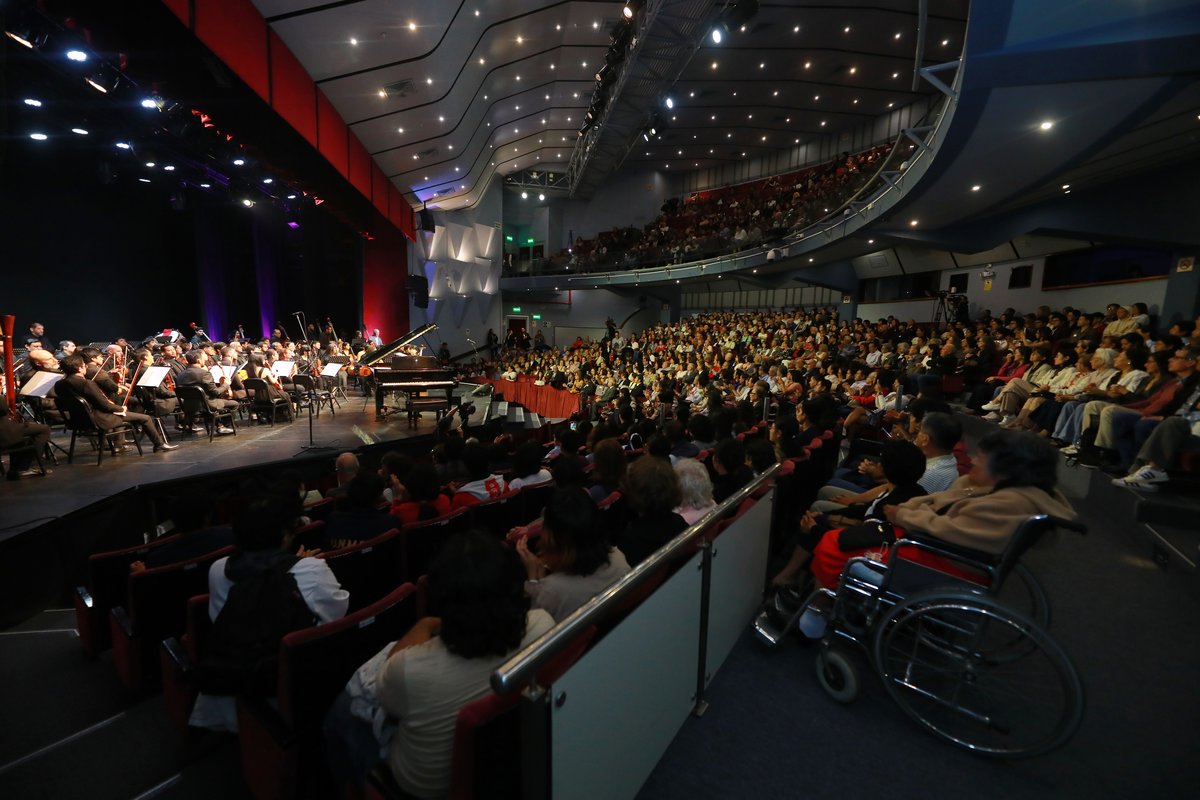
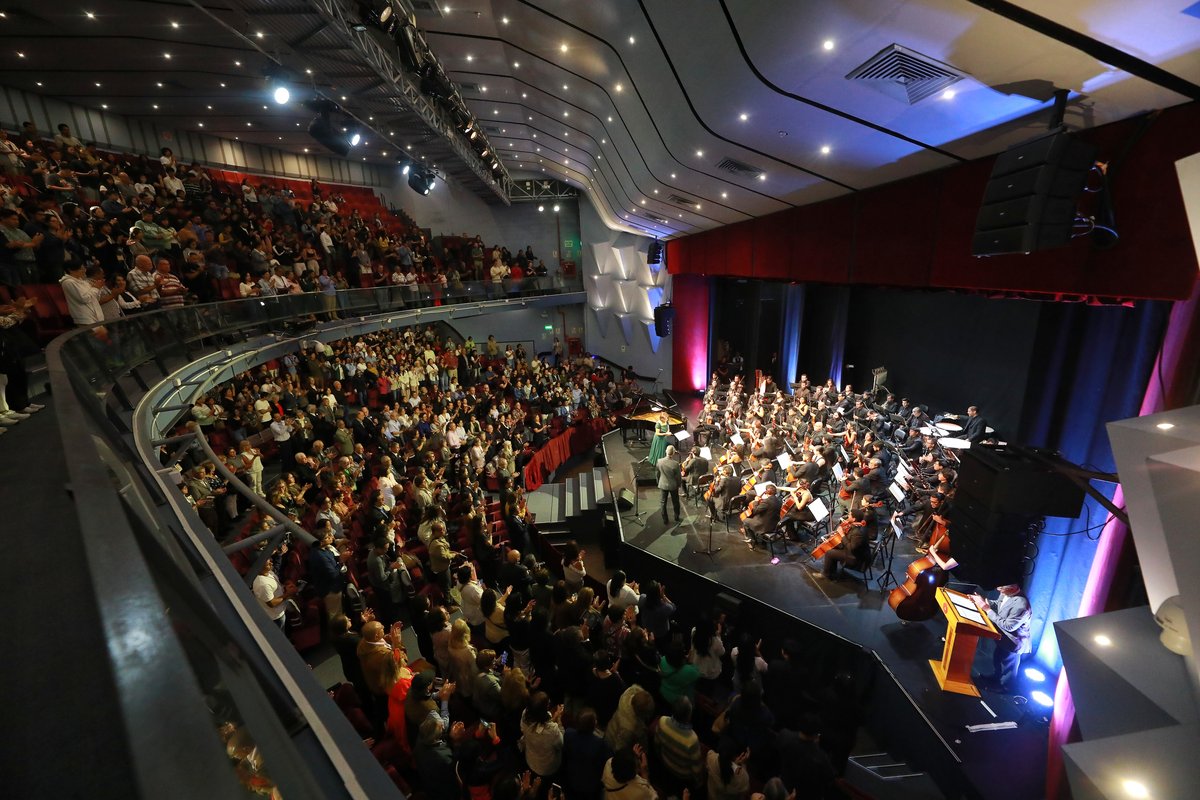
- Seating Capacity 1,025 seats (569 platea, 456 mezzanine), with tiered design for optimal sightlines (Viasatelital).
- Stage 15m wide x 10m deep, with orchestra pit for up to 50 musicians.
- Facilities Modern lighting, acoustics, sound engineering, and multiple dressing rooms, supporting a range of performances from drama to concerts.
- Adjacent Spaces Japanese gardens, Ryoichi Jinnai Art Gallery, Museum of Japanese Immigration, and martial arts dojo (LimaEasy; nikkeiplus.com).
Accessibility
The venue is fully accessible, featuring:
- Wheelchair ramps and reserved seating.
- Elevators and accessible restrooms.
- Clear bilingual signage (Spanish/Japanese).
- Reserved parking for visitors with disabilities.
- Trained staff for additional assistance (PortalSanBorja).
Visiting Hours & Ticketing
- General Opening Tuesday to Sunday, 10:00 AM – 7:00 PM (box office), though event hours may vary. For art exhibitions, galleries are open 10:00 AM – 1:00 PM and 2:00 PM – 8:00 PM (APJ official site).
- Tickets Purchase at the theater’s box office, via APJ’s website, or through Teleticket. Prices depend on event, with discounts for students, seniors, and APJ members (Heptagrama Cultural Agenda).
- Special Events Some events are free but require advance reservation; ticketed events offer VIP, platea, and mezzanine options.
Programming & Notable Events
Flagship Events
- Semana Cultural del Japón (Japan Cultural Week) A festival of traditional and contemporary Japanese and Nikkei arts.
- Festival Cultural Nikkei Celebrates the fusion of Japanese and Peruvian cultures.
- Gala Nights Events like “Tributo al Amor” and “Amor de Marinera” showcase music, dance, and theatrical tributes (APJ Presentaciones).
Theatrical Productions
- Contemporary Peruvian drama, such as “La Tribu” by Ítalo Cordano.
- Family-friendly shows and children’s theater.
Music & Dance
- Concerts by Peruvian and Japanese artists, traditional Japanese dance, Peruvian folk music, and international collaborations (Portal Breña).
Educational & Community Programming
- Workshops on acting, ikebana, origami, taiko drumming, and Peruvian folklore.
- Annual festivals, Matsuri, Independence Day celebrations, and open houses (nikkeiplus.com).
Community Engagement & Educational Activities
The theater collaborates with local and international artists, schools, and cultural organizations to offer:
- Educational outreach and artistic workshops for all ages.
- Guided tours of the cultural center and museum.
- Free and low-cost performances during festivals to foster community inclusion (APJ - Centro Cultural).
Nearby Attractions & Amenities
- Within the Complex Japanese gardens, tea house, art galleries, and museum of immigration.
- Close by Huaca Pucllana archaeological site, National Museum of Archaeology, and San Felipe’s modernist architecture.
- Dining Numerous Japanese and Peruvian restaurants in Jesús María.
Practical Visitor Tips & FAQs
Frequently Asked Questions
Q: What are the visiting hours?
A: Tuesday–Sunday, 10:00 AM–7:00 PM (box office); exhibitions 10:00 AM–1:00 PM and 2:00 PM–8:00 PM. Check event schedules online.
Q: How do I buy tickets?
A: At the box office, online via APJ’s website, or Teleticket.
Q: Is the theater accessible?
A: Yes—wheelchair access, elevators, reserved seating, and trained staff.
Q: Are guided tours available?
A: Yes, by prior arrangement and during festivals or open house events.
Q: Are children welcome?
A: Absolutely—family shows and child-friendly amenities are available.
Q: Can I visit the Japanese gardens and museum on the same day?
A: Yes, both are part of the same cultural complex.
Q: Where can I eat nearby?
A: The neighborhood offers a range of Japanese and Peruvian dining options.
Q: Is photography allowed?
A: In public and exhibition areas, but not during performances.
Additional Tips
- Book tickets in advance for popular shows.
- Arrive 30 minutes before start time.
- Dress smart-casual, especially for gala nights.
- Use public transportation for peak events due to limited parking.