
Origins and Urban Development
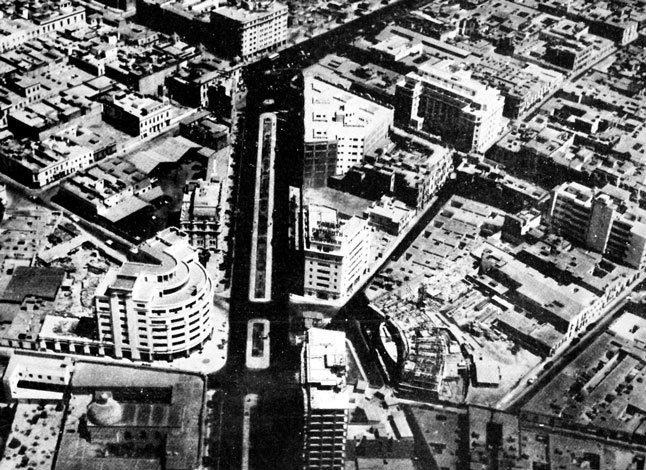
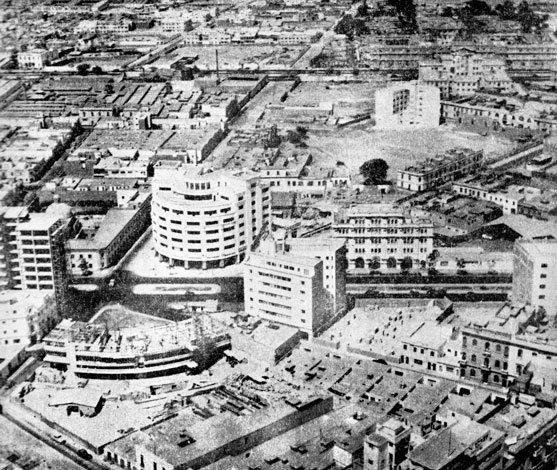
Plazuela Federico Elguera emerged during Lima’s period of rapid urban expansion in the late 19th and early 20th centuries. Located in Barrios Altos—one of Lima’s oldest and most storied neighborhoods, originally developed in colonial times—the plaza was established as part of city-led initiatives to create more communal green spaces in response to burgeoning urban populations (Municipalidad de Lima, El Comercio). The square honors Federico Elguera Seminario, a key figure who served as mayor and championed civic improvements.
Architectural Features and Urban Landscape
Plazuela Federico Elguera’s symmetrical design features a central garden encircled by ornamental benches and mature trees. The plaza’s focal point is a bronze bust of Federico Elguera, mounted on a stone pedestal with commemorative plaques. The surrounding buildings, dating from the Republican era, exhibit neoclassical and art nouveau styles, providing a unique architectural backdrop (Patrimonio Cultural de Lima). Carefully maintained landscaping and pedestrian pathways offer an inviting oasis within Lima’s bustling center.
Historical Events and Social Role
Historically, the plaza has been a vital gathering space for Barrios Altos’ diverse community. It hosted civic ceremonies, cultural festivities, and served as a meeting place for intellectuals and political figures in the early 20th century (La República). During times of migration and urban change, Plazuela Federico Elguera symbolized community resilience and continuity, remaining a focal point for public discourse and celebration.
Preservation and Restoration Efforts
Recognized as part of Lima’s UNESCO World Heritage–listed historic center, the plaza has benefited from significant restoration projects. Efforts have included landscaping, structural repairs, monument conservation, and the installation of new lighting (UNESCO). Community organizations, heritage advocates, and local authorities have worked together to maintain the plaza’s accessibility and cultural value.
Federico Elguera: The Man Behind the Name
Federico Elguera Seminario (1862–1936) was a transformative mayor of Lima, remembered for championing public works such as park development, sanitation, and transportation improvements (Historia de Lima). His legacy endures in the plaza that bears his name and in the city’s ongoing commitment to civic welfare.
The Plazuela in Contemporary Lima
Today, Plazuela Federico Elguera remains a cherished landmark. Despite facing challenges like urban decay and socio-economic shifts, it continues to host cultural events, art exhibitions, and serves as a serene retreat for residents and tourists. Guided walking tours often include the plaza as a key stop, providing insights into Lima’s rich architectural and social history (Peru Travel).
Visiting Plazuela Federico Elguera: Hours, Tickets, and Travel Tips
- Visiting Hours Open daily from 6:00 AM to 10:00 PM.
- Entry Fee Free and open to the public.
- Accessibility Wheelchair accessible, with smooth walkways and ramps.
- Guided Tours Available through local operators or as part of broader historic center tours.
- Travel Tips
- Visit early morning or late afternoon for the best ambiance and lighting.
- Combine your visit with nearby landmarks such as the Church of San Francisco and Plaza Mayor.
- Remain aware of your surroundings, especially during crowded festivals.
Notable Surroundings and Related Heritage Sites
Within walking distance, visitors will find the Church of San Francisco, Casa de la Literatura Peruana, Plaza Mayor, and the lively Jirón de la Unión (Visit Lima). The area is ideal for self-guided or organized walking tours, offering a rich tapestry of colonial and republican-era architecture, museums, and vibrant street scenes.
Historical Challenges and Resilience
Barrios Altos and the plaza have faced periods of neglect, vandalism, and urban pressure. Nonetheless, grassroots initiatives and municipal investments have revitalized the space, with educational programs, community clean-ups, and heritage events fostering civic pride and preservation (Gestión).
Photographic Spots and Special Events
The central bronze bust, ornamental benches, and lush gardens provide excellent photographic opportunities. The plaza frequently serves as a backdrop for festivals, art shows, and neighborhood celebrations, especially during major city events like Fiestas Patrias and the Señor de los Milagros processions (Festivals and Cultural Events in Lima, Peru).
Frequently Asked Questions (FAQ)
Q: What are the plaza’s visiting hours?
A: Daily from 6:00 AM to 10:00 PM.
Q: Is there an entry fee?
A: No, the plaza is free to visit.
Q: Is it accessible for people with disabilities?
A: Yes, the plaza features wheelchair-friendly pathways.
Q: Are guided tours available?
A: Yes, many historic center tours include Plazuela Federico Elguera.
Q: What nearby attractions can I visit?
A: Church of San Francisco, Plaza Mayor, and Casa de la Literatura Peruana.
Q: When is the best time to visit?
A: Early morning or late afternoon, or during cultural festivals.