
star 4.3 (2,538 reviews)

Introduction

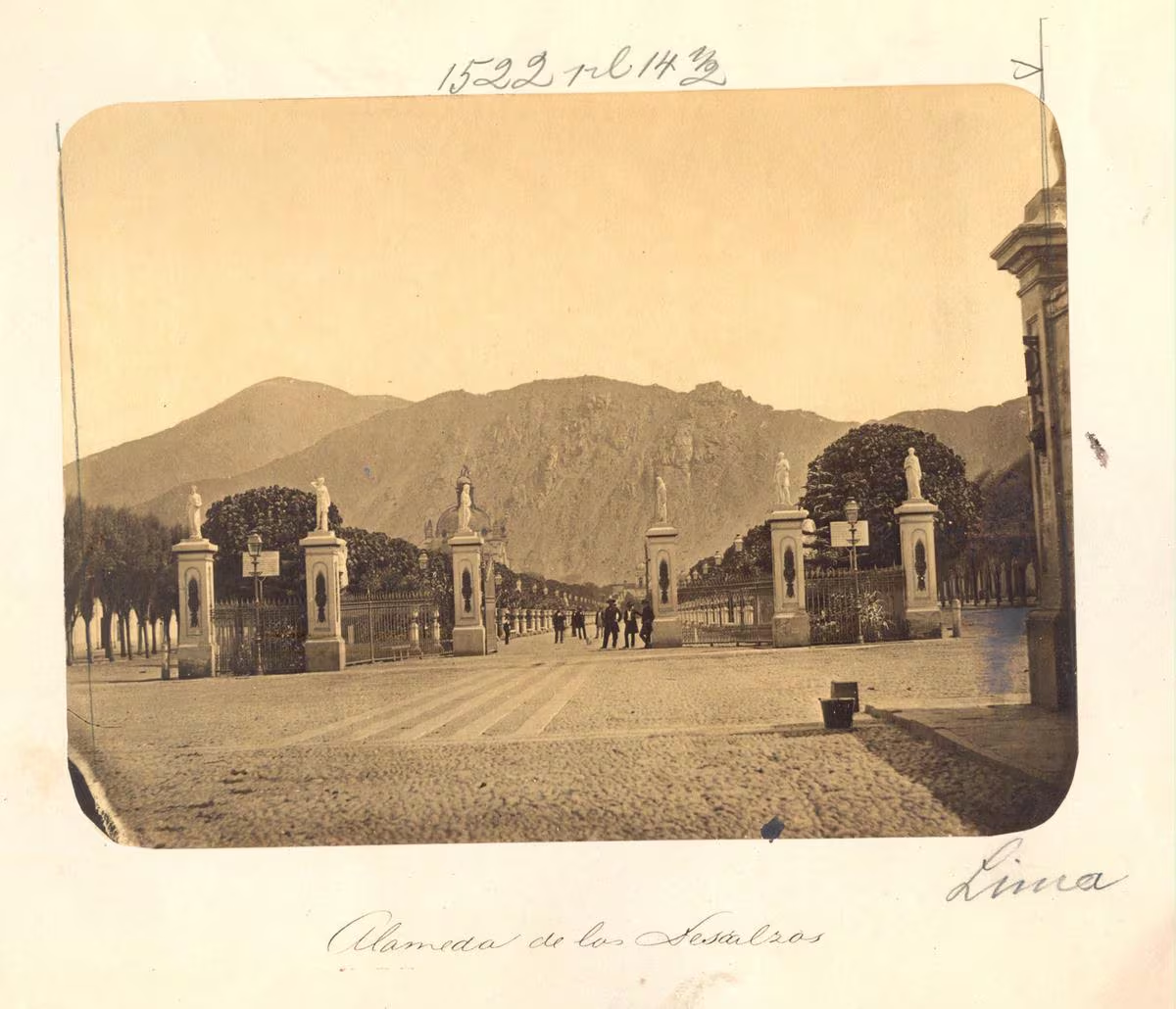
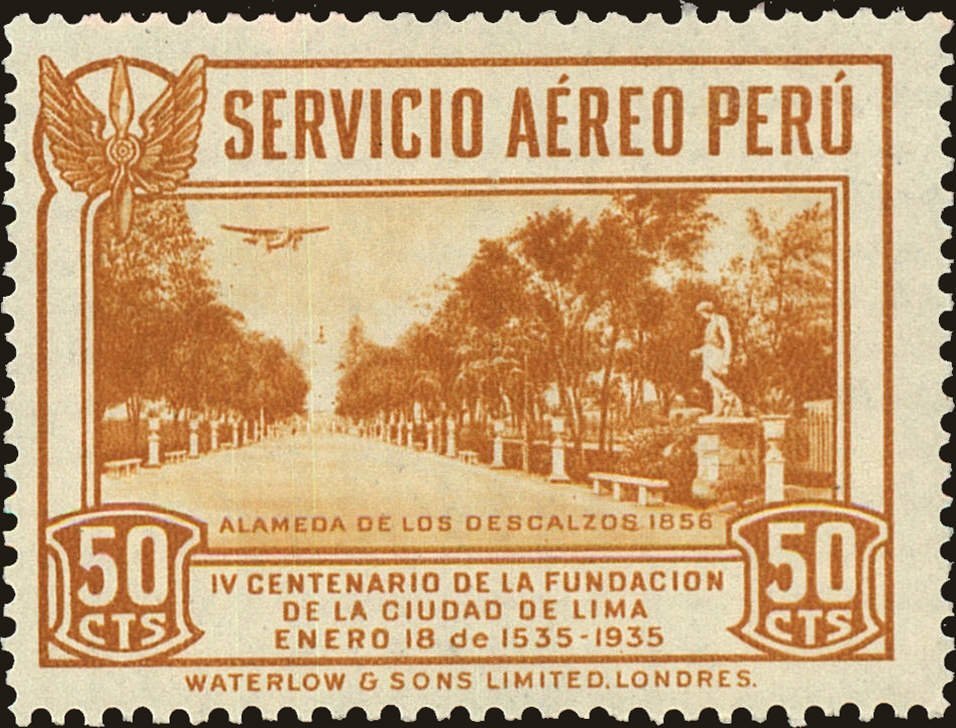
Alameda de los Descalzos, or the 'Promenade of the Barefoot,' stands as a significant historical and cultural landmark in Lima, Peru. This picturesque walkway, established in the 17th century, represents a vivid chronicle of the city's evolution from its colonial roots to modern times. Conceived under the direction of Viceroy Juan Mendoza y Luna and inspired by European avenues, the promenade was initially a leisure space for Lima's elite. Over the centuries, under the influence of the Discalced Franciscans, it has cemented its status as a cultural hub and a testament to Lima's rich religious and artistic heritage (source). Today, Alameda de los Descalzos offers visitors a glimpse into the past and a serene retreat adorned with colonial architecture, gardens, and historical monuments. This guide aims to provide a comprehensive overview of the Alameda's history, significance, and practical information for visitors, ensuring a memorable and enriching experience.

Colonial Origins and the Discalced Franciscans

The Alameda's story begins in the 17th century, during Lima’s colonial heyday. In 1611, Viceroy Juan Mendoza y Luna, the third Marquis of Montesclaros, ordered the creation of a grand avenue inspired by European promenades. This avenue, initially known as Alameda de la Virreyna, was designed as a space for the city’s elite to see and be seen, a place for leisurely strolls and social gatherings (source).

The Alameda’s destiny took a turn with the arrival of the Discalced Franciscan friars. This order, known for their austerity and commitment to poverty, established themselves near the promenade. Their presence led to the avenue’s renaming as "Alameda de los Descalzos," a moniker that reflected the friars’ practice of wearing sandals without shoes.

A Haven for Art and Faith

The Discalced Franciscans’ influence extended beyond the Alameda’s name. They built the iconic church and monastery complex that still graces the promenade today. The church, with its simple facade and intricately carved wooden altars, became a center of religious devotion. The monastery housed a treasure trove of colonial art, including paintings, sculptures, and a library filled with ancient texts (source).

Over time, the Alameda de los Descalzos evolved into a cultural hub. It became a favored spot for artists and intellectuals, drawn by its tranquil atmosphere and the presence of the Franciscan friars, known for their scholarship and piety. The Alameda’s gardens, adorned with fountains and statues, provided a serene escape from the bustling city, inspiring poets and writers.

Decline and Renewal

The Alameda’s fortunes waned in the 19th century, mirroring Lima’s own struggles after independence. The avenue fell into disrepair, its grandeur fading with neglect. However, the 20th century brought renewed interest in preserving Lima’s colonial heritage.

Restoration efforts breathed new life into the Alameda de los Descalzos. The avenue was repaved, its gardens replanted, and its statues restored to their former glory. The Franciscan church and monastery underwent extensive renovations, preserving their artistic and architectural treasures for future generations (source).

Visiting Alameda de los Descalzos - Practical Information

Ticket Prices and Visiting Hours

The Alameda de los Descalzos is open to the public daily, with visiting hours typically from 9 AM to 6 PM. Admission is free, although donations to support the maintenance of the site are welcome. Special tours may have associated costs, so it’s advisable to check ahead.

Travel Tips and Accessibility

The promenade is centrally located in Lima, making it easily accessible by public transport or taxi. While the main pathways are cobblestone, there are ramps and walkways to accommodate visitors with mobility challenges. Wear comfortable shoes for walking and consider bringing a hat and sunscreen, as there is limited shade.

Nearby Attractions

In addition to exploring the Alameda de los Descalzos, visitors can enjoy nearby attractions such as the historic Rímac district, the Convento de los Descalzos, and the scenic viewpoints along the Rímac River. These sites offer a deeper insight into Lima’s colonial past and vibrant present (source).

Special Events and Guided Tours

The Alameda hosts various cultural and religious events throughout the year. Guided tours are available and provide an enriched experience, offering detailed insights into the history, architecture, and significance of the promenade and its surroundings. Photographers will find numerous picturesque spots, especially around the fountains and statues.

The Alameda Today - A Bridge Between Eras

Today, Alameda de los Descalzos stands as a captivating blend of past and present. The avenue’s colonial charm, with its cobblestone paths and elegant arches, transports visitors back to Lima’s viceregal era. Yet, the laughter of children playing, the chatter of families enjoying picnics, and the vibrant street vendors selling their wares remind us that the Alameda remains a vital part of the city’s living fabric.

The Alameda’s significance extends beyond its beauty and historical value. It serves as a reminder of the enduring power of faith, the importance of preserving cultural heritage, and the enduring allure of a place where history and everyday life intersect. A visit to Alameda de los Descalzos is not just a stroll down a beautiful promenade; it’s a journey through time, a chance to connect with the soul of Lima.

FAQ

What are the visiting hours for Alameda de los Descalzos?

The Alameda is open daily from 9 AM to 6 PM.

Is there an admission fee?

Admission is free, but donations are appreciated.

How can I get to Alameda de los Descalzos?

The site is easily accessible by public transport or taxi from central Lima.

Are there guided tours available?

Yes, guided tours are available and provide detailed historical and cultural insights.

What nearby attractions can I visit?

Nearby attractions include the Rímac district, Convento de los Descalzos, and scenic viewpoints along the Rímac River.

Listen to the full story in the app

Your Personal Curator, in Your Pocket.

Audio guides for 1,100+ cities across 96 countries. History, stories, and local insight — offline ready.

smartphone

Audiala App

Available on iOS & Android

download Download Now

Join 50k+ Curators

Last reviewed:

More Places to Visit in Lima

24 places to discover

Barrio Chino star Top Rated

Barrio Chino

Chorrillos star Top Rated

Chorrillos

Larco Museum star Top Rated

Larco Museum

Park of the Exposition star Top Rated

Park of the Exposition

Plaza Dos De Mayo star Top Rated

Plaza Dos De Mayo

Alameda Chabuca Granda

Alameda Chabuca Granda

Archbishop'S Palace of Lima

Archbishop'S Palace of Lima

Arco Chino

Arco Chino

photo_camera

Archivo General De La Nación Del Perú

Avenida Nicolás De Piérola

Avenida Nicolás De Piérola

Avenida Salaverry

Avenida Salaverry

photo_camera

Bap Abtao

Biblioteca Del Congreso De La República "César Vallejo"

Biblioteca Del Congreso De La República "César Vallejo"

Bolognesi Square

Bolognesi Square

photo_camera

Cajamarquilla

photo_camera

Casa Aliaga, Lima

photo_camera

Casa De Las Trece Monedas

Casa Del Oidor

Casa Del Oidor

Casa Del Pueblo

Casa Del Pueblo

Casa Goyeneche

Casa Goyeneche

Casa Matusita

Casa Matusita

photo_camera

Casa Museo José Carlos Mariátegui

Casa O'Higgins

Casa O'Higgins

Castillo Rospigliosi

Castillo Rospigliosi