Historical Background
The Need for a Modern Landmark
By the early 2010s, Peru recognized the need for a centralized, state-of-the-art headquarters for its national bank. The dispersed facilities of Banco de la Nación led to operational inefficiencies and higher costs. The new tower was envisioned to foster institutional modernization, consolidate administrative functions, and symbolize national progress (Banco de la Nación, 2016).
Planning, Design, and Construction
Designed by Peruvian architect Bernardo Fort-Brescia, the TBN features a contemporary, minimalist style with an emphasis on seismic safety, sustainability, and urban integration. Construction began in 2013, utilizing innovative self-climbing formwork, and the building was inaugurated in July 2016 (GCAQ Ingenieros; Bouygues Bâtiment International).
Location and Urban Context
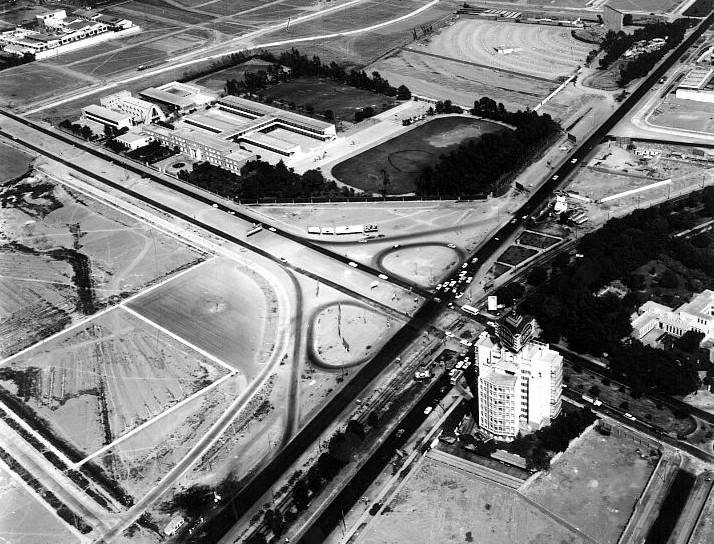
The TBN is situated at Avenida Javier Prado Este 2479, at the intersection with Avenida De la Arqueología, in San Borja (Skyscraper Center). This area is Lima’s cultural and administrative heart, surrounded by the Museum of the Nation, Gran Teatro Nacional, Biblioteca Nacional del Perú, and the Lima Convention Center (Ciudad Más, Wikipedia). San Borja is known for well-planned streets, green spaces, and a vibrant mix of culture and commerce.
Architectural Design and Engineering
Height and Structure
At 140 meters (459 feet) with 30 floors above ground and four underground parking levels, TBN is the tallest building in Peru (Civilisable; La República). Its sleek glass-and-steel façade reflects Lima’s skyline and the building’s dynamic identity.
Seismic Engineering
TBN’s design incorporates a central rigid core, reinforced concrete shear walls, base isolators, and dampers — ensuring resilience in Lima’s earthquake-prone environment (GCAQ Ingenieros).
Interior Spaces
The tower houses the main banking offices, an exhibition hall, and a state-of-the-art data center. Public areas feature Peruvian art and open spaces, while executive floors offer panoramic city views.
Sustainability Features
TBN is Peru’s first public building to earn LEED Silver certification. Its green credentials include:
- High-performance glazing for reduced heat gain
- Efficient air conditioning (Free Cooling system)
- Rainwater harvesting and greywater recycling
- Native landscaping and energy-saving lighting
These features demonstrate Peru’s commitment to sustainable public infrastructure (La República).
Visiting Information
Hours and Public Access
- Lobby and Public Areas Open Monday to Friday, 8:00 AM – 6:00 PM. Closed weekends and public holidays.
- Admission Free for the lobby and public areas. Access to special exhibitions or guided tours may require advance booking and a nominal fee (Infobae).
- Registration Visitors must sign in at the security desk.
Guided Tours
Occasionally available upon request through the Banco de la Nación website or visitor center. Guided tours may include insights into the building’s design, sustainability features, and public art installations.
Accessibility and Transportation
Public Transit
- Metro The La Cultura station (Line 1) is less than a 2-minute walk from the main entrance (Wikipedia).
- Bus Multiple routes along Avenida Javier Prado Este connect San Borja to the rest of Lima.
For Drivers
- Parking Four underground levels accessible from Javier Prado and De la Arqueología avenues.
- Rideshare Uber, Beat, and Cabify operate widely in Lima.
Pedestrian and Cyclist Access
Wide sidewalks and dedicated bike lanes encourage safe walking and cycling throughout San Borja.
Accessibility
Full compliance with international accessibility standards: ramps, spacious elevators, Braille signage, and accessible restrooms throughout the building (Infobae).
Nearby Attractions
Within walking distance:
- Museum of the Nation Showcasing Peru’s rich history and pre-Columbian artifacts.
- Gran Teatro Nacional Leading venue for national and international performing arts.
- Biblioteca Nacional del Perú The country’s main library and cultural research hub.
- Lima Convention Center Major venue for conferences and international events (Mapcarta).
Dining, hotels, and shopping centers are abundant in the area, making San Borja a complete cultural experience.
Visitor Tips
- Best Time Weekday mornings or early afternoons for the quietest experience.
- Safety San Borja is among Lima’s safest districts, but standard urban caution applies.
- Photography Allowed in public areas; restricted elsewhere for security.
- Comfort Wear comfortable shoes; bring a camera for exterior and cityscape photos.
Frequently Asked Questions (FAQ)
Q: Can I visit the upper floors?
A: Public access is limited to the lobby unless a special tour or event is scheduled.
Q: What are the visiting hours?
A: Monday to Friday, 8:00 AM – 6:00 PM.
Q: Is there an entry fee?
A: No, access to the lobby is free.
Q: Is the building accessible for people with disabilities?
A: Yes — ramps, elevators, and Braille signage are provided.
Q: How do I get there by public transport?
A: Take Line 1 of the Lima Metro to La Cultura station, or buses along Javier Prado Este.
Summary & Final Recommendations
The Torre Banco de la Nación embodies Peru’s ambitions for economic growth, sustainability, and urban revitalization. Visitors enjoy free access to the lobby and public spaces, with special tours available by arrangement. Its prime location in San Borja, surrounded by Lima’s leading cultural institutions, makes it an essential stop for anyone seeking to understand modern Peru. For more information on events and tours, use the Audiala app or check official tourism platforms (Banco de la Nación, 2016; La República).