Historical Context
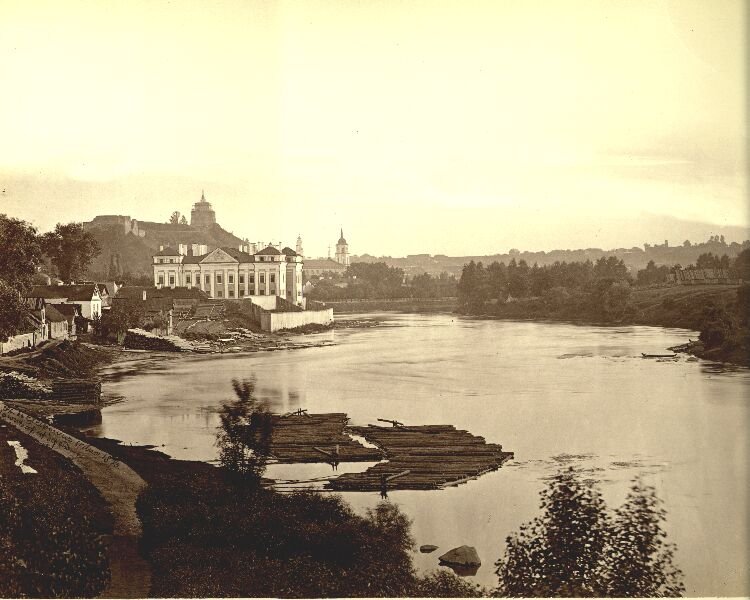
Vilnius—known as Wilno (Polish) and Vilne (Yiddish)—has long been a multicultural crossroads. Founded in 1323 by Grand Duke Gediminas, the city’s tradition of tolerance and cultural exchange fostered Belarusian, Lithuanian, Polish, and Jewish cultural revivals (History of Vilnius). The Belarusian Museum was established during the interwar period, signifying Vilnius’s importance as a hub for Belarusian culture. Today, the Ivan Lutskevich Belarusian Museum continues this legacy, preserving artifacts and stories that document the Belarusian experience in the city.
Practical Visitor Information
Location & Accessibility
- Address Ostrobramska 9 Street, Vilnius, Lithuania
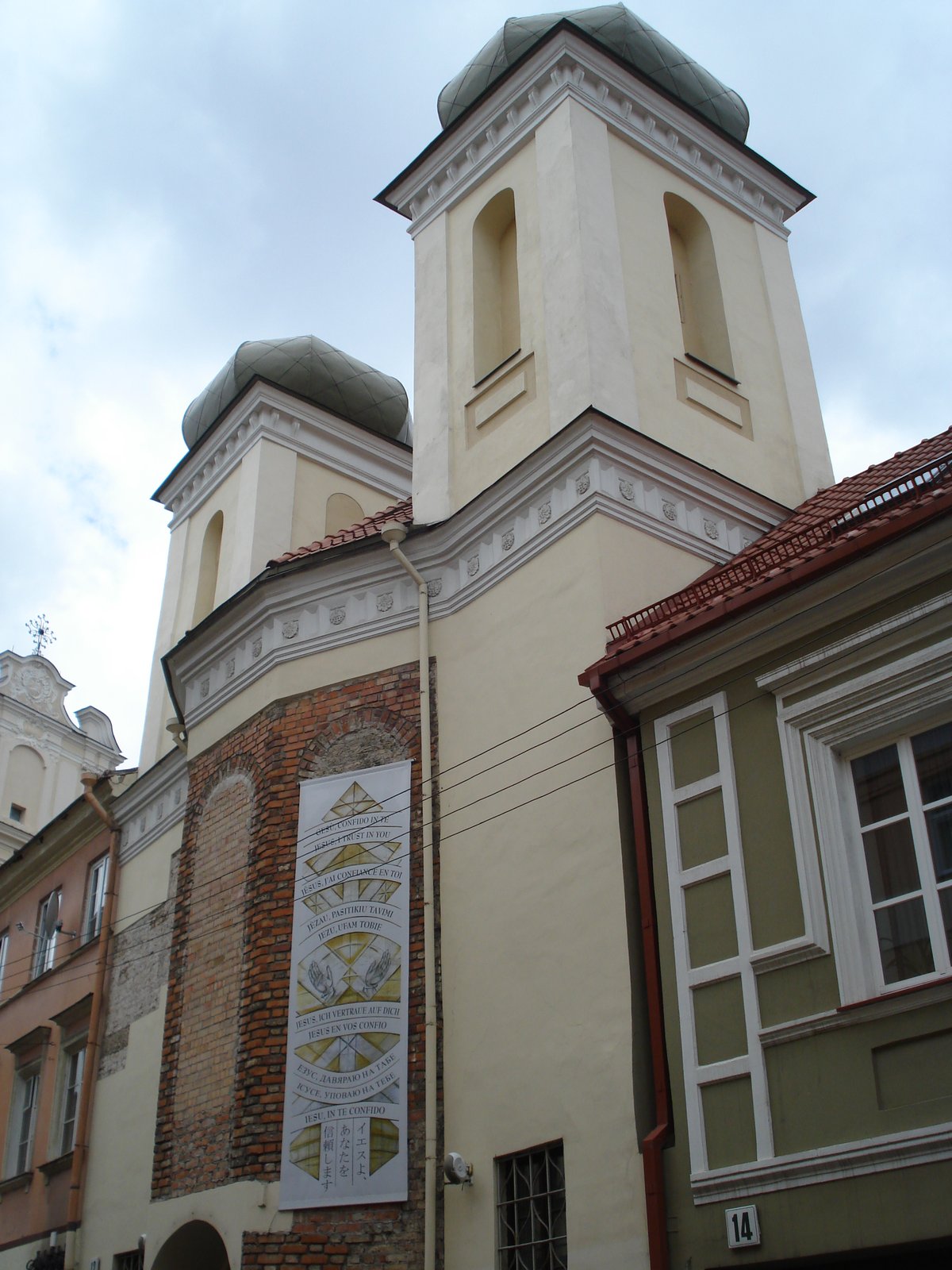
- Setting Situated in Vilnius’s Old Town, adjacent to the Monastery of the Holy Trinity, and easily accessible from major city landmarks.
- Accessibility The museum is wheelchair accessible, with ramps, lifts, and accessible restrooms. Advance arrangements are recommended for visitors requiring special assistance.
Visiting Hours
- Standard Hours Tuesday–Sunday, 10:00 AM–6:00 PM
- Special Events Extended hours may apply during exhibitions or city-wide events like Museum Night.
- Closed Mondays and major public holidays
- Check For the most current schedule, consult the official museum website.
Tickets & Admission
- Adults €5
- Students/Seniors €3
- Children under 12 Free
- Discounts Available for groups and Vilnius Pass holders
- Free Days Last Sunday of each month (for institutions under the Ministry of Culture)
- Purchase Online via the museum website or at the entrance
Guided Tours & Languages
- Languages Lithuanian, Belarusian, Polish, Russian, and English
- Guided Tours Available daily; advance booking recommended, especially during peak seasons
Photography Policy
- Allowed Non-flash photography in most permanent exhibition spaces
- Restrictions No flash or tripods; some areas, especially during temporary exhibits, may have additional restrictions
Museum Highlights
- Rare Manuscripts Fragments of Francysk Skaryna’s Prague Bible (1517), Statute of the Grand Duchy of Lithuania (1588), Ewangelie Nowogródzkie (14th century), and Al-Kitab manuscript
- Ethnographic Artifacts Traditional Belarusian costumes, textiles, folk art, and religious icons
- Fine Arts Works by Yazep Drazdovich, Mikola Slyunkov, and other notable Belarusian artists
- Literary Heritage Memorabilia from the first Belarusian schools in Vilnius, and archives of prominent Belarusian writers and activists
- Multimedia Displays Interactive touchscreens, audio guides, and digital archives accessible both on-site and online
Special Exhibitions & Community Programs
The museum hosts a variety of rotating and collaborative exhibitions, recently including:
- “Art Across Borders: Belarusian-Lithuanian Dialogues” (2024): Contemporary perspectives on migration and identity
- “Women of Wilno: Belarusian Heroines” (2024/2025): Honoring women’s cultural contributions
- “Belarusian Vilnius: A Century of Presence” (2025): Multimedia exploration of the Belarusian community’s evolution
- Collaborations Joint exhibitions with Lithuanian, Polish, and Ukrainian institutions, such as “Shared Heritage: Belarusian and Lithuanian Sacred Art” (2023) (LNMA Exhibition)
Community engagement includes educational workshops, family activities, lectures, book launches, poetry readings, and concerts—many of which are designed to foster intercultural dialogue.
Nearby Attractions & Travel Tips
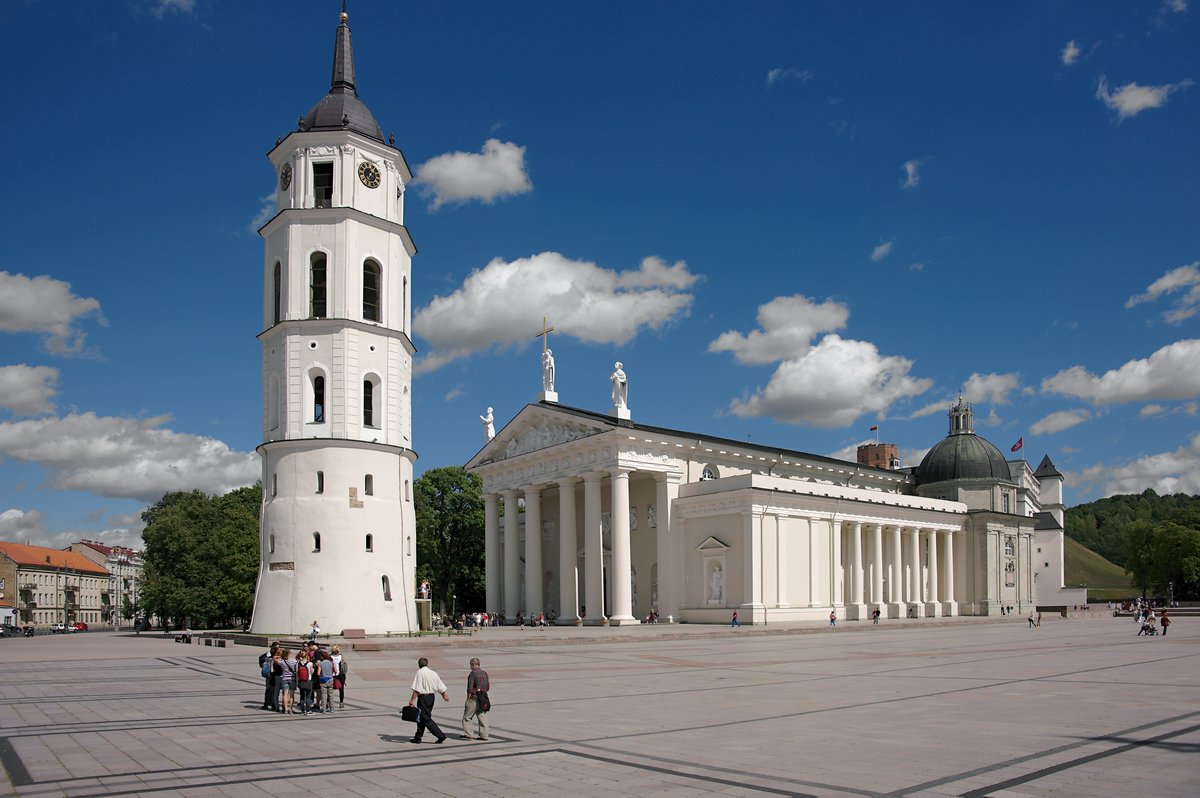
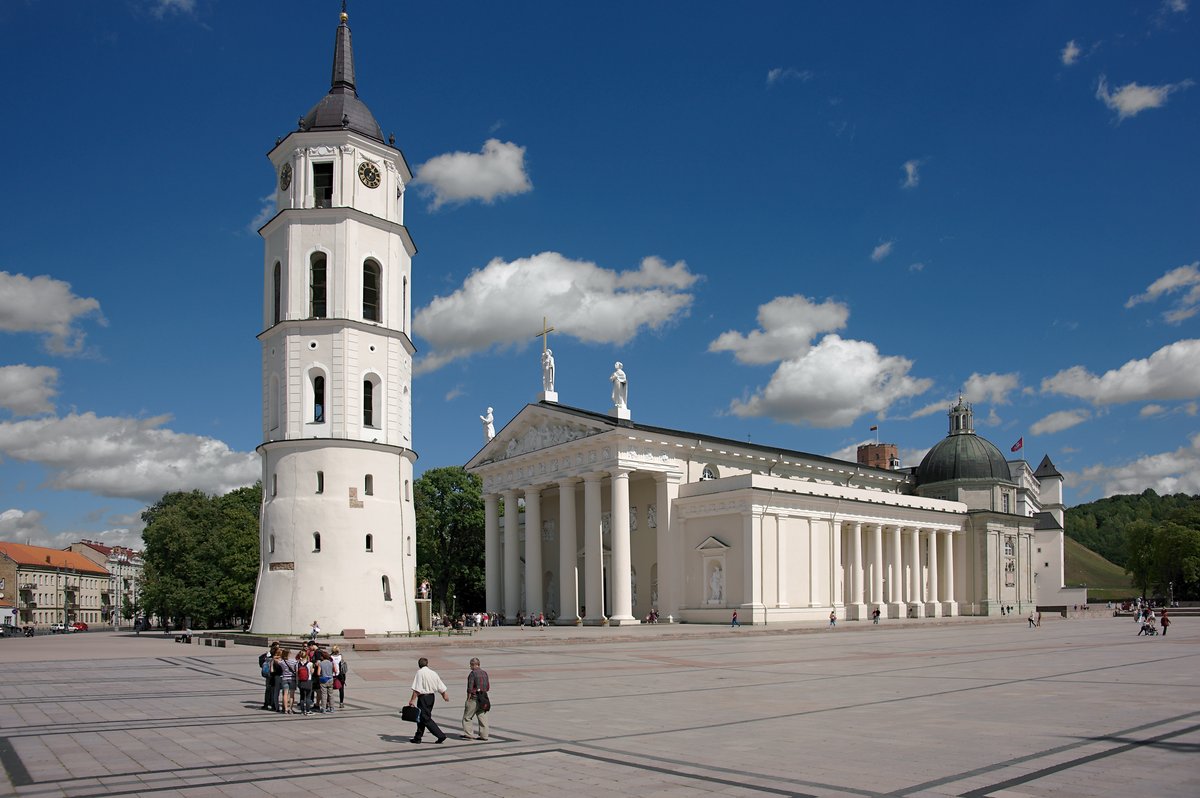
- Nearby Sites Vilnius Old Town (UNESCO World Heritage), Vilnius Cathedral and Bell Tower, Gediminas Tower, Museum of the History of Lithuanian Jews, and the Gate of Dawn
- Amenities Numerous cafes, restaurants, ATMs, and tourist information centers are within walking distance (My Global Viewpoint)
- Getting There Accessible by public transport (bus, tram), walking, or taxi. Parking is limited; public transport is recommended.
- Vilnius Pass Consider purchasing for savings on museum entry and local attractions (Go Vilnius)
Frequently Asked Questions (FAQ)
Q: What are the museum’s opening hours?
A: Tuesday to Sunday, 10:00 AM–6:00 PM; closed Mondays and holidays.
Q: What is the ticket price?
A: Adults: €5; students/seniors: €3; free for children under 12; discounts for groups and Vilnius Pass holders.
Q: Is the museum accessible for visitors with disabilities?
A: Yes, but due to the historic building, contact the museum in advance for specific needs.
Q: Are guided tours available?
A: Yes, in multiple languages; advance booking is recommended.
Q: Can I take photos inside the museum?
A: Non-flash photography is permitted in most areas.
Q: Is parking available?
A: Limited; public transport or walking is recommended.
Q: Are virtual tours or digital resources available?
A: Yes, explore digitized archives and virtual tours on the museum’s website.
Key Historical Milestones
- 1323 Founding of Vilnius as a multicultural city by Grand Duke Gediminas
- Late 19th–Early 20th Century Belarusian national revival and founding of Nasha Niva in Vilnius
- Interwar Period Establishment of the original Belarusian Museum amid shifting European borders
- 1989 Vilnius hosts the Belarusian Popular Front conference
- 21st Century Belarusian institutions relocate to Vilnius in response to political repression in Belarus