Historical Background and Context
Origins and Foundation
Constructed in the early 20th century during the Russian Empire’s rule, the Orthodox Church of St. Michael and St. Constantine was designed to serve the growing Orthodox minority in Vilnius. Its dedication to both St. Michael the Archangel and St. Constantine the Great reflects the importance of these figures in Orthodox tradition—St. Michael as the heavenly protector, and St. Constantine as the Roman emperor who legalized Christianity (True Lithuania).
Architectural Features
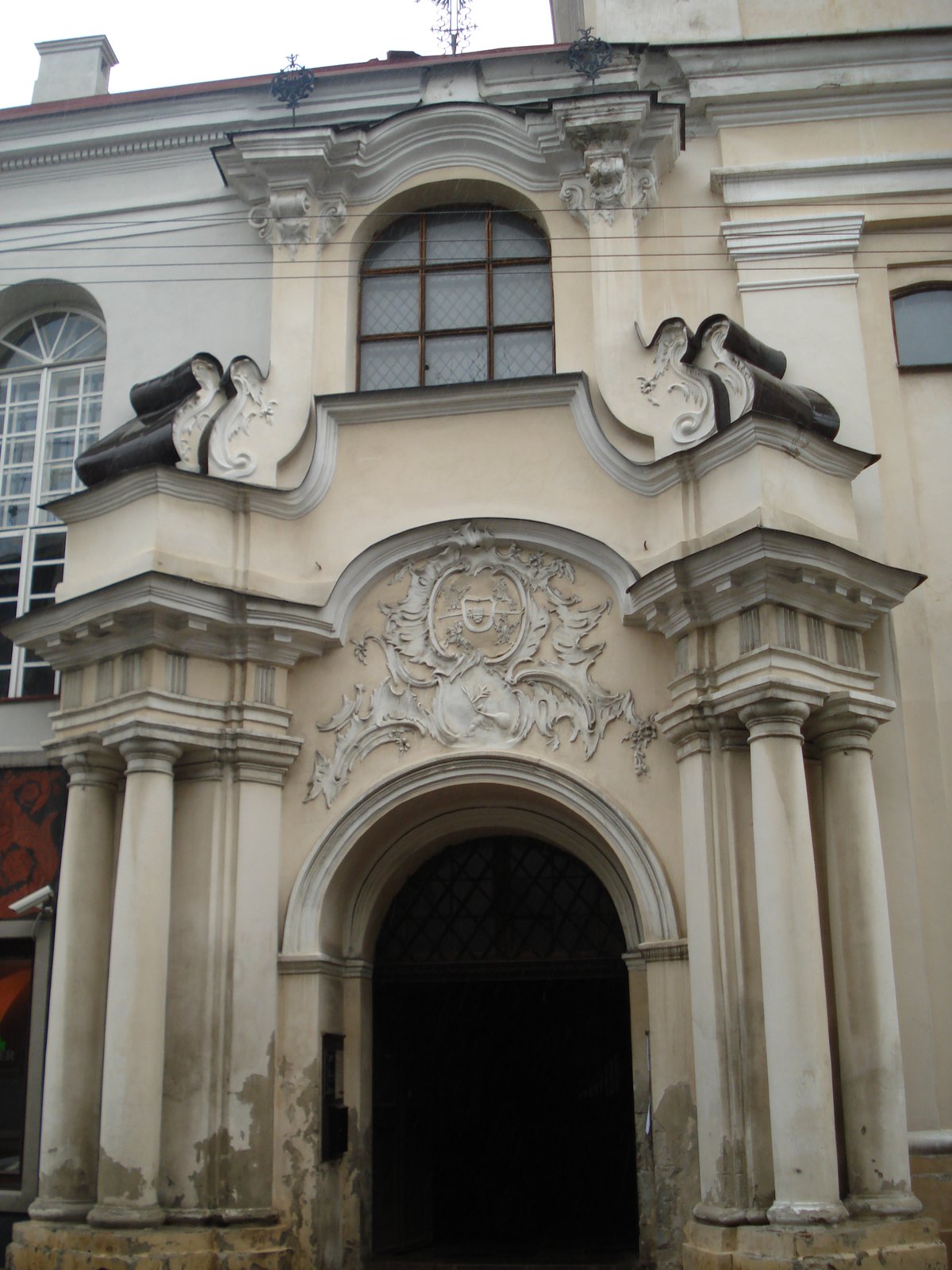
The church is a quintessential example of Neo-Byzantine architecture, easily distinguished by its green onion domes and intricate brickwork. The façade features decorative arches and ornamental patterns, while the interior is adorned with vibrant frescoes, a gilded iconostasis, and meticulously carved iconography. The use of gold leaf, bold colors, and traditional Orthodox motifs creates a reverent atmosphere that immerses visitors in the sacred art of Eastern Christianity (Lonely Planet).
Historical Significance
Built during a period when Vilnius was under Russian imperial influence, the church played a crucial role in the Russification policies of the time, serving as a cultural anchor for the Orthodox community. Despite periods of political upheaval, including wars and occupations throughout the 20th century, the church has remained a vital center for Orthodox worship and community life (True Lithuania).
Restoration and Preservation
While the church was spared severe damage during the Soviet era, ongoing restoration efforts have been essential to preserve its unique architectural and artistic heritage. These efforts, supported by both local communities and heritage organizations, have ensured that the church remains an active and vibrant landmark (True Lithuania).
The Church Today
Today, the church is not only a place of worship but also a cultural and tourist attraction. It hosts regular services, religious festivals, and community events, sustaining the spiritual life of Vilnius’s Orthodox minority. Its central location makes it easily accessible and an essential stop on any cultural tour of Vilnius (How to Vilnius; In Your Pocket).
Visiting Information
Visiting Hours
- Monday to Saturday 9:00 AM – 6:00 PM
- Sunday 8:00 AM – 7:00 PM (with services)
- Note: Hours may vary on religious holidays. Check ahead for updates.
Tickets and Entry
- Admission Free of charge
- Donations Appreciated to support restoration and maintenance
Accessibility
- Entrances Main entrance has a ramp for wheelchair access
- Note Some interior areas may have limited accessibility due to the historic structure
Guided Tours
- Availability Local tour operators offer guided tours focusing on the church’s history and art
- Audio Guides Available via the Audiala app for self-guided experiences
Best Times to Visit
- Weekday mornings Quietest times for peaceful exploration
- Sunday services Offer a unique cultural and spiritual perspective
Photography
- Allowed Inside and outside; no flash during services
- Etiquette Be discreet and respectful during worship
Nearby Attractions
- Vilnius Cathedral
- Gediminas Tower
- Gates of Dawn
- St. Anne’s Church
- MO Museum
- Museum of Genocide Victims
- Frank Zappa Memorial
All are within walking distance, making it easy to combine your visit with other key sites.
Visitor Experience and Etiquette
- Dress modestly Shoulders and knees covered; women may cover their heads
- Quiet conduct Maintain silence or speak softly, especially during services
- Candles Lighting candles and venerating icons is welcome
- Participation Non-Orthodox visitors are welcome to observe but should refrain from partaking in Holy Communion
For more tips on Orthodox etiquette, see OrthoChristianTools.
Virtual tours and additional images are available on tourism websites and the church’s official pages.
Frequently Asked Questions (FAQ)
Q: What are the visiting hours?
A: Monday to Saturday, 9:00 AM–6:00 PM; Sunday, 8:00 AM–7:00 PM. Hours may vary on holidays.
Q: Is entry free?
A: Yes, admission is free. Donations are welcome.
Q: Are guided tours available?
A: Yes, via local tour operators or the Audiala app.
Q: Is the church accessible for people with disabilities?
A: The entrance is accessible, but some areas may have limited access.
Q: Can I take photographs inside?
A: Yes, but avoid flash during services and always be respectful.
Tips for a Memorable Visit
- Dress appropriately and plan for quiet reflection
- Check service times in advance if you wish to attend
- Combine your visit with nearby historical sites for a full-day itinerary
- Bring cash for candles or donations
- Download the Audiala app for audio guides and offline maps
Discover More
The Orthodox Church of St. Michael and St. Constantine is an essential destination for anyone interested in Vilnius’s religious, architectural, or cultural history. Its Neo-Byzantine architecture, rich iconography, and active community life make it both a living monument and a serene retreat. With free admission, accessible facilities, and a central location, the church invites you to discover a unique facet of Lithuania’s spiritual landscape and multicultural heritage. For the latest information, plan your visit using the Audiala app and explore more Vilnius historical sites to enrich your journey (True Lithuania; Evendo; Lonely Planet; How to Vilnius).