
Historical Background and Legacy
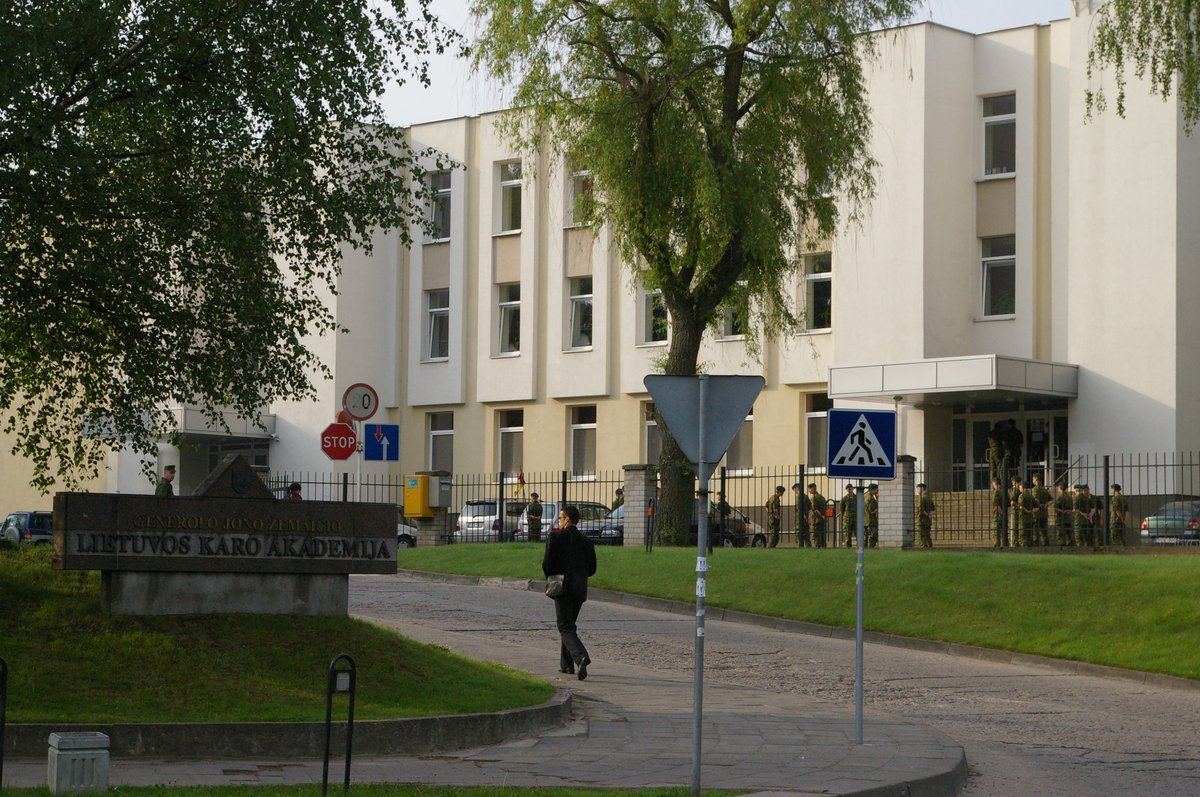
Founded in 1992, the General Jonas Žemaitis Military Academy was established to train officers for the newly restored Lithuanian Armed Forces. Honoring General Jonas Žemaitis, a symbol of resistance and patriotism, the academy has evolved into a modern educational institution that integrates advanced military training, technology, and international partnerships.
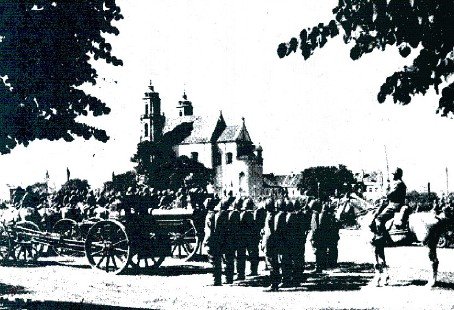
The academy’s roots can be traced back to earlier Lithuanian military education traditions, such as the War School of Kaunas (1919). Having withstood periods of occupation and political upheaval, its continued operation today stands as a testament to the resilience and aspirations of the Lithuanian people (Wikipedia).
Visiting Hours and Ticket Information
Standard Access:
- Public visiting hours The academy does not have regular open hours for tourists. Access is typically possible during special events, such as Military Parades, Open Days, and national commemorations, all announced in advance on the official website.
- Advance booking Required for all visits, including group tours and educational visits.
- Entry fee Public events are free; guided tours and special programs may require advance registration or a nominal fee.
Special Notes:
- Spontaneous visits and walk-ins are not permitted due to security protocols.
- Identification documents (passport or national ID) are mandatory for entry.
Visitor Experience: What to Expect
Campus Features:
- Guided tours (during public events or by arrangement), led by staff or cadets, provide access to select campus areas such as academic buildings, parade grounds, and memorials dedicated to General Žemaitis.
- Exhibitions and multimedia presentations highlight Lithuania’s military history, technological advancements, and ongoing contributions to national and regional security.
- Special events like the Baltic Military Conference attract international defense professionals and offer additional opportunities for public engagement (Baltic Military Conference).
Atmosphere:
- The academy maintains a formal and disciplined environment, with regular military drills, national ceremonies, and visible displays of Lithuanian symbolism.
- Interactions with cadets and staff are informative and courteous, providing insights into the academy’s rigorous training and values.
Photography: Permitted only in designated areas; always follow posted guidelines and staff instructions.
Accessibility and Travel Tips
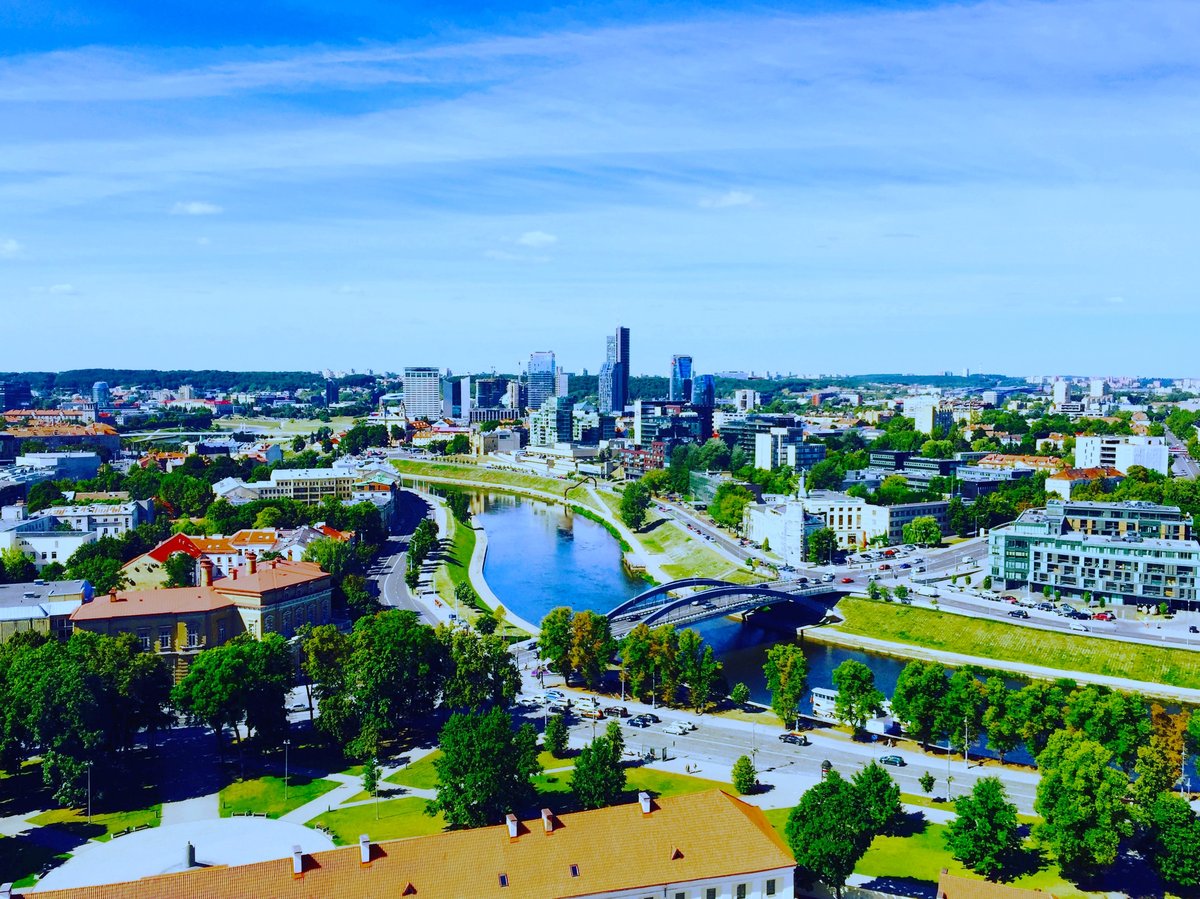
- Location Easily accessible in Vilnius’s Antakalnis district, close to major city attractions.
- Public transport Multiple bus lines connect the academy to Vilnius city center.
- Parking Limited availability; public transport or taxi is advised.
- Campus accessibility Some historic buildings may have limited access for people with disabilities; notify the academy in advance for accommodations.
- Facilities Visitor amenities may be limited outside special events; plan accordingly.
Frequently Asked Questions (FAQ)
Q: Can I visit the academy without prior arrangement?
A: No, all visits must be scheduled in advance or during official public events due to security regulations.
Q: Are guided tours available in English?
A: Tours are primarily in Lithuanian; English-speaking guides may be arranged if requested early.
Q: Is there an entrance fee?
A: Entry during public events is free; some special tours may require advance booking or a nominal fee.
Q: Is the academy accessible for visitors with disabilities?
A: Some areas may have limited accessibility; contact the academy beforehand to arrange special accommodations.
Q: Can I take photos?
A: Photography is allowed only in designated areas; always follow academy guidelines.
International Collaboration and Cultural Significance
The academy plays an active role in international defense cooperation, hosting conferences and training exchanges with European and NATO partners. Academic programs include English-taught modules and participation in Erasmus+ initiatives (EMILYO PDF). The institution stands as a symbol of national resilience, regularly hosting ceremonies attended by dignitaries and representatives from allied nations.
Academic Programs and Campus Life
Degree Programs:
- Bachelor’s degrees in Military Science, National Security, and related fields.
- Master’s programs in Security and Defense Management, Strategic Studies, and more (Study Abroad Aide).
- Specialized courses in areas such as cybersecurity, peacekeeping, and crisis management.
Cadet Life:
- Structured daily routines blending academic coursework, physical training, and leadership development.
- Community traditions, including the Cadet Oath Ceremony and annual parades, reinforce values of integrity, service, and patriotism.
Facilities:
- Modern classrooms, simulation labs, comprehensive library, sports facilities, and residential dormitories for cadets.
- Support services for academic and personal well-being.
International Exchange:
- Partnerships with military academies across Europe and participation in international research and training initiatives.
Guided Tours and Special Events
- Guided tours are available by advance arrangement, often during scheduled open days or special events.
- Public events such as parades and commemoration ceremonies provide unique opportunities to experience Lithuanian military traditions.
- Booking Always check the official website for event announcements and registration instructions.
Practical Tips for Visitors
- Advance Planning Arrange your visit through the official website or administrative contacts.
- Identification Bring a valid photo ID for security clearance.
- Dress Code Business casual or respectful attire; avoid wearing military or camouflage apparel unless part of an official delegation.
- Conduct Follow all staff instructions and respect restricted areas.
- Language Request English-language tours in advance if needed.
- Accessibility Notify the academy of any special needs before your visit.
Nearby Attractions and Complementary Experiences
Enhance your visit by exploring other historical and cultural sites in Vilnius:
- Vilnius Old Town A UNESCO World Heritage site filled with Gothic, Renaissance, and Baroque architecture.
- Gediminas’ Tower and Castle Complex Offers panoramic views of Vilnius.
- Museum of Occupations and Freedom Fights Chronicles Lithuania’s struggle for independence.
- Antakalnis Cemetery Resting place of many national heroes.
- Užupis District Known for its vibrant arts scene and unique cultural identity.