
Early Origins and Development
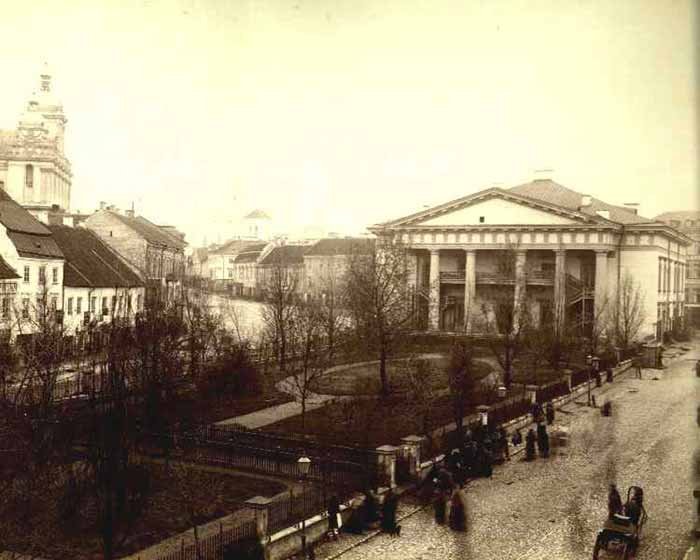
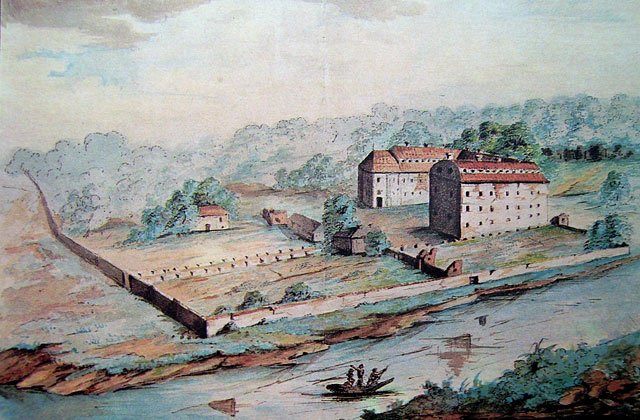
Vingis Park’s land has a history stretching back centuries. Originally a wooded estate and hunting ground for Lithuanian nobility, it later housed the Palace in Zakret—a Jesuit palace later owned by the Russian governor general, marking its transformation from aristocratic property to public space. The park’s name, “Vingis,” means “bend” in Lithuanian, reflecting its location within a picturesque curve of the Neris River. Although it began serving as a communal gathering spot in the 19th century, its formal establishment as a public park materialized in the 20th century (Cariboni Group, vilnius.com.ua).
Soviet-Era Transformation
The Soviet period brought dramatic changes to Vingis Park. In 1965, the park was extensively renovated to accommodate mass events reflecting the era’s focus on communal activity and cultural spectacle. The central amphitheater, modeled after Tallinn’s Song Festival Grounds, was constructed for the Lithuanian Song and Dance Festival and remains a key venue for major events (TRFihi Parks, Wikipedia: Lithuanian Song and Dance Festival). In 1985, a pedestrian and cyclist bridge—modeled after Riga’s Vanšu Bridge—was added, improving connectivity to the Žvėrynas district (Cariboni Group).
Role in Lithuania’s Independence Movement
Vingis Park played a pivotal role during the late 1980s independence movement (Sąjūdis). On August 23, 1988, around 250,000 people gathered here to commemorate the Molotov-Ribbentrop Pact’s anniversary and demand independence from Soviet rule (TRFihi Parks). These mass rallies were instrumental in galvanizing Lithuania’s movement toward restored statehood in 1990.
Cultural Significance
Lithuanian Song and Dance Festival
The park is intimately tied to the UNESCO-recognized Lithuanian Song and Dance Festival (Dainų šventė), which has been hosted at Vingis Park since the 1960s (Wikipedia: Lithuanian Song and Dance Festival). This event, held every four years, brings together tens of thousands of singers, dancers, and spectators. During Soviet times, it was a crucial platform for cultural resistance and the preservation of Lithuanian identity (Family History Foundation). The 2024 centennial, themed “May the Green Forest Grow,” drew 40,000 attendees for the closing ceremony on July 6, Lithuania’s Statehood Day (Dainų Šventė).
Major Events and Concerts
Vingis Park’s amphitheater regularly hosts world-class concerts. Performers such as Andrea Bocelli, Elton John, Björk, Sting, Rod Stewart, and Depeche Mode have graced its stage, alongside top Lithuanian acts (TRFihi Parks). In 1997, Foje’s farewell concert drew a record 60,000 attendees. Annual events like “As Young As Vilnius” continue to attract tens of thousands (Vilnius Events).
Community Life and Unique Traditions
Beyond large festivals, the park is a vibrant hub for community life. It hosts family-friendly attractions, sports tournaments, and unique events like the annual Corgi Race Vilnius, which brings together over 100 dogs and their owners for playful activities in August (vilnius-events.lt). The park is also a focal point for parkrun 5K events, marathons, and seasonal celebrations.
Natural and Architectural Highlights
Landscape and Trails
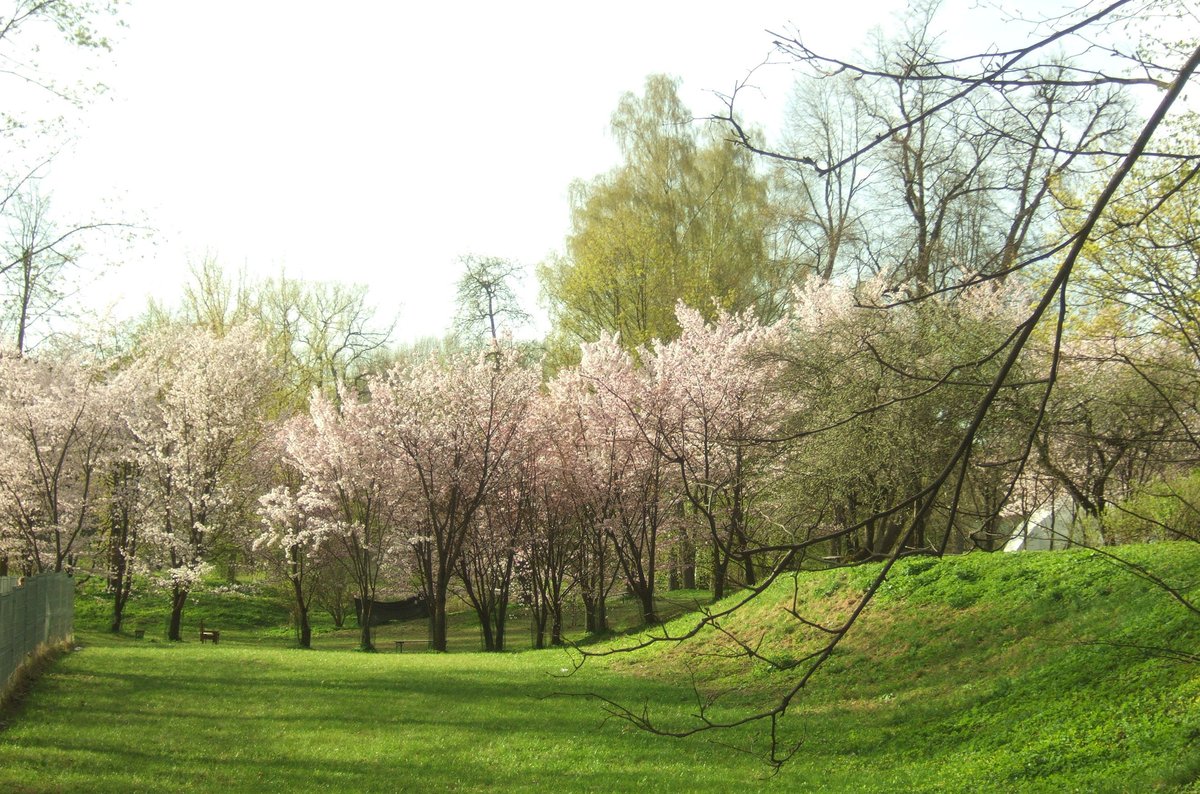
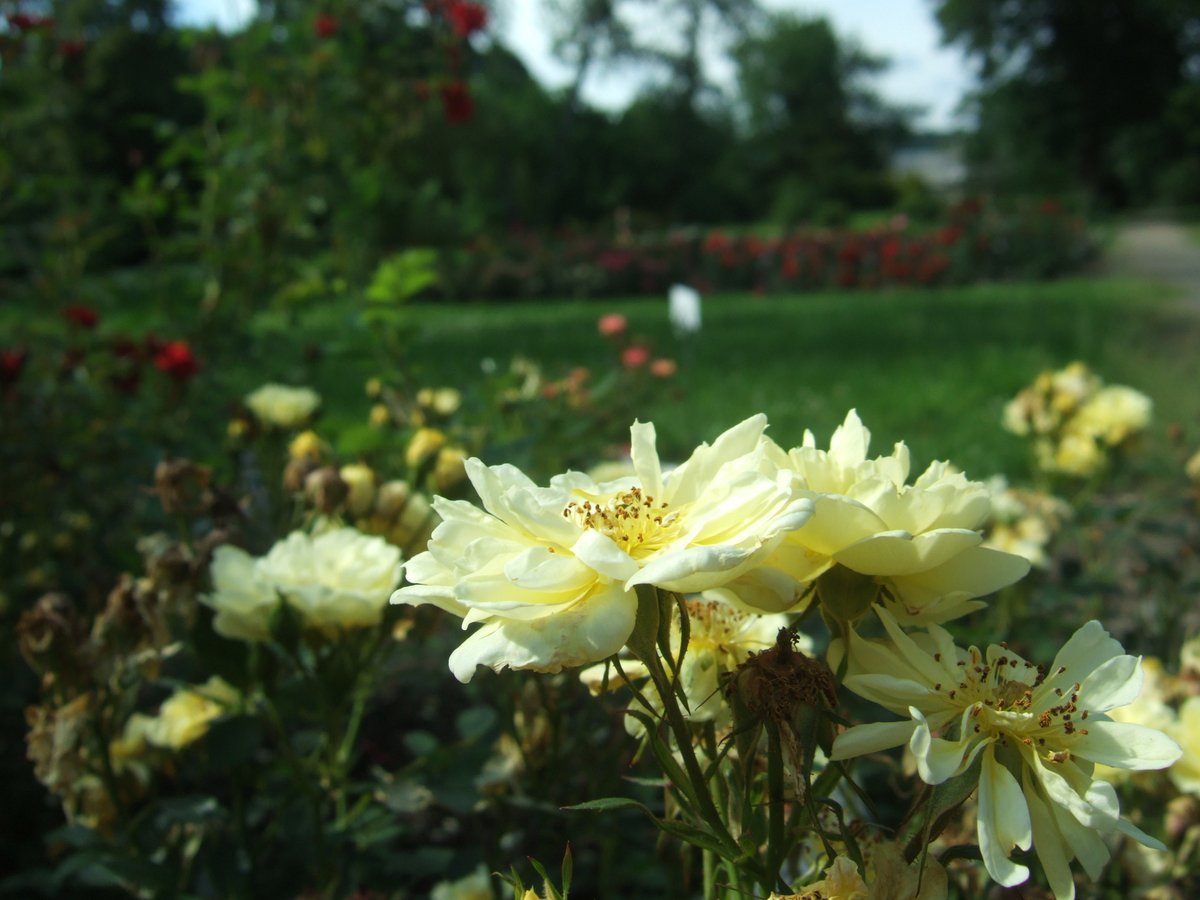
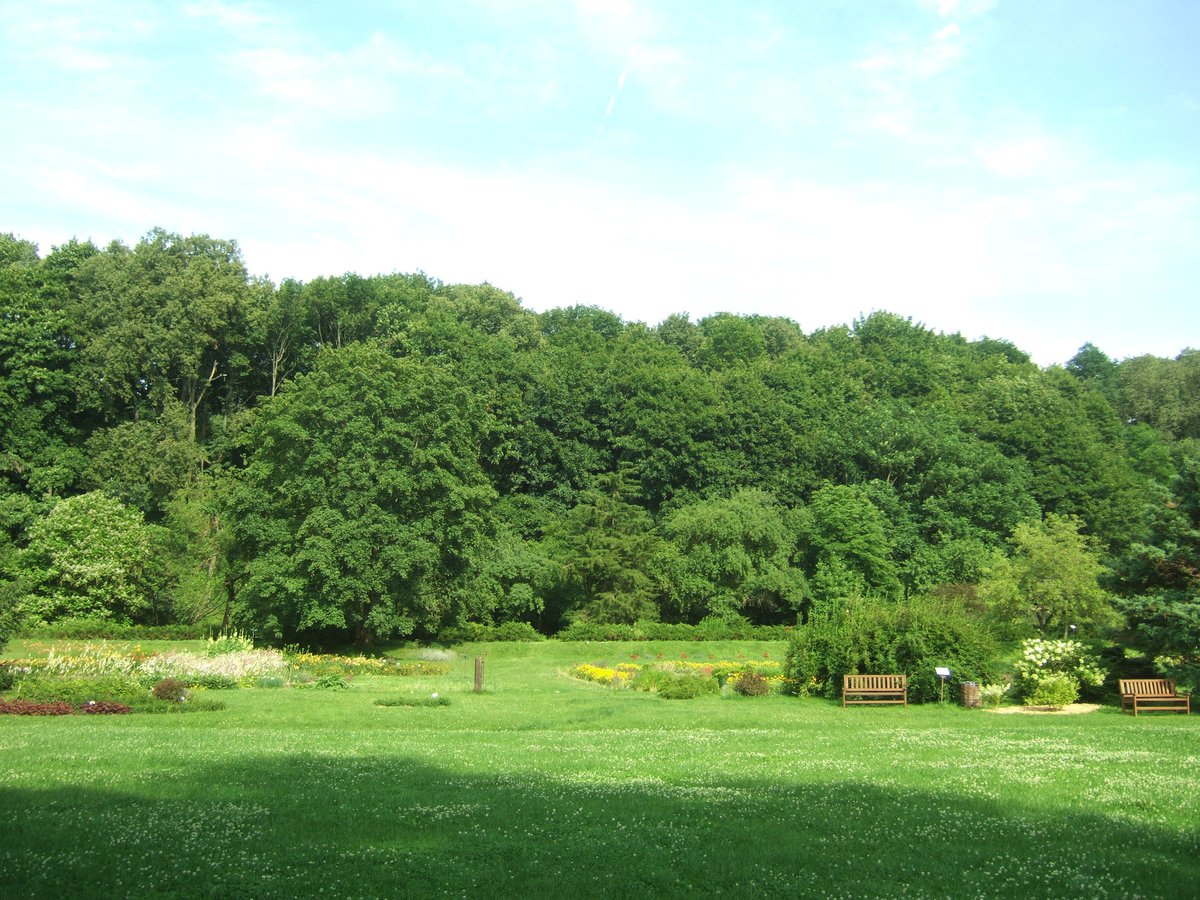
Vingis Park’s 160+ hectares feature mature pine and mixed forests, meadows, wildflowers, and rolling grassy slopes (Lithuania Explained). Birdwatchers and nature lovers will appreciate its biodiversity. The park has a 5-kilometer paved perimeter loop, secondary woodland trails, and riverbank walking paths for peaceful exploration (Great Runs).
Amphitheater and Landmarks
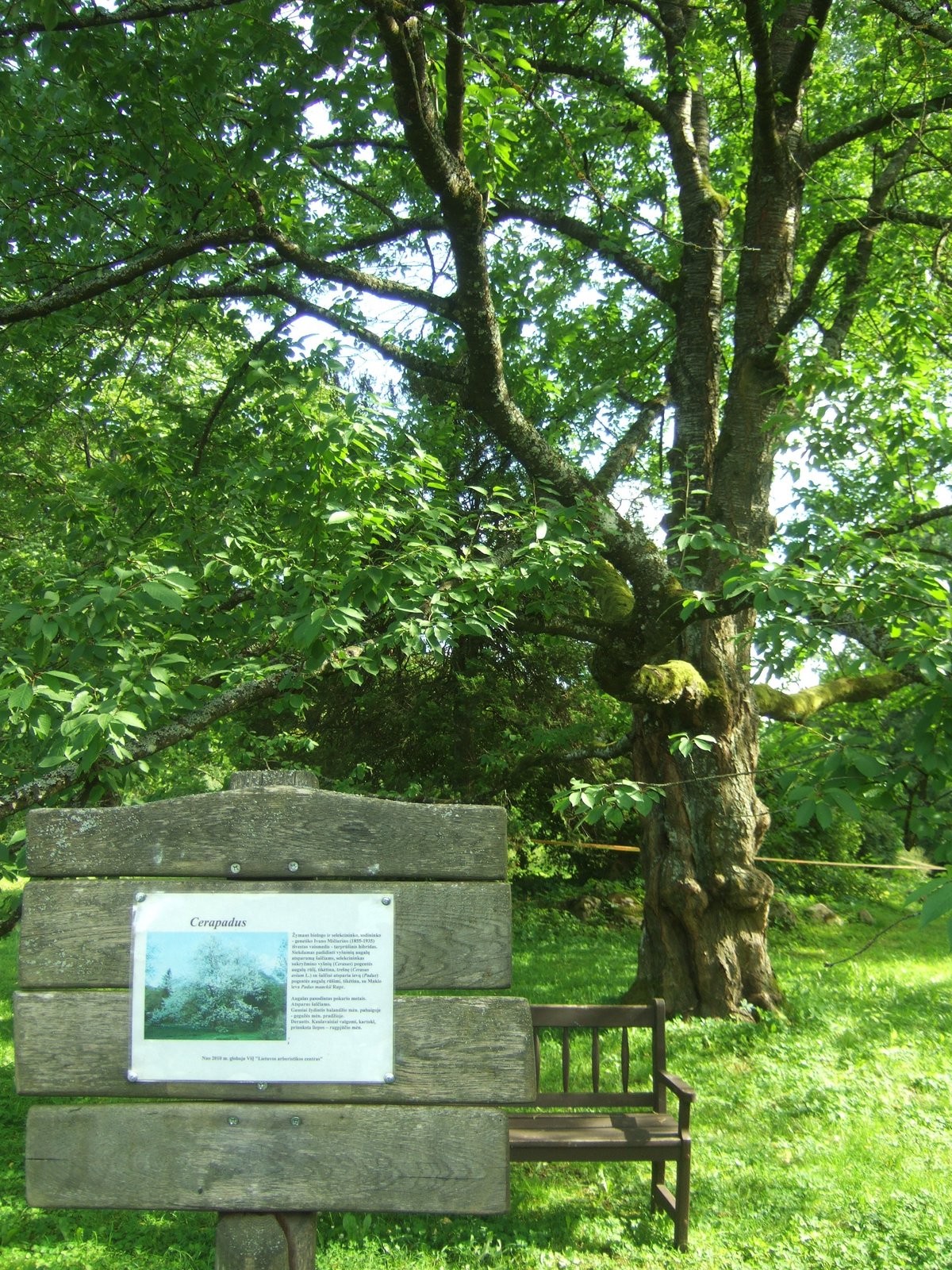
The central open-air stage is the park’s most recognizable landmark, surrounded by open lawns ideal for concerts and festivals (Petit Futé). Other points of interest include the classical chapel, a German soldiers’ cemetery, and remnants of the Vilnius University Botanical Garden.
Accessibility and Visitor Amenities
The park’s main entrances (M. K. Čiurlionio and Birutės Streets) are connected by public transport and bicycle routes. Paved main paths ensure access for wheelchairs and strollers, while amenities include accessible restrooms, seasonal cafés, water fountains, and rental points for bikes and sports equipment (Go Vilnius).
Visiting Information
Opening Hours
- General Park Hours Open daily from dawn to dusk (typically 6:00 AM – 10:00 PM), year-round. Some facilities, like the Botanical Garden, operate with more specific hours.
- Events Special event areas and the amphitheater may have different schedules. Always check official event listings for details.
Tickets and Entry
- Entry Free for all visitors at all hours.
- Tickets Required only for certain concerts, festivals, or amusement park attractions. Purchase via official event websites or authorized outlets.
How to Get There
- By Public Transport Multiple bus routes connect to both main entrances.
- By Bicycle or Foot Well-developed cycling paths lead directly into the park, including the pedestrian bridge from Žvėrynas (Cariboni Group).
- By Car Limited parking is available near entrances; plan ahead during major events.
Facilities and Accessibility
- Paths Wide, flat, and mostly paved, suitable for wheelchairs and strollers.
- Restrooms and Water Available throughout the park, with extra facilities during events.
- Cafés and Food Seasonal vendors and cafés provide refreshments near the central event area.
- Sports and Rentals Tennis courts, basketball courts, exercise stations, playgrounds, and rental services for bikes and roller skates.
- Family Attractions Seasonal amusement park and small zoo for children (ICEP 2025 Handbook, p. 27).
Nearby Attractions
Combine your park visit with exploration of Vilnius Old Town, Užupis, the Vilnius TV Tower, or riverbank cafés. Proximity to other green spaces, such as Kalnų Park and Neris Regional Park, makes for a full day of outdoor enjoyment (Great Runs).
Frequently Asked Questions (FAQ)
Q: What are Vingis Park’s opening hours?
A: The park is open daily from dawn to dusk (approximately 6:00 AM – 10:00 PM), year-round.
Q: Is there an entrance fee?
A: No, general entry is free. Fees apply only to some concerts, festivals, or amusement park rides.
Q: Is the park accessible for visitors with disabilities?
A: Yes, with paved paths, ramps, and accessible restrooms.
Q: Are pets allowed?
A: Yes, but dogs should be kept on a leash.
Q: How can I buy tickets for events?
A: Via official event pages, online ticketing outlets, or at park box offices during events.
Q: Are guided tours available?
A: Occasionally, especially for nature walks or cultural history; check Go Vilnius for updates.
Plan Your Visit: Tips and Recommendations
- Check Event Calendars Plan around festivals and concerts for a richer experience (Vilnius Events Calendar).
- Pack for the Season Bring picnic gear, water, and layered clothing; in winter, consider cross-country skiing.
- Arrive Early for Popular Events Parking and space fill quickly during headline concerts or festivals.
- Explore Both Main and Quiet Areas Enjoy the buzz near the amphitheater or find solitude on woodland trails and riverbanks (Secret Attractions).
- Stay Connected Download the Audiala app for guides, event alerts, and route maps.