History and Cultural Significance
The Church of Our Lady of the Sign was established in 1903 to serve Vilnius’s growing Russian Orthodox community. Funded by the Orthodox Brotherhood of the Holy Spirit and led by Archbishop Iuvenaliy, it became a spiritual and social hub. The church’s architecture embodies the Neo-Byzantine style, with a central dome symbolizing the heavens and a cruciform plan representing the intersection of earthly and divine realms (Wikipedia).
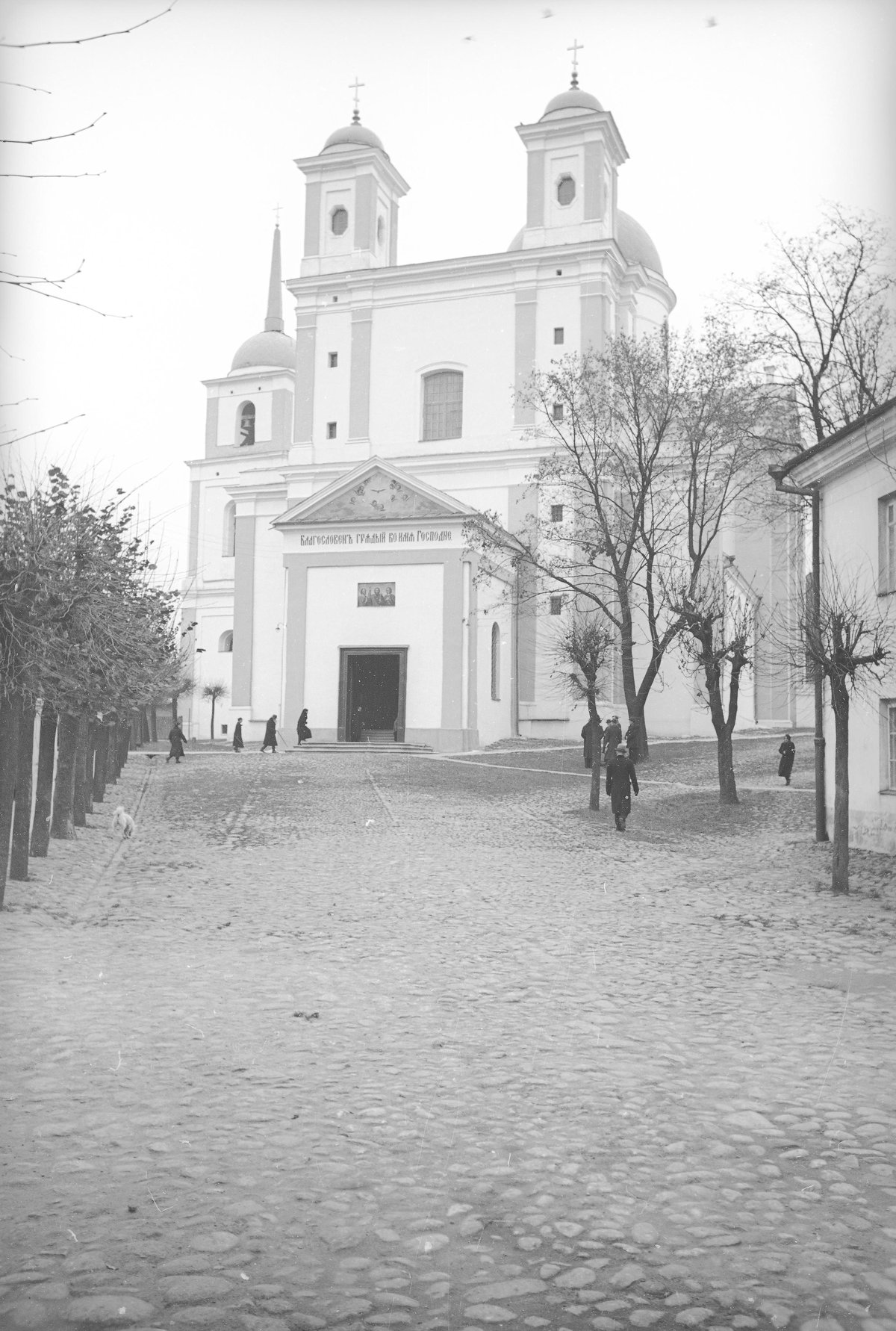
Throughout the 20th century, the church withstood wars, Soviet occupation, and periods of neglect. Its resilience is reflected in the comprehensive restoration completed in 2009, which restored its architectural splendor and revived its role as a living Orthodox parish.
Architectural and Artistic Highlights
Exterior
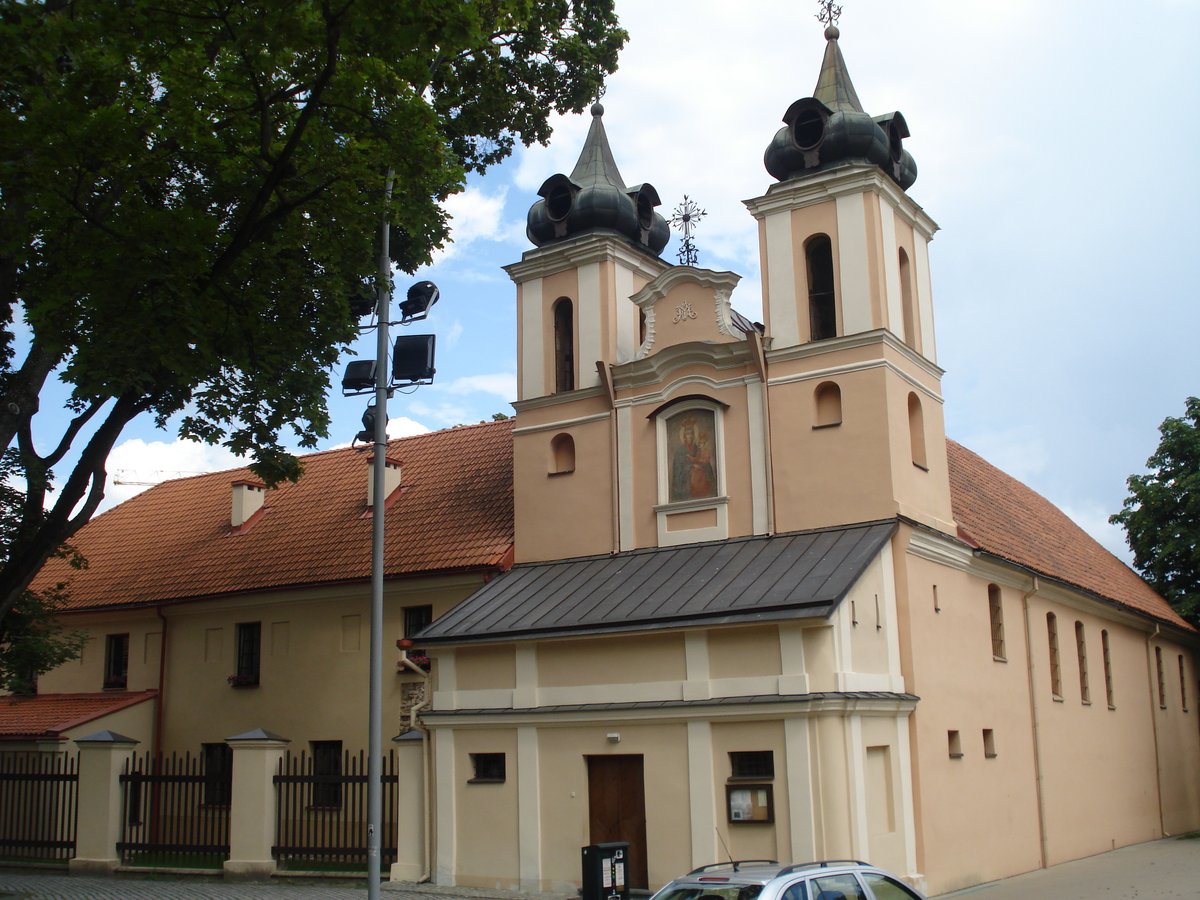
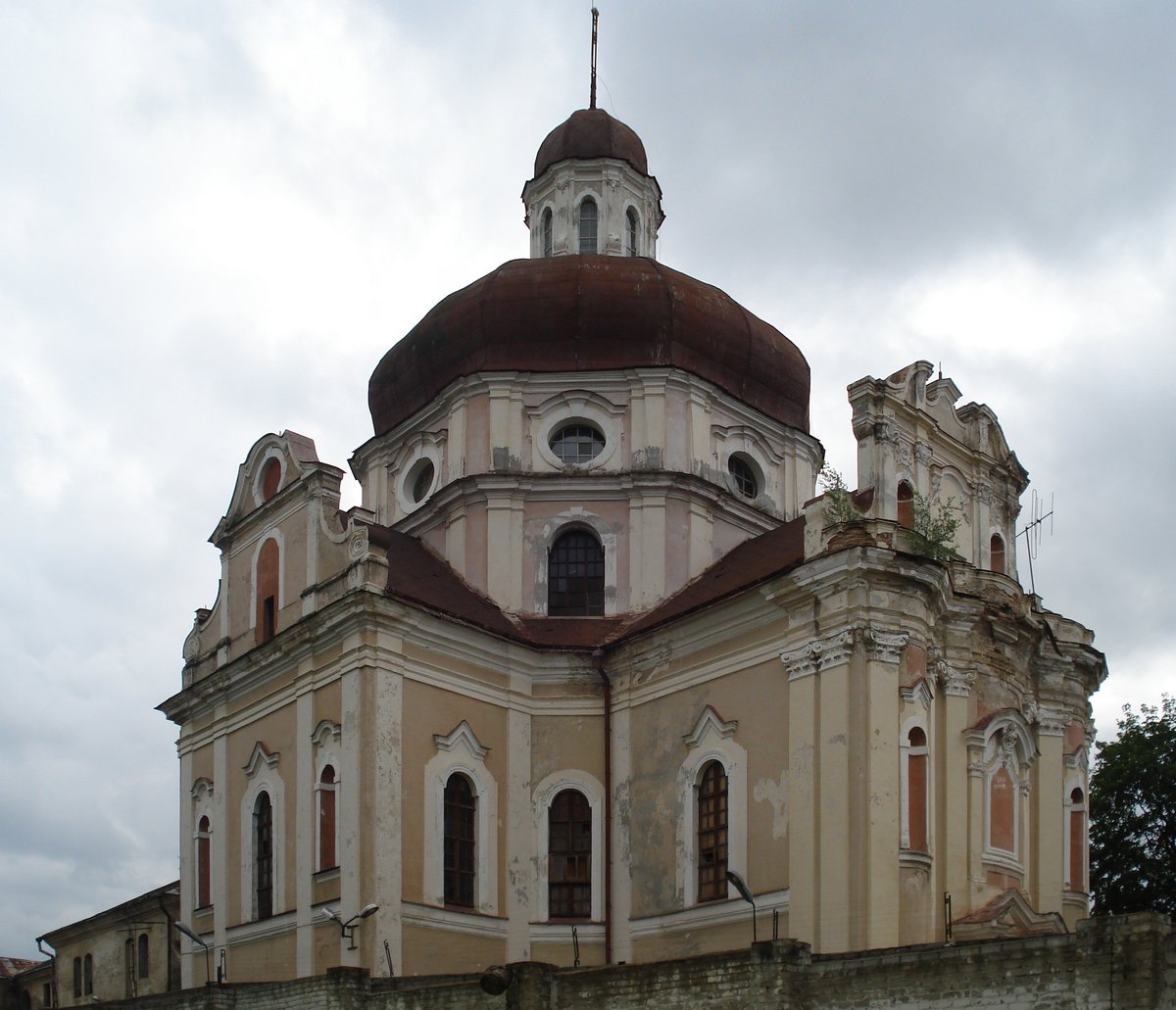
- Neo-Byzantine Style The façade features ornamental brickwork, decorative arches, and contrasting colors that accentuate the central dome.
- Onion Domes and Bell Tower Traditional domes and a bell tower above the main entrance add to the church’s iconic silhouette.
Interior
- Iconostasis The sanctuary is separated from the nave by a beautifully adorned iconostasis, featuring icons of Christ, the Virgin Mary, and saints.
- Frescoes and Motifs The walls and vaults are decorated with vibrant frescoes, geometric and floral patterns, and gold leaf, creating a luminous, reverent atmosphere.
- Treasured Icon The church houses a copy of the revered Our Lady of Kursk icon, central to Orthodox devotion.
Visiting Hours, Tickets, and Accessibility
- Opening Hours
- Monday to Saturday: 10:00 AM – 6:00 PM
- Sunday: Open to visitors after services (check schedule on the official website)
- Admission Free of charge; donations are welcome (Trip101)
- Guided Tours Available upon request, recommended for groups and history enthusiasts. Contact the church in advance.
- Accessibility
- Ramps are available at the main entrance for visitors with limited mobility.
- Some areas may have steps; assistance can be arranged on request.
Services and Community Activities
- Divine Liturgy Regular services are held, predominantly in Russian.
- Sunday School and Music Center Programs for youth engagement and cultural education.
- Community Events Special liturgies on feast days, music events, and educational activities.
Visitor Guidelines and Etiquette
- Dress Code Modest attire is expected. Men should remove hats; women are encouraged to cover their heads inside.
- Photography Permitted outside of services and without flash. Always request permission before photographing parishioners or sacred objects.
- Behavior Maintain respectful silence, especially during worship. Silence mobile devices and refrain from eating or drinking inside.
Nearby Attractions and Travel Tips
- Žvėrynas District Known for its wooden architecture and riverside walks.
- Neris River Enjoy scenic walks along the riverbank.
- Vilnius Old Town A UNESCO World Heritage site with historic churches and lively streets, a 20–30 minute walk away.
- Other Orthodox Sites Visit the Cathedral of Theotokos and the Church of St. Paraskeva for a broader perspective on Vilnius’s Orthodox heritage.
- Public Transport City buses and trolleybuses stop nearby; parking is limited, so public transport or walking is advised.
Frequently Asked Questions (FAQ)
Q: What are the visiting hours?
A: Monday to Saturday, 10:00 AM – 6:00 PM; Sundays after services. Always check the latest schedule online.
Q: Is there an admission fee?
A: No, entry is free; donations are appreciated.
Q: Are guided tours available?
A: Yes, by advance arrangement through the church office.
Q: Is the church wheelchair accessible?
A: The main entrance has a ramp, but some interior areas may require assistance.
Q: Can I take photographs inside?
A: Discreet photography is allowed outside of services, without flash, and with permission.