Introduction
The bartender slides you a glass of sour-cherry beer brewed with champagne yeast and points to the wall: a three-story mural of a wolf howling at neon moons. You're three minutes from a 14th-century cathedral. This is Vilnius, Lithuania — a city where medieval courtyards echo with techno, and constitution clause №12 guarantees every citizen the right to be happy.
Vilnius keeps its contradictions in plain sight. Baroque churches wear Soviet bullet scars; a self-declared republic issues passports on a bridge; the best viewpoint costs five euros and 289 narrow steps inside a university bell tower built when Shakespeare was still alive. The Old Town is larger than Prague’s, yet you can cross it in twenty unhurried minutes, smelling rye bread, river mist, and, on summer evenings, the sweet drift of wood-smoked pig fat from backyard grills.
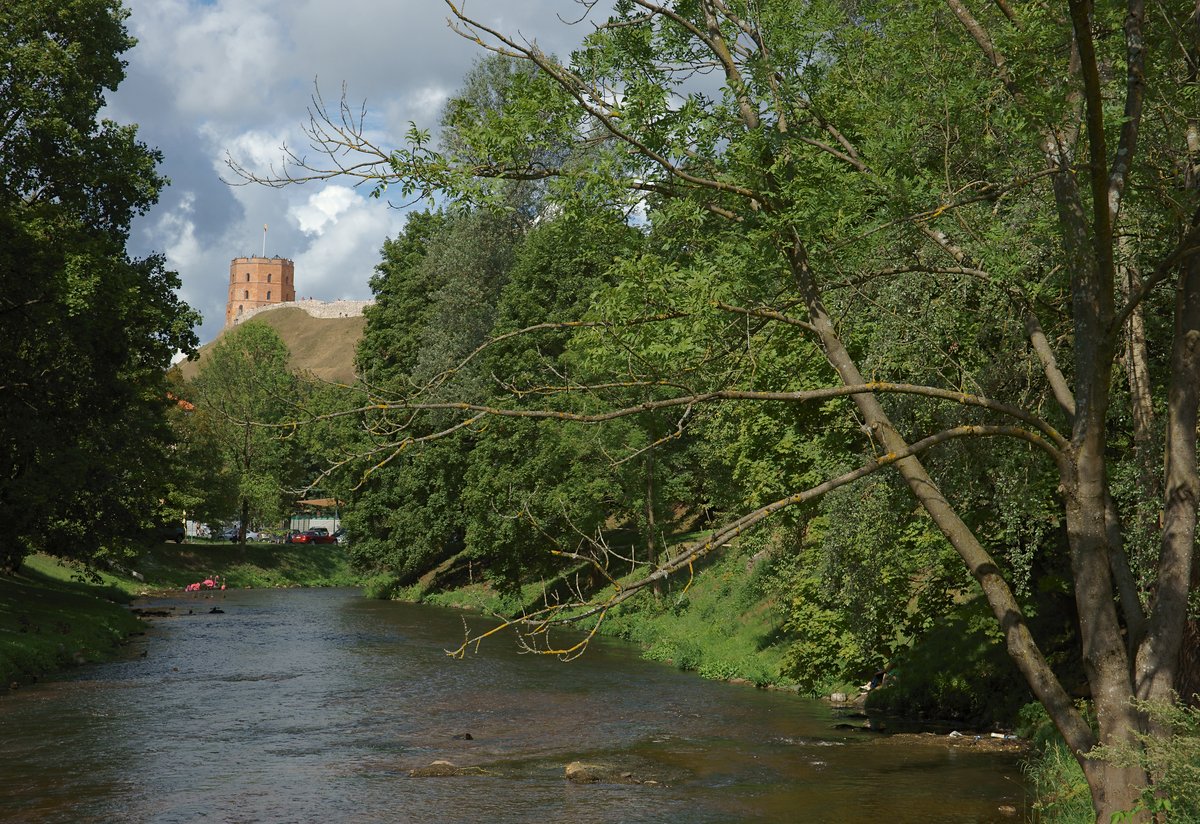
Locals treat history as raw material, not relic. A former KGB prison now books punk gigs. The only surviving city gate shelters a Madonna that Catholics and Orthodox queue to kiss together. Even the river is borrowed — the Vilnia was rerouted in the 16th century so the grand duke could water his new park. Accept the premise that everything here has been repurposed at least once and the city opens like a set of nested dolls, each layer louder than the last.
Places to Visit
The Most Interesting Places in Vilnius
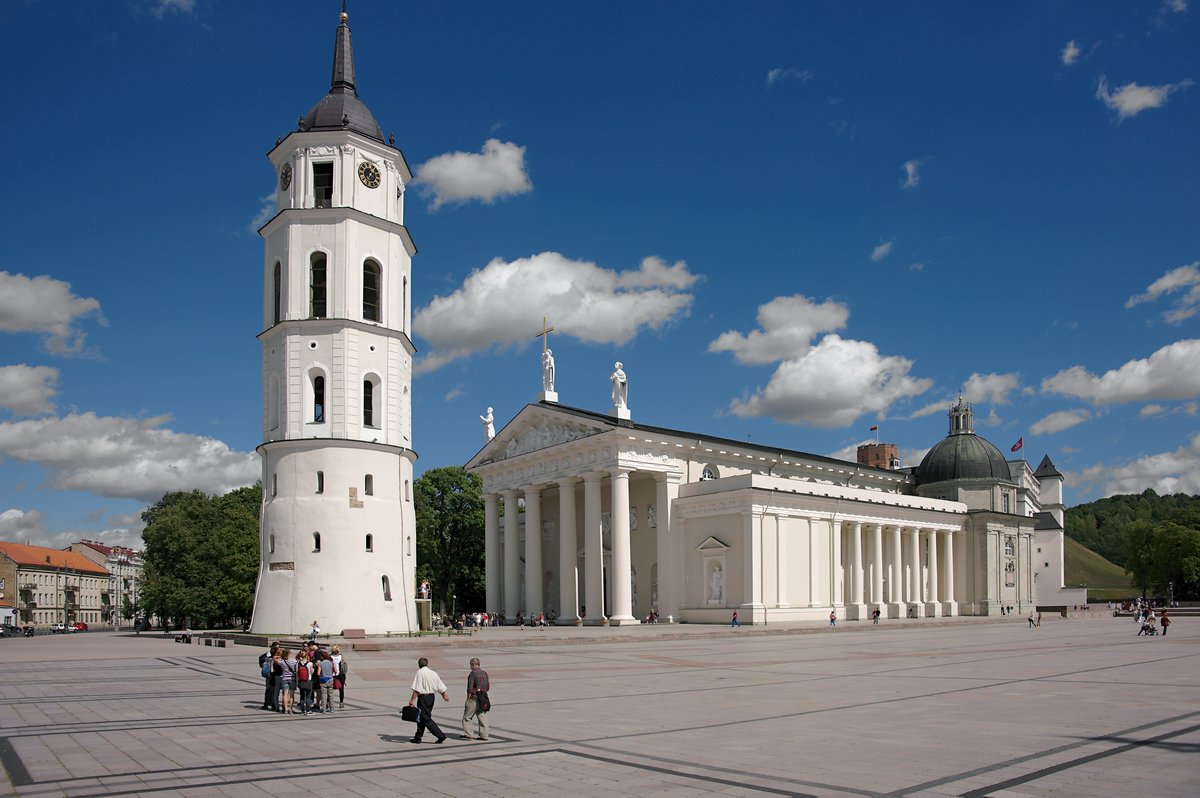
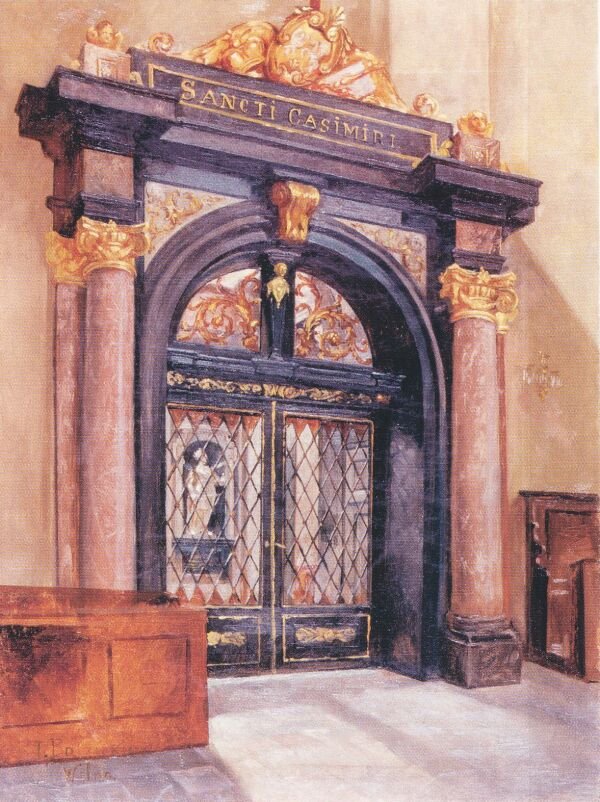
Vilnius Cathedral
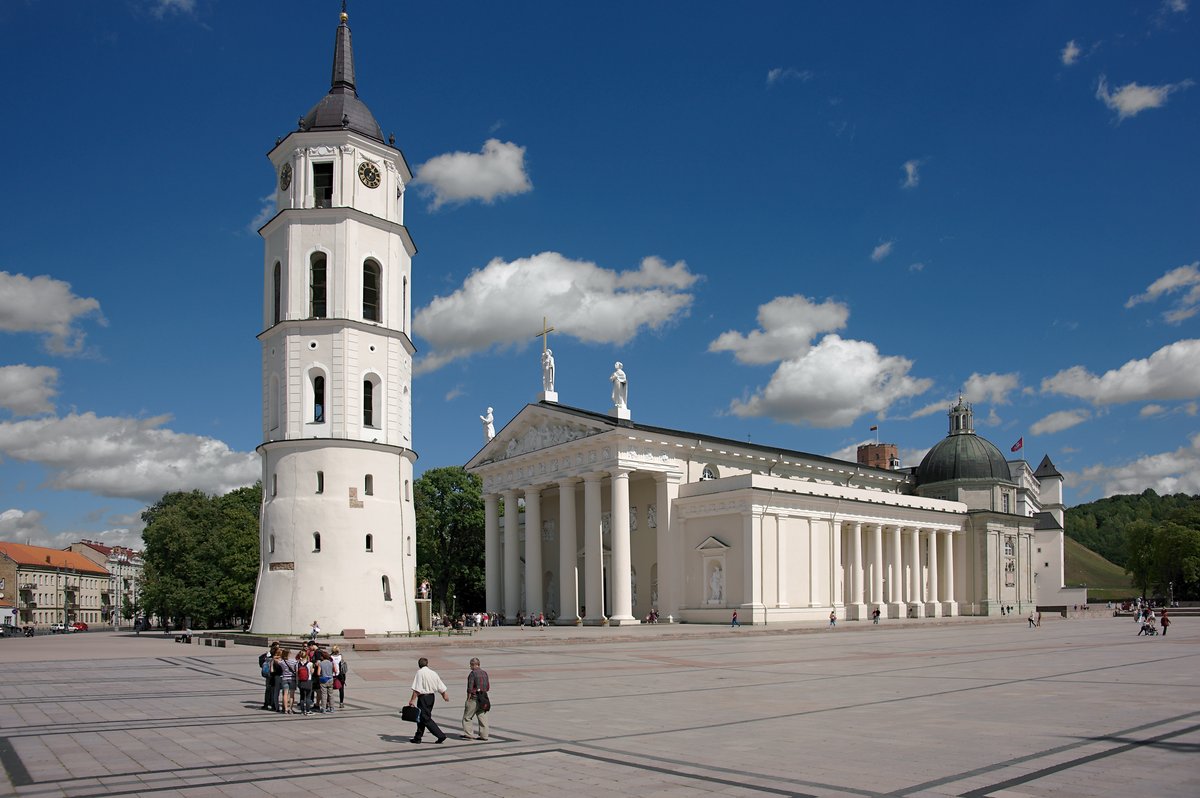
Vilnius Cathedral, officially known as the Cathedral Basilica of St.
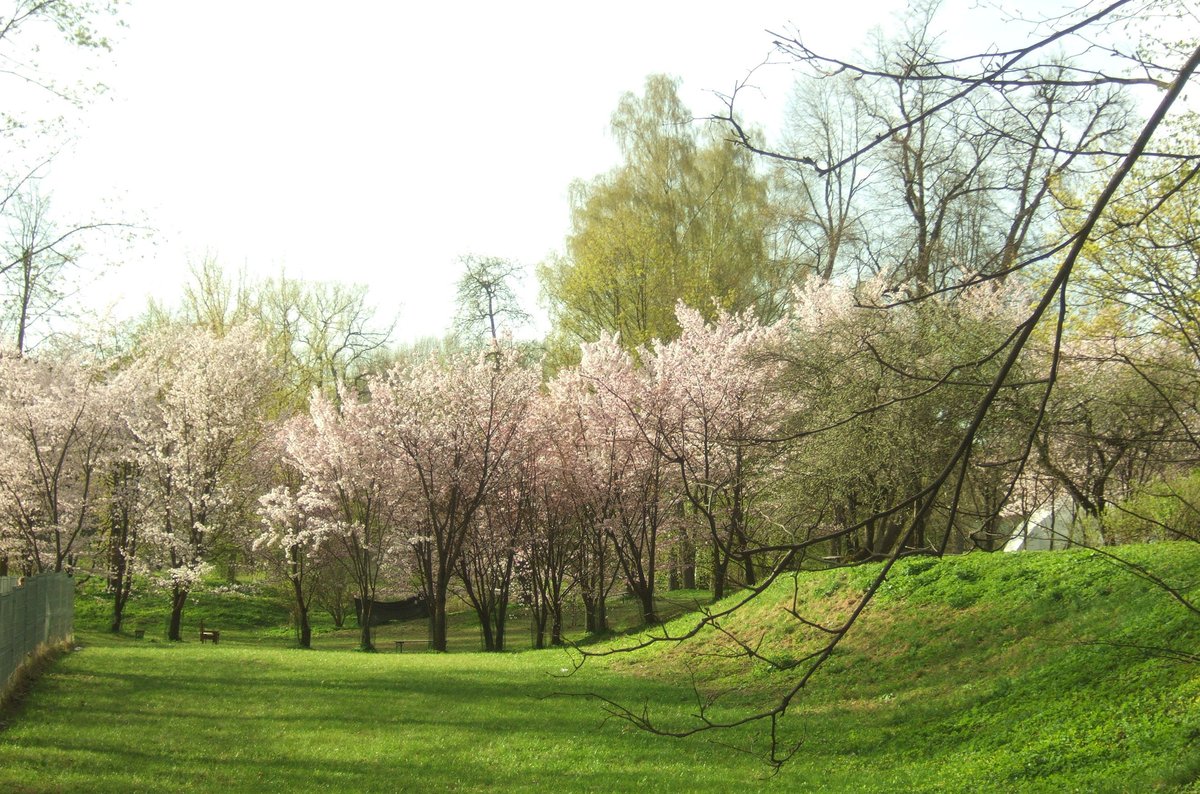
Vingis Park
Nestled within a sweeping 162-hectare bend of the Neris River, Vingis Park stands as Vilnius’s largest and most cherished green space, steeped in centuries of…
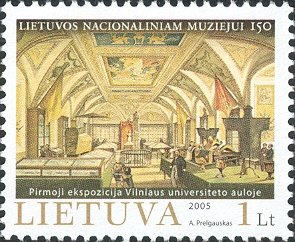
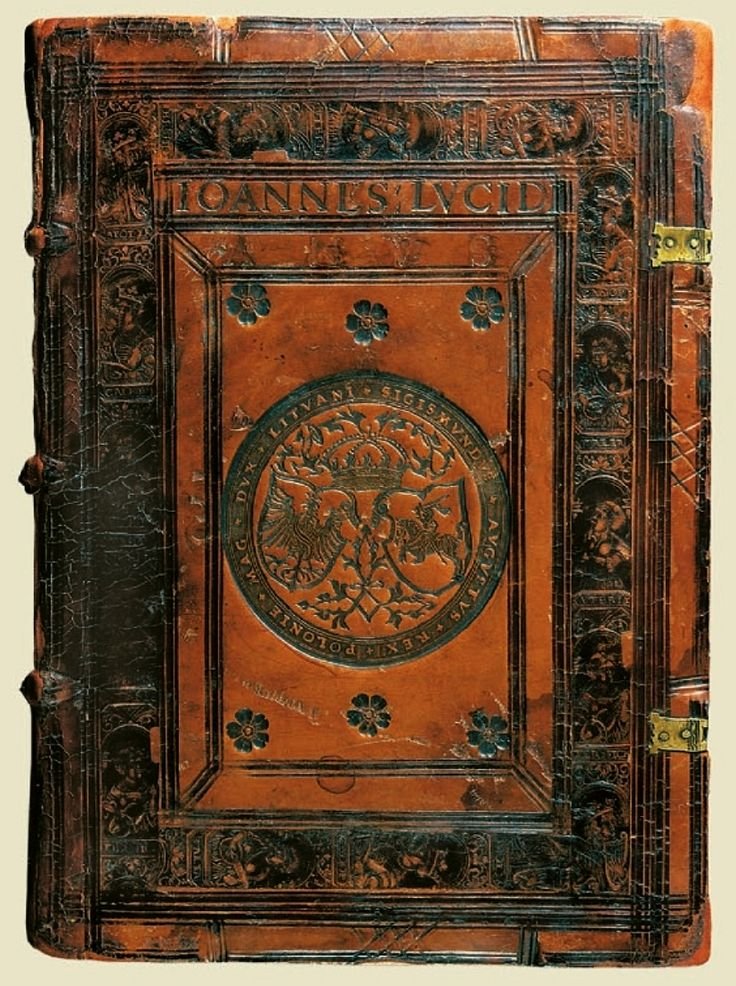
National Museum of Lithuania
Nestled in the vibrant heart of Vilnius’ Old Town, the National Museum of Lithuania stands as a beacon of the nation’s rich and resilient heritage, inviting…
Lithuanian Art Museum
Nestled in the heart of Vilnius, the Lithuanian Art Museum—officially known as the Lithuanian National Museum of Art (LNMA)—stands as a cornerstone of…
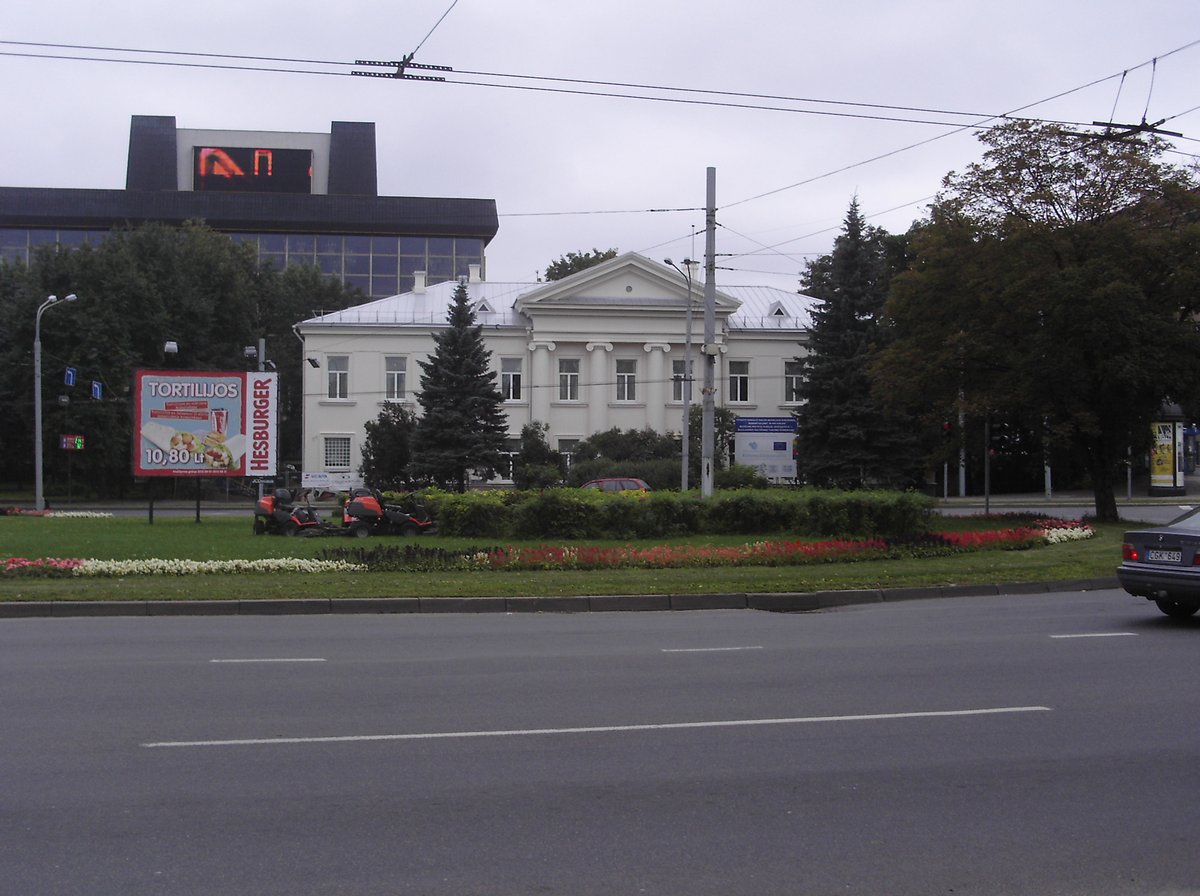
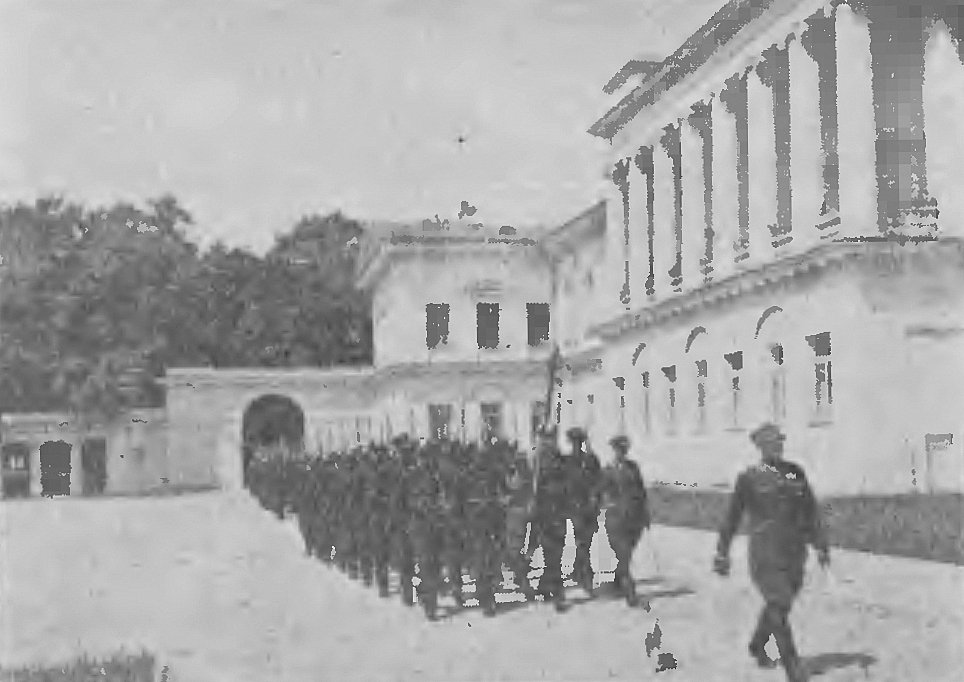
Presidential Palace of Lithuania
The Presidential Palace in Vilnius stands as a magnificent emblem of Lithuania’s rich historical tapestry, architectural grandeur, and democratic tradition.
Palace of the Grand Dukes of Lithuania
Nestled in the heart of Vilnius Old Town, the Palace of the Grand Dukes of Lithuania stands as a majestic emblem of Lithuanian history and cultural identity.
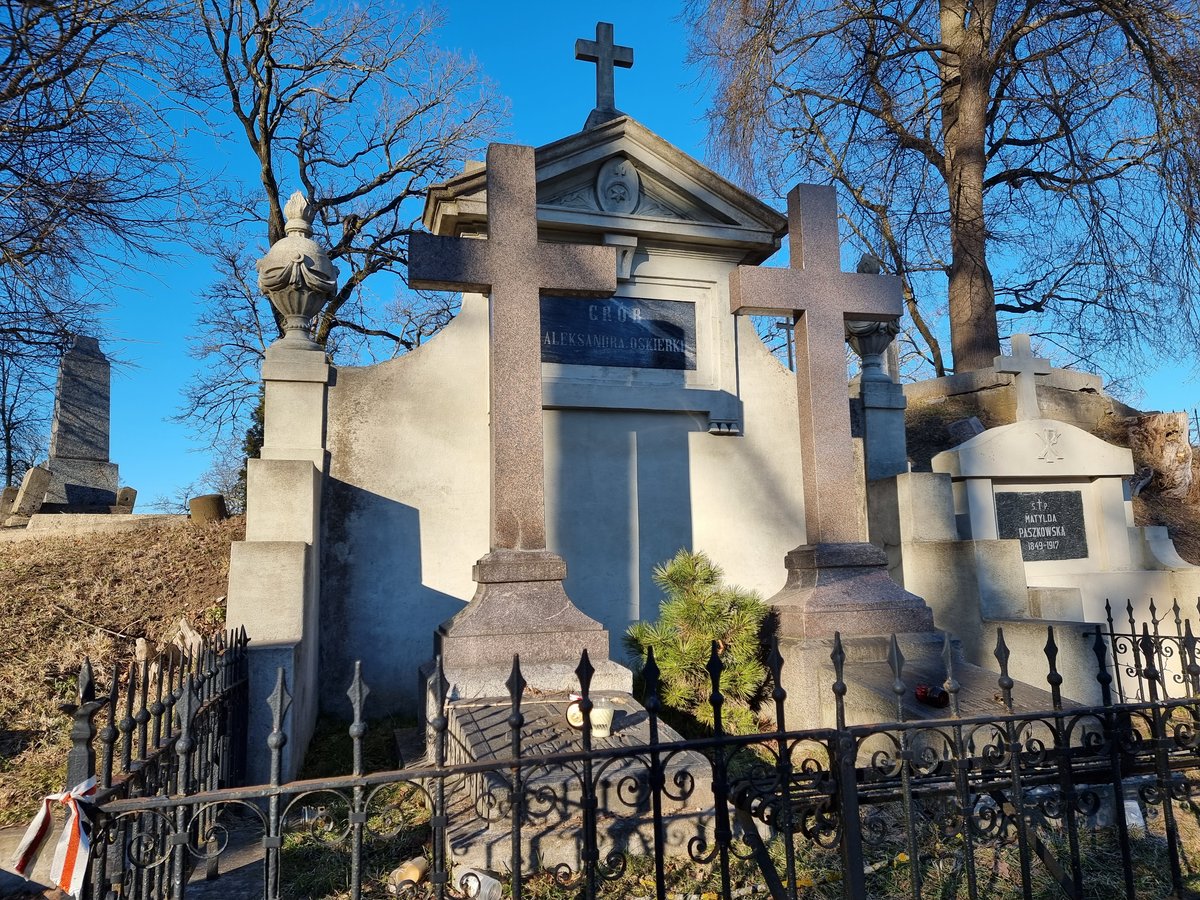
Rasos Cemetery
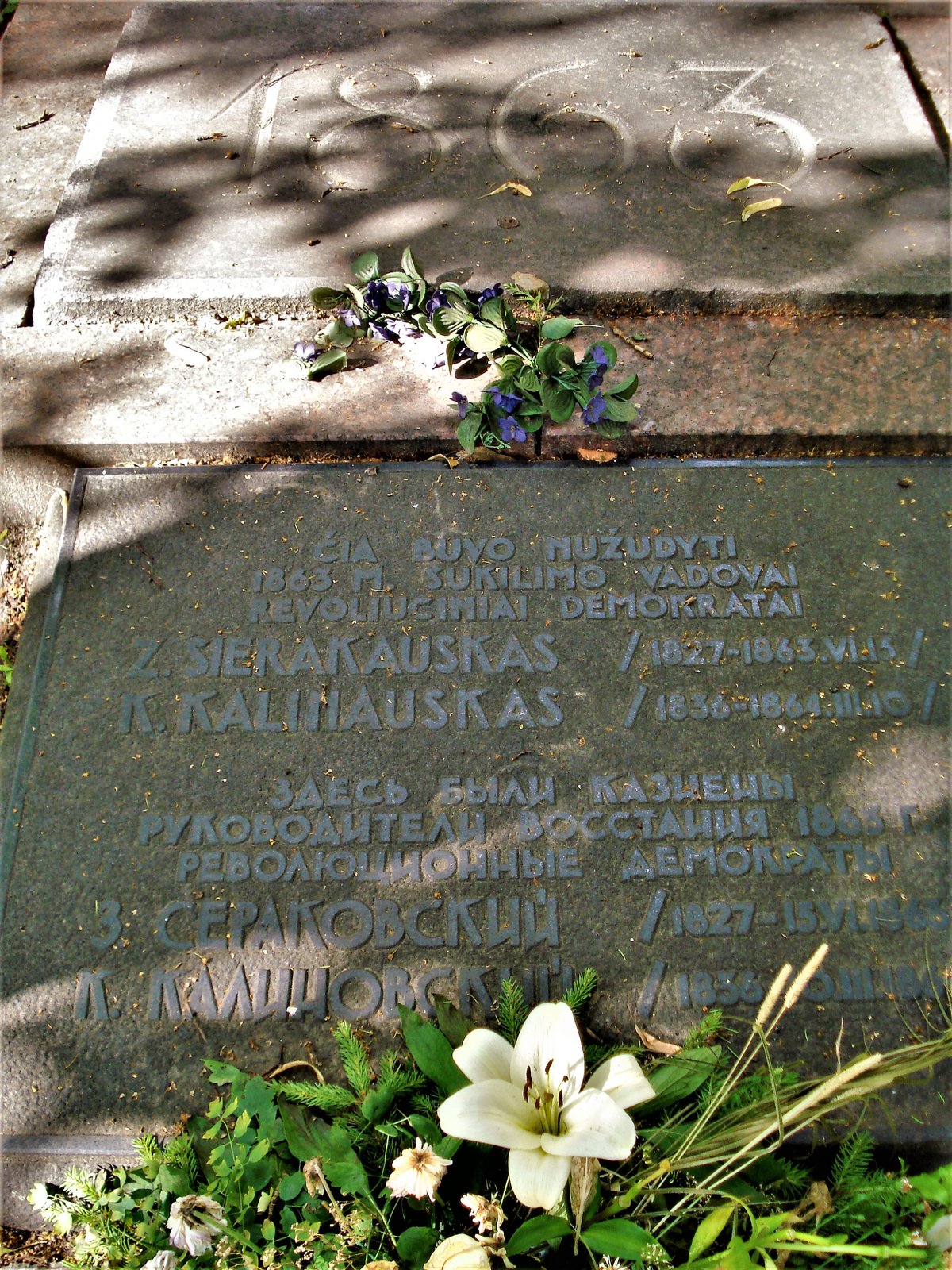
Rasos Cemetery (Lithuanian: Rasų kapinės; Polish: Cmentarz na Rossie) stands as one of Vilnius, Lithuania’s oldest and most culturally significant burial…
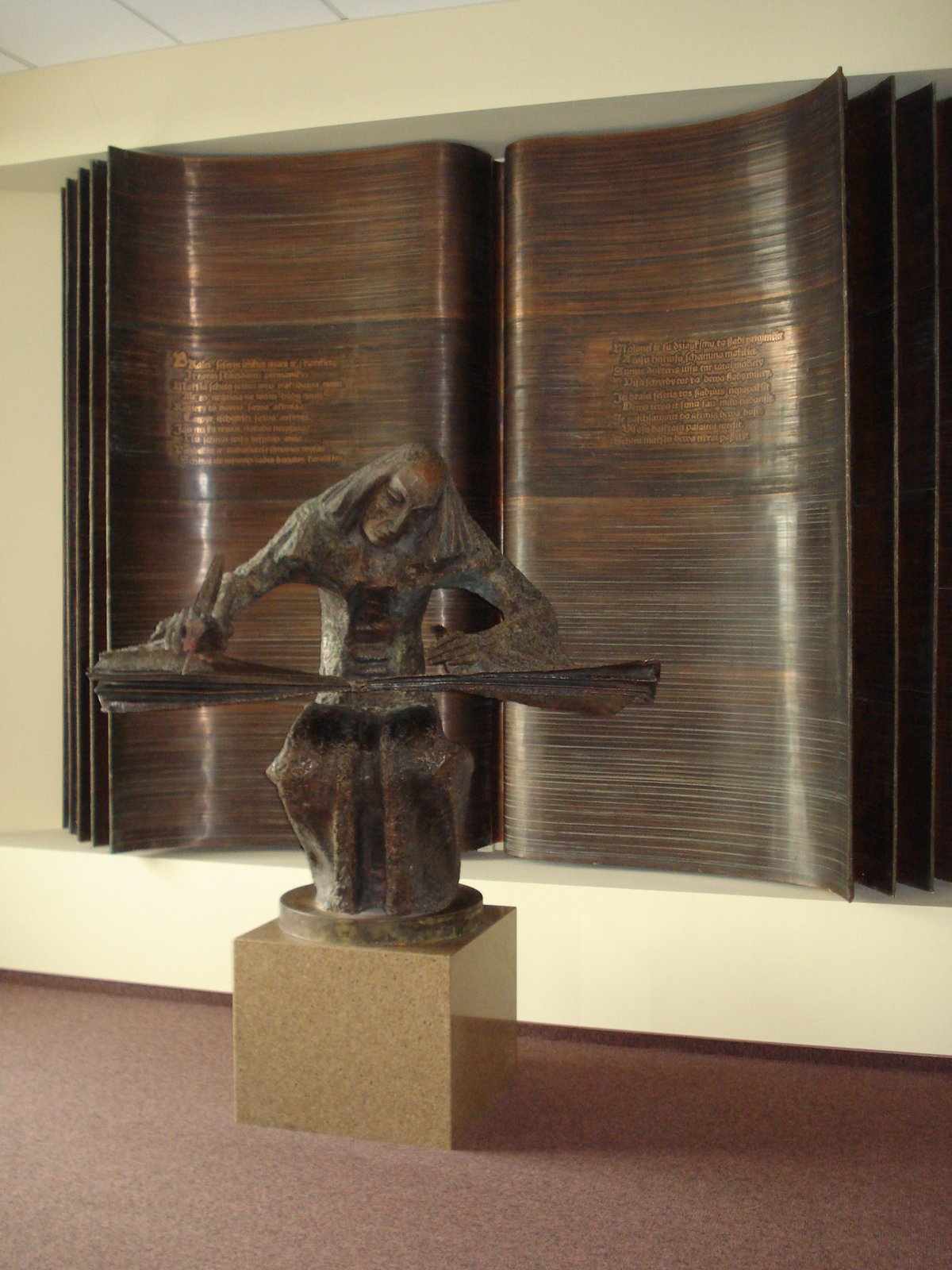
Martynas Mažvydas National Library of Lithuania
The Martynas Mažvydas National Library of Lithuania stands as a beacon of the nation’s rich cultural heritage, intellectual resilience, and architectural…
Lithuanian National Opera and Ballet Theatre
The Lithuanian National Opera and Ballet Theatre (LNOBT), situated on the picturesque banks of the Neris River in Vilnius, stands as a beacon of Lithuania’s…
Church of St. Anne, Vilnius
Nestled in the heart of Vilnius’s UNESCO-listed Old Town, the Church of St.
Vilnius Tv Tower
Paukščių takas, translating to 'Bird Path' in English, is an enchanting and ecologically significant destination located within the Pavilniai Regional Park in…
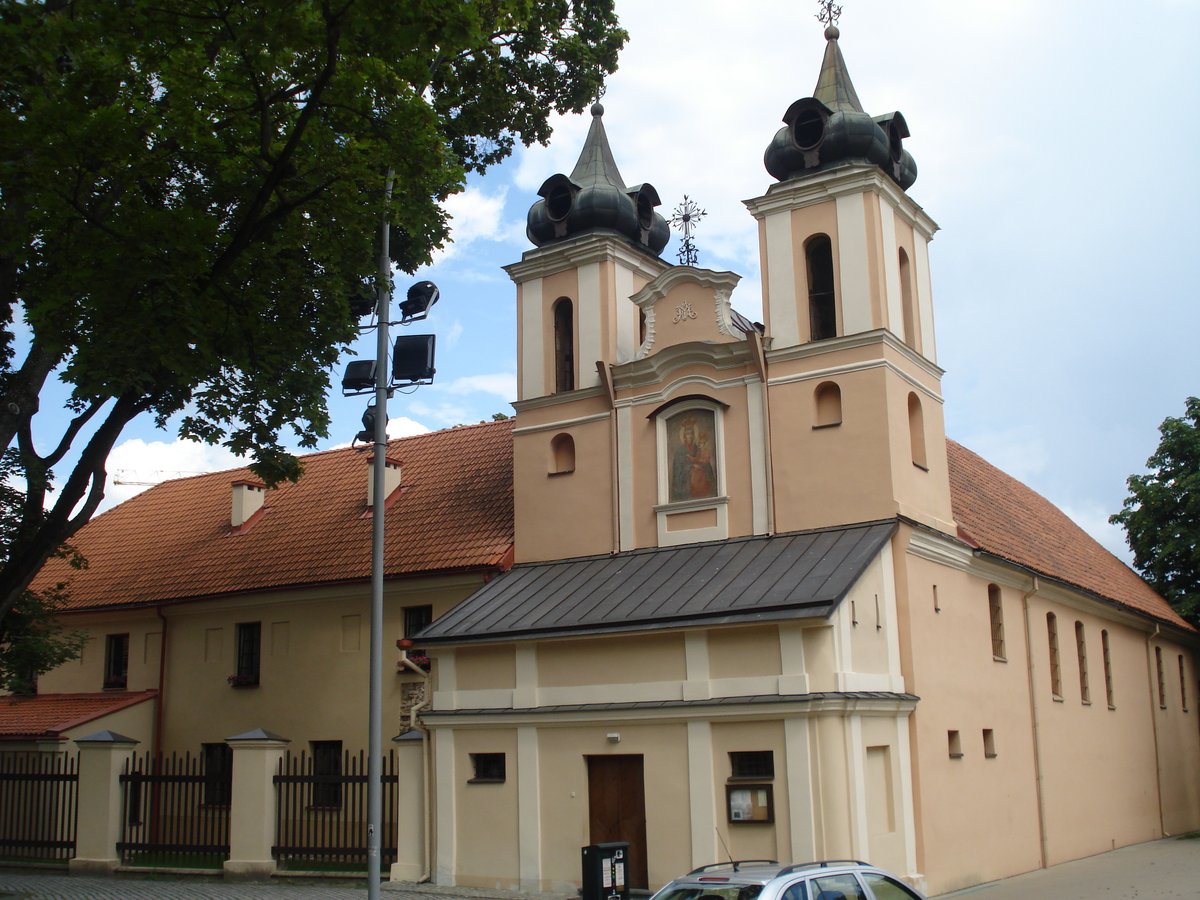
Church of St. Peter and St. Paul, Vilnius
The Church of St. Peter and St.
What Makes This City Special
Baroque Rooftop Maze
From St. John’s 68 m bell tower the entire Old Town unfurls like an orange-tiled ocean—1,400 buildings packed into 352 ha, the largest medieval core in Eastern Europe. The view is free with a €5 ticket and beats Gediminas Tower for both height and sunset glow.
The Republic of Užupis
Cross the Vilnia river and you’re stamped into a micro-nation founded on April Fool’s Day 1997. Its constitution, nailed to a wall in 23 languages, guarantees every person the right to be a cat and to have no rights on their birthday.
Churches by the Block
Vilnius counts one church for every 700 residents—28 inside the walls alone—so Gothic spires, flamboyant brickwork and 2,000-stucco-figure Baroque interiors sit shoulder-to-shoulder like a three-century choir frozen mid-phrase.
Historical Timeline
Seven Centuries of Burnings and Rebirths
Where every cobblestone remembers five empires
Gediminas Writes the First Letter
Grand Duke Gediminas pens a circular letter to German merchants: 'In our city of Vilna, there is room for craftsmen and traders.' With this bureaucratic invitation, Vilnius becomes a capital. The ink hasn't dried before carpenters arrive to build the first wooden castle on the hill that now bears his name.
Magdeburg Rights Granted
King Jogaila signs the parchment that transforms a wooden fortress into a proper city. Overnight, Vilnius gains self-governance, weekly markets, and the right to brew beer. The first Catholic bishopric is established; construction begins on the cathedral that will be rebuilt five times over the next 500 years.
Stefan Báthory Founds University
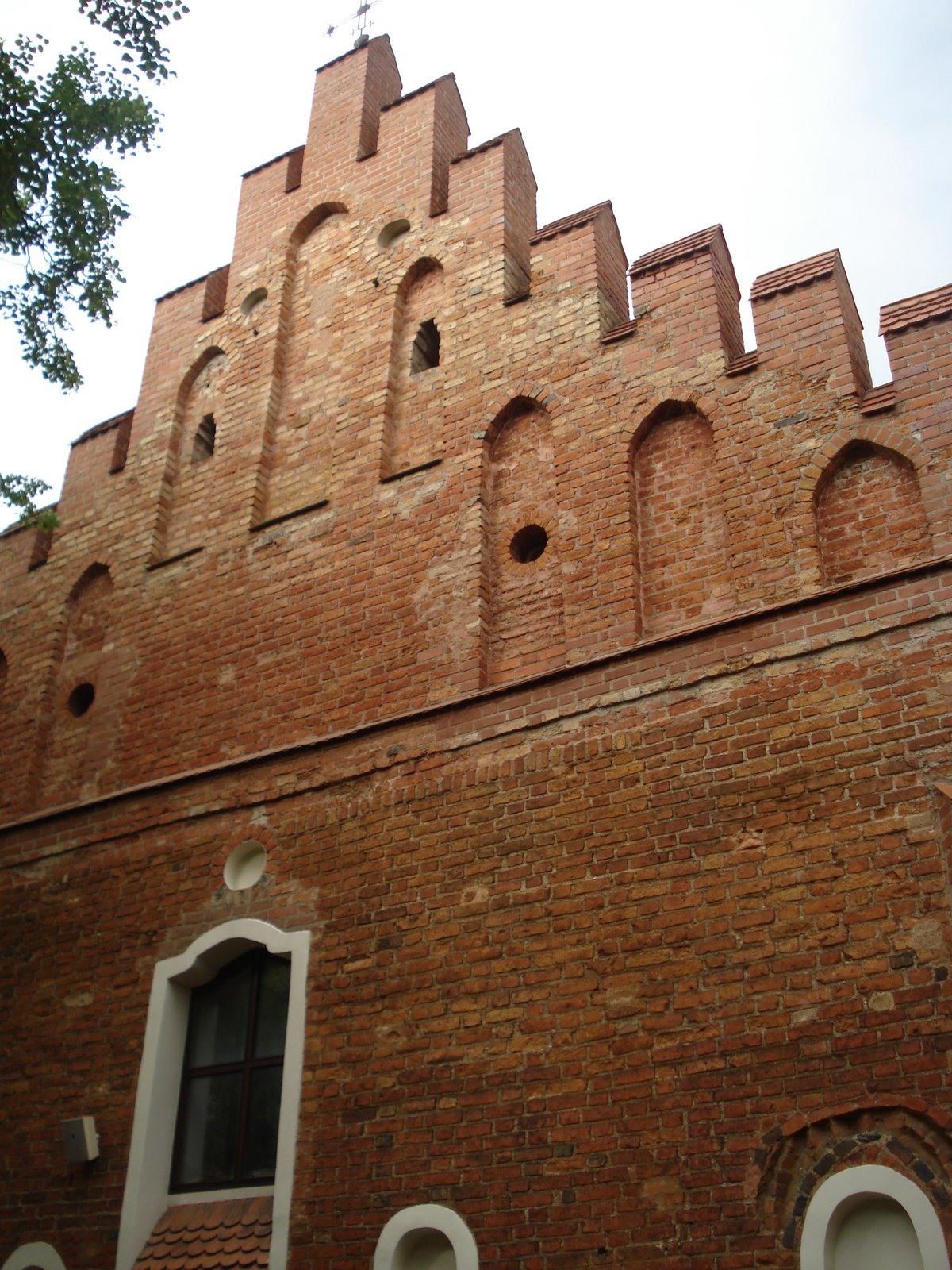
King Stefan Báthory signs the decree that creates the easternmost university in Europe for two centuries. Thirty-seven years after the Jesuits arrive, their college becomes Vilnius Academy. Scholars from Kraków to Königsberg now trek to study astronomy in a city where wolves still howl beyond the walls.
The Great Fire Consumes 4,700 Homes
One spark in a baker's oven becomes an inferno that burns for 36 hours. Ten churches collapse into ash, the university library smolders, and one-third of the population loses everything. The fire reveals the city's medieval maze of wooden alleys; reconstruction will birth the Baroque skyline we see today.
Muscovites Burn the Capital
Russian troops breach the walls after a week-long siege. They loot for days, carrying icons and manuscripts back to Moscow. The burning of Vilnius marks the first foreign occupation in Grand Duchy history. When the army withdraws six years later, the population has halved and wolves roam the cathedral ruins.
Elijah ben Solomon Born
In a narrow Jewish quarter alley, the boy who will become the Vilna Gaon takes his first breath. By 30, he'll be the most feared Talmudic scholar in Europe, attracting students who sleep three to a bed in winter. His commentaries will make Vilnius the 'Jerusalem of Lithuania'—a title that will outlive both and empire.
Third Partition Erases Independence
The Russian Empire swallows Vilnius whole. Overnight, Lithuanian becomes the language of peasants; Polish of the nobility; Russian of the court. The royal palace is demolished stone by stone. For the next 123 years, maps will show 'Wilno' as just another provincial capital in the Tsar's vast domain.
Napoleon's Grand Army Arrives
60,000 French soldiers camp where Gediminas Tower stands. Napoleon reviews troops in Cathedral Square while Lithuanians hope for restored independence. Five months later, the retreating Grande Armée drags frozen corpses along the same streets. The city's cellars are emptied of wine; its forests of firewood.
Tsar Closes the University
After the 1831 uprising, punishment comes swift and deliberate. Vilnius University locks its doors—permanently, the Russians think. Professors scatter to Kraków and Paris; 20,000 volumes in the library are boxed for St. Petersburg. The 13 courtyards stand empty, their arcades echoing with pigeons.
Romain Gary Born
In the Jewish quarter on Vokiečių Street, Romain Kacew enters the world speaking Lithuanian, Yiddish, and Russian before French. The multilingual boy will become France's only two-time Prix Goncourt winner, capturing Vilnius winter smells—coal smoke, horse sweat, and baking bread—in novels that make Parisians shiver.
Ponary Massacres Begin
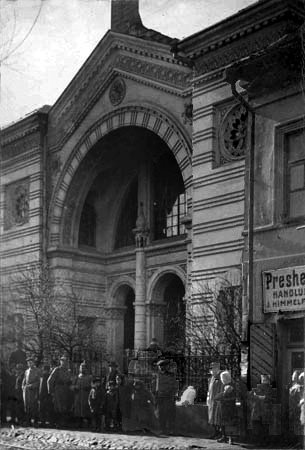
Nazi occupation turns Vilnius into a killing field. 74,000 Jews—80% of the community—are marched to Ponary forest and shot. The Great Synagogue, standing since 1633, becomes a stable for horses. By war's end, Yiddish has vanished from the streets where the Vilna Gaon once walked.
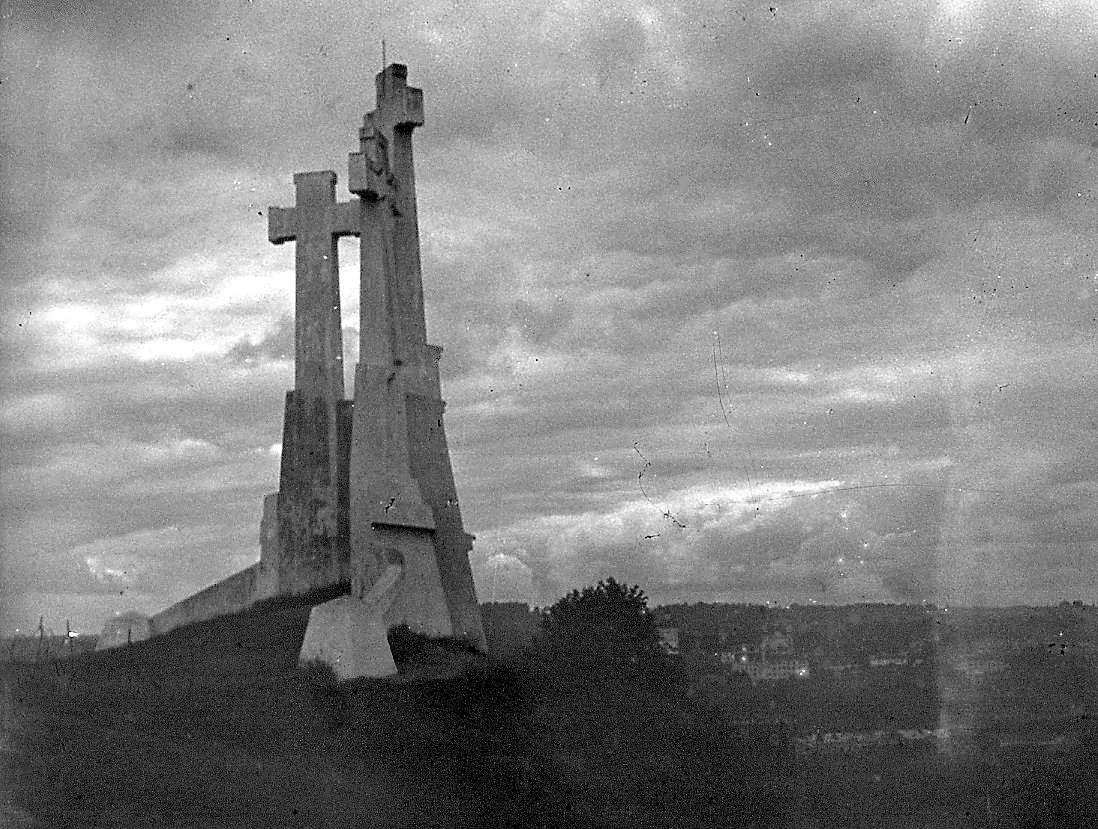
Soviets Destroy Three Crosses
The monument atop the hill overlooking Užupis—built in 1916, rebuilt in 1939—is dynamited overnight. It's a warning shot: Lithuanian nationalism will not be tolerated. The empty silhouette haunts postcards for 39 years until Lithuanians rebuild it in 1989, piece by piece, under Soviet noses.
Independence Restored
In the Supreme Soviet chamber, deputies vote 124-0 to restore Lithuania's independence. Moscow calls it illegal. In January 1991, Soviet tanks roll toward the TV Tower; 14 civilians die defending it. The world watches as Vilnius becomes the first domino in the USSR's collapse.
Old Town Becomes UNESCO Site
352 hectares of Gothic, Renaissance, and Baroque buildings—1,400 structures in all—gain world heritage status. The recognition comes just in time: abandoned Soviet factories still scar the edges. Restoration begins house by house, revealing frescoes hidden under 19th-century plaster.
NATO Summit in Vilnius
32 world leaders gather where Teutonic Knights once camped. The city that survived partitions, occupations, and burnings now hosts decisions about Europe's future. Air raid sirens from Ukraine echo across the Neris River, reminding everyone that Vilnius still sits on the fault line of empires.
Notable Figures
Romain Gary
1914–1980 · French novelistThe only writer to win the Prix Goncourt twice was born in Vilnius when it was still Wilno, Russian Empire. He'd recognize the cobblestones and churches from his childhood, though the Soviet apartment blocks would be alien territory.
Vilna Gaon
1720–1797 · Jewish scholarElijah ben Solomon transformed Vilnius into the 'Jerusalem of Lithuania' through his Talmudic scholarship. Walk the Jewish Quarter today and you'll feel the absence more than presence — 100 synagogues reduced to one, but his intellectual shadow still shapes the city's soul.
Gediminas
c. 1275–1341 · Grand DukeHe dreamed of an iron wolf howling on a hill and built a castle there. Today his tower still stands, painted on Lithuania's coat of arms, while the city he founded spreads across seven hills in exactly the medieval street pattern he established.
Felix Dzerzhinsky
1877–1926 · Founder of Soviet secret policeThe man who created the Cheka was born 30km from Vilnius. His legacy lives in the KGB Museum — former headquarters where Lithuanians were interrogated and executed. The building's basement cells now educate visitors about the very system he designed.
Marija Gimbutas
1921–1994 · ArchaeologistThe scholar who revolutionized European prehistory by identifying 'Old Europe' began her journey in Vilnius. She'd find the archaeological museum's collection familiar, though her Kurgan hypothesis about Indo-European origins would spark lively debate in university seminars today.
Photo Gallery
Explore Vilnius in Pictures
The historic Gediminas Tower stands prominently over Vilnius, Lithuania, as the setting sun casts a warm golden glow across the city skyline.
Gantas Vaičiulėnas on Pexels · Pexels License
The striking Baroque facade of the Church of St. Philip and St. James stands out against the blue sky in Vilnius, Lithuania.
Nick on Pexels · Pexels License
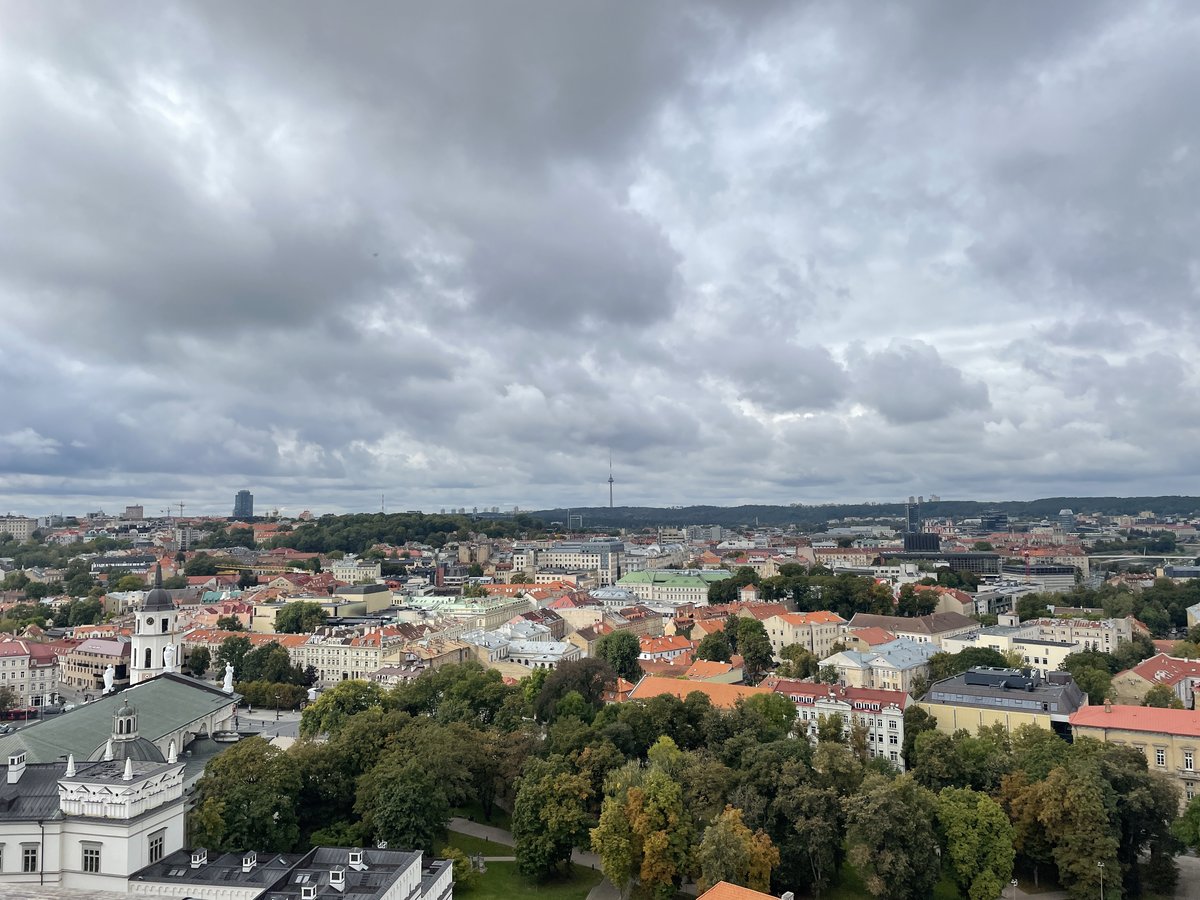
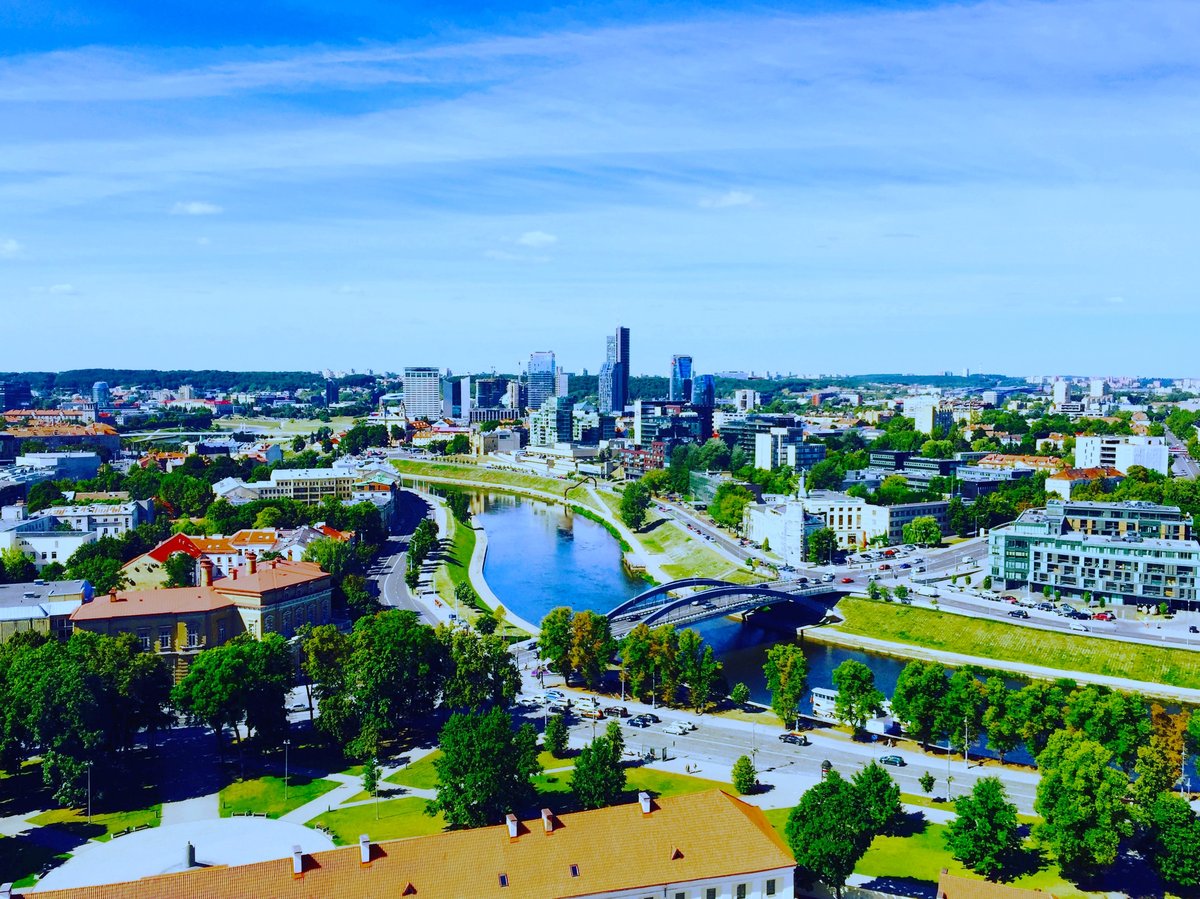
A stunning elevated view of Vilnius, Lithuania, showcasing the harmonious blend of the modern business district and the historic riverside landscape.
Omar on Pexels · Pexels License
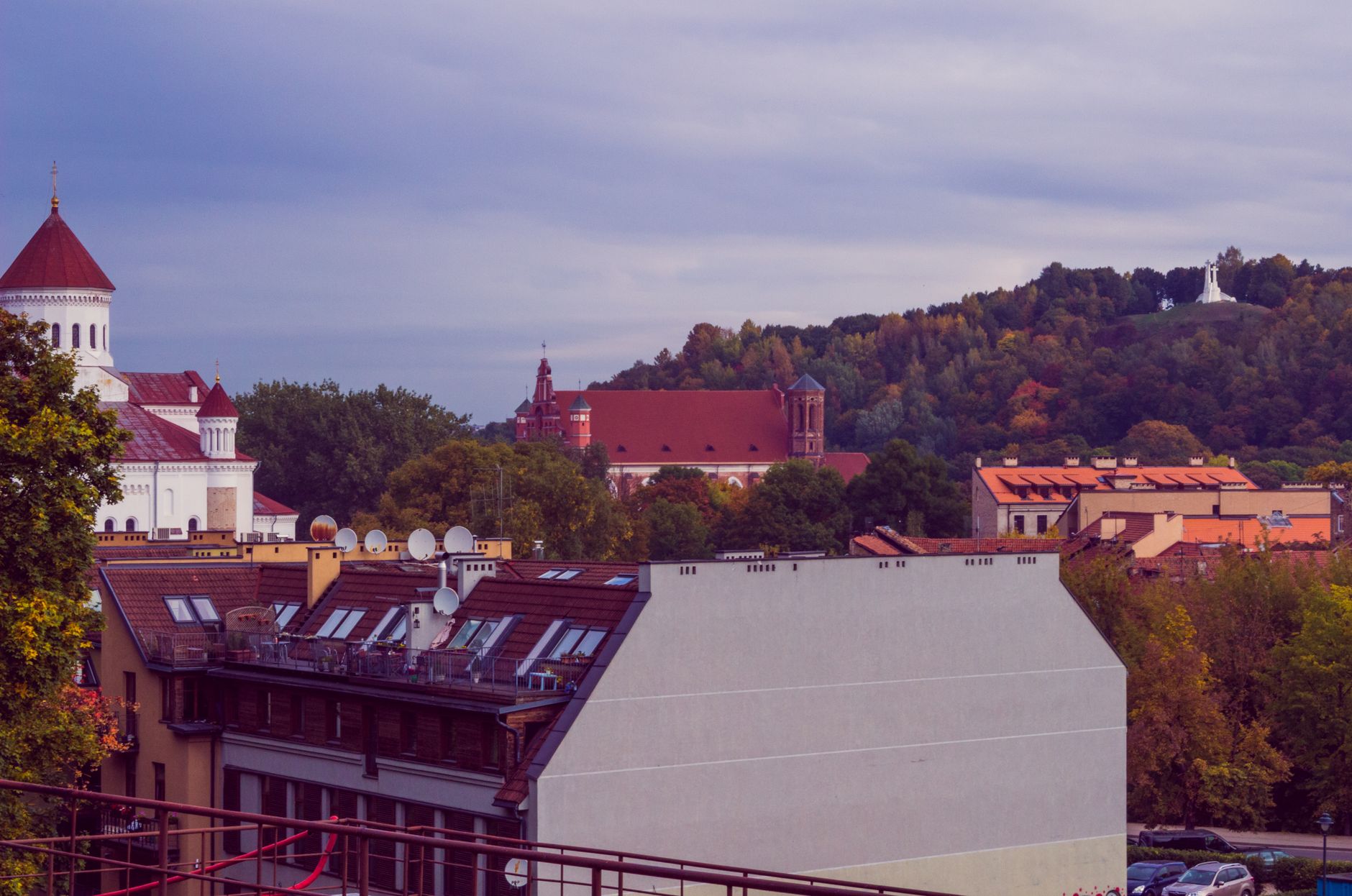
A scenic view of Vilnius, Lithuania, showcasing the city's blend of historic church architecture and the iconic Three Crosses monument atop a forested hill.
Dom J on Pexels · Pexels License
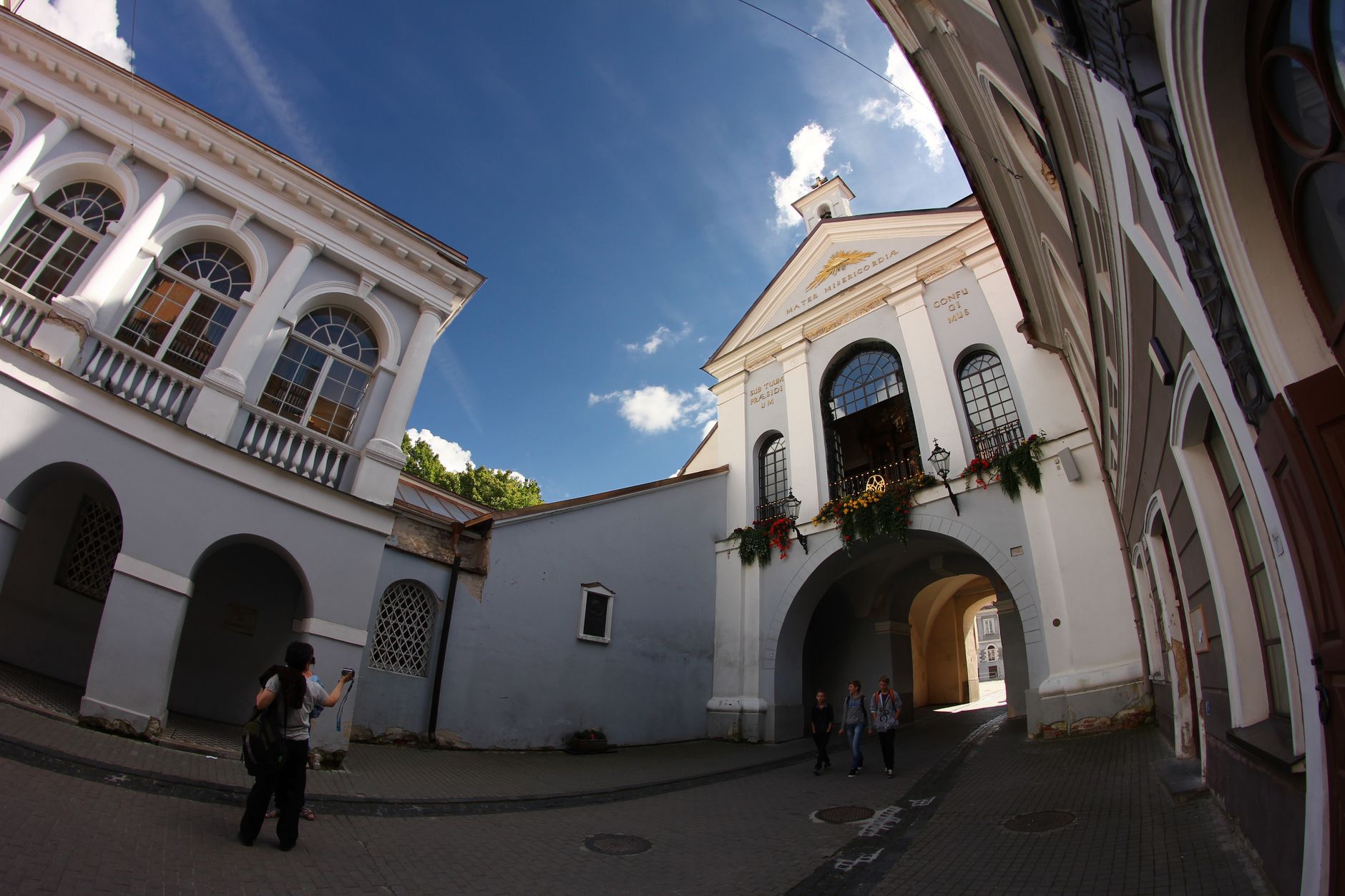
The iconic Gate of Dawn in Vilnius, Lithuania, stands as a historic architectural landmark and a significant site of religious pilgrimage.
Kuanysh Abdikarimov on Pexels · Pexels License
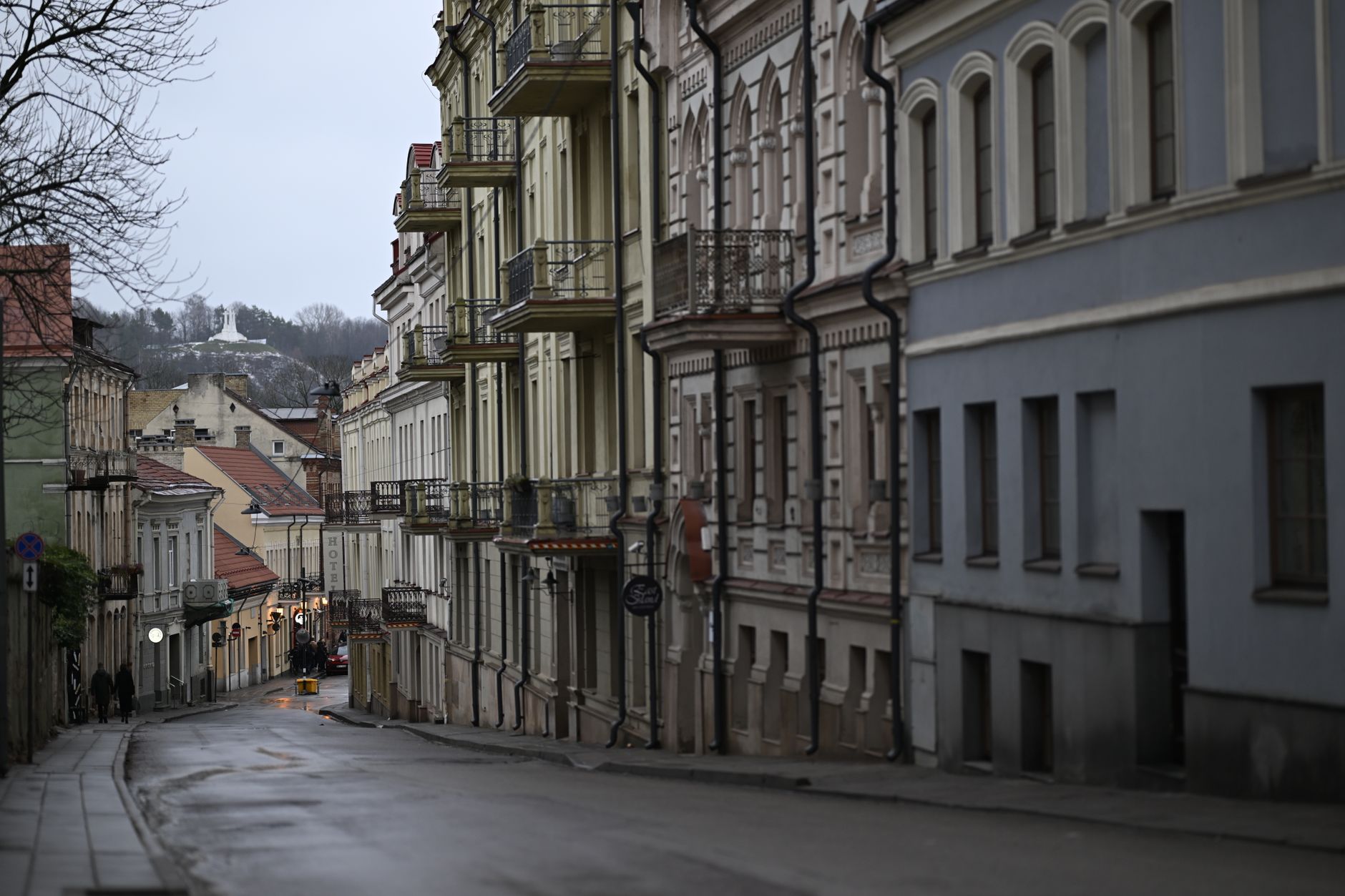
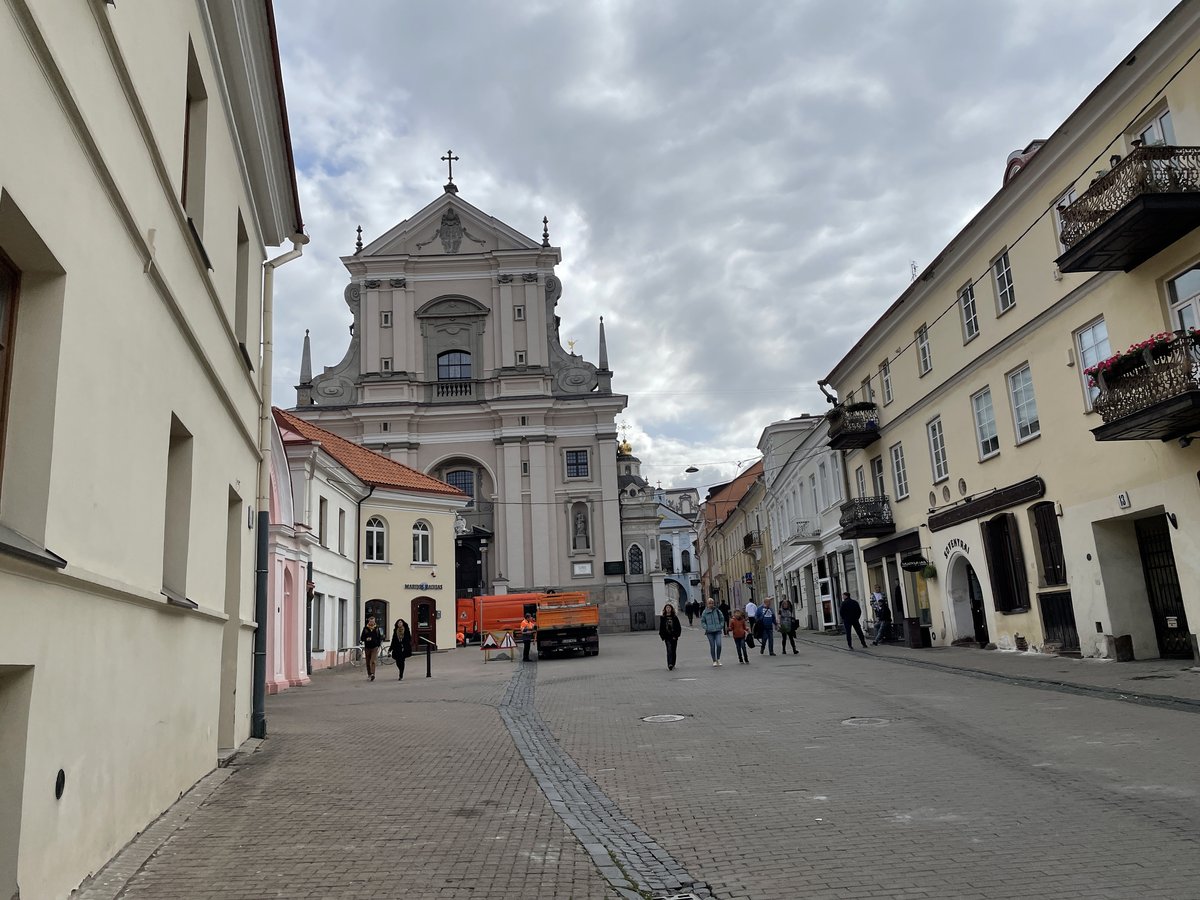
A moody, atmospheric view of a narrow street in Vilnius, Lithuania, showcasing the city's classic European architecture and historic charm.
Miguel Cuenca on Pexels · Pexels License
A couple enjoys a breathtaking sunset view of the Vilnius cityscape from the elevated grounds of the iconic Three Crosses monument.
Gantas Vaičiulėnas on Pexels · Pexels License
The ornate towers of the Church of St. Johns rise above the historic cityscape of Vilnius, Lithuania, framed by the silhouettes of winter trees.
Mr Alex Photography on Pexels · Pexels License
Practical Information
Getting There
Vilnius International Airport (VNO) sits 6 km south; train to the centre takes 7 min and costs €0.80. Kaunas Airport (KUN) is 92 km west—Ollex shuttle runs the route if budget flights land there instead. By rail, Vilnius Central Station handles direct overnight links to Warsaw and daytime trains to Klaipėda; the A1 and A2 motorways feed in from Kaunas and Panevėžys.
Getting Around
No metro, no trams—just buses, trolleybuses and your feet. A 3-day public-transport pass on the Vilniečio kortelė costs €8 and covers both electric trolleys and frequent buses; contactless bank-card taps work for single €0.90 rides. Old Town is cobblestone and fully walkable—Cathedral Square to the Gates of Dawn is an eight-minute stroll.
Climate & Best Time
July peaks at 24 °C and January bottoms out at –2 °C high/–8 °C low; rain is steady, 55–80 mm monthly. Come May–June for 16-hour daylight and pre-surge prices, or September for golden foliage and empty terraces. Winter is crisp and cheap but brings short, grey days.
Language & Currency
Lithuanian is the tongue-twisting official language, yet English is fluent under age 40. The euro has ruled since 2015; cards work everywhere, but carry €10 in coins for market vendors who still prefer cash. Say ‘ačiū’ (ah-CHOO) for thank-you and you’ll earn a smile.
Safety
Violent crime is rare—pickpockets operate in Cathedral Square crowds and on Bus 88 from the airport. Public drinking is illegal and fined; stick to riverside bars. The old Soviet KGB building is now a museum, but the basement cells are still cold—bring a layer even in summer.
Where to Eat
Don't Leave Without Trying
Amandus
fine diningOrder: The 10-course tasting menu (seasonal changes) with homemade beetroot bread and complimentary cava
Amandus is Vilnius' highest-rated fine-dining experience, offering meticulously crafted modern Lithuanian cuisine with a cozy, intimate atmosphere. The chef's attention to detail and seasonal ingredients make every dish a revelation.
Le Mans
fine diningOrder: The escargots and shrimp for starters, and the cheese selection for a refined finishing touch
Le Mans delivers authentic French cuisine with precision and elegance. The staff's warmth and the restaurant's inviting ambiance make it a standout for both special occasions and casual French gastronomy cravings.
River Town
local favoriteOrder: The grilled steak or lamb with grilled vegetables and a glass of their well-curated wine
River Town offers a refined steakhouse experience with excellent service and stunning views of the Vilnius Castle. The knowledgeable staff and thoughtful wine pairings elevate every meal into a memorable dining experience.
Pirmas Blynas
local favoriteOrder: The carbonara crepe (a unique twist on pasta) and the cherry pancakes for dessert
Pirmas Blynas is a charming, unfussy spot serving inventive sweet and savory pancakes. The social mission of employing special needs individuals adds a heartwarming layer to the already delicious food.
Detective
local favoriteOrder: The pork belly and the mussels with red sauce, both praised for their rich flavors
Detective charms with its vintage aesthetic and outstanding food. The attentive service and aesthetic menus make it a standout spot for a memorable meal.
LA PEPA (BISTRO-BRUNCH)
local favoriteOrder: The cod fish dish served with flair, and their signature brunch menu
LA PEPA offers a vibrant, joyful Spanish dining experience with exceptional food and a welcoming atmosphere. The owner's personal touch and the restaurant's energy make every visit feel special.
Kmyninė kepykla
cafeOrder: The smooth apple pie, refreshing éclair, and the marmalade and cream-filled little rolls
Kmyninė kepykla is a cozy local bakery with a fantastic selection of pastries and baked goods. The early opening hours make it a perfect stop for a quick breakfast or coffee break.
Sweet Love Caffe
cafeOrder: The gluten-free pizza made with their homemade base and the masala chai with cheesecake
Sweet Love Caffe is a unique, pink-themed cafe run by a welcoming community of women. The cozy ambiance and attentive service make it a delightful spot for a relaxed meal or coffee.
Dining Tips
- check Vilnius has a rich multicultural food heritage with influences from German, Byzantine, Ottoman, Italian, Russian, Tatar, Karaite, Jewish, and Polish cuisines.
- check The city is known for its preserved and fermented foods, including pickled herring, sauerkraut, and berries.
- check Foraged ingredients like chanterelles and sea buckthorn are commonly found at local markets.
- check Michelin-starred restaurants have recently arrived in Vilnius, reflecting the city's growing culinary scene.
Restaurant data powered by Google
Tips for Visitors
Skip Main Street
Walk two streets south of Pilies gatvė to find Sultiniai — unchanged since 1969, €6 gets you the same pork-stuffed cabbage rolls locals eat at lunch. The Formica tables are part of the experience.
Sunset at Three Crosses
Climb Three Crosses Hill 30 minutes before sunset. The terracotta rooftops turn molten orange, then streetlights flicker on below — free and better than any paid viewpoint.
Carry Cash
Some valgyklas and markets are cash-only. ATMs are everywhere, but €20 in small bills keeps you eating where the locals eat without awkward moments.
Opera Dress Code
The glass-and-concrete National Opera has zero dress code — jeans and a decent shirt works. Tickets start at €11, and nobody's judging your footwear.
Užupis on Monday
Visit Užupis on a weekday morning when artists are actually painting and the constitution wall isn't mobbed by tour groups. Read every posted language — someone's added a new one since last month.
Explore the city with a personal guide in your pocket
Your Personal Curator, in Your Pocket.
Audio guides for 1,100+ cities across 96 countries. History, stories, and local insight — offline ready.
Audiala App
Available on iOS & Android
Join 50k+ Curators
Frequently Asked
Is Vilnius worth visiting? add
Absolutely. Vilnius delivers medieval architecture and Soviet history without Prague prices. You'll find Europe's largest baroque Old Town, a self-declared republic that issues passports, and €6 square meals in canteens unchanged since 1969.
How many days do I need in Vilnius? add
Three full days hits the sweet spot — one for the Old Town and castle viewpoints, one for museums and Užupis, one for Trakai Castle. Add a fourth if you want to explore the Soviet microdistricts or take a day trip to the Hill of Crosses.
Is Vilnius safe for solo travelers? add
Very safe. Violent crime is rare and the city center is well-lit and populated until late. Basic urban awareness applies, but locals walk home alone from bars at 2am without a second thought.
How do I get from Vilnius airport to the city center? add
The train runs every 30 minutes from 5:30am to 11:30pm, €0.80, 7 minutes to central station. Taxis cost €10-15 and take 15 minutes. The airport is only 6km south — close enough that some locals walk.
How expensive is Vilnius? add
Surprisingly cheap for a European capital. A full meal at a local canteen costs €6, craft beer €3-4, and the most expensive opera seats are €35. Your money stretches further here than Budapest or Kraków.
Sources
- verified The Guardian Travel Guide to Vilnius — 2023 deep-dive on food, bars, neighborhoods, and local customs
- verified UNESCO World Heritage Centre — Official listing for Vilnius Old Town's architectural significance
- verified Vilnius-events.lt — Official city events calendar with festival dates and cultural programming
- verified Remitly Travel Blog — Practical transport details and 2025 airport terminal updates
Last reviewed: