
Origins and Development
The monastery’s roots trace back to the early 15th century, when Grand Duke Vytautas founded the Church of the Holy Spirit. This site became a focal point for Lithuania’s Orthodox community, symbolizing the spread and endurance of Orthodoxy in a region shaped by religious diversity and shifting political boundaries (Go Vilnius). The earliest church was a modest wooden structure, established to serve the burgeoning Orthodox congregation following Lithuania’s Christianization in 1387 (Just Moving Around).
Architectural Evolution
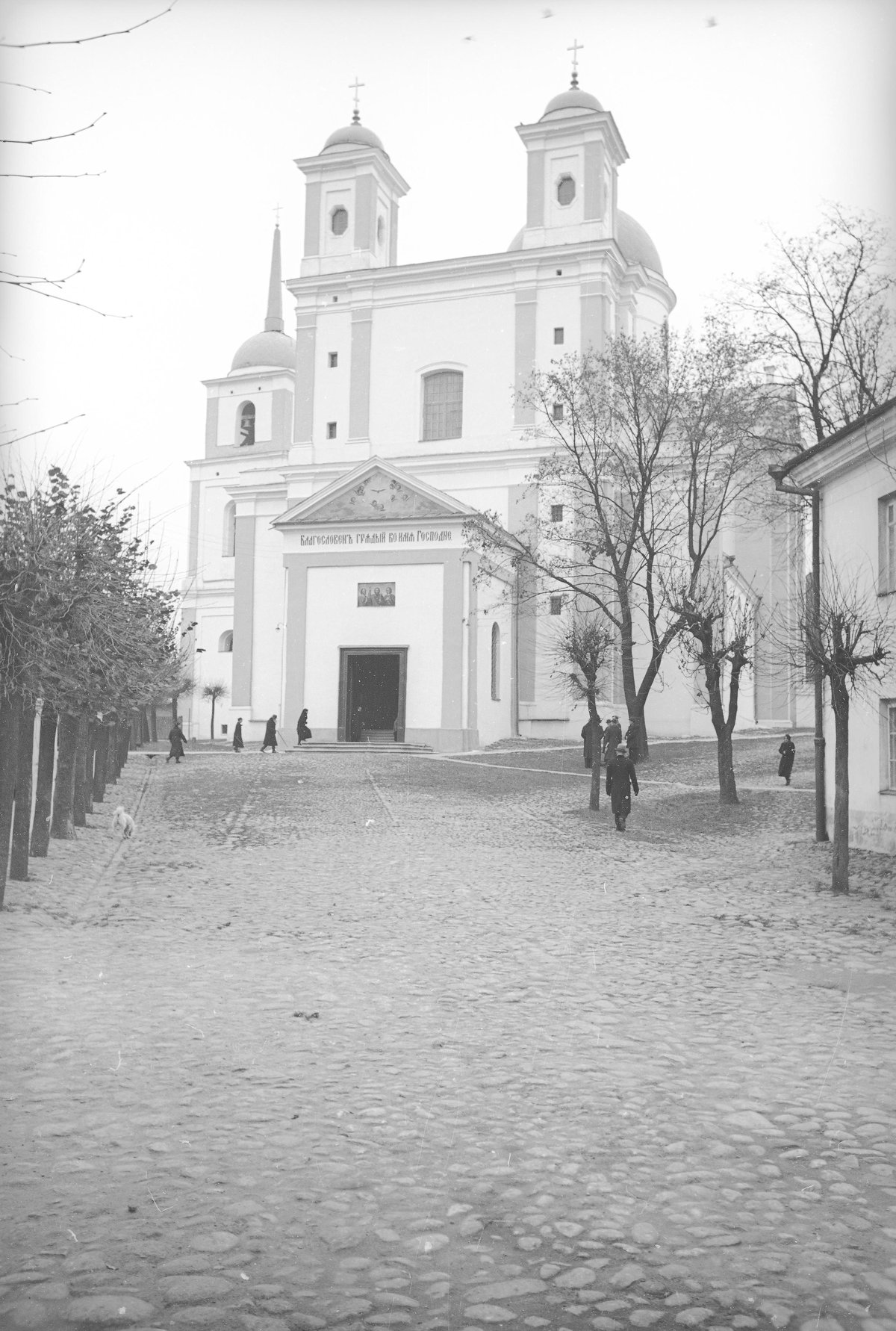
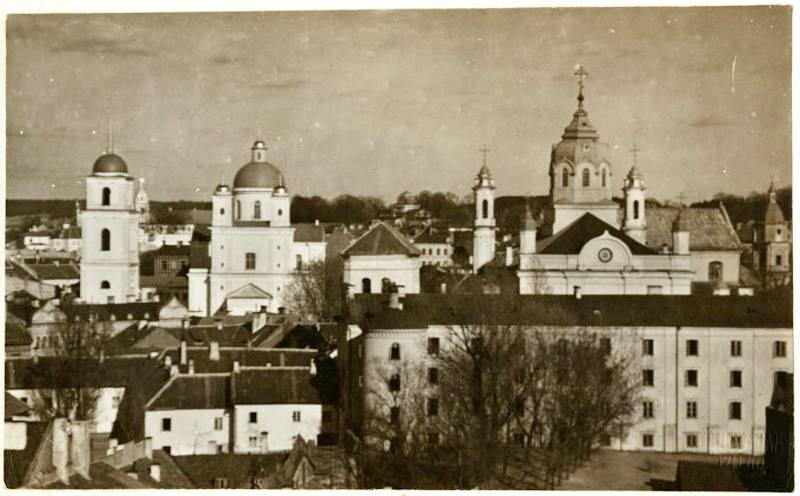
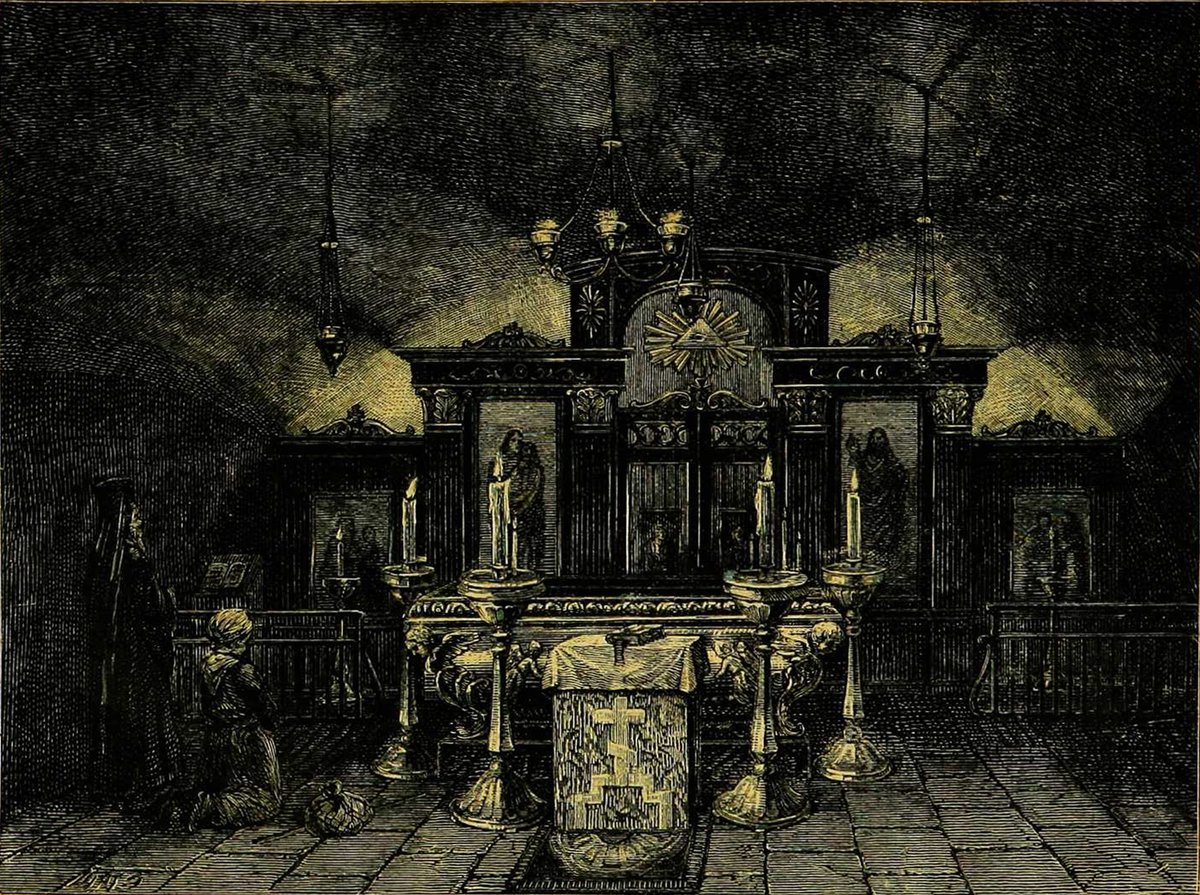
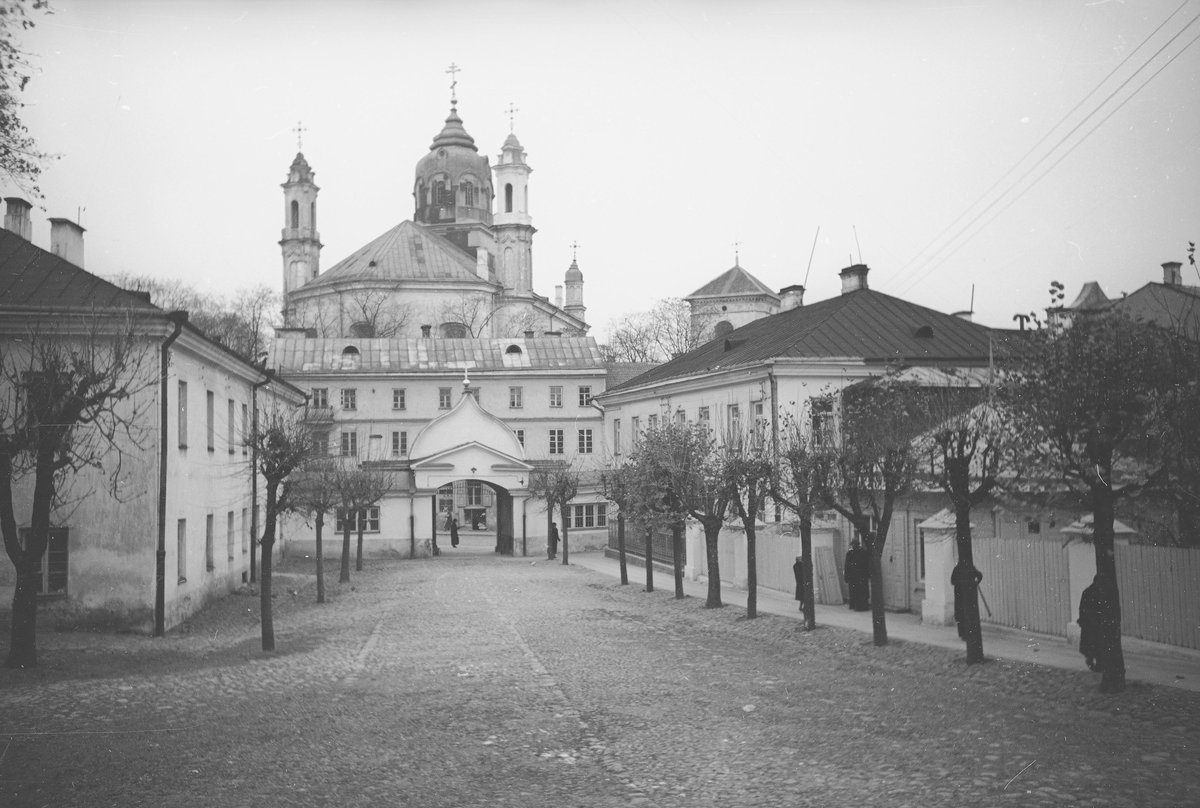
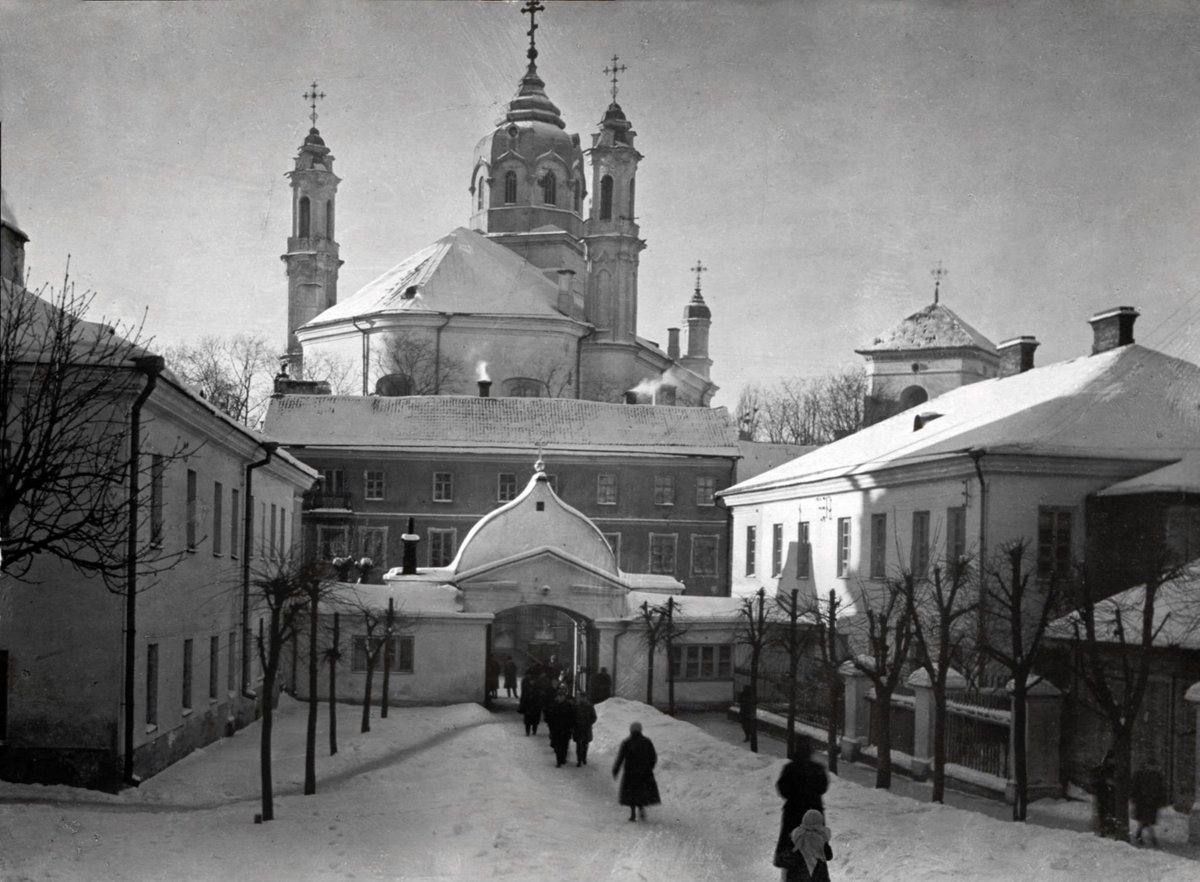
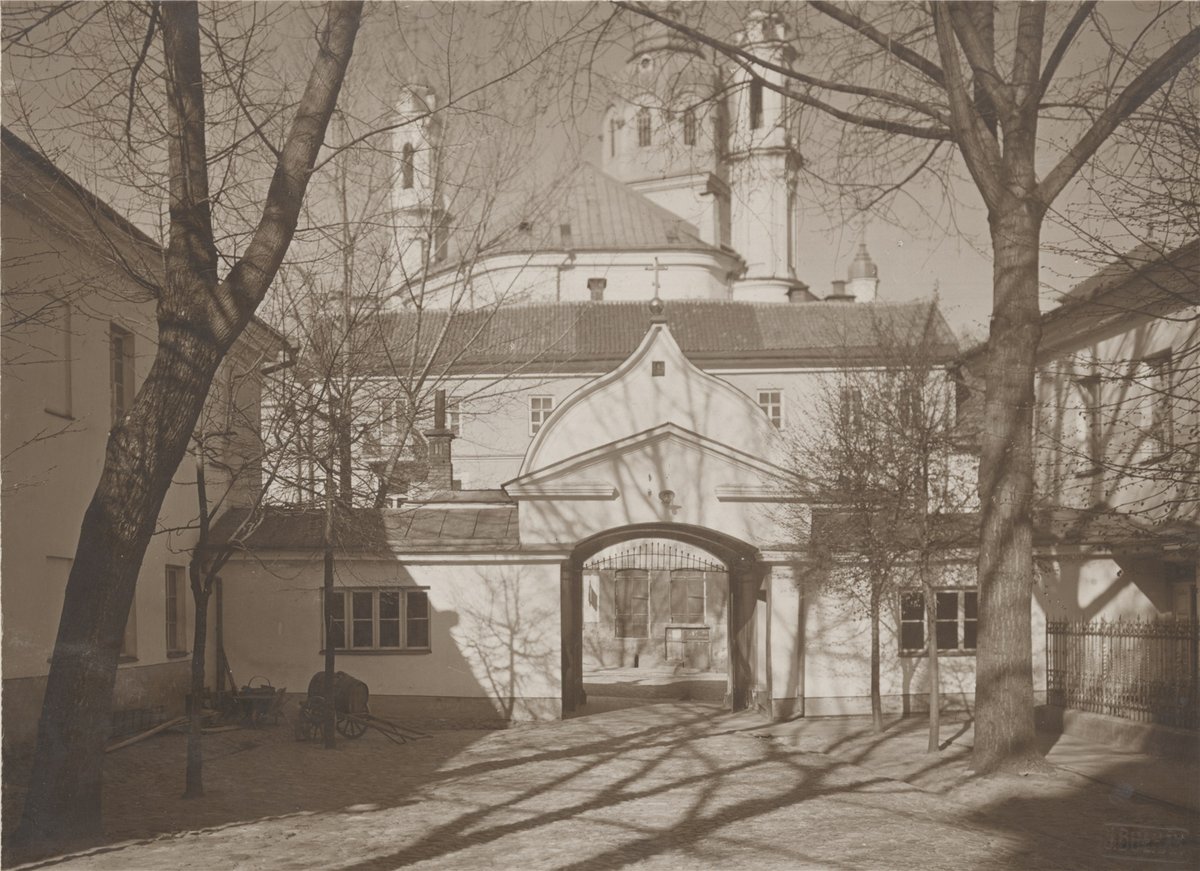
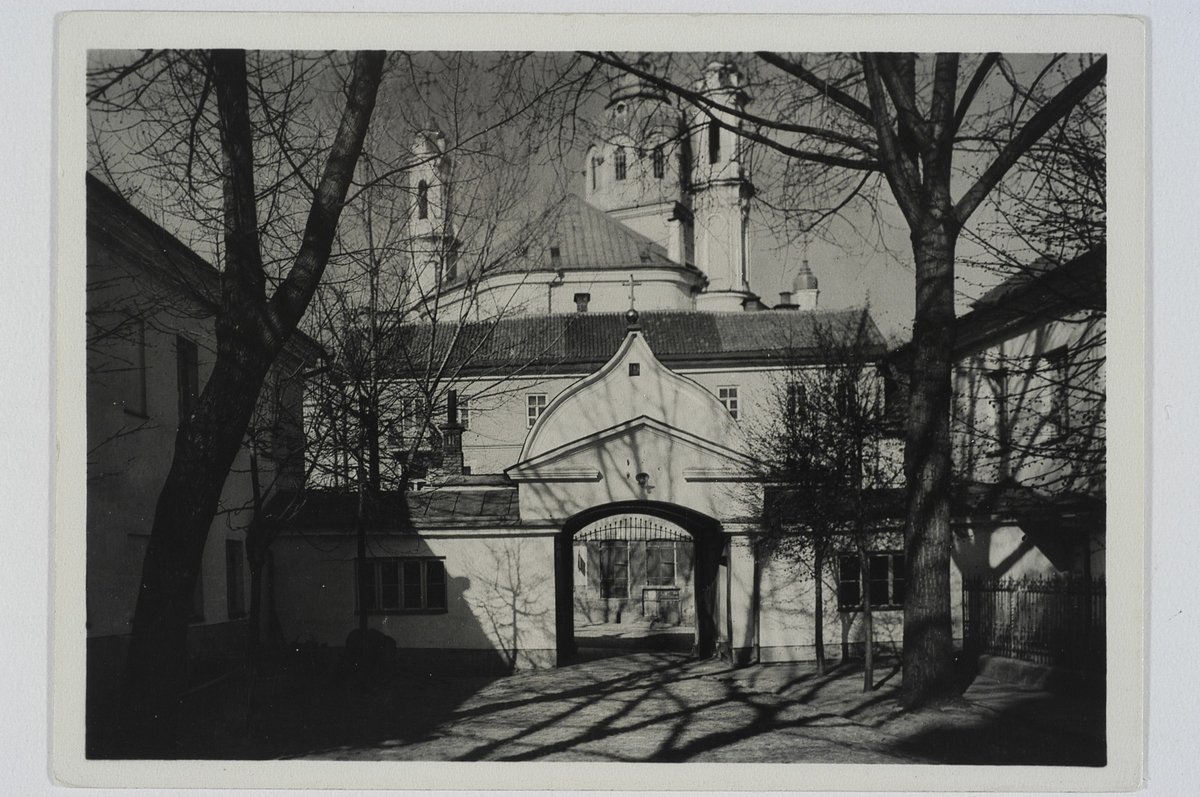
After the original church was destroyed by fire in the 18th century, the present stone sanctuary was built between 1749 and 1753 under the direction of architect Johann Christoph Glaubitz. The church is a prime example of Vilnian Baroque style and features a vibrant three-tiered iconostasis, sixteen altars, original 18th-century organs, and rare Rococo decorations (Go Vilnius). The complex has undergone various expansions and restorations, retaining its Baroque character and serving as a distinctive landmark with its 51-meter-high cupola (ldkistorija.lt).
Religious and Cultural Significance
The monastery is revered as the resting place of the Vilnius Martyrs—Saints Anthony, John, and Eustathius—whose relics have been venerated here since 1581 (Just Moving Around). The site has continuously served as an Orthodox center, never having joined the Uniate Church after the Union of Brest in 1596. The monastery also housed a school and printing press, contributing significantly to the preservation and dissemination of Orthodox culture in Lithuania.
Visiting Information
Opening Hours
- Monday to Saturday 10:00 AM – 6:00 PM
- Sunday 12:00 PM – 6:00 PM
Note: Hours may vary during religious holidays. Always check the official website before your visit.
Admission and Tickets
- General admission is free. Donations are appreciated to support preservation.
- Guided tours are available for a nominal fee (typically 3–5 EUR).
- Tickets for special exhibitions or tours can be purchased on-site or through the Vilnius tourism portal.
Accessibility
- The main church area is wheelchair accessible, though some historic or crypt areas may have limited access.
- For specific needs, it is recommended to contact the monastery in advance.
Guided Tours and Special Events
- Guided tours in English, Lithuanian, and Polish offer deeper insight into the monastery’s history, art, and traditions.
- Special liturgical celebrations, particularly on feast days of the Vilnius Martyrs, attract pilgrims and provide a unique spiritual experience.
Travel Tips
- Location Aušros Vartų St. 10, Vilnius Old Town—close to major landmarks like the Gate of Dawn and Vilnius Cathedral. Easily accessible on foot or via public transport.
- Dress Code Modest attire is expected. Men should avoid shorts and sleeveless shirts; women are recommended to cover shoulders and knees. Headscarves for women are customary, especially during services.
- Photography Permitted in most areas; avoid flash and respect restrictions during services or near relics.
- Nearby Amenities Cafés, restaurants, souvenir shops, and ATMs are within walking distance. Restroom facilities are available in nearby establishments.
Unique Features
- Baroque and Rococo Interiors The church boasts sixteen ornate altars, a lavish iconostasis, and vibrant frescoes, including the cupola’s “Apotheosis of the Holy Spirit.”
- Relics of the Vilnius Martyrs The relics, displayed in colored shrouds according to the liturgical calendar, are a focal point for veneration.
- Crypts The subterranean vaults contain naturally mummified remains and are steeped in local legend, though access may be limited.
- Historical Artworks Notable paintings and sculptures, including works by Szymon Czechowicz and portraits connected to royal patronage (more.io.vn).
Frequently Asked Questions (FAQ)
Q: What are the Holy Spirit Monastery visiting hours?
A: Monday–Saturday: 10:00 AM–6:00 PM; Sunday: 12:00 PM–6:00 PM. Hours may vary on religious holidays.
Q: Is there an entrance fee or tickets required?
A: General admission is free; guided tours may require a ticket.
Q: Are guided tours available?
A: Yes, in multiple languages. Book on-site or with local tour operators.
Q: Is the monastery wheelchair accessible?
A: The main church is accessible; crypts and some historic areas may not be.
Q: Can I take photos inside the church?
A: Yes, but avoid flash and respect restrictions during services and near relics.
Q: Are there restrooms on-site?
A: No; use nearby cafés or restaurants.
Related Links
- Vilnius Historical Sites
- Orthodox Churches in Lithuania
- Dominican Church of the Holy Spirit
- Orthodox Church of the Holy Spirit – ldkistorija.lt
- Just Moving Around – The Holy Spirit Church of Vilnius
Summary and Tips for Travellers
The Holy Spirit Monastery in Vilnius is a living monument of Orthodox spirituality and Baroque art, reflecting Lithuania’s layered religious and cultural history. Its central location makes it an excellent addition to any visitor’s itinerary, offering free admission, guided tours, and a serene atmosphere ideal for contemplation or exploration. For a deeper experience, time your visit with a liturgical celebration or arrange a guided tour. Always check the official website for the latest hours and event information.
Travel Tips:
- Visit on weekday mornings for a quieter experience.
- Dress modestly and bring a scarf or shawl.
- Respect the sacred atmosphere and local customs.
- Combine your visit with nearby sites like the Gate of Dawn or Vilnius Cathedral.
- Download the Audiala app for audio tours and up-to-date visitor information.