
Historical Background and Restoration
Early Origins and Medieval Construction
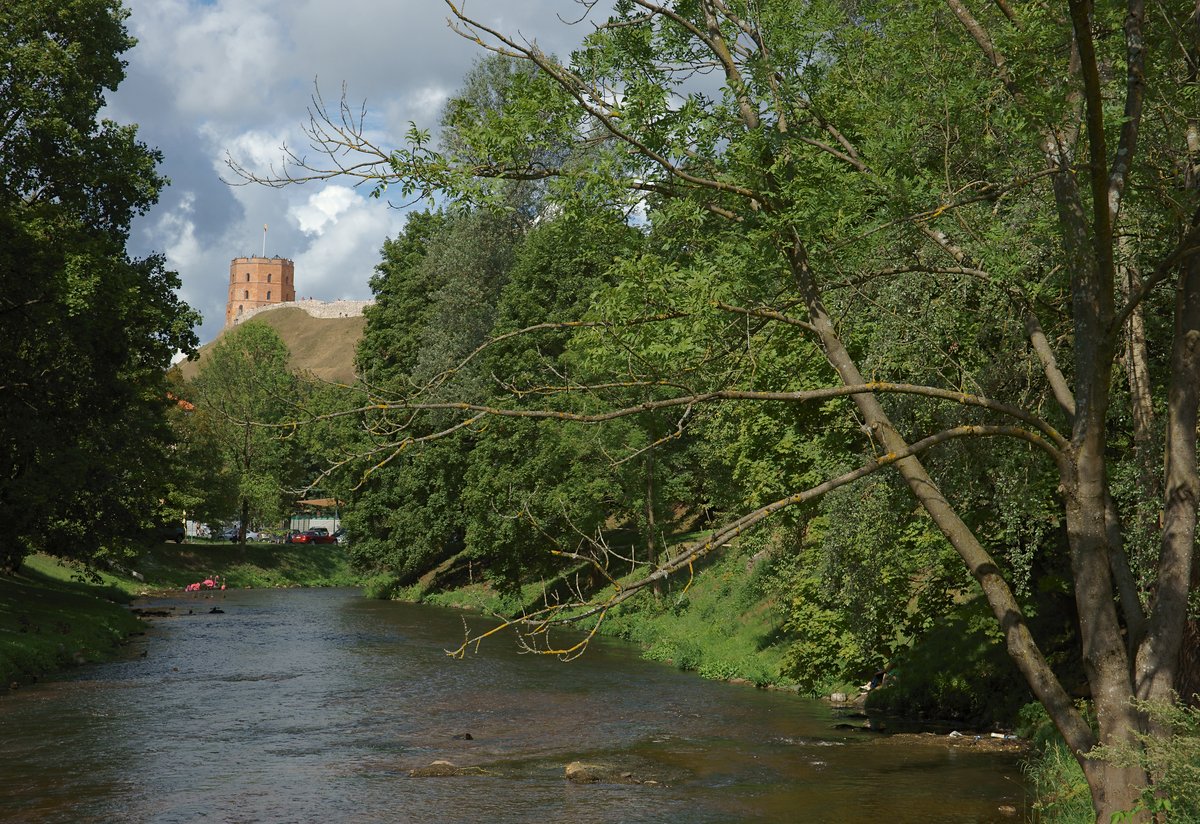
Gediminas’ Tower traces its roots to the early 14th century. Grand Duke Gediminas, founder of Vilnius, established wooden fortifications on Castle Hill around 1323 as a defense against the Teutonic Knights (Vilnius Tourism). In the 15th century, Grand Duke Vytautas the Great reconstructed the structure in brick, creating the enduring Gothic fortress seen today.
Decline and 20th-Century Restoration
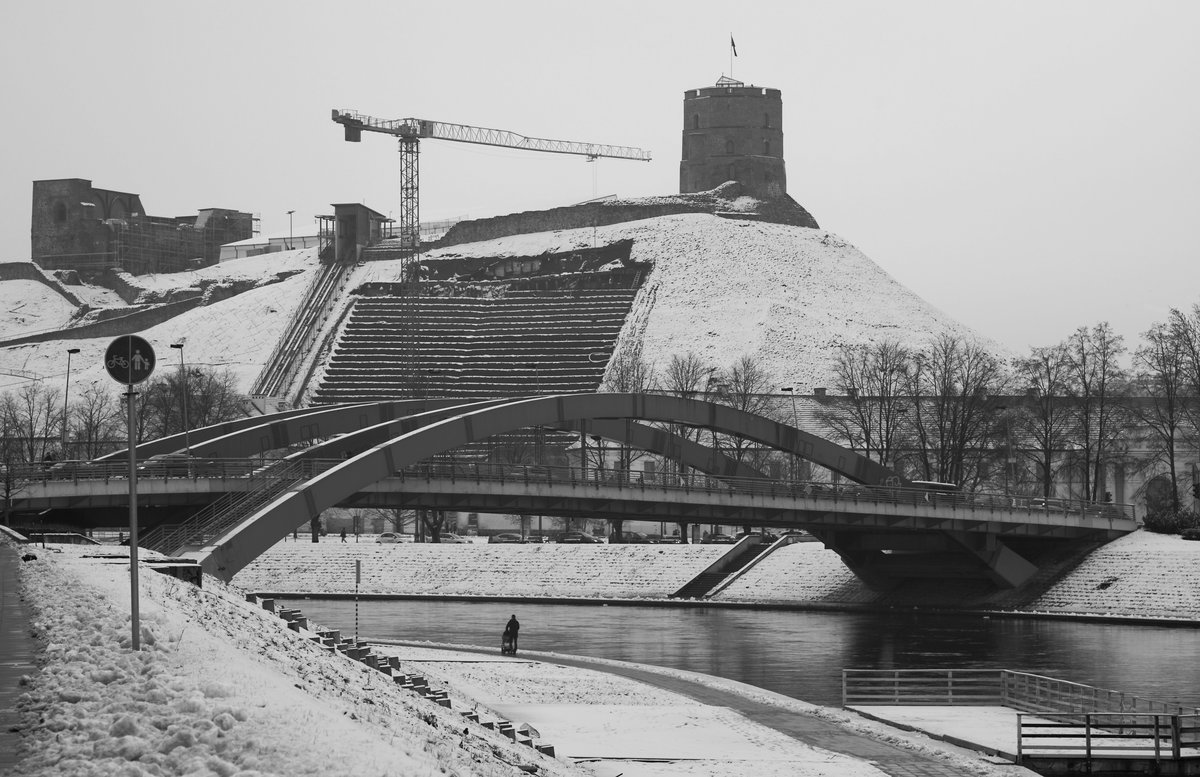
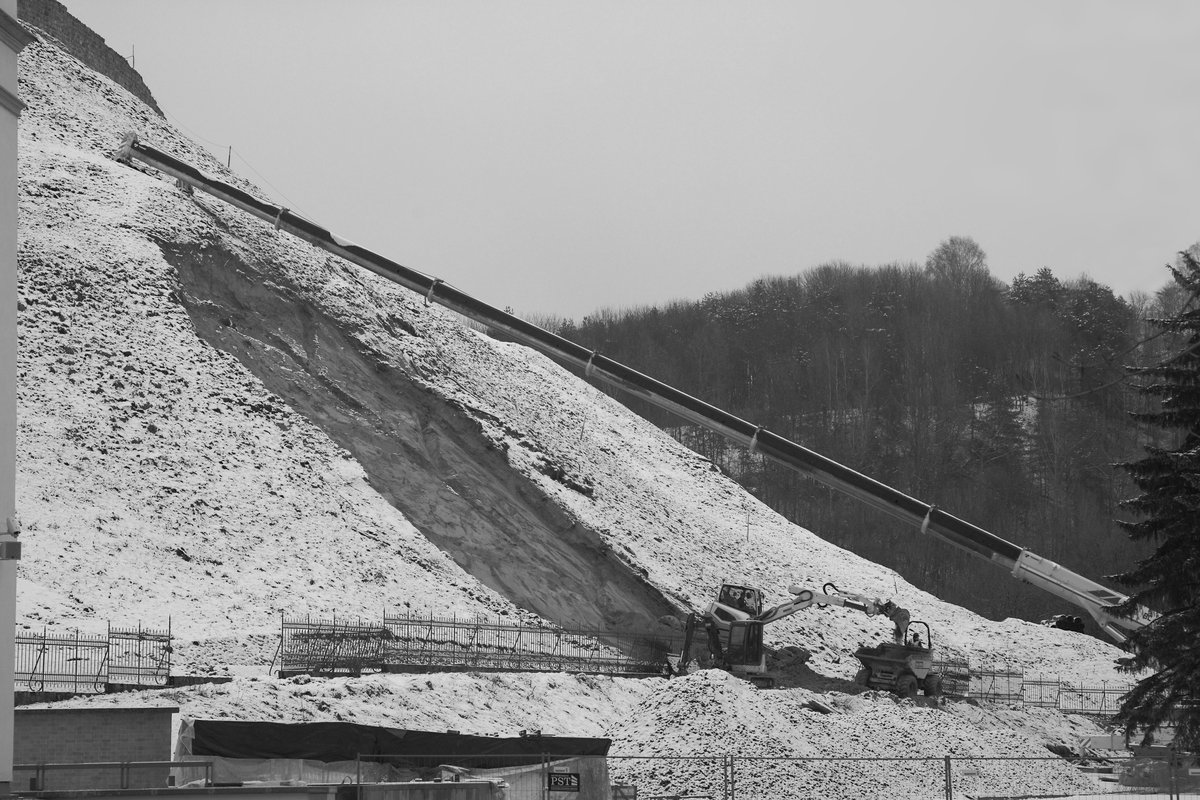
The castle’s strategic relevance waned by the 16th century, leading to neglect and eventual ruin. In 1933, Polish architect Jan Borowski oversaw a significant restoration, rebuilding the tower’s upper stories and reviving its status as a national emblem (LRT English). Conservation remains ongoing, as modern engineering addresses erosion and landslide risks on Gediminas Hill (UNESCO World Heritage Centre).
Visiting Gediminas Tower: Hours, Tickets, and Access
Visiting Hours
- Summer (May–September) 10:00 AM – 8:00 PM
- Winter (October–April) 10:00 AM – 6:00 PM
Always check the official Vilnius tourism website or the National Museum of Lithuania for current hours and holiday closures.
Ticket Prices
- Adults: €5–8
- Students/Seniors: €3–5
- Children under 7: Free
- Funicular railway: €3 round trip, €2 one way
Tickets are available onsite or online. Guided tours may incur an additional fee.
Access and Getting There
- On Foot Walk up the scenic, stone-paved path (10–15 minutes; wear suitable footwear).
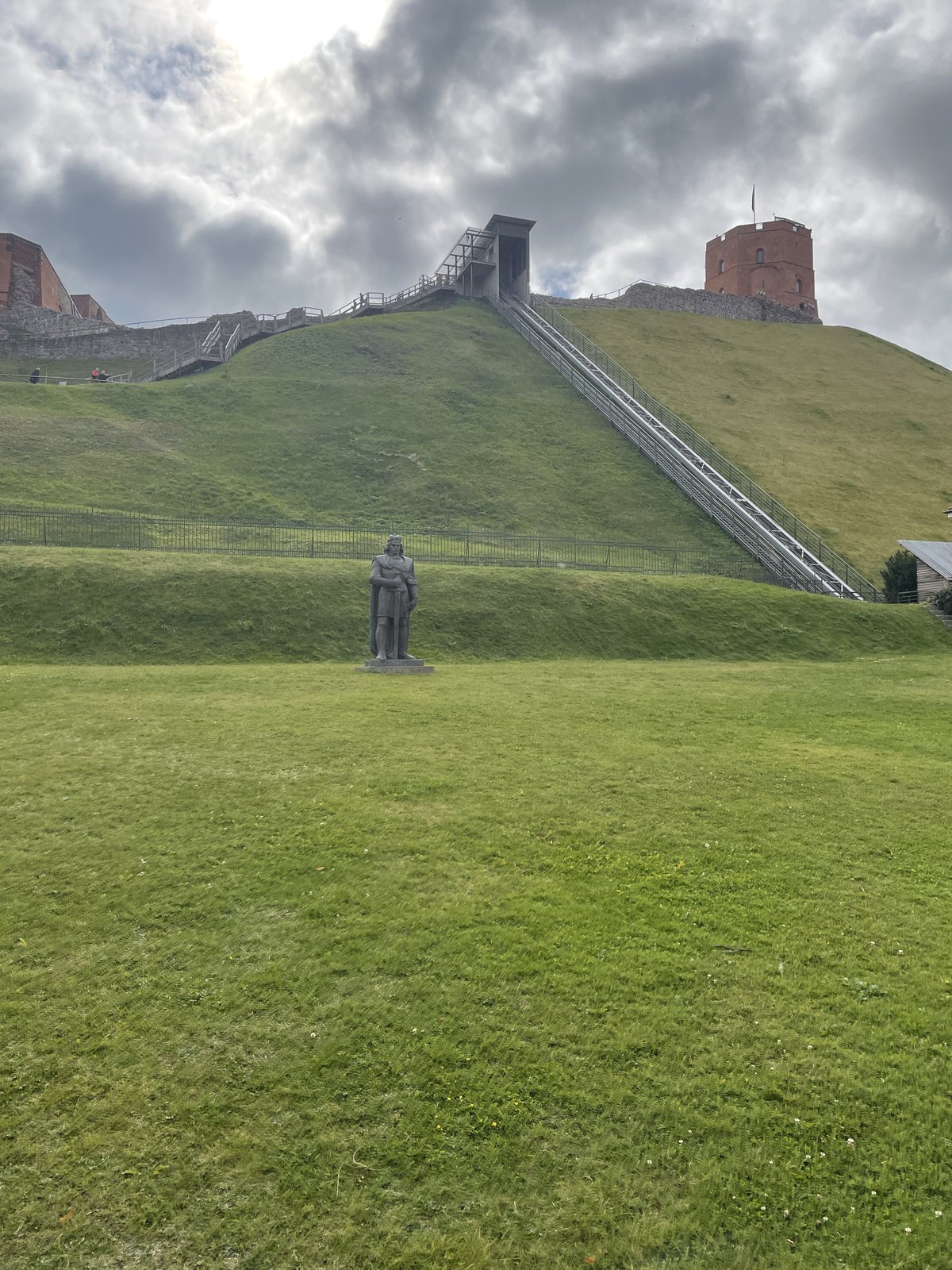
- Funicular Railway Wheelchair-accessible and suitable for visitors with limited mobility.
The funicular operates daily from 10:00 AM to 8:00 PM.
Nearby Attractions and Travel Tips
- Vilnius Old Town UNESCO-listed, filled with historic architecture, cafes, and shops.
- Palace of the Grand Dukes of Lithuania Next to the Cathedral, features exhibitions on Lithuanian history.
- Bernardine Park Lush green space ideal for relaxation.
- Three Crosses Monument Another panoramic viewpoint nearby.
Travel Tips:
- Visit early or late in the day to avoid crowds and enjoy the best light for photography.
- Dress in layers and wear sturdy shoes, especially in winter or wet conditions.
- The Vilnius City Card provides discounts and free public transport.
Cultural and National Significance
Gediminas’ Tower is a Lithuanian icon, featured on currency, in literature, and in the collective memory. According to legend, Grand Duke Gediminas dreamt of an iron wolf on this hill, interpreted as a sign to found Vilnius. The tower has witnessed Lithuania’s struggles for independence—from the first hoisting of the national flag in 1919 to rallies during the Baltic Way in 1989 (Go Vilnius; Lithuania Travel).
Events such as Flag Day (July 1st) and Independence Day are celebrated here, with concerts, parades, and educational programs. The tower remains a gathering place for Lithuanians and a powerful symbol of unity.
Architectural Features and Preservation
Structure and Materials
- Height Three stories
- Materials Red brick and fieldstone
- Walls Up to 2 meters thick
- Features Arrow slits, spiral staircases, observation terrace with 360-degree views
The tower’s architecture reflects both its defensive purpose and later adaptations as a museum (Compasses and Quests).
Preservation Efforts
- 20th-century restoration stabilized the structure.
- Ongoing maintenance addresses weathering and hill erosion.
- The National Museum of Lithuania manages conservation, using traditional materials and modern technology (This Rare Earth).
Visitor Information and Practical Tips
Museum and Exhibits
- Displays on the history of Vilnius and the Grand Duchy of Lithuania
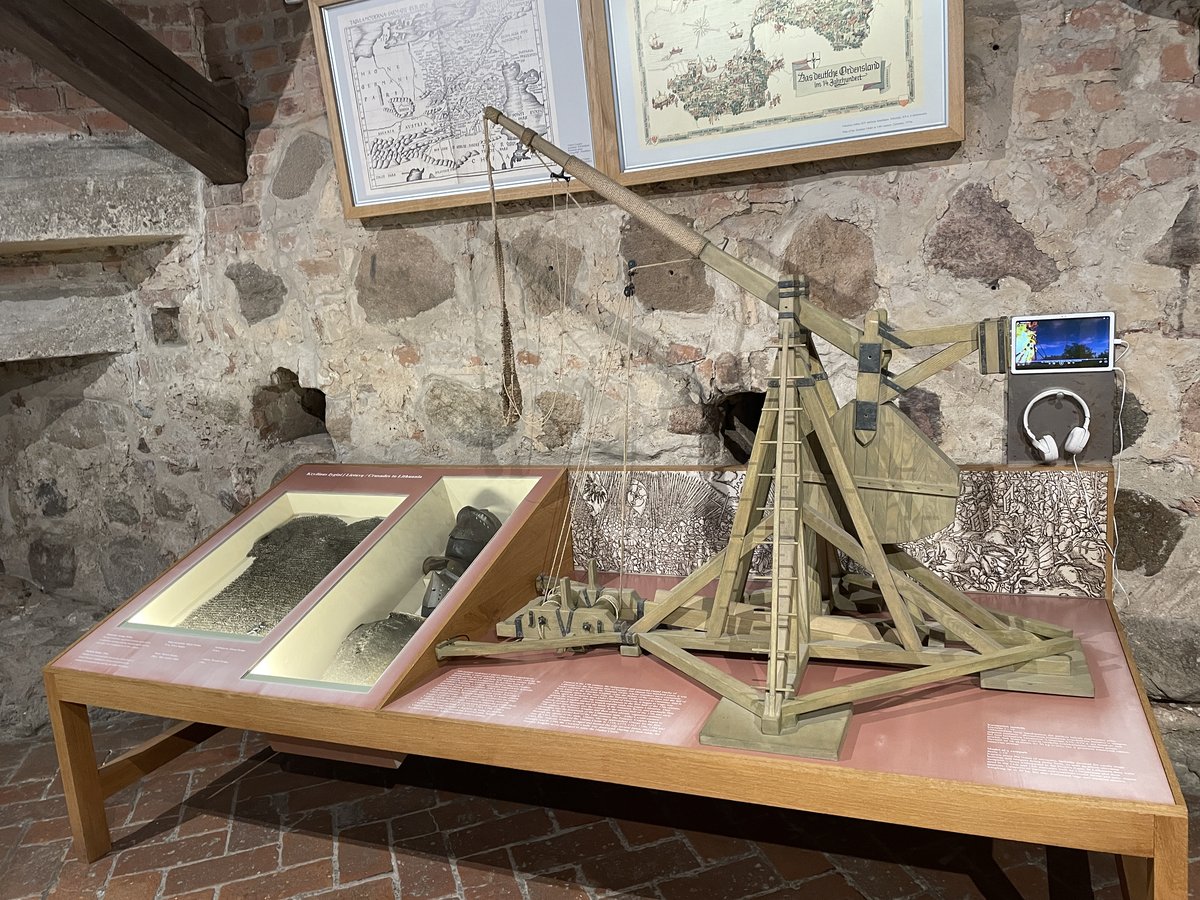
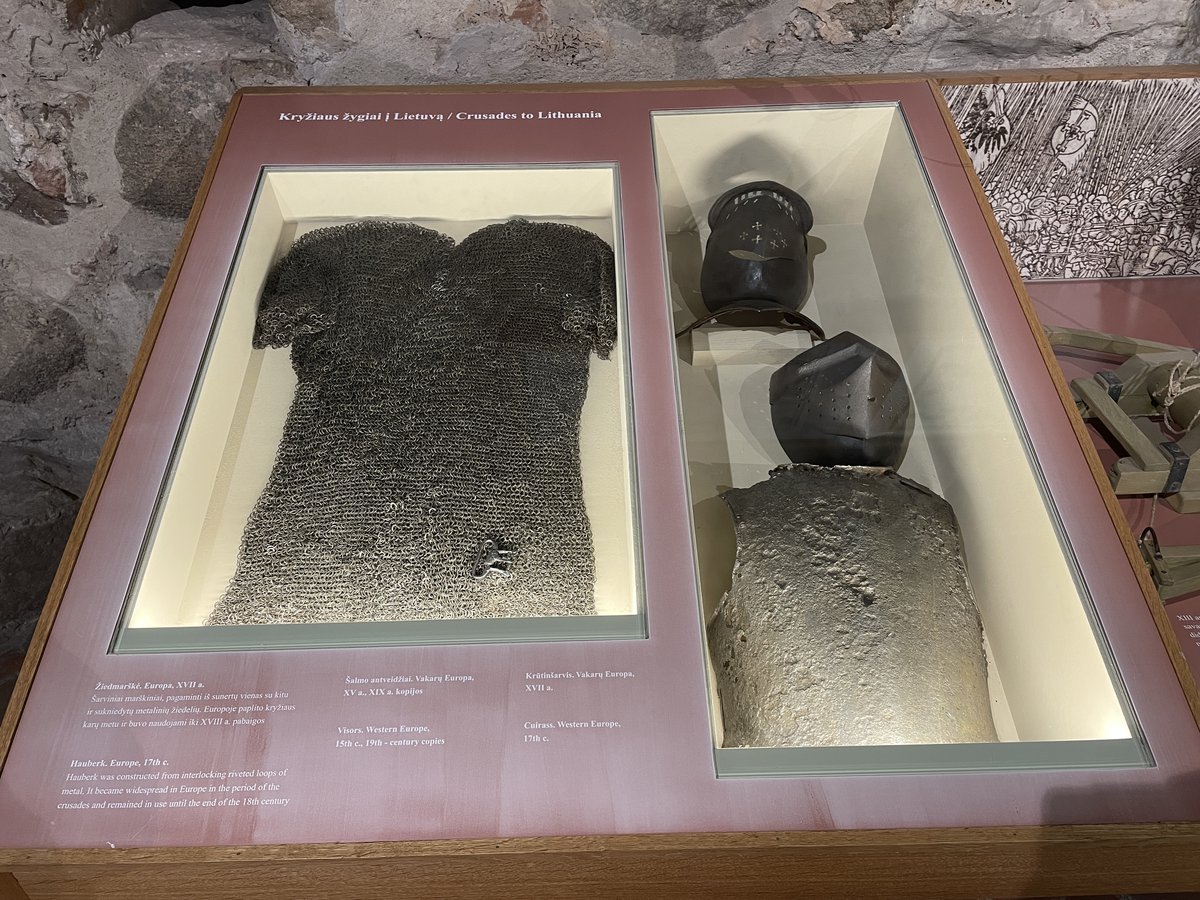
- Medieval armor, artifacts, and models of the original castle complex
- Multilingual descriptions and interactive installations
Observation Deck
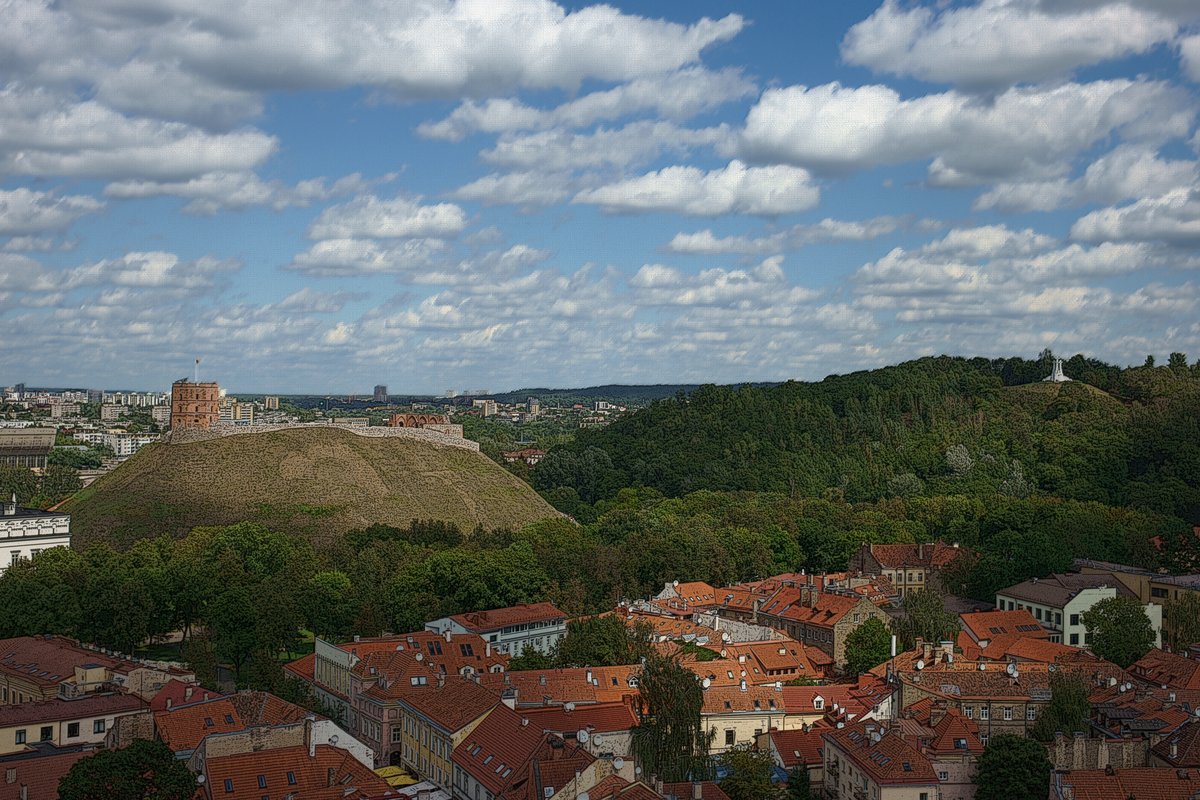
- Offers panoramic views of Vilnius, including the Old Town, Cathedral, Neris River, and the Three Crosses Monument
Accessibility
- Funicular railway provides access to the hilltop.
- The interior includes staircases; contact staff ahead for specific needs.
Facilities
- Restrooms and a gift shop are available
- Nearby cafes and restaurants in the Old Town
Currency and Payments
- Lithuania uses the Euro (€). Credit cards are widely accepted.
Safety and Security
- Vilnius is generally safe. Exercise standard caution with valuables and when navigating the hill in adverse weather.
Events, Guided Tours, and FAQs
Events and Tours
- National holidays and city festivals are celebrated at the tower.
- Guided tours (in multiple languages) enrich your visit—book in advance via the National Museum of Lithuania or local tourism offices.
Frequently Asked Questions
Q: What are the visiting hours?
A: Typically 10:00 AM–8:00 PM (summer) or 10:00 AM–6:00 PM (winter); check the official site for updates.
Q: How much are tickets?
A: Adults €5–8; discounts for students/seniors; funicular and museum tickets are separate.
Q: Is the tower accessible for wheelchair users?
A: The funicular provides access to the hill, but stairs limit access inside the tower itself.
Q: Are guided tours available?
A: Yes, in multiple languages—reserve in advance.
Q: What else is nearby?
A: Vilnius Cathedral, Palace of the Grand Dukes, Bernardine Park, and the Old Town.