

Historical Origins and Foundations
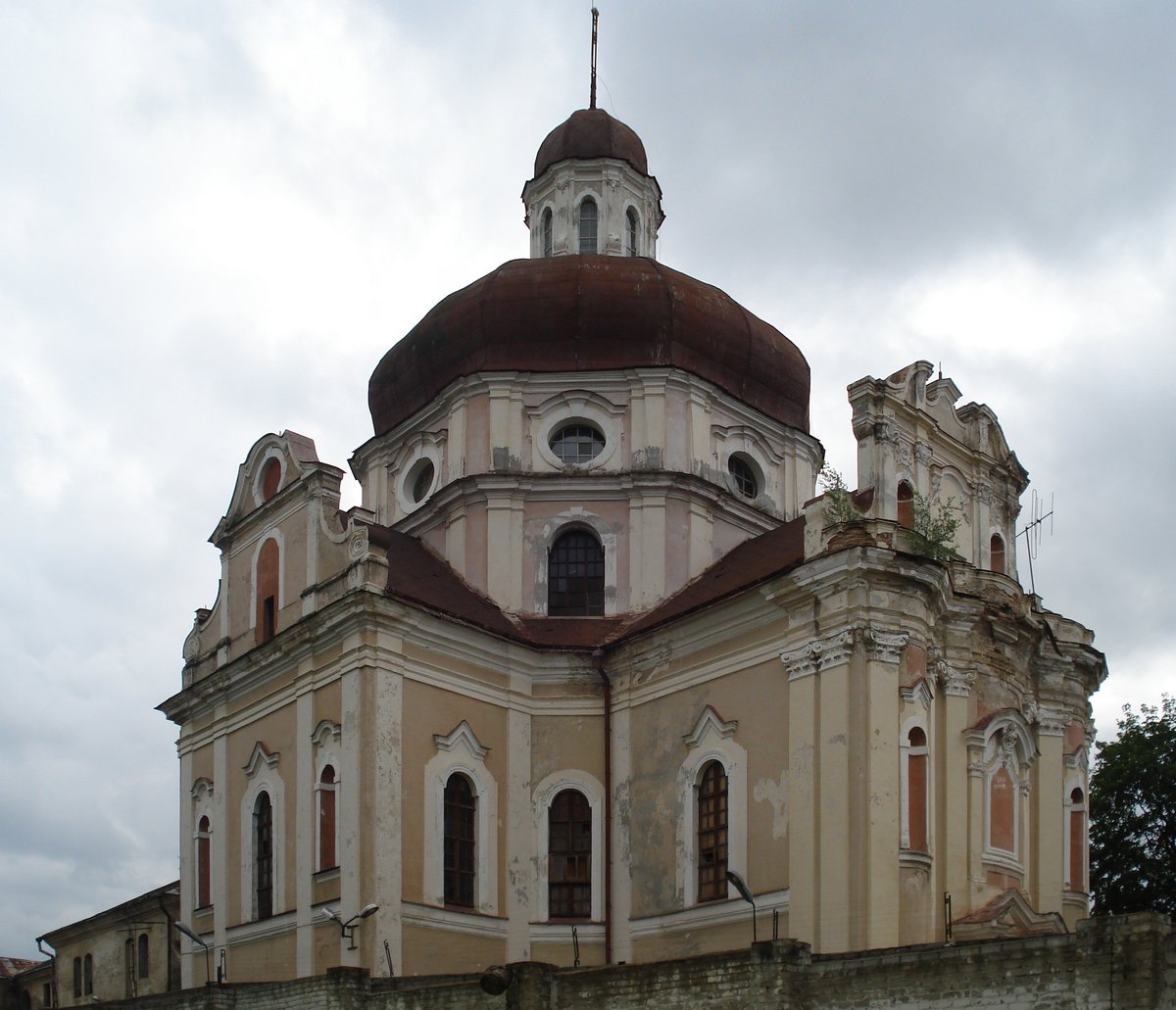
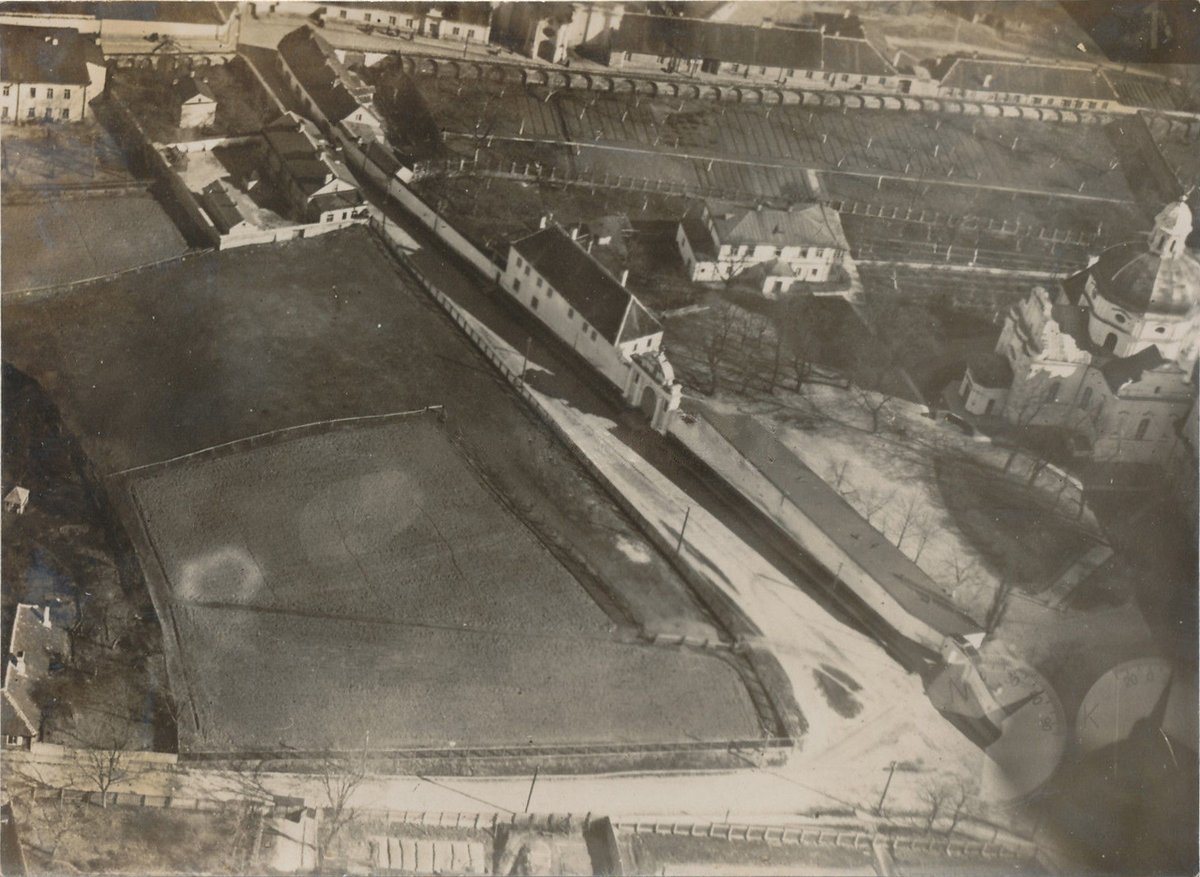
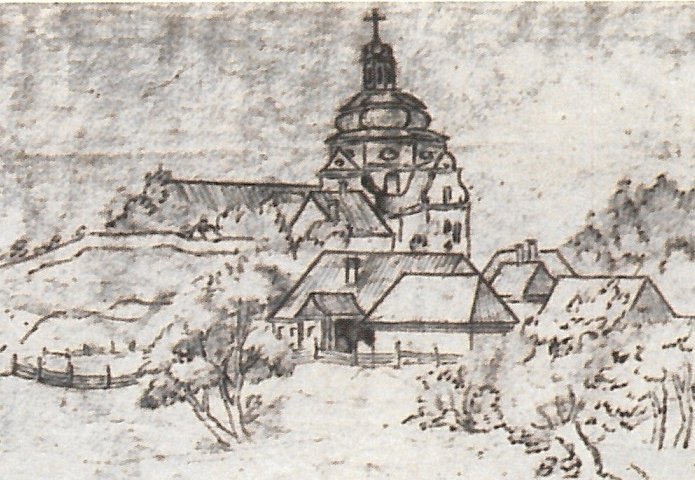
The Church of the Sacred Heart of Jesus was originally built between 1694 and 1756, designed as part of a monastic complex for the Order of the Visitation of Holy Mary. The Visitation nuns played a pivotal role in Vilnius’s spiritual and social life, championing devotion to the Sacred Heart of Jesus—a key Catholic symbol of Christ’s compassion (Wikipedia, True Lithuania). The church’s foundation and enduring presence underscore the city’s status as a “city of churches,” reflecting a rich religious and cultural tapestry.
Architectural Features and Evolution
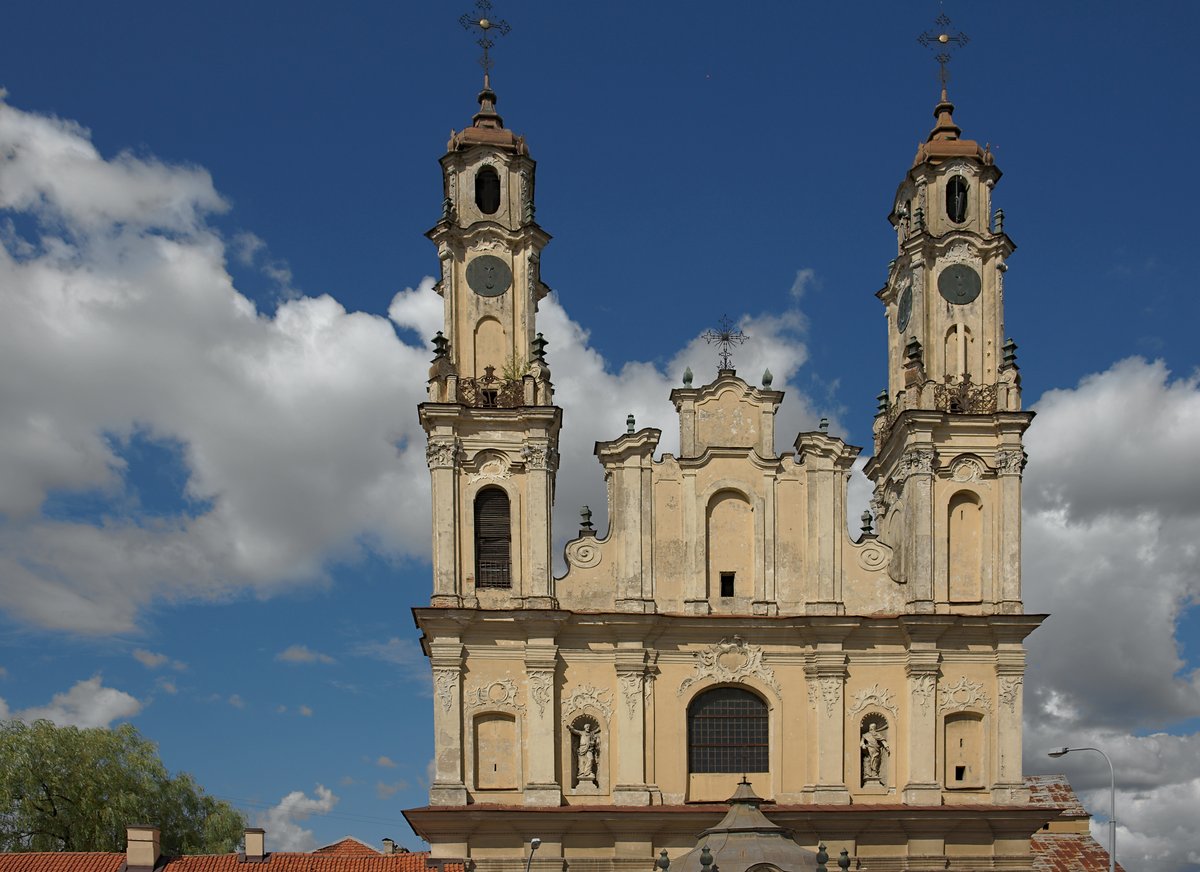
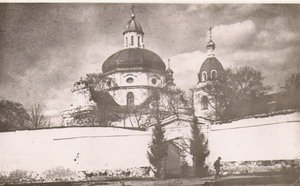
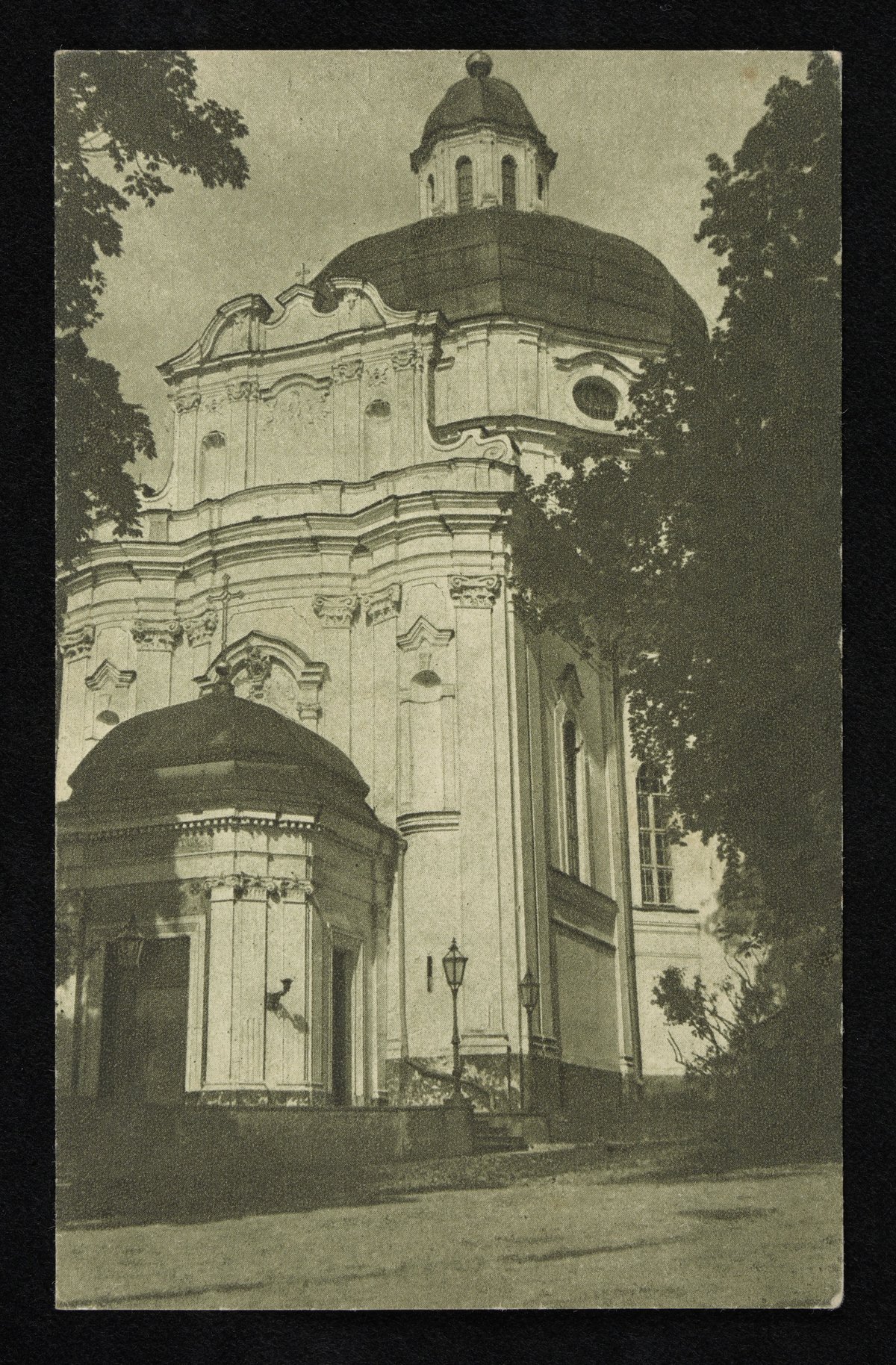
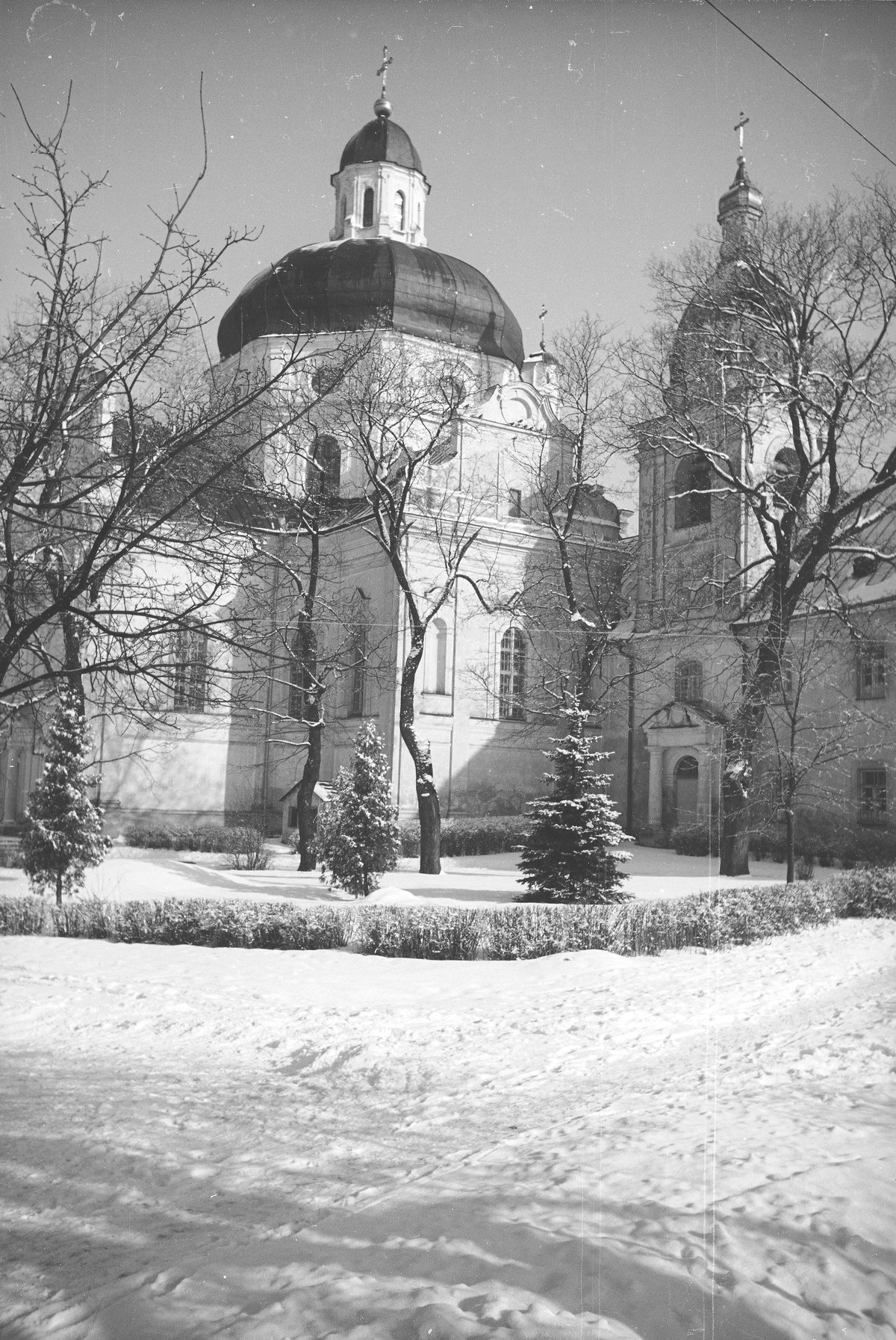
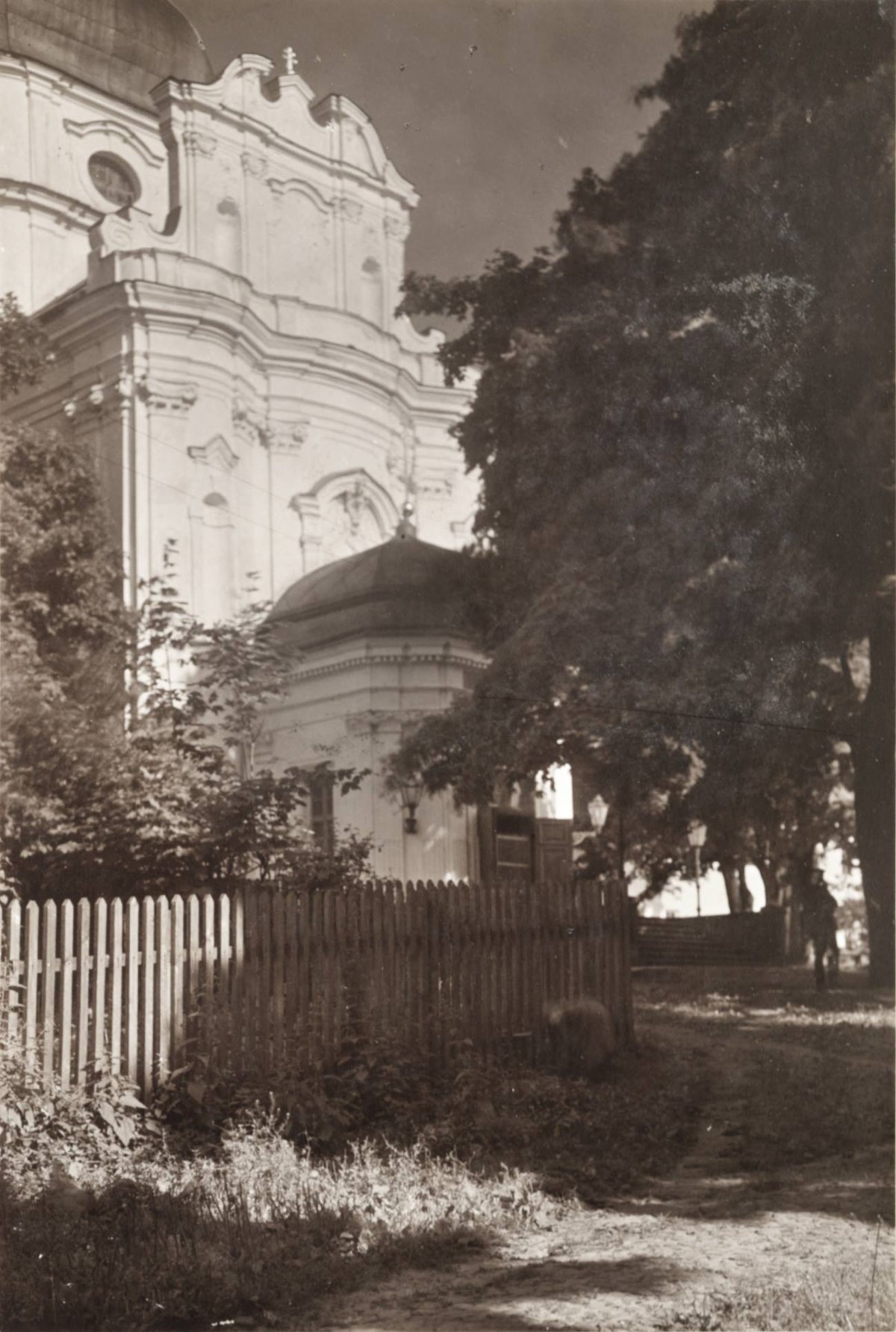
The church is a late Baroque masterpiece, with its façade characterized by ornate stucco, tall arched windows, and twin towers or pilasters framing the entrance. The interior—though currently inaccessible—historically featured a grand nave, vaulted ceilings, vibrant frescoes, and an altar dedicated to the Sacred Heart of Jesus. Stained glass windows and intricately carved wooden elements further enhance its artistic value (Live the World). The church’s vertical emphasis and elegant detailing contrast beautifully with Vilnius’s surrounding medieval and Renaissance architecture.
The Church Through Political Change
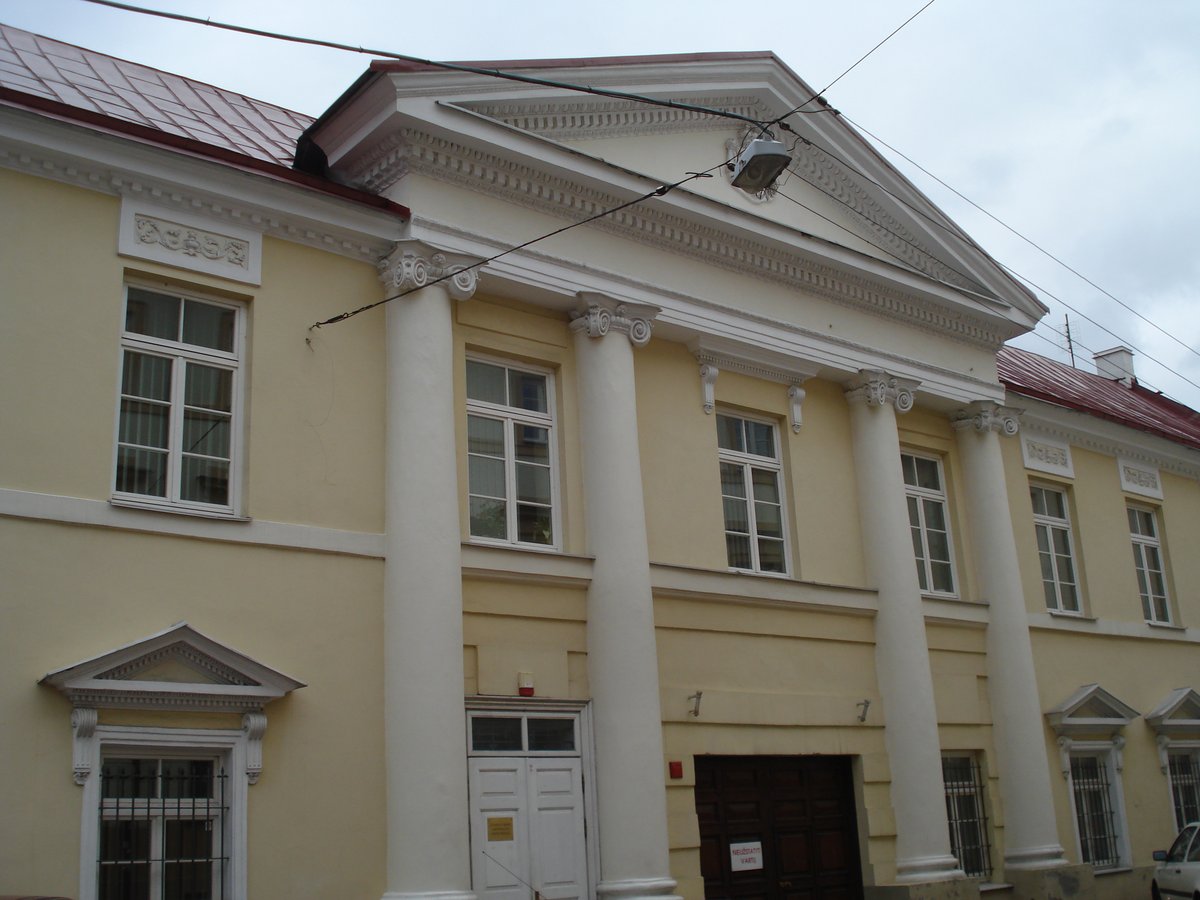
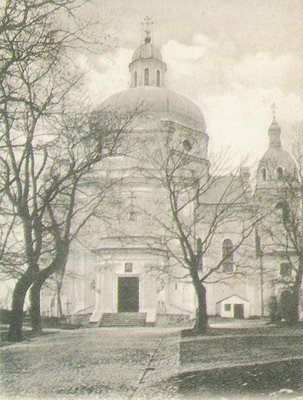
Throughout its history, the Church of the Sacred Heart of Jesus has endured significant transformation. During the Soviet era, religious activities were suppressed; the monastic complex was converted into a correctional institution and the church itself used for administrative purposes (Live the World). Despite this, the church remained an enduring symbol of resilience. In 2007, it was returned to the Catholic Church, and since 2012, the nuns have operated a hospice on-site, continuing its legacy of care and compassion.
Cultural and Religious Significance
This church is more than an architectural gem—it’s a testament to the enduring spirit of Vilnius’s Catholic community and the broader Lithuanian identity. Its restoration after years of secular use highlights the city’s commitment to preserving sacred spaces, and its inclusion in Vilnius’s UNESCO World Heritage-listed Old Town underscores its historical importance (Countryside.lt, Europe Up Close). The on-site hospice, operated by nuns, continues the church’s tradition of charity and service.
Visiting Information
Opening Hours and Tickets
- Interior Access The church interior is currently closed to the public, serving primarily as a hospice and religious site (Wikipedia).
- Exterior Viewing Visitors are welcome to admire and photograph the exterior at any time.
- Admission No ticket or fee is required to view the church from outside. Donations for preservation are appreciated.
- Special Visits Guided tours occasionally include the church’s history and exterior; booking through local operators is recommended (Go Vilnius).
Accessibility and Facilities
- Location Situated on Rasų Street in Vilnius’s Old Town, near major attractions.
- Mobility The surrounding area is wheelchair-friendly; however, as the interior is closed, internal accessibility is not an issue.
- Facilities Restrooms, seating, and a small gift shop are available on-site. Multilingual brochures and information panels are provided.
Tours and Photography
- Guided Tours Local operators offer walking tours that include the church in broader religious and historical itineraries.
- Photography Permitted for the exterior; please respect worshippers and hospice activities.
Nearby Attractions
Enhance your visit by exploring other Vilnius historical sites:
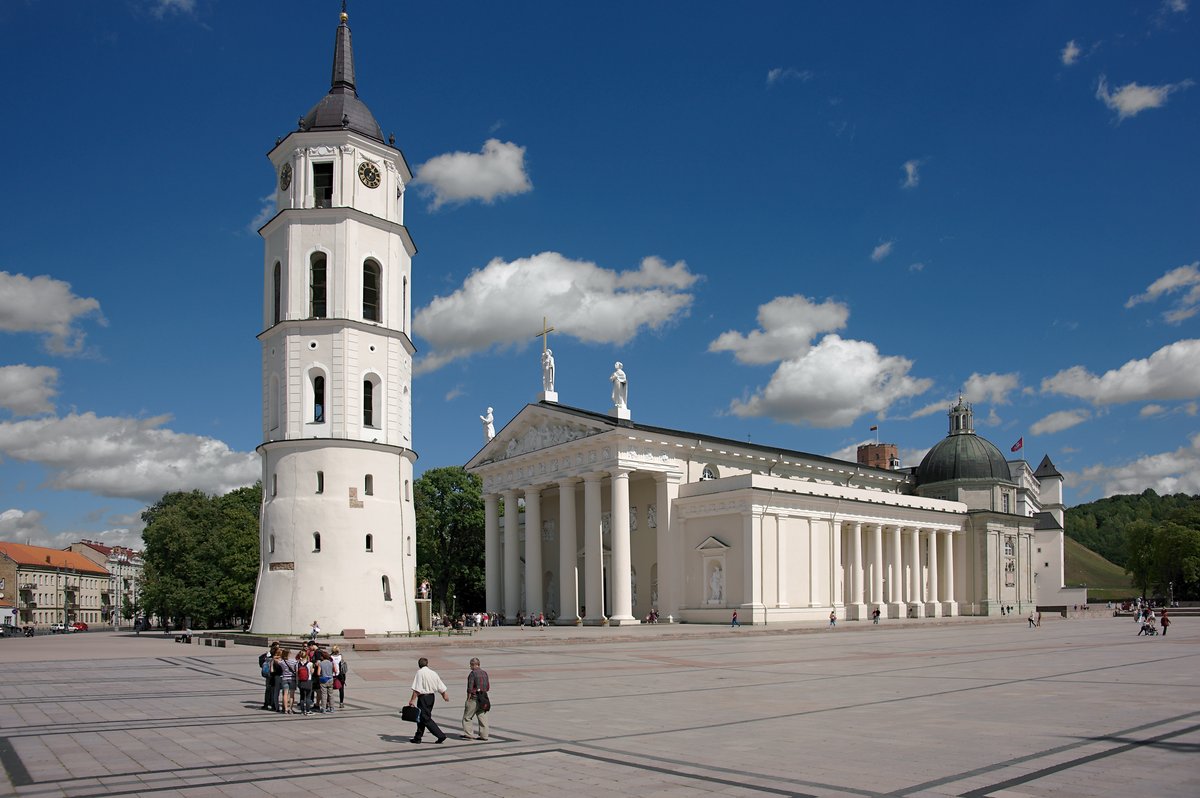
- Vilnius Cathedral A neoclassical masterpiece.
- Gate of Dawn Renowned for its miraculous icon.
- Orthodox Church of the Holy Spirit Showcasing Vilnius’s religious diversity.
- Church of St. Casimir Another Baroque landmark.
- Church Heritage Museum Offers insight into Lithuania’s ecclesiastical art (Trek Zone, Merry Go Round Slowly).
Preservation and Heritage Status
The Church of the Sacred Heart of Jesus is a protected cultural monument, included in the Register of Lithuanian Cultural Heritage Values and forming part of Vilnius’s UNESCO-listed historic center. Ongoing conservation projects ensure the survival of its architectural and spiritual legacy (Preservation of Vilnius Old Town).
Frequently Asked Questions (FAQ)
Q: Can I enter the church?
A: The interior is closed to the public; the exterior can be viewed and photographed at any time.
Q: Is there an entrance fee?
A: No, visiting the exterior is free. Donations for upkeep are appreciated.
Q: Are guided tours available?
A: Yes, local operators offer tours that include the church’s exterior and historical context.
Q: Is the area wheelchair accessible?
A: Yes, the surrounding streets are accessible.
Q: What is the significance of the on-site hospice?
A: Operated by nuns since 2012, the hospice continues the church’s tradition of compassion and service.