Early Origins and Ownership
Originally documented in the 16th century, Šuazeliai Palace’s first known owner was Michał Pac, a prominent chamberlain of the Grand Duchy of Lithuania. The Pac family’s influence mirrored the broader custom among Lithuanian nobility to invest in grand urban palaces, shaping Vilnius’s Renaissance and Baroque cityscape (Bitesize Tourist).
18th Century Transformation: The Choiseul-Gouffier Era
A pivotal moment in the palace’s history came in 1798 when French émigré Marie-Gabriel-Florent-Auguste de Choiseul-Gouffier acquired the property. He commissioned renowned architect Marcin Knackfus to redesign the palace in the neoclassical style, incorporating the symmetry and refinement emblematic of Enlightenment architecture. This transformation elevated the palace’s status as a symbol of cosmopolitan sophistication in Vilnius (Wikiwand, DBpedia).
19th Century: New Ownership and Urban Context
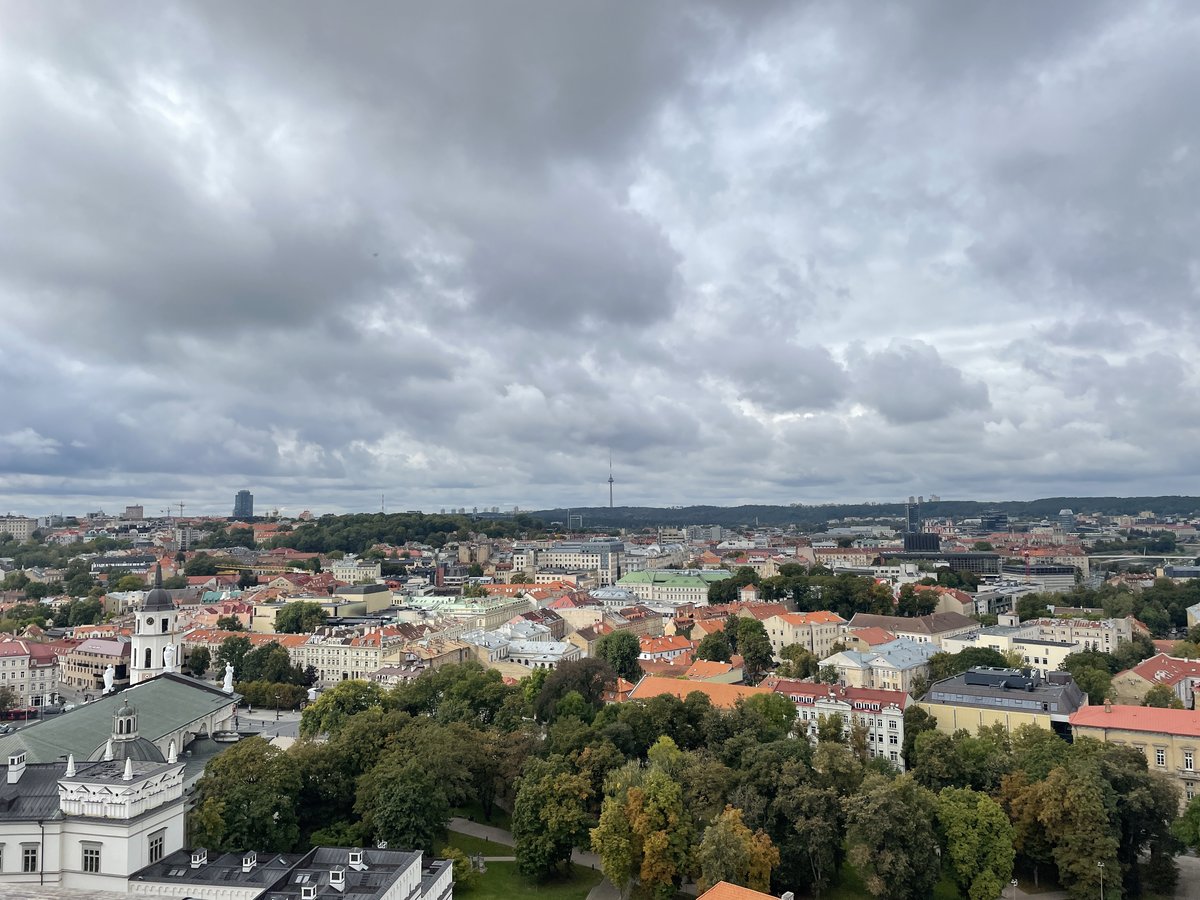
In the 19th century, the palace was held by the De Reuss family, of German noble descent, and later by the influential Plater family, both of whom played significant roles in Lithuanian and Polish history. These changes in ownership reflect the shifting social and political landscape during the period of Russian Imperial rule. The palace’s neoclassical features were further integrated into the city’s architectural fabric, situated near Vilnius Cathedral and the Presidential Palace (Wikiwand, Rough Guides).
20th and 21st Centuries: Adaptive Reuse
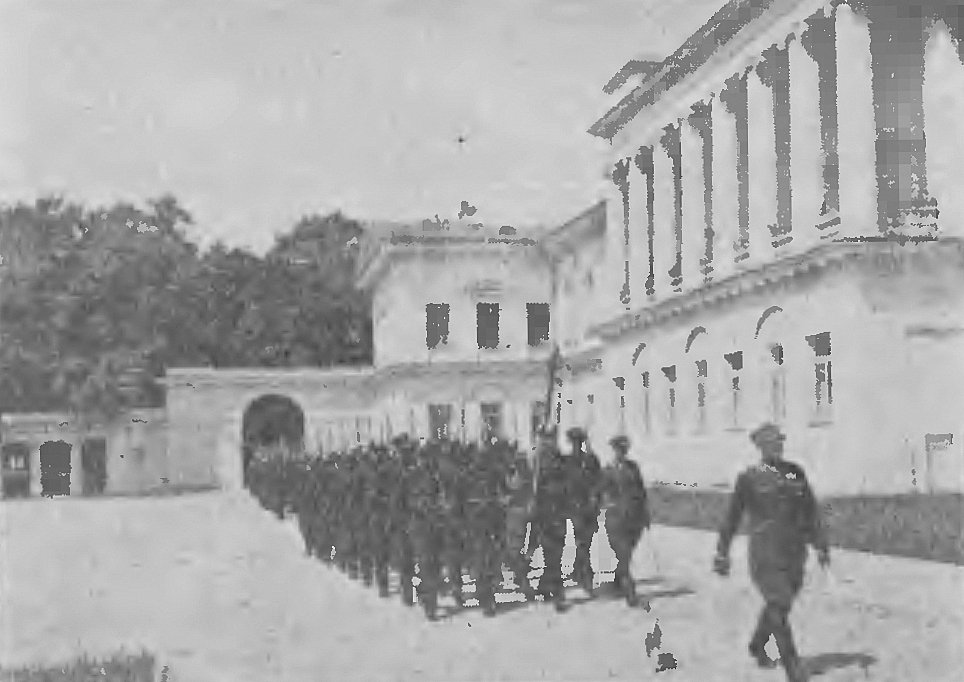
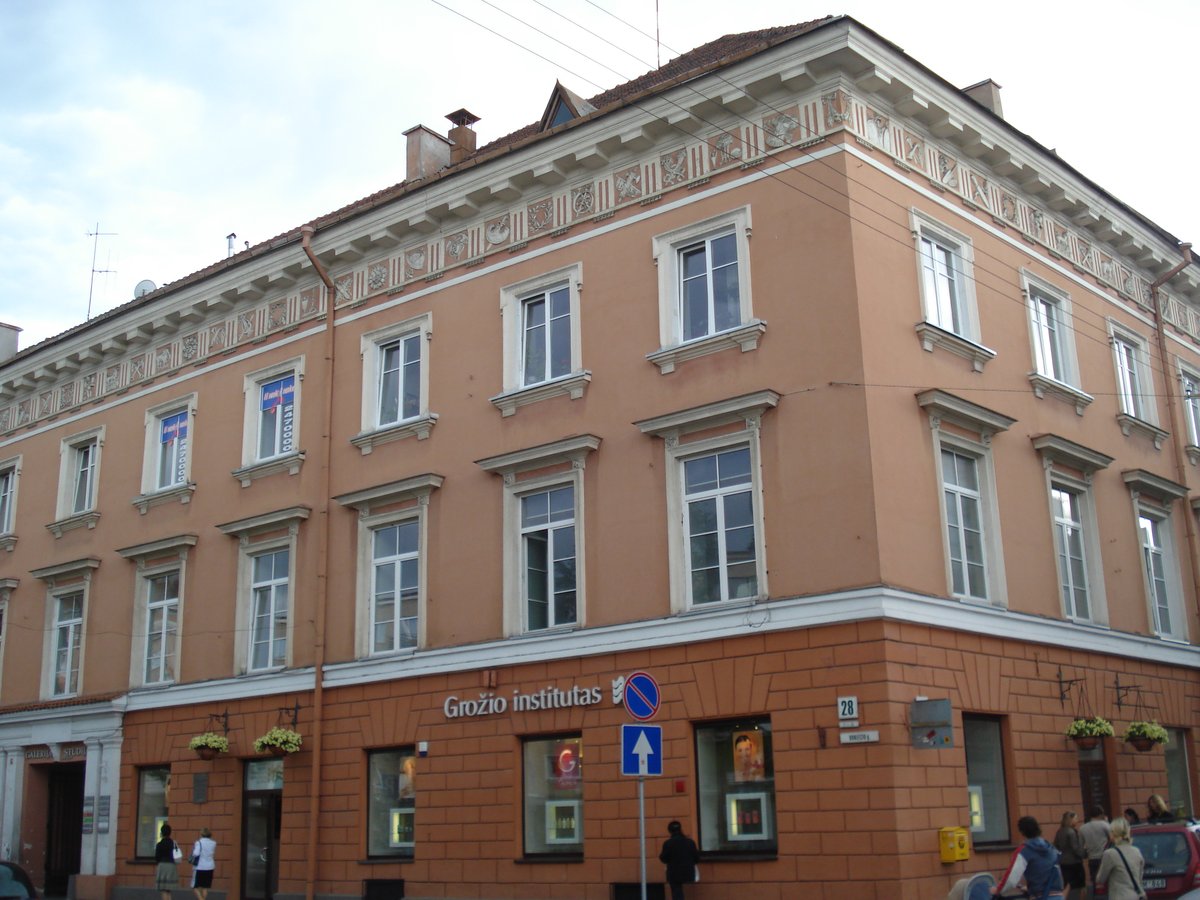
Throughout the 20th century, Šuazeliai Palace’s function evolved in response to wars and changing regimes, serving various administrative and residential roles. Today, it accommodates private residences and a commercial office, exemplifying Vilnius Old Town’s approach to preserving and repurposing historic structures (DBpedia).
Visiting Šuazeliai Palace: Practical Information
Visiting Hours and Entry
- Public Access The interior of Šuazeliai Palace is not open for public visits or regular tours.
- Exterior Viewing The façade and exterior can be admired year-round during daylight hours as part of walking tours through Vilnius Old Town.
- Special Events Occasionally, the palace opens for cultural events or temporary exhibitions, often during city festivals or European Heritage Days. For the latest updates, consult the official Vilnius tourism website.
Tickets and Accessibility
- Tickets No tickets are required to view the exterior. Entry fees apply only during special events or exhibitions.
- Accessibility The palace’s location in Simonas Daukantas Square is pedestrian-friendly. While the area is generally accessible, cobblestone streets are common, so those with mobility challenges should plan accordingly.
Guided Tours and Photography
- Guided Tours Many walking tours of Vilnius Old Town include Šuazeliai Palace as a highlight. These tours provide rich historical context and are available in Lithuanian, English, and Polish (advance booking recommended).
- Photography Photographing the palace’s exterior is permitted and encouraged. The neoclassical façade is especially photogenic in early morning or late afternoon light.
Visitor Facilities
- Onsite Facilities There are no public restrooms, cafés, or shops inside the palace. Public amenities are available nearby in Old Town.
- Accessibility for Events During special events, accessibility may be limited due to historical features like uneven floors and stairs. Contact organizers in advance with specific needs.
Nearby Attractions
Šuazeliai Palace’s prime location makes it easy to combine your visit with Vilnius’s other top sites:
- Vilnius Cathedral and Bell Tower The spiritual heart of the city.
- Presidential Palace A symbol of national leadership, located on the same square.
- Gediminas Tower For panoramic city views and medieval history.
- Pilies Street A lively thoroughfare with shops, cafés, and local flavor.
- Vilnius University One of the oldest universities in Eastern Europe, rich in architectural diversity.
Frequently Asked Questions (FAQ)
Q: Can I enter the interior of Šuazeliai Palace?
A: No, the building is used for residential and commercial purposes and does not offer regular interior tours.
Q: Are guided tours available?
A: Yes, many Old Town walking tours include the palace as a stop. Check with local operators for language options and schedules.
Q: Is the area around Šuazeliai Palace accessible?
A: The square and adjacent streets are generally flat and pedestrianized, but cobblestones may pose challenges for some visitors.
Q: Are special events held at the palace?
A: Occasionally, especially during city festivals or heritage days. Check the official tourism site for announcements.
Q: Can I take photos?
A: Yes, exterior photography is allowed. For interior events, always ask permission.