
Origins and Foundation
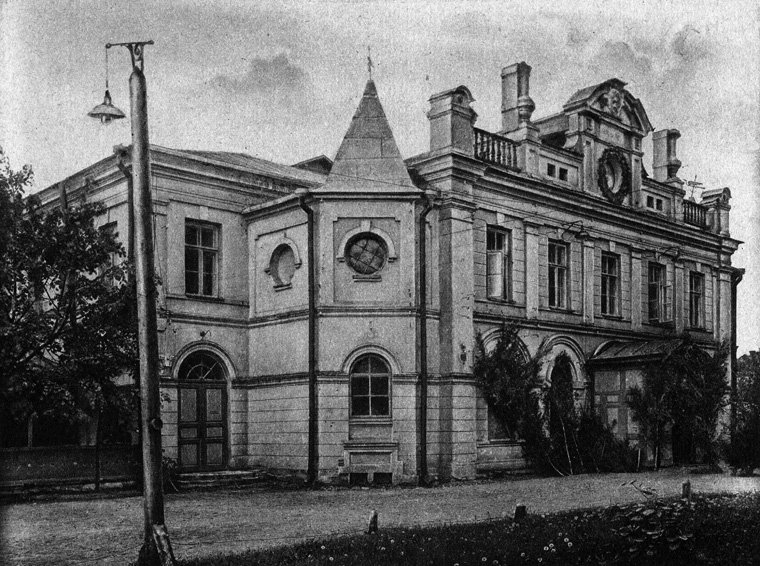
Established in 1935 as the Vilnius Pedagogical Institute, LUES was created to cultivate a new generation of educators and reinforce Lithuania’s national identity after its 1918 independence. The university’s foundation marked a critical step in building a modern educational infrastructure, supporting the country’s social and cultural growth.
Development Through the Soviet Era
Throughout the Soviet and Nazi occupations, the institute remained a key academic institution, adapting its curriculum and expanding its faculties in response to the shifting educational needs and political climate. Despite external pressures, it maintained a focus on training teachers and promoting Lithuanian culture.
Modernization and Integration
Following Lithuania’s independence in 1990, the university underwent significant reforms, expanding its academic offerings and establishing international collaborations. In 2011, it was renamed the Lithuanian University of Educational Sciences. In 2018, LUES merged with Vytautas Magnus University, becoming the VMU Education Academy, but the historic campus continues to serve as an important cultural site.
Visiting the Lithuanian University of Educational Sciences Campus
Location and Access
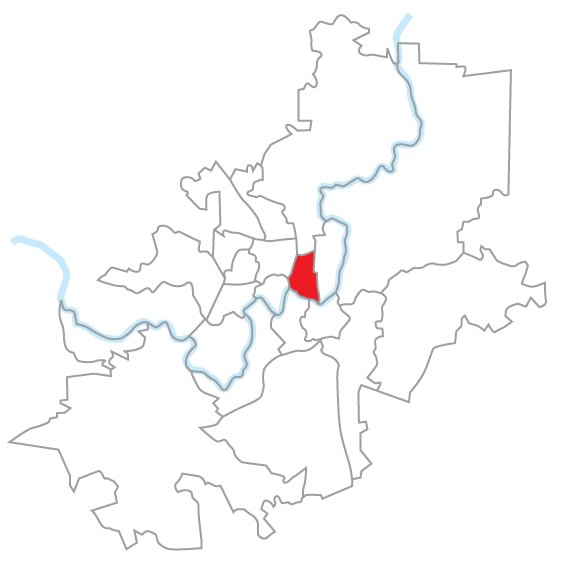
The campus is centrally located at Studentų g. 39, Vilnius, within walking distance of Vilnius Old Town and easily accessible by public transport, car, or on foot. Multiple bus and trolleybus routes connect the university to the city center and major transport hubs, making it a convenient destination for visitors. (Go Vilnius)
Visiting Hours
- Monday to Friday 9:00 AM – 6:00 PM
- Saturday and Sunday Closed
Please note that access to some buildings may be restricted during university operations or special events. It’s advisable to check the VMU Education Academy website or contact the visitor center before your visit.
Tickets and Guided Tours
- General Admission Free
- Guided Tours Available by appointment via the VMU Education Academy visitor center. Guided tours offer insights into the university’s history, architecture, and educational legacy, and may include access to special exhibitions and archival collections.
Accessibility
The campus is equipped with ramps and elevators in main buildings to accommodate visitors with mobility impairments. For specific accessibility needs, contact the visitor center in advance to arrange suitable accommodations.
Photography and Special Events
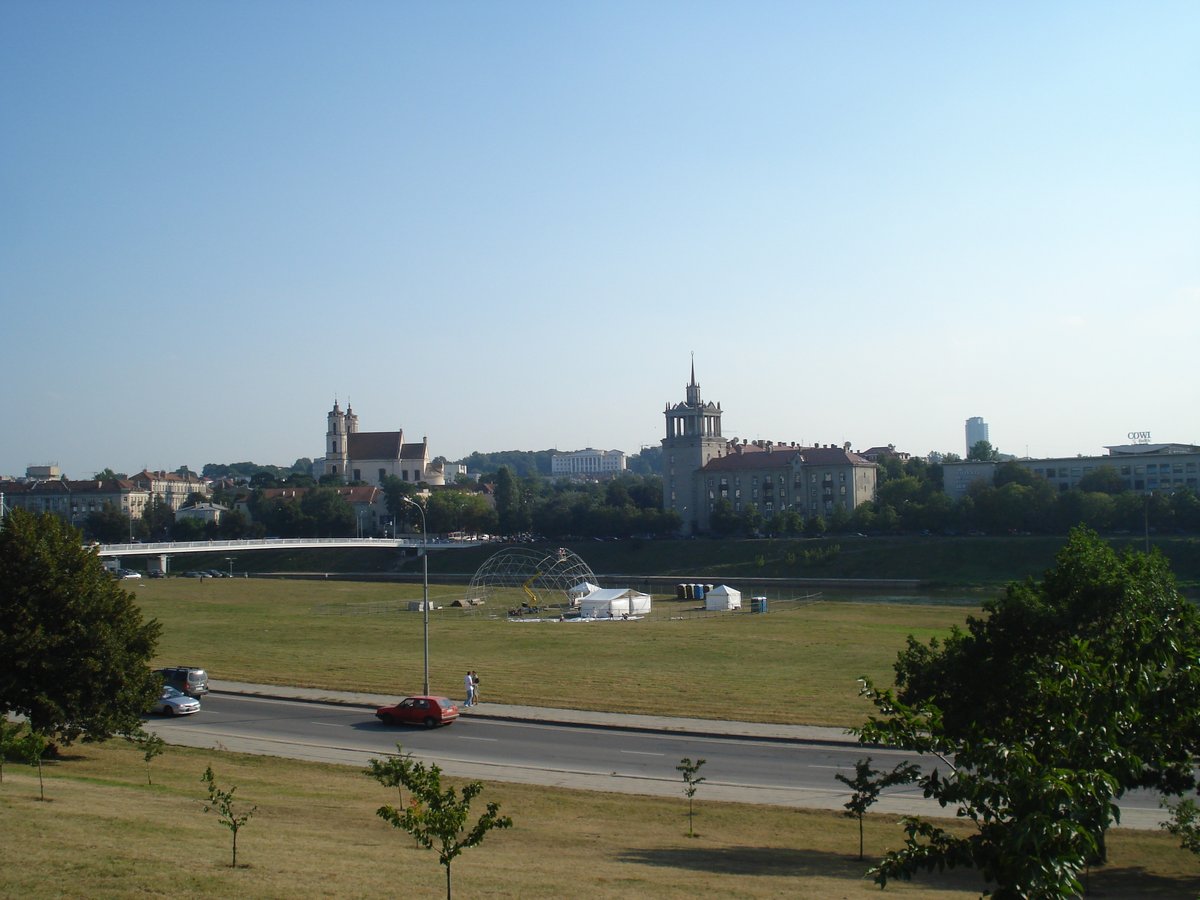
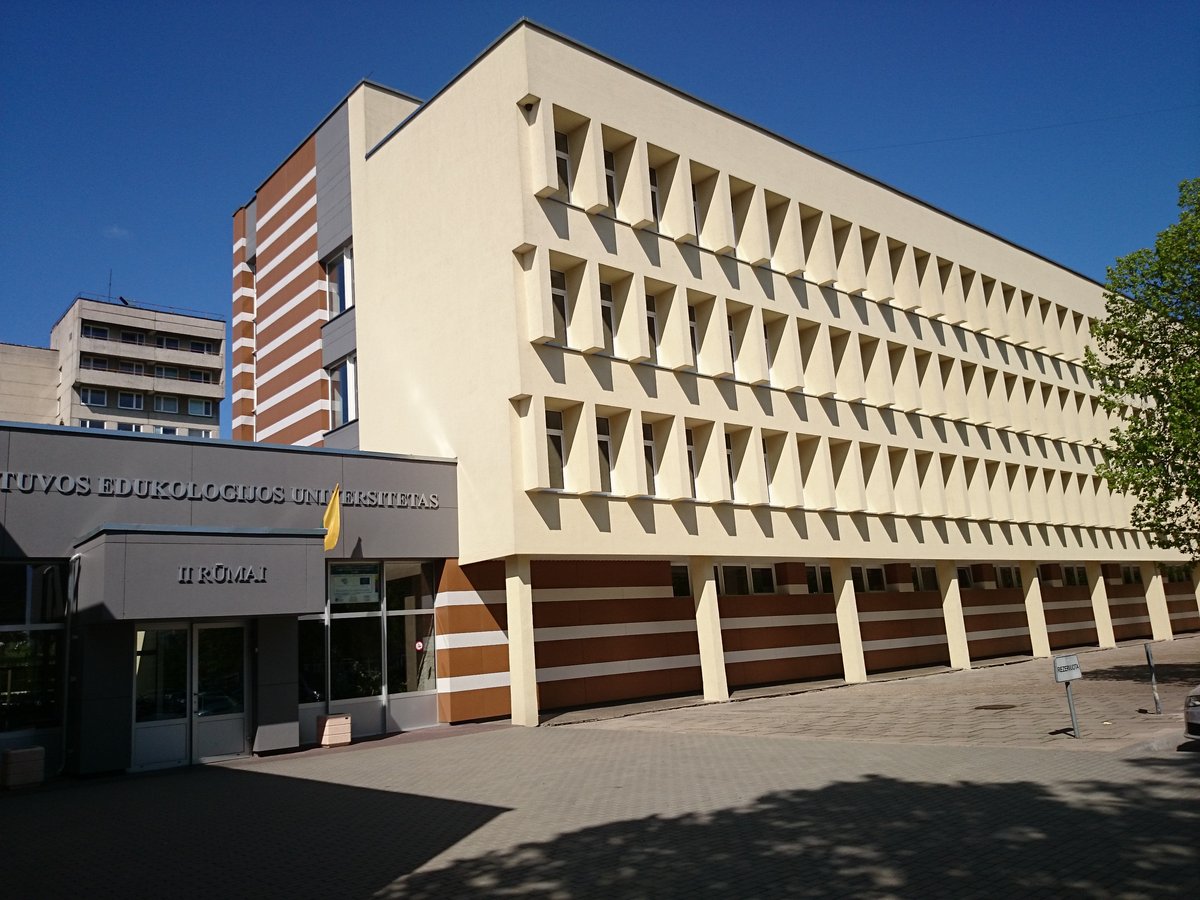
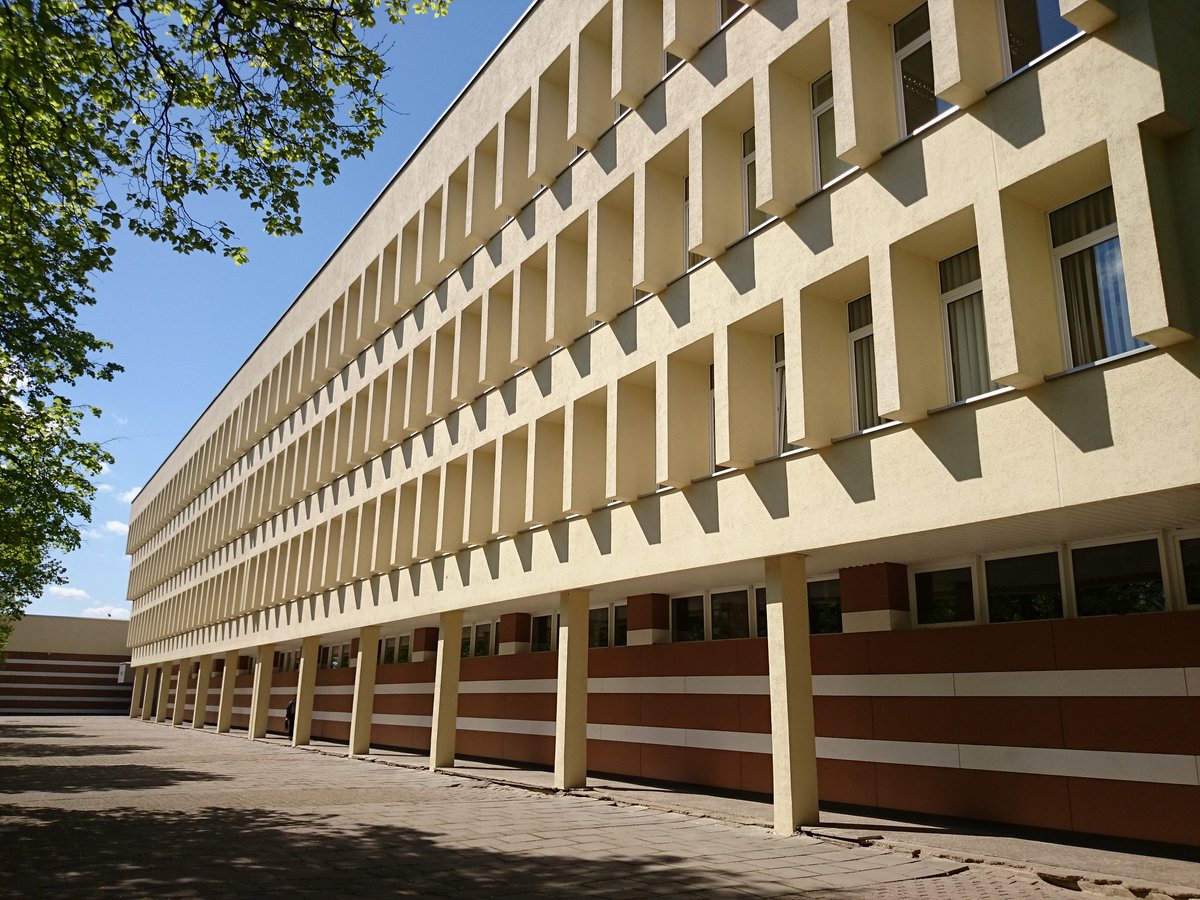
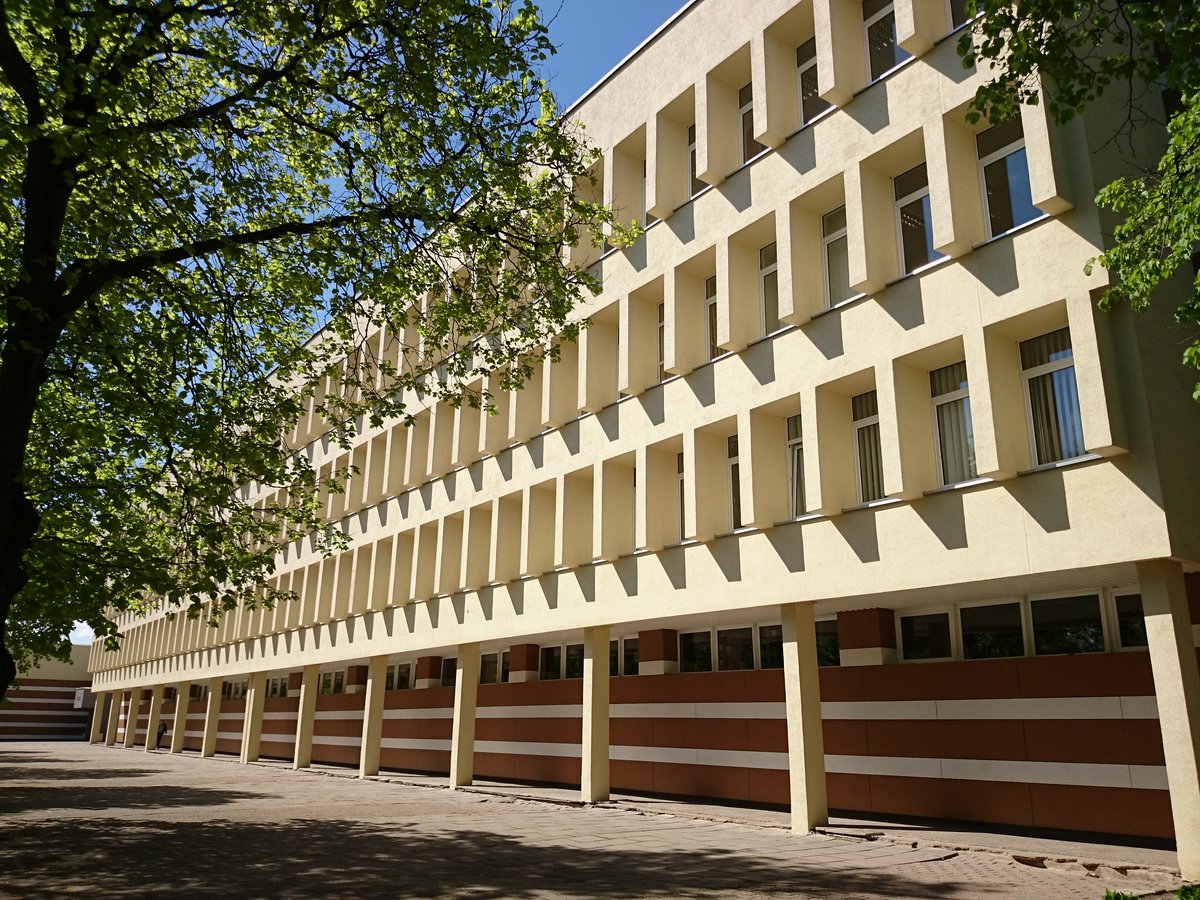
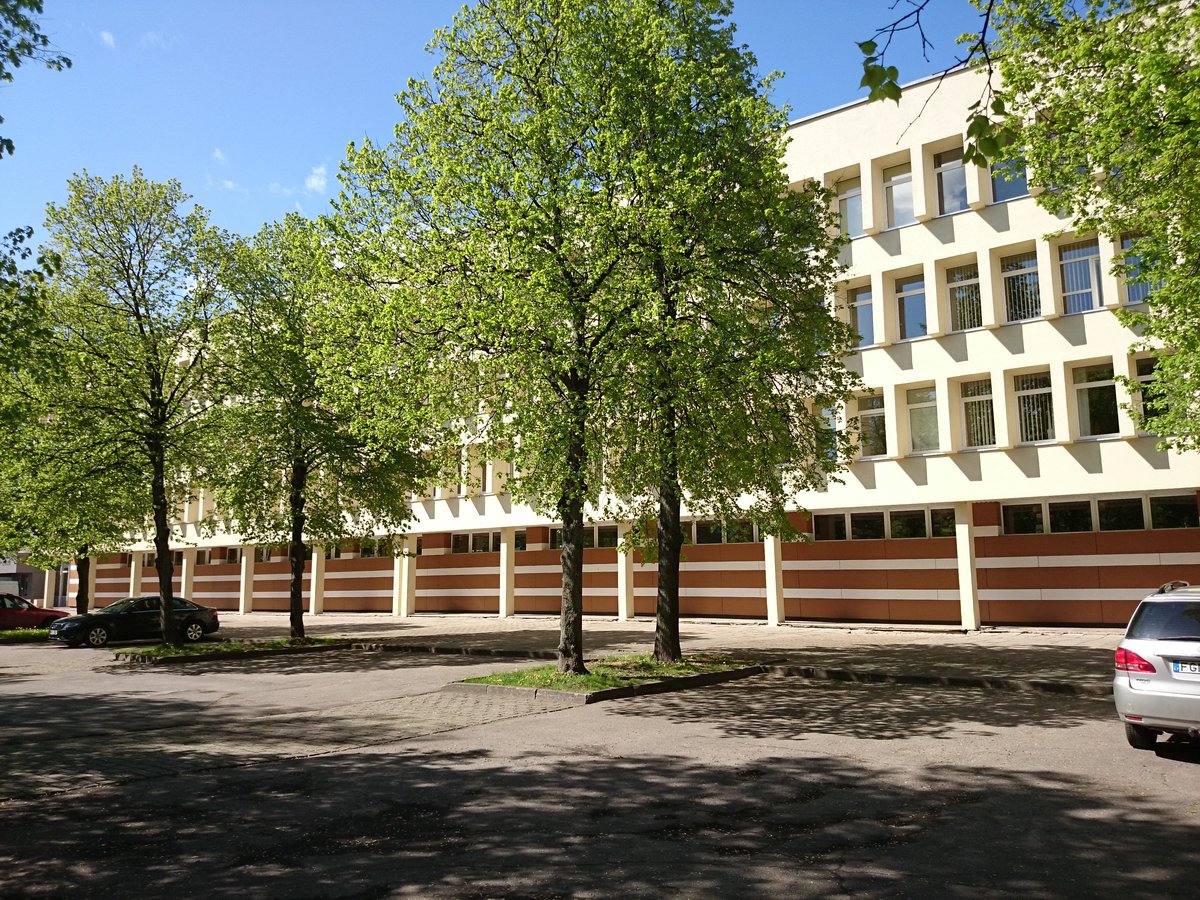
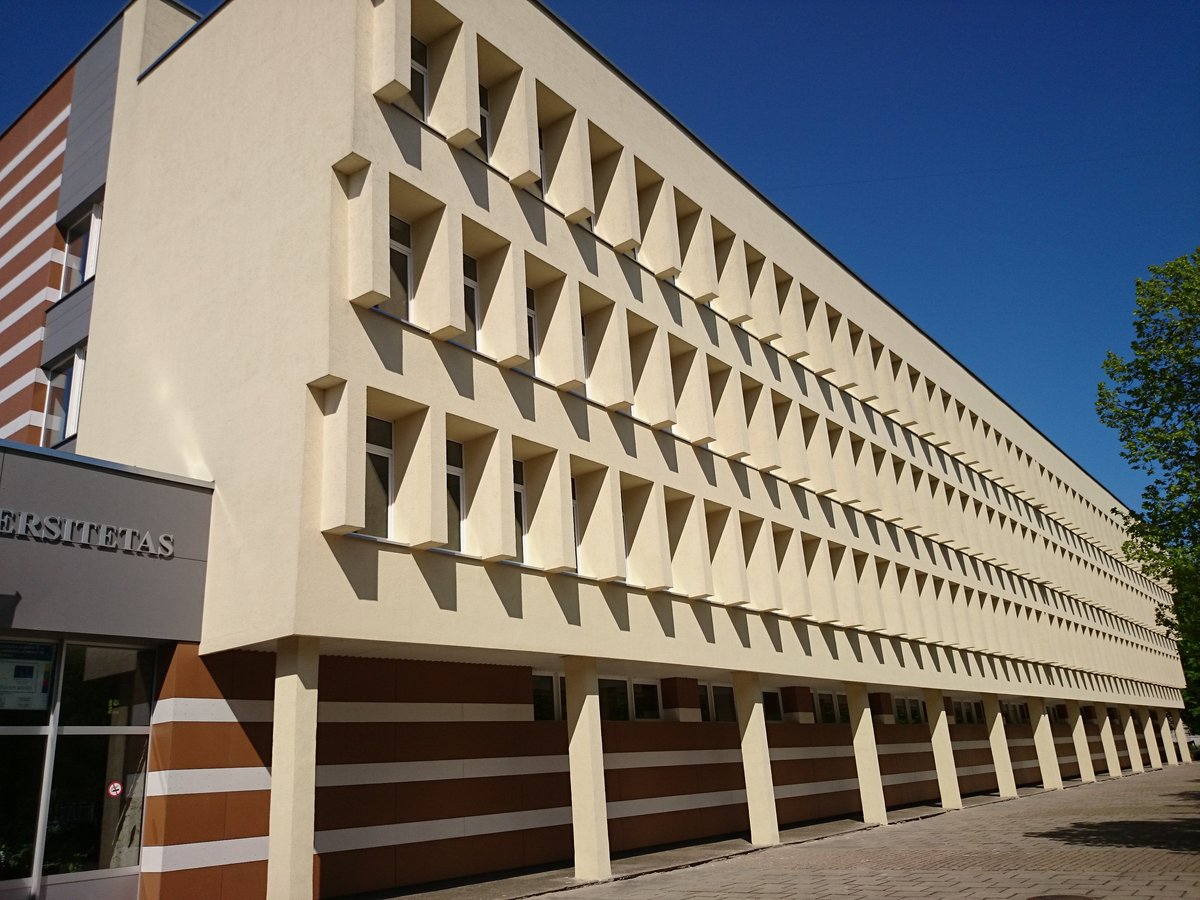
The campus’s blend of Soviet-era and modern architecture, green spaces, and commemorative monuments provides excellent opportunities for photography. Public lectures, cultural events, and educational exhibitions are held throughout the year, especially during city-wide initiatives like Vilnius Open House and the Night of Museums. Check the university calendar for details.
Nearby Attractions in Vilnius
Take advantage of the campus’s central location to explore Vilnius’s renowned historical sites:
- Vilnius Old Town A UNESCO World Heritage site featuring Gothic, Renaissance, and Baroque architecture.
- Gediminas Tower Iconic medieval fortress with panoramic city views (Gediminas Tower Guide).
- Vilnius University Established in 1579, one of the oldest universities in Central and Eastern Europe (Vilnius University History).
- MO Museum Contemporary art museum with dynamic exhibitions.
- National Museum of Lithuania Focused on Lithuanian history and culture.
Cafés, restaurants, and markets such as Paupys Market are within walking distance, offering a range of dining options.
Visual Gallery
Frequently Asked Questions (FAQ)
Q: Is there an entrance fee to visit the campus?
A: No, general admission is free.
Q: Are guided tours available?
A: Yes, guided tours can be arranged in advance through the visitor center.
Q: Is the campus accessible for visitors with disabilities?
A: Most main buildings are wheelchair accessible. Contact the visitor center for specific needs.
Q: Can I take photographs on campus?
A: Photography is allowed in outdoor and public areas; please request permission before photographing indoors or during classes.
Q: Are there cafés or restaurants nearby?
A: Yes, several options are available on and near the campus.
Q: What are the best times to visit?
A: Weekday mornings are typically quieter; spring and autumn offer pleasant weather and fewer crowds.