
Origins and Early Development
The Ogiński family, one of the Grand Duchy’s most influential noble lineages, commissioned the Vilnius palace during a period of prosperity in the 17th century. Their estates, including the Vilnius residence, showcased wealth and served as cultural and political hubs. The palace in Vilnius was part of a network of properties that reinforced the family’s regional prominence (Wikipedia).
Architectural Evolution and Significance
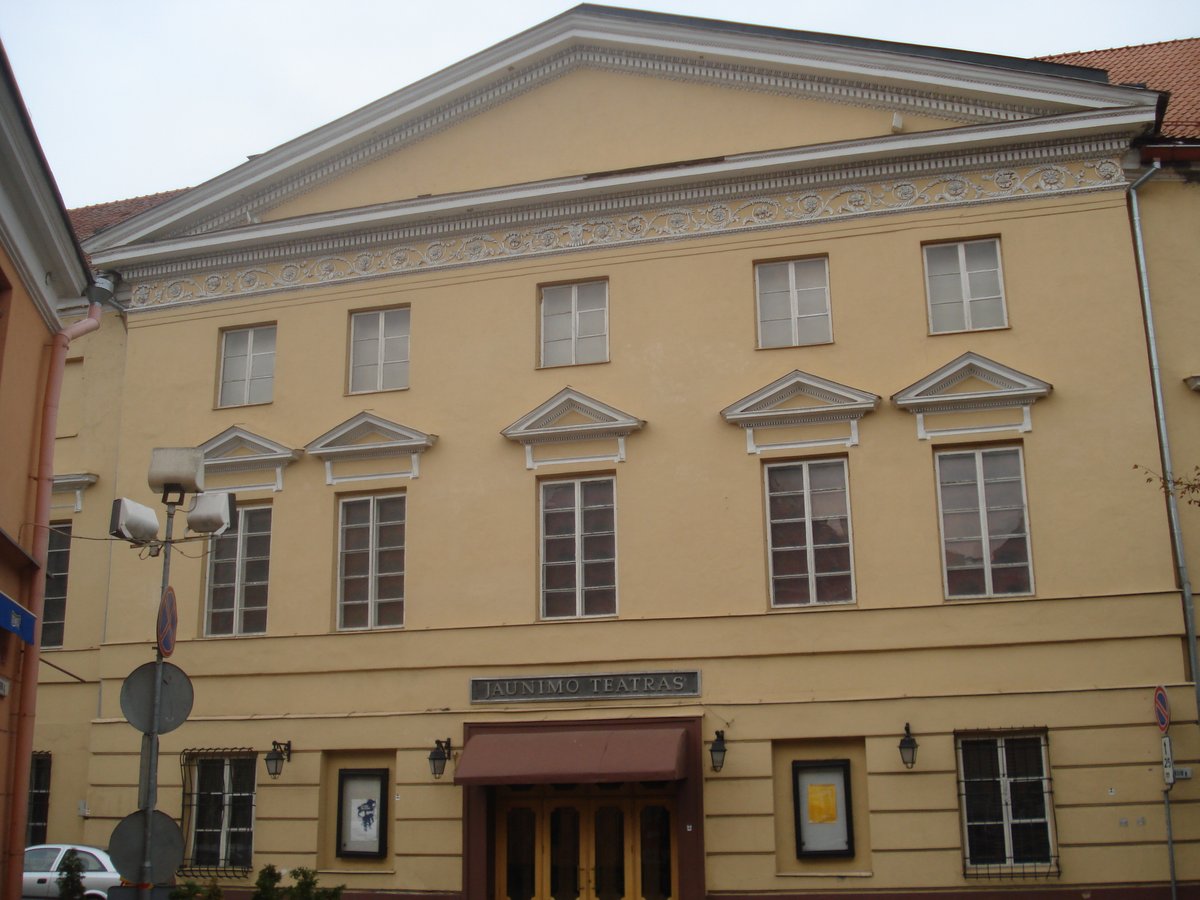
Blending late Renaissance and early Classicism, Oginski Palace reflects the stylistic diversity of Vilnius Old Town. Its façades and interiors, featuring high ceilings, frescoes, and refined stucco ornamentation, bear witness to the Ogiński family’s refined taste and support for the arts (Gateway Travel). The palace functioned both as a residence and as a venue for diplomatic and artistic gatherings, cementing Vilnius as a center of cultural life.
The Ogiński Family’s Role in Lithuanian History
The Ogińskis held key political positions and received princely titles in recognition of their stature (Wikipedia). Their Vilnius palace hosted social events that attracted artists, scholars, and statesmen, contributing to the city’s golden age.
Decline and Transformation
After the partitions of the Polish-Lithuanian Commonwealth and under Russian rule, the family’s fortunes and properties waned. Many noble residences, including Oginski Palace, were repurposed or neglected (True Lithuania). Urban changes in the 19th century altered the palace’s function, but its architectural and cultural significance endured.
Visitor Information: Hours, Tickets, and Access
Visiting Hours
Oginski Palace does not maintain regular daily opening hours. Instead, it is open for special exhibitions, concerts, and cultural events, with schedules varying by season and occasion. Standard museum hours for related sites and events are typically Tuesday–Sunday, 10:00 AM–6:00 PM. Always consult the official tourism website or the venue directly before planning your visit.
Ticket Prices
Ticket prices depend on the event:
- Special exhibitions: €3–€8 for adults, with discounts for students, seniors, and children.
- Some open-air concerts and festivals in the palace gardens are free.
- Guided tours (when available) may require a separate fee.
Advance online booking is recommended for popular events.
Accessibility
The palace offers partial accessibility:
- Main entrance and ground floor are accessible; upper floors may require stairs due to the building’s age.
- Accessible restrooms are available during events.
- Contact the venue in advance for specific needs.
Directions and Transportation
- Location Birutės g. 10, Vilnius, Lithuania, in the Žvėrynas district.
- Access Reachable by city bus, trolleybus, and bike. Street parking is limited, so public transport is recommended (Go Vilnius).
- Cycling Dedicated cycling paths connect the city center to Žvėrynas.
Amenities
- Restrooms and temporary cloakroom available during events.
- No permanent café, but pop-up stands may operate during festivals.
- Wi-Fi is event-dependent; check with organizers.
Special Events, Tours, and Nearby Attractions
Guided Tours
Guided tours (in Lithuanian, English, and occasionally Russian or Polish) are available during major exhibitions and festivals. Advance bookings are advised, especially for groups (Go Vilnius).
Events
Oginski Palace’s calendar features:
- Classical music concerts
- Rotating art exhibitions
- Literary evenings and lectures
- Community festivals in the gardens
Consult the Go Vilnius events calendar or the palace’s social media for updates.
Photography
Photography is typically allowed in public areas, with restrictions during certain exhibitions. Flash and tripods are generally prohibited to protect artworks.
Nearby Attractions
- Vingis Park Vilnius’s largest green space for outdoor activities (Adventure Backpack).
- Vilnius Old Town UNESCO heritage site renowned for its architecture.
- Gediminas Tower Offers panoramic city views (My Global Viewpoint).
- Palace of the Grand Dukes, Vilnius University, St. Anne's Church All within easy reach.
Visitor Tips and Sustainability
- Use public transport or bicycles to reduce your environmental footprint.
- Dispose of waste responsibly.
- Dress smart-casual for concerts; wear comfortable shoes for exploring.
- Respect historical interiors and supervise children.
- Pets are generally not allowed indoors but may be permitted in gardens during outdoor events.
Visuals and Interactive Media
Official tourism and heritage websites offer:
Frequently Asked Questions (FAQ)
Q: What are the Oginski Palace visiting hours?
A: The palace opens for special events and exhibitions—check the official site for current schedules.
Q: How much do tickets cost?
A: €3–€8 for most events, with discounts available; some outdoor events are free.
Q: Are guided tours available?
A: Yes, especially during major exhibitions and festivals. Advance booking is recommended.
Q: Is the palace wheelchair accessible?
A: The ground floor is accessible; upper floors may not be.
Q: Can I take photographs inside?
A: Usually, yes, except during certain exhibitions. Flash/tripods are prohibited.
Preservation and Modern Recognition
Since Lithuania’s independence, increasing efforts have preserved and restored the city’s historic buildings, including Oginski Palace (True Lithuania). The palace’s story is part of Vilnius’s broader narrative of multiculturalism and heritage preservation (vividvilnius.lt).
Summary and Final Tips
Oginski Palace is an essential part of Vilnius’s cultural itinerary, offering a blend of noble history, artistic heritage, and contemporary events. As access is event-dependent, plan ahead by checking schedules and booking tickets in advance. Its location near other major landmarks makes it convenient for visitors seeking to experience the best of Vilnius’s historical and cultural sites.
To enrich your visit, use cultural apps like Audiala for personalized guidance and stay updated on upcoming events by following official tourism platforms. By engaging with Oginski Palace, visitors contribute to the ongoing preservation and celebration of Lithuania’s noble and artistic legacy (Samogitian Art Museum; Gateway Travel).