
History and Foundation
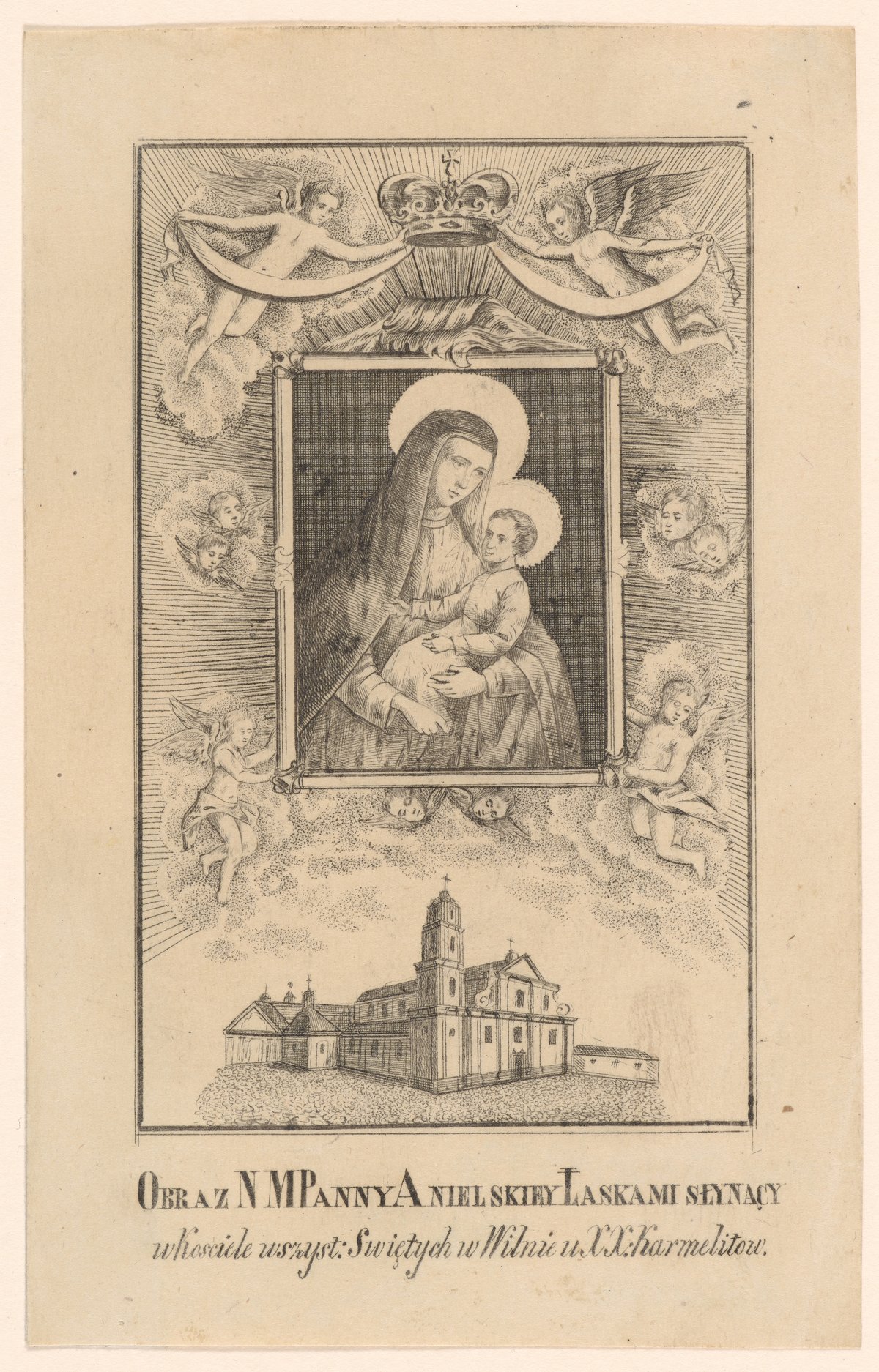
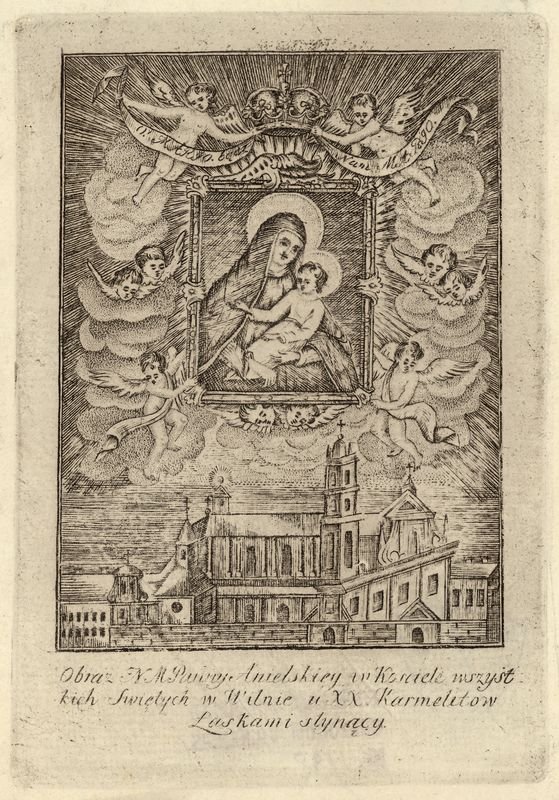
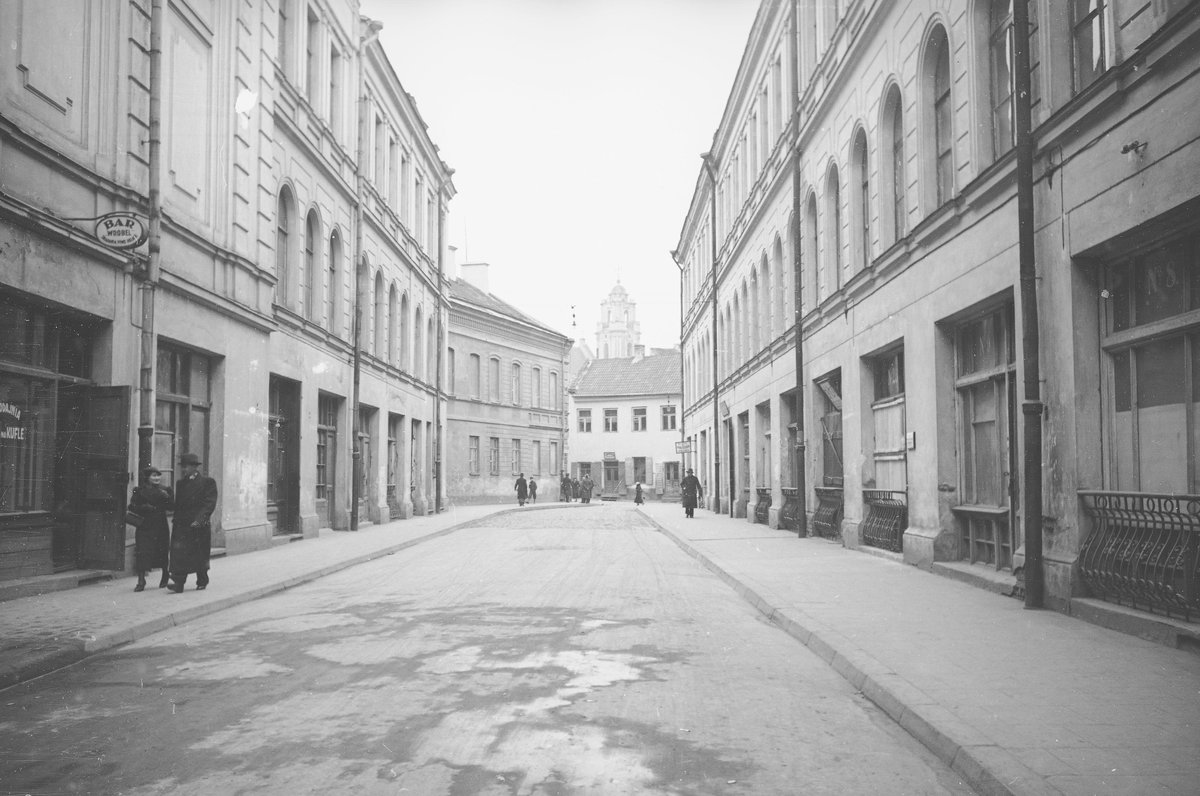
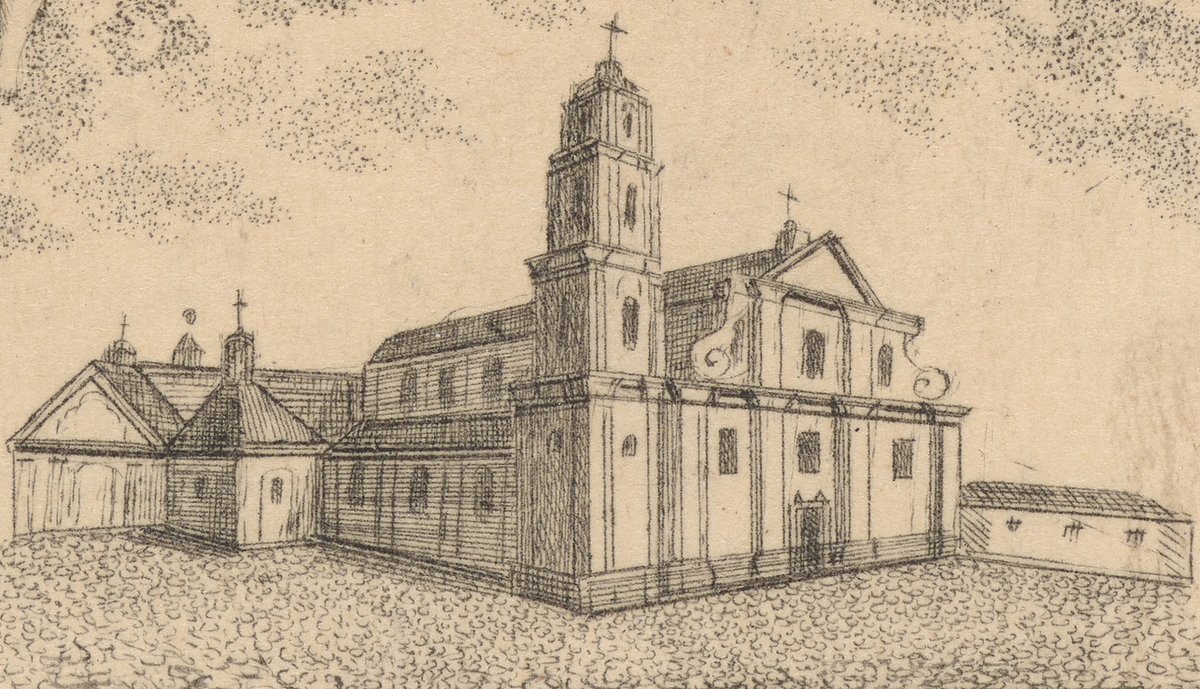
The Church of All Saints was constructed between 1620 and 1630, during a period when the Catholic Church was reaffirming its presence in the Grand Duchy of Lithuania. Built for the Carmelite order, the church was part of a larger monastic complex that included a Carmelite monastery, serving both religious and charitable roles in Vilnius (Tripomatic; Wikipedia).
Throughout the centuries, the church survived the partitions of the Polish-Lithuanian Commonwealth, Russian Imperial rule, and the Soviet era, adapting to changing historical circumstances while maintaining its spiritual and cultural significance. Restoration efforts following Lithuania’s independence in 1990 have preserved its Baroque splendor, making it a testament to both faith and resilience (True Lithuania).
Architectural Features and Restoration
Exterior:
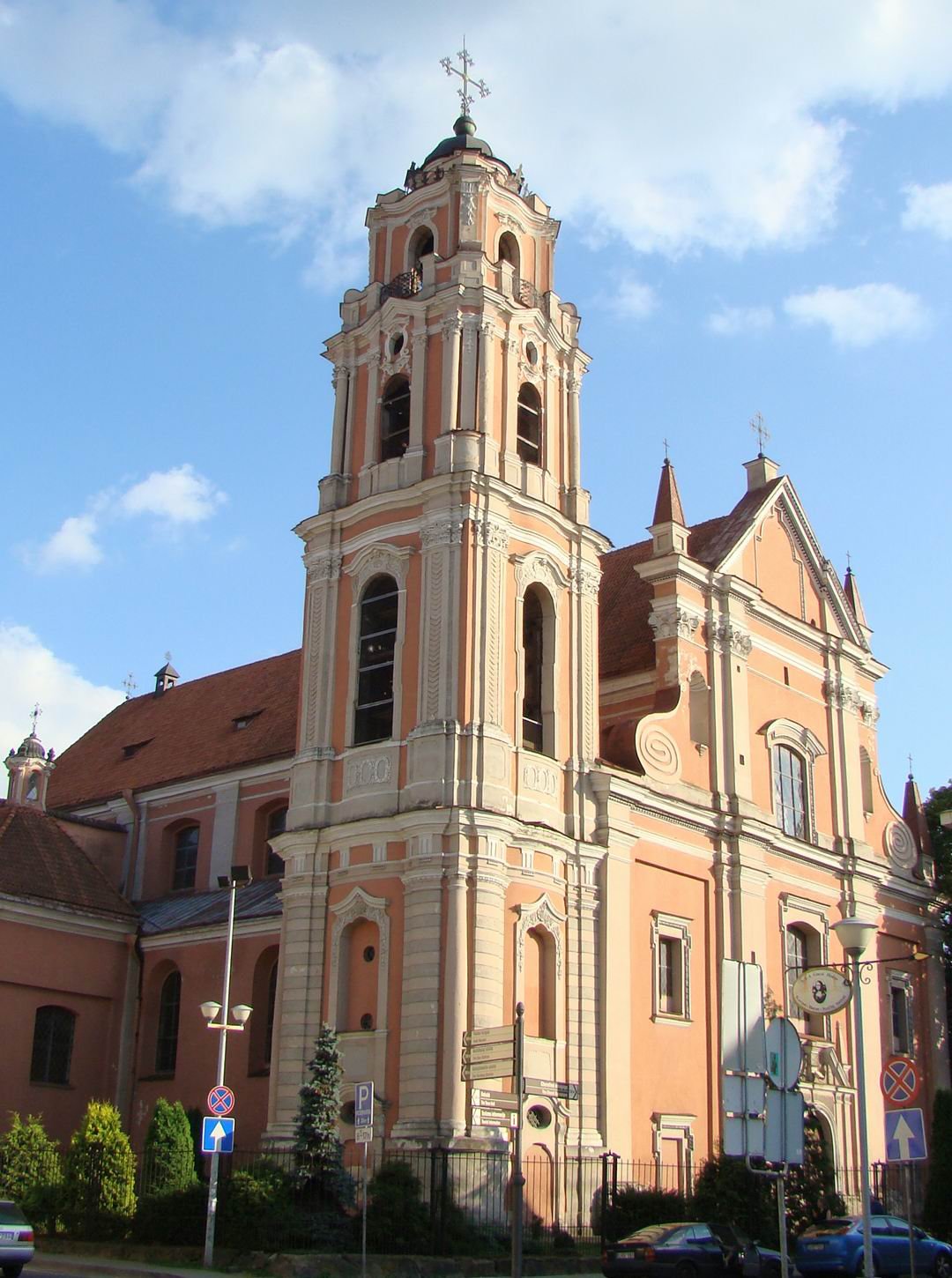
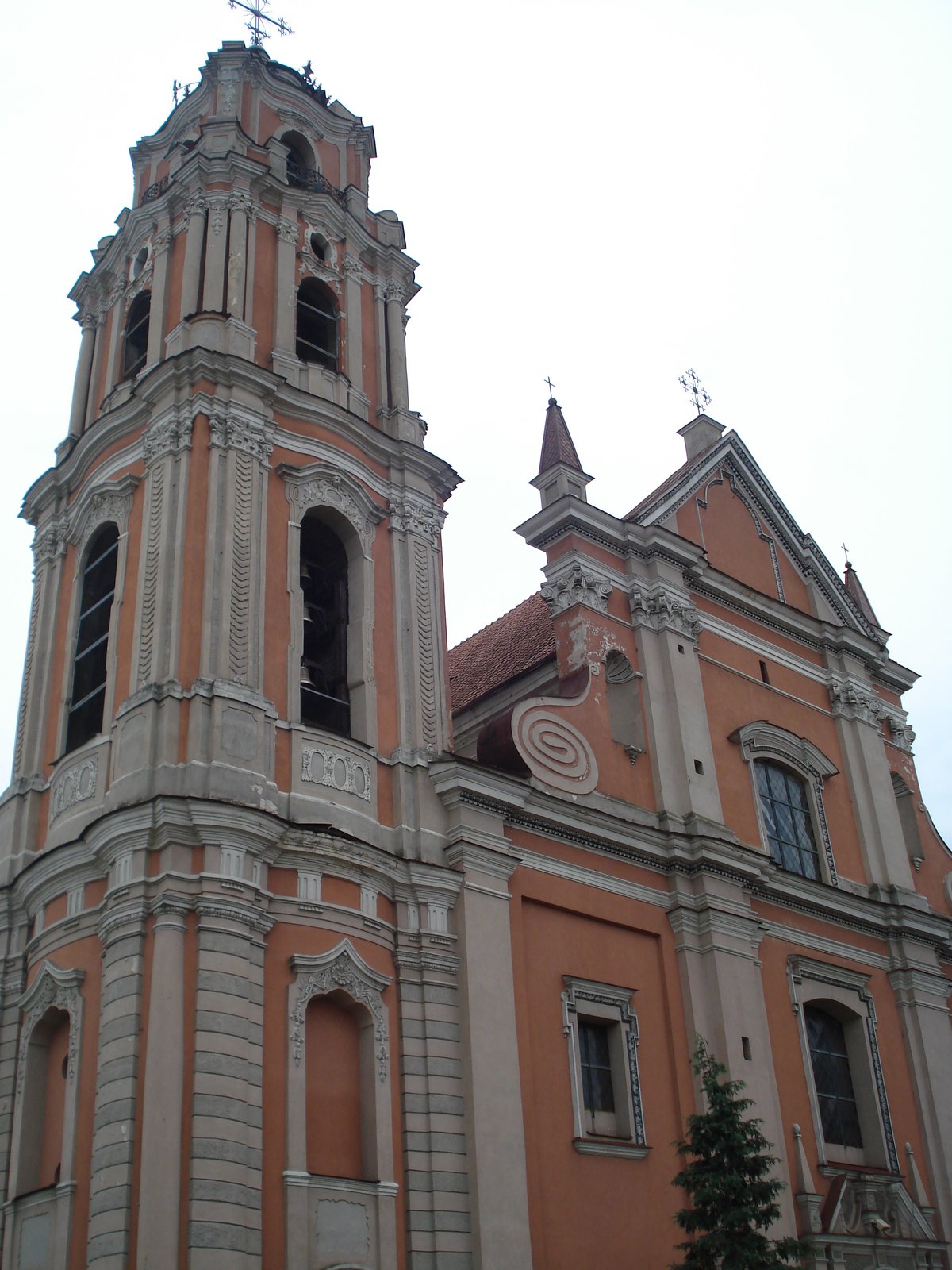
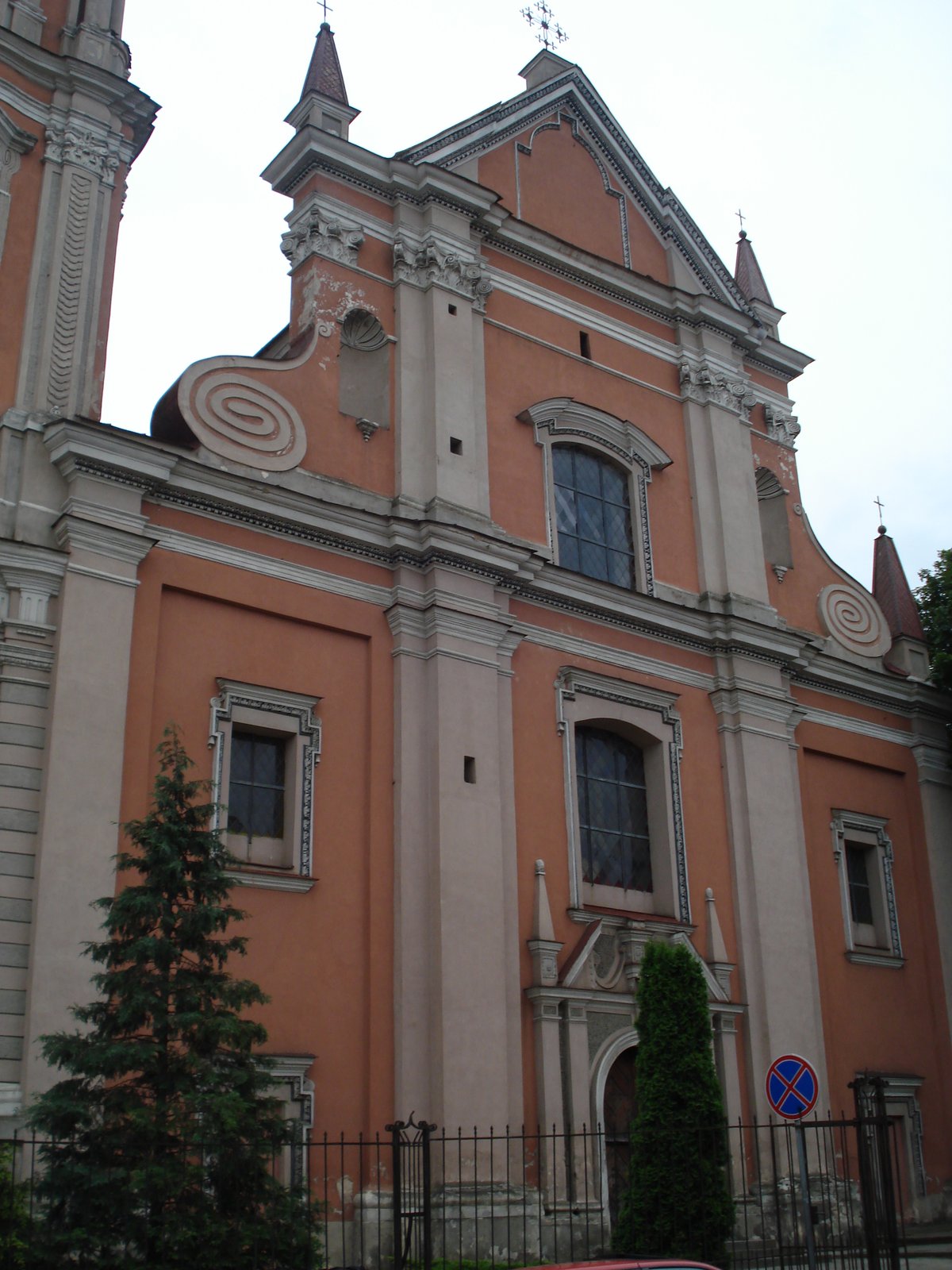
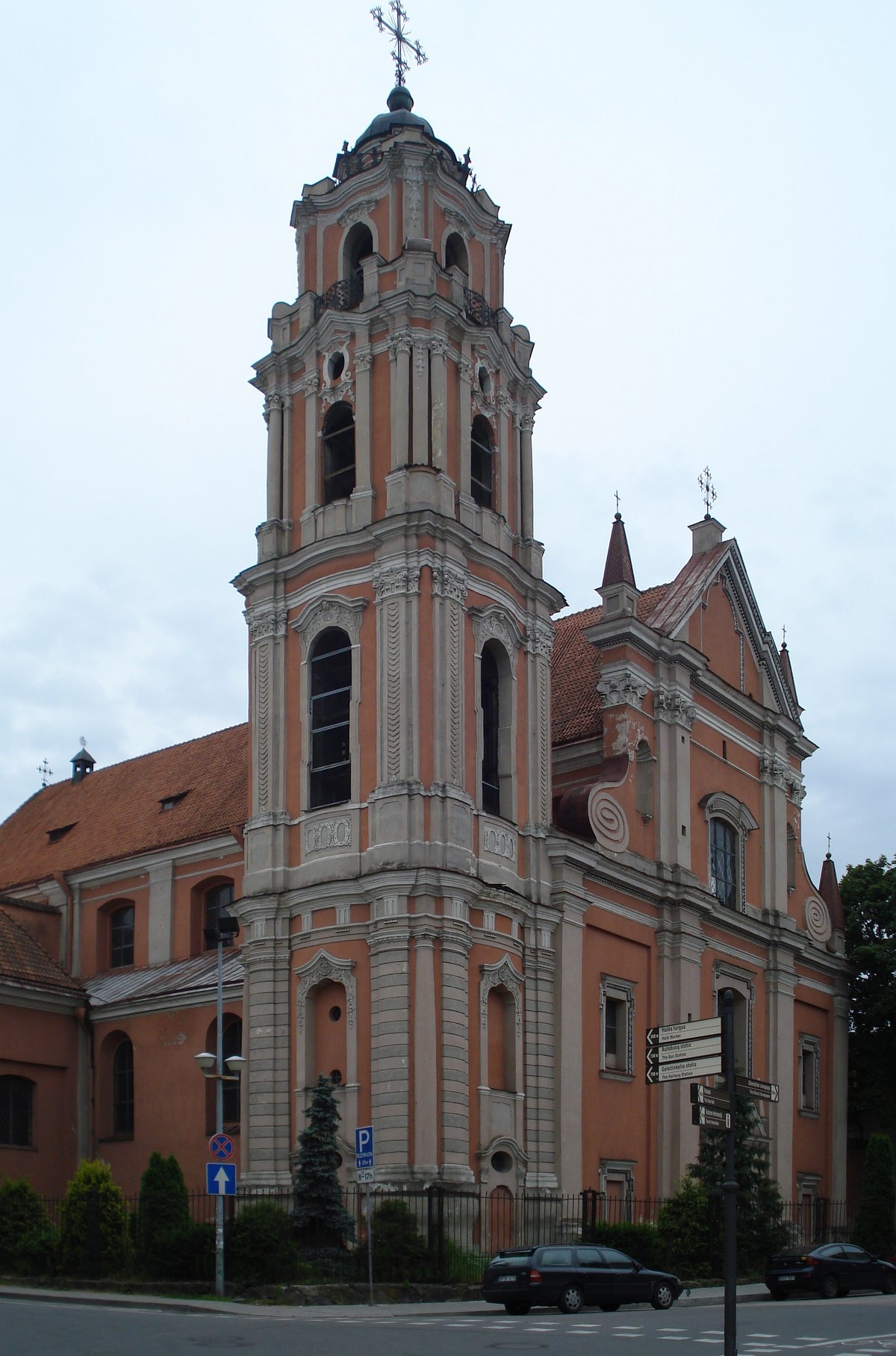
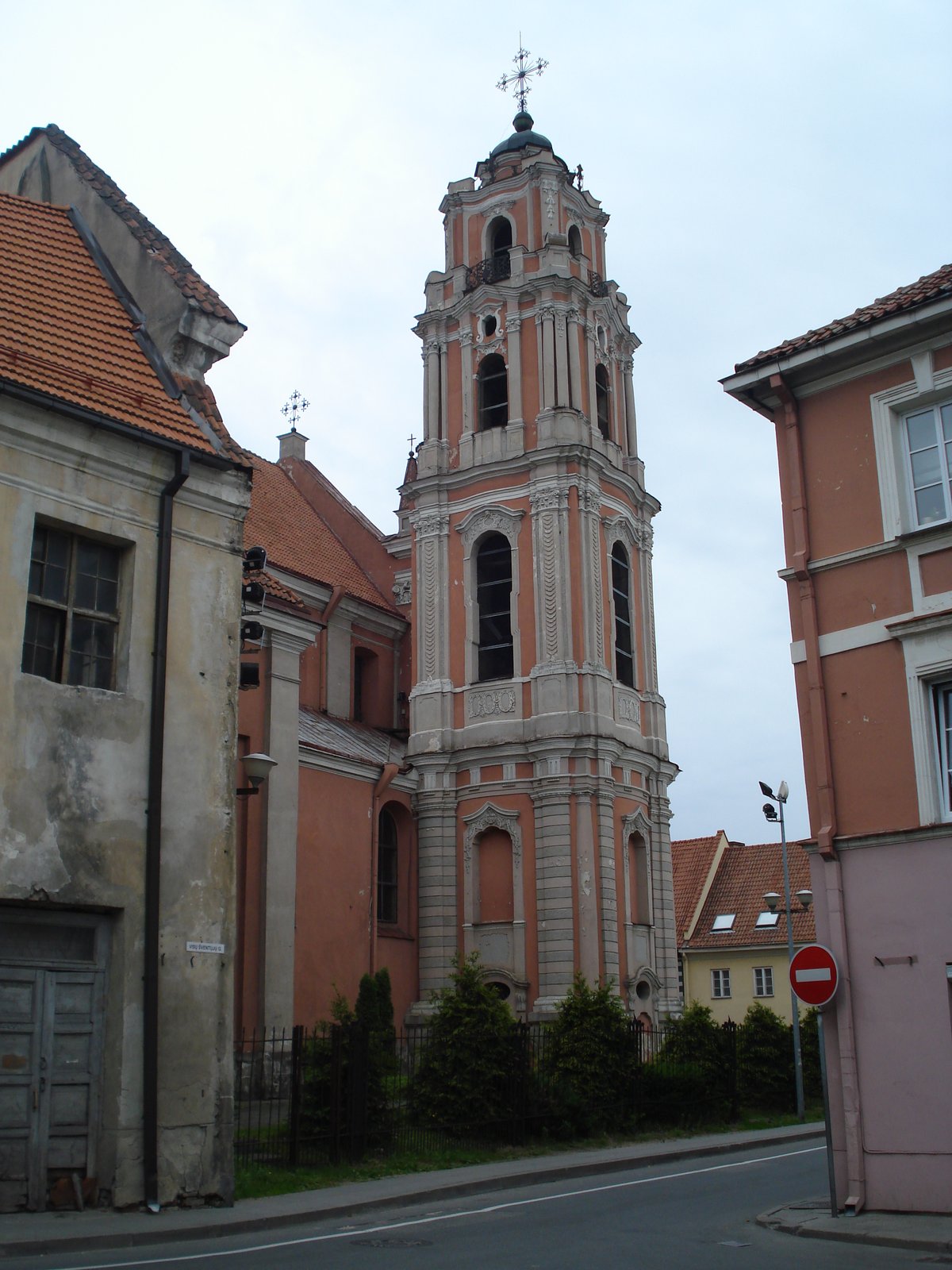
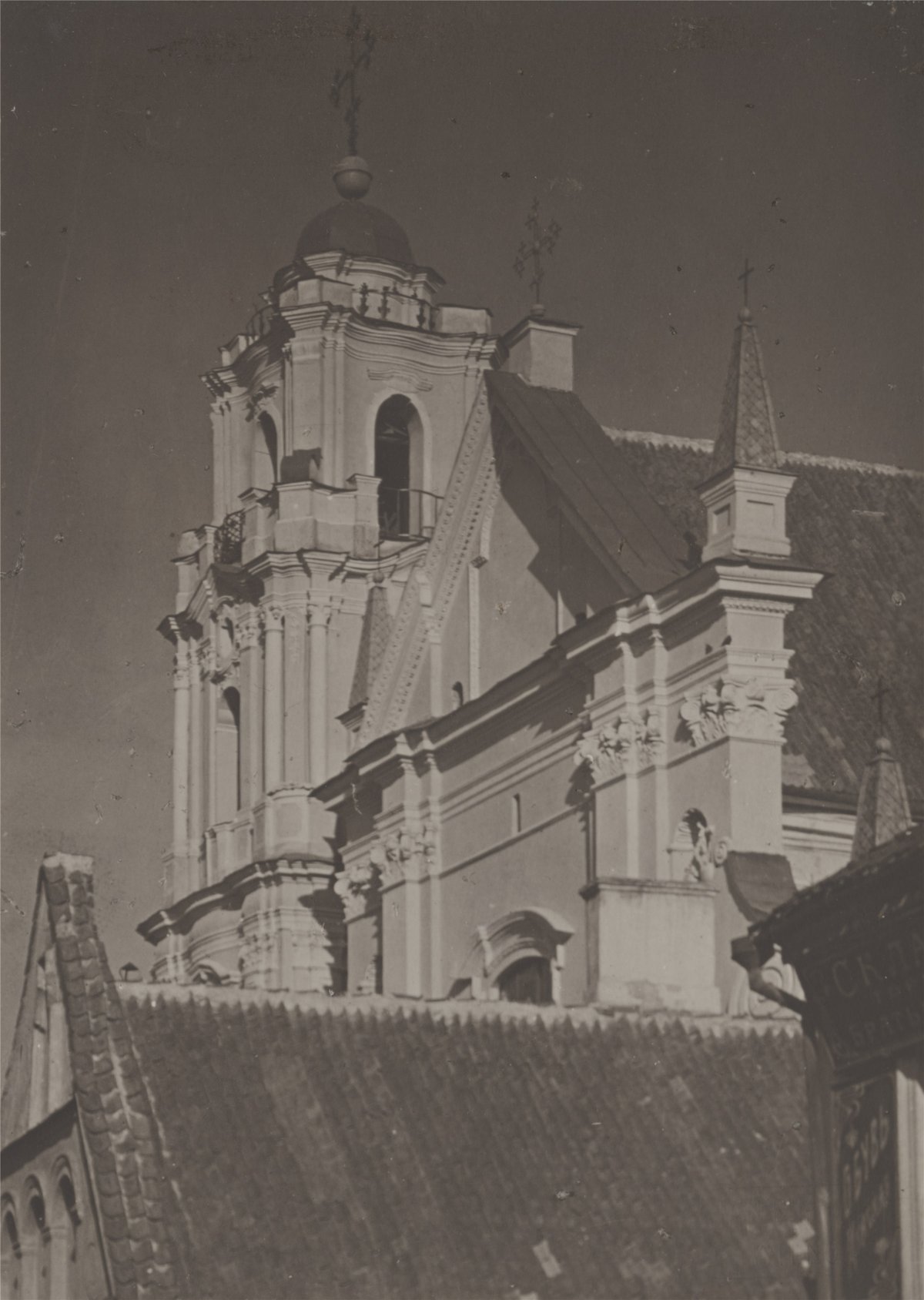
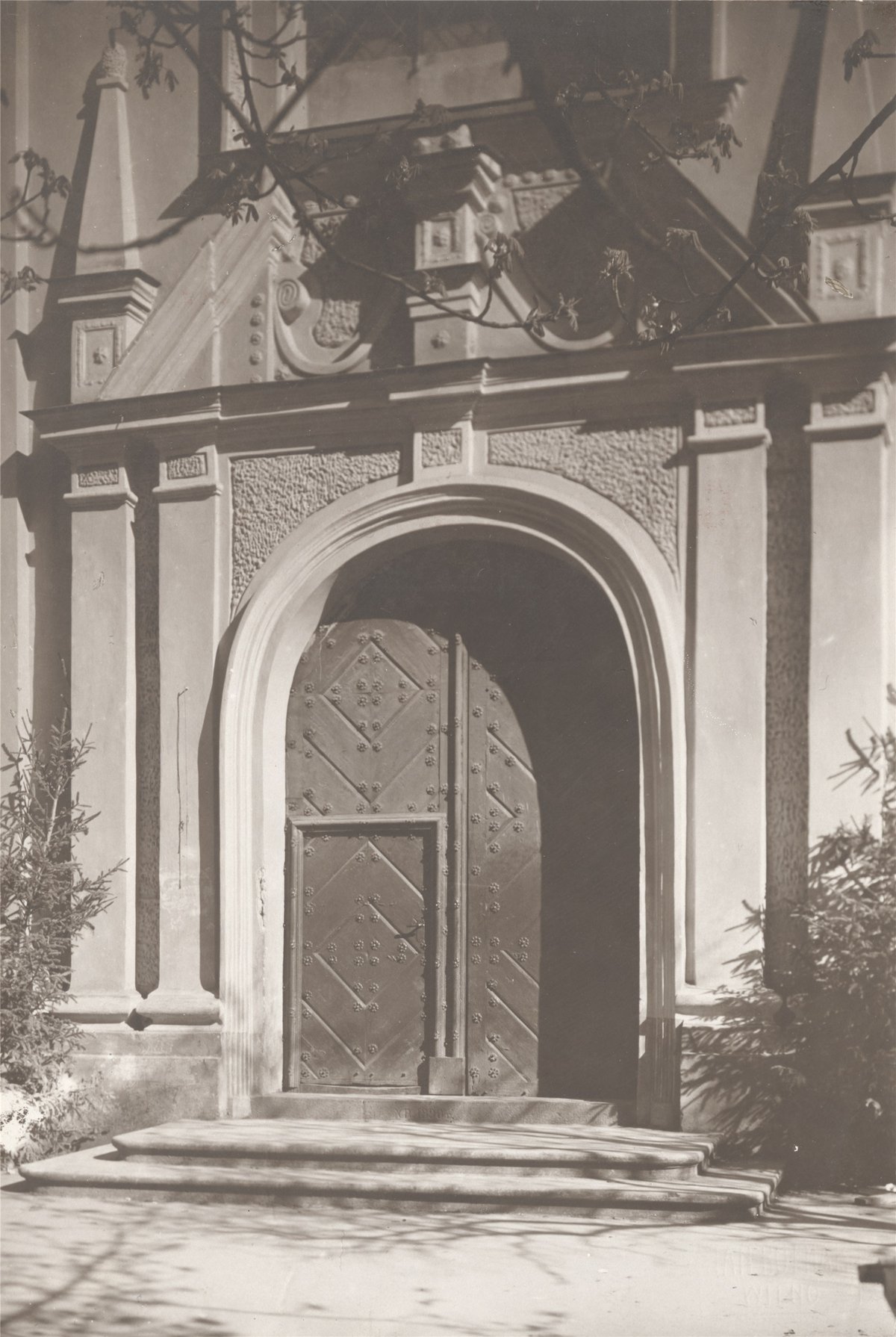
The church is one of the earliest Baroque structures in Lithuania, with its façade featuring harmonious proportions, intricate stucco, pilasters, and decorative cornices. The Late Baroque bell tower, added in 1743, is a distinctive element on the Old Town skyline, recognizable for its volutes and sculpted niches (City of Mercy).
Interior:
Inside, the church boasts a three-nave basilica layout—a pioneering design in Lithuania at the time. The central nave is flanked by side aisles and chapels, each adorned with cupolas, frescoes, and gilded woodwork. Eighteen ornately decorated altars, including the main altar dedicated to All Saints, showcase fine examples of Baroque religious art and craftsmanship.
Restoration:
The church has undergone several restorations, notably after damage during the First Northern War and significant 18th-century renovations. During the Soviet era, it was repurposed as a museum and exhibition hall; after independence, restoration efforts focused on returning the church to its original design and religious function (City of Mercy).
Role in Vilnius’ Religious and Cultural Landscape
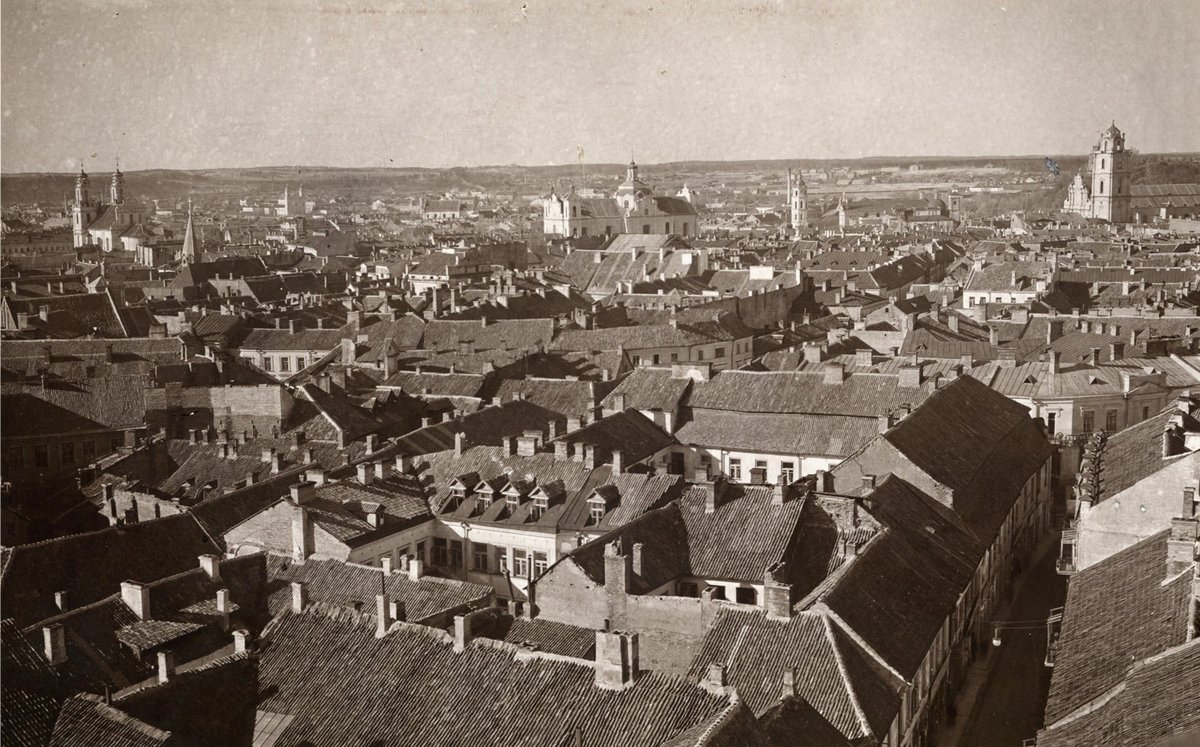
Vilnius is renowned for its dense concentration of historic churches—nearly 30 within the Old Town alone (True Lithuania). The Church of All Saints is among the city’s most significant Baroque monuments, playing a central role in Catholic education and charity during the Polish-Lithuanian Commonwealth and serving as a symbol of resilience during Russian occupation and Soviet repression.
Today, the church is part of a vibrant network of sacred sites, including the Gates of Dawn, Vilnius Cathedral, and the Church of St. Peter and St. Paul, reflecting the city’s historical diversity and cultural richness (Rough Guides).
Visiting Information
Opening Hours
- General Hours Daily, 9:00 AM – 6:00 PM
- Note Hours may vary during religious holidays or special events. Always check the parish noticeboard or official tourism resources before visiting.
Tickets and Entry
- Entry Free of charge
- Donations Welcome and appreciated, supporting ongoing maintenance and restoration
- Guided Tours May incur a small fee; available via local operators or on-site arrangements
Accessibility
- Wheelchair Access Ramps are available at the main entrance; assistance can be provided if requested in advance
- Seating Available inside the church
- Restrooms Not on-site, but public facilities are nearby in the Old Town
Guided Tours
- Availability Offered by local tour operators and occasionally by the church itself
- Content Focus on the church’s history, architecture, and religious art
- Audio Guides Sometimes available for self-guided visits
Nearby Attractions
The Church of All Saints is ideally located for exploring other Vilnius landmarks:
- Gates of Dawn A renowned Catholic pilgrimage site
- Vilnius Cathedral and Cathedral Square The city’s spiritual and civic heart
- St. Anne’s Church A Gothic masterpiece
- Gediminas Tower Offering panoramic views of Vilnius
- Užupis District Known for its bohemian atmosphere
All are within walking distance, making a day of sightseeing convenient and rewarding.
Visitor Etiquette and Practical Tips
- Dress Code Modest attire is required; shoulders and knees should be covered; hats removed upon entry
- Photography Permitted except during services; avoid flash and tripods
- Silence Please keep noise to a minimum, especially during religious ceremonies
- Best Times Late spring and early autumn offer pleasant weather and fewer crowds; visit during off-peak hours for a quieter experience
- Safety Vilnius Old Town is generally safe; remain mindful of personal belongings
Frequently Asked Questions (FAQ)
Q: What are the visiting hours?
A: Generally, daily from 9:00 AM to 6:00 PM, with possible variations on holidays.
Q: Is there an entrance fee?
A: No, entry is free. Donations are welcome.
Q: Are guided tours available?
A: Yes, through local tour operators or on-site arrangements.
Q: Is the church accessible for visitors with disabilities?
A: The main entrance is equipped with ramps; assistance is available upon request.
Q: Is photography allowed?
A: Yes, but only outside of religious services and without flash.
Q: What are nearby attractions?
A: Gates of Dawn, Vilnius Cathedral, St. Anne’s Church, and Užupis are all within walking distance.