Medieval Origins and Architectural Development
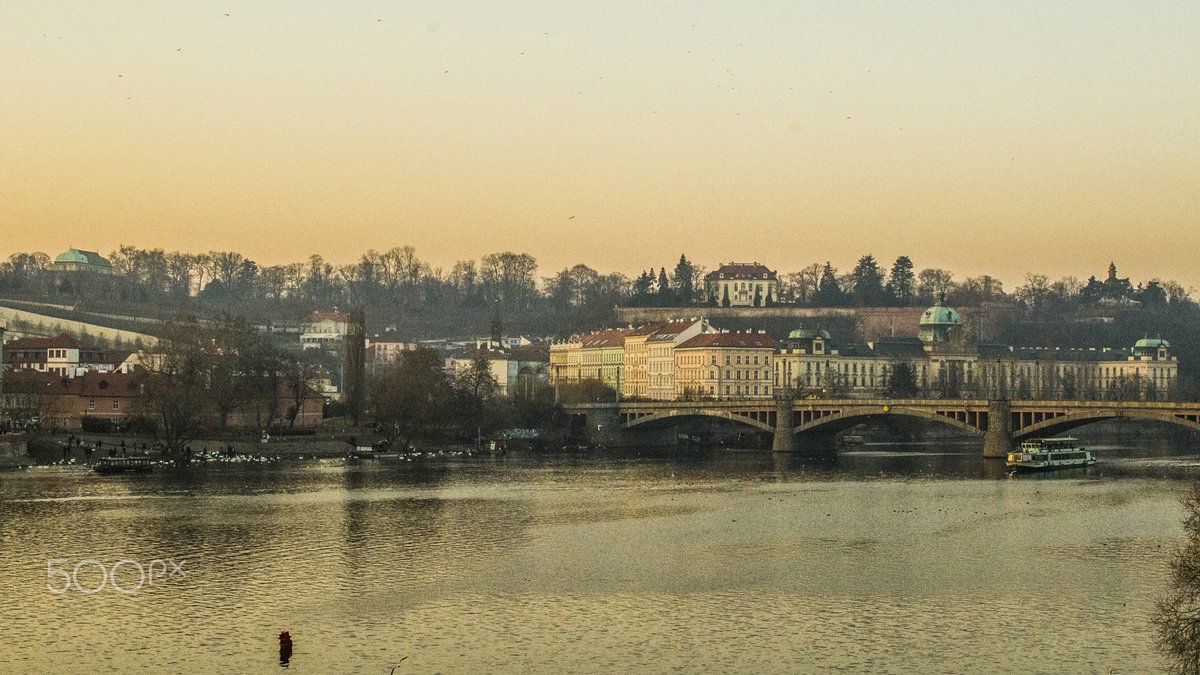
Commissioned by King Charles IV in 1357 after the destruction of the Judith Bridge, Charles Bridge was designed by master architect Peter Parler. Built with sandstone blocks and fortified by three Gothic towers, the bridge served as Prague’s sole river crossing for centuries. Its strategic and symbolic importance made it the site of royal processions and trade, helping cement Prague’s status as a European capital. For more on the city’s medieval heritage, visit Prague Old Town Guide.
Baroque Statuary: Charles Bridge as an Open-Air Gallery
Between 1683 and 1714, Charles Bridge was transformed with the addition of 30 Baroque statues and groups by leading artists including Matthias Braun, Jan Brokoff, and Ferdinand Maxmilian Brokoff. These works depict saints and biblical figures central to Bohemian history, blending faith, local identity, and artistic innovation. Many originals are preserved in the National Museum, with replicas gracing the bridge today. For further exploration, see our Baroque Art in Prague article.
The Madonna, Saint Dominic, and Thomas Aquinas: Symbolism and Placement
Artistic Composition
This statuary group is a dynamic Baroque work by Matěj Václav Jäckel. Elevated on a high pedestal on the north side of the bridge, the Virgin Mary (Madonna) and the Christ Child are set above Saints Dominic and Thomas Aquinas. The Madonna, depicted atop swirling clouds, holds a globe and is accompanied by a dog with a torch—symbolic of the Dominican Order’s mission. Saint Dominic kneels to the left, receiving the Rosary from the Madonna, while Saint Thomas Aquinas stands to the right, holding an open book and adorned with a radiant sun pendant.
Symbolism
- Madonna Represents the Queen of Heaven; the globe beneath her feet signifies her dominion, and the dog with torch illustrates the Dominican mission (“Domini canes” pun—“dogs of the Lord”).
- Saint Dominic Shown kneeling, receiving the Rosary, and surrounded by a model monastery, abbot’s mitre, and books—signifying learning and founding of the Order.
- Saint Thomas Aquinas Holds an open book (theology), wears a radiant sun (divine truth), and at his feet a cherub with a beehive (wisdom, industriousness).
Detailed Baroque techniques are visible in the statues’ expressive drapery, gestures, and upward movement, inviting contemplation (city-game-prague.com; Wikipedia).
Artistic and Cultural Impact
The statues are celebrated for their emotional expressiveness and theological depth. They form part of a spiritual procession along the bridge, engaging both the senses and intellect. The dynamic gestures, detailed iconography, and interplay of light and shadow exemplify the Baroque style’s power to inspire devotion and awe.
Historical Significance and Events
Charles Bridge has witnessed significant moments in Prague’s history, including royal processions, religious festivals, and turbulent events. The statues, especially the Madonna group, became symbols of resilience and spiritual protection amid wars, floods, and societal changes. Local legends and traditions—such as the belief in the statues’ miraculous powers—add to their enduring appeal.
Practical Visitor Information
Visiting Hours
- Open 24 hours a day, 7 days a week.
- Best Times Early morning (before 9 AM) or late evening (after 8 PM) for tranquility and optimal light.
Tickets
- Access Free of charge; Charles Bridge is a public pedestrian bridge (Prague.org).
Guided Tours
- Options Multiple walking and art-focused tours are available; check local providers or platforms like GetYourGuide Charles Bridge Tours.
Accessibility
- Surface Pedestrian-only, paved with uneven cobblestones. Wheelchair and stroller users may need assistance.
- Facilities No public restrooms or seating on the bridge; amenities are nearby.
Nearby Attractions
- Prague Castle
- Old Town Square
- Lennon Wall
- Other bridge statues
All are within walking distance and included in many guided tours.
Preservation and Restoration
To protect them from weathering and vandalism, the original statues are housed in the National Museum’s Lapidarium. The bridge displays accurate replicas, allowing for public appreciation while safeguarding heritage (National Museum Lapidarium).
Visitor Tips and Etiquette
- Best Viewing Early morning or late evening for fewer crowds and best light.
- Photography Permitted and encouraged; avoid blocking pathways.
- Respect Statues are religious monuments—refrain from touching or climbing them.
- Weather Wear sturdy shoes; cobblestones can be slippery when wet.
- Events Religious processions and cultural events may impact access.
Frequently Asked Questions (FAQ)
Q: Are tickets required to visit Charles Bridge?
A: No, the bridge is free and open 24/7.
Q: When is the best time to visit?
A: Early morning at sunrise or late evening after sunset.
Q: Is the bridge wheelchair accessible?
A: The cobblestone surface can be challenging; assistance is recommended.
Q: Are the statues originals?
A: The statues on the bridge are replicas; the originals are preserved indoors.
Q: Can I take guided tours?
A: Yes, many guided tours are available, bookable online or locally.
Summary and Visit Tips
Visiting the statues of Madonna, Saint Dominic, and Thomas Aquinas on Charles Bridge allows you to immerse yourself in Prague’s layered history, religious tradition, and artistic genius. The accessible setting, combined with preservation of the originals and informative resources, ensures every visitor can experience the bridge’s unique atmosphere. Plan your visit during off-peak hours, consider guided tours, and respect the site’s cultural and spiritual importance for a memorable and meaningful experience.