

What Národní Avenue Is
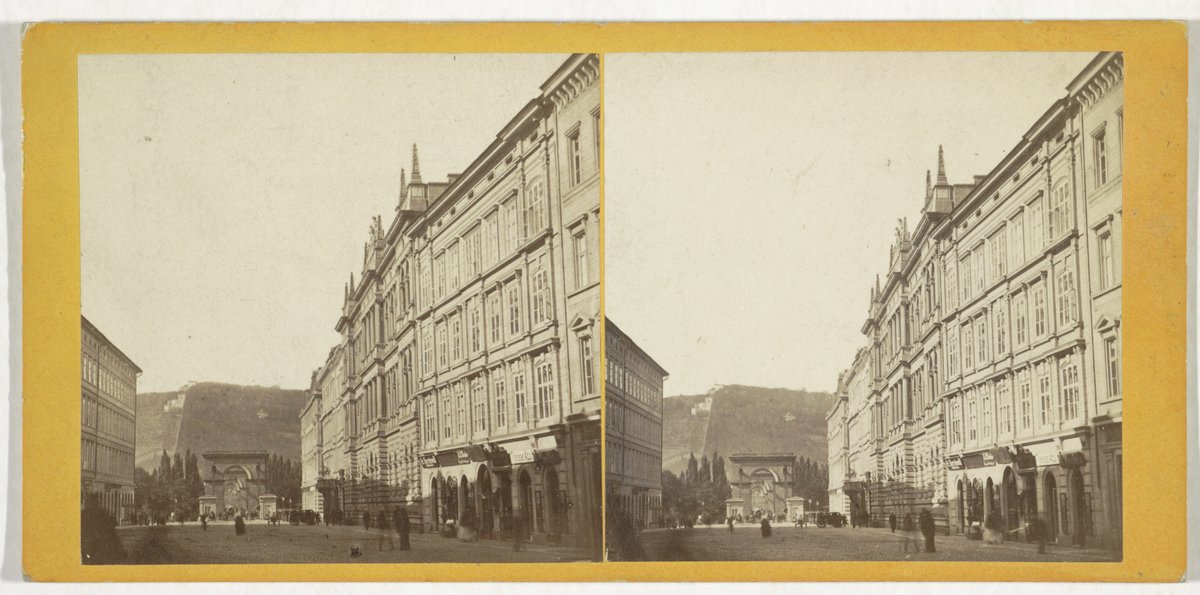
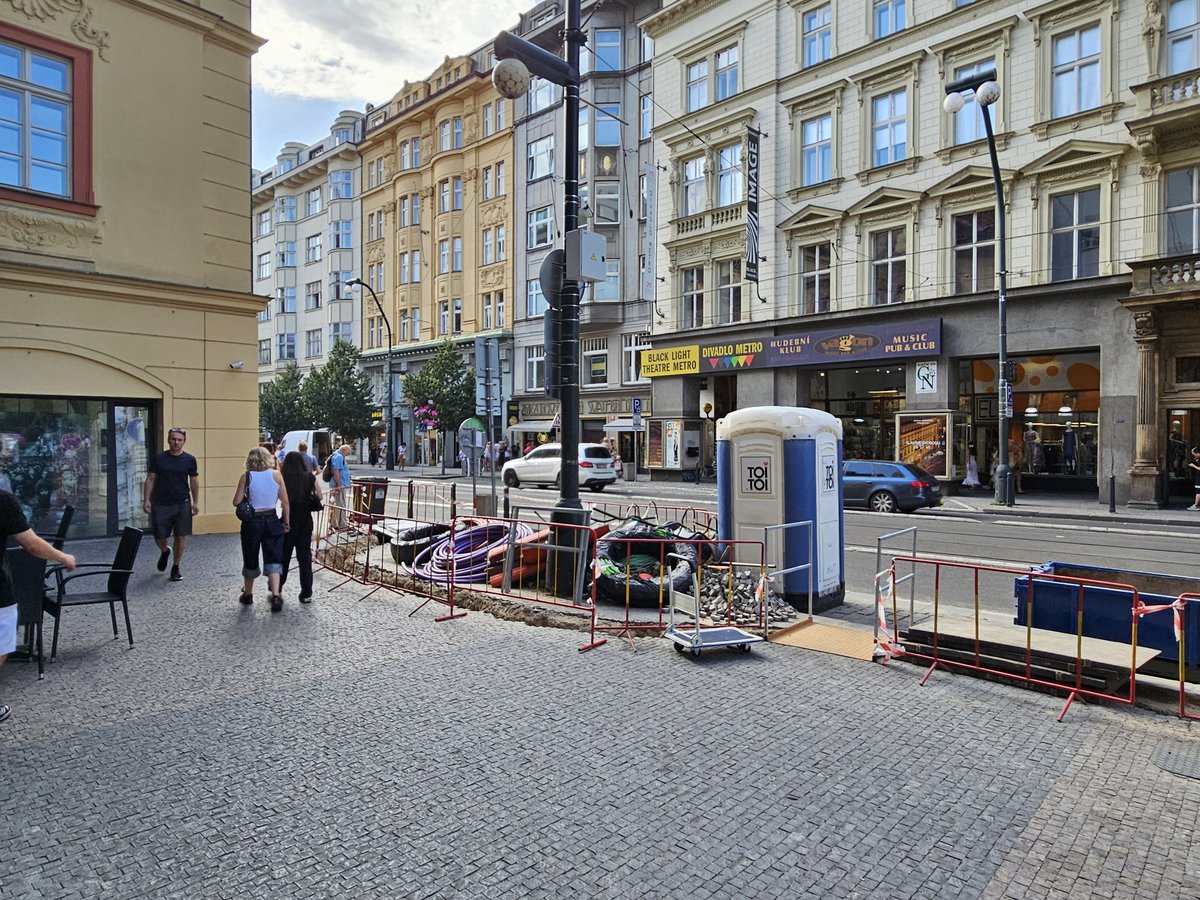
Národní Avenue (Národní třída) stretches between Prague’s Old Town and New Town. Once part of the city’s medieval fortifications, it is now a cultural corridor of theatres, museums, historic cafés, and venues for public celebrations. Its architecture ranges from neo-Renaissance landmarks such as the National Theatre to avant-garde buildings such as Nová scéna, alongside Art Nouveau and Rondo-Cubist examples (Wikipedia; Radio Prague International).
The avenue has been central to Czech national identity, from the 19th-century National Revival to the 1989 Velvet Revolution. Its central location and public transport links connect historic and modern districts and make it a convenient starting point for exploring Prague (Living Prague; PragueGo; Hostelgeeks).
History
Medieval Origins and the 19th Century
Národní Avenue began as part of Prague’s medieval fortifications, serving as a defensive boundary. As the city expanded, the walls were demolished during the 18th and 19th centuries, allowing the street to develop into a major boulevard (Wikipedia).
In the 19th century, Národní became a symbol of the Czech National Revival. The National Theatre, built through nationwide fundraising, became a prominent expression of Czech cultural pride (Radio Prague International).
The 20th Century and the Velvet Revolution
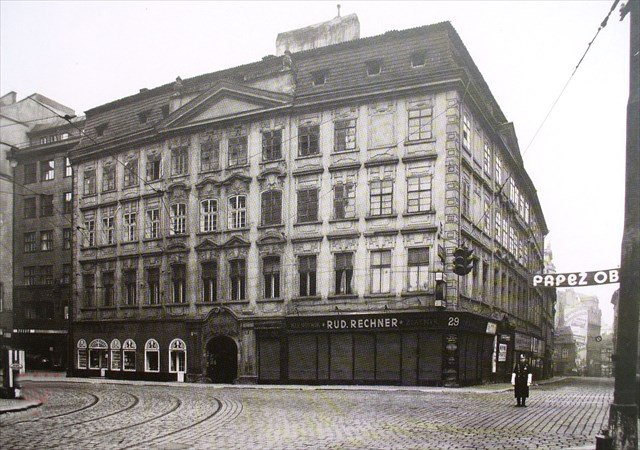
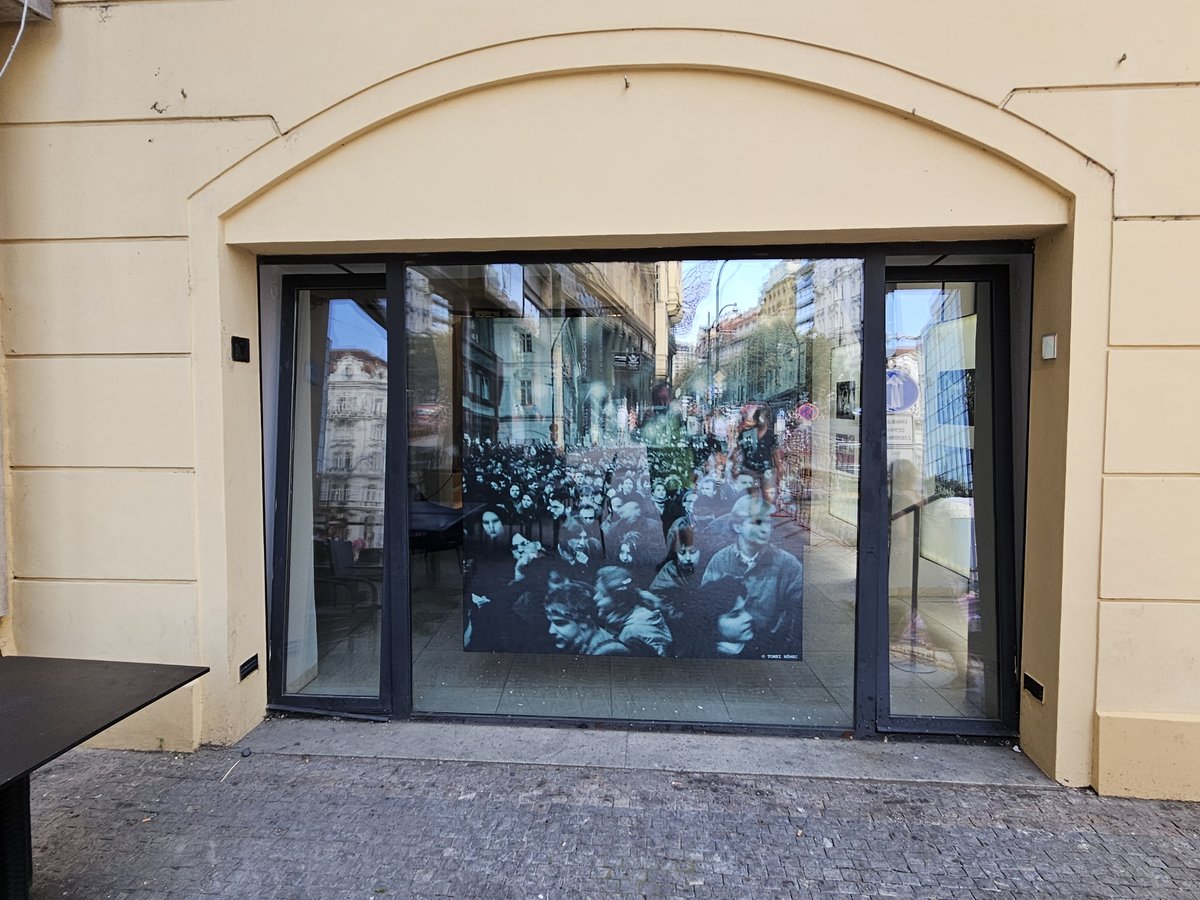
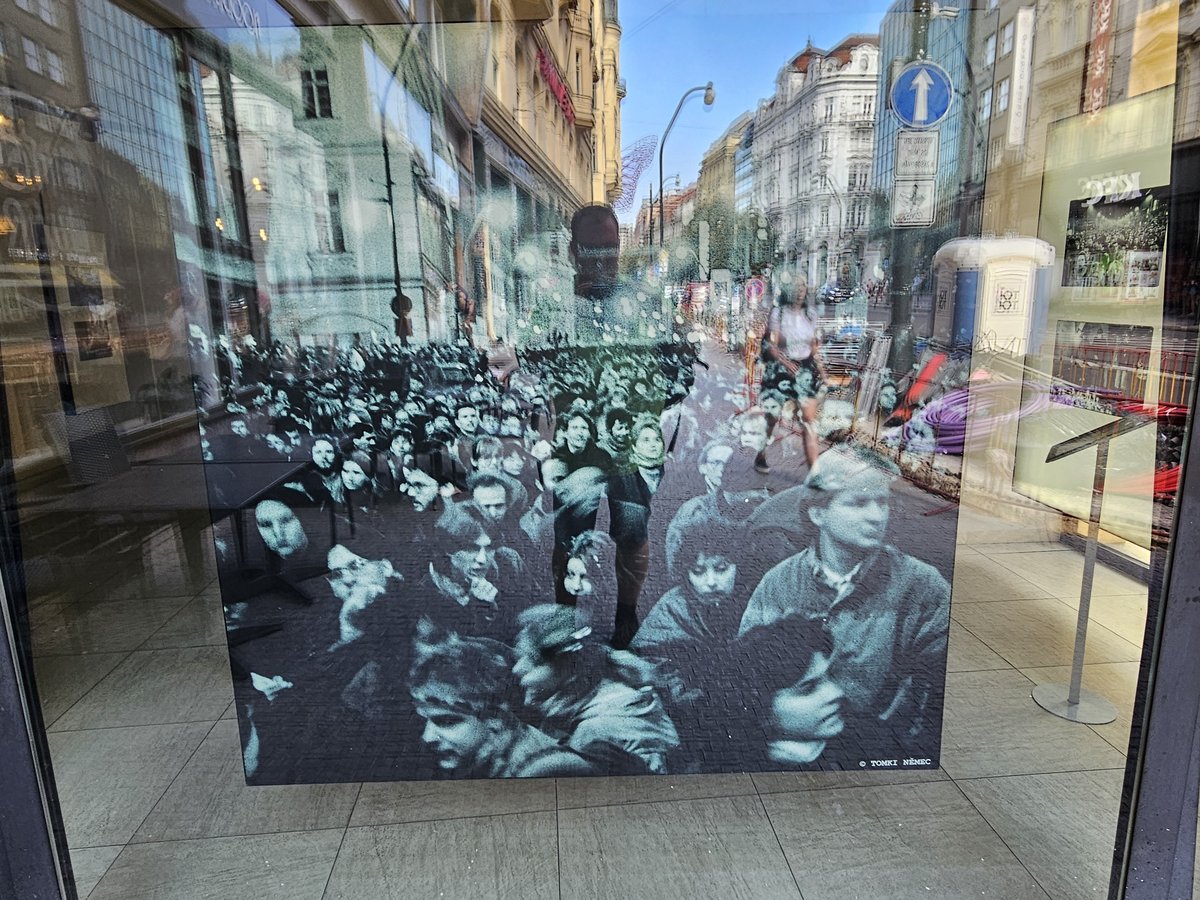
During the interwar and communist periods, Národní took on modernist and functionalist architectural styles. On the avenue, peaceful demonstrations in 1989 helped spark the Velvet Revolution, which ended decades of communist rule (Muzeum Prahy; Expats.cz).
What to See
Architecture and Landmarks
Národní’s transformation from a medieval moat and boundary into a grand boulevard produced an architectural mix of neo-Renaissance, Art Nouveau, Rondo-Cubist, and modernist styles (Living Prague).
- National Theatre (Národní Divadlo) A neo-Renaissance architectural and cultural landmark, known for its opulent decoration, marble staircases, and copper dome. It is a centre for opera, ballet, and drama; tours and evening performances offer a closer look at its history (Trip101; National Theatre; Music Opera).
- Nová scéna (New Stage) Completed in 1983, this venue next to the National Theatre hosts Laterna Magika and other performances and exhibitions (Avantgarde Prague).
- Palác Adria A Rondo-Cubist building notable for its geometric design and decorative details (Trip101).
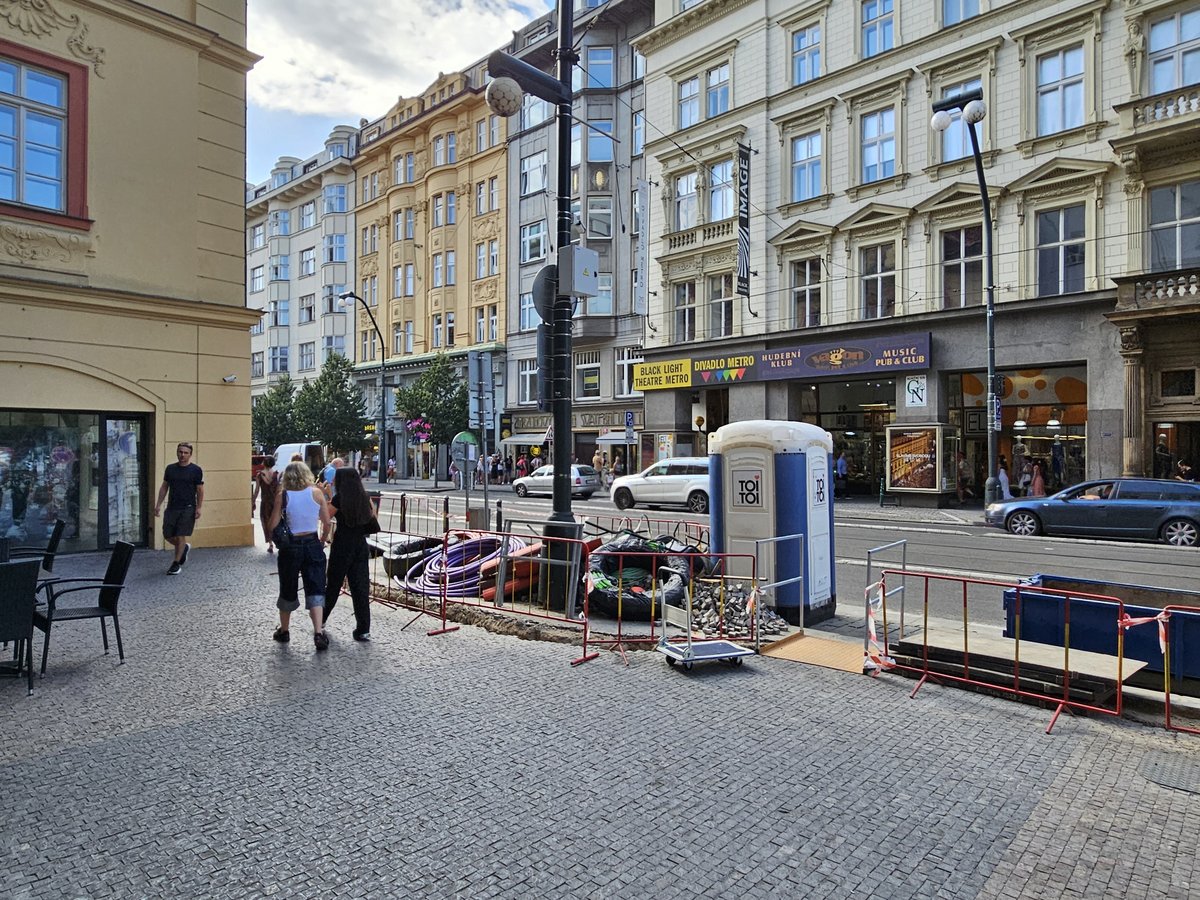
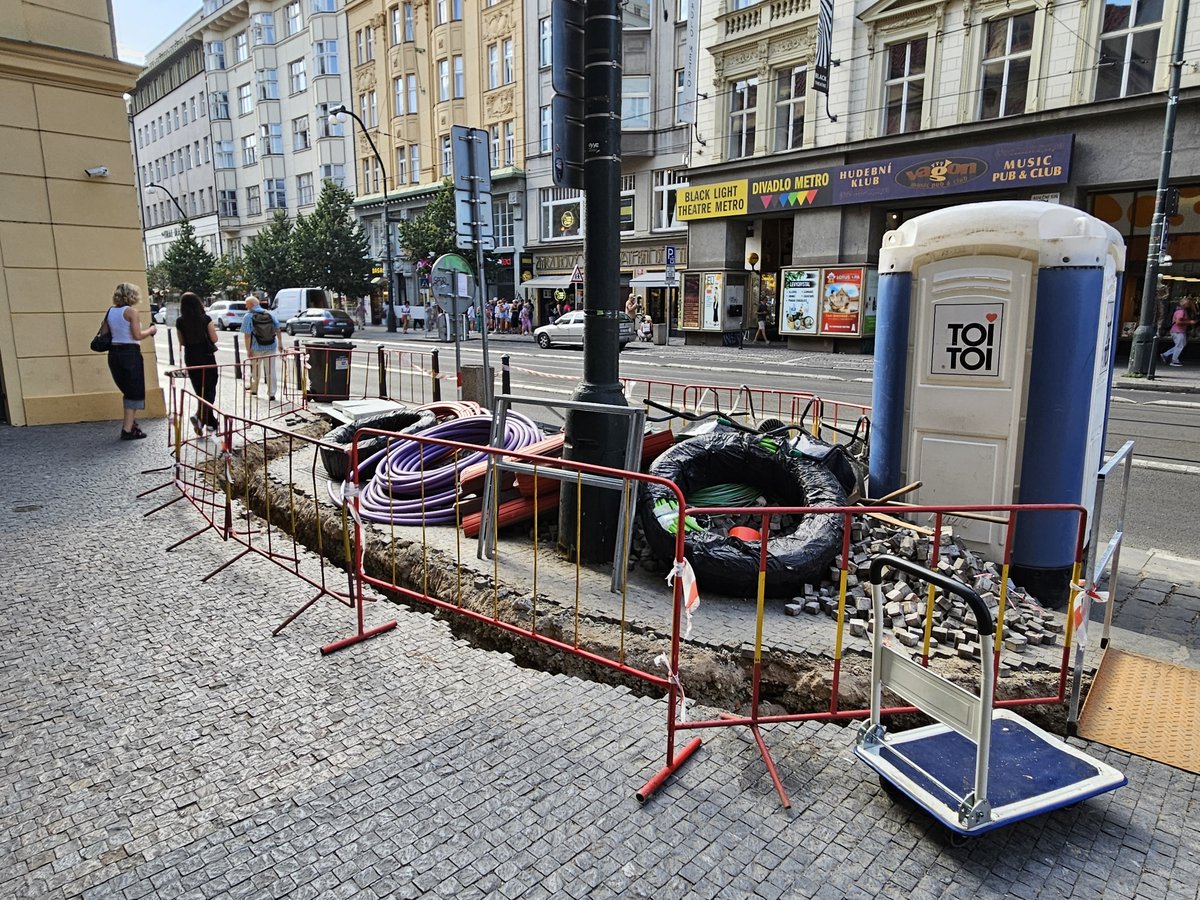
- Metro Palace Home to a Black Light Theatre.
- Municipal House A nearby Art Nouveau landmark (Trip101).
Theatre, Cafés, and Public Art
Laterna Magika, at Nová scéna, is a multimedia theatre combining performance, film, and visual effects. Its shows are accessible to all and internationally acclaimed (Living Prague).
Black Light Theatre performances, particularly at Metro Palace, use special lighting and mime. They suit audiences speaking any language and are popular with international visitors.
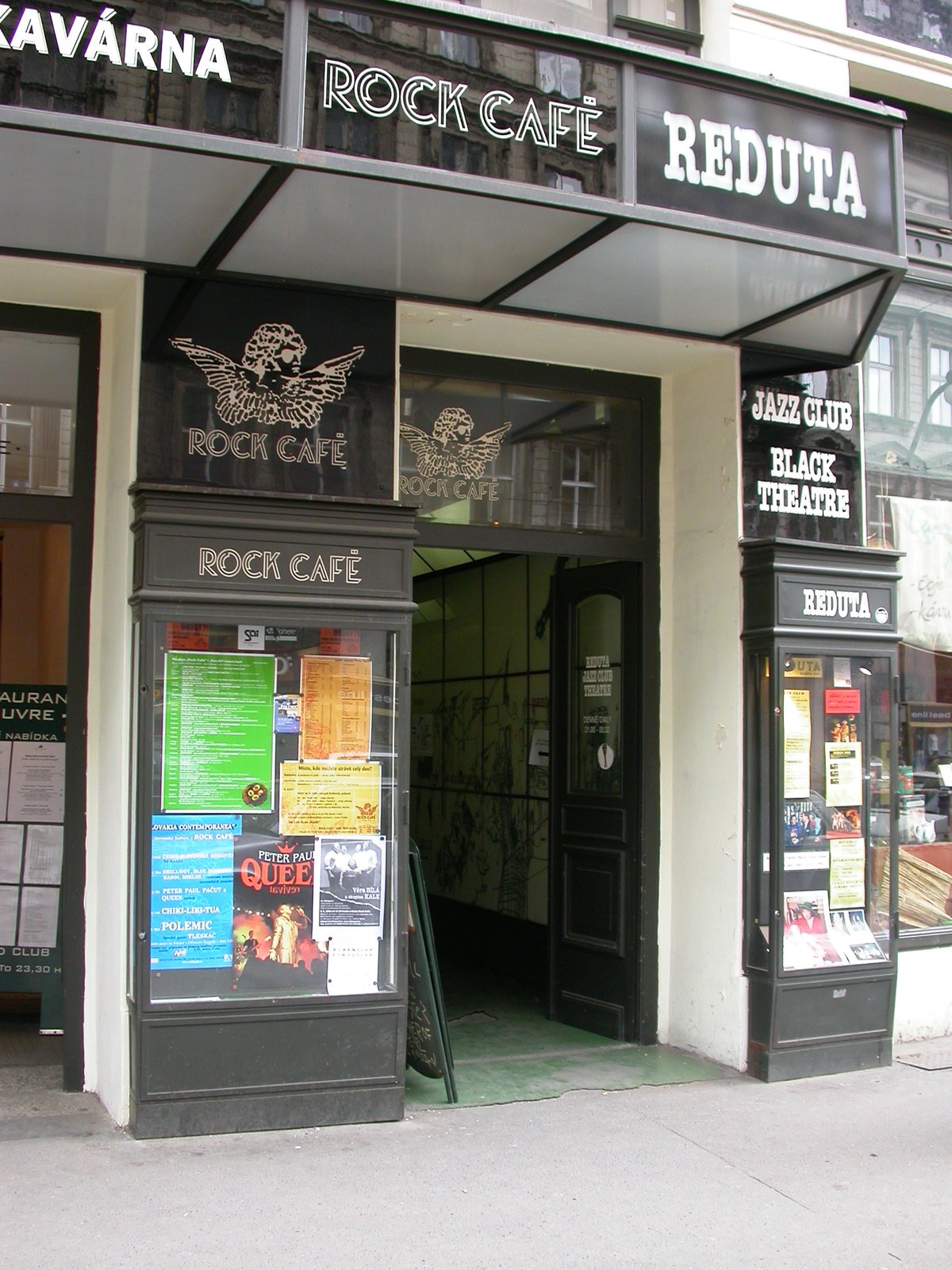
The avenue’s café culture includes the historic Café Louvre and Café Slavia, associated with figures such as Franz Kafka, Albert Einstein, and Václav Havel. The cafés have long been hubs for intellectual and artistic exchange (Living Prague; View from Prague – Historic Cafes). Národní is also home to jazz clubs and regular public events, including Korzo Národní, which commemorates the Velvet Revolution (Living Prague).
A memorial marks the site of the 1989 demonstrations with bronze hands reaching from a wall, commemorating the fight for freedom. Nearby, David Černý’s kinetic sculpture of Franz Kafka pays tribute to the writer and Prague’s modern artistic life (Living Prague).
Practical Visiting Information
Opening Hours and Tickets
- Národní Avenue Open to the public 24/7.
- National Theatre Usually open from 10:00 AM to 6:00 PM for tours and ticket sales; performances are in the evening. Tickets are available online, at the box office, or through authorized vendors. Guided tours cost approximately 200 CZK; tickets for performances are listed from 200 CZK (National Theatre).
- Nová scéna and Laterna Magika Offer performances and exhibitions. Tickets are available online or at the venue; check individual event schedules.
- Municipal House Open daily from 10:00 AM to 6:00 PM. Guided tours are available and start at around 250 CZK (Obecní dům).
- National Museum Open from 10:00 AM to 6:00 PM and closed Mondays. Admission is from 250 CZK (Discovering Prague).
- National Gallery Opening hours vary by branch; tickets cost about 250 CZK.
- Black Light Theatre Evening shows; tickets cost 300–800 CZK.
Several local operators offer walking tours focused on Národní’s architecture and history.
Getting There and Accessibility
- Metro Národní třída station on Line B.
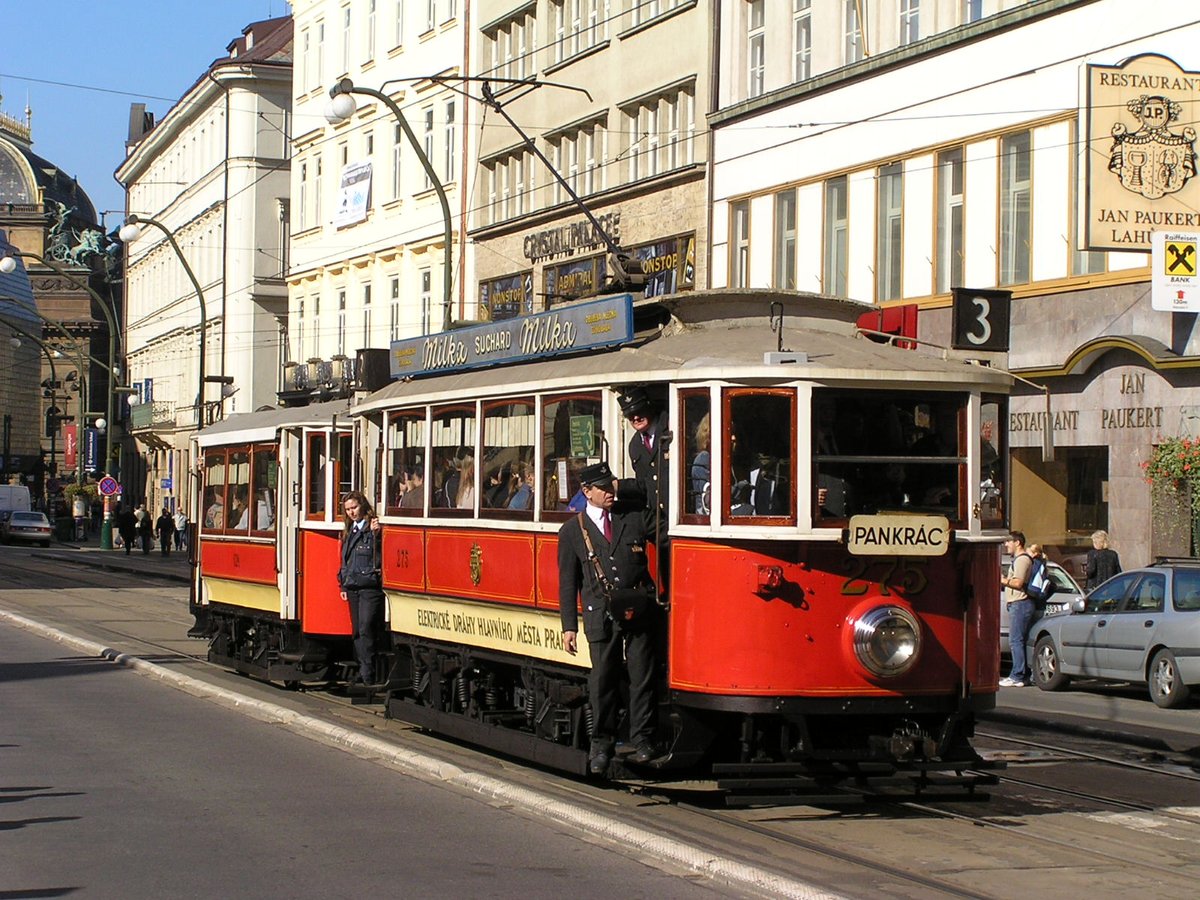
- Trams Lines 9, 18, and 22 stop at Národní třída (Prague.com).
- Transport tickets Valid across metro, trams, and buses; available at stations, kiosks, or via app (Prague.org).
- Walking Old Town Square, Wenceslas Square, and the Vltava River are within easy walking distance (PragueGo).
- Accessibility The street, major venues, public transport stops, and modern trams and metro stations are wheelchair accessible. Some historic buildings and venues may have limitations; check with individual sites.
Emergency and Visitor Services
- Emergency number 112.
- Pharmacies and medical care Available along Národní and in the city centre.
- Tourist information Nearby offices provide maps, tickets, and advice.
Tips for Visiting
Mornings are quieter for sightseeing and photography; evenings are livelier, with performances and illuminated buildings. Late spring to early autumn brings festivals and mild weather, and June is especially lively (Headout).
Dining ranges from historic cafés to modern bistros. Eateries just off the main avenue offer authentic Czech fare (First Step Europe). Shopping includes designer boutiques, local crafts, and a variety of restaurants (Palladium).
Národní is safe, but be alert for pickpockets during crowded events and on trams (Wandertooth). The currency is the Czech koruna (Kč); cards are widely accepted, though small amounts of cash can be useful in cafés. Tipping is usually 10%; tell your server the total you wish to pay (Miss Tourist). Dress is smart casual, and more formal for the theatre.
Festivals and public events, particularly around November 17 and public holidays, bring added activity. Korzo Národní takes place on November 17; summer also brings festivals and open-air concerts (Timeout Prague). Booking theatre and museum tickets in advance, visiting during festivals or commemorative events, and using public transport are among the guide’s recommendations. The Audiala app is also suggested for guides, event updates, and insider tips.
Nearby Places
- Franciscan Garden A quiet retreat near Národní, dating back to the 14th century (Living Prague).
- Slavonic Island (Slovanský ostrov) A riverside park accessible from Národní, with Žofín Palace and regular cultural events.
- Museums and galleries The National Museum and National Gallery branches are nearby, with exhibitions on Czech history and art (Discovering Prague).
Frequently Asked Questions
What are the visiting hours for the National Theatre?
Generally, 10:00 AM to 6:00 PM for tours and ticket sales. Performances are typically in the evening.
Are guided tours available?
Yes. Guided tours are available at the National Theatre and Municipal House, as well as through several walking tours of Národní.
Is Národní Avenue accessible for wheelchair users?
Most major venues and transport stations are accessible, though some historic buildings may have limited access.
What is the best time to visit Národní for events?
November 17, when Korzo Národní takes place, and the summer months for festivals and open-air concerts.
How do I get to Národní by public transport?
Use Národní třída metro station on Line B or tram lines 9, 18, and 22.