
Place
Czech Republic Updated Mar 2026
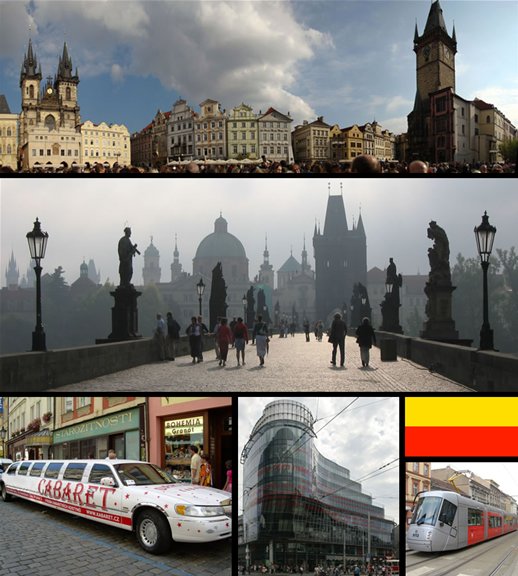
At 6 a.m., Prague smells like wet stone, yeast, and river mist, and for one quiet hour the Charles Bridge belongs to photographers, tram bells, and pigeons instead of selfie sticks. In Prague, Czech Republic, the surprise is how quickly the city flips from Gothic drama to ordinary neighborhood life: one minute you are under the black spires of Týn Church, the next you are choosing pastries in Karlín behind someone walking their dog. Even the famous places feel sharper in person—the Astronomical Clock’s tiny mechanical apostles, the Vltava’s pewter light, the castle walls glowing honey-colored at dusk.
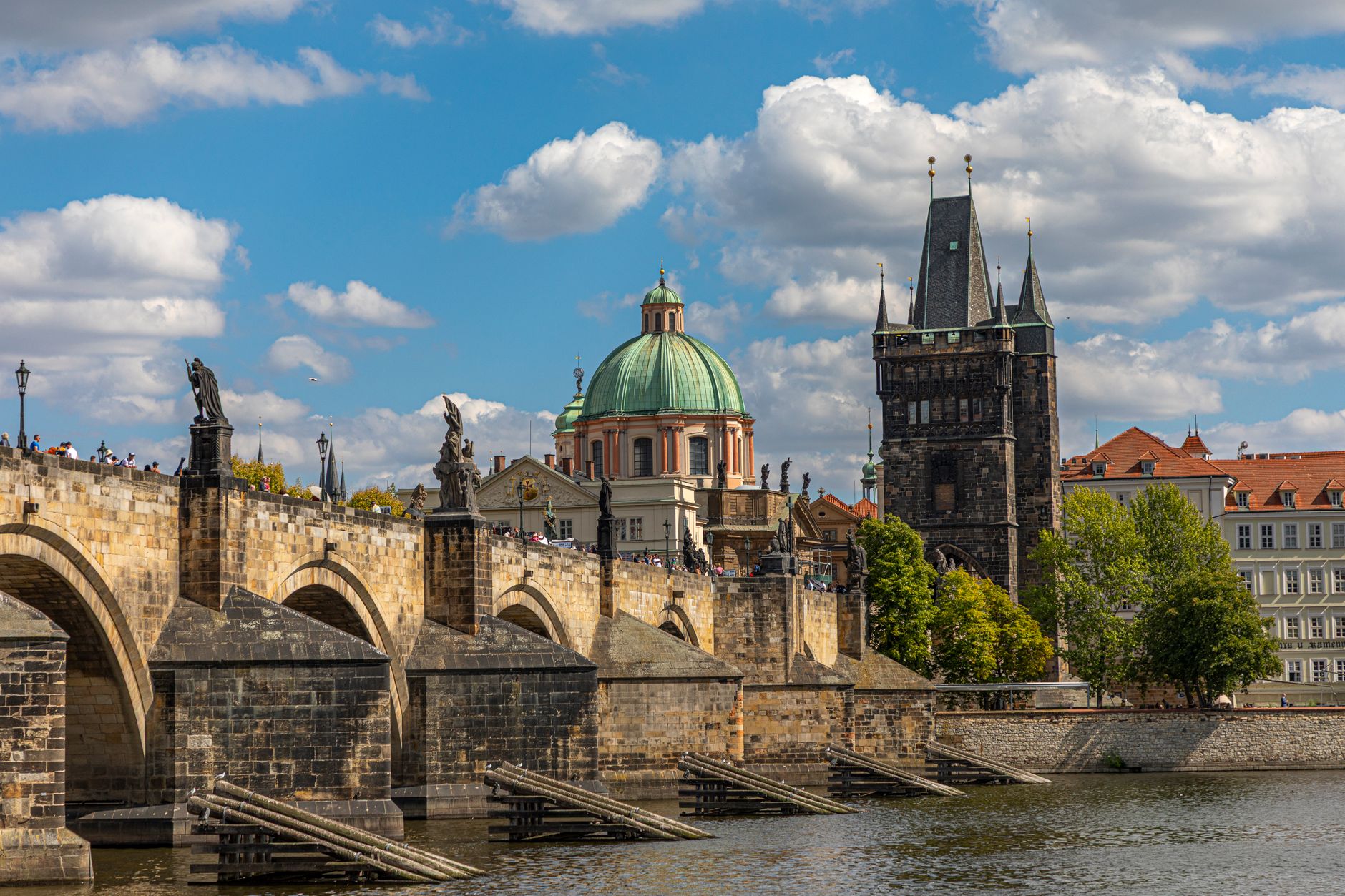 Photo: Frank van Dijk / Pexels
Built from cited sources · see the method · How we make our guides →
Prague rewards travelers who treat it as two cities at once. There is the monumental Prague of Charles IV, the 516-meter Charles Bridge, and the 70,000 m² castle complex above the river; then there is the daily Prague of lunch menus, corner cafés, and evening beer gardens in Letná or Riegrovy sady. If you only collect landmarks, you get the postcard. If you add market mornings at Náplavka or Jiřák, you get the pulse.
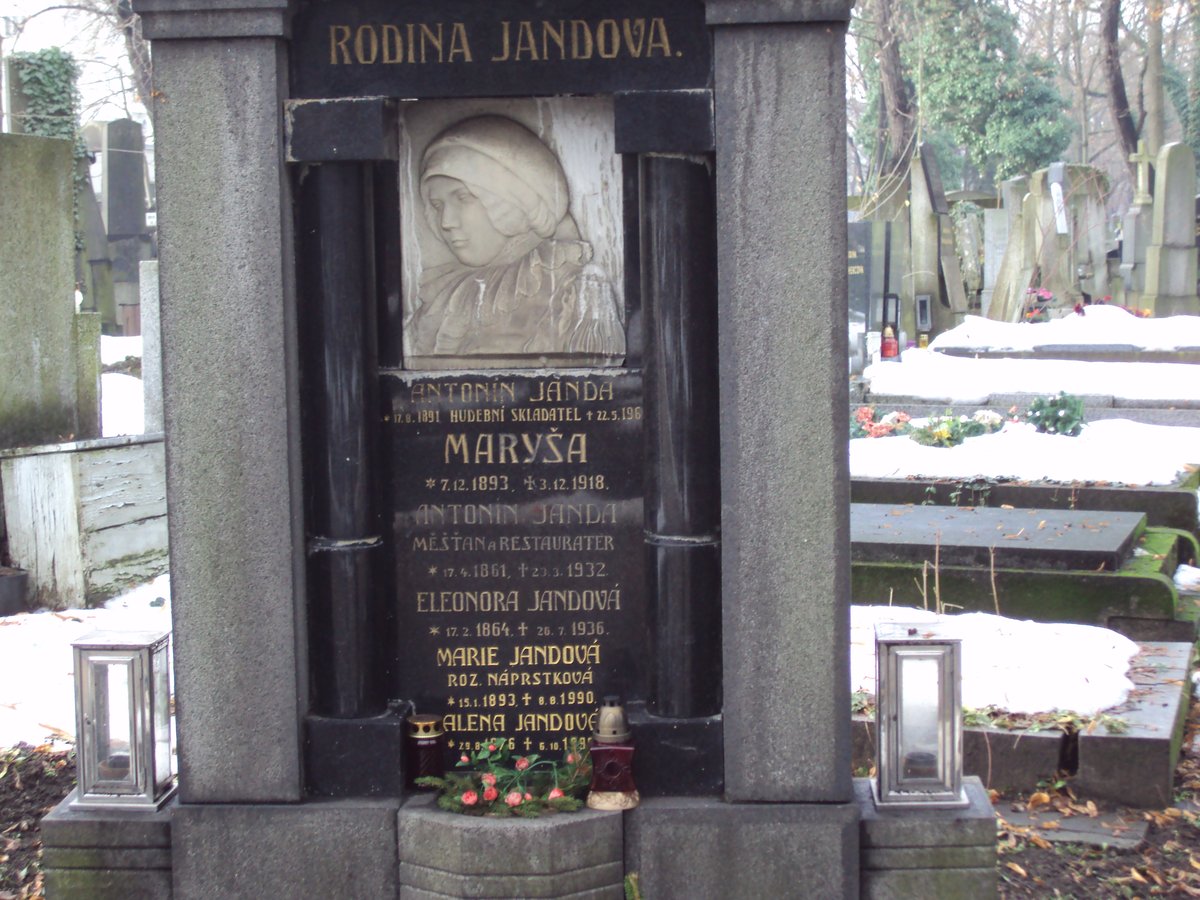
Its history is not tucked behind museum glass—it sits in plain view on streets where people still commute. Wenceslas Square carries the memory of 1968 and 1989; Josefov’s synagogues hold centuries of Jewish life and loss; Vyšehrad’s cemetery reads like a map of Czech culture, from Dvořák to Mucha. This is a city where beauty and gravity share the same block, and that contrast is part of its emotional force.
Food and nightlife now tell a newer Prague story. Old-school Czech dishes like svíčková and vepřo knedlo zelo still matter, but so do modern tasting menus, natural wine bars, and a serious coffee scene in Vinohrady, Holešovice, and Karlín. The most useful strategy is simple: one classic pub, one ambitious contemporary meal, one grand café breakfast, one late music night. Prague opens gradually, and by the third day it stops feeling like a museum and starts feeling lived in.
Not every monument, just the ones we'd walk you past ourselves.
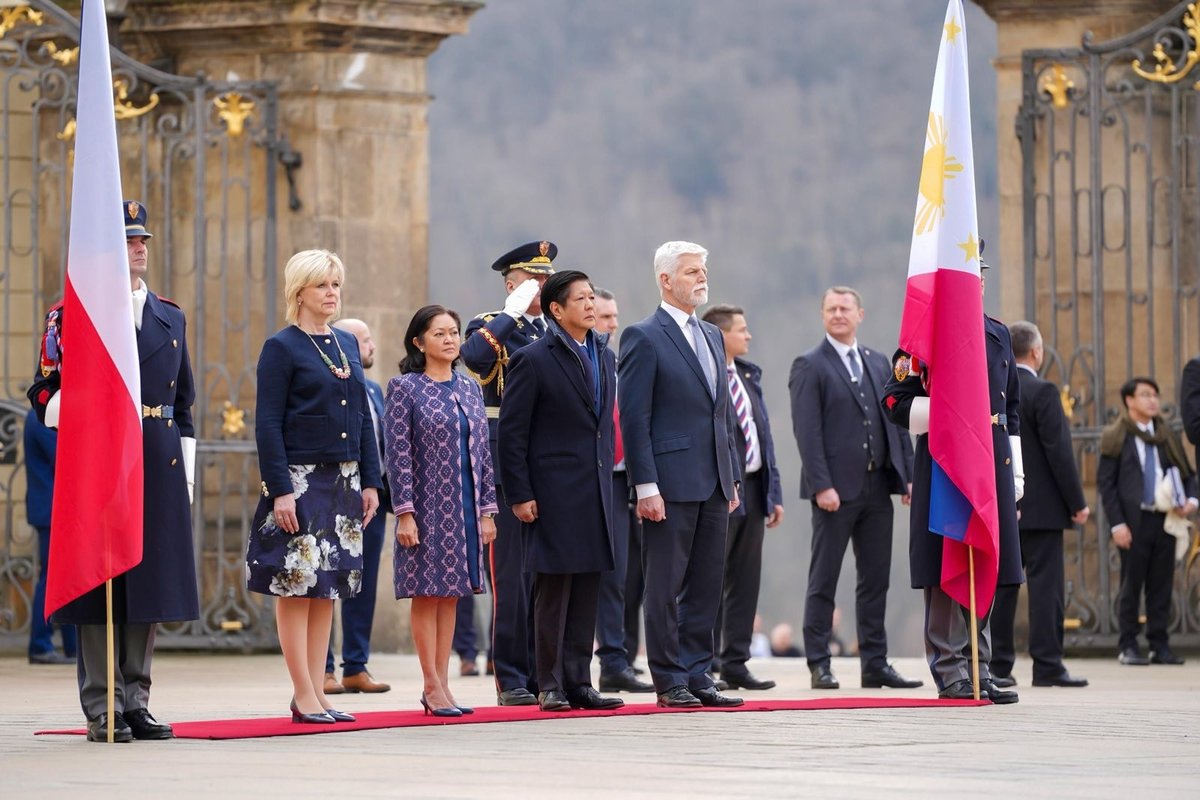
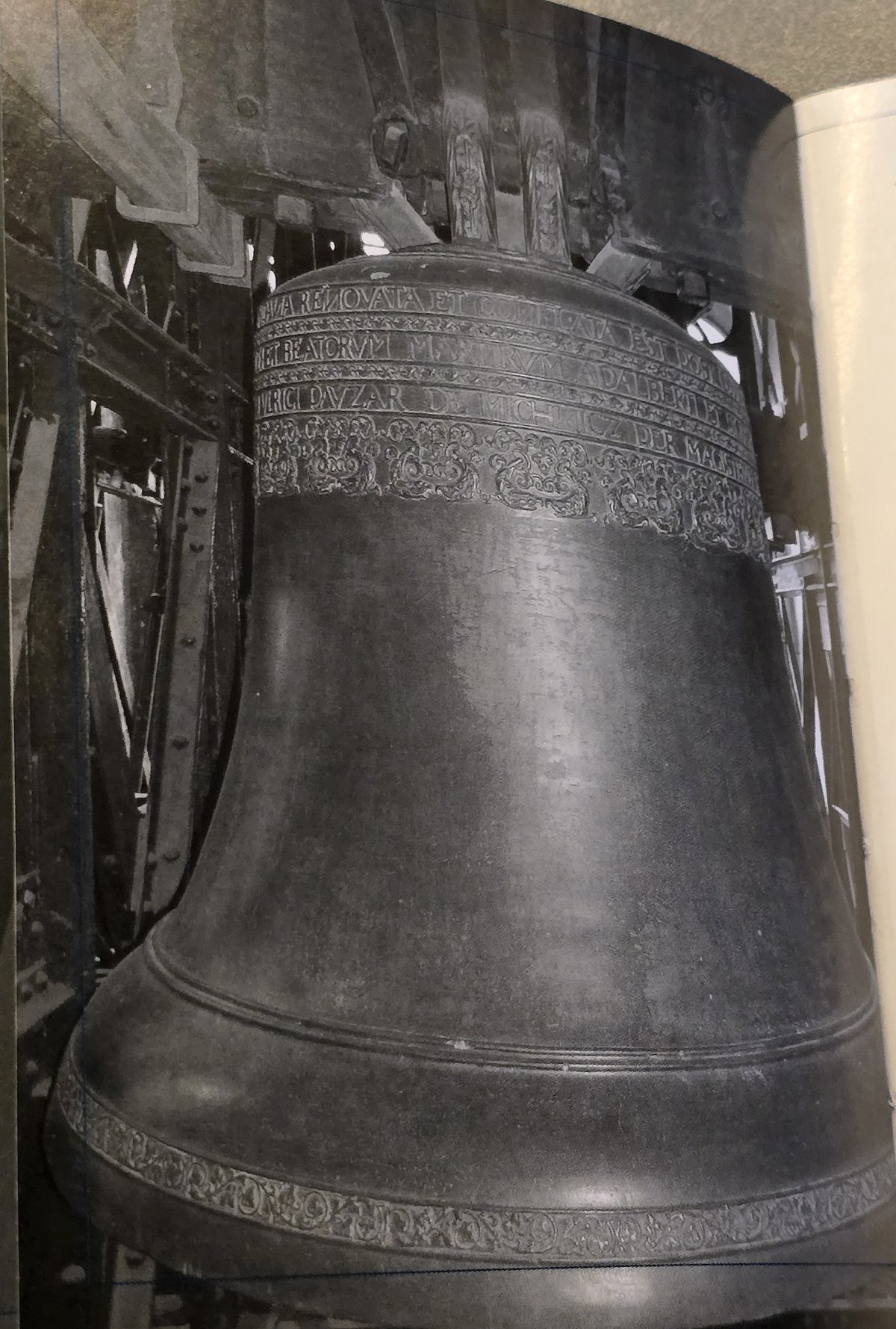
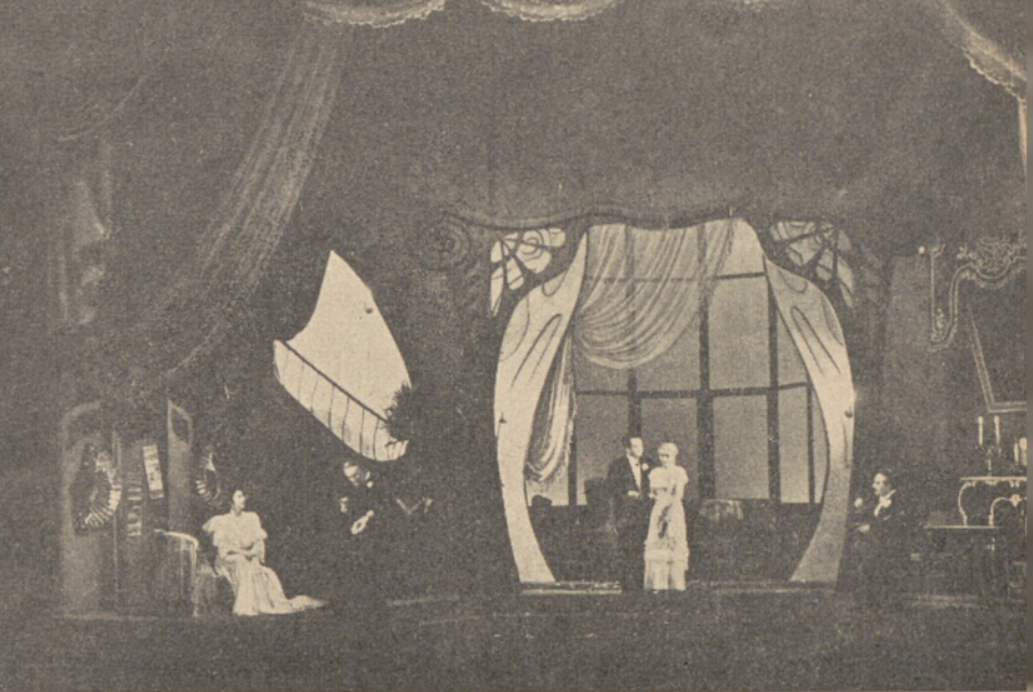
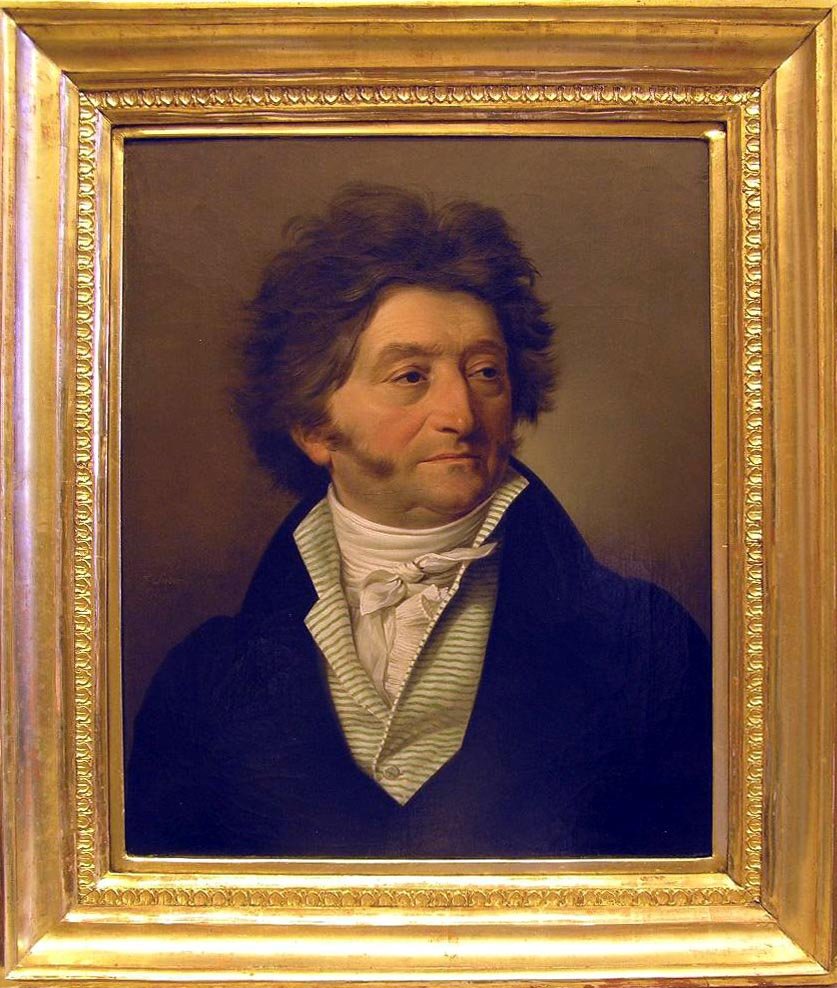
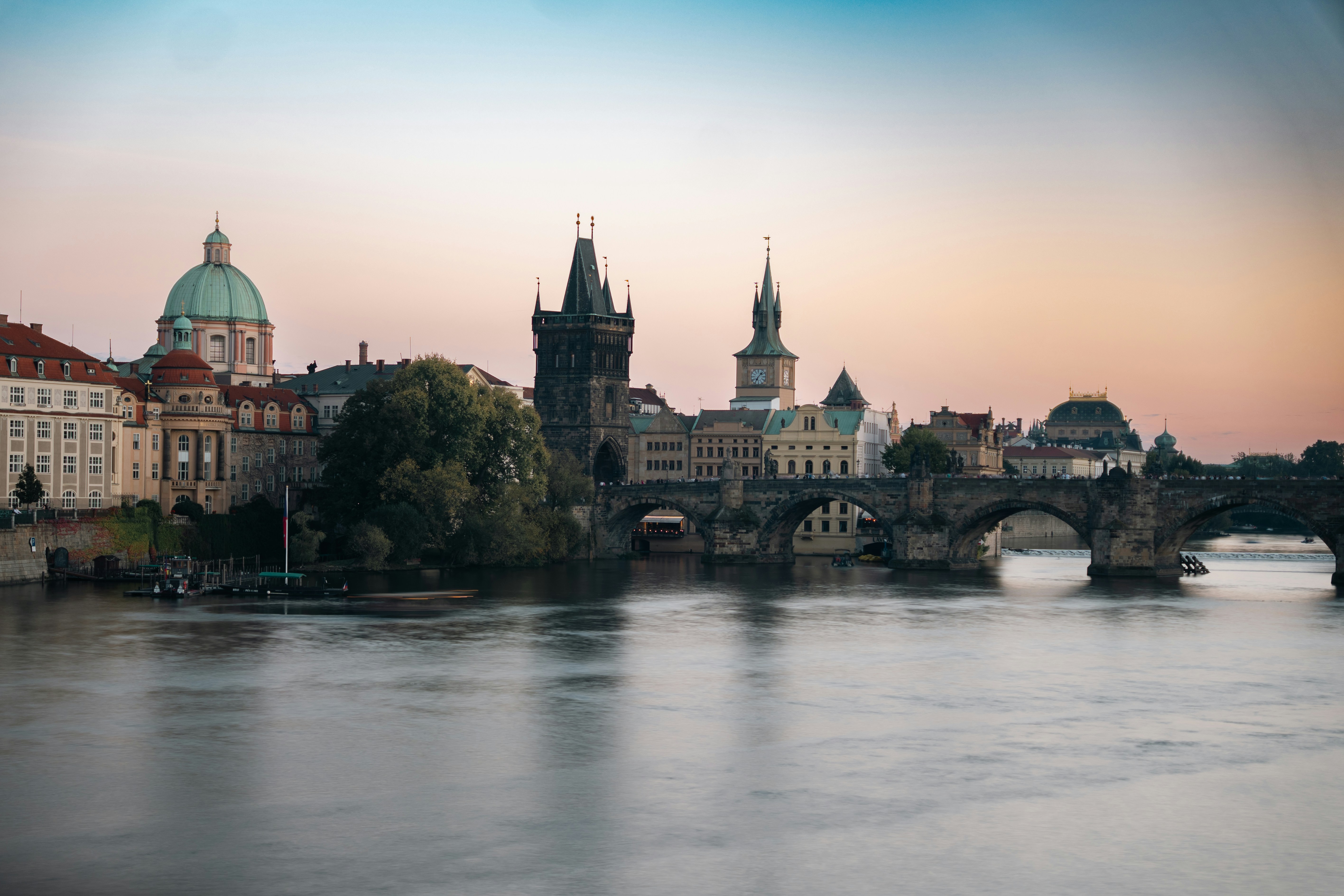
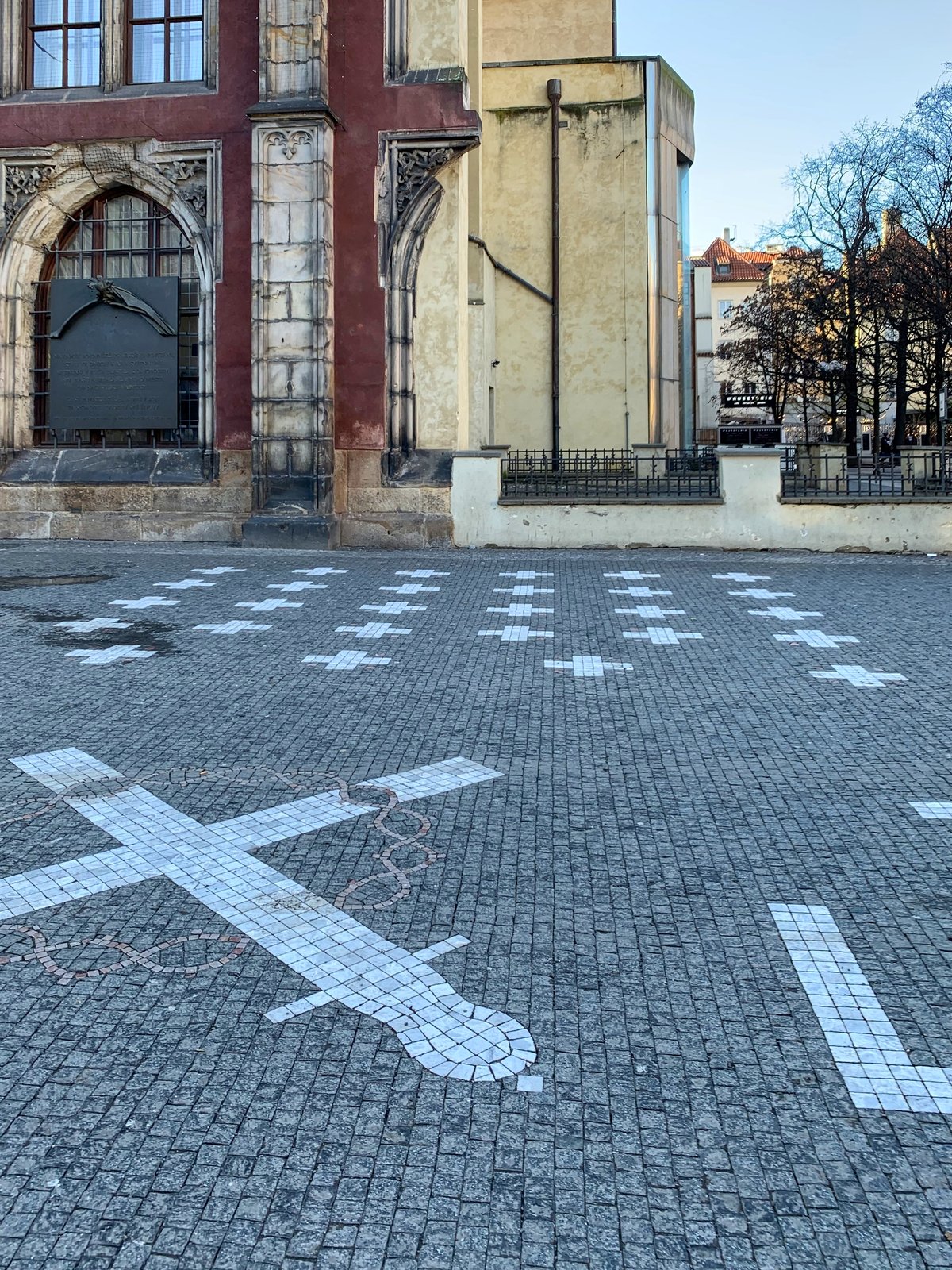
Where to wander, by quarter — each with its own rhythm.
Before you go
Curated from places in this city. Same price as official sites.


Prices shown are indicative — final pricing and availability are confirmed at checkout. Audiala may receive a commission from bookings made via these links.
Holy Roman Emperor and King of Bohemia · 1316–1378
Born here; ruled from Prague
Charles IV treated Prague like a capital of ideas, not just power: he founded Charles University in 1348 and drove the city’s medieval expansion. The bridge that bears his name still choreographs daily life centuries later. He would probably recognize the skyline instantly, then be stunned by how many languages now cross it.
Religious reformer · c. 1370–1415
Studied, taught, and preached in Prague
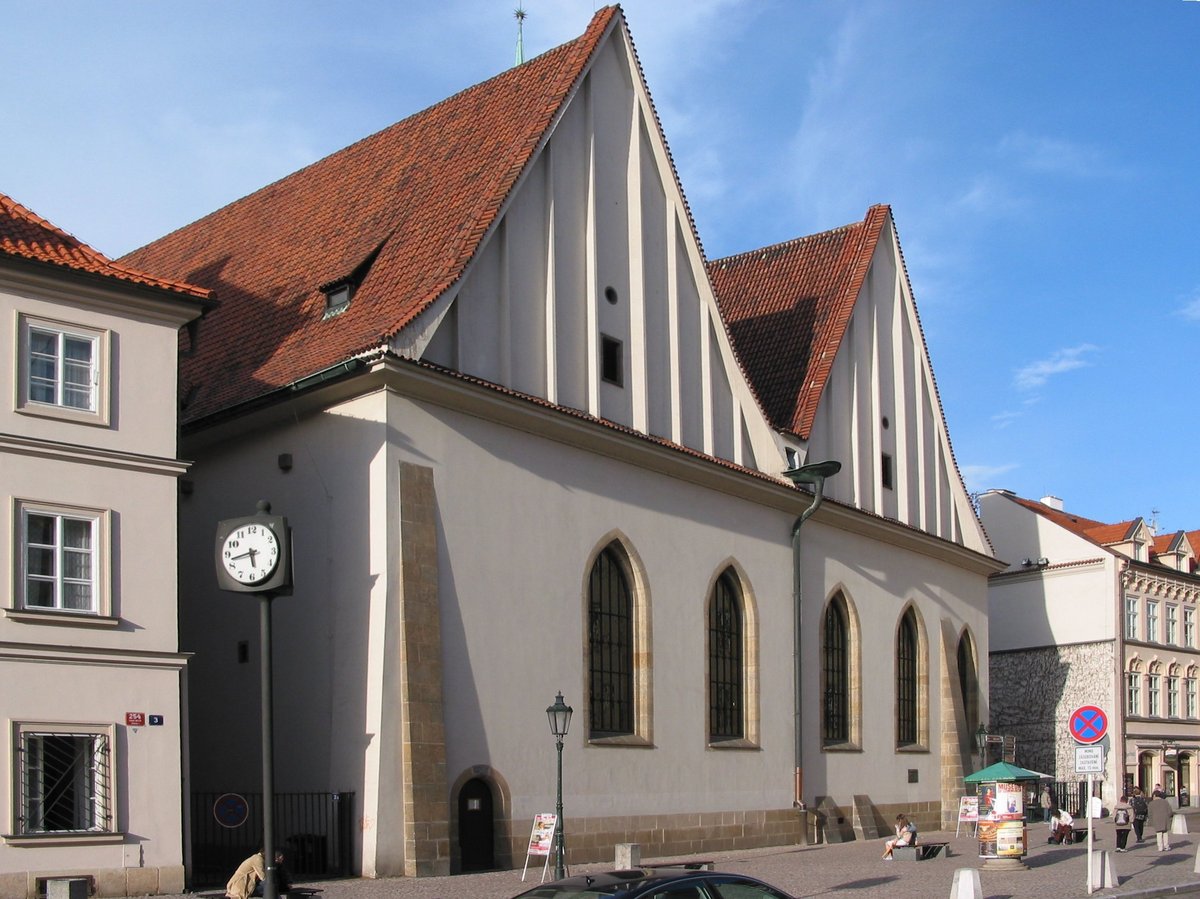
In Prague, Hus moved from scholar to public moral voice, preaching at Bethlehem Chapel and challenging church corruption. His execution made him a martyr, but his arguments never really left the city. In Old Town Square, his monument still feels less like decoration and more like an unfinished conversation.
Astronomer · 1571–1630
Lived and worked here (1600–1612)
Kepler came to Prague to work with Tycho Brahe and, amid court politics and personal hardship, produced the work that became his laws of planetary motion. In this city, precise observation beat inherited certainty. He would likely love today’s night views from the embankments—still a place where people look up and ask better questions.
Composer · 1756–1791
Frequent visitor; premiered Don Giovanni here
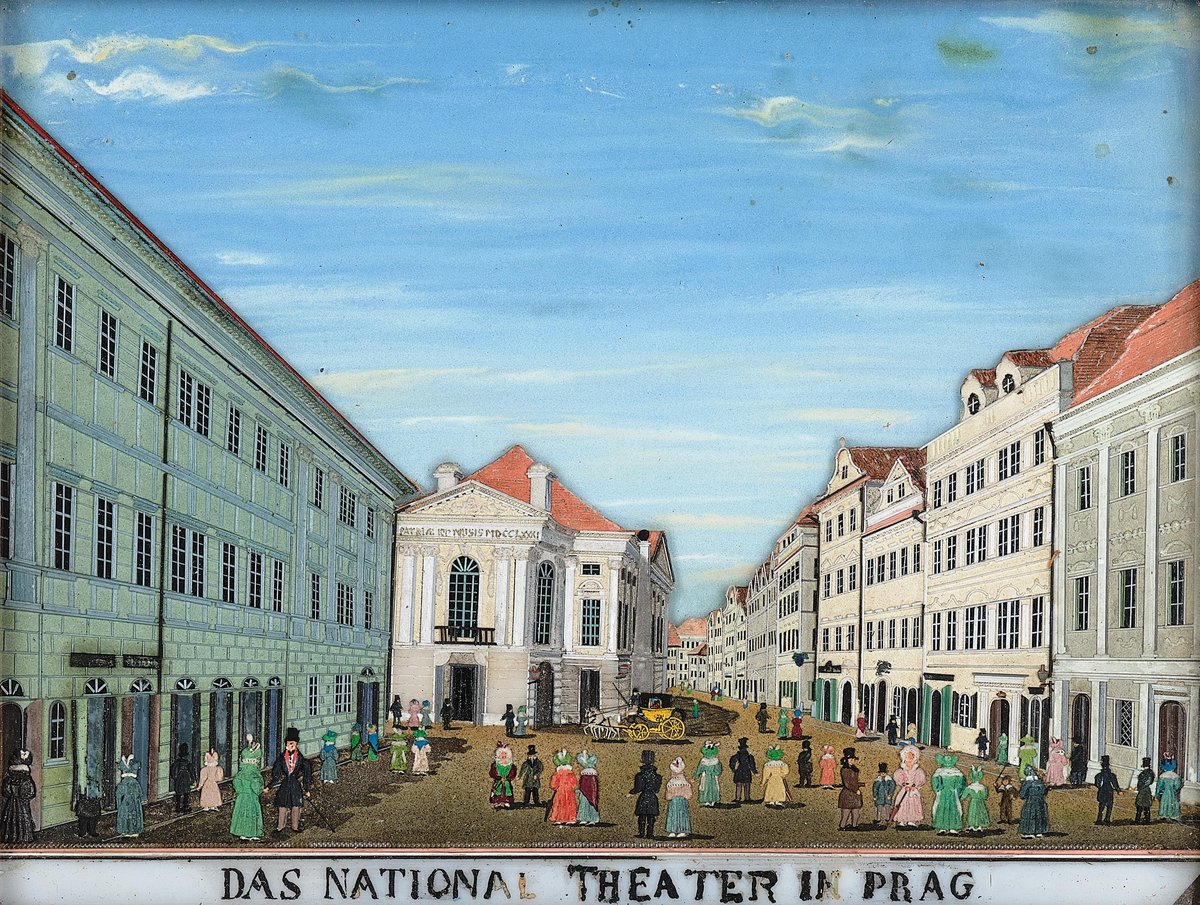
Prague embraced Mozart with a warmth he didn’t always get in Vienna, and Don Giovanni premiered here in 1787 at the Estates Theatre. The city listened hard, not politely. If he returned, he’d probably head straight for that stage and grin at how alive his music still sounds in Prague halls.
Writer · 1883–1924
Born and lived much of his life here
Kafka’s Prague was multilingual, bureaucratic, and psychologically dense—the perfect pressure chamber for his fiction. He walked streets that were beautiful and claustrophobic at once, and both moods still coexist here. Today’s café tables full of laptops and manuscripts would feel very familiar to him.
Art Nouveau artist · 1860–1939
Worked extensively in Prague; died here
Mucha returned from international fame to invest his art in Czech identity, from Municipal House interiors to the St. Vitus window’s glowing color. Prague lets you watch him shift from poster celebrity to civic artist. He would probably be pleased that people still stop, look up, and linger over ornament.
Composer · 1841–1904
Studied, worked, and died in Prague
Dvořák built his career through Prague’s institutions before becoming a global name, carrying Czech melodic language onto the world stage. The city he knew was full of rehearsal rooms, church organs, and ambition. He would hear today’s festival season and recognize the same hunger for live music.
Playwright, dissident, president · 1936–2011
Born here; central figure in Prague’s Velvet Revolution
Havel moved between Prague theaters and prison cells before stepping onto the balcony moments of 1989 that reshaped the country. In this city, language became political action. He would likely remind visitors that Prague’s beauty matters most when it protects open civic life.
Where locals actually book dinner — not the tourist menus.
Small things that change how the city treats you.
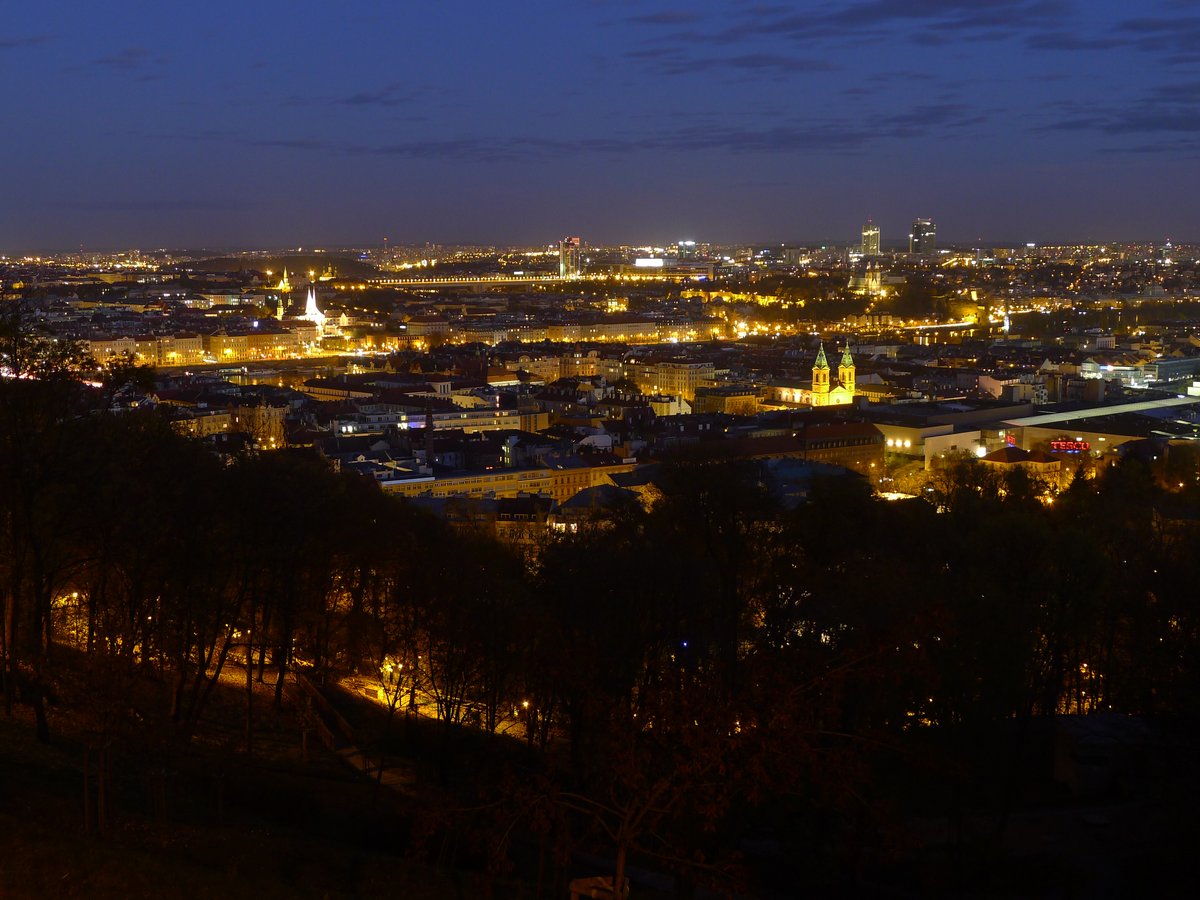
The city, as it actually looks.
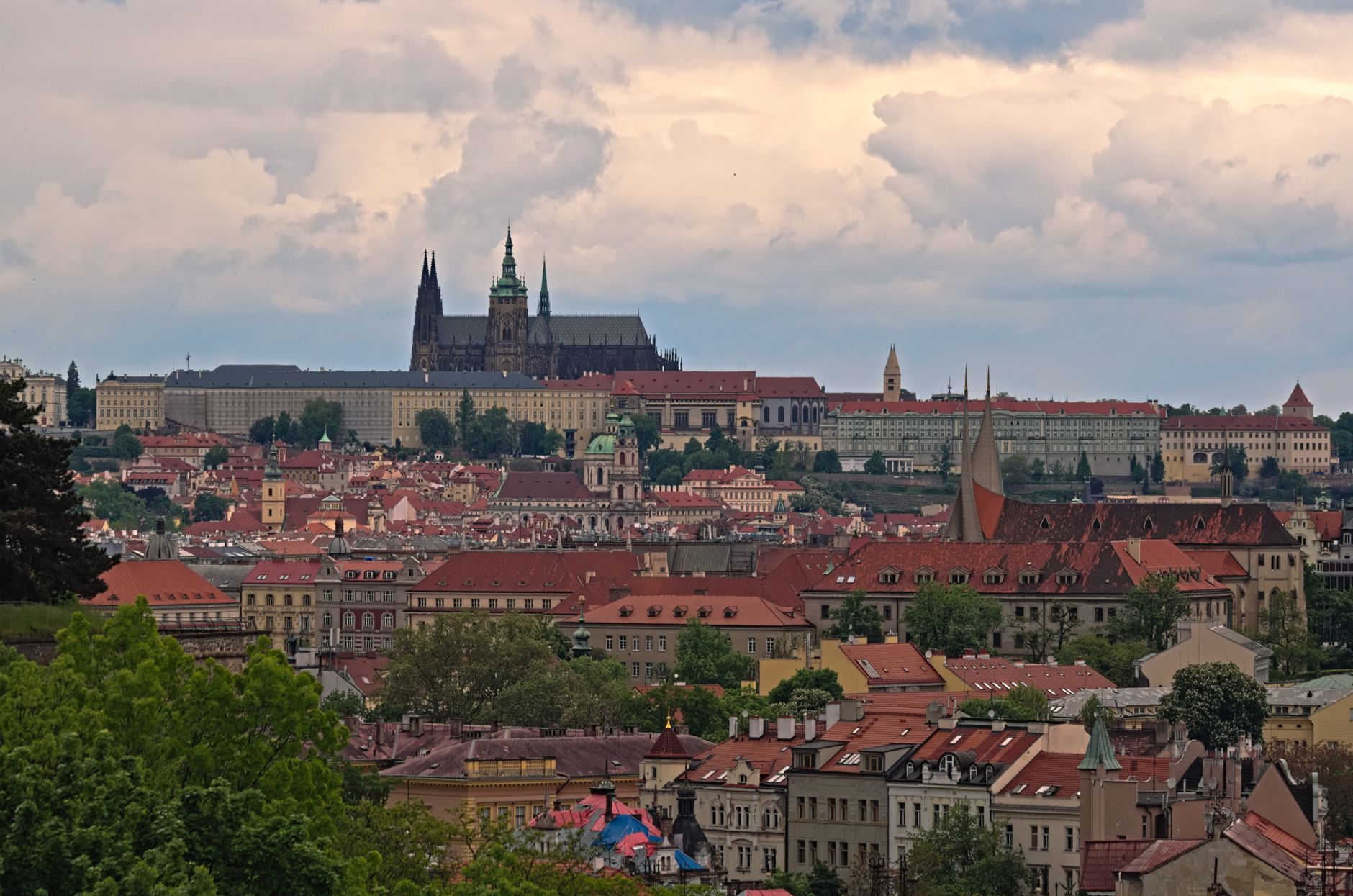

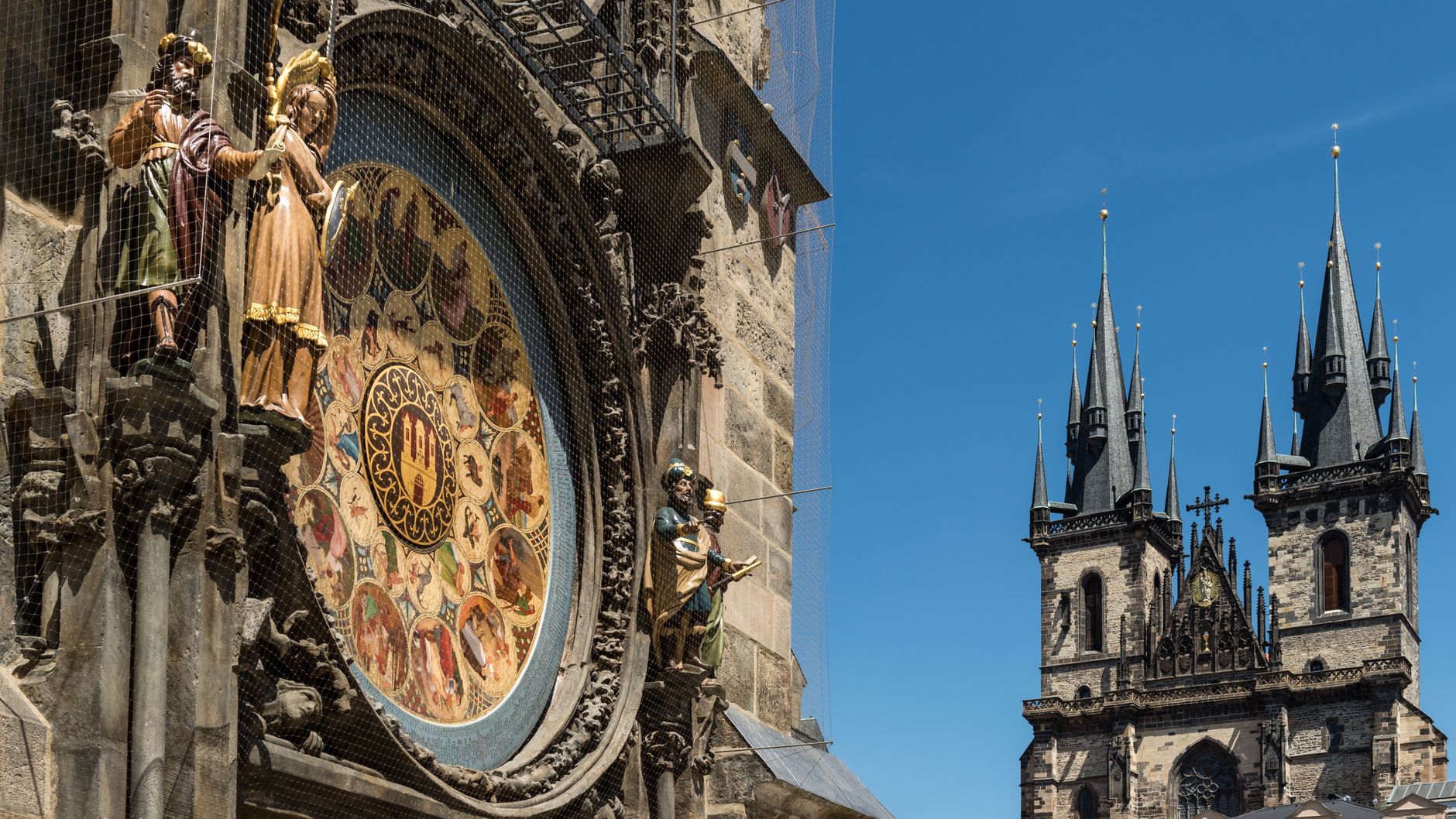


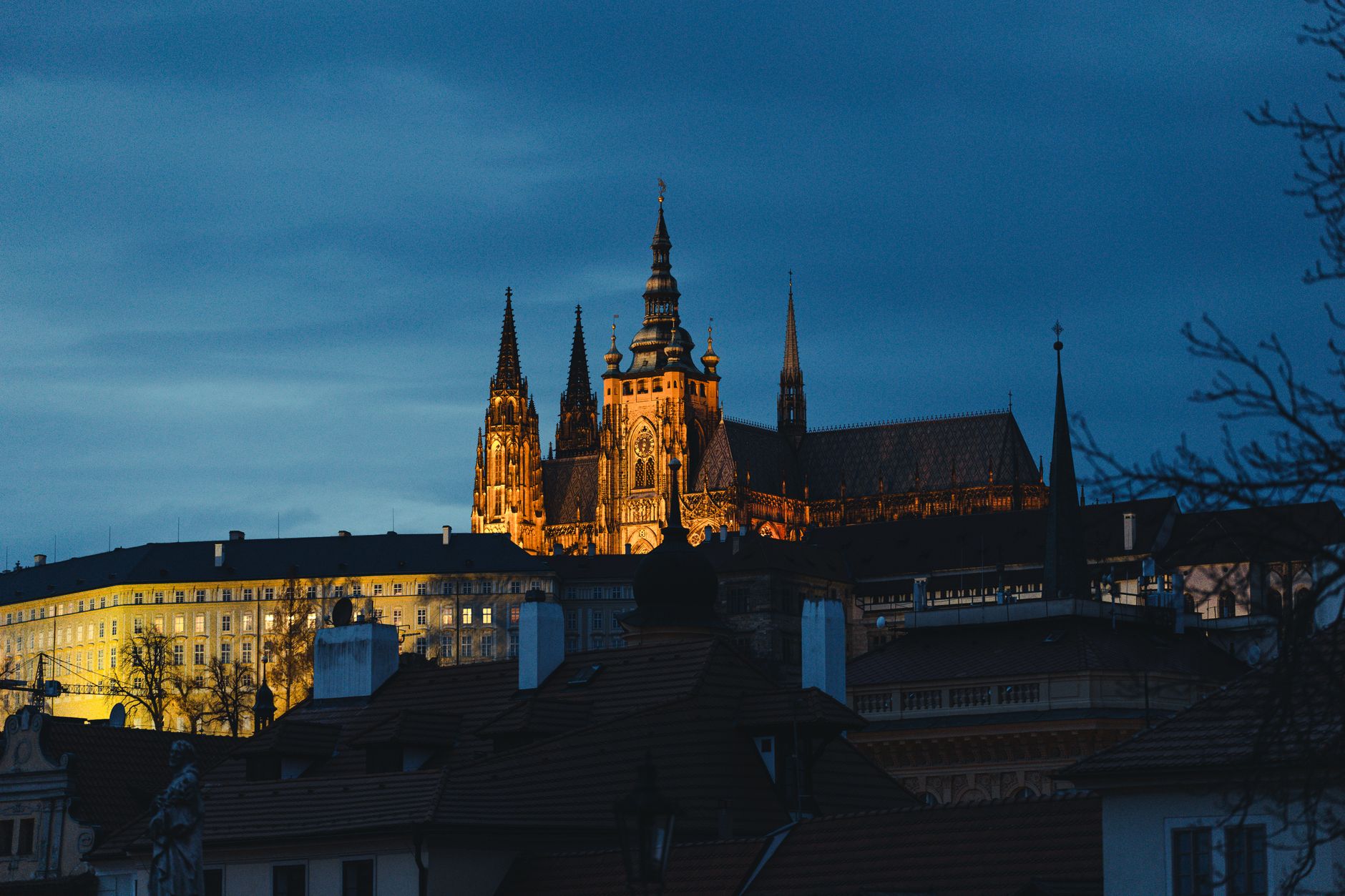

Yes—Prague is one of Europe’s most rewarding city breaks if you balance the historic core with local neighborhoods. You get major landmarks like Prague Castle and Charles Bridge, plus strong café, beer, and contemporary food scenes. It works equally well for architecture lovers, music fans, and travelers who just want to wander.
Three to four days is the sweet spot for most travelers. That gives you time for the Old Town, Castle District, Josefov, and at least one slower day in areas like Vinohrady or Holešovice. With 5+ days, you can add museums, concerts, and a more local food itinerary.
Prague is generally safe, including for evening walks in central areas. The main issues are petty theft in crowded zones and late-night hassle in heavily touristed strips, especially parts of lower Wenceslas Square. Use normal big-city awareness, keep valuables secure, and choose licensed transport late at night.
Prague can be moderate or pricey depending on where you eat and sleep. You can save significantly with weekday lunch menus, public transport, and neighborhood restaurants outside the most touristed streets. Landmark entries vary, with major-ticket examples like Prague Castle circuits around CZK 250–350.
Use Prague’s integrated public transport network—metro, trams, and buses are the default local choice. The center is walkable, but trams are especially useful for crossing districts quickly and avoiding surge-priced rides. For most visitors, a transit pass plus walking covers nearly everything.
Start with svíčková, vepřo knedlo zelo, roast duck, and goulash in a good pub, then add modern Czech tasting menus if you want contrast. For sweets, target koláče and proper café desserts rather than street-trdelník stands. Prague’s food identity is strongest when you mix old-school beer halls with newer bakery and coffee culture.
Yes for popular restaurants and key heritage sites in peak periods. Places like Lokál, U Kroka, Field, and La Degustation are much easier with reservations, and Jewish Quarter sites can have capacity limits. For Charles Bridge and Old Town Square, timing matters more than tickets—go early.
585 places to discover




Showing 1–48 of 585 places
Saved and recently read places — kept on this device only.
Photos may have been resized or cropped.