
Origins and Founding
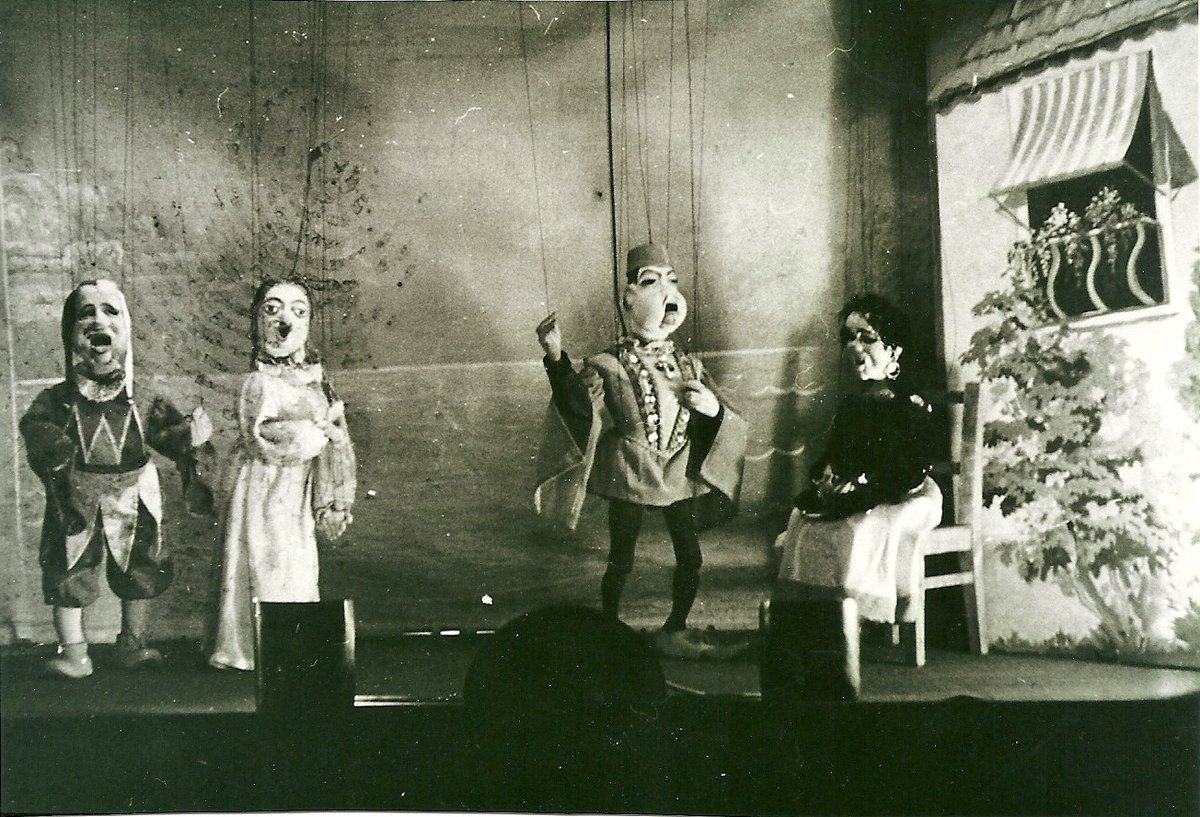
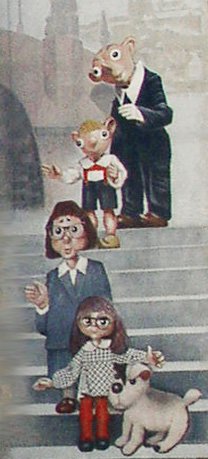
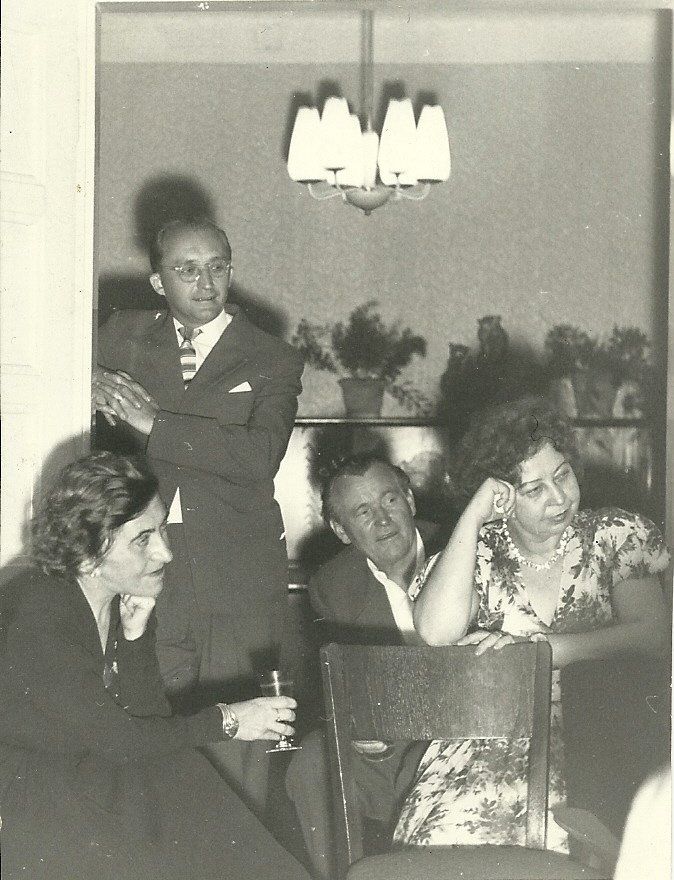
The Spejbl and Hurvínek Theatre’s story begins in Plzeň in 1930, when Josef Skupa, a visionary artist and puppeteer, established the first modern professional marionette theatre in Czechoslovakia. Skupa’s collaboration with woodcarvers Karel and Gustav Nosek led to the creation of the now-iconic characters: Spejbl—a comically awkward father—and his mischievous son, Hurvínek. These characters quickly gained popularity for their humorous, satirical dialogues, which cleverly reflected the concerns and quirks of Czech society (UNIMA, Wikipedia).
Development Through Turbulent Times
During the 1930s and 1940s, the theatre expanded its repertoire and character “family,” introducing figures such as Mánička and the dog Žeryk. Its blend of social satire and family entertainment garnered widespread acclaim, with performances broadcast on radio and distributed via gramophone records and film (Radio Prague International). The Nazi occupation posed significant challenges: the theatre’s satirical edge drew unwanted attention from authorities. In 1944, Skupa and his troupe were arrested and imprisoned for listening to foreign broadcasts, yet they continued to perform for fellow prisoners, safeguarding their craft through adversity (Expats.cz).
Post-War Rebirth and Move to Prague
After World War II, Skupa relocated the theatre to Prague in 1945. This period marked a new chapter, with the theatre reinventing itself amidst political changes. While the repertoire shifted towards children’s stories to avoid ideological scrutiny, social satire soon returned, notably with the play “Spejbl on Venus,” a critique of Stalin’s cult of personality (UNIMA).
Artistic Evolution and International Recognition
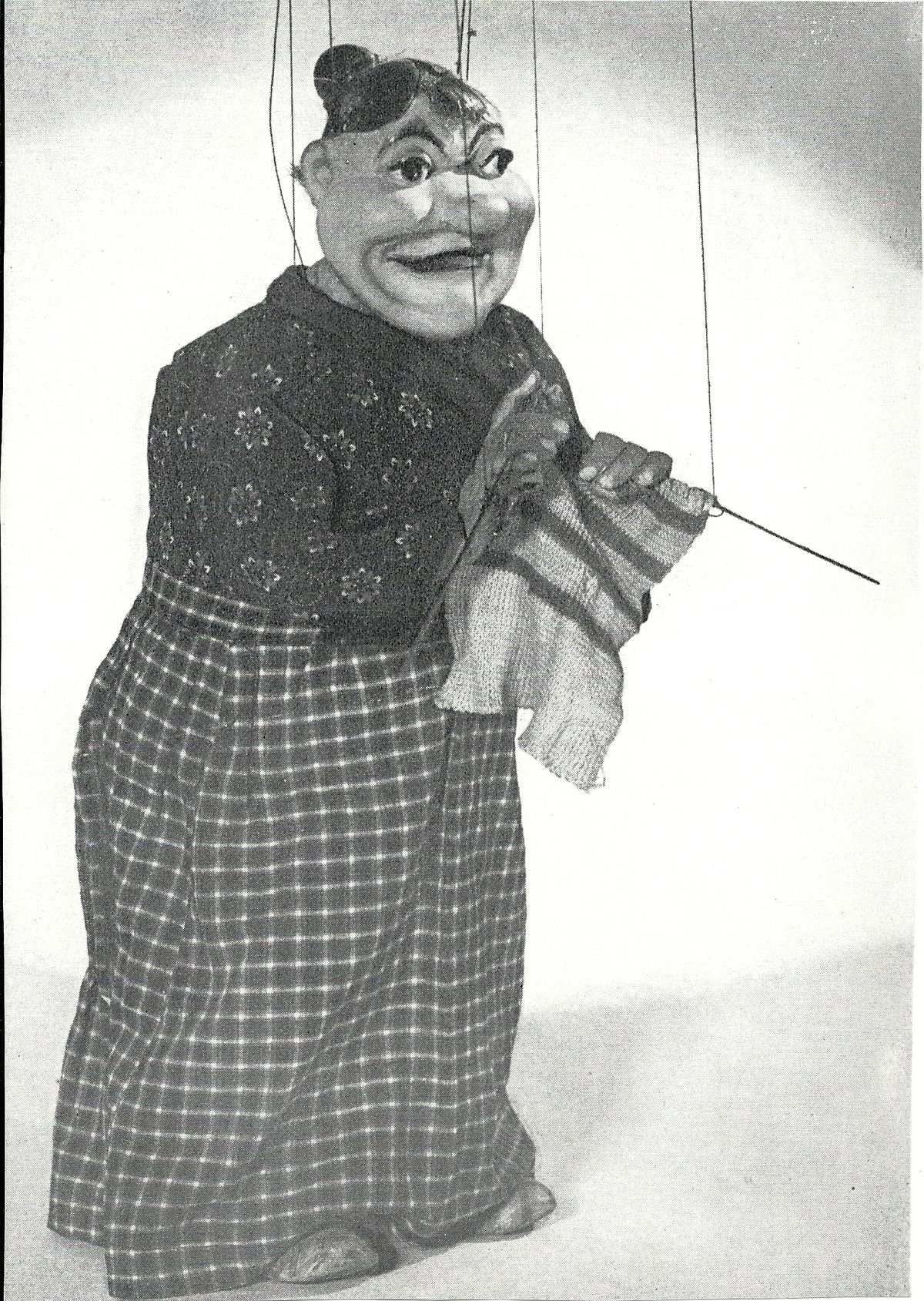
The theatre’s post-war evolution was shaped by artistic experimentation and international outreach. Under the leadership of Jan Dvořák and Miloš Kirschner, and later Helena Štáchová, the troupe embraced new staging techniques and philosophical themes. The introduction of female characters like Mánička and Mrs. Kateřina broadened its appeal. The company toured extensively, performing in over 30 countries and in more than 20 languages, elevating Czech puppetry’s global profile (UNIMA).
Modern Leadership and Legacy
Following the death of Miloš Kirschner in 1996, Helena Štáchová took the helm, guiding the theatre through renewal and legal battles to secure the rights to its beloved characters. Today, Martin Klásek voices Spejbl and Hurvínek, and Denisa Kirschnerová, daughter of Miloš Kirschner, continues as dramaturge, ensuring the theatre’s tradition endures while adapting to contemporary audiences (FeelHome).
Cultural Significance
The Spejbl and Hurvínek Theatre is a symbol of Czech puppetry and national identity. Its characters embody intergenerational dialogue, wit, and resilience—values that have helped preserve the Czech language and culture during periods of oppression. The theatre’s subtle satire provided a form of resistance during both Nazi occupation and Communist censorship, making it much more than just a venue for entertainment (Expats.cz, View from Prague).
Recognized by UNESCO as an Intangible Cultural Heritage, Czech puppetry owes much of its status to the pioneering work of Spejbl and Hurvínek Theatre. Its educational programs, workshops, and collaborations with schools further cement its role as a cultural and artistic hub (trips-tickets.com).
Visitor Information
Location and Access
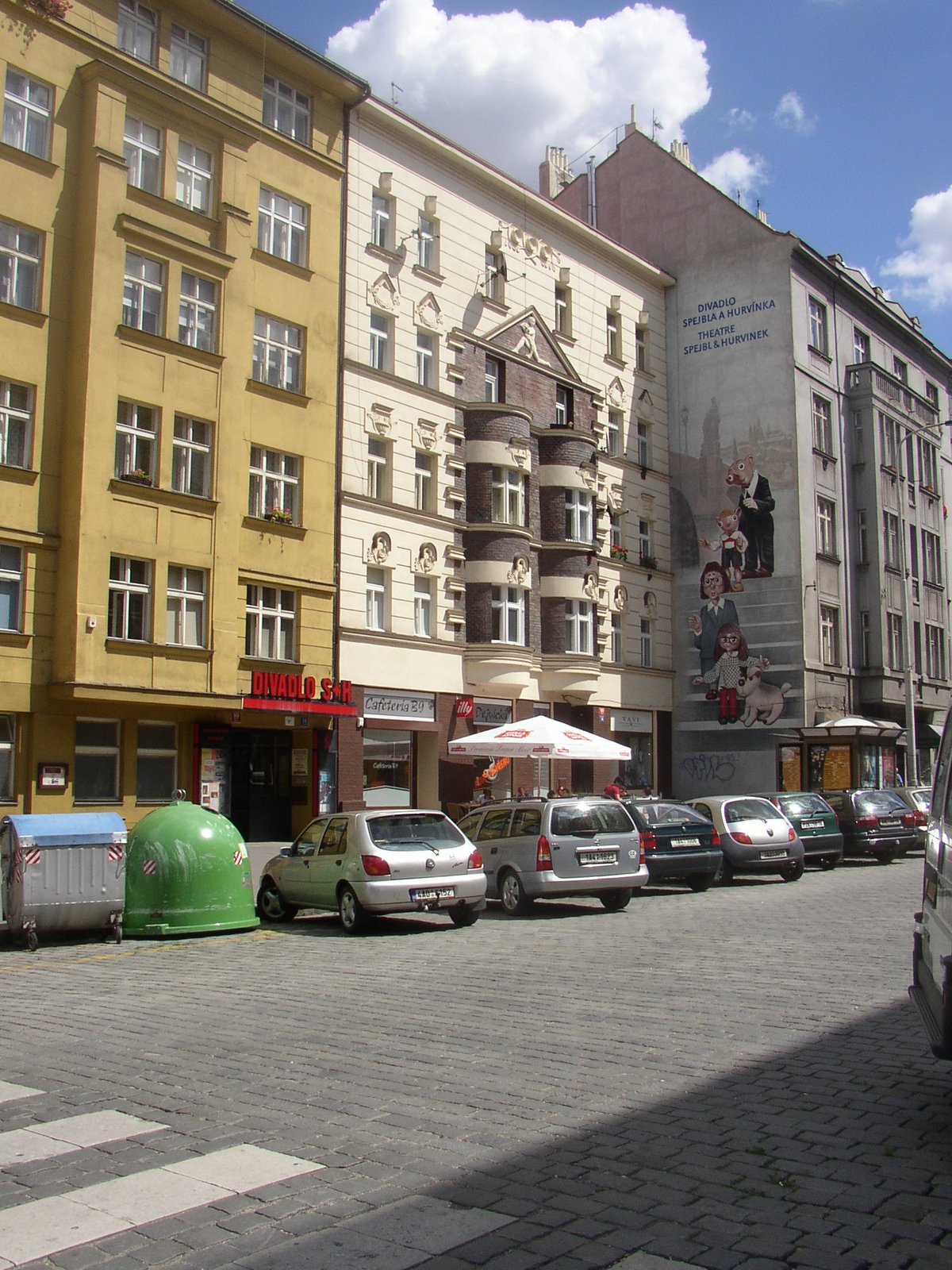
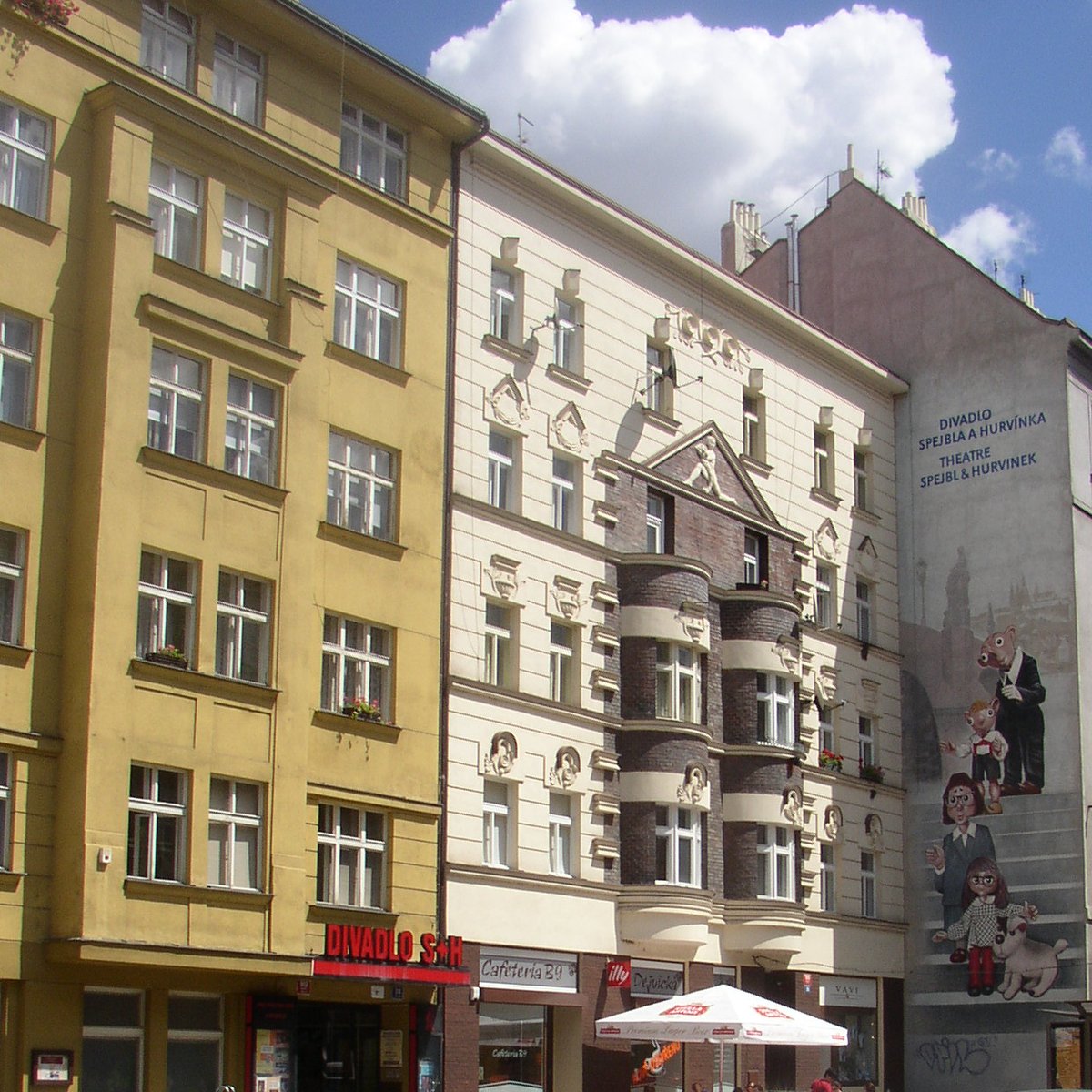
The theatre is centrally located in Prague’s Dejvice district at Křižíkova 10, Prague 8 (note: verify the address as some sources mention Husova 156/20, Prague 6—always check the official theatre website for current details). It is easily accessible by public transport, including metro and tram lines. The Hradčanská stop is the closest major transit point (intravel.net).
Opening Hours
- Performances Tuesday to Sunday, typically starting at 4:00 PM and 7:00 PM.
- Box Office Opens 1 hour before showtime and closes shortly after the performance begins.
- Closed Mondays and on some holidays.
- Always check the official program for the current schedule, as hours may vary for special events or holidays.
Tickets and Booking
- Prices Adult tickets range from 150–350 CZK; discounts for children, students, seniors, and groups are available.
- Booking Purchase tickets in advance online via the official website or at the theatre box office (credit cards accepted).
- Family and group packages are often available.
- Early booking is recommended, especially during peak seasons (kidpassage.com).
Accessibility
- The theatre is wheelchair- and stroller-accessible.
- Facilities for visitors with disabilities are available; contact the box office for specific needs.
- Booster seats, child-friendly amenities, and accessible restrooms are provided (intravel.net).
Facilities and Family Features
- The lobby often features mini-exhibitions or a puppet museum, enriching the cultural experience.
- Restrooms are equipped with changing tables.
- A souvenir shop offers marionettes, books, and memorabilia.
Performance Experience
- Show Content Most performances are in Czech, but selected shows include English narration or subtitles, particularly in tourist seasons. Many shows are non-verbal or visually engaging, making them accessible to non-Czech speakers.
- Audience Engagement Productions are interactive, inviting laughter and participation from children, while adults appreciate the layered satire.
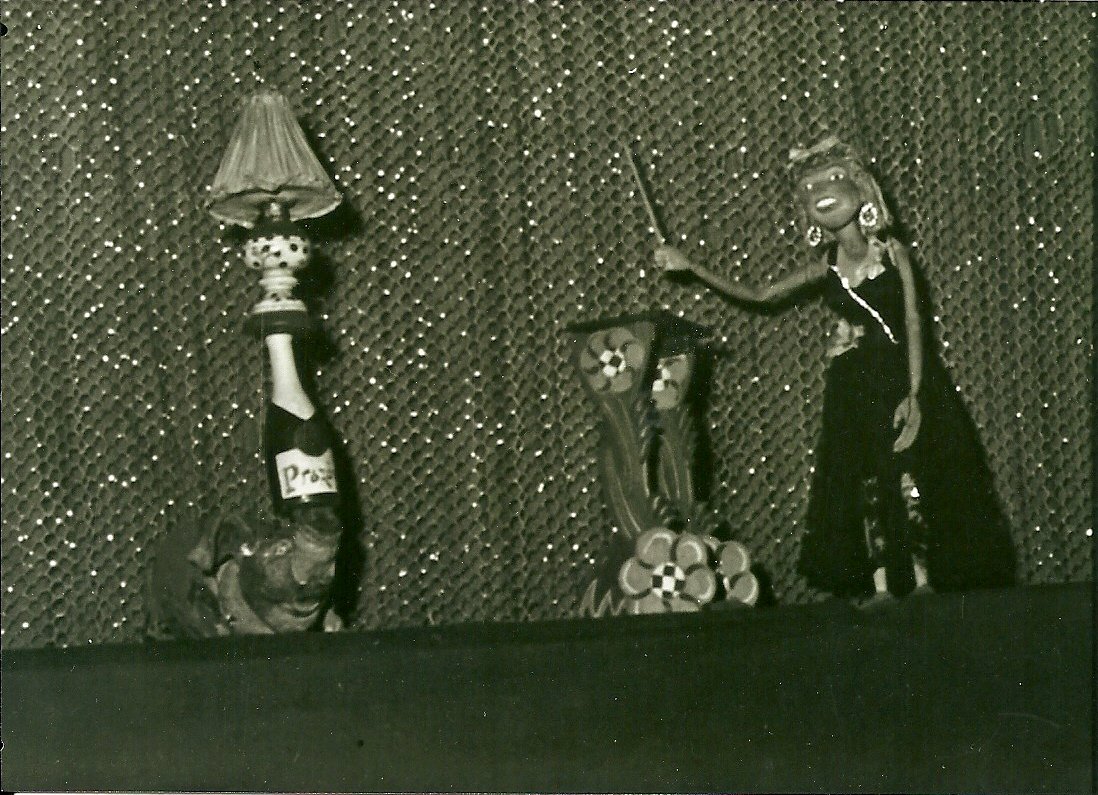
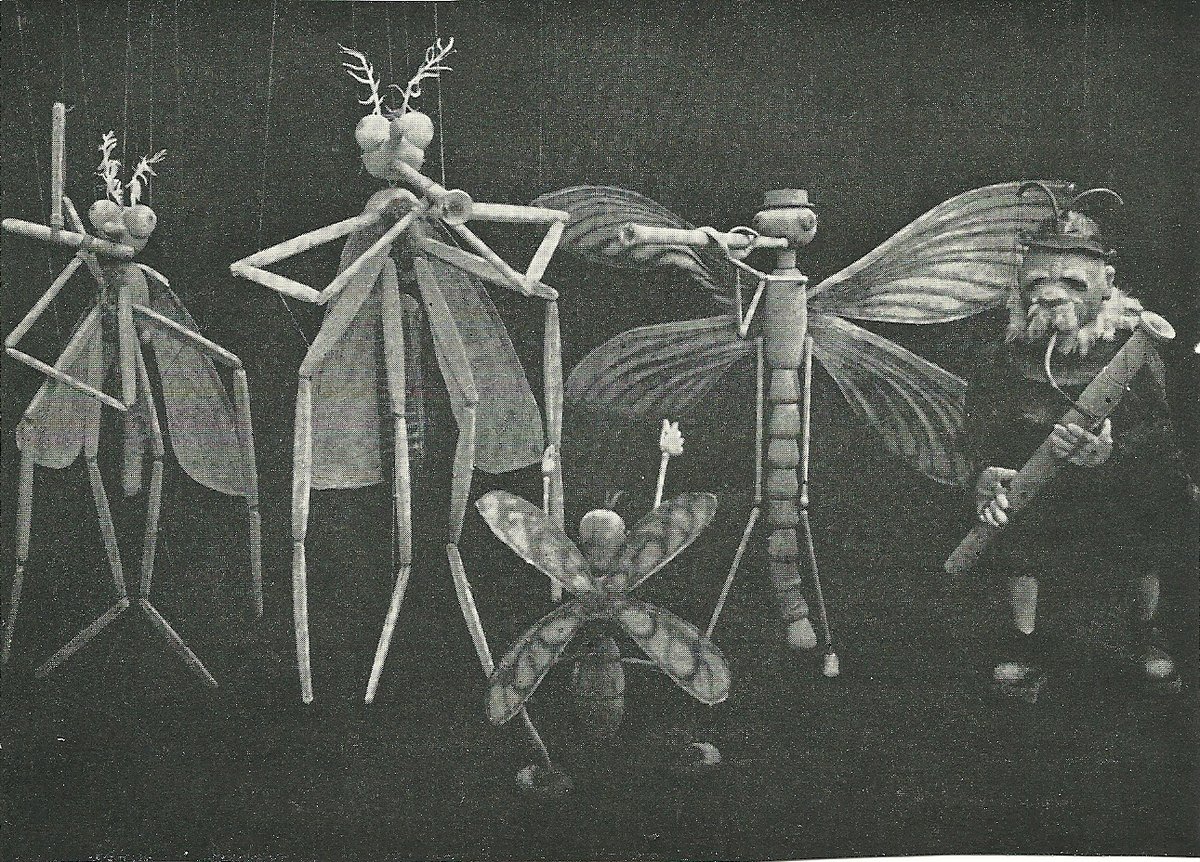
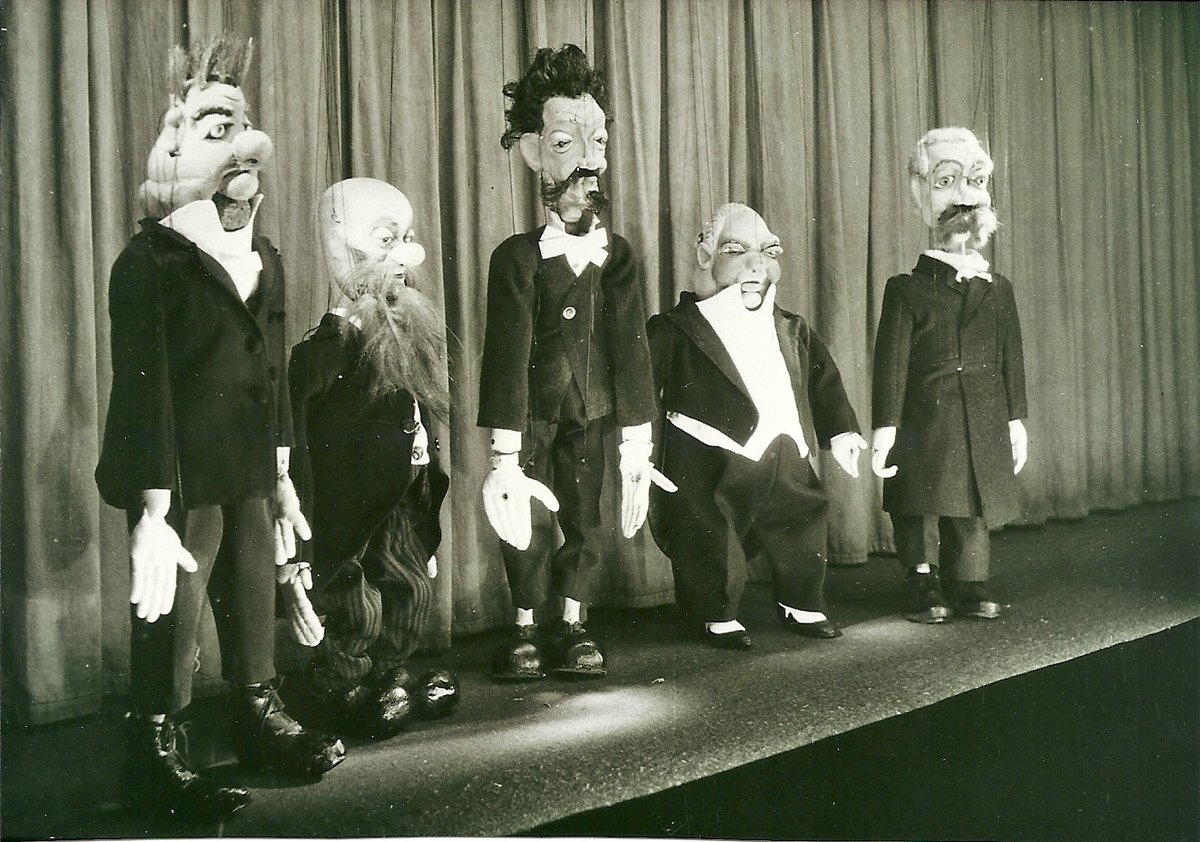
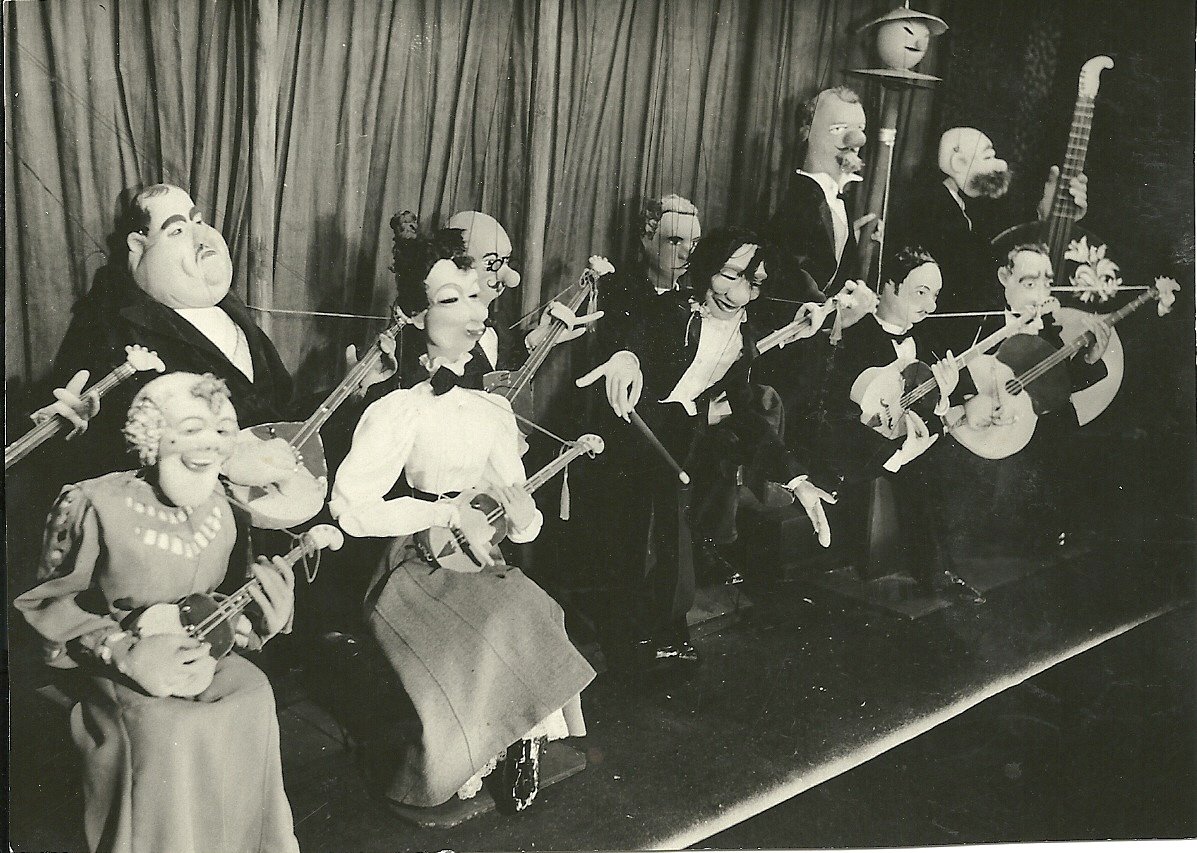
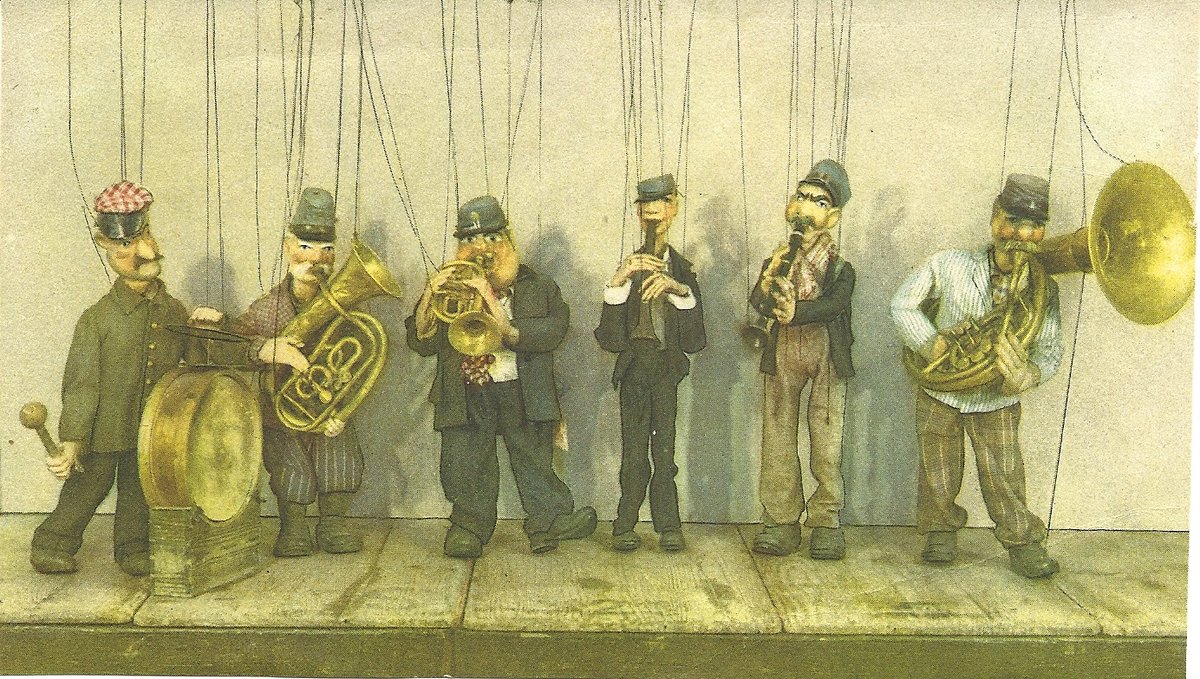
- Craftsmanship The marionettes are renowned for their intricate design and expressive features, exemplifying Czech puppetry artistry.
- Duration Most shows are under an hour, ideal for families with young children.
Nearby Attractions
Combine your visit to the theatre with other Prague highlights:
- Prague Castle
- Strahov Monastery and Library
- Petrin Hill and Observation Tower
- National Technical Museum
- Local cafes and parks
These nearby sites allow for a full day of cultural exploration in the city’s vibrant districts (Visit Czechia).
FAQ
Q: Are performances suitable for children?
A: Yes, most shows are family-friendly and tailored for children aged 3 and up, though adults will also find much to enjoy.
Q: Are performances available in English?
A: Selected shows offer English narration or subtitles; many rely on visual storytelling.
Q: How can I buy tickets?
A: Tickets are available online via the official website or at the box office.
Q: Is the theatre accessible for people with disabilities?
A: Yes, with accessible entrances and facilities—contact the box office for details.
Q: Is there parking available?
A: Limited street parking is available; public transport is recommended.