
Essential Visitor Information
- Location 17. listopadu 2, 110 00 Prague 1, Czech Republic (UPM official site)
- Hours Tuesday–Sunday, 10:00 AM–6:00 PM; closed Mondays and selected holidays
- Tickets Adults 250 CZK, reduced 150 CZK (students, seniors), family ticket 500 CZK; children under 6/7 free; purchase online or at entrance (Museum website)
- Accessibility Full wheelchair access, elevators, accessible restrooms, assistance upon request
- Guided Tours Available in Czech, English, and other languages; advance booking recommended
- Public Transport Metro A (Staroměstská), Tram 17/18; limited parking nearby—public transit advised
- Facilities Cloakroom, lockers, restrooms on all floors, Modernista shop, café/restaurant, free Wi-Fi
Founding and Early Development (1885–1918)
Established in 1885 during a period of national revival and industrial progress, the Museum of Decorative Arts was inspired by similar institutions in Vienna and London. Its mission: to elevate applied arts and Czech craftsmanship, collecting and preserving decorative works from Bohemia and Europe (SpottingHistory). In 1899, the institution moved into its purpose-built Neo-Renaissance home, a "temple of beauty" by Josef Schulz, which remains a city landmark.
Modernism and Interwar Growth (1918–1939)
With the founding of Czechoslovakia in 1918, the museum expanded its collections to embrace modern design and avant-garde movements, including Czech Cubism and notable contributions from artists like Pavel Janák and Josef Gočár (Google Arts & Culture). Art Nouveau and Art Deco works also became prominent in the collection.
Wartime and Communist Era (1939–1989)
World War II and the subsequent communist period brought challenges, with collections hidden for protection and ideological restrictions imposed. Nevertheless, the museum continued to expand, especially in documenting Czech glass—a field in which it became an international leader (SpottingHistory).
Modernization and Restoration (1990–2017)
Following the Velvet Revolution, the museum underwent modernization, internationalizing its exhibitions and collections. A major restoration from 2014–2017 preserved the original Neo-Renaissance features while updating the infrastructure for modern museum standards (ICOM Prague 2022).
Collections and Exhibitions
Permanent Collections
The Museum of Decorative Arts houses one of Central Europe’s most significant collections of applied arts (Living Prague; View from Prague). Key areas include:
- Glass Art Renowned Bohemian and international works, from Renaissance to contemporary studio glass (UPM)
- Ceramics and Porcelain Rare pieces from major manufactories, including Meissen and Vienna (Prague Tourist Information)
- Textiles and Fashion Tapestries, embroidery, lace, and historical costumes
- Furniture and Woodwork From Renaissance to Art Deco in period room settings (Prague Guide)
- Metalwork and Jewelry Medieval to avant-garde pieces (UPM)
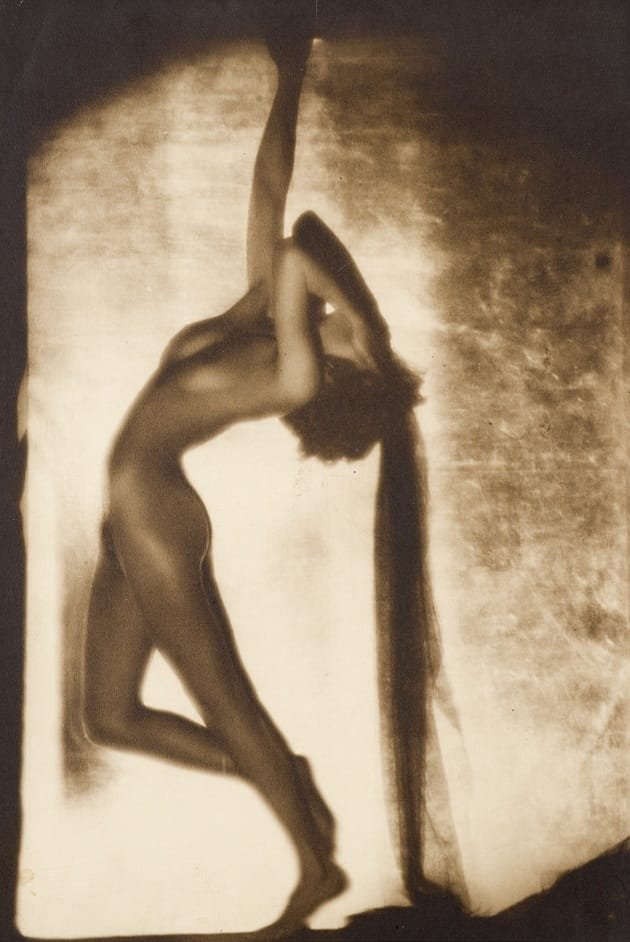
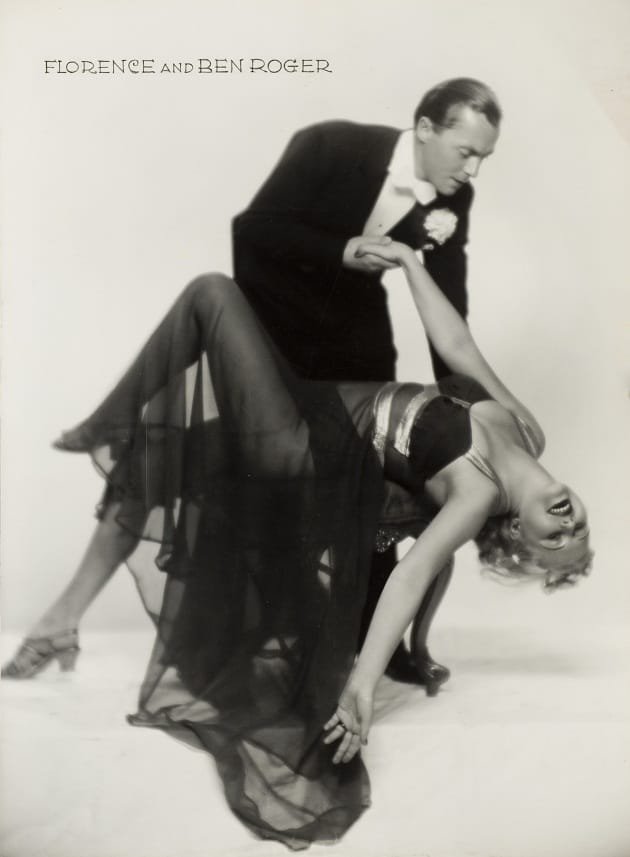
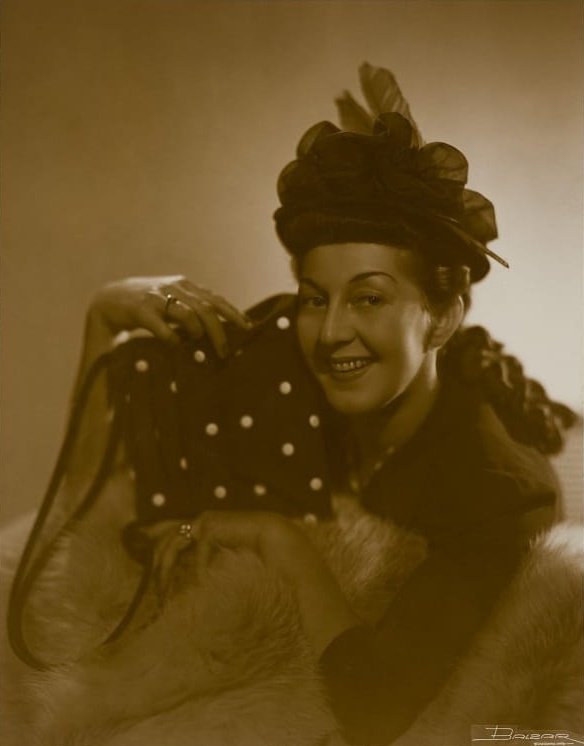
- Graphic Arts and Photography Posters, prints, book illustrations, and a major photography collection, including the Josef Sudek Gallery
Featured Exhibitions
- “ART, LIFE. ART FOR LIFE.” Seven thematic halls, including Votive Hall, The Story of Fibre, Born in Fire (glass), and more (UPM)
- Rotating Exhibitions Recent highlights include “Bohemian Porcelain of Three Centuries,” “Jewellery – Form – Content,” and “Do We Live Humanly? Czechoslovak Werkbund 1914–1948” (UPM Archive)
Architectural Highlights
Designed by Josef Schulz, the museum is a masterpiece of Neo-Renaissance architecture, featuring a grand façade with pilasters and sculptural details, a monumental entrance staircase, and stained glass windows that bathe the interiors in colored light (Google Arts & Culture; Prague.net). The interiors are richly ornamented, and historic furniture and original exhibition cases are still in use, offering visitors a seamless blend of architecture and art.
The building’s orientation—between a major avenue and the Old Jewish Cemetery—connects it visually and thematically with Prague’s layered history.
Satellite Venues and Special Collections
- House at the Black Madonna A Cubist landmark featuring Czech Cubist art and design (Google Arts & Culture)
- Josef Sudek Gallery Dedicated to Czech photography, near Prague Castle
- Kamenice nad Lipou Chateau Focused on toys, design, and local history
Visitor Experience and Practical Tips
- Best Time to Visit Weekday mornings for fewer crowds
- Tour Options Guided tours and workshops available; check the events page
- Accessibility Elevators, ramps, large-print guides, and tactile maps available; strollers and service animals welcome
- Duration Allow 2–3 hours for a full visit
- Photography Non-flash allowed in most galleries (check for restrictions)
- Dining On-site “Turquoise” restaurant plus abundant options in nearby Old Town and Jewish Quarter (Avantgarde Prague)
- Museum Shop Modernista offers design objects, books, and jewelry
- Wi-Fi Free in public areas
Nearby Attractions
The museum’s central location allows easy access to key Prague historical sites:
- Old Town Square 5-minute walk
- Charles Bridge 15-minute walk
- Jewish Quarter and Cemetery Adjacent
- Rudolfinum Concert Hall Nearby
Combine your visit with a walking tour of Prague’s architectural and cultural highlights.
FAQ
Q: What are the Museum of Decorative Arts Prague visiting hours?
A: Tuesday–Sunday, 10:00 AM–6:00 PM. Closed Mondays and public holidays (UPM official site).
Q: How much are tickets and where can I buy them?
A: Adults 250 CZK; students/seniors 150 CZK; family 500 CZK. Purchase online or at the entrance (Museum website).
Q: Is the museum wheelchair accessible?
A: Yes, with elevators, adapted restrooms, and assistance available.
Q: Are guided tours offered?
A: Yes, in Czech, English, and other languages. Book in advance.
Q: Can I take photos?
A: Non-flash photography is generally allowed; check for exhibition-specific restrictions.
Q: Is there a café or restaurant?
A: Yes, the “Turquoise” restaurant is on site.
Q: Are there family facilities?
A: Strollers are allowed; baby-changing facilities available.