
Historical Development and Architectural Evolution
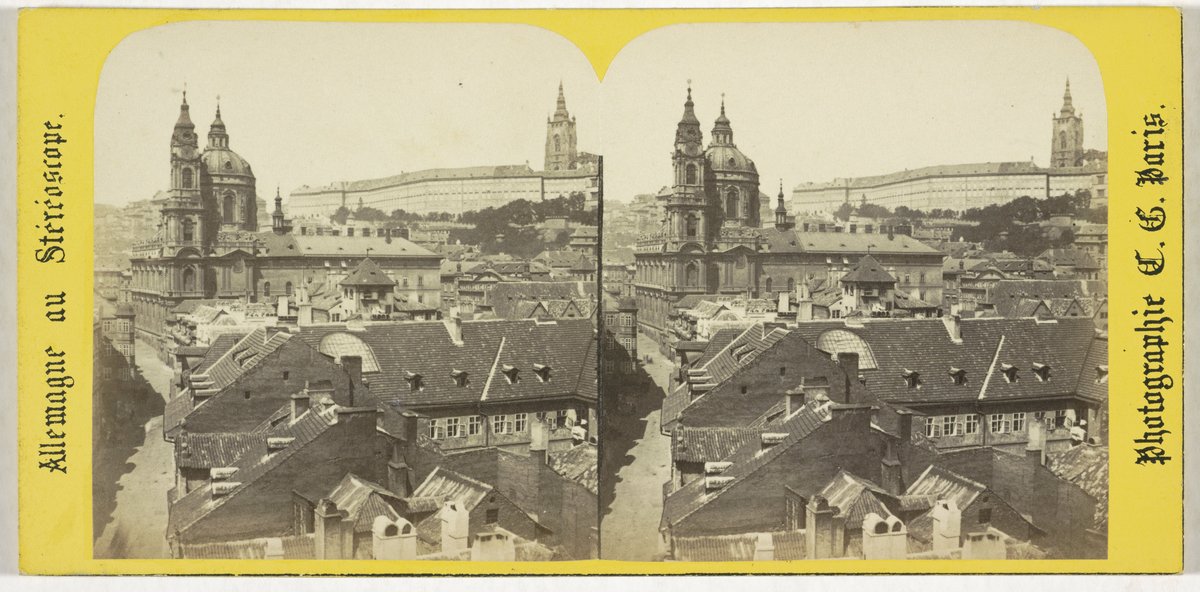
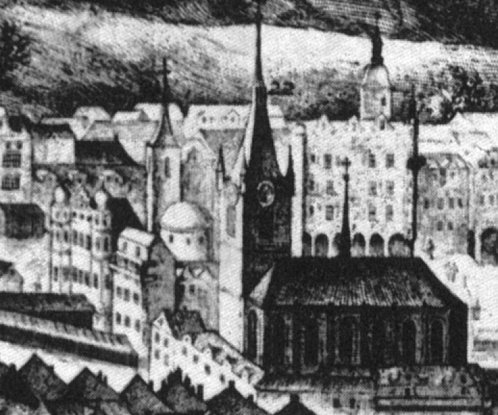
Founded in 1257 by King Otakar II Přemysl, Malostranské Náměstí originated as the civic and commercial heart of the newly established town of Malá Strana. Its medieval core was transformed by Renaissance and Baroque renovations, especially after destructive fires in the 15th and 16th centuries. The construction boom following Emperor Rudolf II’s arrival in the late 16th century led to the rise of noble palaces and ornate civic buildings that define the square today (Wikipedia).
Religious and Political Significance
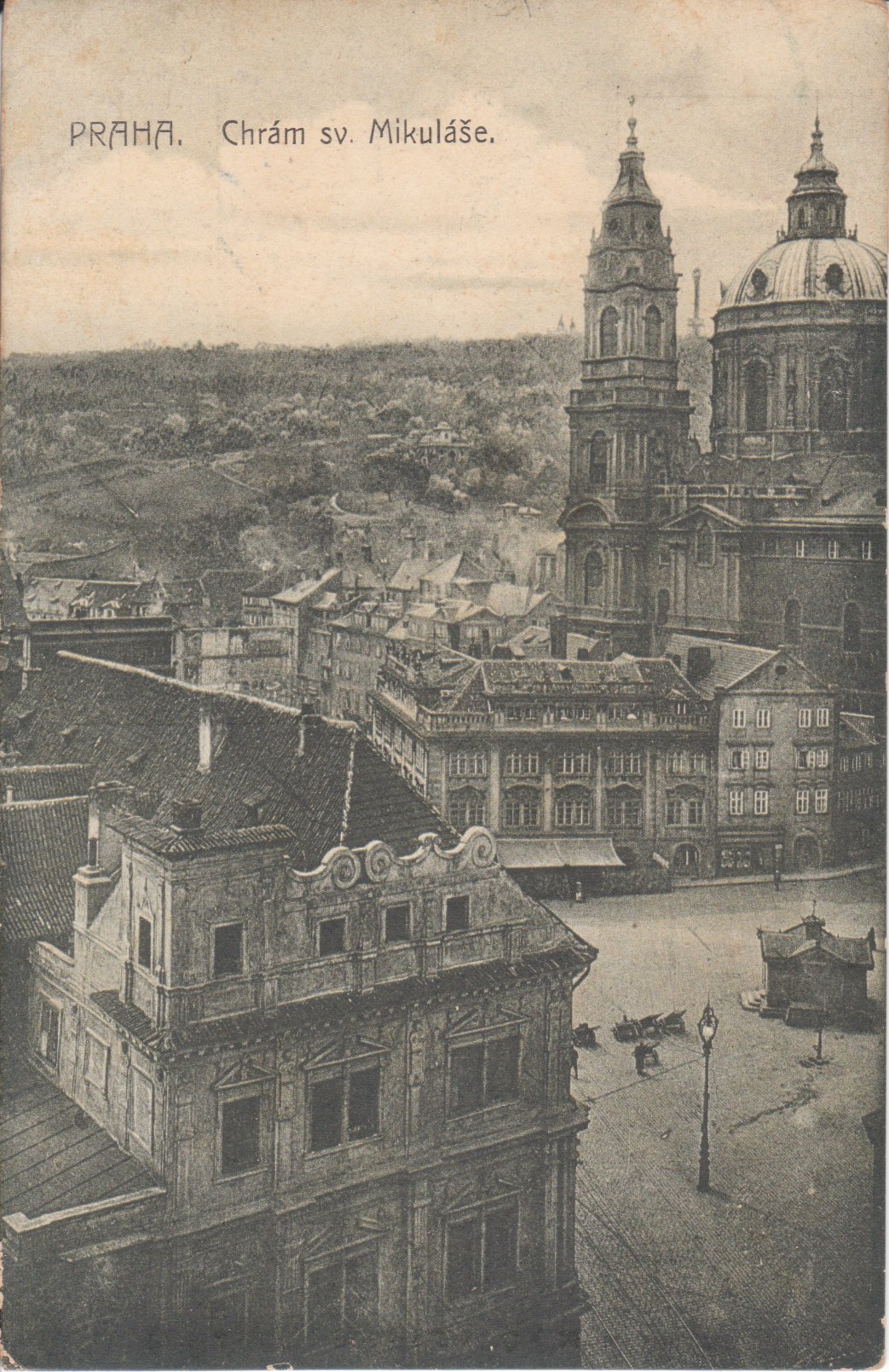
The square’s spiritual and political legacy is profound. After the Battle of White Mountain in 1620 and during the Counter-Reformation, the Jesuit order built the monumental Church of St. Nicholas—now a symbol of Prague's Baroque era (PragueHere). Malostranské Náměstí also witnessed historic moments such as the drafting of the Bohemian Confession (1575) and the plotting of the Defenestration of Prague (1618) at Smiřický Palace, which ignited the Thirty Years’ War (prague.org).
Baroque Residences and Monuments
The aftermath of the 1541 fire saw the square lined with grand Baroque and Renaissance palaces:
- St. Nicholas Church A masterpiece of Baroque architecture with a stunning dome and grand organ (Lonely Planet).
- Malostranská Beseda The former Renaissance town hall, now a cultural venue (Avantgarde Prague).
- Liechtenstein Palace, Hartig, Grömling, Smiřický, and Šternberk Palaces Noble residences, some integrated into the Czech Parliament complex.
- Holy Trinity Column A plague monument from 1713 (PragueHere).
Visiting Hours and Ticket Information
- Malostranské Náměstí Open to the public 24/7.
- St. Nicholas Church Usually open daily from 9:00 AM to 5:00 PM; ticketed entry (approx. 100–150 CZK), with extended hours in summer (PlanetWare).
- Malostranská Beseda Café and restaurant open 11:00 AM–11:00 PM; concert tickets sold in advance.
- Other Attractions Some palaces and museums may require tickets, available at entrances or online.
- Guided Tours Walking tours (historical/architectural/food) typically start from the square; book in advance during peak season (Voices of Travel).
Entry to the square is always free; ticket requirements apply only to specific sites or events.
Accessibility and Practical Tips
- Transport Reachable by trams 12, 15, 20, 22, and 23 at the “Malostranské náměstí” stop. The nearest metro station is “Malostranská” (Line A), a 7-minute walk downhill (Voices of Travel).
- On Foot The area is pedestrian-friendly but cobbled; wear comfortable shoes.
- Mobility Trams and metro have ramps/elevators; some historic sites have steps or narrow entrances.
- Signage Bilingual (Czech/English) signs aid navigation.
- Facilities Restrooms, ATMs, currency exchange, and free Wi-Fi available in cafés and public spaces.
Social and Cultural Life on the Square
Malostranské Náměstí is more than a tourist attraction—it’s a living community. Cafés, traditional pubs, and restaurants line the square, offering Czech classics and international dishes. The weekly Lesser Town Market, held Thursdays and the first Saturday of each month, is a local favorite for produce, crafts, and delicacies (prague.org). Intellectuals and artists frequent the area, and open-air cafés make for ideal people-watching.
Key Landmarks and Nearby Attractions
- St. Nicholas Church Baroque marvel, renowned for its dome and classical concerts (Lonely Planet).
- Malostranská Beseda Renaissance civic building now hosting concerts, art, and dining (Avantgarde Prague).
- Plague Column of the Holy Trinity Ornate monument commemorating the end of the plague.
- Smiřický Palace Site of the 1618 Defenestration of Prague.
- Nearby Charles Bridge (5-minute walk), Prague Castle (15-minute uphill walk), Kampa Island, John Lennon Wall, Wallenstein Palace Gardens (Visit Prague).
Events, Festivals, and Markets
Seasonal and annual events bring the square to life:
- Christmas Market December, with festive stalls and decorations.
- Prague Spring International Music Festival & HAMUfest Classical and contemporary concerts (allevents.in).
- Night of Churches and Museum Night After-hours access and special programming (viewfromprague.com).
Guided Tours and Experiences
Malostranské Náměstí is a popular starting point for:
- Historical and architectural walking tours (Prague.fm)
- Themed experiences (ghost tours, food tastings)
- Self-guided routes with mobile apps
Tours can be booked online, at tourist offices, or through the Audiala app.
Visitor FAQs
Q: What are the main visiting hours?
A: The square is open 24/7. St. Nicholas Church and other attractions typically open 9:00 AM–5:00 PM.
Q: Do I need tickets?
A: Only for specific sites/events (e.g., St. Nicholas Church concerts, museums); the square itself is free.
Q: How do I get there?
A: Trams 12, 15, 20, 22, 23 stop at Malostranské Náměstí; metro (Line A) stops at Malostranská.
Q: Is the area accessible?
A: Generally yes; trams and metro are accessible, but cobblestones may challenge some visitors.
Q: When is the best time to visit?
A: Early morning or late evening for fewer crowds; May–September is busiest.
Internal & External Links
- Prague Castle Visitor Guide
- Charles Bridge Walking Tours
- Baroque Architecture in Prague
- Prague Tourist Information
- Malostranské Náměstí Wikipedia
- PragueHere Lesser Town Square