
Alfons Mucha: Early Life and Artistic Formation
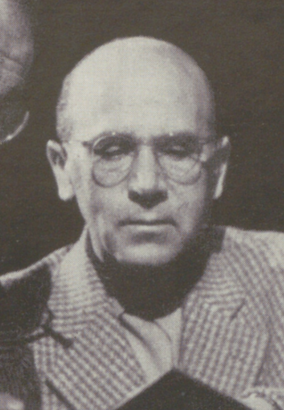
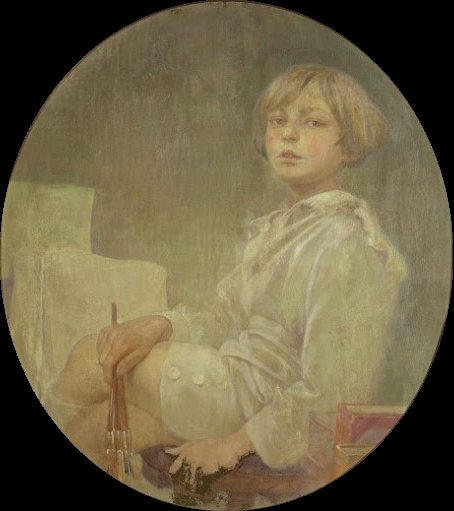
Alfons Maria Mucha was born in 1860 in Ivančice, Moravia (then part of the Austro-Hungarian Empire). Coming from modest origins, he showed early talent in drawing and music. His initial work as a decorative painter and set designer would later influence his theatrical artistic compositions (czechjournal.cz). Mucha’s talent was recognized by Count Karl Khuen-Belasi, who sponsored his studies at the Munich Academy of Fine Arts and, later, in Paris—the artistic epicenter of the period (czechinspired.com).
The Parisian Breakthrough and Art Nouveau
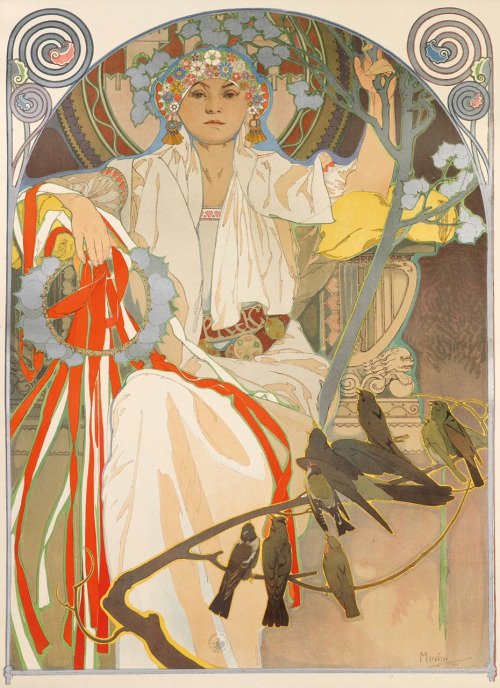
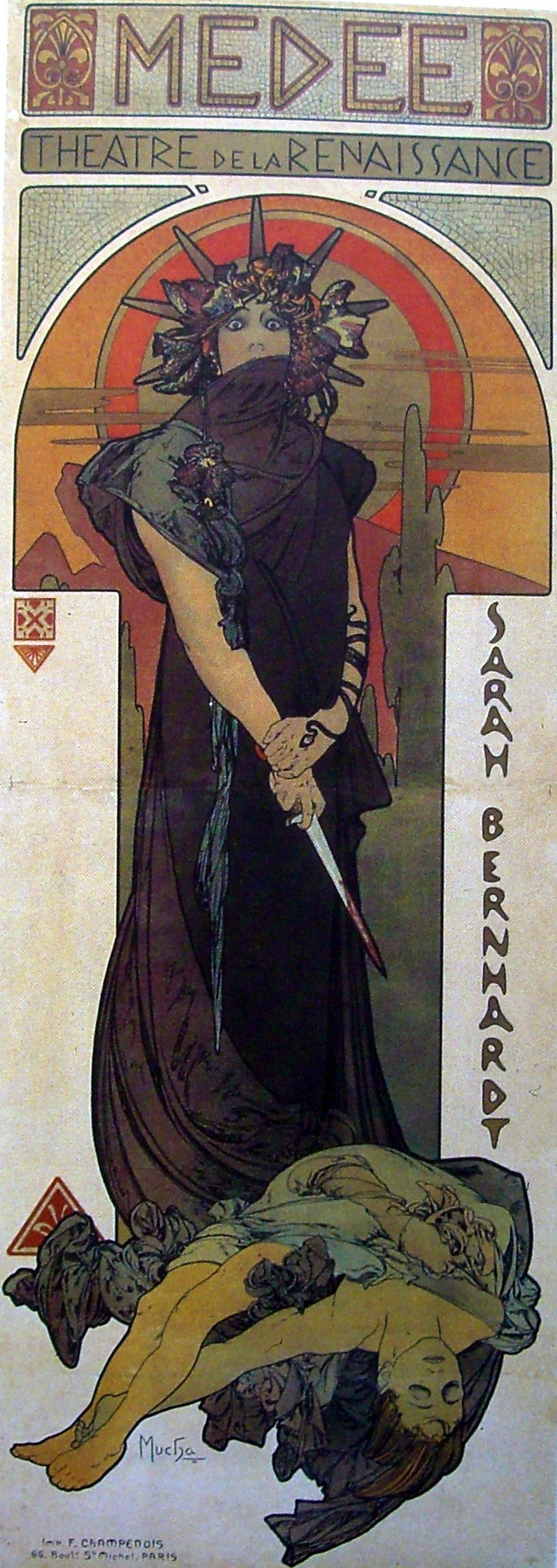
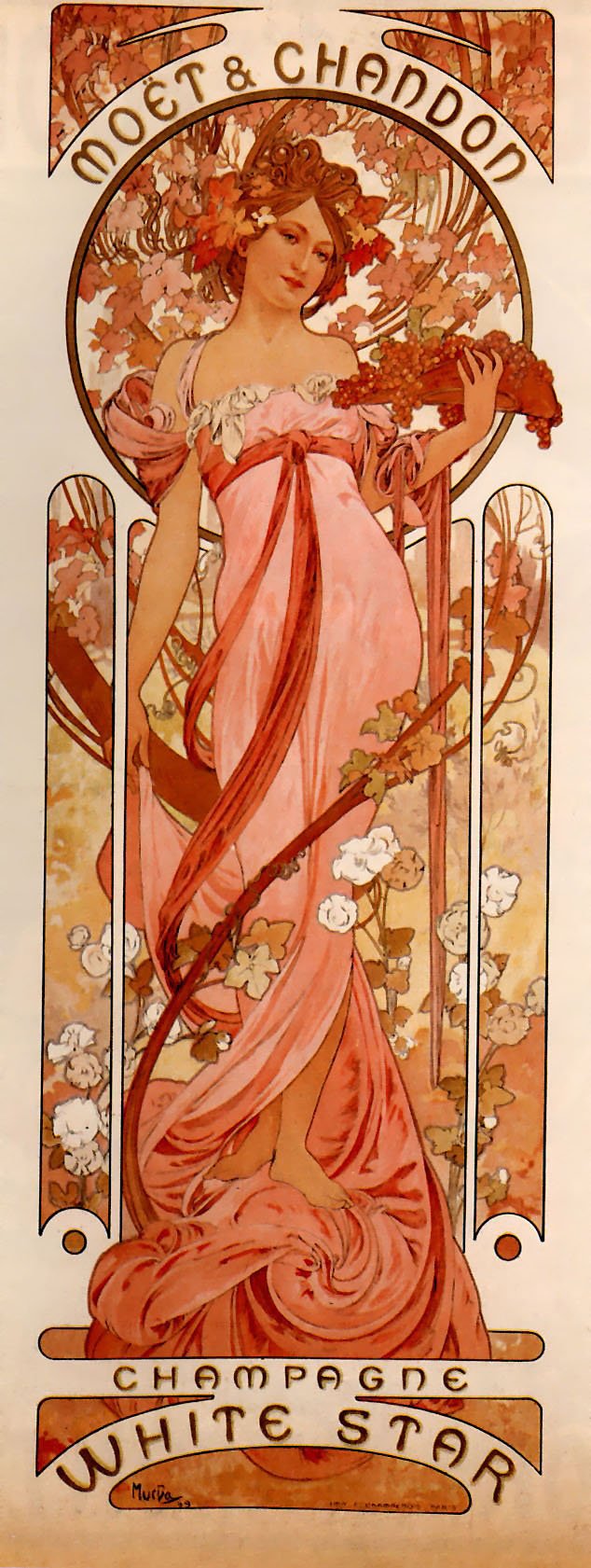
Mucha’s breakthrough came in Paris in 1894 with his poster for Sarah Bernhardt’s “Gismonda.” Its elongated format, flowing lines, and intricate floral designs revolutionized advertising and art, instantly cementing Mucha’s international reputation (private-prague-guide.com). During his Parisian years, Mucha produced iconic posters, advertisements, and illustrations, particularly for Bernhardt’s plays, elevating commercial art to fine art (danielasantosaraujo.com). His style—characterized by harmonious pastel colors and idealized female figures—became synonymous with Art Nouveau (czechjournal.cz).
Mucha’s Artistic Style and Innovations
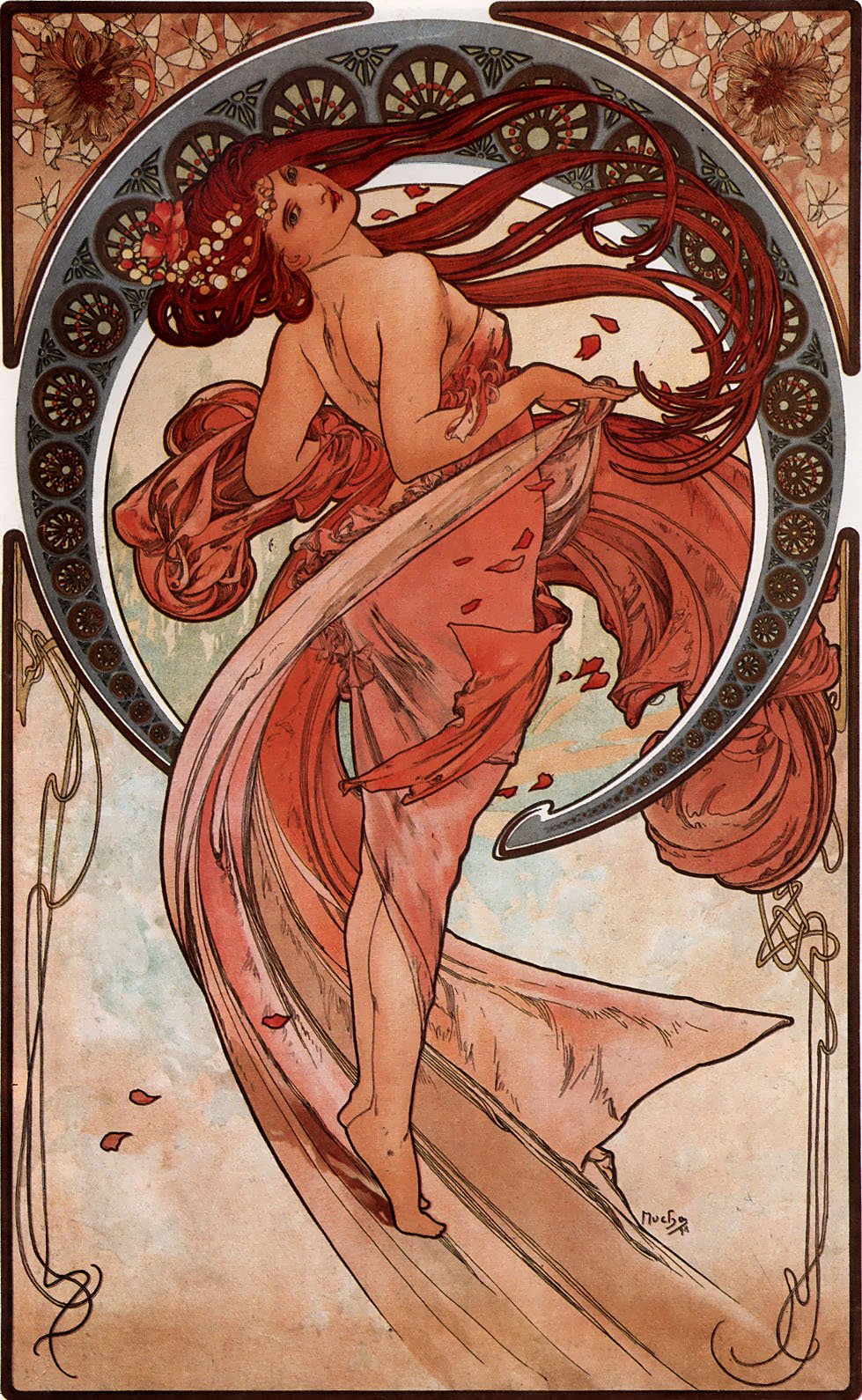
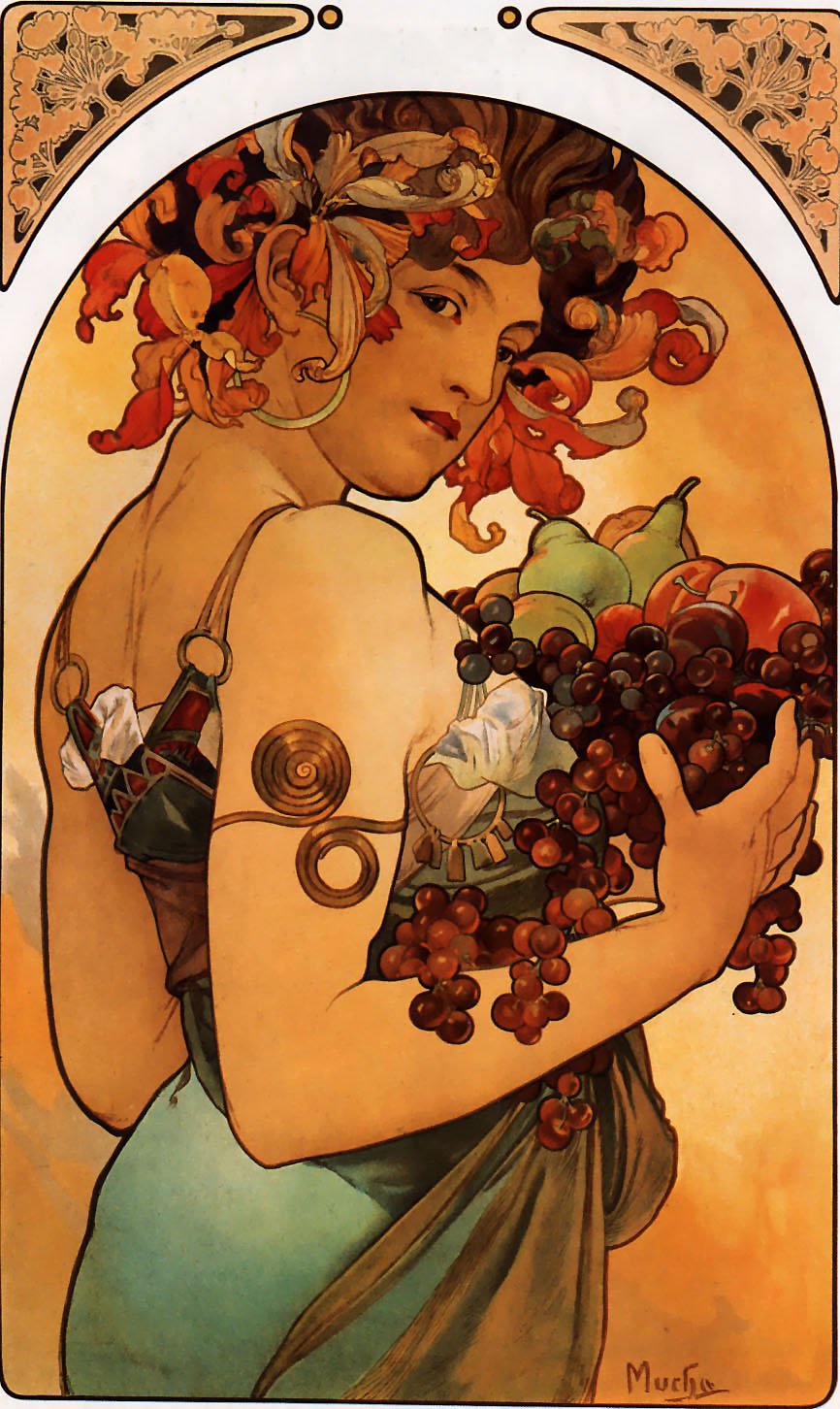
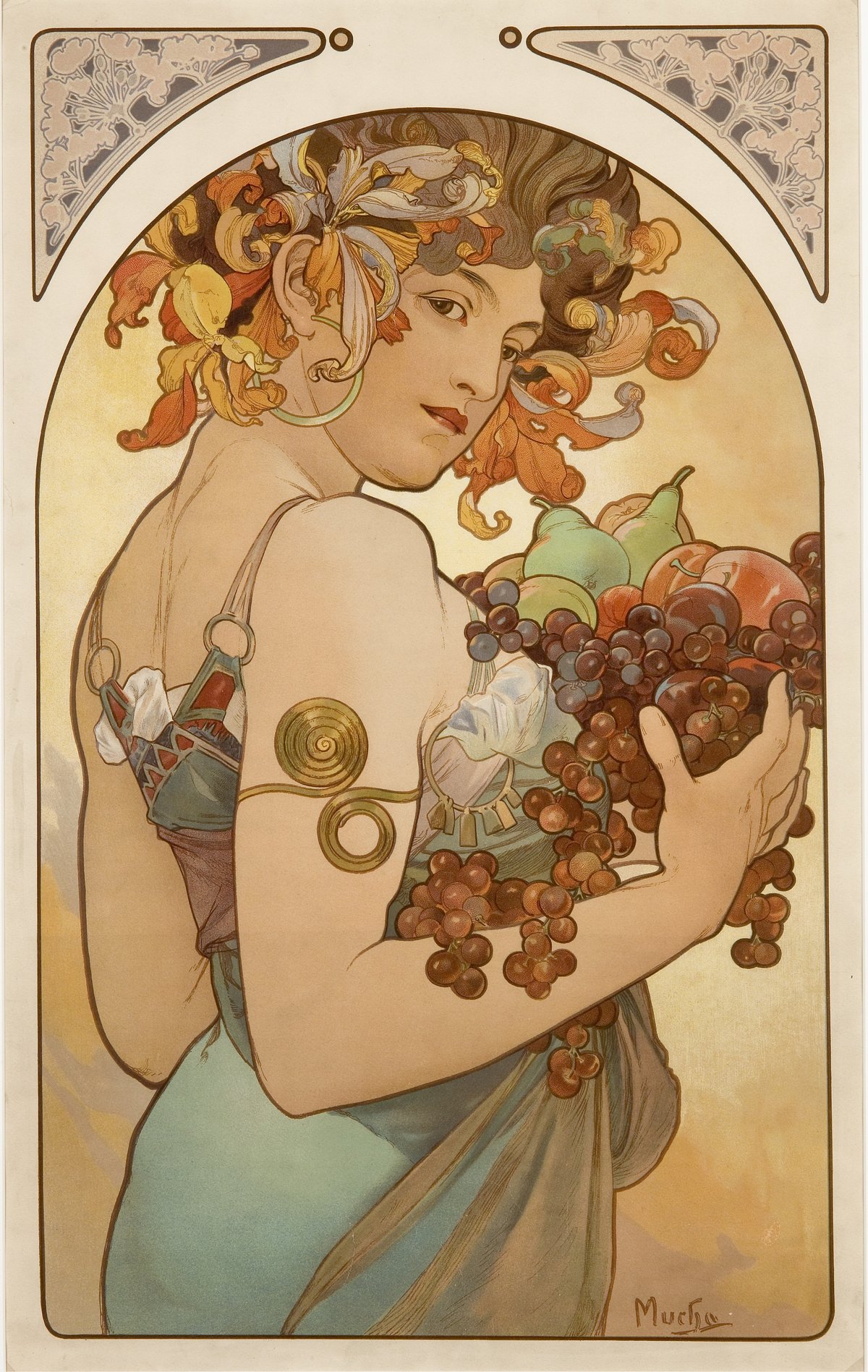
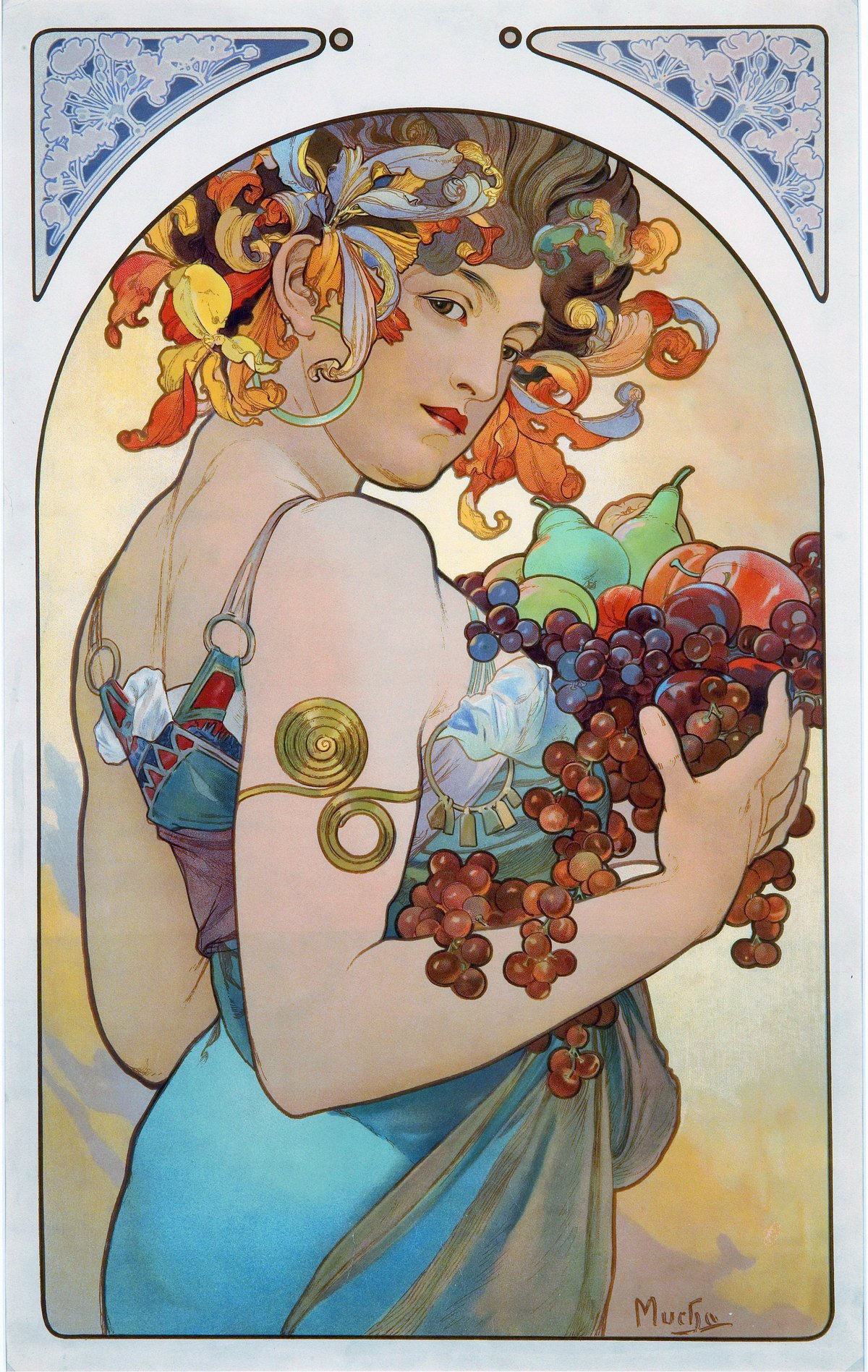
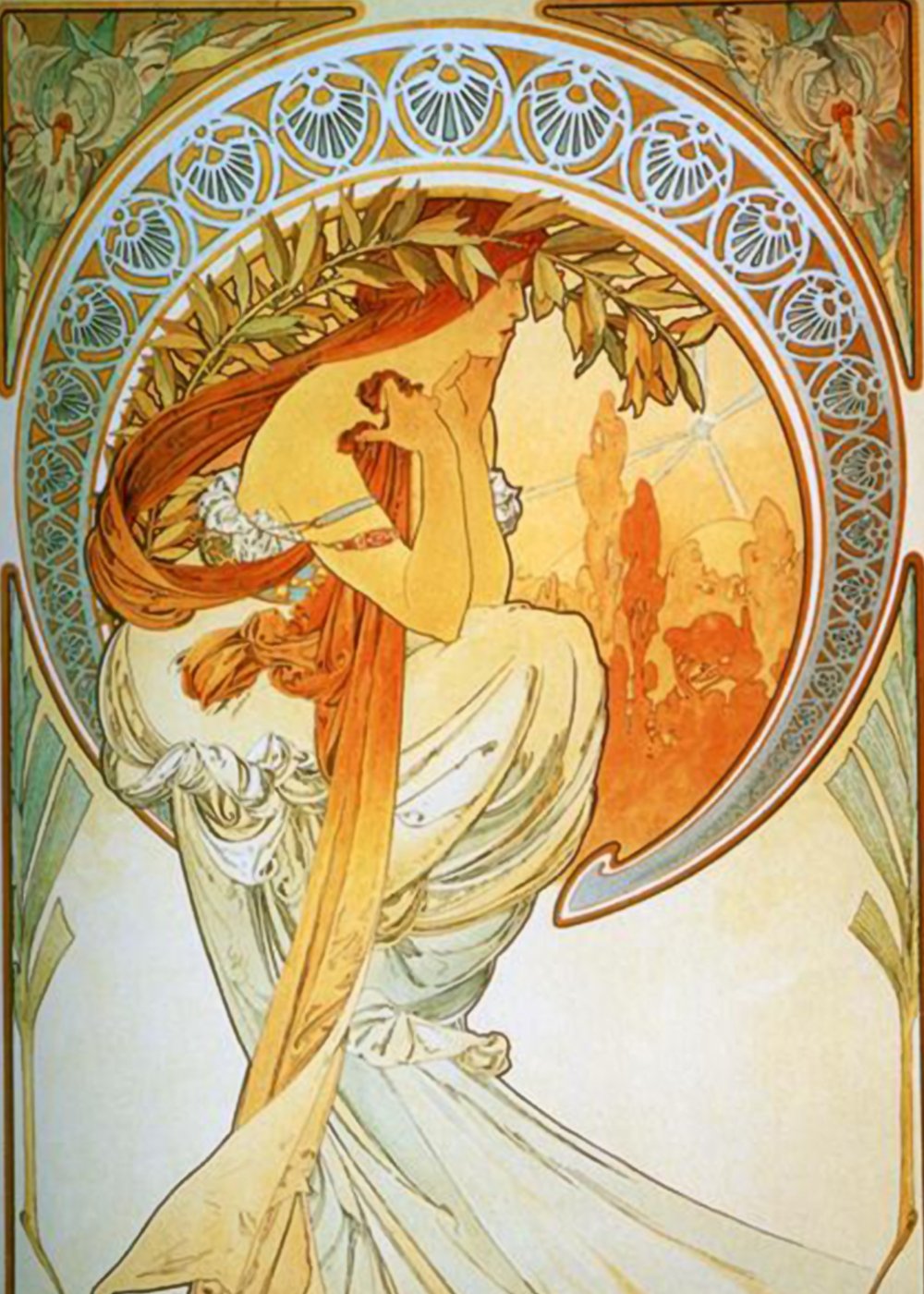
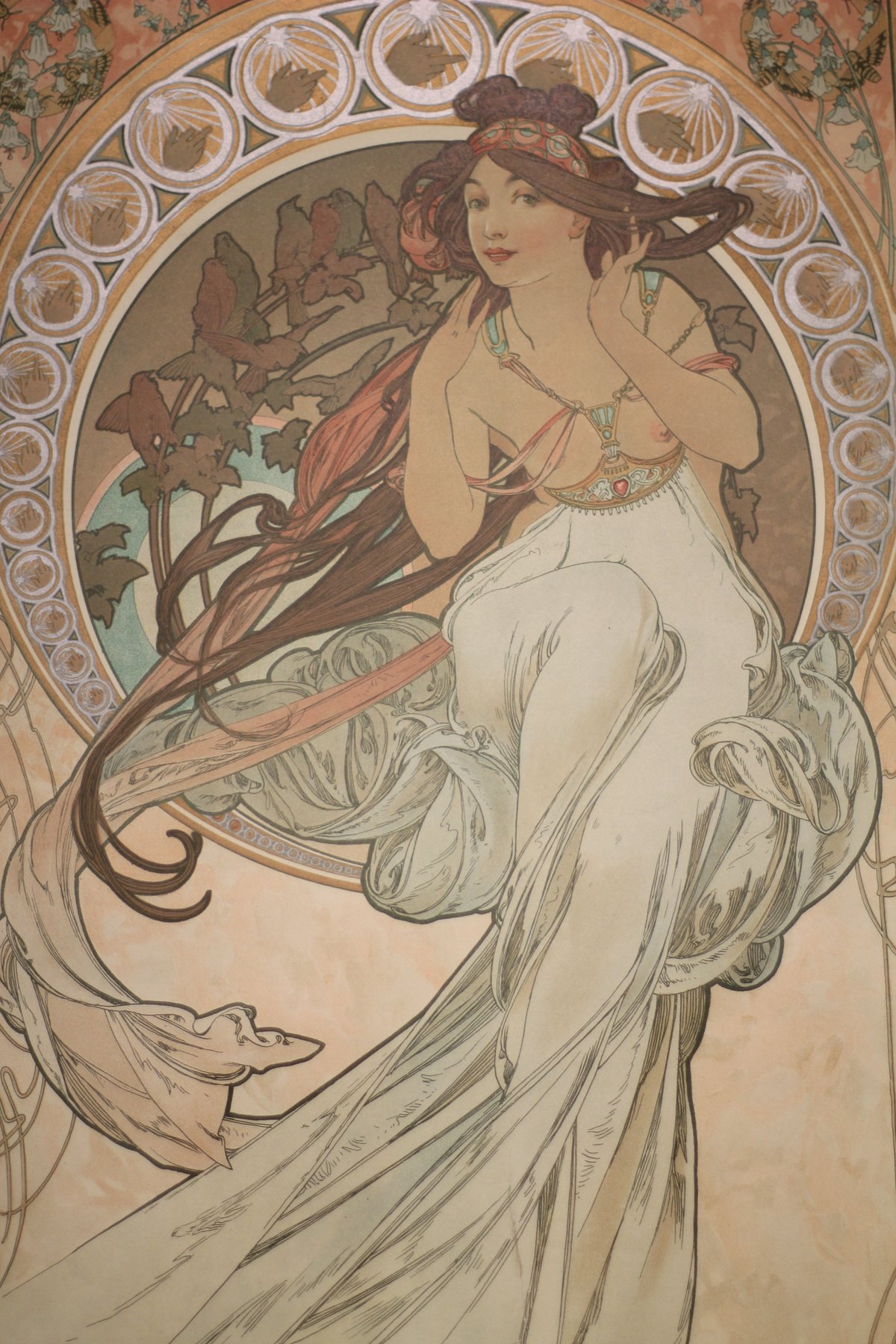
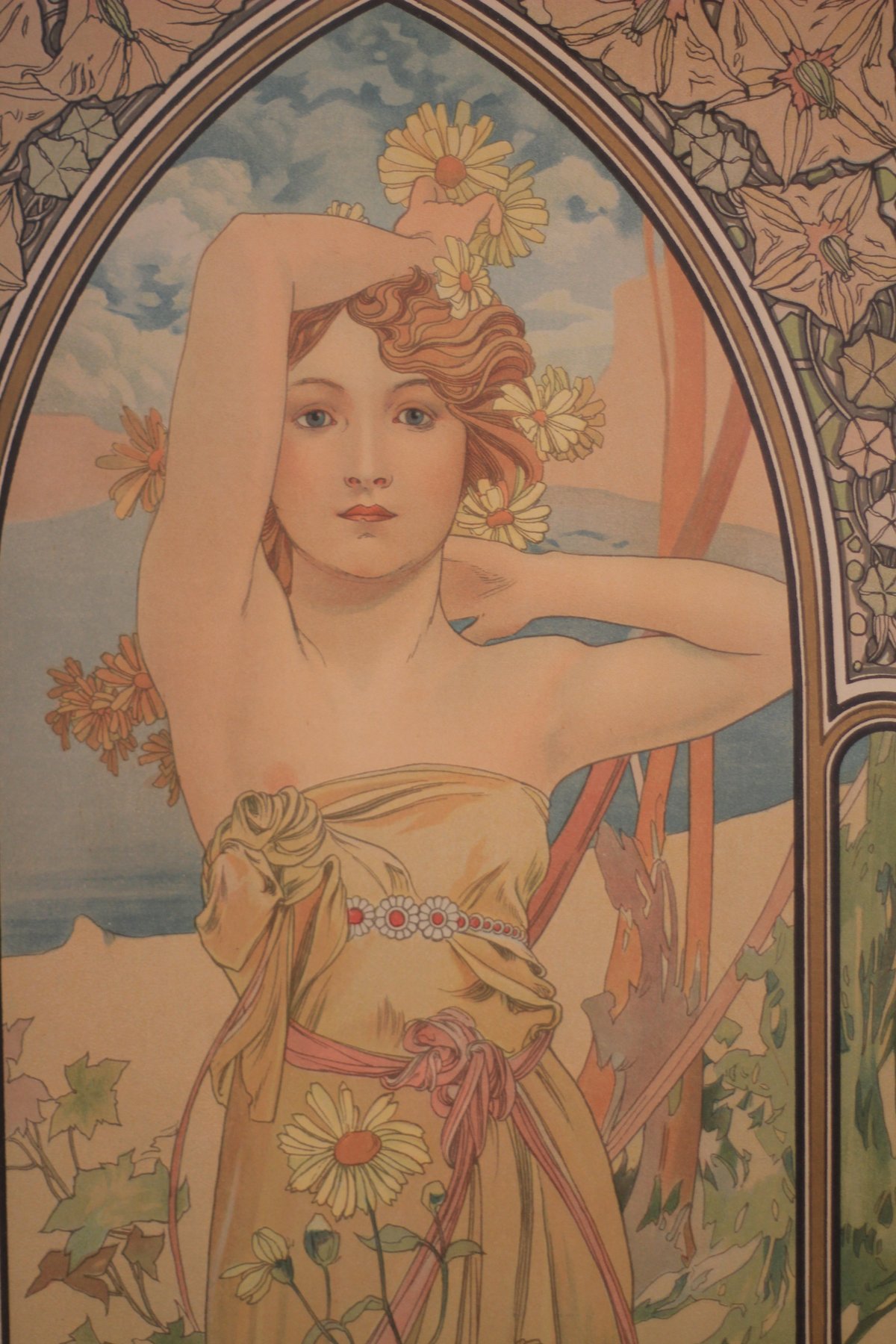
Mucha’s instantly recognizable style blends intricate ornamentation, lush color palettes, and allegorical female figures. His art often features halos, arabesques, and stylized natural forms, reflecting both his Slavic roots and the currents of European symbolism (czechinspired.com). Beyond posters, he designed jewelry, stained glass, theatrical sets, and furniture, demonstrating his belief in the unity of all the arts.
Notable decorative cycles include “The Four Seasons” (1896), “The Four Arts” (1898), and “The Four Flowers” (1898), each showcasing Mucha’s talent for merging symbolism, mythology, and decorative beauty (danielasantosaraujo.com).
National Identity and the Slav Epic
Despite his success abroad, Mucha remained passionate about his Czech and Slavic heritage. On returning to Prague, he began his magnum opus, “The Slav Epic”—a monumental cycle of 20 canvases depicting Slavic history and mythology, completed between 1910 and 1928 (prague-info.info). The Mucha Museum displays reproductions and study materials from this cycle, providing insight into its scale and historical significance (visitczechia.com).
Influence on Czech and European Art
Mucha’s work revitalized Czech artistic traditions and became a symbol of national identity, inspiring generations of artists and designers in Czechia and beyond (czechjournal.cz). His posters, in particular, revolutionized advertising and helped elevate it to a respected art form.
Visiting the Mucha Museum: Practical Info
Location and Accessibility
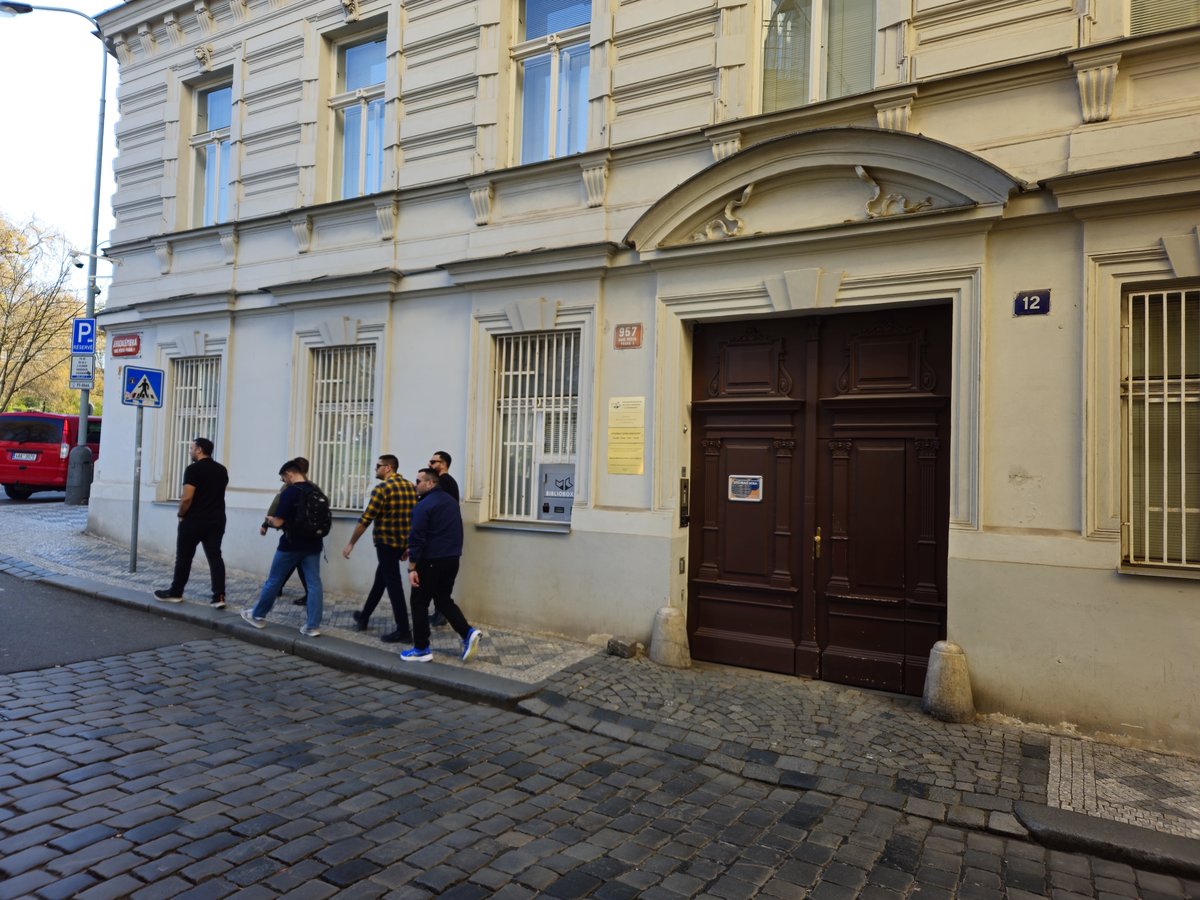
- Address Panská 7, Prague 1 (historic center, near Wenceslas Square)
- Metro Lines A, B – Můstek station; Tram – Jindřišská stop
- Wheelchair Access Fully accessible; contact ahead for special assistance (Mucha Museum Official)
Mucha Museum Visiting Hours
- Daily 10:00 AM – 6:00 PM (check official website for holiday changes)
- Savarin Palace Expansion Expected opening February 24, 2025. For the latest, see Savarin Palace museum site.
Tickets and Prices (2025)
- Adults 280–350 CZK
- Students/Seniors 190–280 CZK
- Family (2 adults + 2 children) 600–950 CZK
- Children under 10 Free
- Purchase Onsite or online
Best Times to Visit
- Avoid Crowds Weekday mornings or late afternoons
- Recommended Duration 60–90 minutes; longer for guided or AI-assisted tours (Advantiko Visitor Guide)
Photography and Policies
- Photography Prohibited inside the museum to preserve the art. Check for updates upon arrival.
- Cloakroom Available for bags and large items (Advantiko Visitor Guide).
Guided Tours and Digital Guides
- Private Guided Tours Available in multiple languages; book at least 7 days in advance (Mucha Museum Guided Tours).
- AI-Powered Guide Scan a QR code on arrival for an interactive digital assistant in several languages (Mucha Museum AI Guide).
Nearby Attractions
Combine your museum visit with Prague’s Old Town, the National Museum, Estates Theatre, or unique experiences like the Lego Museum and Wow Light Show Theatre.
Collection Highlights
- Paris Posters “Gismonda,” “La Dame aux Camélias,” and more (danielasantosaraujo.com)
- Decorative Panels “The Four Seasons,” “The Four Arts,” “The Four Flowers”
- Personal Memorabilia Photographs, sketches, studio artifacts
- Slav Epic Materials Reproductions and preparatory materials (prague-info.info)
Frequently Asked Questions (FAQ)
Can I take photos inside the museum?
No, photography is strictly prohibited inside the Mucha Museum.
Are guided tours available?
Yes, private tours in several languages can be booked in advance.
Is the museum wheelchair accessible?
Yes; contact the museum for specific accommodations.
Where is the museum located?
Panská 7, 110 00 Praha 1 (Old Town, Prague).
Are tickets available online?
Yes, through the official website.
What are the visiting hours?
Daily, 10:00 AM to 6:00 PM.
Legacy and Cultural Significance
Alfons Mucha’s enduring influence on Czech and international art is cemented through the Mucha Museum, which preserves and exhibits his masterpieces, contextualizing them within European movements and Czech national history (danielasantosaraujo.com; praguetouristinformation.com). The museum’s expansion to Savarin Palace and plans to display the “Slav Epic” reinforce Prague’s role as a global center for Art Nouveau and cultural heritage.