History and Origins
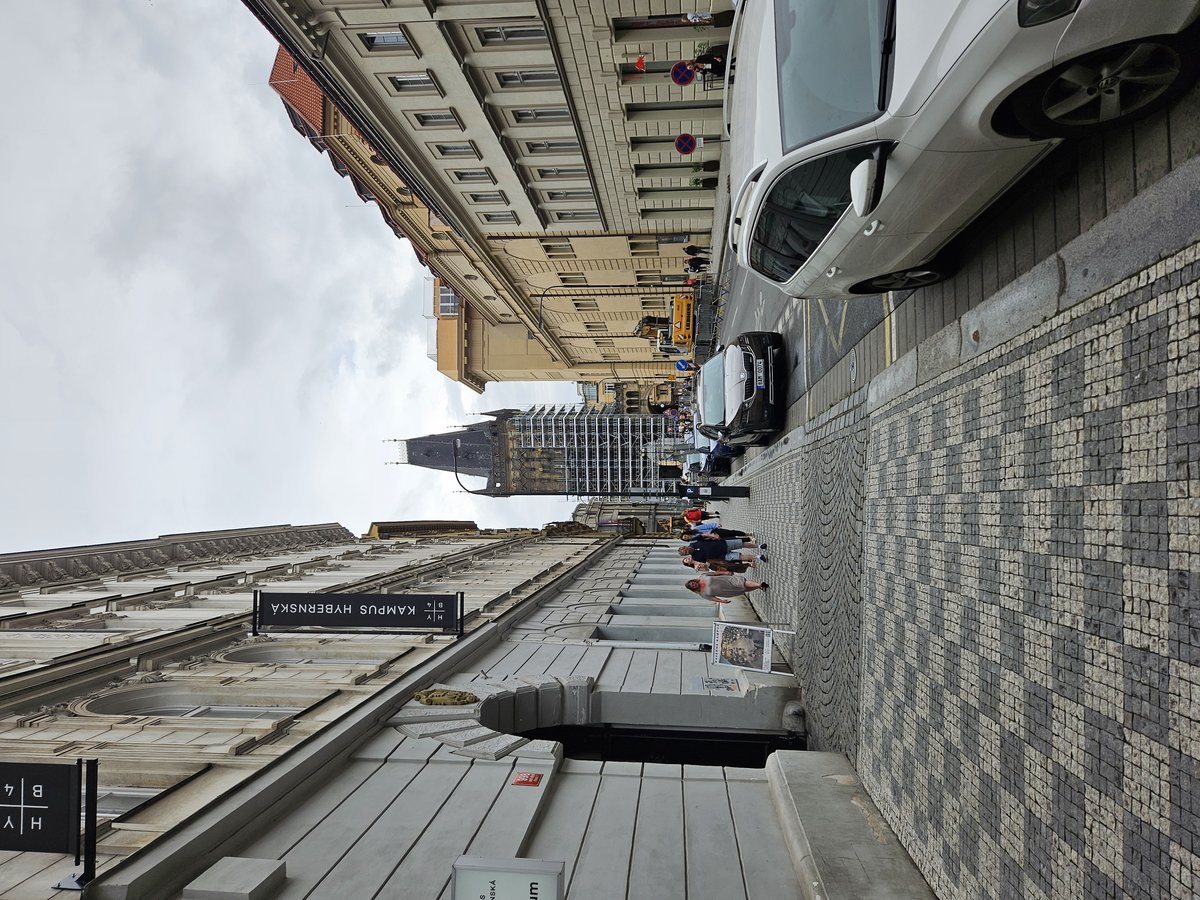
Karlova Street’s roots trace back to the medieval period when Prague’s urban core expanded organically along vital trade and ceremonial routes. As part of the Royal Route (Královská cesta), the street played a central role in the city’s most significant processions, linking the Old Town Square to the Charles Bridge and, ultimately, Prague Castle (life-globe.com). Its zigzagging, irregular layout is typical of medieval city planning, reflecting centuries of urban evolution.
Architectural Highlights
Gothic and Renaissance Foundations
Many of Karlova’s oldest structures date to the late Middle Ages and Renaissance. Gothic features—such as pointed arches, ribbed vaults, and stone portals—are visible in hidden courtyards and cellars. Renaissance influences appear in ornate facades like the House at the French Crown (Dům U Francouzské koruny), which boasts Italianate design elements from the city’s prosperous 16th century (life-globe.com).
Baroque and Later Developments
The Baroque period brought substantial transformation, with buildings like the Pöttingský Palace (Unitaria Palace, now home to Theater Ta Fantastika and the Museum of the Czech Garnet) showcasing elaborate stucco reliefs and religious iconography. The Colloredo-Mansfeld Palace—an excellent example of late Baroque palace architecture—features a neo-Baroque facade and opulent interiors, now open as part of the Gallery of the Capital City of Prague (life-globe.com). Eclectic and Art Nouveau influences are evident in later shopfronts and residential buildings, contributing to the street’s rich architectural tapestry (Qeepl).
Visitor Information
Visiting Hours and Tickets
- Karlova Street Open 24/7 as a public pedestrian street; no entry fee.
- Klementinum Complex Daily 10:00 AM–6:00 PM (last admission 5:30 PM); tickets approx. 250 CZK; guided tours recommended.
- St. Clement’s Cathedral Generally 9:00 AM–5:00 PM; free entry, donations welcome.
- Colloredo-Mansfeld Palace Typically 10:00 AM–6:00 PM; entrance fees around 150 CZK, depending on exhibitions.
- Old Town Bridge Tower 10:00 AM–8:00 PM (seasonal); tickets approx. 120 CZK for adults (Visit Prague).
Individual attractions may have seasonal or special event changes; always confirm with official websites.
Accessibility
Karlova Street’s cobblestone surface and medieval narrowness can present challenges for wheelchair users and those with limited mobility. Some attractions, like the Klementinum, offer limited accessibility and assistance upon request. Planning ahead is recommended.
Travel Tips
- Best Times Early mornings or evenings to avoid crowds.
- Footwear Wear comfortable, cushioned shoes for uneven surfaces.
- Safety Watch for pickpockets, especially during busy periods.
- Public Transport Staroměstská (Line A) and Můstek (Lines A & B) metro stations are nearby; trams 17 and 18 stop close to the street (Lonely Planet).
Notable Landmarks
Klementinum (Clementinum Complex)
One of Europe’s largest historic complexes, the Klementinum houses the National Library, the famed Baroque Library Hall, Mirror Chapel (concert venue), and Astronomical Tower with panoramic city views. Guided tours are available (Living Prague).
Church of St. Salvator
A grand early Baroque church by Charles Bridge, featuring twin towers and frequent organ concerts. Open daily, free entry.
Colloredo-Mansfeld Palace
Features frescoed halls and art exhibitions, providing a window into aristocratic life and Prague’s cultural history.
Charles Bridge Entrance (Old Town Bridge Tower)
The dramatic Gothic tower marks Karlova’s end at Charles Bridge. Climb for some of the city’s best views.
Historic Houses
- House at the Golden Snake Noted for its Baroque style and gilded snake emblem.
- House at the Three White Roses Renaissance sgraffito and floral motifs.
- House at the Blue Star Eye-catching Baroque facade and a popular photo spot.
Culture, Events, and Street Life
Karlova Street is alive with street performers, musicians, and artisan boutiques. Blacklight theatres like Ta Fantastika add a modern twist to the street’s cultural offerings (Luxury Travel Diva). Traditional cafés, such as the historic “Al Serpente d’oro” (est. 1713), offer a taste of Prague’s café heritage.
Karlova is central to many of Prague’s festivals, including royal procession re-enactments, the Prague Spring International Music Festival, and Christmas markets. During these times, the street is adorned with lights and hosts seasonal events (Qeepl).
Practical Visitor Tips
- Currency Czech koruna (Kč). Credit cards widely accepted; carry cash for small purchases.
- Language Czech is official, but English is common in tourist areas.
- Facilities Restrooms are limited; use those in cafes or major sites.
- Connectivity Free Wi-Fi in most cafes; consider a local SIM or eSIM.
- Shopping Look for authentic Bohemian glass, marionettes, and local crafts; avoid overpriced or non-Czech souvenirs.
- Dining Sample traditional pastries (koláč, trdelník) and Czech dishes. Tipping 10% is customary.
- Public Transport Validate tickets before boarding; cycling is not recommended due to crowds and cobblestones.
Frequently Asked Questions (FAQ)
Q: What are Karlova Street’s opening hours?
A: The street is open 24/7; most shops and cafes open 9am–8pm.
Q: Are there entrance fees?
A: No fee for the street; some landmarks require tickets (see above).
Q: Is Karlova wheelchair accessible?
A: Cobblestones and steps can be challenging; assistance may be needed.
Q: When is the best time to visit?
A: Early mornings or late evenings are less crowded.
Q: Are guided tours available?
A: Yes, many companies offer walking and thematic tours; booking ahead is recommended.
Q: Is it safe?
A: Generally safe, but stay alert for pickpockets in crowded areas.
Preservation and Responsible Tourism
Karlova Street’s historic character is protected by conservation regulations, and ongoing restoration balances modern needs with heritage preservation (Visit Prague). Support local artisans, respect historic architecture, and help keep the area clean.
Summary
Karlova Street remains a must-see highlight of Prague, offering a unique blend of historical depth, architectural splendor, and contemporary vibrancy. As a key part of the Royal Route, it tells the story of Prague’s evolution from a medieval capital to a modern European city. With free and open access, myriad cultural landmarks, and lively street life, Karlova Street invites every visitor to immerse themselves in the heart of Prague’s living heritage (laidbacktrip.com; livingprague.com; life-globe.com; luxurytraveldiva.com).