Early Settlement and Hoggs Hollow
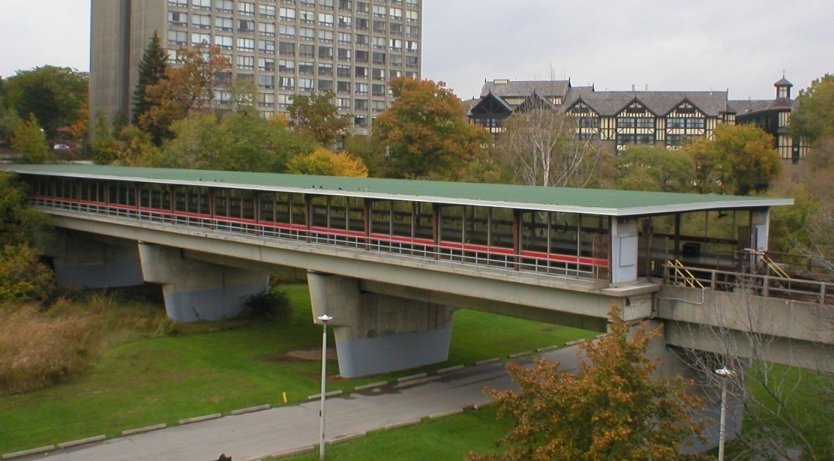
The area now home to York Mills Bus Terminal is steeped in Toronto’s early colonial history. Hoggs Hollow, a valley settled in 1794, was named after the mills—grist, saw, and wool—that lined the Don River, forming the nucleus of York Mills Village. These mills played a crucial role in the area's early economy and are reflected in local names and landmarks. By the early 20th century, Hoggs Hollow evolved from an industrial center into a prominent residential neighborhood, maintaining its historical charm (Liquisearch).
Transit Development and Evolution
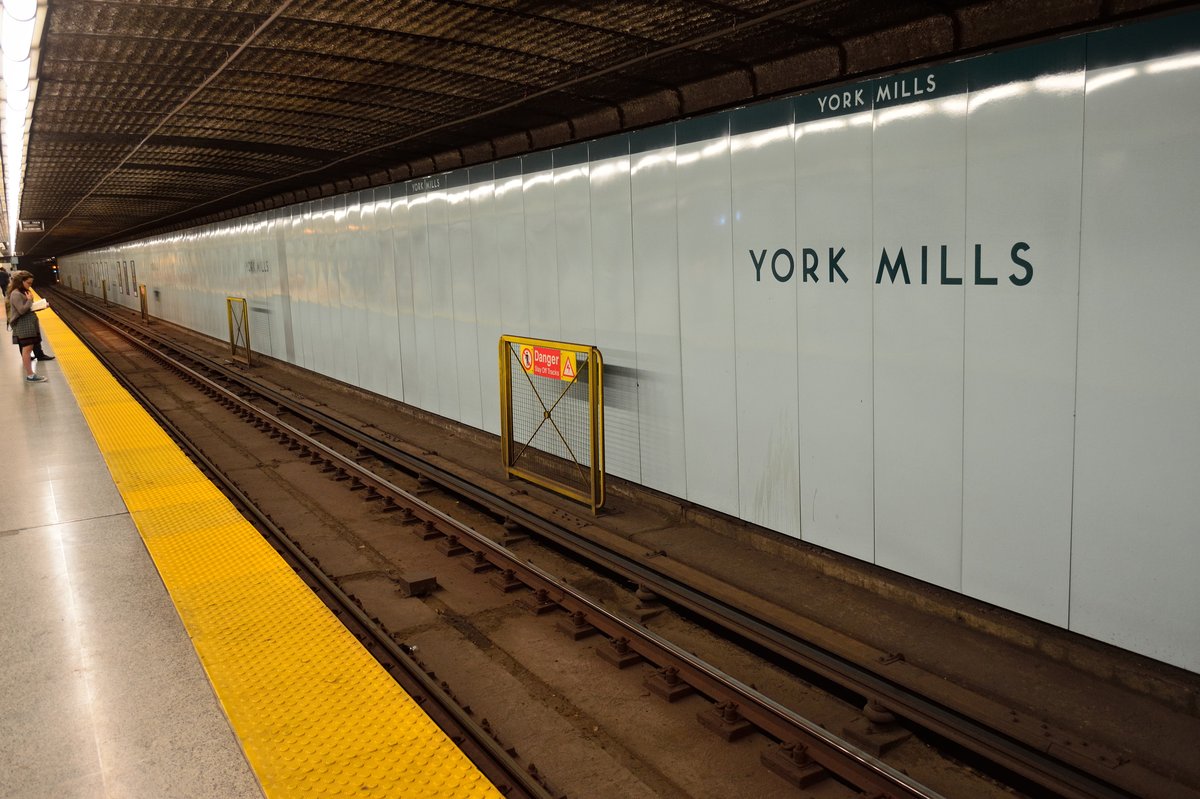
York Mills’ evolution as a transit hub began with the opening of the York Mills subway station on March 31, 1973, as part of the Yonge Subway extension (Transit Toronto). Originally a modest terminal serving local TTC routes, it soon became a strategic point for regional transit, connecting with Highway 401 and attracting increased commuter traffic.
Modern Redevelopment and GO Transit Integration
The mid-1980s saw a major redevelopment with the construction of the York Mills Centre, integrating commercial space and an upgraded terminal. Completed in 1992, this redevelopment improved amenities and enabled seamless transfers between the subway and buses, enhancing passenger experience (Wikipedia: York Mills Bus Terminal). York Mills became a key hub for GO Transit’s east-west routes, serving communities along the 401 corridor and adapting to new bus technologies as the system expanded (Wikipedia).
2. Visiting York Mills Bus Terminal
Accessibility and Amenities
York Mills Bus Terminal is fully accessible, with elevators, ramps, tactile indicators, and clear signage to accommodate all passengers, including those with mobility and sensory challenges. Features include:
- Elevators and accessible pathways connecting subway, bus, and street levels
- Enclosed climate-controlled waiting areas
- Real-time digital displays of departures and service alerts
- Public restrooms and security staff on site
- Free Wi-Fi and device charging points in designated areas
- Retail and dining options in the adjacent York Mills Centre
Ticketing and Fare Options
Operating Hours:
The terminal generally operates from 5:00 AM to midnight, with services aligning to TTC and GO Transit schedules. Hours may adjust for specific routes or holidays (GO Transit).
Ticket Purchase Methods:
- PRESTO Card The preferred method for both TTC and GO Transit; reloadable and accepted across most regional agencies.
- Mobile Apps TTC and GO Transit apps allow for ticket purchases, e-ticket activation, and real-time updates.
- Ticket Counters & Vending Machines Located within York Mills Centre and the terminal.
- Gateway Newstand Official GO Transit ticket agent inside the terminal (CPTDB).
Tokens and paper tickets are no longer accepted. Passengers must ensure their PRESTO cards are loaded before travel, as cash is not accepted at fare gates or on buses.
Travel Tips
- Arrive early during peak times to avoid crowds.
- Use mobile apps for real-time service updates and planning.
- No free parking at the terminal; use public transit, ride-sharing, or nearby Green P parking lots.
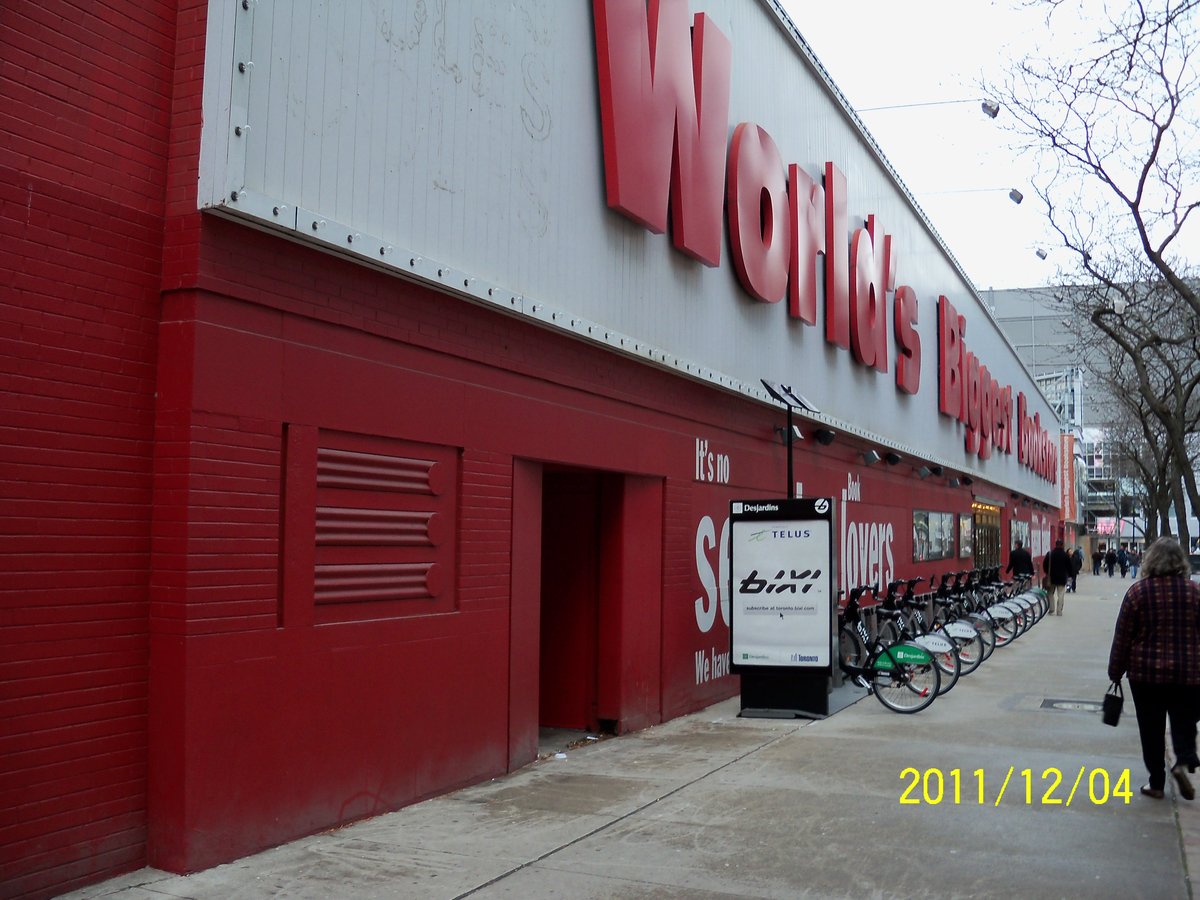
- Cyclists can use available bike racks.
- Luggage Keep belongings close during peak hours due to limited space.
Nearby Attractions
- York Mills Centre Shopping, dining, and essential services
- Don Valley Trails and York Mills Park for outdoor recreation
- Miller Tavern Historic building and local dining landmark
- Hoggs Hollow Picturesque neighborhood with green spaces
- Don Valley and Rosedale Golf Clubs
- Canadian Forces College and Loretto Abbey Catholic Secondary School nearby
Guided historical walks are occasionally organized by local societies—check community boards or online for event details.
3. Architectural & Operational Features
York Mills Bus Terminal occupies the ground floor of York Mills Centre (Building 4), blending with the urban environment and maximizing natural light with its canopy design. The terminal features wide walkways, clear sightlines, and direct connections to both the subway concourse and street level. Its location near Highway 401 and Yonge Street makes it a critical regional node.
Operational Highlights:
- Multiple bus bays with clear numbering for efficient transfers
- Heated seating for winter comfort
- Seamless intermodal transfers without exiting the fare-paid zone
- Bicycle racks, taxi stands, and ride-sharing pickup zones
- Energy-efficient lighting and sustainable design elements
4. Frequently Asked Questions (FAQ)
Q: What are the York Mills Bus Terminal visiting hours?
A: Generally from 5:00 AM to midnight, but check specific route schedules for variations (GO Transit).
Q: Where can I buy tickets?
A: Use PRESTO cards, mobile apps, or ticket counters/vending machines within the terminal and York Mills Centre (GO Transit Fares; TTC Fares).
Q: Is the terminal accessible?
A: Yes, with elevators, tactile indicators, ramps, and barrier-free access.
Q: Is parking available?
A: No free parking; use Green P lots, public transit, or ride-sharing services.
Q: Are there facilities for cyclists?
A: Yes, bike racks are available.
Q: How do I get to Pearson Airport?
A: Take the subway to Union Station, then the UP Express to the airport (Destination Toronto).