
Early Origins
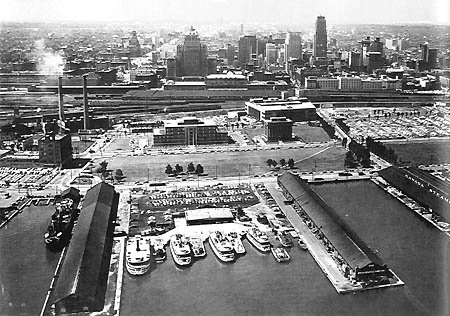
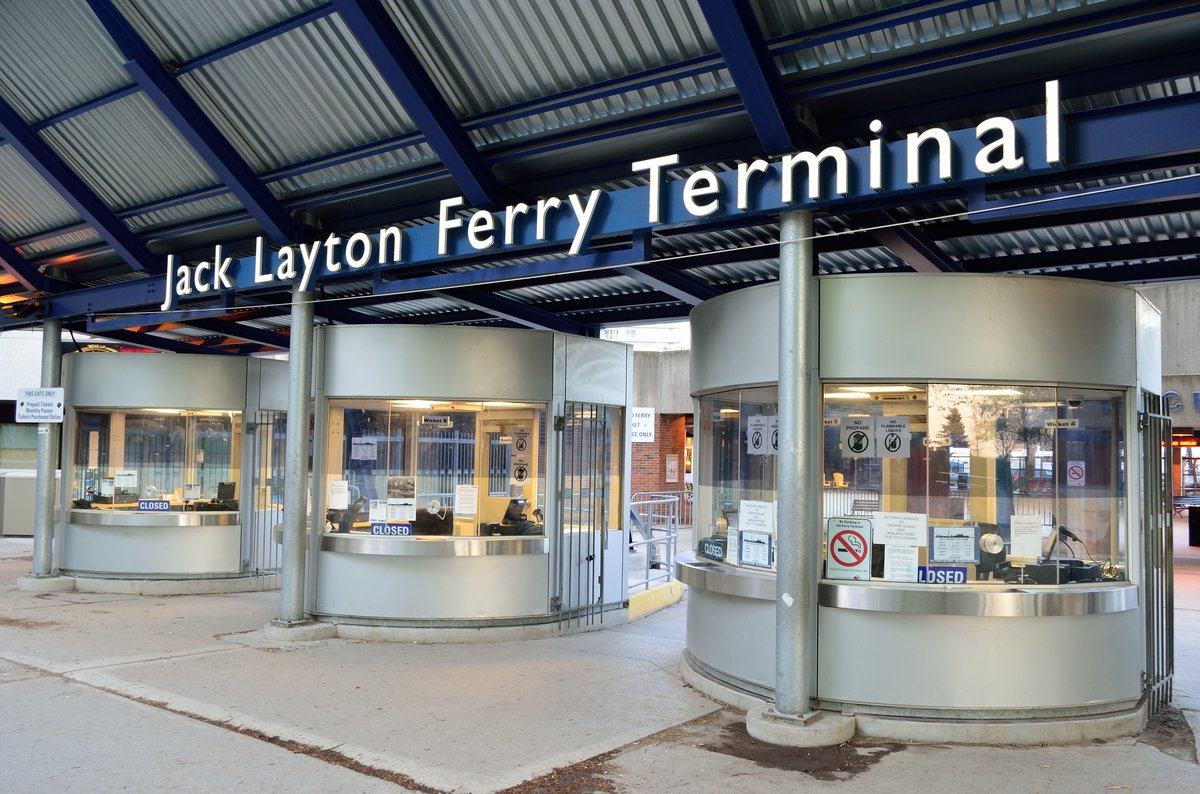
The ferry terminal has a rich history dating back over a century. Initially, ferries operated from docks on the east side of the Toronto Harbour Commission Building at Bay and Harbour Streets. After the 1918 land infilling, the terminal relocated to Queen’s Quay West between Yonge Street and Bay Street. Subsequent urban developments, including the construction of Harbour Square condominiums, led to the terminal’s move to its current location (Wikipedia).
Naming and Significance
In 2012, the terminal was renamed to honor Jack Layton, the late federal NDP leader and Toronto city councillor, recognized for his dedication to public service, transit advocacy, and community development (Wikipedia). The terminal’s name reflects not only its functional importance but also its role as a symbol of inclusivity and civic engagement.
Architectural and Urban Transformation
Integration with Waterfront Revitalization
The Jack Layton Ferry Terminal is a focal point in Toronto's extensive waterfront revitalization, a project transforming 800 hectares of formerly industrial land into vibrant, accessible public spaces (Designlines Magazine). The terminal’s strategic location links downtown Toronto to the peaceful Toronto Islands, supporting recreation, tourism, and urban life.
Recent Design and Landscape Innovation
Following an international design competition in 2014, the terminal underwent a major redesign, spearheaded by West 8, KPMB Architects, and Greenberg Consultants (West 8). The new design seamlessly blends built infrastructure with parkland, featuring rolling green roofs, an elevated canopy, and wide, accessible pathways. The “Harbour Landing” concept emphasizes a landscape-forward approach with shaded promenades, granite mosaics, and playful interactive elements, such as periscope signposts (GreenBlue).
Ferry Operations and Services
Ferry Fleet and Routes
The Toronto Island ferry fleet includes up to five vessels, with the historic Trillium (built in 1910) serving special occasions and the Ongiara operating year-round (Wikipedia). Ferries connect the mainland with Centre Island, Ward’s Island, and Hanlan’s Point. Ward’s Island is accessible throughout the year, while other routes have seasonal variations.
Modernization and Sustainability
Responding to aging infrastructure and environmental goals, the City of Toronto is transitioning to a fleet of fully electric ferries. The first electric vessel is expected by late 2026, with further upgrades planned to docking facilities and charging infrastructure (BlogTO; City of Toronto PDF). These changes will improve reliability, reduce emissions, and preserve the heritage value of vessels like the Trillium.
Practical Visitor Information
Visiting Hours
- Peak Season (May–October) 6:30 AM – midnight
- Off-Season Reduced hours; always confirm via the official Toronto Island Park ferry website or FerryTorontoIsland.com
Tickets and Pricing
- Purchase Options Buy tickets online, at terminal kiosks, or from authorized vendors.
- Adult Round-Trip ~$8–$10 CAD
- Discounts Available for children, seniors, students, groups, and families.
- Bike Policy Personal bikes allowed at no extra charge; avoid taking Bike Share Toronto bikes to the islands.
Accessibility
The terminal and ferries are fully accessible, with ramps, elevators, and wide pathways suitable for wheelchairs and strollers. Staff are available to assist passengers with special needs.
Travel Tips
- Arrive Early Weekends and holidays see the largest crowds; mornings are least busy.
- Buy Tickets in Advance Online purchase minimizes wait times.
- Weather Ferry services may be affected by storms or high winds—check updates before your trip.
- What to Bring Comfortable shoes, sun protection, water, and a camera for skyline photos.
Transportation and Access
Public Transit
- Subway Union Station (Line 1) is a 9-minute walk from the terminal.
- Streetcar 509 and 510 lines stop at Queens Quay/Ferry Docks Station.
- Bus 97B Yonge and 6 Bay buses provide direct access (Toronto Islands Directions).
Cycling
The Martin Goodman Trail runs directly in front of the terminal. Bike racks are available, and Bike Share Toronto has a nearby docking station.
Rideshare and Taxis
Uber, Lyft, and traditional taxis are accessible. Arrange drop-off/pick-up on Bay Street to avoid Queens Quay congestion.
Driving and Parking
Driving is not recommended due to high parking costs and limited availability ($25–$30 CAD/day). The islands themselves are car-free.
Water Taxi
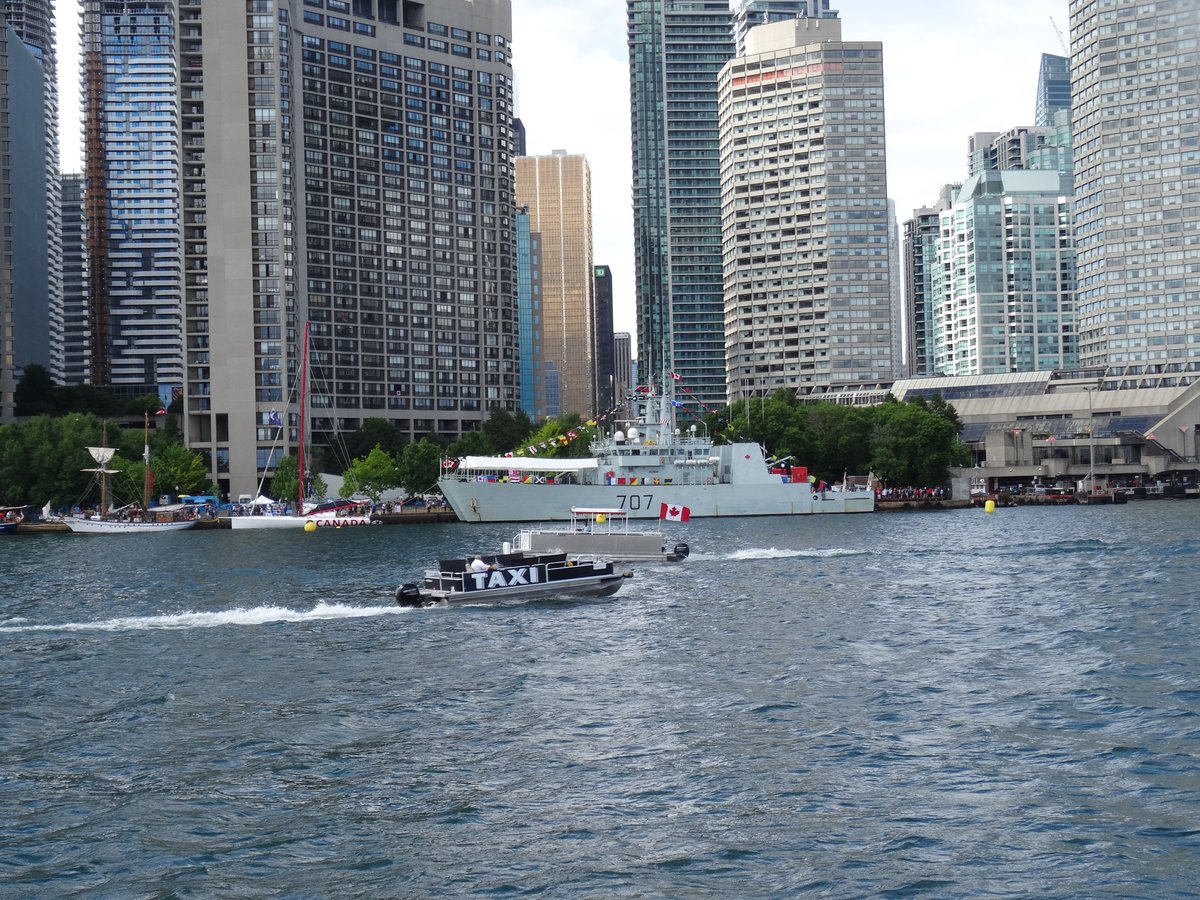
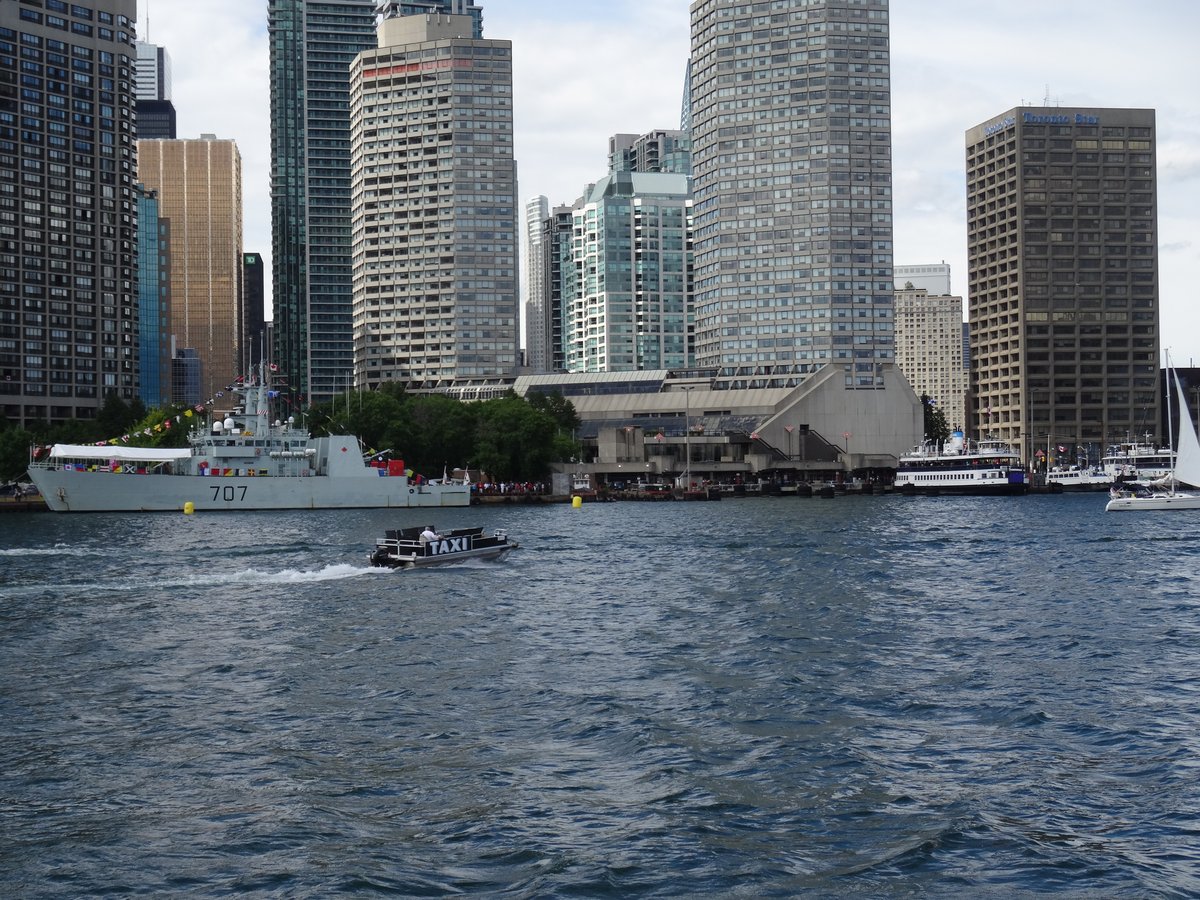
Private water taxis, including Tiki Taxi and Toronto Water Taxi, depart every 10 minutes, offering a flexible and speedy alternative for $10–$12.50 CAD each way.
Canoe and Kayak
Rentals are available from Harbourfront Canoe & Kayak Centre for trips to the islands, starting at $40 for two hours.
Terminal Facilities and Amenities
- Ticketing Onsite kiosks and online sales.
- Washrooms Public facilities available.
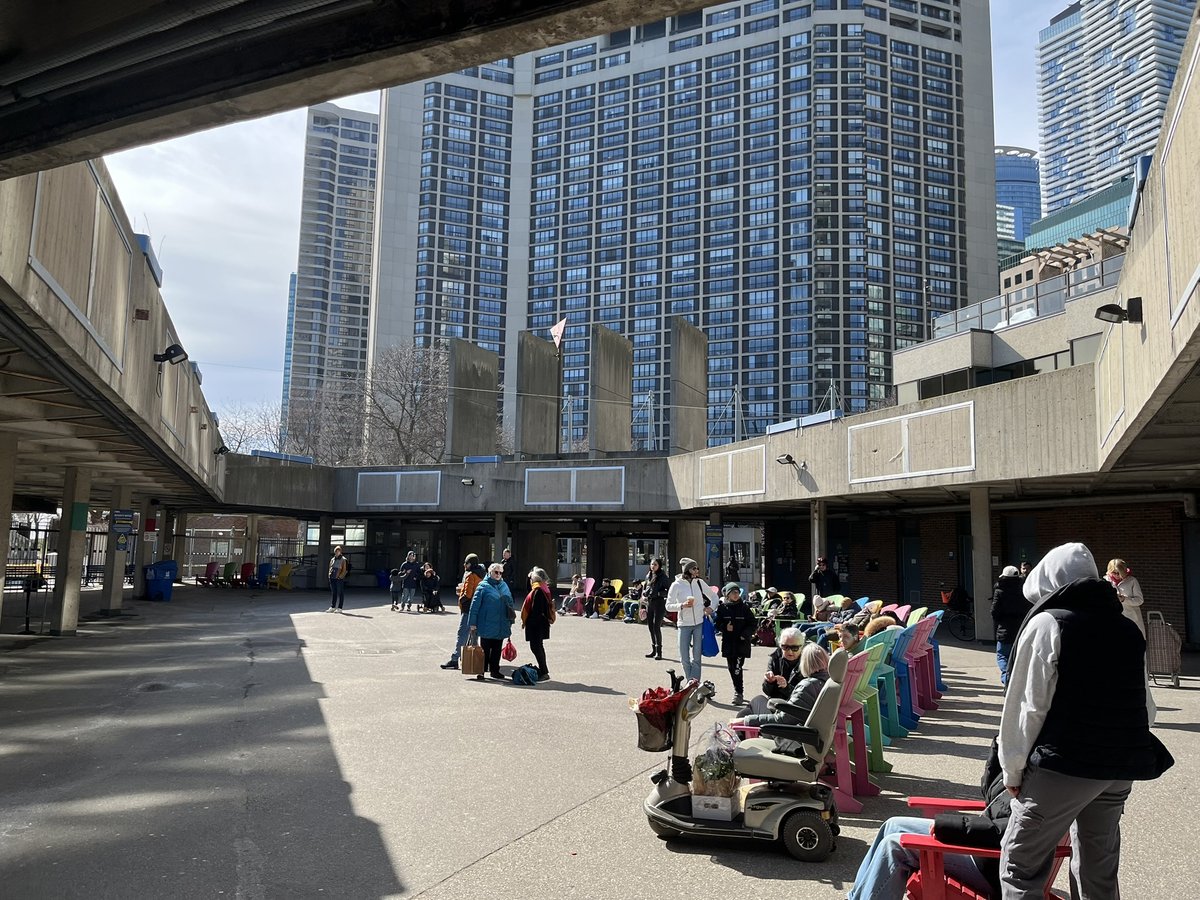
- Waiting Areas Covered, with seating and heating in winter.
- Bike Racks Located outside the terminal.
- Accessibility Full wheelchair and stroller access.
- Nearby Services Adjacent to Westin Harbour Castle Hotel, Harbour Square Park, and other waterfront amenities.
Attractions and Experiences
On the Toronto Islands
- Beaches Centre Island, Hanlan’s Point, and Ward’s Island.
- Parks and Trails Walking, cycling, and picnic areas.
- Family Activities Centreville Amusement Park, Franklin Children’s Garden.
- Historical Sites Gibraltar Point Lighthouse.
- Events and Tours Seasonal festivals, guided nature walks, and photography tours.
Photographic Highlights
- Skyline Views Best from Hanlan’s Point and Ward’s Island beaches.
- Ferry Rides Capture panoramic shots of Lake Ontario and downtown Toronto.
Safety, Security, and Sustainability
- Security Staffed with security and customer service. Lost and found available.
- Environmental Focus Green roofs, expanded parkland, and a push toward fully electric ferries support sustainability.
- Accessibility Commitment Ongoing improvements to signage, pathways, and universal access.
Challenges and Future Developments
Operational Challenges
- Overcrowding Peak periods can bring long waits and congestion.
- Aging Infrastructure Some ferries are over a century old; upgrades are ongoing.
- Weather Delays Ferry service is occasionally delayed by adverse lake conditions.
Redevelopment Initiatives
- Fleet Modernization Transition to electric ferries by 2027.
- Terminal Upgrades Expanded waiting areas, improved ticketing systems, and enhanced wayfinding.
- Public Space Enhancement Integration with Harbour Landing park and broader waterfront revitalization (West 8).
- Innovative Ideas Proposals include a high-capacity aerial gondola to alleviate congestion (GTA Chronicle).
Frequently Asked Questions (FAQ)
Q: What are the Jack Layton Ferry Terminal visiting hours?
A: Typically from 6:30 AM to midnight in peak season; hours may vary in winter. Confirm at FerryTorontoIsland.com.
Q: How can I buy tickets?
A: Online, at the terminal, or from authorized vendors. Visit TorontoIsland.com for details.
Q: Are the terminal and ferries accessible?
A: Yes, with ramps, elevators, and staff available to assist.
Q: Can I bring my bike or pet?
A: Personal bikes are allowed at no charge. Leashed pets are welcome.
Q: Are there food options at the terminal?
A: Limited; bring snacks or buy food on the islands.
Q: Are guided tours available?
A: Yes, especially in summer. Check local listings and the official ferry site for schedules.
Visuals and Media
- Interactive Map of Toronto Waterfront and Ferry Routes
- Virtual Tour of the Jack Layton Ferry Terminal