Indigenous Presence and Early Settlement
Mount Dennis occupies land that has been home to Indigenous peoples for millennia, including the Mississaugas of the Credit, Anishnabeg, Chippewa, Haudenosaunee, and Wendat. The Humber River Valley, which runs through the area, was part of the Toronto Carrying Place Trail—a vital trade route connecting Lake Ontario with the upper Great Lakes. Archaeological evidence points to a significant Wendat village just north of present-day Mount Dennis, dating back to the 15th century (City of Toronto PDF; Mount Dennis Timeline).
French explorer Étienne Brûlé’s 1615 journey through the Humber marked early European contact, foreshadowing later settlement and the fur trade era (Mount Dennis Timeline).
The Dennis Family and Early Development
The neighbourhood draws its name from John Dennis, a Loyalist shipbuilder who relocated from Philadelphia in the early 1800s. The Dennis family established a sawmill and a woollen factory, capitalizing on the Humber’s water power and fertile land. By the late 19th century, Mount Dennis featured brickyards, sand and gravel pits, and market gardens, especially around Eglinton Flats. The community’s early infrastructure included its first school in 1893 and a post office, with commercial growth focused along Weston Road (Neighbourhood Guide).
Industrialization and the Kodak Era
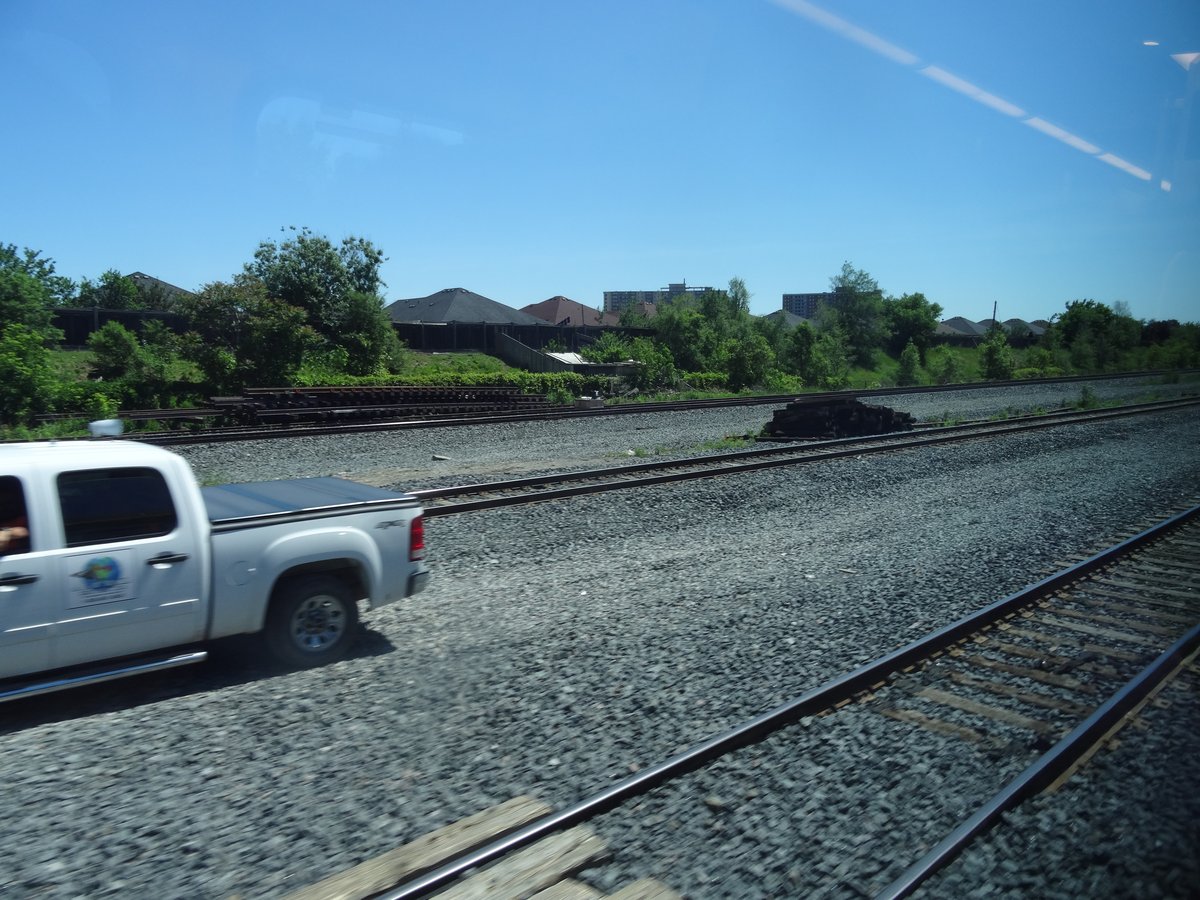
The arrival of the Grand Trunk Railway and the extension of Weston Road were pivotal for Mount Dennis’s growth. The most significant change came in 1916 with the construction of Kodak Heights, the Eastman Kodak Company’s main Canadian plant. The factory became the neighbourhood’s largest employer and shaped its identity for nearly 90 years (Wikipedia; BlogTO).
Kodak Heights fostered a tight-knit community, with residential neighbourhoods developing around the plant. Although the area remained within York Township (a 1920s plebiscite to secede failed), it steadily expanded as more workers settled nearby (Neighbourhood Guide).
Postwar Expansion and Urban Transformation
After World War II, Mount Dennis experienced a housing boom. Subdivisions replaced open fields, and the area’s distinctive topography—rolling hills and winding streets—provided scenic views over the Humber Valley. Housing styles span from late 19th-century homes to mid-century bungalows and custom infill, reflecting ongoing change (Community Search).
Economic Shifts and Community Resilience
The late 20th century brought challenges as manufacturing declined. Kodak’s closure in 2005 led to higher unemployment and economic hardship (BlogTO). Despite this, Mount Dennis remained resilient, welcoming a growing immigrant population that diversified the neighbourhood. By 2016, immigrants made up half of Ward 11’s population, with visible minorities surpassing the city average (City of Toronto PDF).
Revitalization and Heritage Preservation
The 21st century has been marked by renewal, driven by the Eglinton Crosstown LRT and the transformation of the Kodak site into a major transit hub. Community amenities like the York Recreation Centre and the Mount Dennis Public Library have been modernized. Heritage preservation is a priority, exemplified by the incorporation of Kodak Building 9 into the new transit station and ongoing advocacy for other historic sites (City of Toronto; BlogTO).
Key Historical Landmarks: Visiting Hours and Access
Kodak Heights / Building 9
- Significance The only remaining building from the original Kodak Heights, now part of Mount Dennis Station’s concourse.
- Visiting Hours Open daily, 5:30 AM–1:30 AM (station hours).
- Admission Free; special tours or events may require advance booking (Metrolinx).
Weston Road
- Significance Historic main thoroughfare with shops, services, and cultural landmarks.
- Hours Open year-round; no admission fee.
Denison Cemetery
- Significance Heritage cemetery reflecting the area’s earliest settlers.
- Hours Daily, dawn to dusk. Free entry.
Eglinton Flats
- Significance Expansive parkland with sports fields, trails, and wetlands.
- Hours Year-round, dawn to dusk. Free access (StrollTO).
Parks and Green Spaces
- Eglinton Flats Major recreational area for sports, walking, cycling, and birdwatching.
- Scarlett Woods Golf Course Scenic executive golf course; check official site for tee times and fees.
- Portage Gardens Park & Gladhurst Park Family-friendly parks with playgrounds, trails, and picnic areas (StrollTO).
Arts, Culture, and Community Life
- UrbanArts Community Arts Council Offers workshops, exhibitions, and performance events for all ages (StrollTO).
- Mount Dennis Community Hall Community hub for meetings, programs, and celebrations (SoldByShane).
- Mount Dennis Public Library Educational resources, technology access, and cultural programming (SoldByShane).
- Vedanta Society of Toronto Spiritual and cultural events focused on Indian traditions (StrollTO).
- Murals/Public Art Notable murals at Weston Road and Eglinton Avenue West celebrate community diversity (StrollTO).
Shopping, Dining, and Local Businesses
- Weston Road Business Improvement Area (BIA) Diverse shops, markets, and eateries reflecting the area’s multicultural character (SoldByShane).
- Jane Street & Lambton Avenue Plazas Convenient shopping for residents and visitors.
Accessibility and Transit Connectivity
- Mount Dennis Transit Hub Connects the Eglinton Crosstown LRT, Kitchener GO Line, and UP Express.
- TTC Bus Services Multiple routes serve the area; plan your trip with the TTC Trip Planner.
- Cycling 120 bike parking spaces at the station, including 80 indoor spots.
- Parking Street parking available; check signage for restrictions (Toronto City Report).
- Accessibility All major public facilities, including York Recreation Centre and Mount Dennis Library, are wheelchair accessible.
Community Events and Festivals
Mount Dennis hosts multicultural festivals, public art walks, and annual events such as the People’s Summit and Party by the Pond, reflecting the neighbourhood’s diversity and community spirit (Toronto City Report).
Visitor Tips: Hours, Tickets, and Best Times
- Visiting Hours Parks and outdoor sites are open dawn–dusk. Community centres and library follow standard operating hours.
- Admission Most attractions are free; some events or tours may require registration or tickets.
- Best Times to Visit Spring through fall, when weather is pleasant and outdoor events are frequent.
- Photography Murals, parks, and historical buildings are best captured in daylight.
- Safety The neighbourhood is generally safe; standard urban precautions are advised.
Frequently Asked Questions (FAQ)
Q: How do I get to Mount Dennis by public transit?
A: Take the Eglinton Crosstown LRT or any of several TTC bus routes. Use the TTC Trip Planner for details.
Q: Are there regular guided tours?
A: Community heritage walks are occasionally offered; check local association or BIA websites for updates.
Q: Is Mount Dennis family-friendly?
A: Yes; parks, playgrounds, and community centres cater to all ages.
Q: Do I need tickets to visit historical sites?
A: Most sites are public and free to access. Check ahead for special events or guided tours.
Q: Where can I find multicultural dining?
A: Explore Weston Road and Jane Street for Caribbean, African, South Asian, and international cuisine.