Introduction
The first time the peameal bacon hits the griddle at St. Lawrence Market, the smell alone rewrites everything you thought you knew about Toronto. This Canadian city doesn't whisper its contradictions; it serves them up loud. A 553-metre concrete needle pierces the clouds while, three blocks east, a Victorian greenhouse still smells of 19th-century ferns. Walk another ten minutes and you're buying random books from a vending machine shaped like a gothic reliquary.
Toronto keeps more secrets per square kilometre than most cities admit to having. The Gooderham Building stands at Front and Wellington like a red-brick slice of cake that somehow survived every planning meeting since 1892. Down in the financial district, Mies van der Rohe's Toronto-Dominion Centre still looks dangerously modern sixty years later. Yet the real pulse hides in places like the abandoned Lower Bay subway station, where the ghosts of 1960s tilework wait in perfect silence.
What moves me is how willingly the city lets its layers show. Scarborough Bluffs drop 65 metres straight into Lake Ontario, their white faces catching the afternoon light like Dover's cliffs that took a wrong turn at Greenland. Kensington Market lets its bohemian chaos spill onto the pavement without apology. Even the BAPS Shri Swaminarayan Mandir, carved from 24,000 tonnes of Italian and Indian marble, feels less like an import and more like Toronto simply being Toronto.
Spend enough time here and the place changes how you read cities. The same corner might serve you the country's best spicy boiled beef one day and host an indie puzzle room the next. That tension between concrete ambition and quiet weirdness is the actual Toronto. Once you taste it, other cities start to feel edited.
Places to Visit
The Most Interesting Places in Toronto
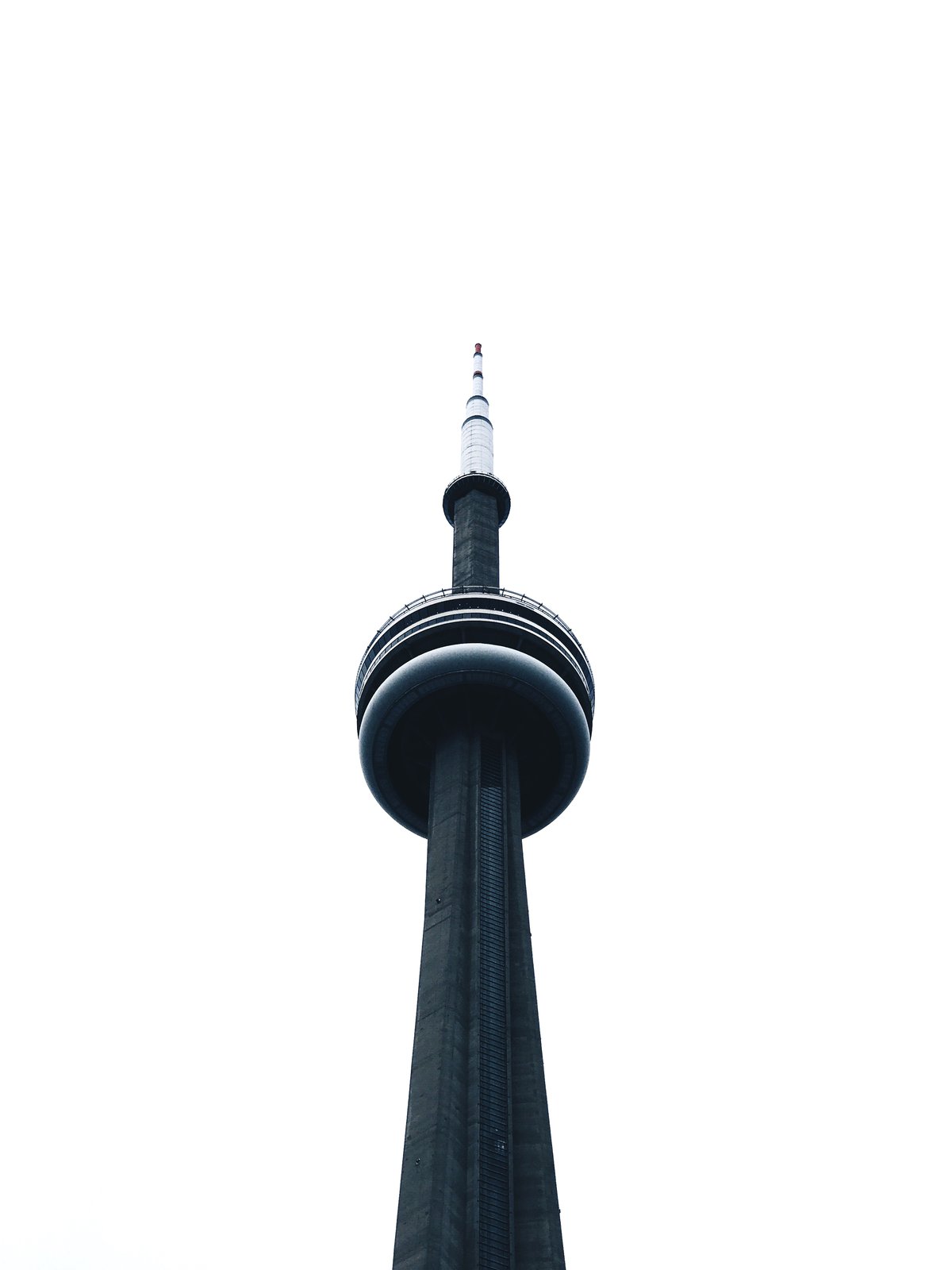
Cn Tower
The CN Tower, a marvel of modern engineering, stands as an iconic symbol of Toronto and a testament to human ingenuity.
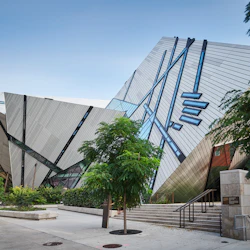
Royal Ontario Museum
The Royal Ontario Museum (ROM) is a cornerstone of Toronto’s cultural and historical landscape, offering an unparalleled exploration of art, natural history,…
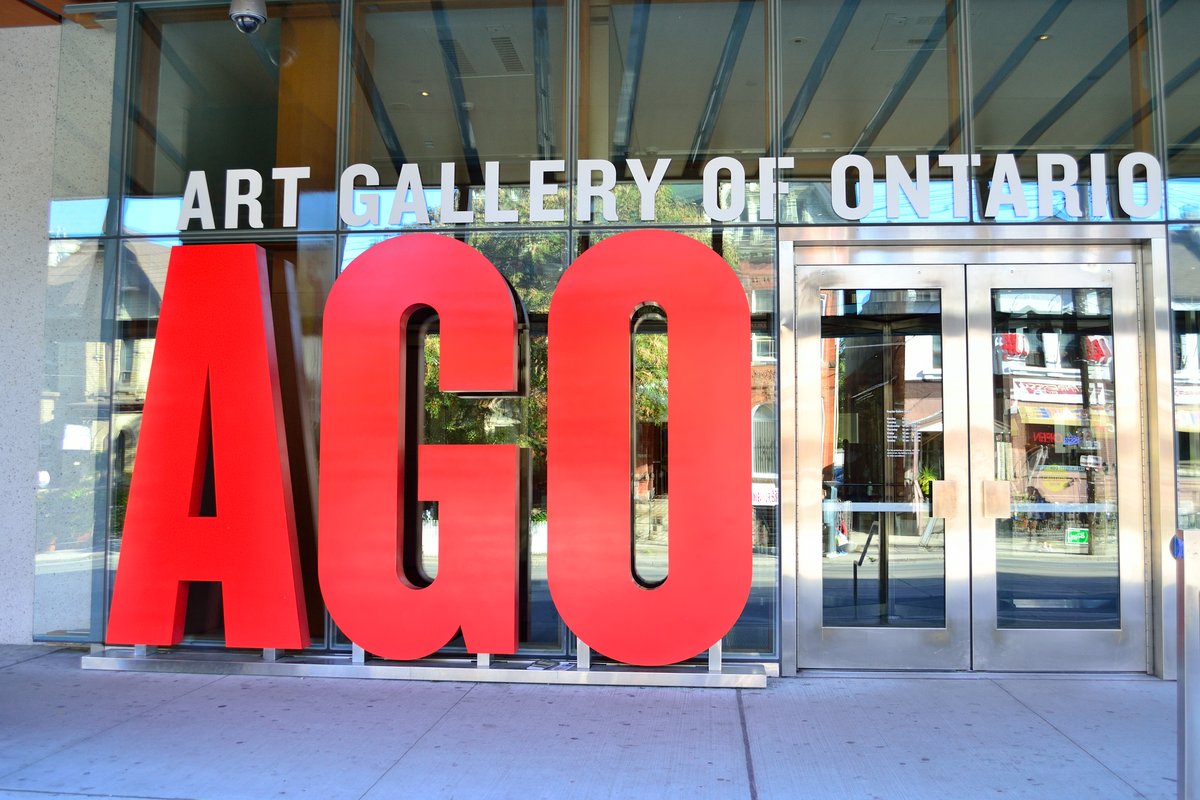
Art Gallery of Ontario
The Art Gallery of Ontario (AGO) stands as a beacon of culture and art in the heart of Toronto, Canada, offering visitors an immersive journey through…
Maple Leaf Gardens
Maple Leaf Gardens stands as a historic and cultural icon nestled in the heart of downtown Toronto, Canada.
Casa Loma
Casa Loma, a majestic castle perched on a hill in Toronto, offers a mesmerizing glimpse into early 20th-century opulence and ambition.
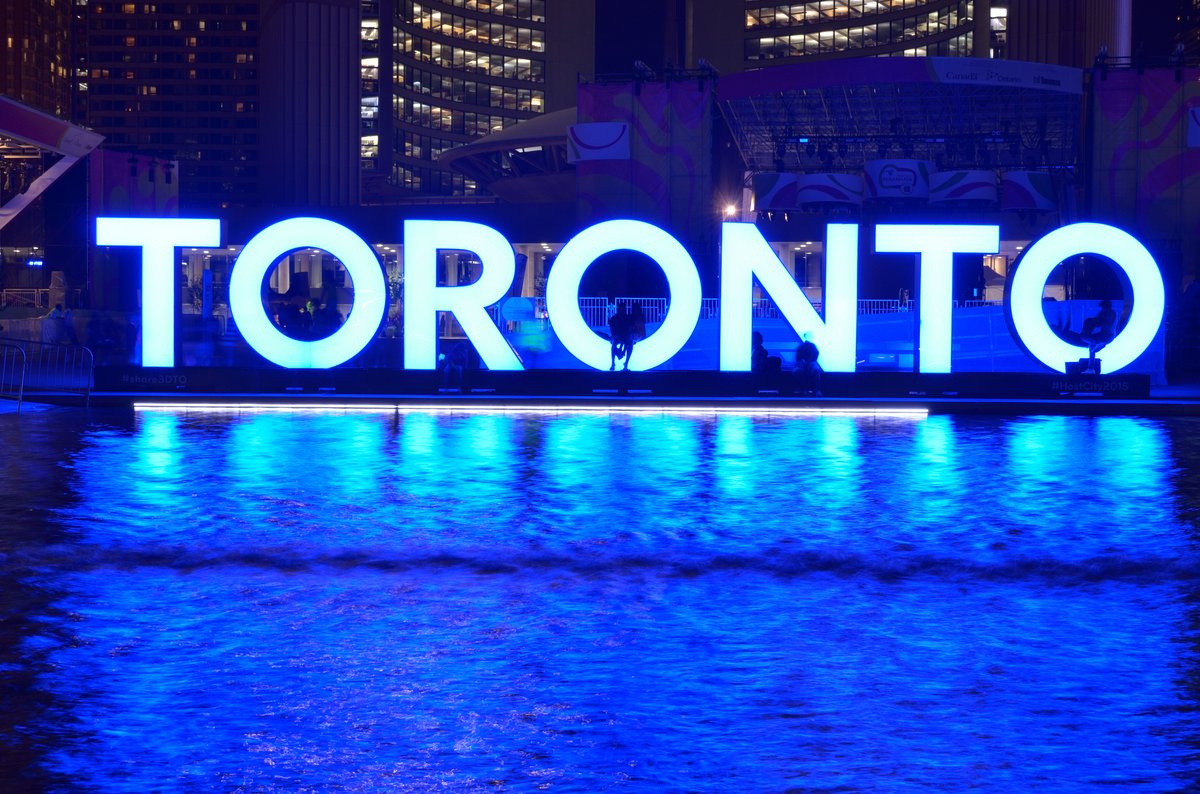
Toronto Sign
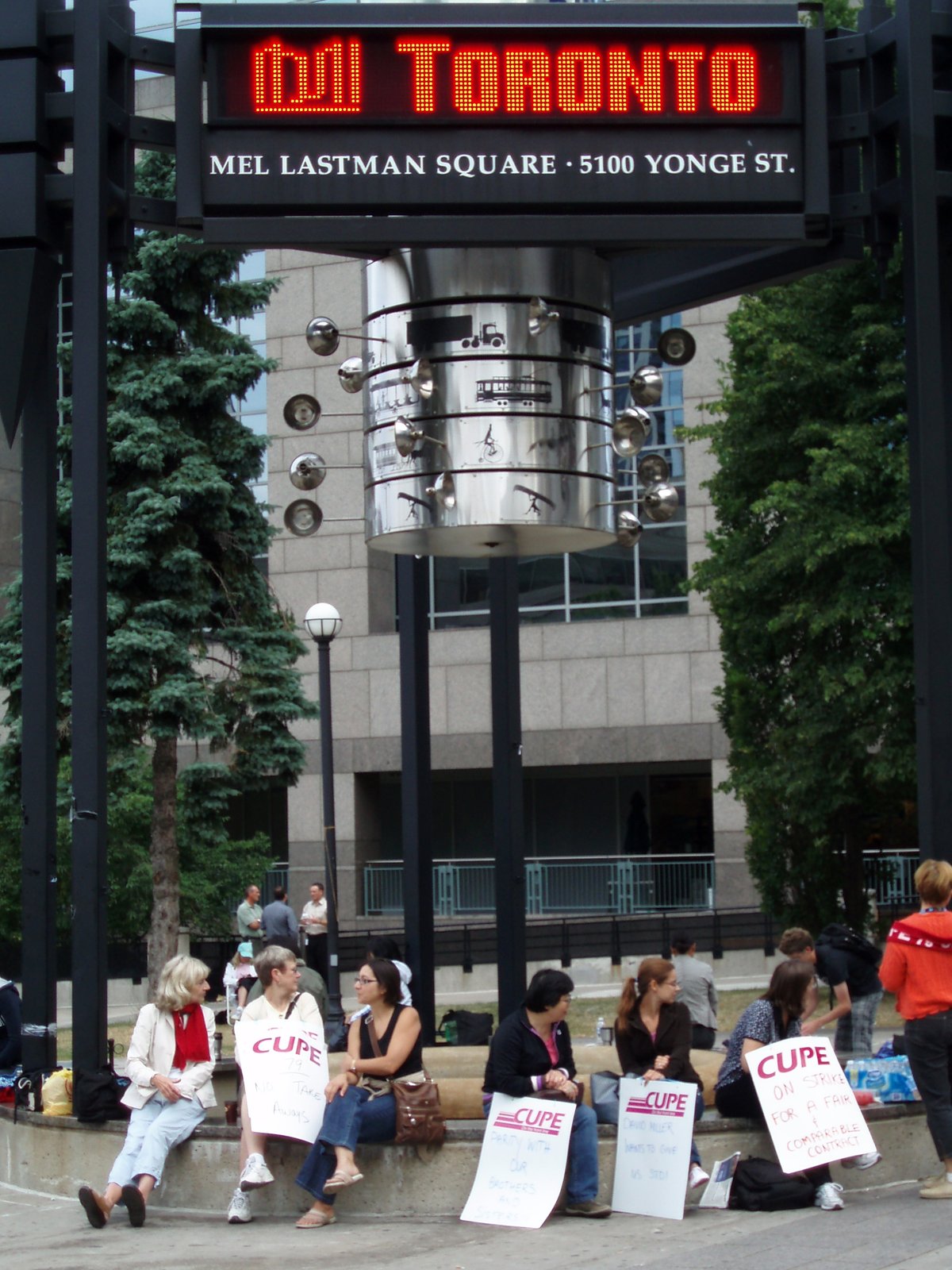
Nathan Phillips Square, located in the heart of Toronto, is more than just a public plaza; it is a symbol of the city's evolution and its vibrant cultural…
First Canadian Place
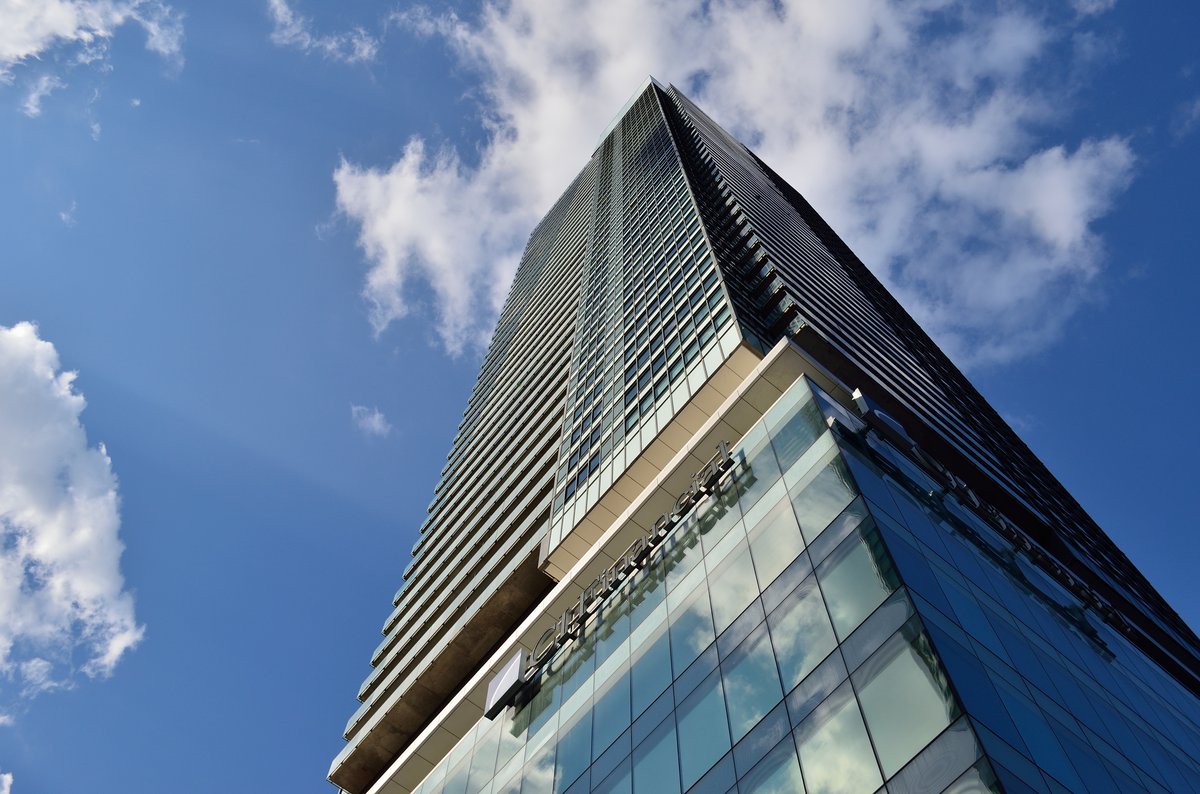
First Canadian Place stands as an iconic skyscraper in the heart of Toronto’s Financial District, symbolizing both the city’s economic growth and its…
Woodbine Beach
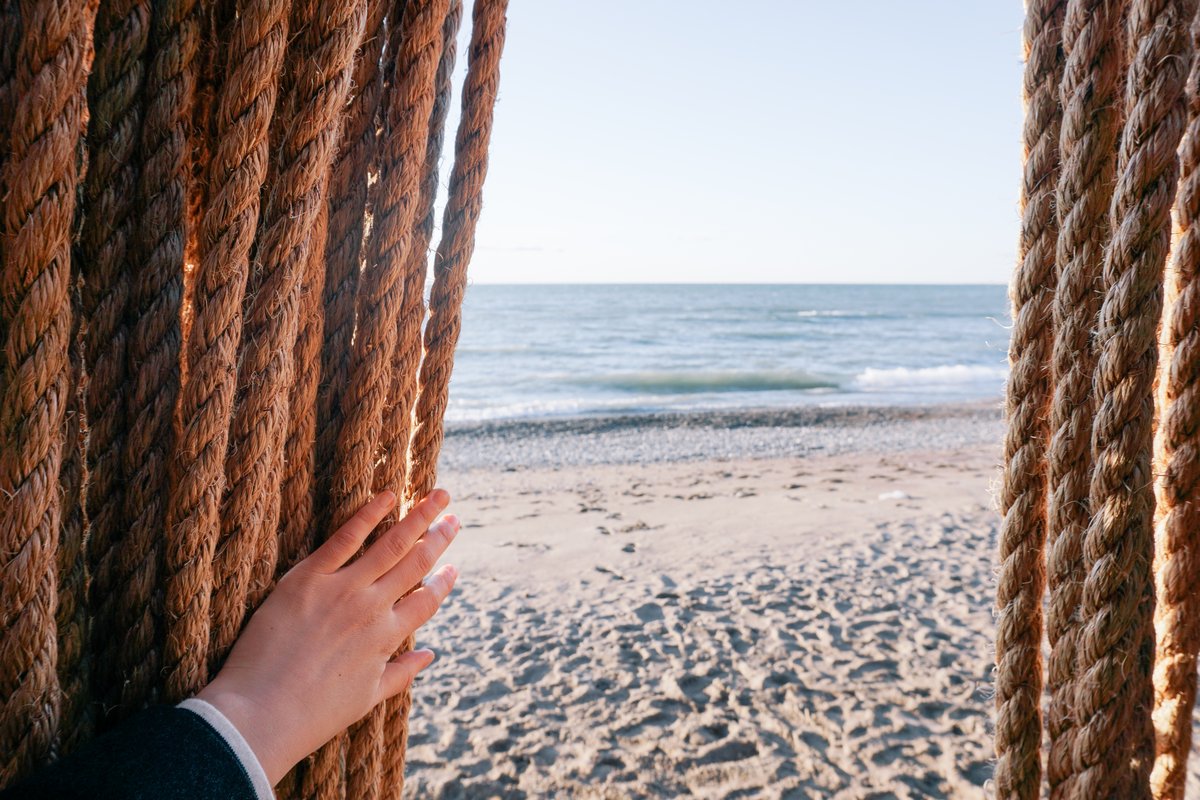
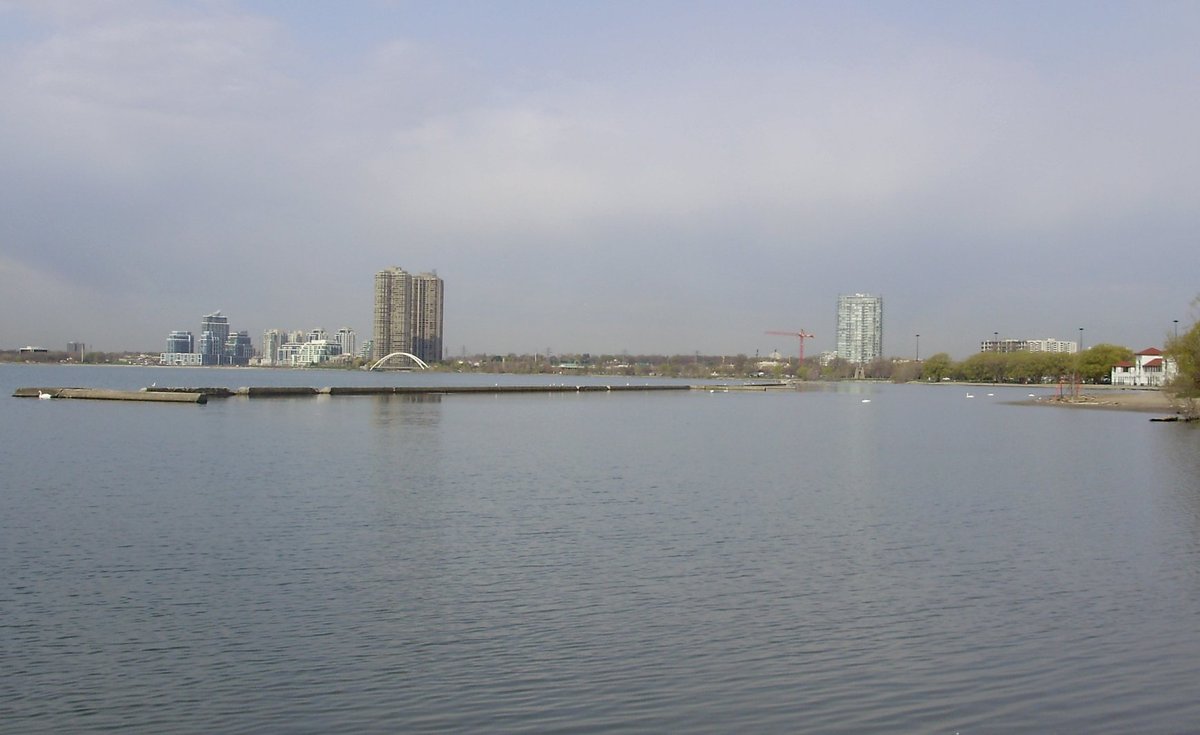
Nestled along the eastern shores of Toronto, Woodbine Beach stands out as a premier destination for both locals and tourists.
Edwards Gardens
Nestled within the bustling cityscape of Toronto, Edwards Gardens stands as a verdant oasis, offering a tranquil escape and a rich tapestry of history and…
Nathan Phillips Square
Nathan Phillips Square stands as one of Toronto’s most iconic and vibrant public spaces, blending deep historical roots with striking modernist architecture…
High Park
High Park in Toronto stands as a remarkable urban oasis blending over 400 acres of rich natural landscapes, diverse ecosystems, and a profound cultural…
Rouge National Urban Park
Nestled within the Greater Toronto Area, Rouge National Urban Park stands as a pioneering example of urban conservation and cultural preservation, recognized…
What Makes This City Special
The Skyline That Keeps Changing
Toronto holds 108 skyscrapers over 150 m as of 2026. Stand at the base of the Mies van der Rohe–designed Toronto-Dominion Centre at dusk and watch how the glass towers turn the last light into something metallic and alive.
Casa Loma's Secret Tunnels
Sir Henry Pellatt built this 98-room Edwardian castle in 1914 complete with two secret tunnels. One still runs 250 metres to the stables. The echo of your footsteps there feels heavier than any velvet rope museum.
St. Lawrence Market at 7 a.m.
The butchers are already shouting prices while the scent of fresh peameal bacon drifts across 180 stalls. This is where the city actually eats, not where it performs for visitors.
Scarborough Bluffs
White cliffs rise 65 metres above Lake Ontario, taller than Niagara in places. Most tourists never see them. Walk the Doris McCarthy Trail at golden hour and the city suddenly feels like a rumour.
Historical Timeline
From Indigenous Paths to a City of Glass and Steel
The quiet persistence of a place that keeps reinventing itself
First Footprints on the Land
Indigenous peoples begin shaping the landscape around the shores of Lake Ontario. For twelve millennia they hunt, fish, and trade along the Humber and Don rivers. Their trails and stories still echo beneath the concrete grid we walk today.
Wyandot Village Rises
Several hundred Wyandot people build a fortified settlement near present-day Castlefield Avenue. The air carries woodsmoke and the scent of drying fish. This community marks one of the last major villages before European arrival changed everything.
Brûlé Reaches the Humber
Étienne Brûlé becomes the first European to stand at the mouth of the Humber River. The meeting marks the beginning of a long, uneasy relationship between newcomers and those who had lived here for centuries. Nothing would remain quite the same.
The Toronto Purchase
British officials acquire the land from the Mississaugas in a deal still disputed today. The agreement opens the door for settlement. Within six years the British would plant a garrison town they called York.
Fort York Is Built
Lieutenant Governor John Graves Simcoe orders a wooden fort constructed on the lakeshore. The smell of fresh-cut pine fills the air as soldiers hammer together the first permanent British foothold. Simcoe also names the surrounding townships Etobicoke and Scarborough after places dear to his wife Elizabeth.
Americans Burn York
During the War of 1812, U.S. troops land, capture the town, and set fire to the Parliament buildings. Black smoke rolls across the frozen harbor. The British retaliate later by burning Washington. The cycle of frontier violence continues.
York Becomes Toronto
The muddy colonial town of York officially incorporates as the City of Toronto. Its population barely reaches nine thousand souls. Locals still argue whether the new name should be pronounced with a silent second T.
Rebellion at Montgomery's Tavern
Reformers clash with government forces north of the city in an ill-fated uprising. Muskets crack in the winter air. Though quickly crushed, the rebellion forces Britain to grant responsible government. Toronto's political character is forged in that cold December.
The Great Fire Devours Downtown
Flames race through wooden buildings, destroying much of the commercial core in a single night. Citizens stand in the streets watching their city burn. The disaster forces Toronto to rebuild in brick and stone, leaving a more permanent skyline.
First Train Departs Union Station
The Ontario, Simcoe and Huron Railway pulls out of the brand-new station. Iron wheels screech against tracks that will eventually stretch across the continent. Toronto begins its transformation from lakeside outpost to railway hub.
Frederick Banting Is Born
In a modest house on Alliston Road, a boy arrives who will later change medicine forever. Banting grows up to co-discover insulin at the University of Toronto. The city still quietly claims him as one of its own.
Old City Hall Opens Its Doors
Architect E.J. Lennox completes his Romanesque masterpiece on Queen Street. Gargoyles glare down at passersby. The building's elaborate details reflect a young city eager to prove it has arrived.
Second Great Fire Sweeps the Core
Flames consume over a hundred buildings in the wholesale district. The damage stretches from Bay Street to Yonge. Insurance payouts and new building codes transform the downtown into a modern financial district of brick and steel.
Pellatt Begins Casa Loma
Sir Henry Pellatt starts construction on his 98-room Edwardian castle on the Davenport escarpment. Three years and three million dollars later it stands complete. The extravagance still raises eyebrows more than a century on.
Harold Town Enters the World
The future painter and co-founder of Painters Eleven is born in Toronto. Town's restless energy and bold abstractions help drag Canadian art into the modern age. The city shaped him and he, in turn, helped reshape its cultural self-image.
Canada's First Subway Opens
The Yonge line begins service beneath the city. Torontonians crowd the platforms, stunned by the clean, bright stations. The subway marks Toronto's decisive shift from streetcar town to modern metropolis.
Will Arnett Comes into Being
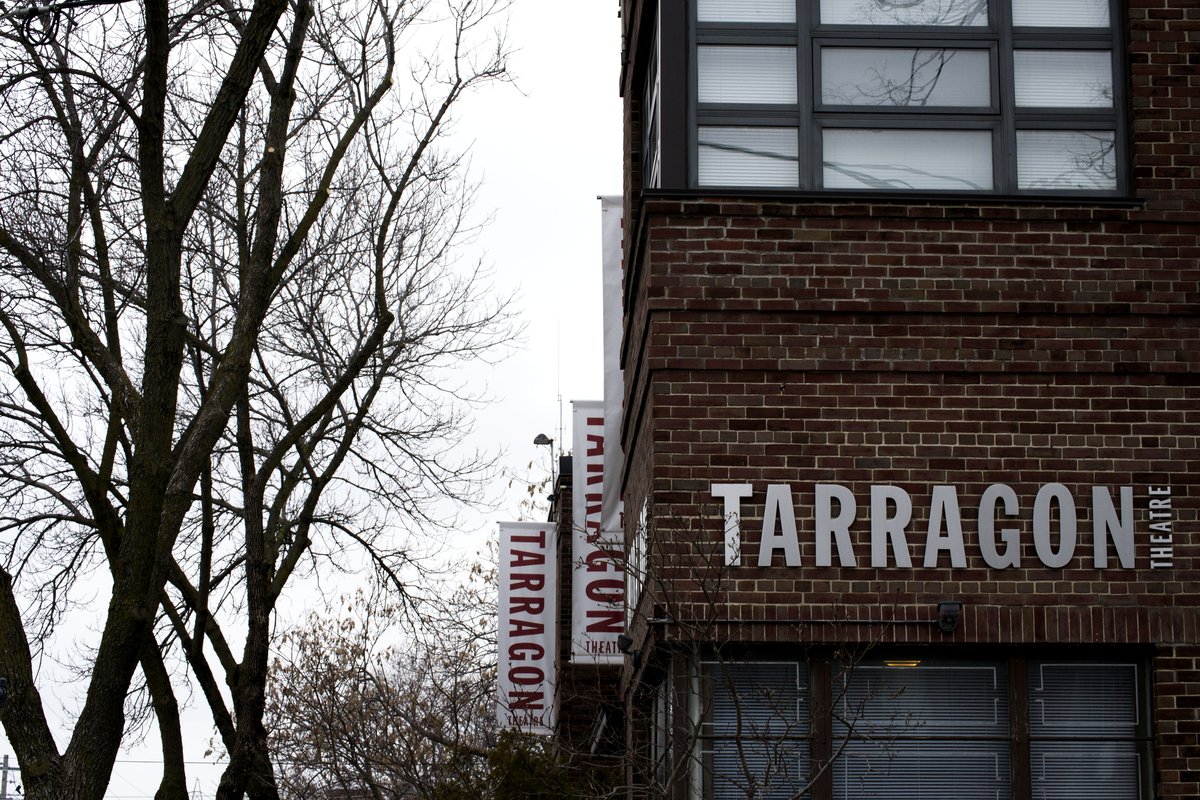
A future actor and comedian is born in the city. Arnett attends Leaside High School and studies at the Tarragon Theatre before finding fame elsewhere. Toronto still claims him when he returns for film shoots.
CN Tower Reaches the Sky
Construction finishes on the 553-metre concrete needle that instantly becomes the city's symbol. On a clear day you can see it from fifty kilometres away. Torontonians both mock and love the tower in equal measure.
The Big Amalgamation
Six separate municipalities merge into the new City of Toronto. The move creates a single metropolis of 2.4 million people. Old rivalries between the former boroughs still surface in city council chambers.
Margaret Atwood Turns 78
The city's most famous living writer celebrates another birthday. Her novels have mapped Toronto's psychic geography for decades. From the Annex to the waterfront, readers still see her dystopias and domestic dramas unfolding on familiar streets.
Notable Figures
Sir Frederick Banting
1891–1941 · Medical ScientistIn a cramped University of Toronto lab in 1921, Banting and Best extracted insulin from dog pancreases and changed diabetes from a death sentence to a manageable condition. He refused to profit from the patent, selling it for one dollar. Today he would probably walk past the glass towers on University Avenue, shake his head at the cost of insulin in America, and head straight back to the lab.
Margaret Atwood
born 1939 · NovelistAtwood has watched Toronto transform from a buttoned-up provincial capital into a city where you can hear six languages before lunch. The Handmaid’s Tale and Oryx and Crake grew from her sharp observations of this place, its polite surfaces and hidden power structures. She still lives here, still walks the same streets, still notices everything.
Neil Young
born 1945 · Singer-songwriterYoung was born at Toronto General Hospital and spent part of his teens at Lawrence Park Collegiate before chasing music west. The city’s cold lake wind and restless energy still bleed into songs like ‘Helpless.’ He returns every few years, usually without fanfare, the same quiet observer who left decades ago.
Sir Henry Pellatt
1859–1939 · Financier and builderPellatt poured his fortune into a 98-room Gothic castle on a hill above the city, complete with secret passages and Canada’s largest wine cellar. By 1923 he was bankrupt and the castle sat empty. Today tourists climb its towers while the city debates what to do with a rich man’s folly that somehow became everyone’s landmark.
Plan your visit
Practical guides for Toronto — pick the format that matches your trip.
Toronto Money-Saving Passes & Cards
Honest guide to Toronto passes and cards: CityPASS, TTC, GO, UP Express, museum and brew passes, with break-even math and traps to skip.
Toronto First-Time Visitor Tips From a Savvy Local
Practical Toronto first-time visitor tips from a local angle: beat CN Tower lines, avoid fake taxis, use the TTC properly, and spend your time on places that repay it.
Photo Gallery
Explore Toronto in Pictures
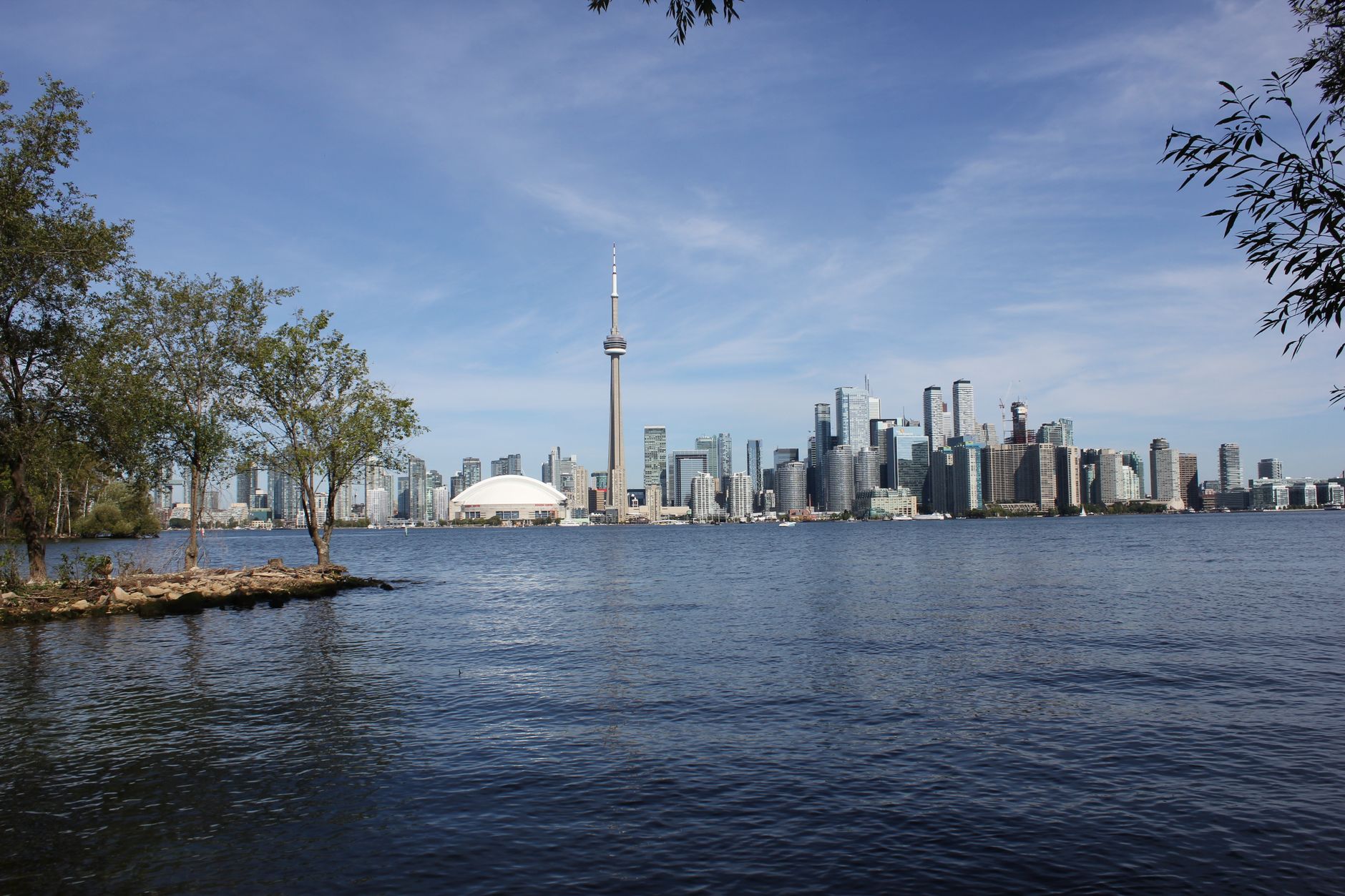
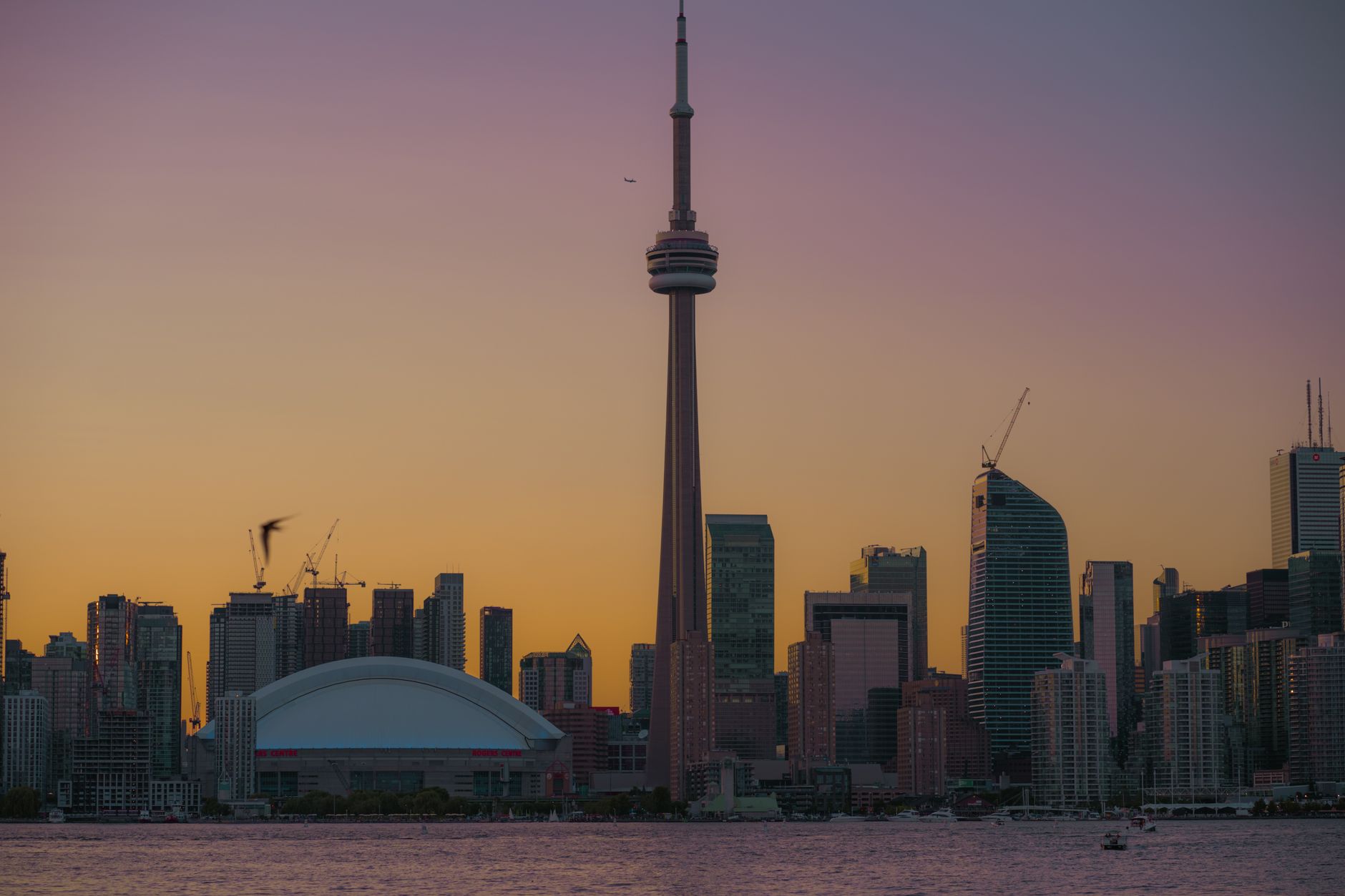
The iconic Toronto skyline rises above the calm waters of Lake Ontario, showcasing the CN Tower and the Rogers Centre.
Alex Ohan on Pexels · Pexels License
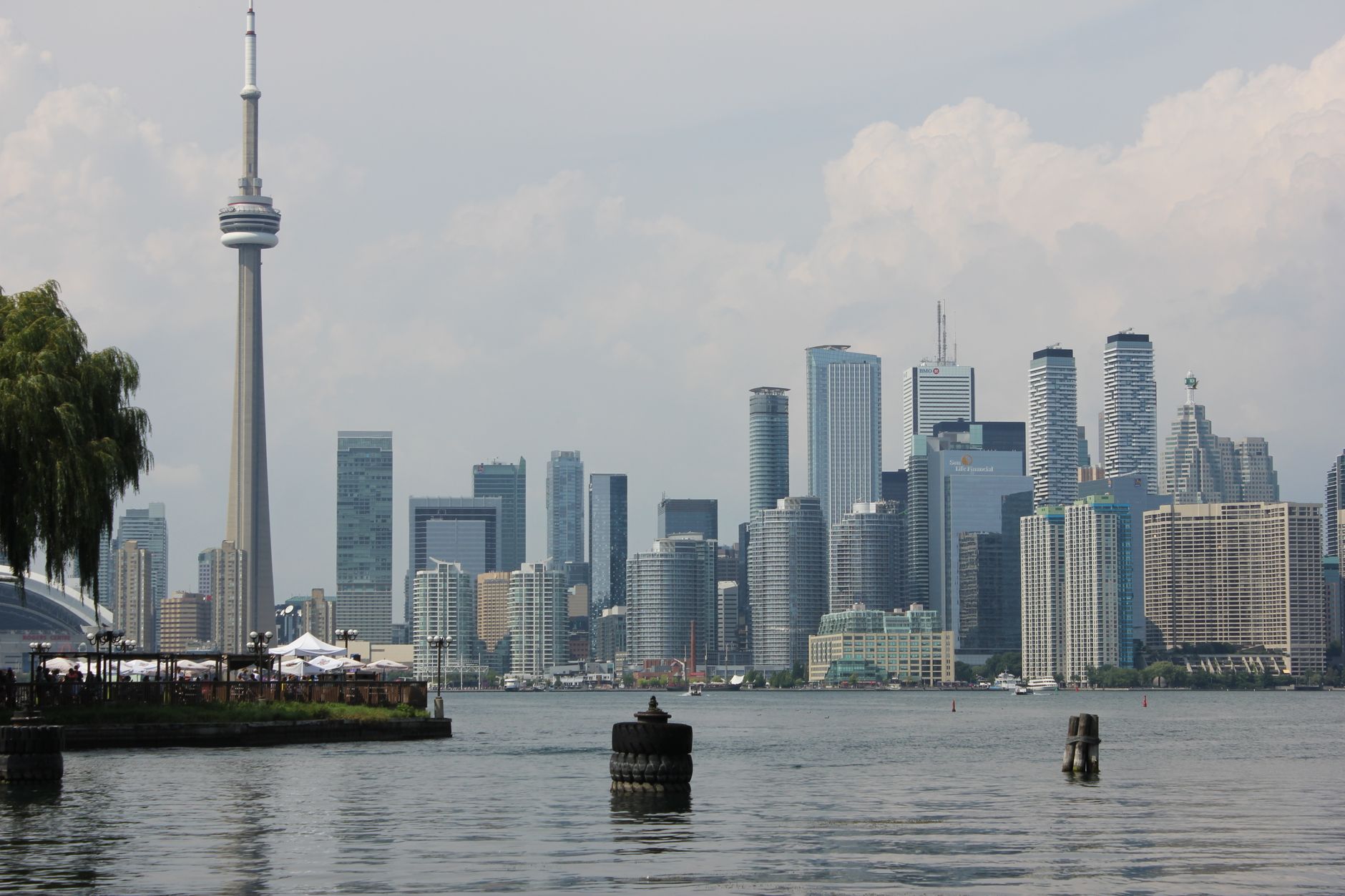
A scenic view of the iconic Toronto skyline and CN Tower captured from the waterfront on a bright summer day.
alex ohan on Pexels · Pexels License
A scenic view of the iconic Toronto skyline, highlighting the CN Tower and the Rogers Centre along the waterfront.
alex ohan on Pexels · Pexels License
A picturesque view of the Toronto skyline and the iconic CN Tower as seen from the tranquil shores of Lake Ontario.
alex ohan on Pexels · Pexels License
A breathtaking sunset view of the Toronto skyline, highlighting the iconic CN Tower and the city's dense urban architecture.
ARK FILMS on Pexels · Pexels License
The Toronto skyline glows at night, highlighted by the iconic CN Tower standing tall against a cloudy evening sky.
Anurag Jamwal on Pexels · Pexels License
Practical Information
Getting There
Toronto Pearson International (YYZ) handles nearly all long-haul flights. The UP Express reaches Union Station in 25 minutes for CAD 12.35. Billy Bishop Toronto City Airport (YTZ) on the harbour serves shorter routes; a free shuttle or 509 streetcar gets you downtown in 15 minutes. Union Station links everything.
Getting Around
The TTC runs three subway lines, 11 streetcar routes and dozens of bus lines. One fare is CAD 3.30 with PRESTO or contactless card; transfers are free for two hours. Bike Share Toronto stations sit every few blocks. In 2026 the system still runs on time only when the stars align.
Climate & Best Time
Spring (late April–May) brings 10–18 °C days and unpredictable rain. Summer reaches the mid-20s with thick humidity. Fall (September–October) delivers crisp 15–20 °C air and the city’s best light. Winters average –5 °C with biting wind; only the bravest visit then.
Safety
Toronto remains one of the safer North American cities of its size. Avoid Jane and Finch, parts of Regent Park and certain Scarborough pockets after dark. Downtown and the tourist corridors see almost no trouble. Common sense beats paranoia here.
Where to Eat
Don't Leave Without Trying
Scotland Yard Pub
local favoriteOrder: Fish and chips with a proper pint of Guinness — this is where locals actually go, not tourists.
A genuine neighborhood institution on The Esplanade with nearly 5,000 reviews and a 4.7 rating. The vibe is unpretentious and the crowd is real Toronto.
SOMA Chocolatemaker
quick biteOrder: The dark chocolate truffles and house-made pastries — SOMA makes everything in-house from single-origin cacao.
This isn't a chain chocolate shop; it's a serious chocolatier with a 4.7 rating and a devoted following. King West location puts you in the heart of the creative district.
King's Café
local favoriteOrder: The vegetarian comfort food — hearty, honest cooking that doesn't feel like you're missing meat.
Located on Augusta Avenue in Kensington Market, King's Café is where locals eat real food without pretension. A neighborhood gem with 779 solid reviews.
Volos Greek Cuisine
local favoriteOrder: The saganaki (fried cheese) and grilled octopus — Volos does Greek classics the way they should be done.
Downtown Greek restaurant with over 1,300 reviews and a solid 4.5 rating. The lunch and dinner service split tells you this is where people actually eat, not just tourist-trap browsing.
KINKA IZAKAYA ORIGINAL
local favoriteOrder: Yakitori skewers and edamame — this is authentic izakaya dining, the kind of place where you go to drink and share small plates with friends.
Church Street institution with over 3,200 reviews. The evening-only hours signal this is a serious drinking and dining destination, not a casual lunch spot.
C'est What? Inc.
local favoriteOrder: Whatever craft beer is on tap, paired with their pub fare — this is ground zero for Toronto's beer community.
A legendary craft beer bar in the St. Lawrence area with 3,500+ reviews. The downstairs location gives it a speakeasy vibe that locals love.
Horseshoe Tavern
local favoriteOrder: A burger and a beer — keep it simple at this iconic Queen West spot that's been part of Toronto's music scene for decades.
The Horseshoe is more than a bar; it's a cultural landmark on Queen West. Budget-friendly, late-night hours, and nearly 3,000 reviews mean this is where Toronto actually hangs out.
PLANTA Toronto - Queen West
fine diningOrder: The tasting menu showcases creative plant-based cooking — PLANTA proves vegetables can be sophisticated without pretension.
Over 3,000 reviews and a 4.5 rating for plant-based dining on Queen West. This is where Toronto's food-forward crowd goes; it's serious cooking, not health-food tokenism.
Dining Tips
- check Tip 15–20% of the bill before tax for seated service — it's the standard expectation in Toronto.
- check For takeout or casual dining, 10% is common; for buffets, 15% is standard.
- check At bars, $1 per drink is a common tipping standard.
- check Cards are widely accepted throughout Toronto; the city is card-first, though cash is still used.
- check For popular or high-end restaurants, book reservations in advance using apps like OpenTable or Resy.
- check Standard meal times: Breakfast 7:00–10:00 AM, Lunch 12:00–2:00 PM, Dinner 6:00–9:00 PM.
Restaurant data powered by Google
Tips for Visitors
Visit in September
Late September brings 20°C days, almost no rain, and far smaller crowds at the CN Tower and St. Lawrence Market. Book your UP Express tickets online the night before; the CAD 9.25 PRESTO price beats the CAD 12.35 cash fare.
Tap PRESTO once
One CAD 3.30 fare covers two hours of transfers across subway, streetcar, and bus. Tap your card or phone once at the reader and keep the 2-hour window in mind when hopping between Kensington Market and the ROM.
Order peameal at opening
Carousel Bakery inside St. Lawrence Market starts slicing at 8am. The first batch of warm peameal bacon on a soft roll costs CAD 7 and tastes better before the line stretches 20 people deep.
Skip the City Pass
Toronto has no single money-saving pass worth buying in 2026. Use PRESTO for transit and buy individual tickets for the CN Tower and AGO; you’ll save more than any bundled offer.
Walk the Bluffs
Take the 12-minute GO train to Scarborough GO station, then walk 15 minutes to the Doris McCarthy Trail. The white cliffs drop 65 metres to Lake Ontario and almost no tourists reach the viewpoint before noon.
Stay off Jane-Finch
Toronto is safe for visitors, but avoid Jane and Finch after dark and steer clear of isolated paths in Regent Park at night. Stick to well-lit streets and use rideshares from bars in Ossington.
Explore the city with a personal guide in your pocket
Your Personal Curator, in Your Pocket.
Audio guides for 1,100+ cities across 96 countries. History, stories, and local insight — offline ready.
Audiala App
Available on iOS & Android
Join 50k+ Curators
Frequently Asked
Is Toronto worth visiting? add
Yes, if you like cities that feel like several countries stitched together in 45 minutes on the subway. The food scene alone, from peameal sandwiches at 8am to late-night Vietnamese pho in Scarborough, beats most North American cities. Add the unexpected green cliffs at Scarborough Bluffs and the fact you can ferry to an island park with a full skyline view, and the city quietly outperforms its reputation.
How many days do you need in Toronto? add
Three full days let you cover the CN Tower, St. Lawrence Market, Kensington Market, and one museum without rushing. Four days give breathing room for a morning at the Scarborough Bluffs or an afternoon ferry to Toronto Island. Five days start to feel generous and let you add a day trip to Hamilton’s waterfalls.
How do you get from Toronto airport to downtown? add
The UP Express train from Pearson Terminal 1 to Union Station takes 25 minutes and runs every 15 minutes. A PRESTO card costs CAD 9.25; cash is CAD 12.35. The TTC 900 bus to Kipling Station then subway is cheaper at CAD 3.30 but takes about 50 minutes.
Is Toronto safe for tourists? add
Toronto ranks among the safer large cities in North America. Standard big-city rules apply: avoid Jane-Finch and parts of Scarborough after dark, and don’t wander empty downtown alleys at 3am. Well-lit main streets in Queen West, Ossington, and around Union Station feel fine even late.
When is the best time to visit Toronto? add
Late April to May or September to mid-October give comfortable temperatures and far fewer crowds. September edges it: the city still has summer light but the humidity drops and hotel rates fall 20-30 percent from July peaks.
How much does Toronto cost per day? add
Budget CAD 180–220 per person on a moderate trip. That covers a CAD 9.25 airport transfer, CAD 3.30 daily PRESTO card, CAD 35–45 on food (peameal sandwich, pho, coffee, one nicer dinner), and CAD 60–70 on attractions like CN Tower and ROM entry.
Sources
- verified Destination Toronto & City of Toronto Official Visitor Information — Transit fares, PRESTO details, safety guidance, and seasonal visitor data.
- verified City Unscripted & HandLuggageOnly Toronto Food Guides — Peameal bacon at Carousel Bakery, Kensington Market, and Scarborough food scene details.
- verified Atlas Obscura Toronto Entries — Scarborough Bluffs, Allan Gardens, and lesser-known sites with practical access notes.
Last reviewed: