
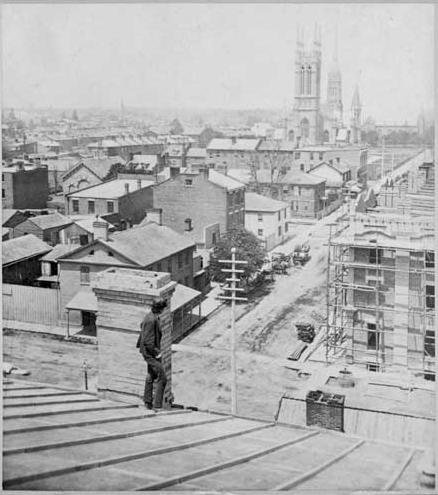
Early Catholic Roots in Toronto
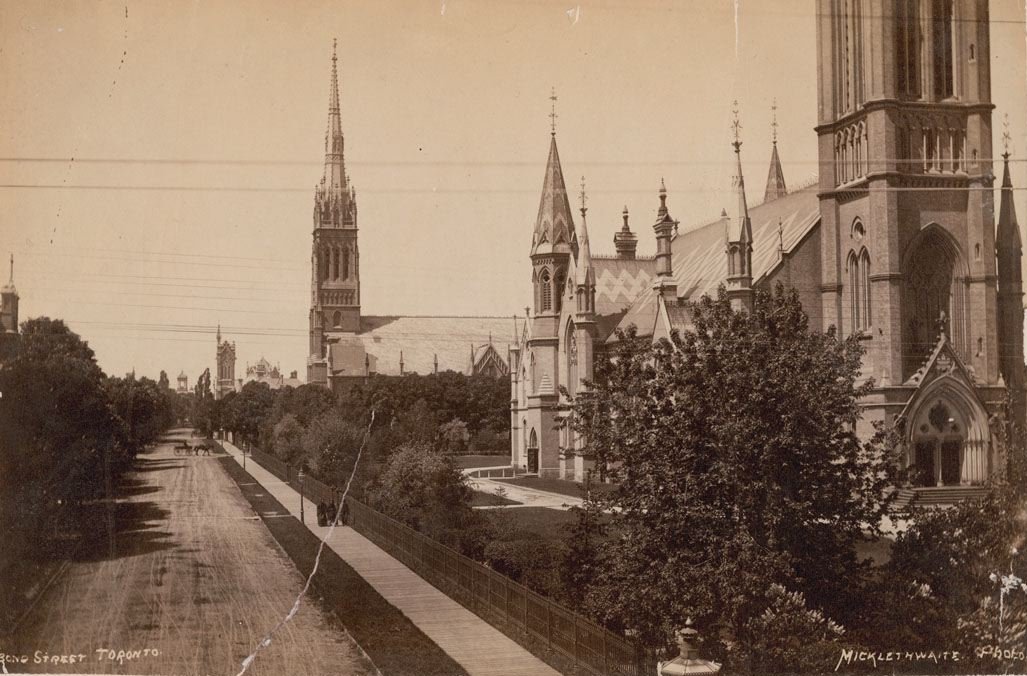
The story of St. Michael’s Cathedral Basilica is deeply interwoven with the growth of Toronto’s Catholic community. The first Catholic chapel in the city (then York) was established in 1806, serving a small but growing population. By the 1840s, waves of Irish immigrants had significantly increased the Catholic presence, setting the stage for a grander place of worship (The Bridge News).
Founding and Construction (1845–1848)
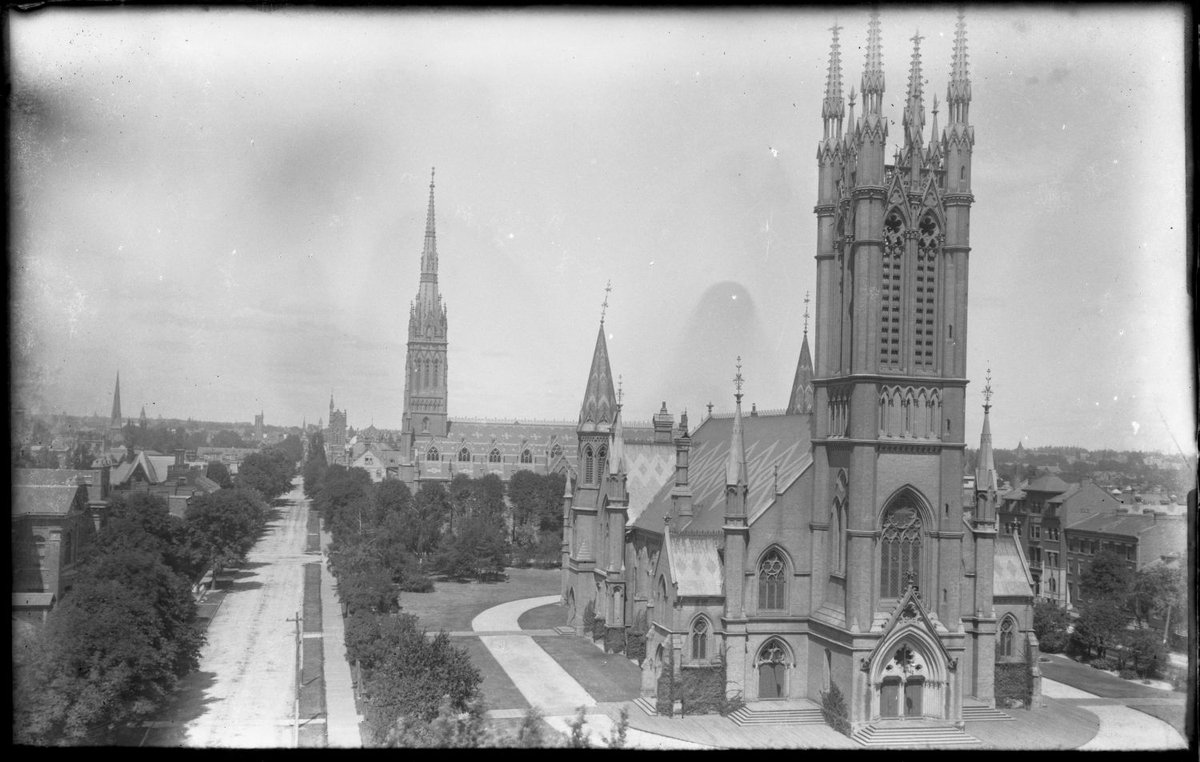
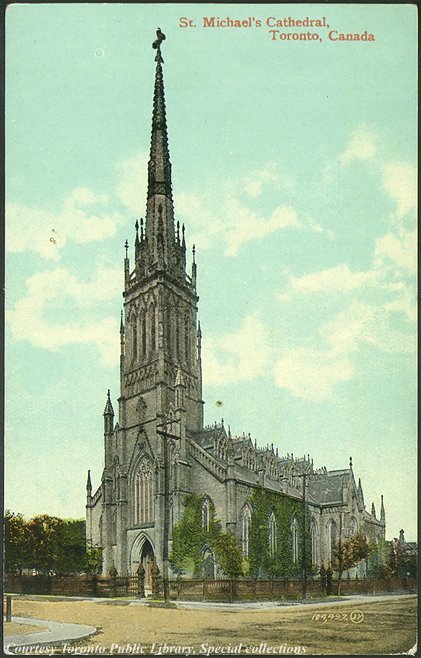
Bishop Michael Power, Toronto’s first bishop, championed the construction of a new cathedral. Land was acquired in 1845, and the cornerstone was laid on May 8 of that year, incorporating fragments from York Minster in England—a symbolic link to the broader Catholic tradition. The building’s Gothic Revival design, conceived by William Thomas, was inspired by English medieval cathedrals. Tragically, Bishop Power died of typhus before the project’s completion, and he now rests in the cathedral’s crypt (National Post).
The cathedral was consecrated on September 29, 1848, and relics of St. Peter were sealed in its altar, adding to its spiritual significance (The Bridge News).
Architectural Evolution and Enhancements
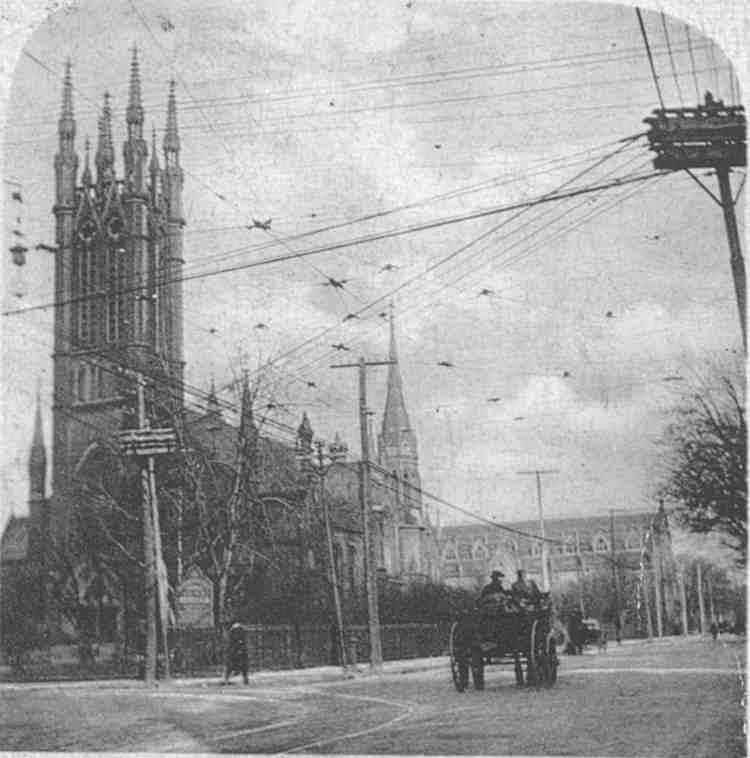
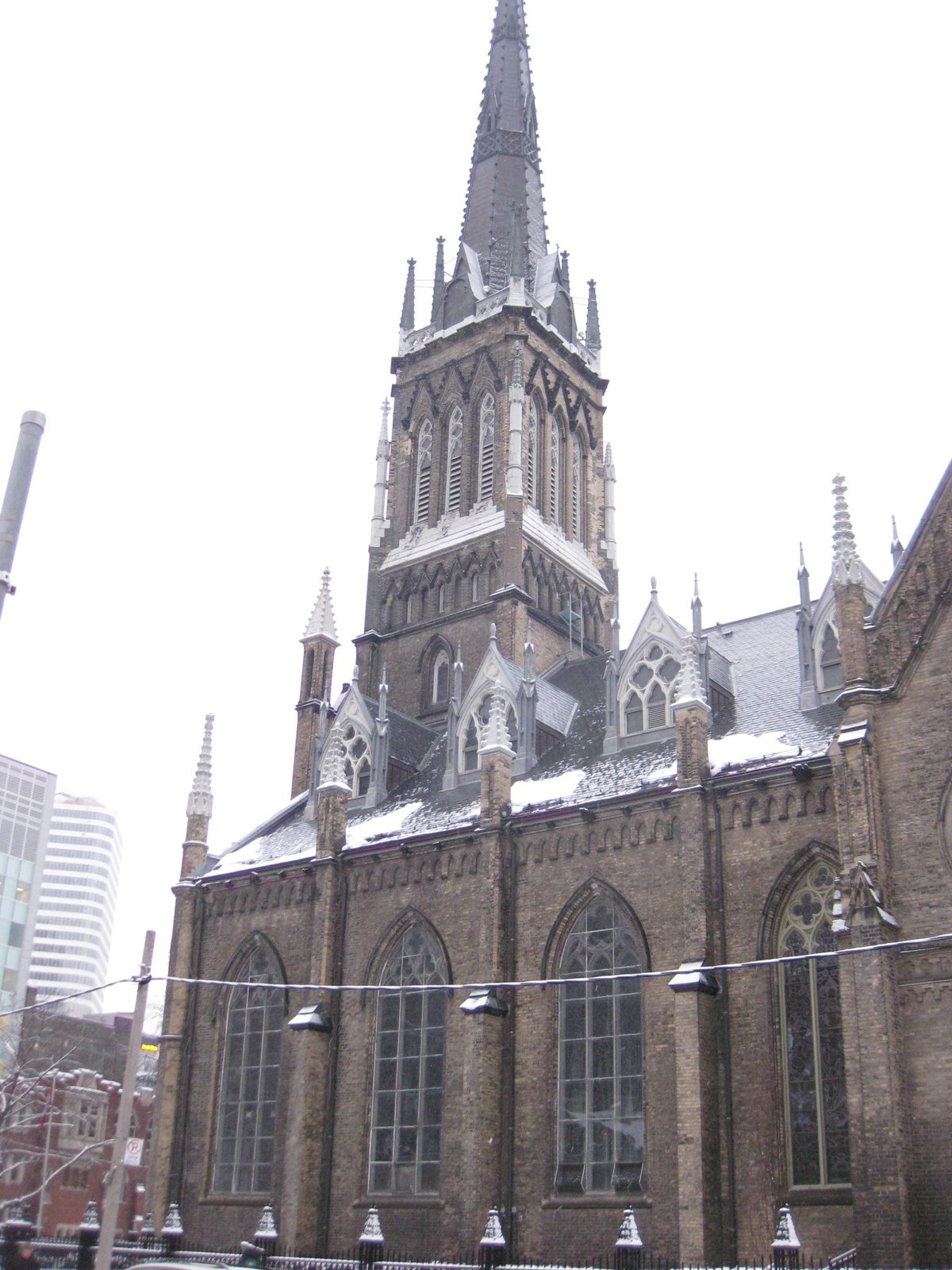
St. Michael’s Cathedral Basilica is a masterwork of Gothic Revival architecture, characterized by pointed arches, lancet windows, and a soaring 84-meter spire. Over time, its interiors were enriched with stained glass windows imported from France, the Stations of the Cross, and numerous sacred artworks. The addition of dormer windows and side chapels further enhanced both its aesthetic and spiritual atmosphere (Archdiocese of Toronto).
Cultural and Religious Significance
Beyond its architectural splendor, St. Michael’s serves as the “Mother Church” of the Archdiocese, the seat of the Archbishop, and the focal point for major liturgical events. It welcomes visitors of all backgrounds and, in 2016, was elevated to the status of basilica by Pope Francis (The Bridge News).
Visiting St. Michael’s Cathedral Basilica
Visiting Hours & Tickets
- Hours Typically open Monday to Saturday from 7:00 AM to 6:00 PM, and Sunday from 8:00 AM to 7:00 PM. These may vary on holidays or during special events, so check the official cathedral website for updates.
- Admission Entry is free. Donations are welcomed to support the cathedral’s upkeep and restoration. No tickets are required for general visits, but certain tours or events may require advance registration.
Accessibility
The cathedral is fully accessible, with ramps, elevators, and accessible restrooms. Visitors requiring additional assistance are encouraged to contact the cathedral in advance (Archdiocese of Toronto).
Guided Tours & Special Events
- Guided Tours Available on select days and by appointment. Tours highlight the cathedral’s history, architectural features, and sacred art. Self-guided brochures are available for a nominal fee (Frommer’s).
- Special Events The cathedral hosts major liturgical celebrations for Christmas, Easter, the Feast of St. Michael, and community events such as concerts and exhibitions. Check the Cathedral Events Calendar for details.
Travel Tips & Nearby Attractions
- Location 65 Bond Street, Toronto, a short walk from Queen Station (Line 1) and several streetcar routes.
- Parking Limited street parking and public garages are available nearby.
- Nearby Attractions Eaton Centre, St. Lawrence Market, Massey Hall, and the Distillery District are within walking distance (Travellers Worldwide).
Photographic Spots
Capture the cathedral’s impressive facade, intricate stained glass, and soaring spire. Photography is permitted in public areas outside of services; avoid flash and tripods to respect the sacred atmosphere.
Major Restorations and Modern Era
21st-Century Restoration
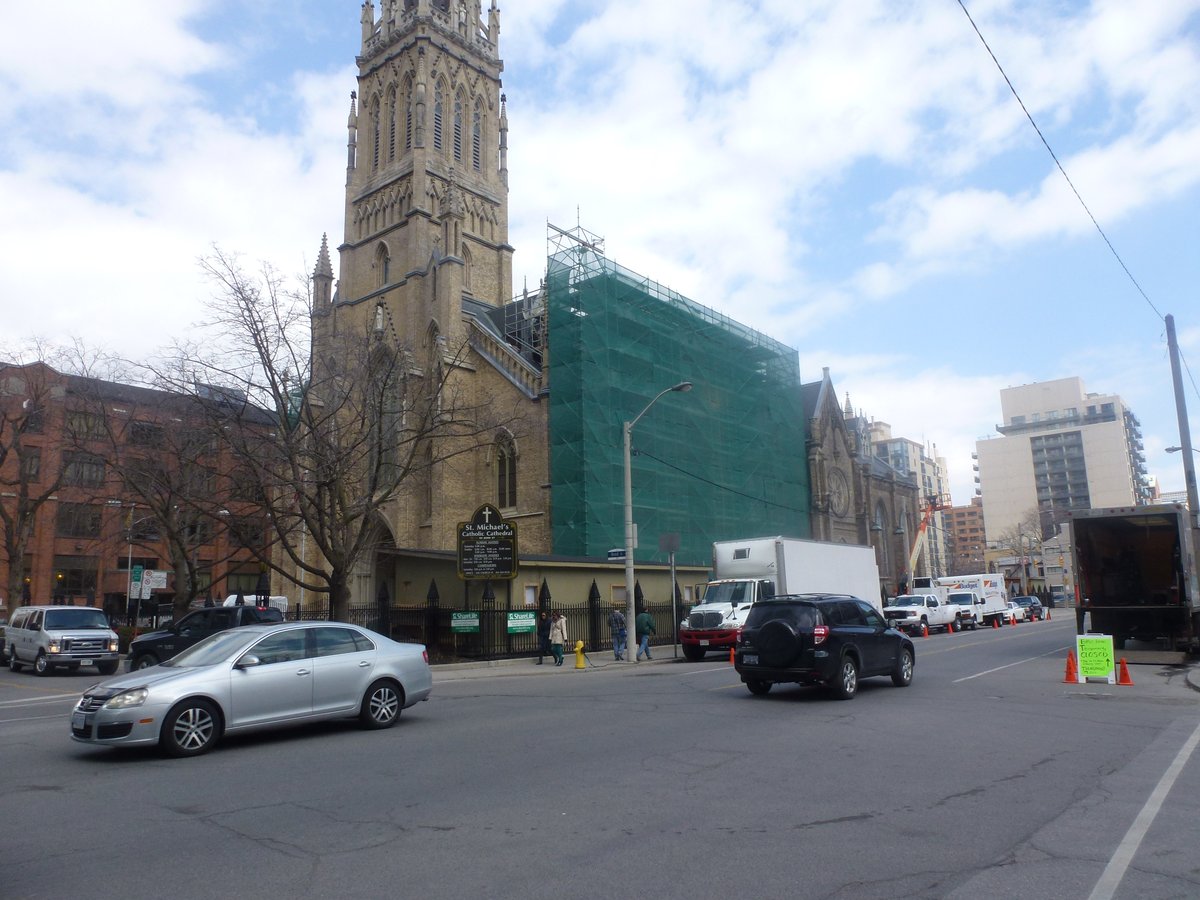
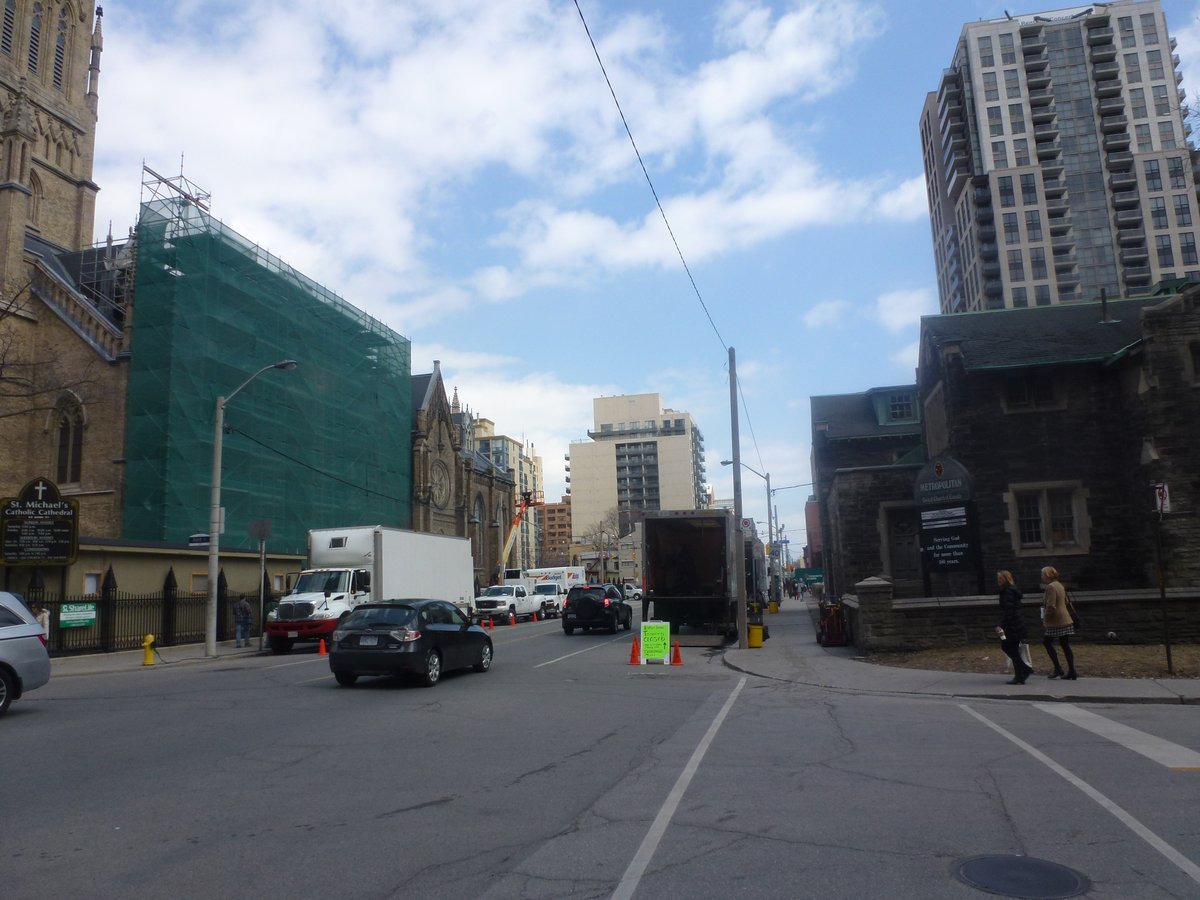
In the early 2010s, a $128-million restoration addressed structural and artistic needs, from reinforcing foundations to cleaning stained glass and restoring the crypt. Craftsmen recreated original features, and accessibility was improved throughout (National Post).
Present Day and Rededication
The cathedral was rededicated in 2016, ensuring its ongoing role as a spiritual and cultural beacon. Today, it hosts daily masses, special liturgical events, and draws thousands of visitors and worshippers annually (Archdiocese of Toronto).
Religious, Cultural, and Educational Impact
- Religious Role As the seat of the Archbishop, the cathedral hosts major diocesan liturgies, ordinations, and sacraments, serving as the spiritual heart of the archdiocese (St. Michael’s Cathedral Basilica).
- Artistic Highlights Features French-imported stained glass, a Casavant Frères pipe organ, and sacred art throughout the nave and chapels (Holly Melody).
- Community & Cultural Impact The cathedral supports outreach programs, interfaith events, and collaborates with local schools and institutions for educational initiatives (Sheptytsky Institute Events).
- Music & Choir Home to a celebrated boys’ choir and regular organ concerts (Frommer’s).
Visitor Information & Frequently Asked Questions (FAQs)
Q: What are the cathedral’s visiting hours?
A: Monday–Saturday: 7:00 AM–6:00 PM; Sunday: 8:00 AM–7:00 PM. Hours may change for holidays or events.
Q: Is there an admission fee or ticket required?
A: No, admission is free. Donations are appreciated.
Q: Is the cathedral accessible to those with mobility challenges?
A: Yes, fully accessible with ramps, elevators, and accessible restrooms.
Q: Are guided tours available?
A: Yes, tours are available on select days and by appointment.
Q: Can I take photographs inside?
A: Yes, except during services. Avoid flash and tripods.
Q: How do I get there by public transit?
A: Take the subway to Queen Station (Line 1) or use nearby streetcar routes.
Q: Are there any special events or educational programs?
A: Yes, check the Cathedral Events Calendar for details.