
History
Runnymede’s history begins in the early 1800s. In 1808, prominent mill owner John Scarlett established an estate along the Humber River and named his English cottage-style home “Runnymede,” after the English meadow associated with the sealing of the Magna Carta. The original house is gone, but Scarlett’s name remains part of the neighbourhood’s history.
The area was initially settled by Irish and Anglo-Saxon communities. The arrival of the Toronto Suburban Railway in the late 19th century and the Bloor Street streetcar in 1917 helped transform the rural estate lands into a residential area. Runnymede was annexed by the City of Toronto in 1909.
After World War II, Eastern European immigrants, particularly Ukrainians, became an important part of the community. The Bloor West Village Ukrainian Festival takes place each September and draws hundreds of thousands of visitors. Public art, including the Rachel Wilmhurst Artbox, celebrates the neighbourhood’s multicultural identity.
Runnymede’s residential character and community involvement have helped preserve its local identity. During World War II, a Canadian Navy warship was named Runnymede. Heritage plaques and walking tours share the area’s history, and the library, theatre and fire station have heritage status.
What to see
Runnymede Bloor West Village Monument
The Runnymede Bloor West Village Monument stands at Bloor Street West and Runnymede Road. Erected to commemorate the neighbourhood’s founding and honour the immigrant communities that shaped its growth, it features intricate stonework and interpretive plaques about local history. Its design reflects the Edwardian and Tudor Revival styles found in the area.
Runnymede Library
The Runnymede Library is a heritage building and community hub at 2178 Bloor Street West, Toronto, ON. Established in 1929 and opened in 1930, it has a local history collection documenting Runnymede and neighbouring Swansea. Designed by John M. Lyle, it features Canadian motifs and Indigenous art at its entrance (The Canadian Encyclopedia).
The library has adult literacy materials, audiobooks and multimedia resources. Its local history room contains rare documents and photographs, and exhibitions and workshops highlight community art and local history. It also offers programs for all ages, including guided history tours, workshops and seasonal family events. Check the library’s website or social media for program updates and event schedules. Its website also has galleries of the library’s architecture and community events.
Other landmarks and neighbourhood sights
- Runnymede Theatre Opened in 1927 as Toronto’s first atmospheric vaudeville theatre. It is now a heritage building with a preserved exterior and is not open for tours.
- Fire Station 424 Built in the late 1920s and now a fire education centre.
- Runnymede Collegiate Institute Founded in 1927, with a tradition of honouring local heroes.
- Bloor West Village A shopping and dining district with independent boutiques, diverse eateries, cafés, street festivals and markets.
- Heritage homes Self-guided walks, marked by informational plaques, pass Tudor Revival, Arts and Crafts, and Edwardian homes.
- Arts and community spaces The Revue Cinema on Roncesvalles Avenue screens independent films and hosts events (Todo Canada). Swansea Town Hall offers workshops and community events.
Practical visiting information
Monument hours, admission and access
- Location Bloor Street West and Runnymede Road.
- Access Open year-round, 24 hours daily.
- Admission Free to view. Guided tours require advance booking, with tickets available through the Toronto Heritage Official Website and local community centres.
- Tours Seasonal guided tours run May–October, weekends 10 AM–4 PM.
- Accessibility The site is wheelchair accessible, with paved pathways. Accessible parking is available on adjacent residential streets with permits.
Guided tours provide information about the monument and neighbourhood history and may coincide with community festivals such as the Bloor West Village Ukrainian Festival and Runnymede Spring Festival. The #ExperienceTO: Runnymede Historical Tour also explores the area’s social and architectural history; tickets are available online via Eventbrite.
Runnymede Library hours and admission
Library hours are listed in several ways:
- One schedule gives Monday and Wednesday, 10 AM–8 PM; Tuesday, Thursday and Friday, 10 AM–6 PM; and Saturday and Sunday, 10 AM–5 PM.
- Another lists Monday to Saturday, 9:30 AM–5 PM, with Sundays closed.
- A general landmark-hours listing says public sites such as the library are generally open 9 AM–5 PM.
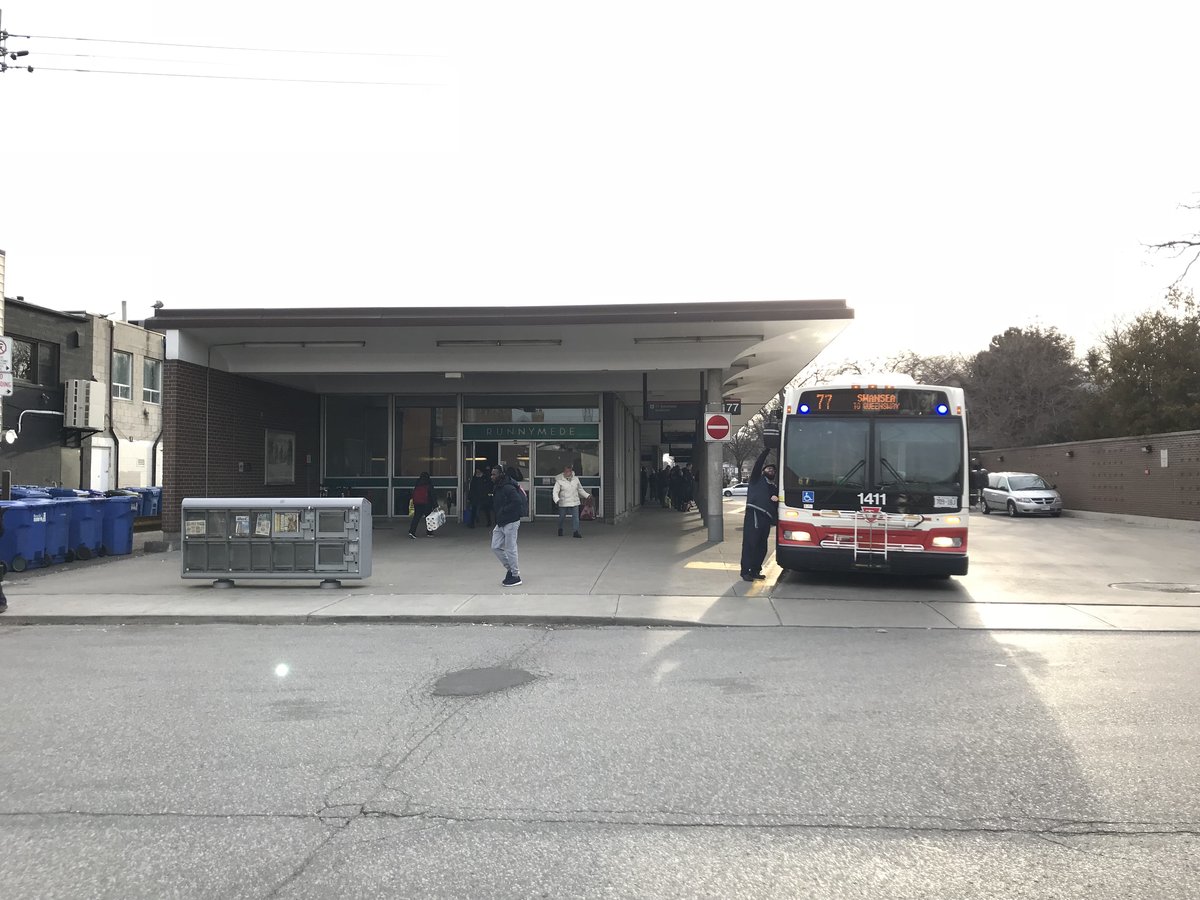
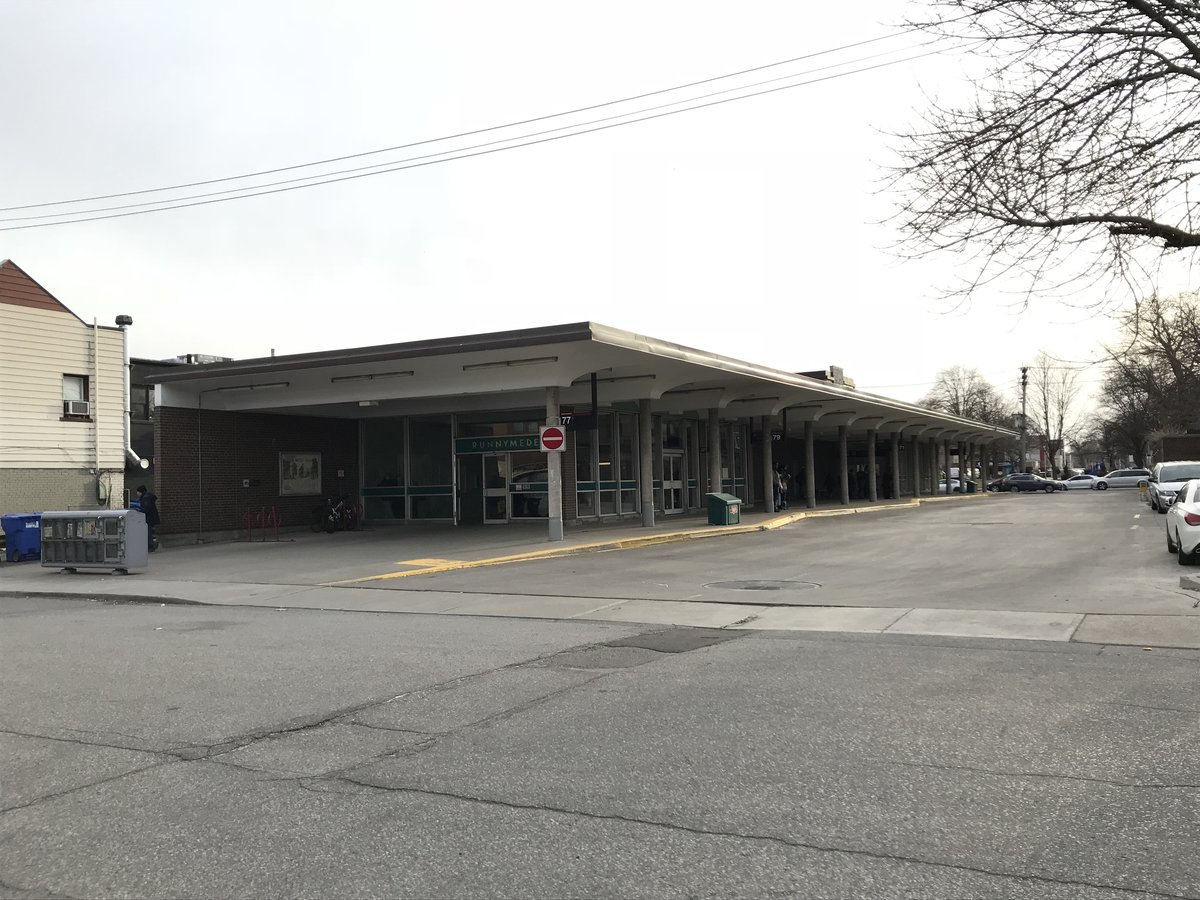
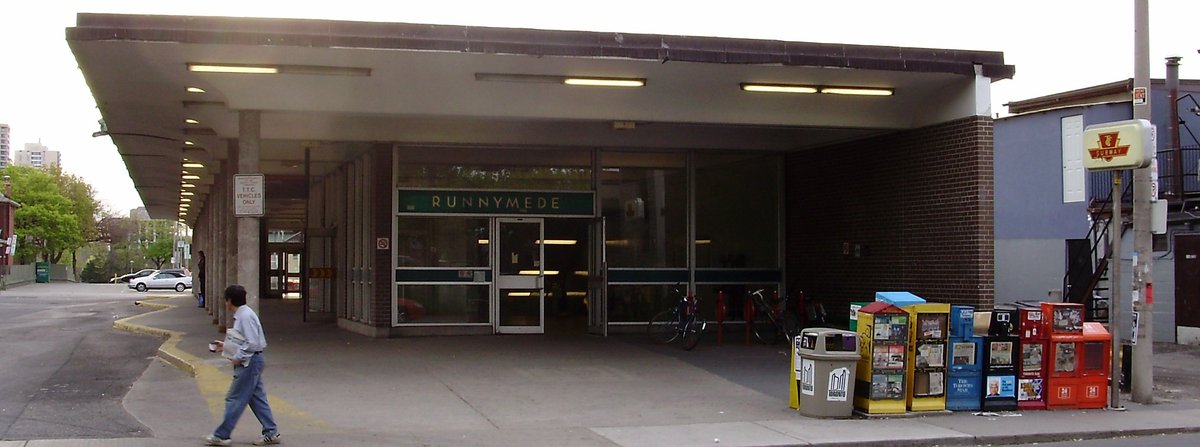
Admission is free. The library is wheelchair accessible and close to Runnymede subway station on Line 2, a two-minute walk away. It has free Wi-Fi and public computers. Street parking is limited, and public transit is recommended.
Parks, shops and other visitor hours
- High Park Open daily from 5 AM to midnight, with free admission.
- Local parks Runnymede Park, Beresford Park and Malta Park offer playgrounds, splash pads and picnic areas and are listed as open dawn to dusk.
- Bloor West Village businesses Shops are generally open roughly 10 AM–6 PM, with some cafés and restaurants keeping later hours.
- Cinema Tickets are available online or at the box office.
- Landmarks and events Most landmarks are free to visit, although special-event activities may require tickets. Check official event websites.
Tips
- TTC subway service, streetcars and buses provide access to the neighbourhood. Subway Line 2 serves Jane and Runnymede stations; Runnymede station is the closest stop for the library.
- Streets are pedestrian-friendly, the area is walkable, and many venues and public spaces are wheelchair accessible.
- Street parking is limited. Public transit or cycling is recommended; parking around the monument is on adjacent residential streets and requires permits for accessible parking.
- Suggested visiting periods include spring and fall, late spring and early fall. The monument’s setting is noted for photography, particularly in spring and fall.
- Comfortable shoes, water and a camera are useful to bring.
- Check official websites for current hours and program schedules. Most sites are free, but special events and cinema screenings may require tickets.
- The neighbourhood is described as generally safe; stay alert in busy areas.
- Suggested photo spots include the Runnymede Theatre façade, the library entrance, colourful Bloor West Village installations and High Park’s cherry blossoms.
- High Park’s spring cherry blossoms are a seasonal highlight.
- The Runnymede library’s website or social media can provide program updates.
Nearby places
- High Park Toronto’s largest park, with trails, gardens, a zoo, sports facilities and picnic areas. It also hosts seasonal festivals, outdoor theatre and nature walks (Ontario Away).
- Bloor West Village Independent shops, cafés, restaurants and a lively commercial strip.
- Runnymede Healthcare Centre Provides specialized care and sometimes hosts public health events (Runnymede Healthcare Centre Visitor Guide).
- Local parks Runnymede Park, Beresford Park and Malta Park.
- Seasonal events and markets Bloor West Village hosts summer street festivals; seasonal farmers’ markets offer local produce and crafts and are generally accessible by public transit. Other nearby events include Toronto Ribfest and local strawberry festivals (Todo Canada).
- Other Toronto attractions Casa Loma, Fort York and the Distillery District.
Further resources include Toronto Historical Landmarks, Best Parks in Toronto and Toronto Cultural Events Calendar. The Audiala app is also listed as a resource for guided tours, event updates, audio tours and real-time updates.
FAQ
Is there an entrance fee for the monument or library?
No. Monument viewing and library entry are free. Guided tours require tickets, and some special events and cinema screenings may require admission.
Are monument tours available year-round?
No. Seasonal guided tours run May–October, weekends 10 AM–4 PM.
Is the monument accessible?
Yes. It has paved pathways and is wheelchair accessible. Accessible parking is available on adjacent residential streets with permits.
Is Runnymede family-friendly?
Yes. Nearby parks and amenities are available.
What are the Runnymede Library’s hours?
Reported schedules differ: Monday and Wednesday, 10 AM–8 PM; Tuesday, Thursday and Friday, 10 AM–6 PM; Saturday and Sunday, 10 AM–5 PM; alternatively, Monday–Saturday, 9:30 AM–5 PM, closed Sundays. A general landmark listing gives 9 AM–5 PM.
Does the library have Wi-Fi and public computers?
Yes. Free Wi-Fi and public computers are available.
Are library tours offered?
Yes. Check the events calendar for scheduled tours.
Is the library accessible, and is there parking?
The library is wheelchair accessible. Street parking is limited, so public transit is recommended.
What are the parks’ hours?
High Park is open daily from 5 AM to midnight. Local parks are listed as open dawn to dusk.
Are tickets required for Runnymede attractions?
Most sites are free; the cinema requires tickets, and special-event activities may also require tickets.
How do you get to Runnymede?
Take the TTC subway to Runnymede station. The neighbourhood is also accessible by streetcar and bus.
What other historical sites are recommended?
Casa Loma, Fort York and the Distillery District.
For more information about the monument, visit the Toronto Heritage Official Website.