
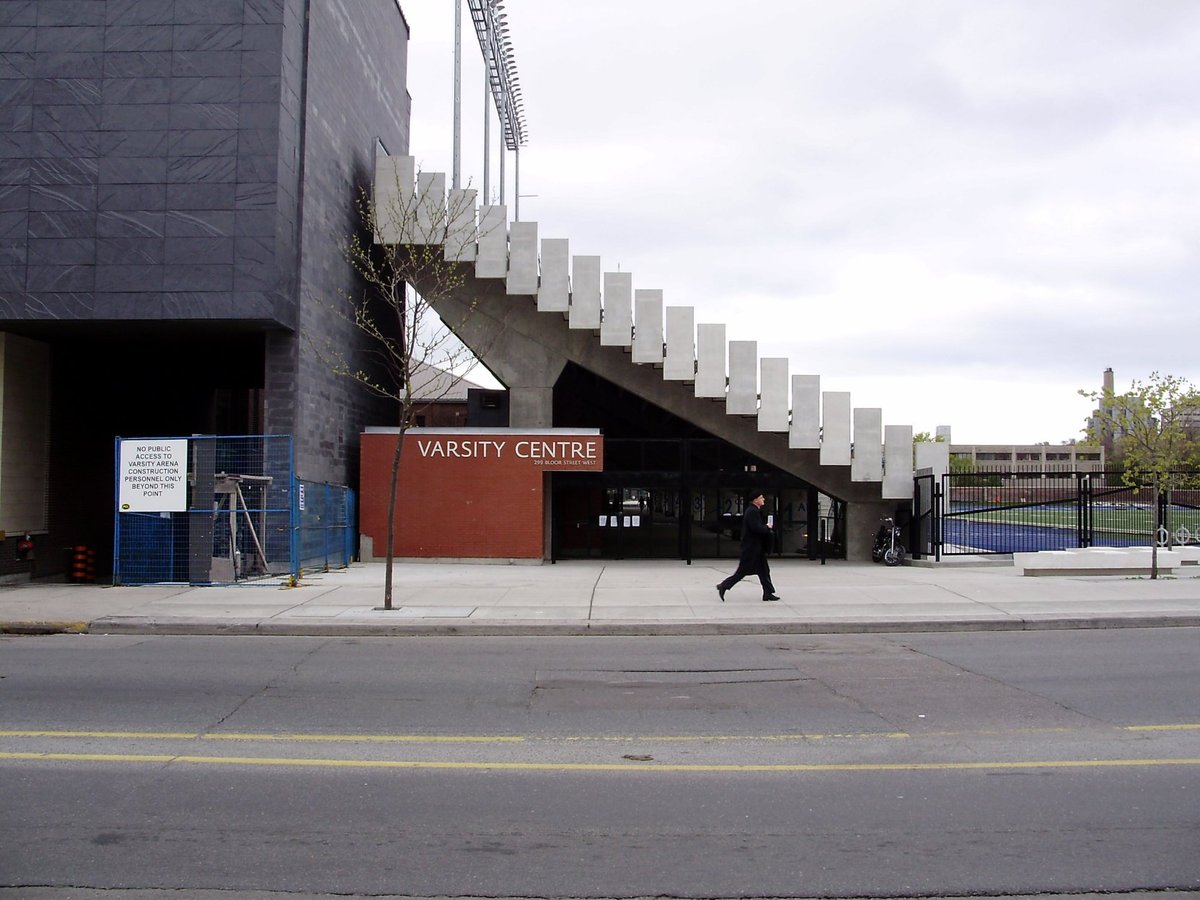

Early Beginnings and Establishment (1898–1911)
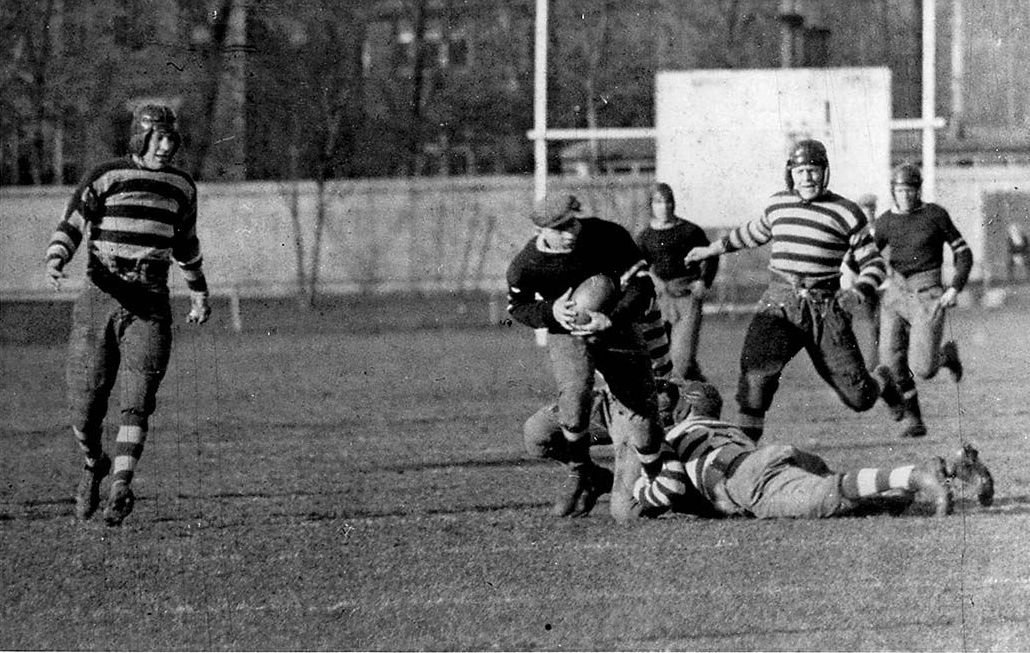
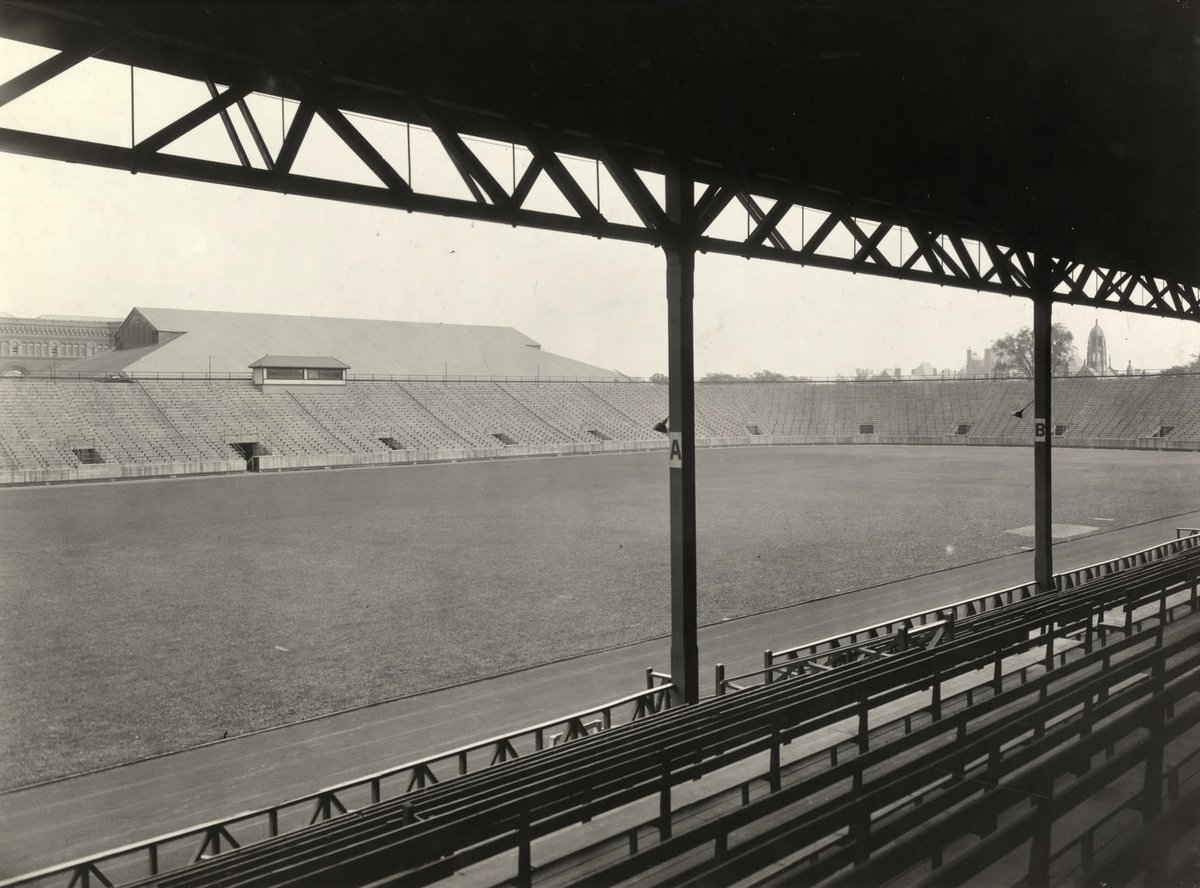
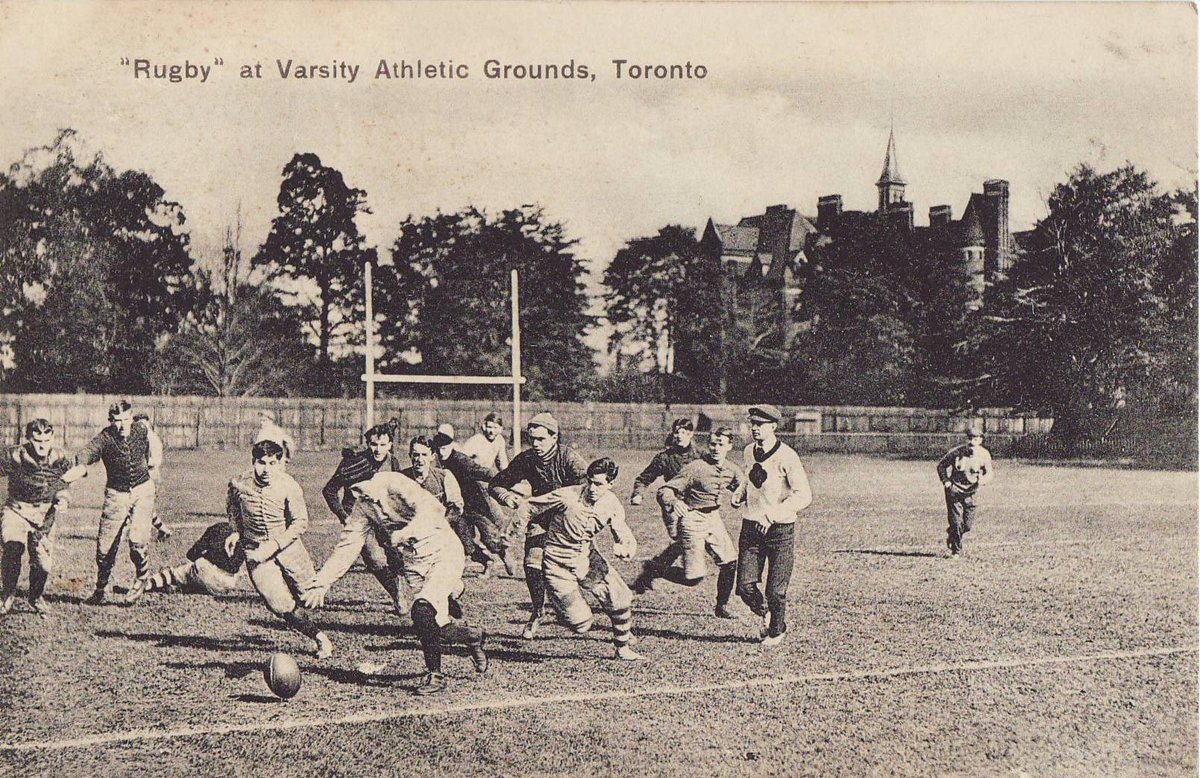
Varsity Stadium began as the University of Toronto’s athletic grounds in 1898. By 1911, a permanent stadium structure was erected at Bloor Street and Bedford Road, solidifying its role as a central venue for university athletics and major city events (Varsity Stadium - Wikiwand). Its strategic downtown location made it accessible and highly visible, quickly establishing it as a cornerstone of Toronto’s sports infrastructure.
Growth and Golden Era (1911–1950s)
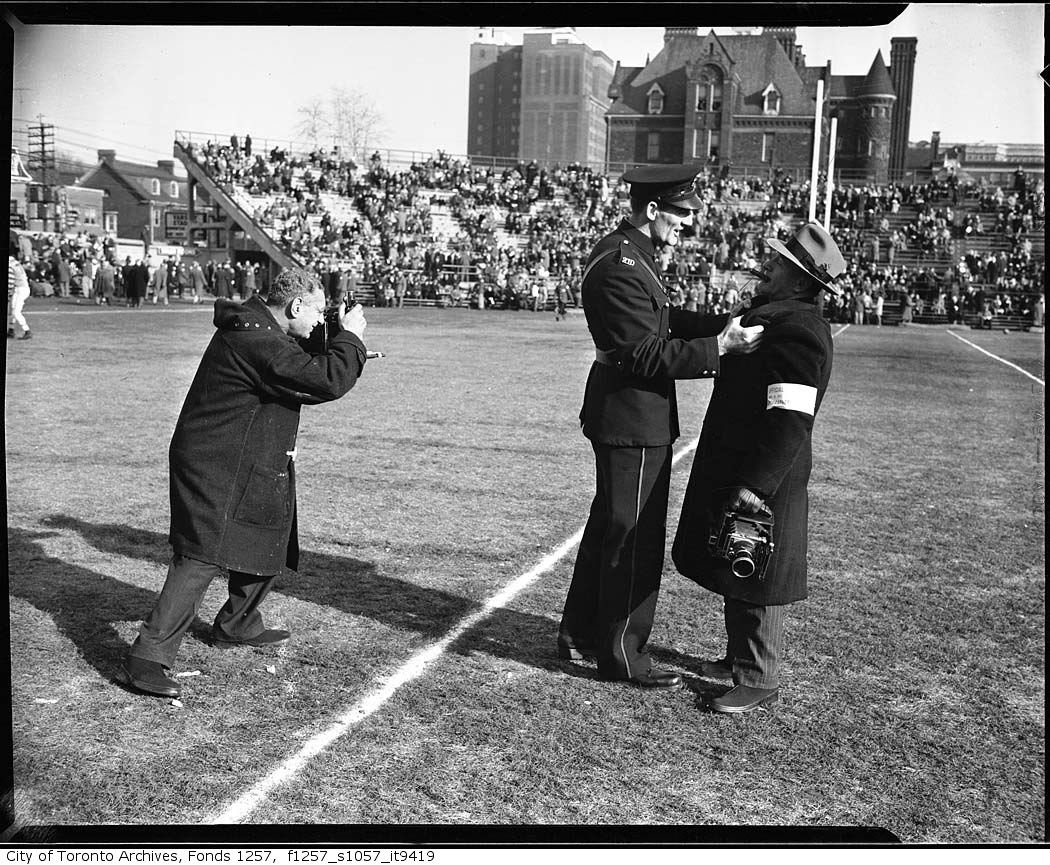
During the first half of the 20th century, Varsity Stadium became synonymous with Canadian football, soccer, rugby, and track and field. The University of Toronto Varsity Blues football team has called it home since its inception. Notably, the stadium hosted the Toronto Argonauts until 1959 and saw record attendances, including 27,425 fans at the 1956 Grey Cup (Varsity Stadium - Wikiwand). The 1950 “Mud Bowl” Grey Cup, played under notoriously muddy conditions, remains a legendary moment in Canadian football history.
Versatile Venue: Sports, Music, and Community (1960s–1980s)
Beyond football, Varsity Stadium evolved into a multi-purpose venue. It hosted Vanier Cup championships, national soccer matches—including World Cup qualifiers—and was a platform for international soccer friendlies. Culturally, it was the site of the 1969 Toronto Rock and Roll Revival, featuring iconic acts such as John Lennon and The Doors, which Rolling Stone ranked as one of the most significant events in rock history (CityNews; CBC Archives). The stadium also hosted military parades and community gatherings, further cementing its role as a civic hub.
International Spotlight
Varsity Stadium gained global recognition as a venue for the 1976 Summer Olympics, hosting soccer matches including the semi-final between Brazil and Poland (Varsity Stadium - Wikiwand). It also hosted the North American Soccer League’s Soccer Bowl series in 1984 and the Toronto Blizzard’s home games during the 1980s and 1990s.
Decline and Rebirth (1990s–Present)
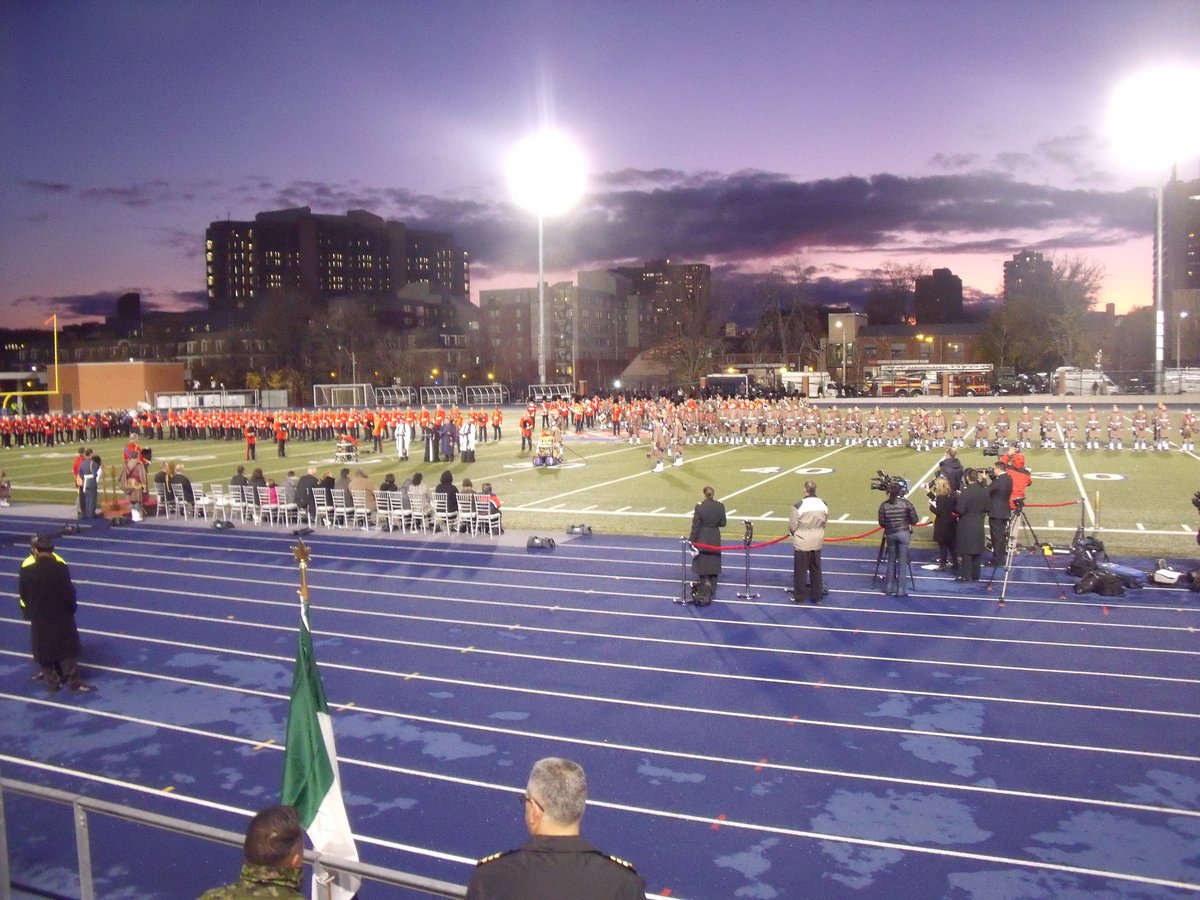
By the late 1990s, the original stadium had deteriorated, leading to its demolition in 2002. For several years, the site was known as Varsity Field, with temporary seating for ongoing university sports (Varsity Stadium - Wikiwand). The current Varsity Stadium, opened in 2007 and designed by Diamond and Schmitt Architects, features a FIFA 2 Star-rated artificial turf, an IAAF Class II certified track, and a winter dome for year-round use. The preserved red brick wall along Bloor Street pays homage to the venue’s legacy.
Heritage and Cultural Value
Varsity Stadium is listed on Toronto’s Heritage Register, highlighting its historical and cultural significance (Toronto Heritage Register). The stadium continues to be a living monument, actively hosting university sports, community events, and international competitions, including the archery events for the 2015 Pan American and Parapan American Games.
Visiting Varsity Stadium: Hours, Tickets & Accessibility
Visiting Hours
Varsity Stadium is open to the public during scheduled events, university games, and special activities. For up-to-date visiting hours—especially for non-event visits—check the official Varsity Stadium webpage.
- Regular Access Gates typically open one hour before scheduled events or games.
- Winter Dome The stadium remains operational throughout the year with an inflatable dome during colder months.
Tickets
- Varsity Blues Games Tickets are affordable and can be purchased via the University of Toronto Athletics website.
- Special Events Concerts and community activities may require advance ticket purchase through event organizers or authorized vendors.
- Free Events Many university and community events offer free admission, particularly for students and families.
Directions and Transportation
- Address 299 Bloor Street West, Toronto
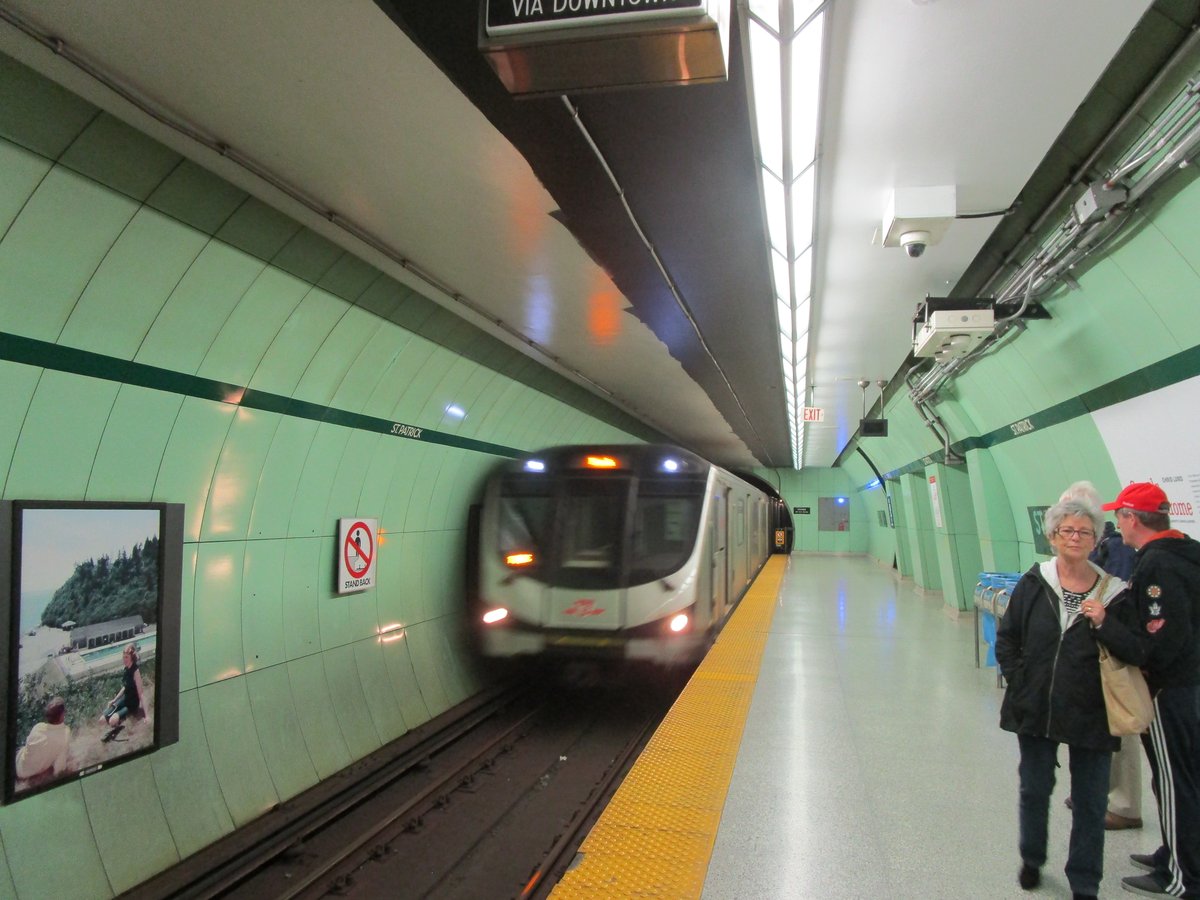
- By Public Transit The stadium is a short walk from St. George subway station (Bloor-Danforth and University lines) and is served by multiple TTC bus routes.
- By Car Limited street and paid parking are available nearby; public transit is recommended due to the downtown location.
Accessibility
Varsity Stadium is wheelchair accessible, with ramps, barrier-free entrances, and designated seating. Accessible restrooms are provided. Visitors requiring special accommodations should contact the Athletics department in advance (Varsity Blues Athletics).
Travel Tips and Nearby Attractions
- Best Time to Visit Fall football season and major sporting/cultural events offer the most vibrant atmosphere.
- Seating Bleacher-style seating is standard; bring a cushion for comfort during longer events.
- Weather The stadium is open-air; prepare for sun or rain as appropriate.
- Hydration & Food Hydration stations are available, and food trucks/vendors appear at larger events. Bring a refillable water bottle.
- Nearby Attractions The Royal Ontario Museum, Queen’s Park, the Bata Shoe Museum, and the Bloor-Yorkville shopping district are all within walking distance.
- Photography The preserved brick wall and lively event atmosphere make for excellent photo opportunities.
Special Events and Community Activities
Varsity Stadium regularly hosts:
- Varsity Blues football, soccer, and rugby games
- Intercollegiate track and field meets
- Community fitness events like Summer SHRED + Stadium FLOW (raceroster.com)
- Concerts and cultural gatherings
For event details and tickets, check the Varsity Blues events calendar.
Frequently Asked Questions (FAQ)
Q: What are Varsity Stadium’s visiting hours?
A: The stadium is open during scheduled events—generally, gates open one hour before and close shortly after events. Check the official website for details.
Q: How can I purchase tickets?
A: Tickets are available online through the Varsity Blues Athletics website and event-specific platforms.
Q: Is Varsity Stadium wheelchair accessible?
A: Yes, with barrier-free entrances, ramps, and accessible seating.
Q: Are food and drinks available on-site?
A: Food trucks and vendors are present during larger events. Hydration stations are provided; permanent concessions are limited.
Q: Can I bring a camera?
A: Photography is generally allowed, but check event-specific rules.
Q: Is there parking at the stadium?
A: Limited street and paid parking are nearby; transit is recommended.
Q: Are there guided tours?
A: No regular stadium tours, but campus tours may include information about Varsity Stadium.
Useful Links
- Official Varsity Stadium Website
- University of Toronto Athletics
- Toronto Heritage Register
- Summer SHRED + Stadium FLOW Toronto
- CBC Archives – Canada’s First Pop Festival
- CityNews article on Varsity Stadium history