
Origins and Design
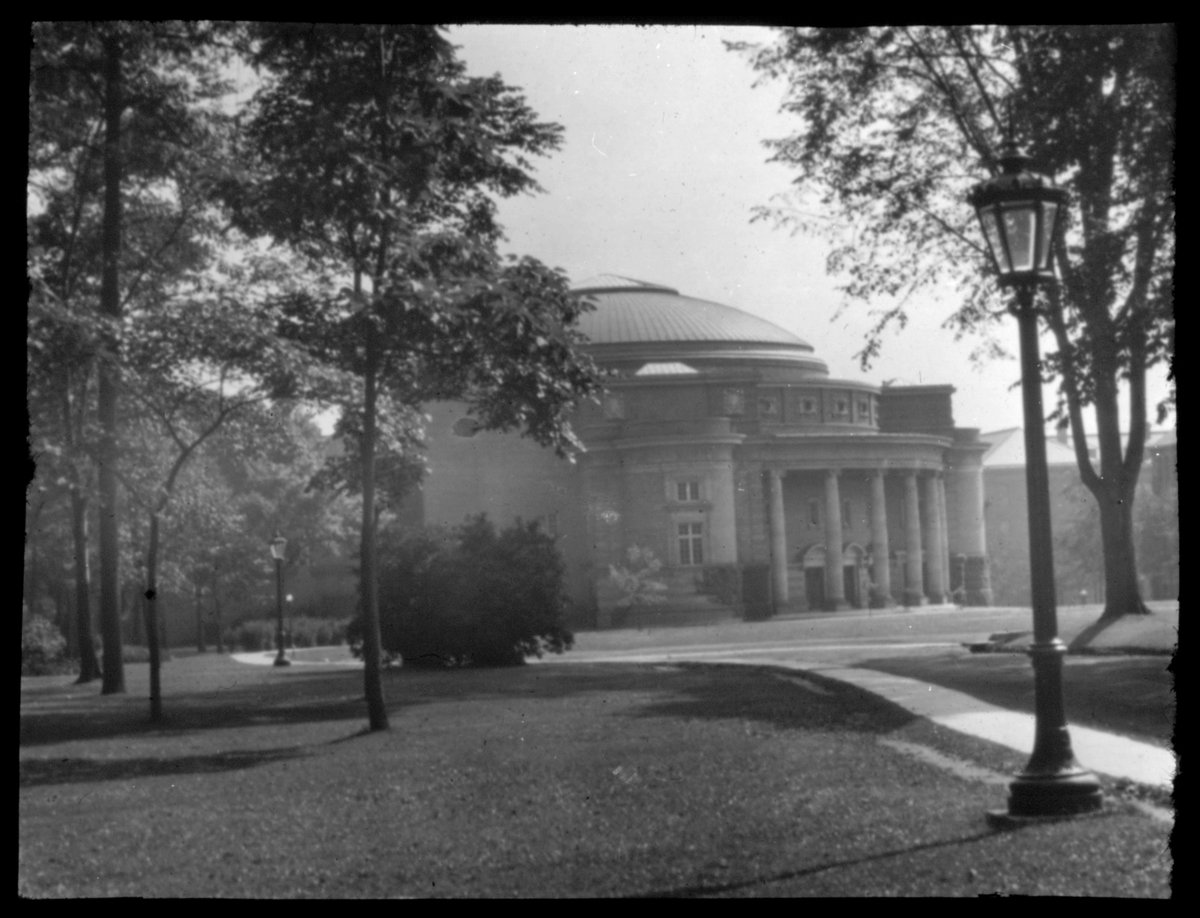
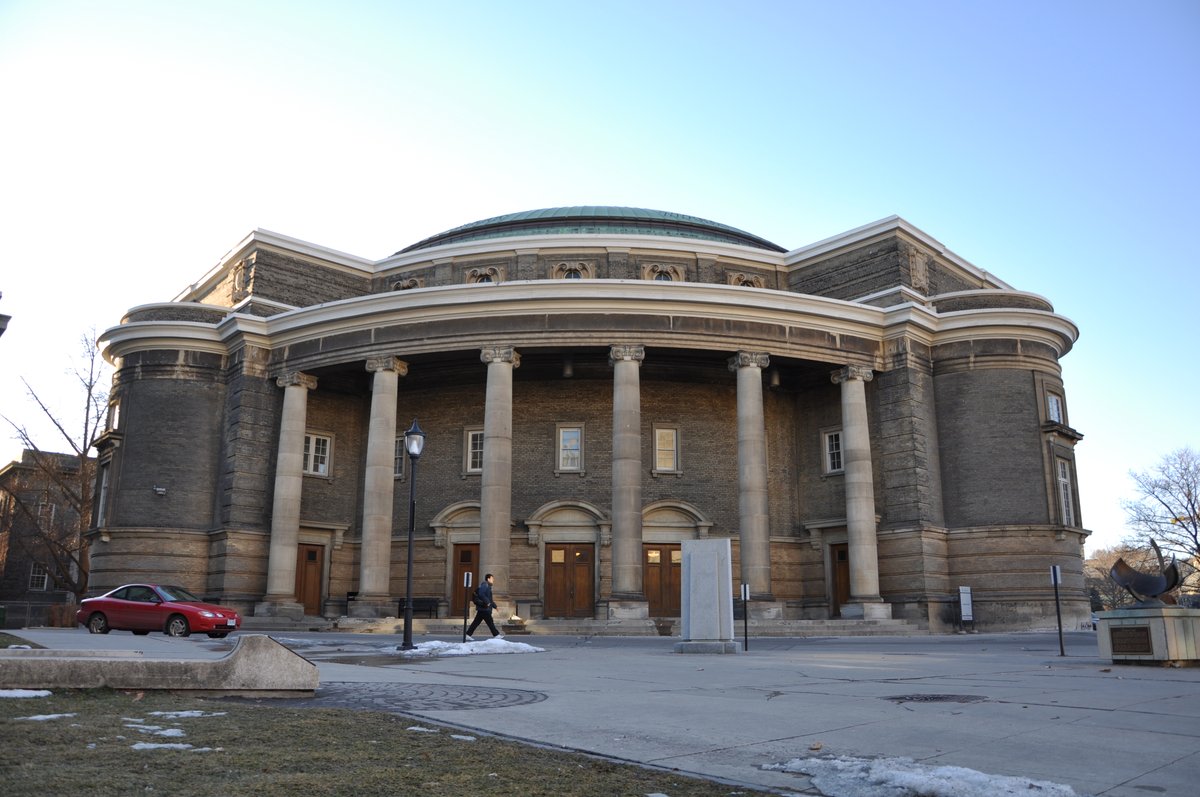
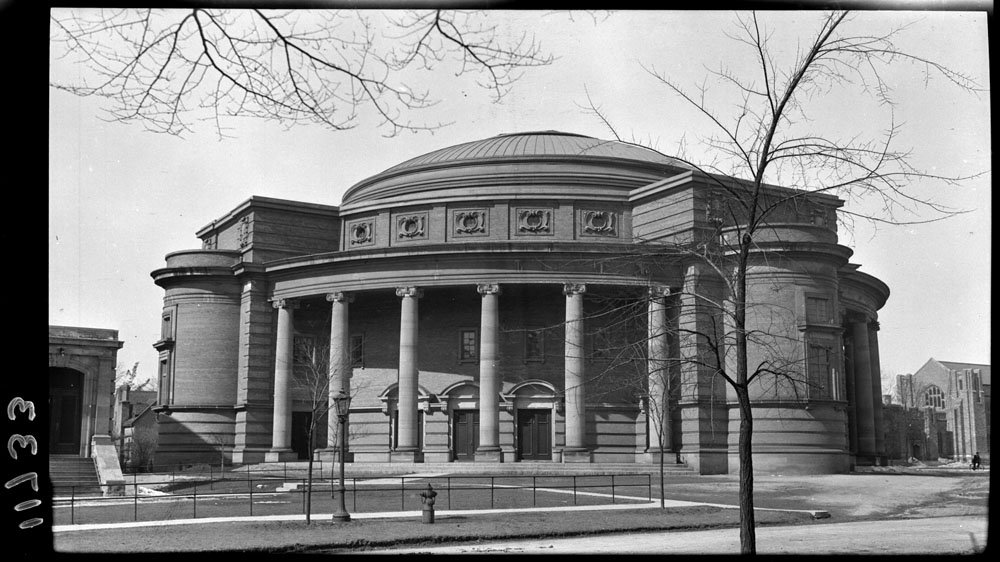
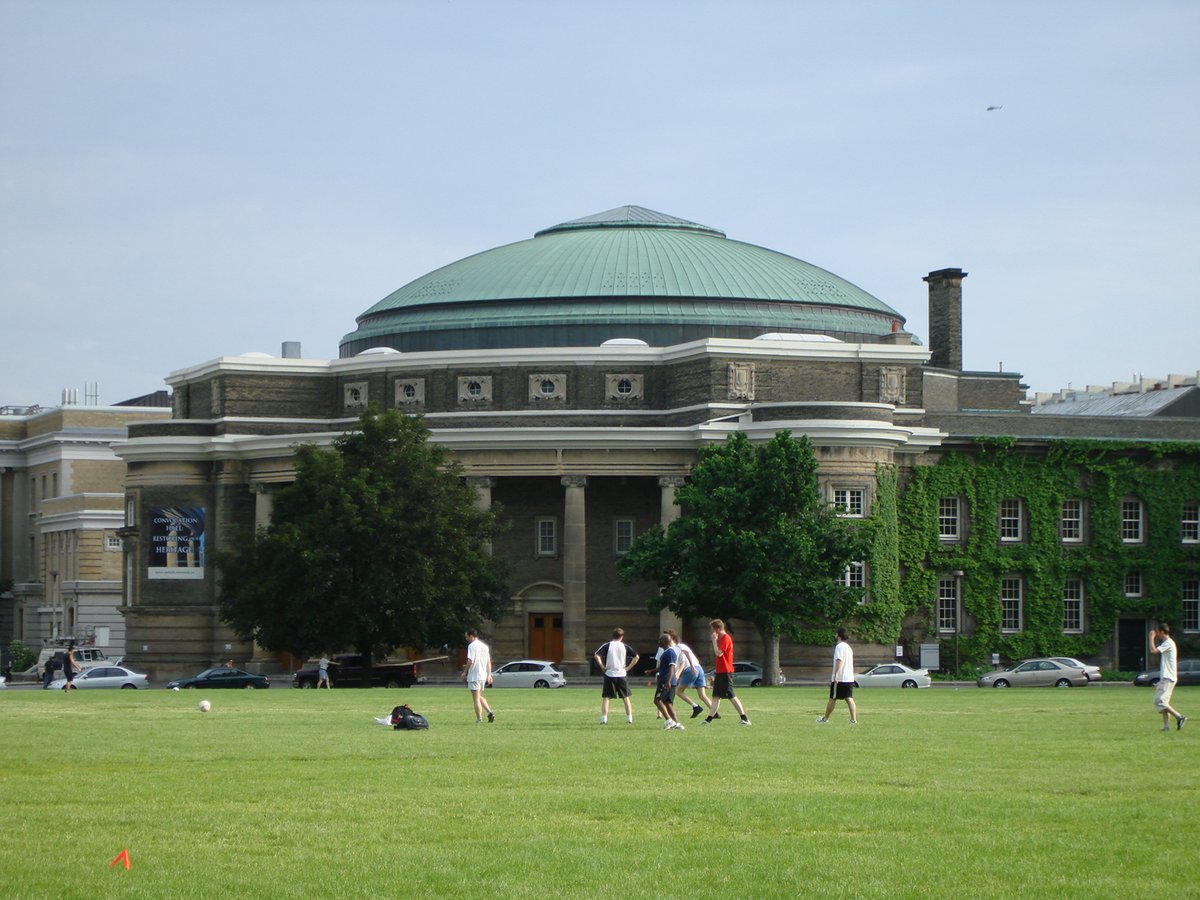
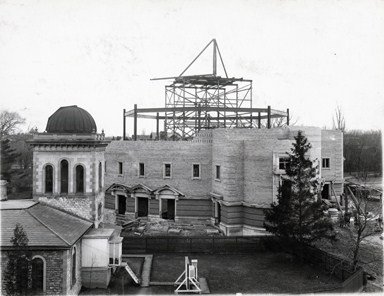
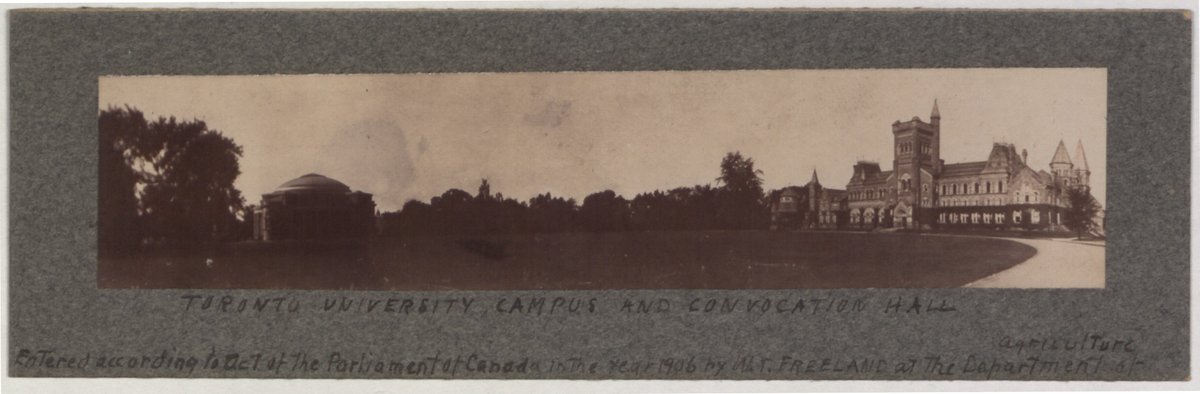
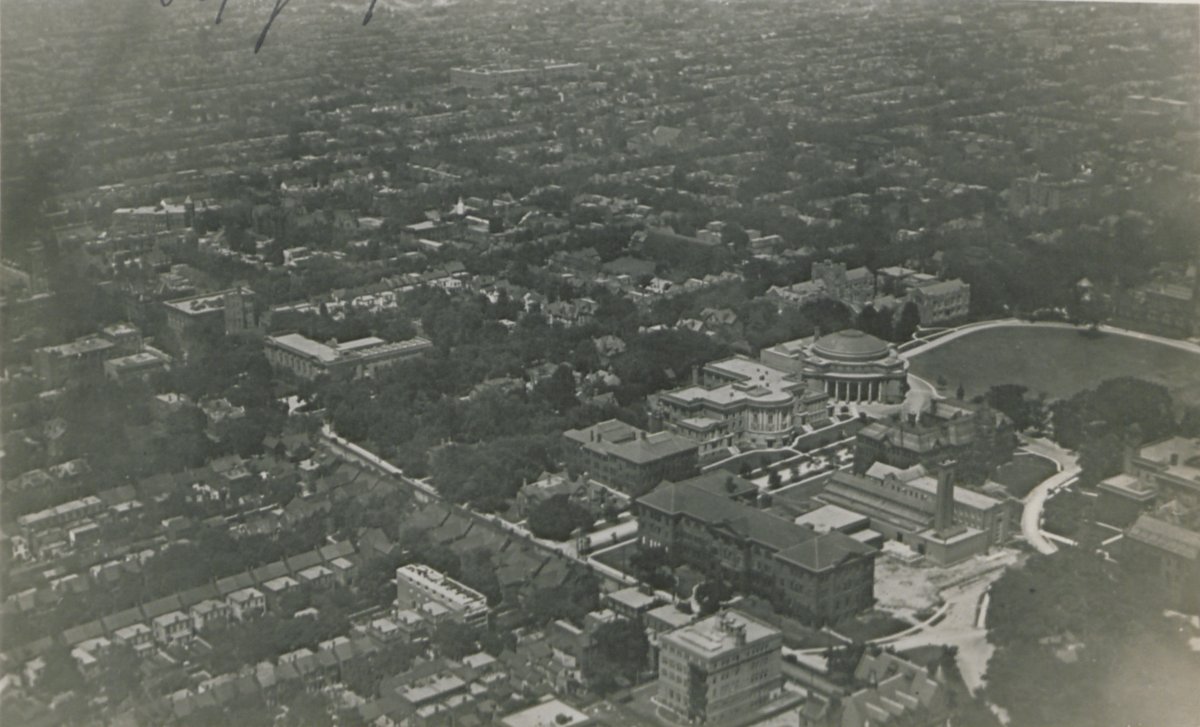
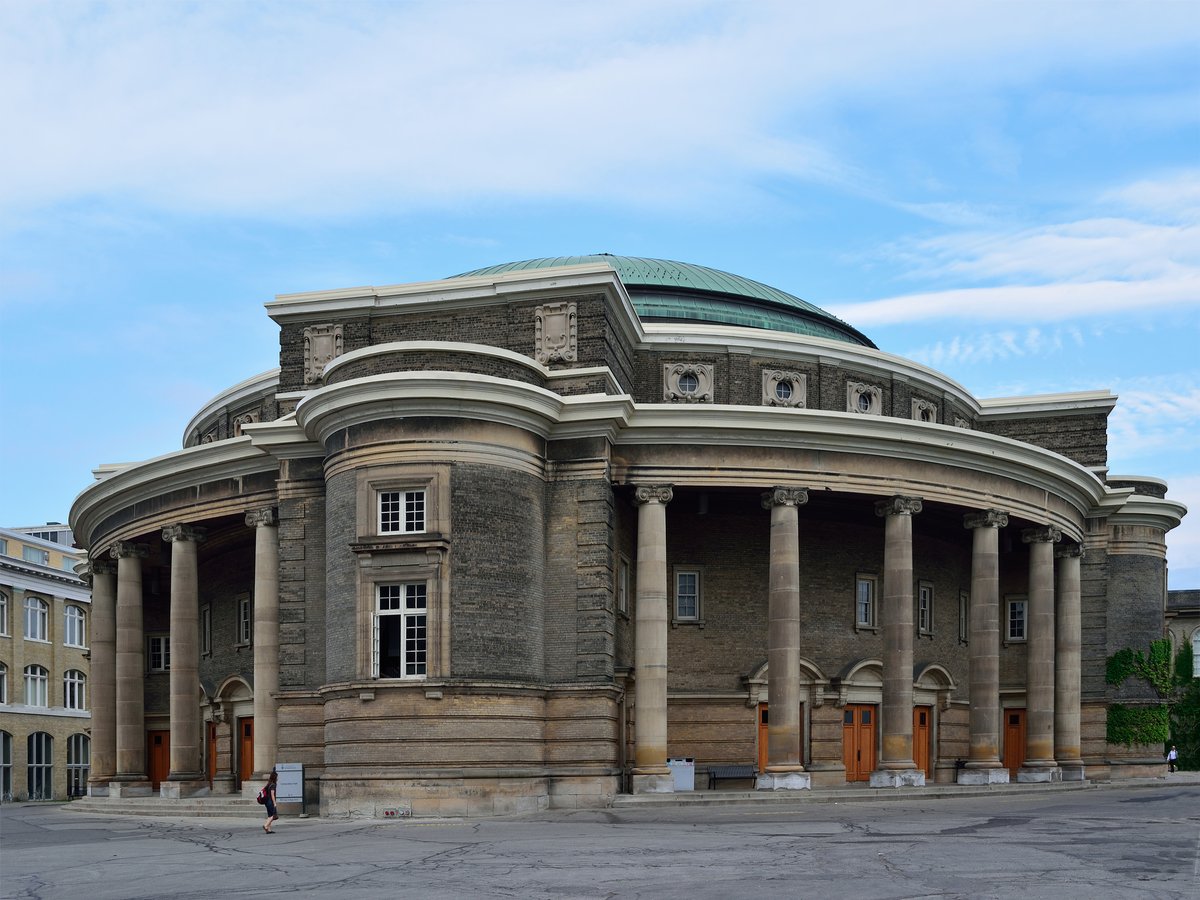
Constructed between 1904 and 1907, Convocation Hall was designed by architects Frank Darling and John A. Pearson of Darling & Pearson. The Hall was envisioned as both a ceremonial and symbolic centerpiece for the University of Toronto, drawing inspiration from classical structures such as the Pantheon in Rome and the Sorbonne’s amphitheatre. Its unique circular plan, rare in North American academic buildings, promotes inclusivity and community, accommodating over 1,700 guests (University of Toronto Archives; University of Toronto History).
Key Architectural Features
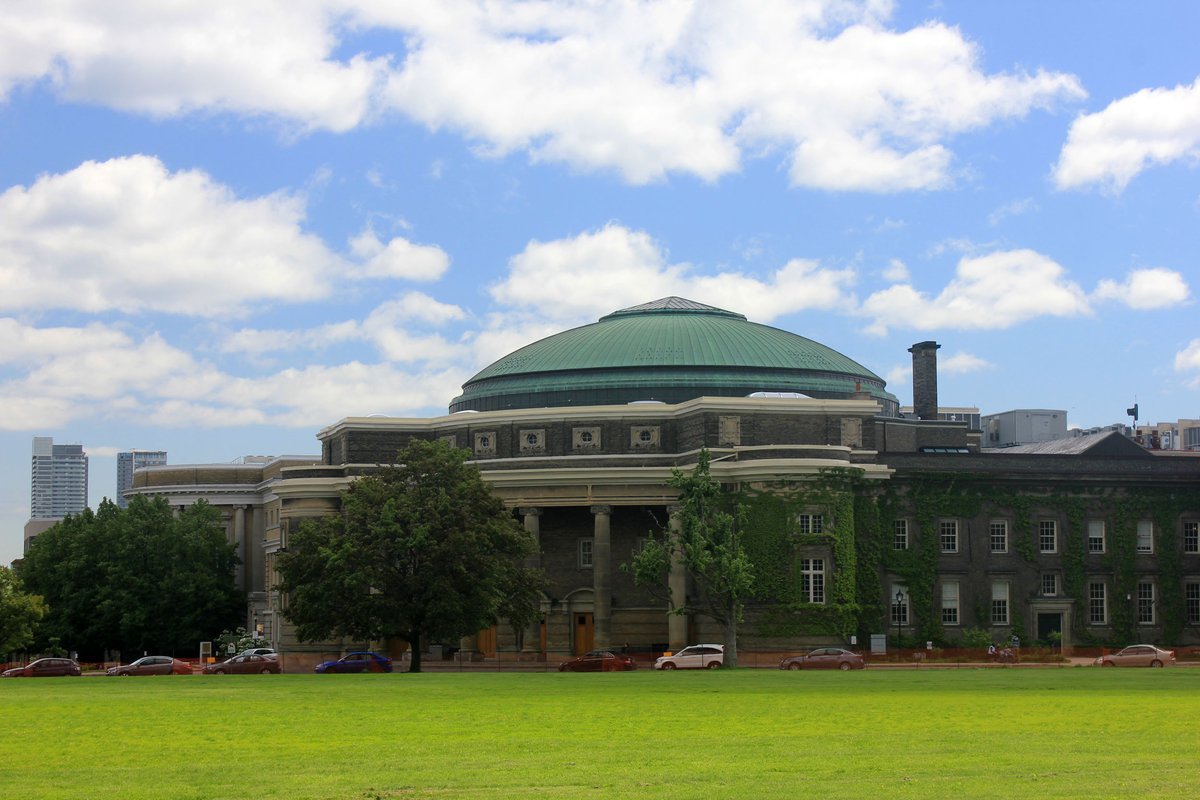
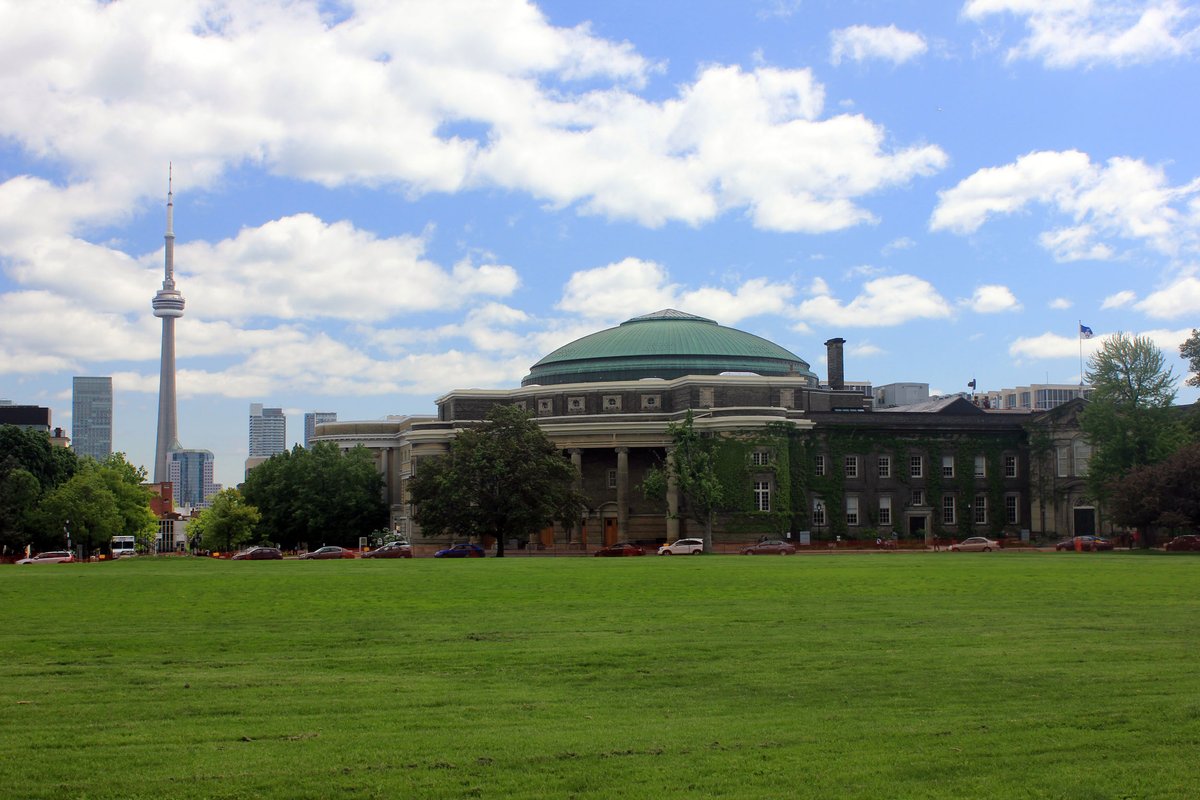
- Dome The 27-meter-high copper-clad dome, constructed using advanced engineering techniques of its time, is a defining element visible across campus (Construction History).
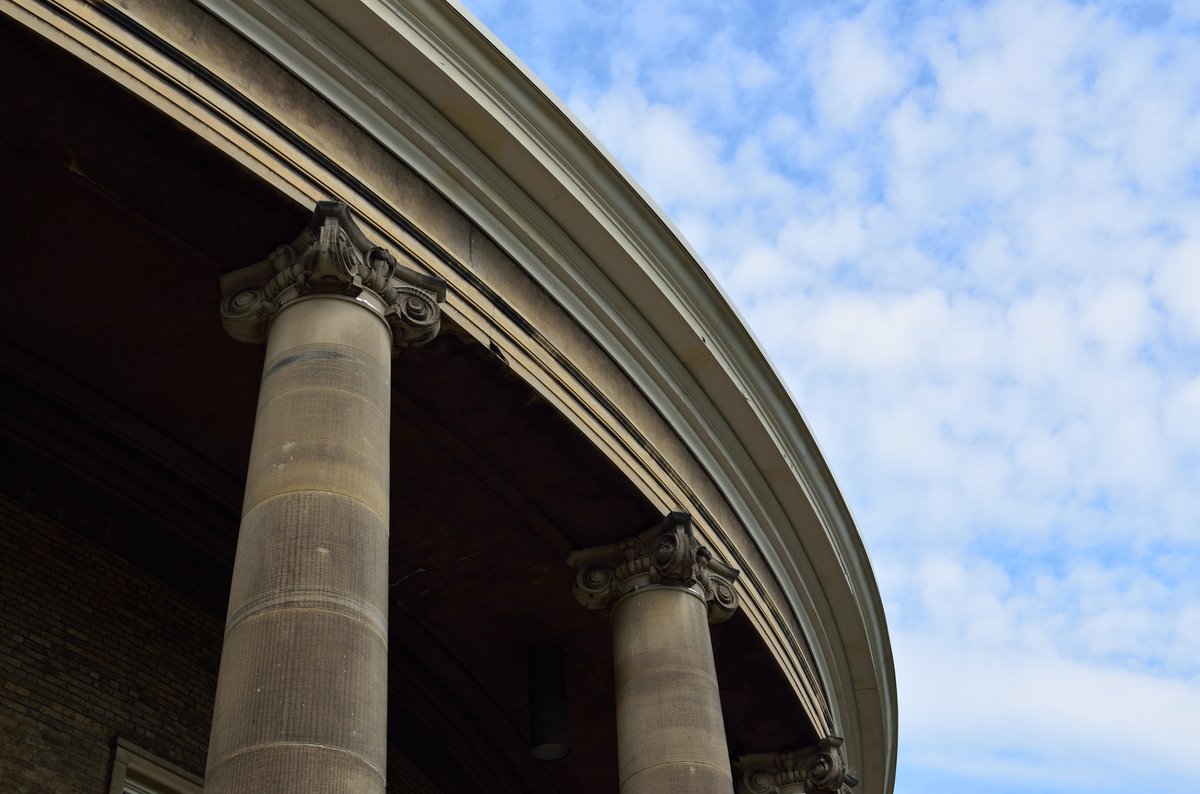
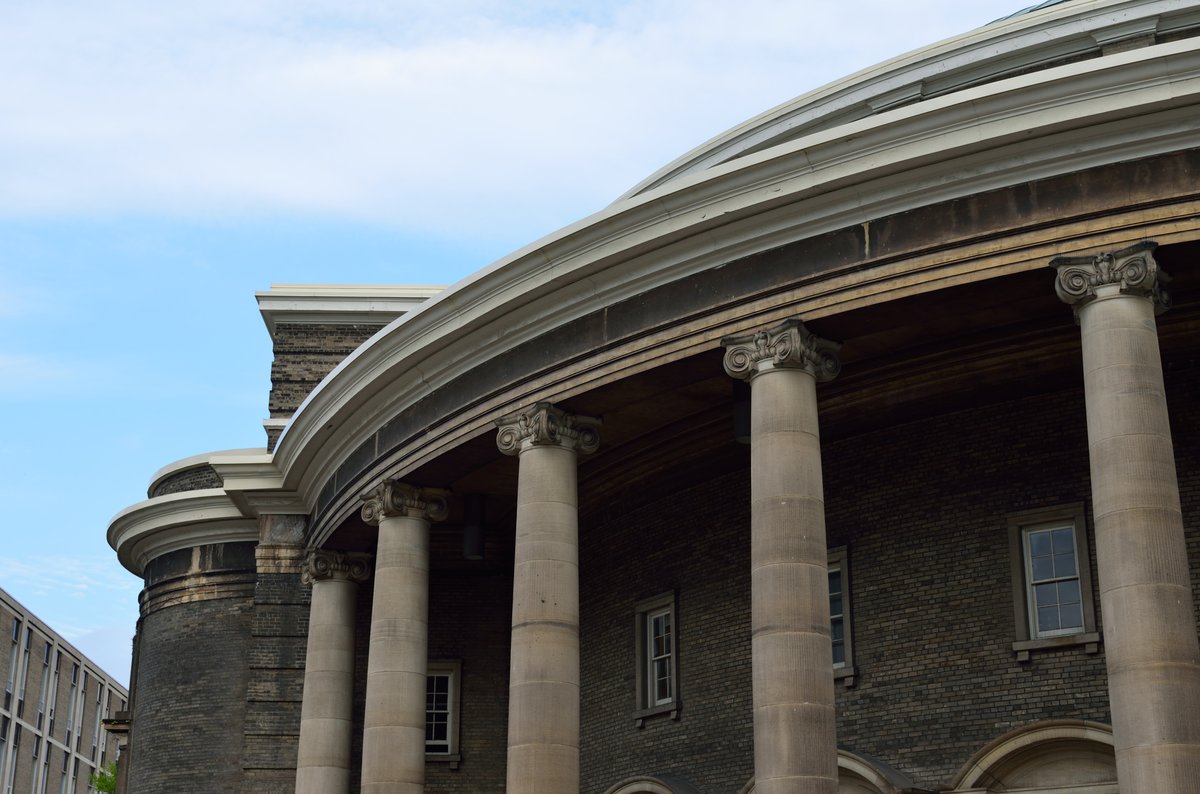
- Beaux-Arts Detailing Symmetrical proportions, grand entrance portico, Corinthian columns, and intricate plasterwork are hallmarks of the style.
- Interior Layout The rotunda’s circular plan, coffered dome, and proscenium-arched stage create both visual grandeur and superb acoustics (Historic Plasterwork).
Restoration and Conservation
Major restoration between 1997 and 2006 addressed structural repairs, restored original decorative elements, and upgraded accessibility and technical systems, preserving the Hall’s historic integrity (University of Toronto Magazine).
Key Historical Milestones
- 1907 Inaugural convocation ceremony establishes the Hall as the university's ceremonial heart (University of Toronto Convocation).
- 1930s Hosts luminaries such as Albert Einstein and Winston Churchill (Toronto Star Archives).
- 1960s-1970s Becomes a central site for student activism and civic engagement, including the pivotal 1969 sit-in (CBC Digital Archives).
- 2007 Centennial celebrations mark a century of academic and social significance (U of T News).
Notable Events and Figures
Convocation Hall has hosted:
- Albert Einstein (1930 lecture on relativity)
- Winston Churchill (1932 address)
- Martin Luther King Jr. (1967 civil rights speech)
- Toronto Symphony Orchestra concerts
- Political rallies with figures such as Lester B. Pearson and Pierre Elliott Trudeau
(Toronto Star Archives)
Visiting Hours and Ticket Information
Visiting Hours
Convocation Hall is open to the public during scheduled university events, concerts, and guided tours. Typical guided tour times are Tuesday to Saturday, 10:00 AM–4:00 PM, but schedules may vary. Always verify current hours and tour availability on the University of Toronto events calendar or Convocation Hall page.
Tickets and Admission
- Public Events Ticket prices generally range from $10 to $50 CAD, depending on the event.
- Guided Tours Usually require advance booking, around $15 CAD per person.
- University Ceremonies Tickets are typically issued to participants and their guests.
- Free Access Many campus tours include Convocation Hall at no additional charge (Campus Tours).
Tickets are available via the university’s event portal, at the box office, or through authorized vendors.
Accessibility
Convocation Hall is fully wheelchair accessible, with ramps, elevators, and accessible restrooms. Service animals are welcome, and assistive listening devices are available for events. If you have specific accessibility requirements, contact the university in advance for assistance (Accessibility Details).
Directions, Parking, and Travel Tips
- Location 31 King’s College Circle, University of Toronto St. George campus.
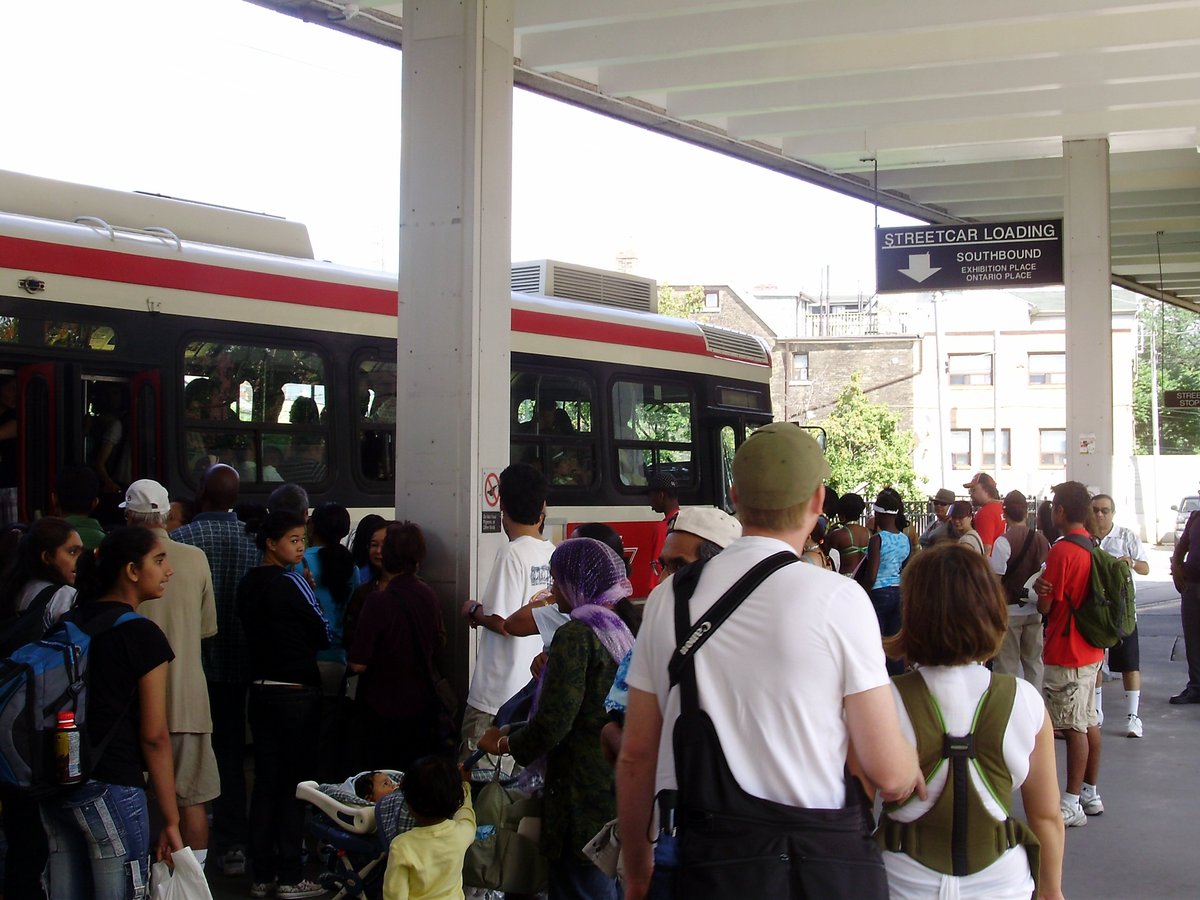
- Public Transit Short walk from Queen’s Park (Line 1) or St. George subway stations. The 506 Carlton streetcar also serves the area.
- Parking Public parking garages nearby include the Landmark Garage and 107 St. George Garage. On-campus parking is limited; King’s College Circle is closed to vehicles.
- Best Visiting Times Weekday mornings or early afternoons during the academic year to avoid crowds.
Photography Guidelines
Photography is permitted in most public areas during tours and open events. The dome, rotunda, and grand staircase are popular spots. Flash and tripods are typically restricted during formal ceremonies or performances.
Preservation and Heritage Status
Convocation Hall is a designated heritage property under the Ontario Heritage Act, with strict conservation measures ensuring the preservation of its original materials and architectural details (Heritage Toronto).
Frequently Asked Questions (FAQ)
Q: What are Convocation Hall’s visiting hours?
A: Access is generally during scheduled events and guided tours. Confirm times via the events calendar.
Q: How do I get tickets for events?
A: Purchase via the University of Toronto’s event portal, box office, or authorized vendors.
Q: Is the building accessible?
A: Yes, it offers ramps, elevators, accessible restrooms, and seating.
Q: Are guided tours available?
A: Yes, seasonally and by advance booking.
Q: Can I take photographs?
A: Yes, except during restricted events or performances.
Q: Where can I park?
A: Use nearby public garages (Landmark Garage, 107 St. George Garage); on-campus parking is limited.
Nearby Attractions
- Hart House Historic arts and student center with gallery, theatre, and café.
- Royal Ontario Museum (ROM) Leading museum of world cultures and natural history.
- Bata Shoe Museum Unique footwear museum.
- Queen’s Park Provincial legislature and gardens.
- Kensington Market Lively market district nearby.
- Philosopher’s Walk, Trinity College, University College Iconic campus landmarks.
Final Tips and Summary
Convocation Hall is a premier destination for those interested in Toronto’s architectural, academic, and civic history. Its preserved neoclassical form, storied past, and ongoing role in university and city life make it a must-visit. To maximize your experience:
- Check official websites for up-to-date schedules and ticketing.
- Use public transit for convenience.
- Explore nearby campus and city attractions.
- Download the Audiala app for audio tours and event reminders.
Convocation Hall is more than a building—it is a vibrant symbol of Toronto’s academic tradition and cultural heritage, welcoming visitors to connect with over a century of Canadian scholarly achievement (University of Toronto Convocation; Heritage Toronto).