Historical Development of Back Campus Fields
Early Origins and University Expansion
Back Campus Fields originated in the late 19th century, initially serving as open green space for recreation and university gatherings. Over time, as the University of Toronto expanded, these fields became essential for student athletics, hosting rugby, soccer, and cricket—sports reflective of the university’s British colonial roots. The fields also provided space for university ceremonies, military drills during both World Wars, and community events, embedding them deeply in Toronto’s academic and social fabric (University of Toronto History).
Transformation for the 2015 Pan American Games
Toronto’s selection as host city for the 2015 Pan American Games led to a major redevelopment of the Back Campus Fields. In collaboration with the city, the university upgraded the fields to two state-of-the-art, FIFA- and International Hockey Federation-certified synthetic turf pitches (Pan Am Games Legacy). The $9.5 million project included advanced drainage systems, energy-efficient lighting, and accessible pathways, ensuring the fields met international standards for both competition and sustainability.
Post-Games Legacy
After the Games, the fields became the home of the University of Toronto Varsity Blues field hockey teams and a hub for community sports, provincial and national tournaments, and youth programs (Varsity Blues Field Hockey). This transformation also enhanced the surrounding green space and accessibility for students and visitors alike, positioning the fields as a model for sustainable urban athletic infrastructure.
Cultural and Heritage Significance
University Tradition and Community Engagement
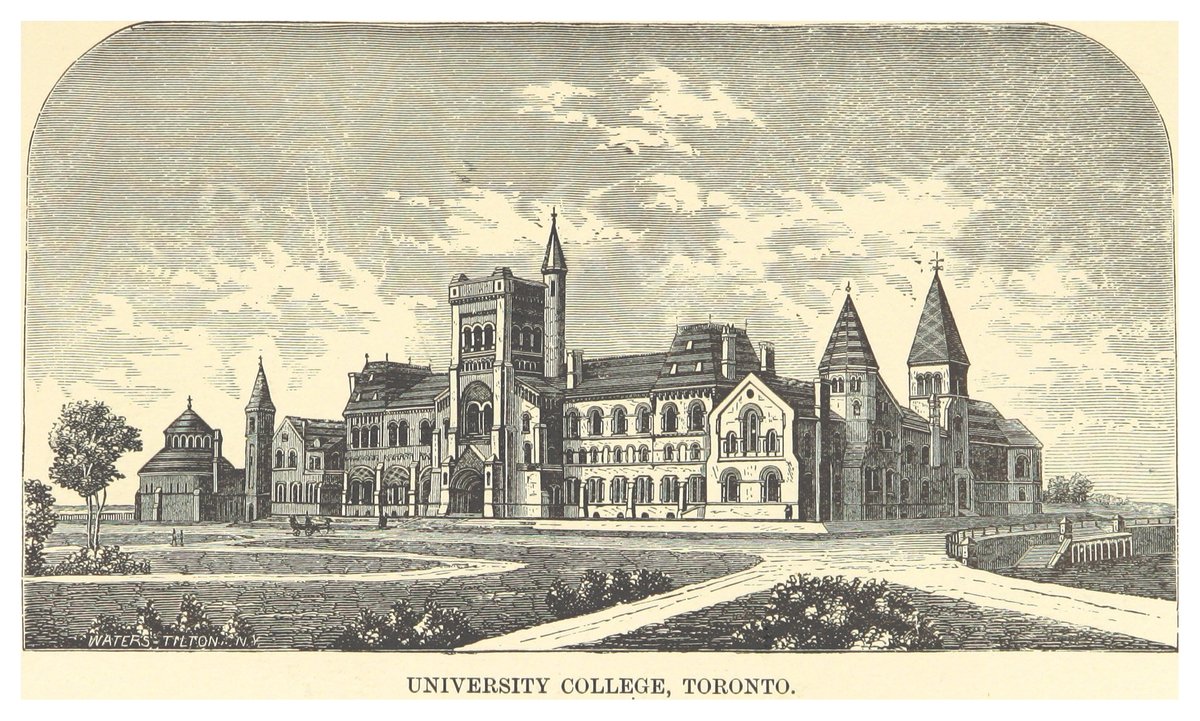
Back Campus Fields are central to the traditions of the University of Toronto, serving as a gathering spot for students, alumni, and the wider community. Annual events, orientation activities, intercollegiate tournaments, and charity matches foster a strong sense of belonging and school spirit (University College History). The fields’ proximity to historic buildings such as University College and Hart House emphasizes their role as a nexus of cultural and social life.
Environmental Stewardship
The redevelopment of Back Campus Fields prioritized environmental sustainability. Features like permeable surfaces, native plantings, and energy-efficient lighting contribute to the campus’s ecological health (Sustainable Campus Initiatives). The fields provide a vital green space in downtown Toronto, supporting biodiversity and offering a peaceful setting for recreation.
Architectural Context and Heritage Preservation
While the fields themselves are not heritage sites, they are framed by some of Toronto’s most significant Gothic Revival and Romanesque buildings, including University College and Hart House (Hart House History). The modern facilities were designed to complement the historic campus, preserving sightlines and respecting the area’s architectural integrity.
Accessibility and Social Impact
Back Campus Fields exemplify inclusivity, with barrier-free pathways, accessible seating, and amenities that meet the needs of all visitors (Toronto Accessibility Standards). The fields are regularly used by community groups, local schools, and amateur sports organizations, strengthening connections across generations and backgrounds.
Visitor Information
Location, Access, and Hours
Back Campus Fields are located behind University College, bordered by Tower Road, King’s College Circle, and Hart House Circle. The fields are accessible by public transit, with St. George and Museum subway stations nearby (University of Toronto Campus Map). General visiting hours are from 7:00 AM to 10:00 PM daily, but access may be limited during varsity games or special events.
Tickets and Entry
Informal use of the fields is free and open to the public. Tickets are required only for certain university events, varsity matches, or tournaments. Event tickets and schedules can be found on the Varsity Blues Field Hockey website or the University of Toronto events portal.
Amenities and Sustainability
The fields feature:
- Two synthetic turf pitches
- Energy-efficient lighting
- Accessible washrooms and change rooms (in adjacent buildings)
- Spectator seating with accessible options
- Water fountains and bike racks
Sustainability efforts include recycling and compost bins, water-saving turf, and the preservation of mature trees. The campus encourages visitors to use public transit or active transportation (Sustainable Campus Initiatives).
Etiquette
- Stay off the fields during maintenance or scheduled events.
- Dispose of waste responsibly and use recycling/compost bins.
- Use designated paths to protect landscaping.
- Dogs must be leashed; pets are not permitted on the fields’ turf.
Nearby Attractions
Within walking distance are:
- The Royal Ontario Museum (ROM)
- Art Gallery of Ontario (AGO)
- Queen’s Park and the Ontario Legislative Building
- The historic Distillery District (Distillery District)
Visitor Experience and Activities
Sports, Leisure, and Tours
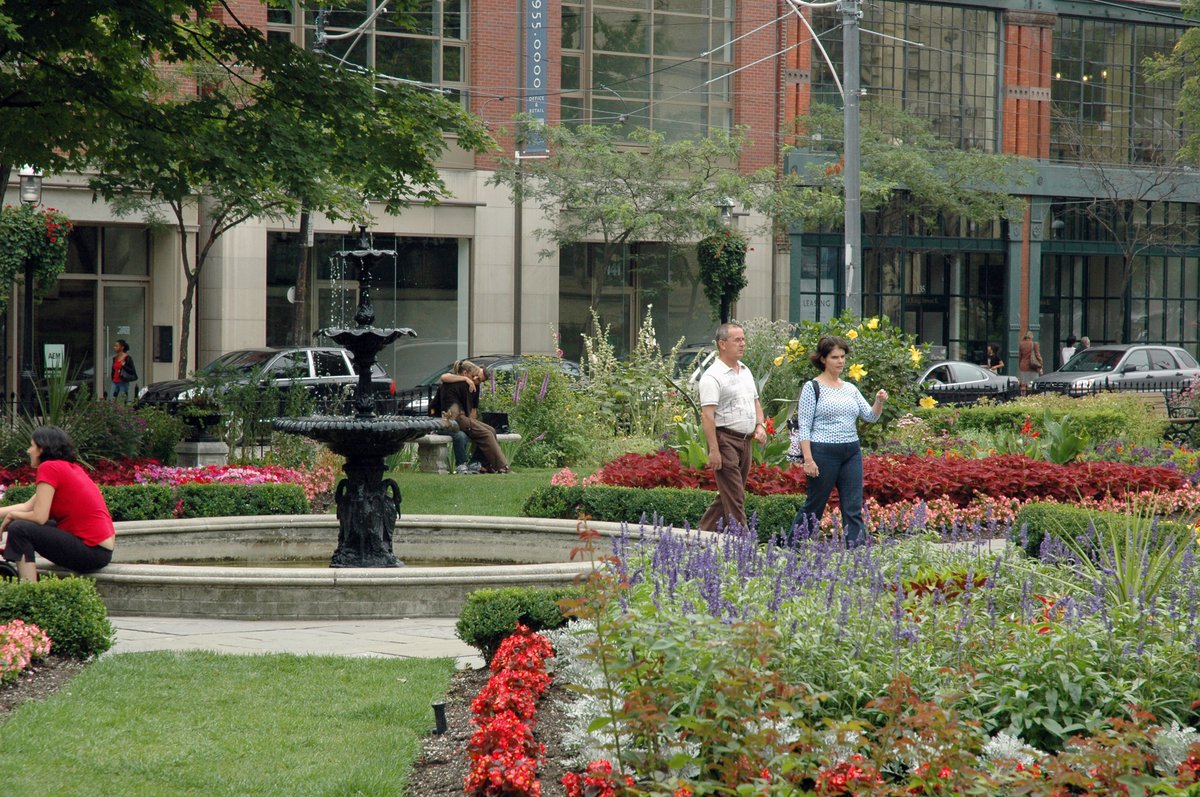
Back Campus Fields host university sports such as field hockey, rugby, and soccer. Outside of scheduled matches, the grounds are open for jogging, walking, and informal recreation. The recent Landmark Project added gardens, mature trees, and accessible paths, creating a welcoming atmosphere for relaxation.
Guided tours focusing on sustainability and campus history are occasionally available (U of T Campus Tours). Interpretive signage explains features like Canada’s largest urban geoexchange field supporting the university’s climate-positive goals.
Practical Tips
- Use public transit or bike share; parking is limited.
- Visit early morning or late afternoon for a quieter experience and great photography.
- Check event calendars for special activities or potential closures.
- Bring refillable water bottles—fountains are available.
Special Events
The fields host university sports events, community programs, and occasional cultural gatherings. Outdoor concerts, alumni celebrations, and commemorative ceremonies take place in nearby plazas and gardens (Hart House Events; ToDoCanada).
Accessibility and Travel Tips
Accessibility Features
Back Campus Fields are fully accessible, with:
- Paved, gently sloped pathways
- Designated accessible gates and seating
- Accessible washrooms nearby
- Assistance available from campus staff (Facility Accessibility Design Standard)
Directions and Transit
- Public Transit St. George, Museum, and Queen’s Park subway stations are all within a short walk.
- Walking/Cycling Safe campus pathways and bike racks are available.
- Parking Limited accessible parking near entrances; public transit is recommended.
Safety
The campus is well-lit, with security patrols and emergency call stations to ensure visitor safety.
Frequently Asked Questions (FAQs)
Q: What are the Back Campus Fields’ visiting hours?
A: Generally open from 7:00 AM to 10:00 PM daily; access may be restricted during special events.
Q: Do I need tickets to visit?
A: General access is free; tickets are only required for certain events.
Q: Is the site accessible for people with disabilities?
A: Yes, with accessible paths, seating, and washrooms.
Q: Can I bring my dog?
A: Guide dogs are welcome; other dogs must be leashed and may not be allowed on the fields.
Q: Are guided tours available?
A: Yes, through U of T Campus Tours. Check schedules in advance.