Early settlement and origins
The Denison family established estates in the area in the late 1700s, helping shape its development (Neighbourhood Guide; Wikipedia: Dufferin Grove). By the 1830s, the area was changing from dense forest to farmland. In the late 19th century, it developed into a residential corridor (Neighbourhood Guide).
Between 1890 and 1930, Dufferin Grove became known for Victorian, Edwardian, and English Cottage homes along tree-lined streets. Street widening in 1949–1950—and, more broadly, city-led widening during the 1950s—changed the streetscape while reinforcing Dufferin Street’s role as an urban artery (Spacing Toronto).
Transportation and the Dufferin Gate
Rail lines historically interrupted Dufferin Street, creating the “Dufferin jog.” The route was realigned in the early 2000s to improve traffic flow. The 29 Dufferin bus remains one of the TTC’s busiest routes (Spacing Toronto).
Dufferin Gate was first built of wood in 1895. In 1912, it was replaced by an ornate Baroque-style entrance designed by George W. Gouinlock. The current Mid-Century Modern archway, completed in 1959 by Arthur G. Keith, is a protected heritage structure (Toronto Journey 416).
Visiting Dufferin Gate and Exhibition Place
The parabolic Dufferin Gate archway is a popular photography spot, especially in the softer light of morning or evening.
- Dufferin Gate and Exhibition Place grounds Open daily, 6:00 AM to 11:00 PM; free public access.
- Canadian National Exhibition (CNE) Runs from mid-August to Labour Day. Tickets are required, and prices vary by event and date (Exhibition Place website).
- Accessibility Exhibition Place and Dufferin Gate offer wheelchair access, accessible washrooms, and designated parking. Contact Exhibition Place before visiting for assistance.
- Getting there Take the 29 Dufferin bus to Dufferin Gate Loop. Parking is available on site but limited during major events. Bicycle racks are provided near the entrance.
- Tours and events Seasonal guided tours cover the history and architecture of Exhibition Place. Major annual events include the CNE and BIG on Bloor Festival (Exhibition Place events calendar).
Social and Cultural Evolution
Dufferin’s neighbourhoods reflect Toronto’s multiculturalism, with strong Portuguese, Italian, and other communities. Dufferin Grove Park, with its community oven and live theatre, is a hub for local events (Wikipedia: Dufferin Grove; Neighbourhood Guide).
The BIG on Bloor Festival transforms the neighbourhood each summer, while Parkdale and Bloordale host multicultural fairs and food festivals (BIG on Bloor Festival; Canadian Train Vacations: Summer Festivals Toronto).
Notable Historical Events and Landmarks
- Dufferin Park Racetrack Once a major horse-racing venue, it is now the site of Dufferin Mall (Spacing Toronto).
- Dufferin Street widening Work in 1949–1950 reshaped the street’s urban character.
- Dufferin Grove Park Offers playgrounds, farmers’ markets, and community events (Wholemap Historic Photos: Dufferin Grove).
Exploring Dufferin: Urban Development, Transit Access, and Community Life
The Bloor & Dufferin redevelopment is planned to include 2,000+ residential units, affordable housing, a new community hub, a public park, green spaces, and improved transit access. It has also been described as delivering 2,000 units within three years (Bloor & Dufferin development; Canada Construct Connect).
In Parkdale, 340 Dufferin Street Condos add hundreds of homes within walking distance of shopping and green spaces. Community-focused organizations such as the Community Cultural Spaces Trust and Oasis Dufferin Community Centre provide social programming, arts, and support services (Toronto Dine: Oasis Dufferin Community Centre).
Dufferin’s subway station and major bus routes connect to Union Station in 13 minutes. Drivers have access to nearby highways and quick airport access. New bike lanes and ongoing roadwork are intended to improve safety and mobility (CondoTrend; City of Toronto PDF). Major capital projects in 2025 include Gardiner Expressway repairs and new cycle tracks (CP24).
The area has schools, playgrounds, and proximity to major universities (CondoTrend). Dufferin is an open neighbourhood to explore at your own pace, though construction may affect traffic and parking; consult local updates and parking signs.
Visitor Tips and Practical Information
Transit, access, and safety
Dufferin is served by TTC subway Line 2 and the 29 Dufferin bus. The Dufferin subway station operates from about 6:00 AM to 1:30 AM. Cyclists have access to bike lanes, while crosswalk improvements support pedestrians (City of Toronto Safety Review).
Exercise standard urban precautions and use designated crossings. The city is working to improve pedestrian and cyclist safety. Most public spaces are accessible; see the Toronto Accessibility Guide for details.
Dining, shopping, and accommodation
Dufferin has Portuguese bakeries, Italian trattorias, Ethiopian cuisine, and other food options. Dufferin Mall and local boutiques offer shopping (Digin Local History).
Nearby West Queen West and Little Italy have boutique hotels and short-term rentals (Explore Dufferin County).
Practical details
- Currency Canadian dollar (CAD); credit and debit cards are widely accepted.
- Language English is primary, though many languages are spoken.
- Weather The area experiences four seasons; dress accordingly.
- Health and safety Tap water is safe, and emergency services are reliable (Government of Canada Travel).
- Connectivity Free Wi-Fi is available in many public spaces; SIM cards are available.
- Luggage storage Services include Nannybag.
- Local etiquette Politeness and inclusivity are valued. Tipping is expected in restaurants (15–20%).
- Visitor resources The Toronto Tourist Information Centre at Union Station provides maps, brochures, and guidance.
Black Creek Pioneer Village: Visiting Guide
Black Creek Pioneer Village recreates rural 19th-century Ontario. It features more than 40 heritage buildings, costumed interpreters, and interactive exhibits (Black Creek Pioneer Village).
- Hours Open year-round; typical hours are 10:00 AM–5:00 PM, Wednesday to Sunday. Check the website for seasonal variations.
- Tickets Available online or at the gate, with discounts for children, seniors, and families.
- Accessibility Many buildings and paths are wheelchair accessible, and staff assistance is available.
- Tours and events Guided tours, harvest festivals, crafts workshops, and winter celebrations are offered throughout the year.
- Getting there Accessible by TTC buses from Sheppard West Station and by car, with ample parking.
Nearby Places
Dufferin Grove Park has outdoor performances and installations as well as playgrounds, farmers’ markets, and community events. The West Toronto Railpath and High Park are accessible for outdoor recreation (Nannybag Toronto Guide).
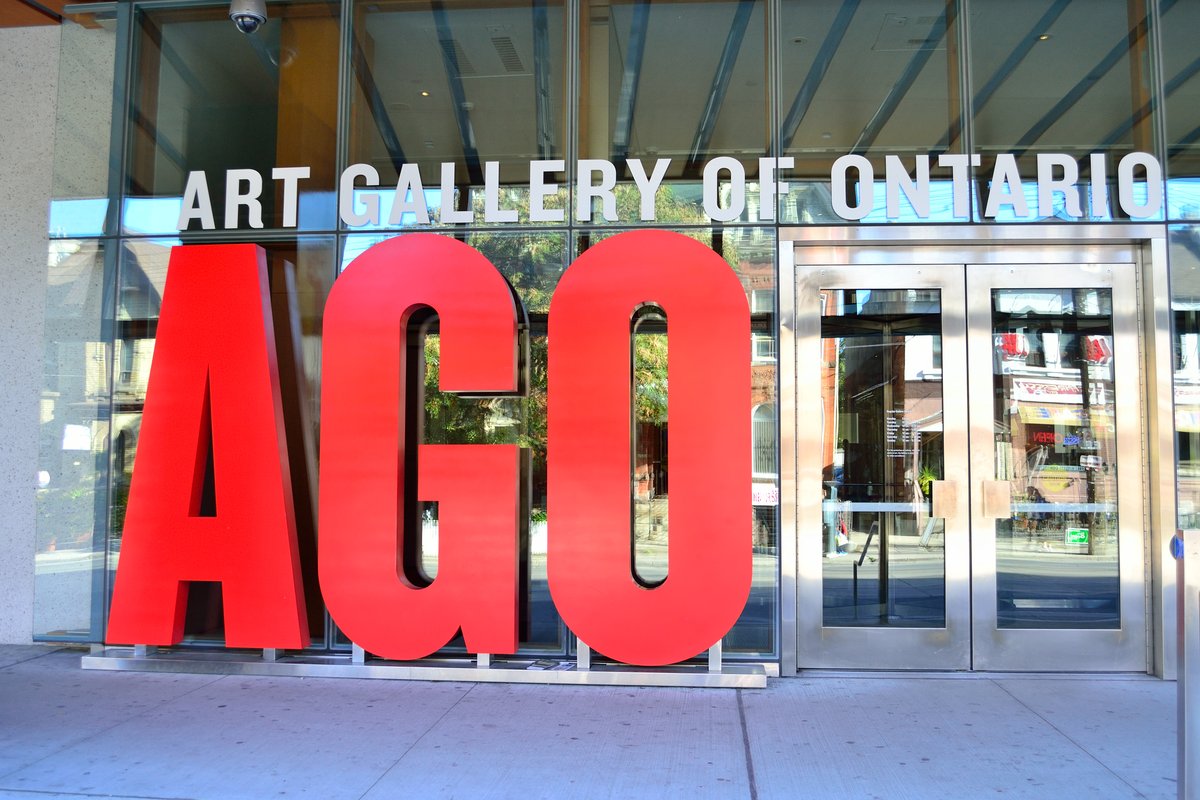
Black Creek Pioneer Village is close to Casa Loma and the Royal Ontario Museum. The Art Gallery of Ontario and Royal Ontario Museum are a short subway ride away (TimeOut Toronto).
Summary and Final Tips
Dufferin brings together historic landmarks, neighbourhood culture, festivals, and urban development. Visitors can photograph Dufferin Gate, explore local parks and shops, visit Black Creek Pioneer Village, and find a range of local dining options. The guide also recommends planning with the Audiala app for guided tours and checking official websites and the Toronto Tourist Information Centre for updates on events, tickets, and accessibility (Toronto Journey 416; Canada Construct Connect; Summer Fun Guide; Black Creek Pioneer Village; City of Toronto).
Frequently Asked Questions (FAQ)
Q: What are typical visiting hours for attractions around Dufferin?
A: Dufferin Mall: 10:00 AM–9:00 PM; parks: dawn to dusk. Specific sites may vary.
Q: Are tickets required for Dufferin Mall or Dufferin Grove Park?
A: No. Both are free to enter. Tickets are required for special events at Exhibition Place.
Q: Are guided tours available?
A: Yes. Local operators and community groups offer walking tours. Check with the Tourist Information Centre.
Q: Is Dufferin accessible by public transit?
A: Yes, via TTC subway and bus.
Q: What local foods should I try?
A: Portuguese custard tarts, Italian pizza, and Ethiopian dishes are among local favourites.