

What St. Clair West is
St. Clair West is a Toronto neighborhood with a blend of cultural heritage, varied architecture, and urban activity. Its history runs from Indigenous roots through streetcar development and successive waves of immigration. Corso Italia, Oakwood Village, Wychwood Park, and Hillcrest each have distinctive local character, from Italian bakeries to leafy residential streets.
The neighborhood’s population includes Italian, Portuguese, Latin American, Caribbean, Jewish, Filipino, and other communities (Core Wellness Centre). Multilingualism and cultural traditions are reflected in its ethnic grocers, bakeries, and restaurants. Walkability, historic and modern architecture, and well-maintained public spaces contribute to its urban character, while local organizations and residents foster a strong sense of community (St Clair West Community Facebook).
History
Indigenous roots and early settlement
St. Clair West occupies land originally inhabited by the Huron-Wendat, Anishinaabe, and Haudenosaunee nations, whose trade routes and settlements laid the groundwork for later development (historyoftoronto.ca). European settlement began in the late 18th century, and the town of York was established in 1793. St. Clair Avenue originated as a concession road. The Heath family made the area’s first notable land purchase in 1837 near Yonge Street (wahi.com).
Streetcar-suburb development
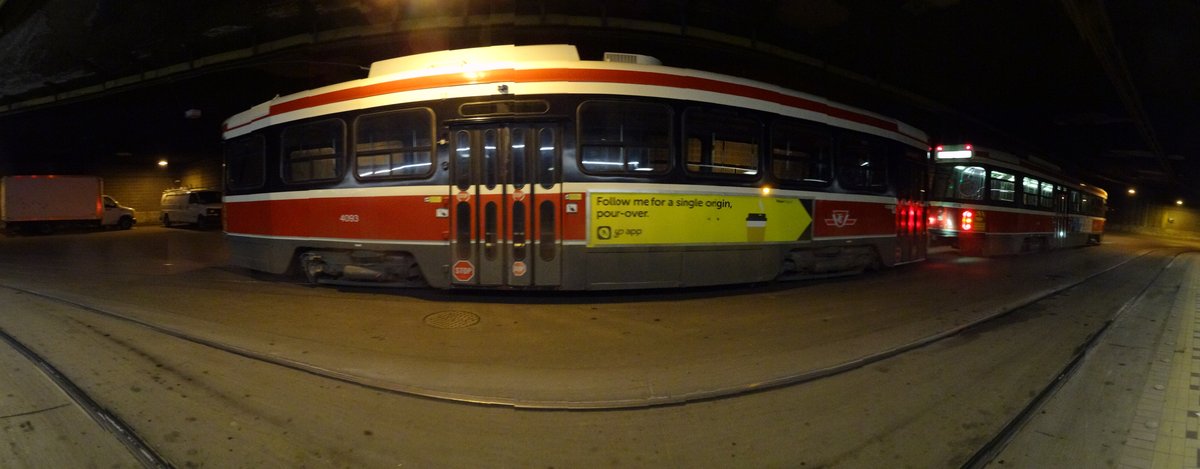
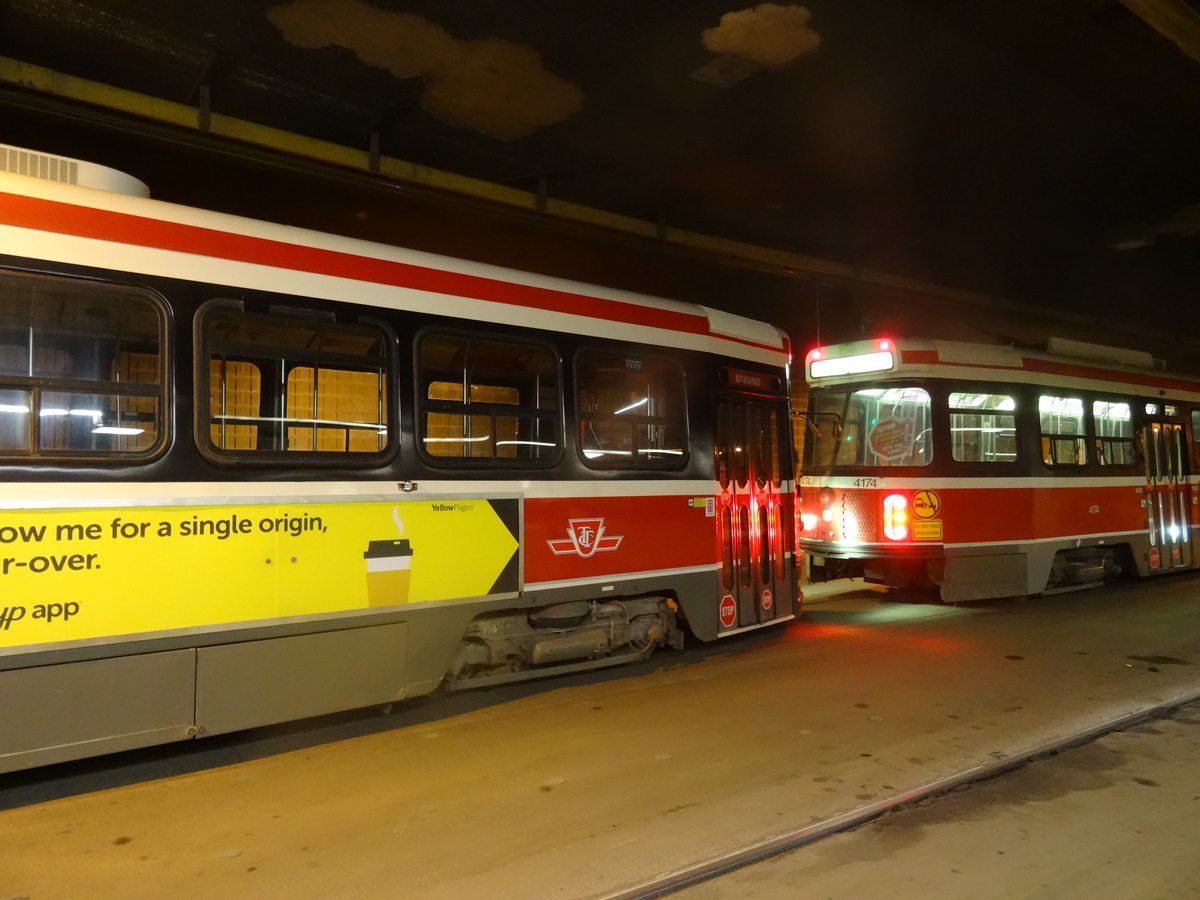
The introduction of the St. Clair streetcar line in 1914 helped transform the area from farmland into an urban neighborhood (stclairwest-oralhistory.com). As agricultural land gave way to homes, schools, and businesses, the neighborhood urbanized rapidly (blogTO). The original streetcar barn, now the Artscape Wychwood Barns, reflects this connection to transit-driven growth. Archival images document the area’s changing landscape (stclairwest-oralhistory.com).
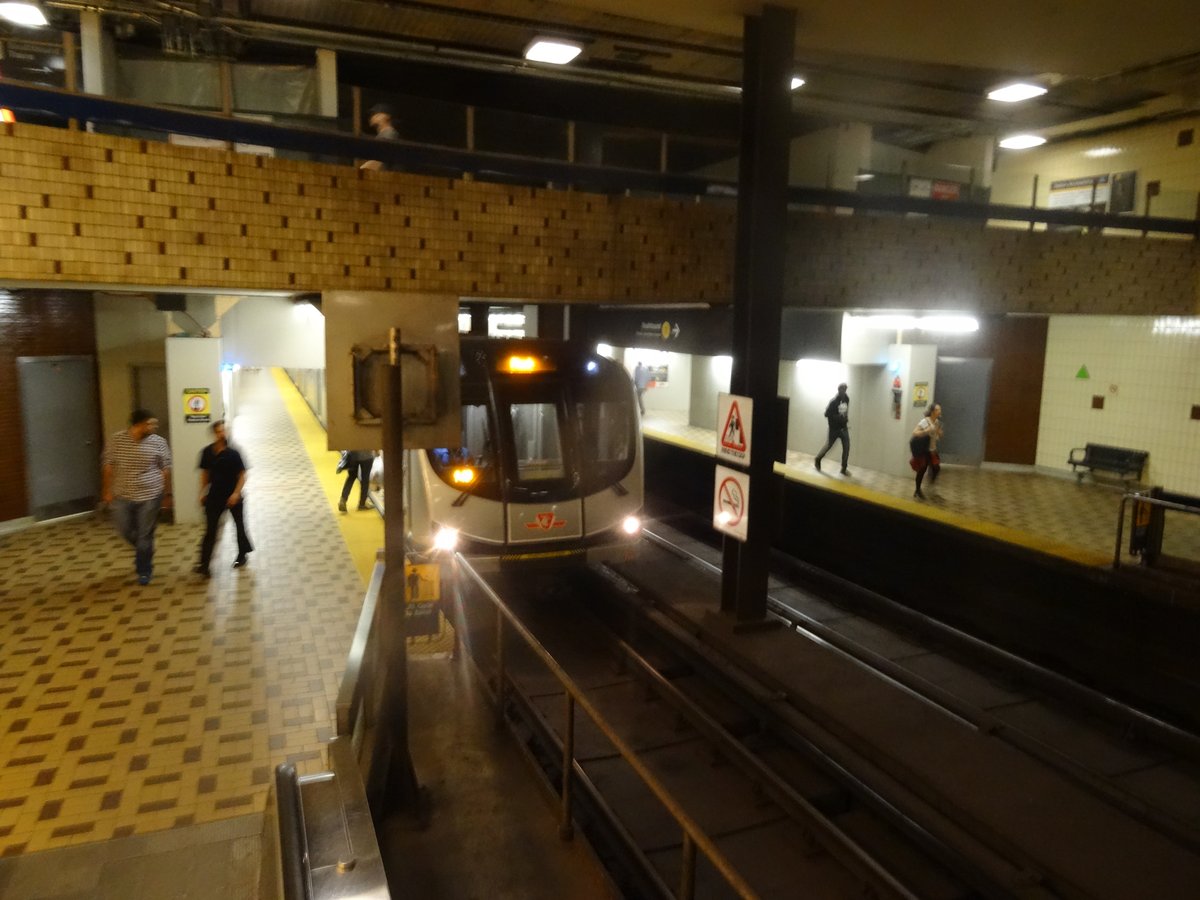
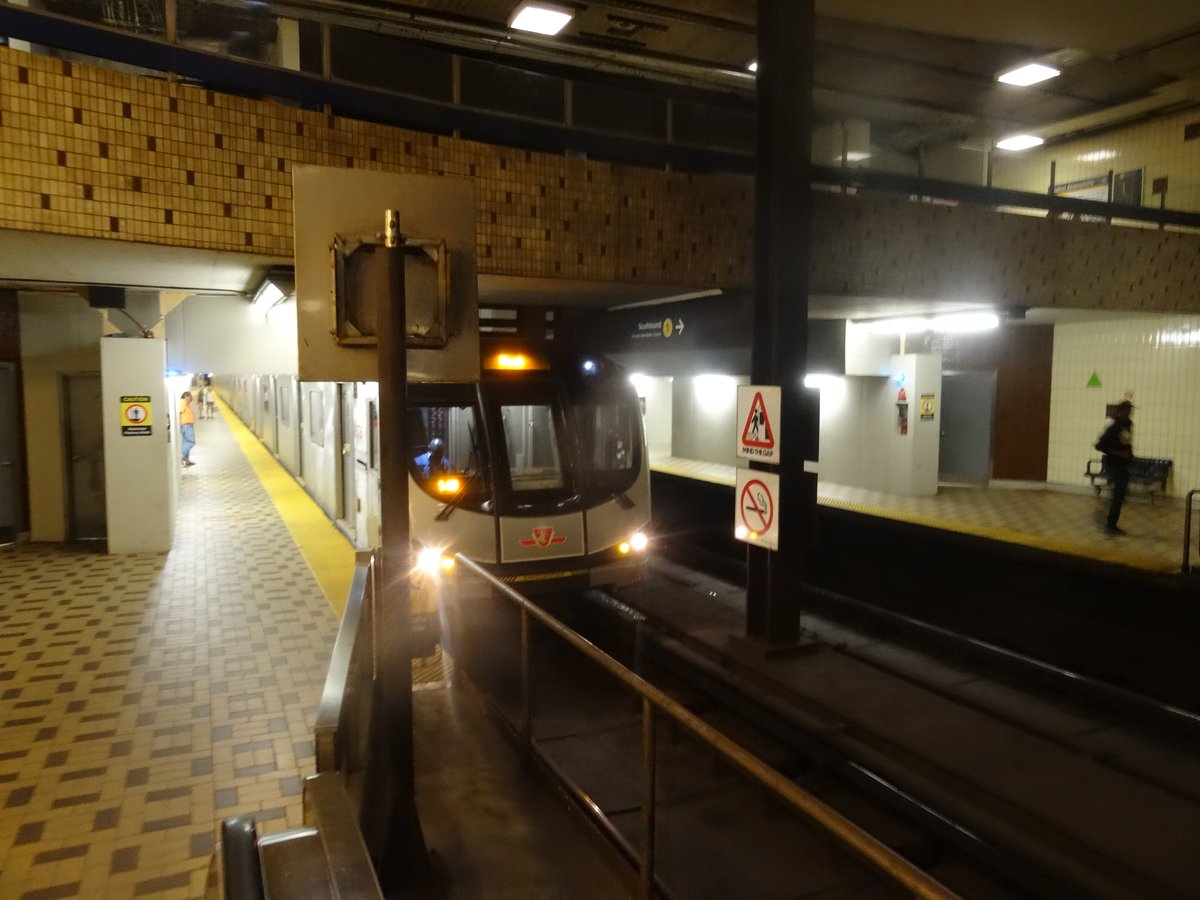
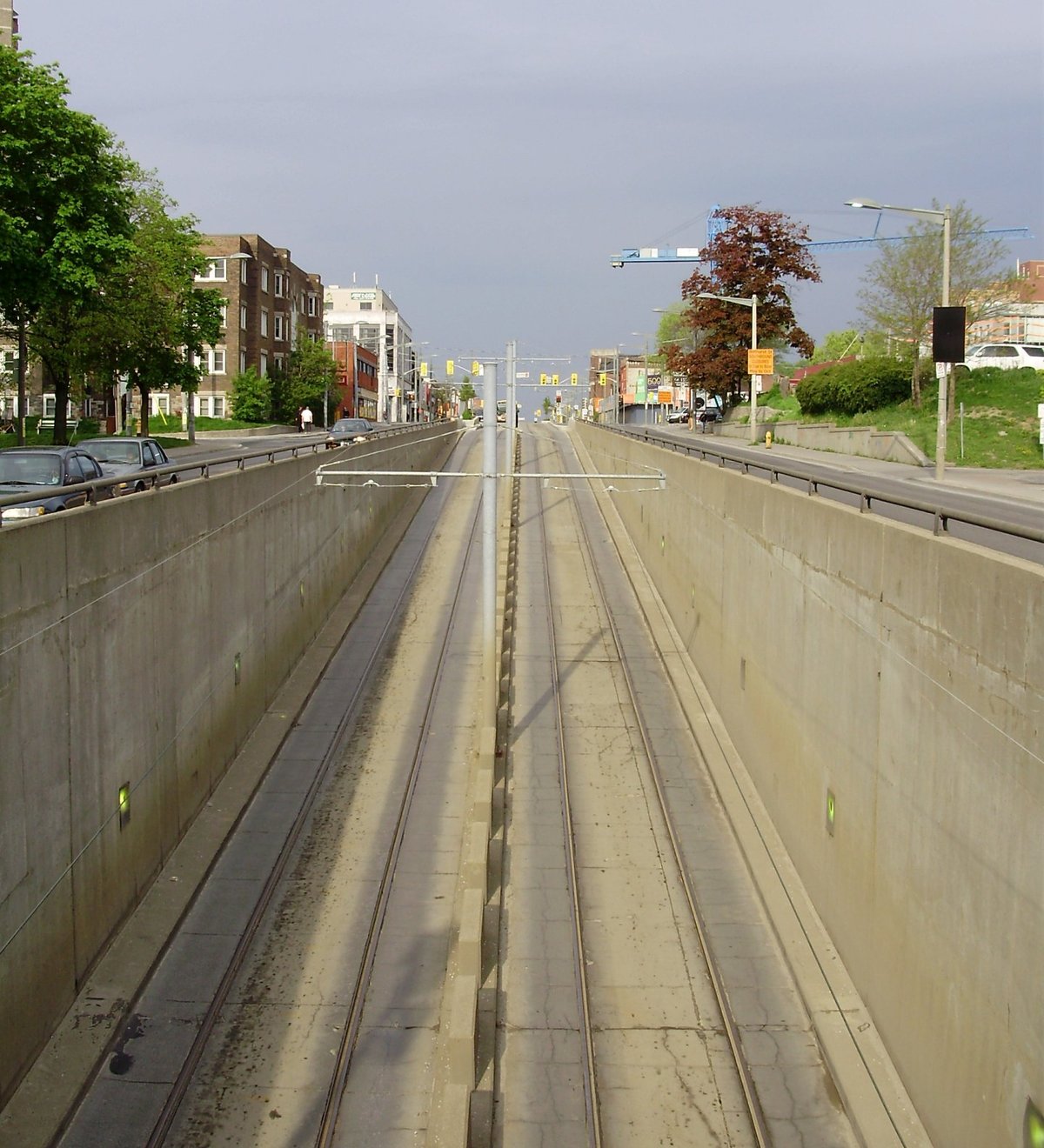
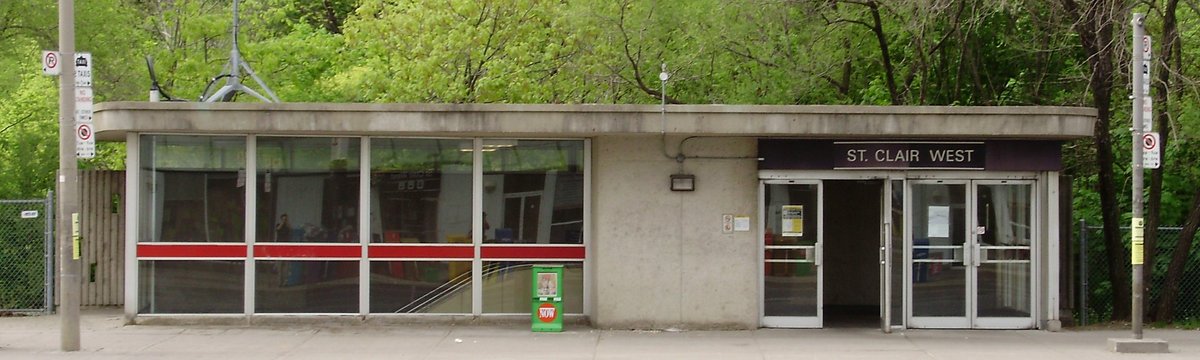
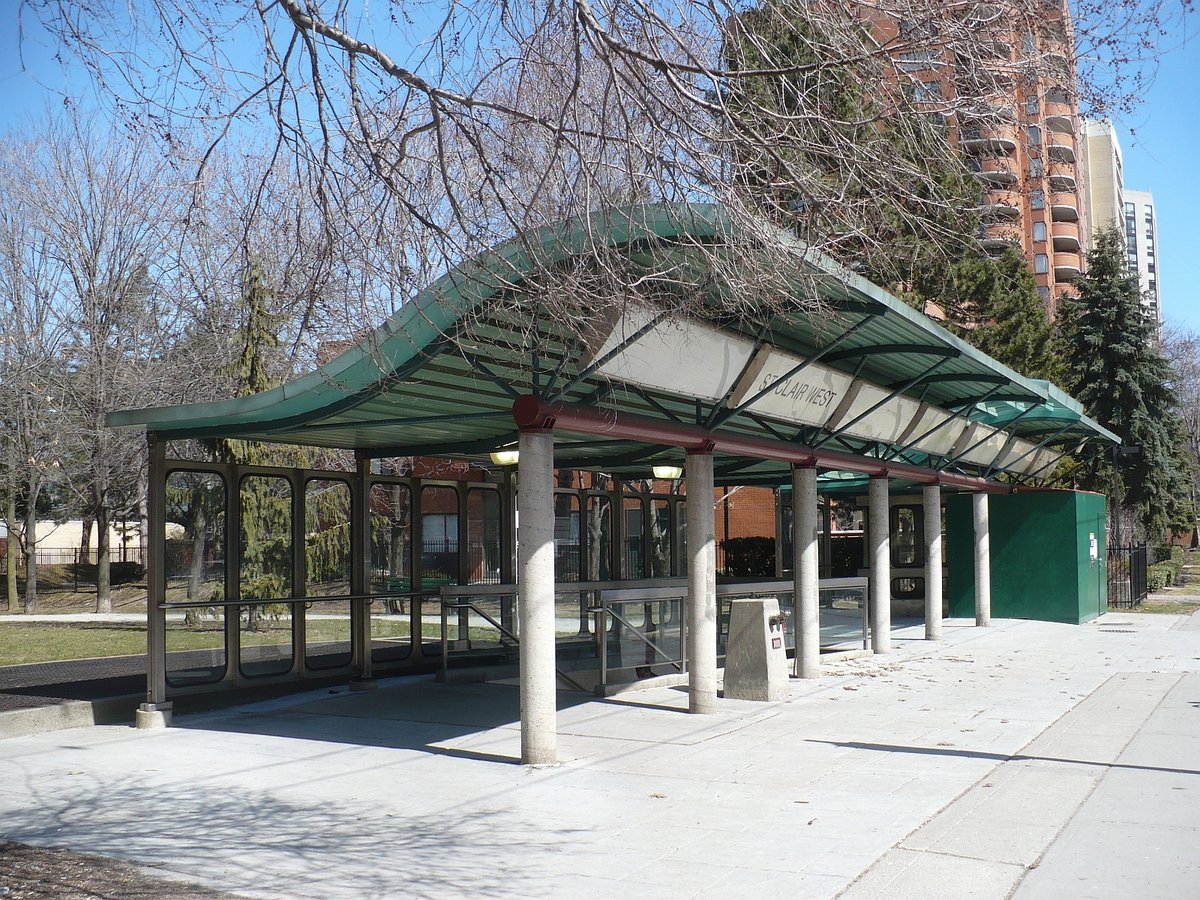
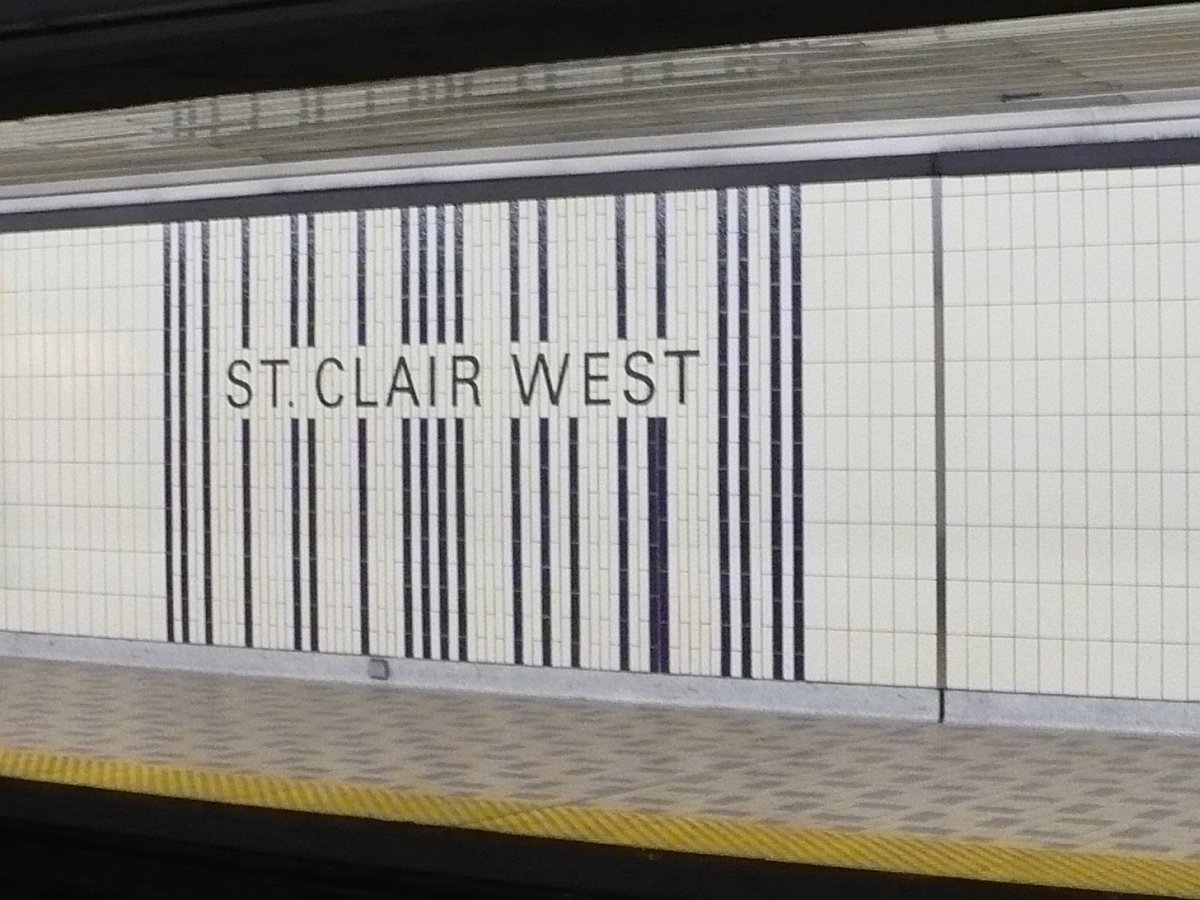
The 512 St. Clair streetcar remains a vital transit route. A 2006 streetcar right-of-way revitalization modernized transit and fostered further development (wahi.com). The St. Clair West subway station opened in 1978 (Wikipedia). The Scarlett Road Bridge reconstruction has also improved connectivity (toronto.ca).
Immigration and cultural diversity
Early Irish and Italian settlers left a strong cultural legacy. Post-Second World War Italian migration further shaped the area, as families moved north from College Street’s Little Italy (historyoftoronto.ca; blogTO). Portuguese, Caribbean, and South Asian communities later added to the neighborhood’s cultural mix, visible in its restaurants, cultural centers, and shops (historyoftoronto.ca).
Architecture and neighborhood character
The area’s architecture includes Victorian, Edwardian, Art Deco, and Modernist styles (wahi.com). Casa Loma and the Artscape Wychwood Barns offer glimpses of the area’s architectural grandeur and community life.
What to see and do
Historical sites, monuments, and public spaces
- Earlscourt Park Memorials Monuments commemorate local heritage. The park is open daily from dawn to dusk and has fully accessible pathways.
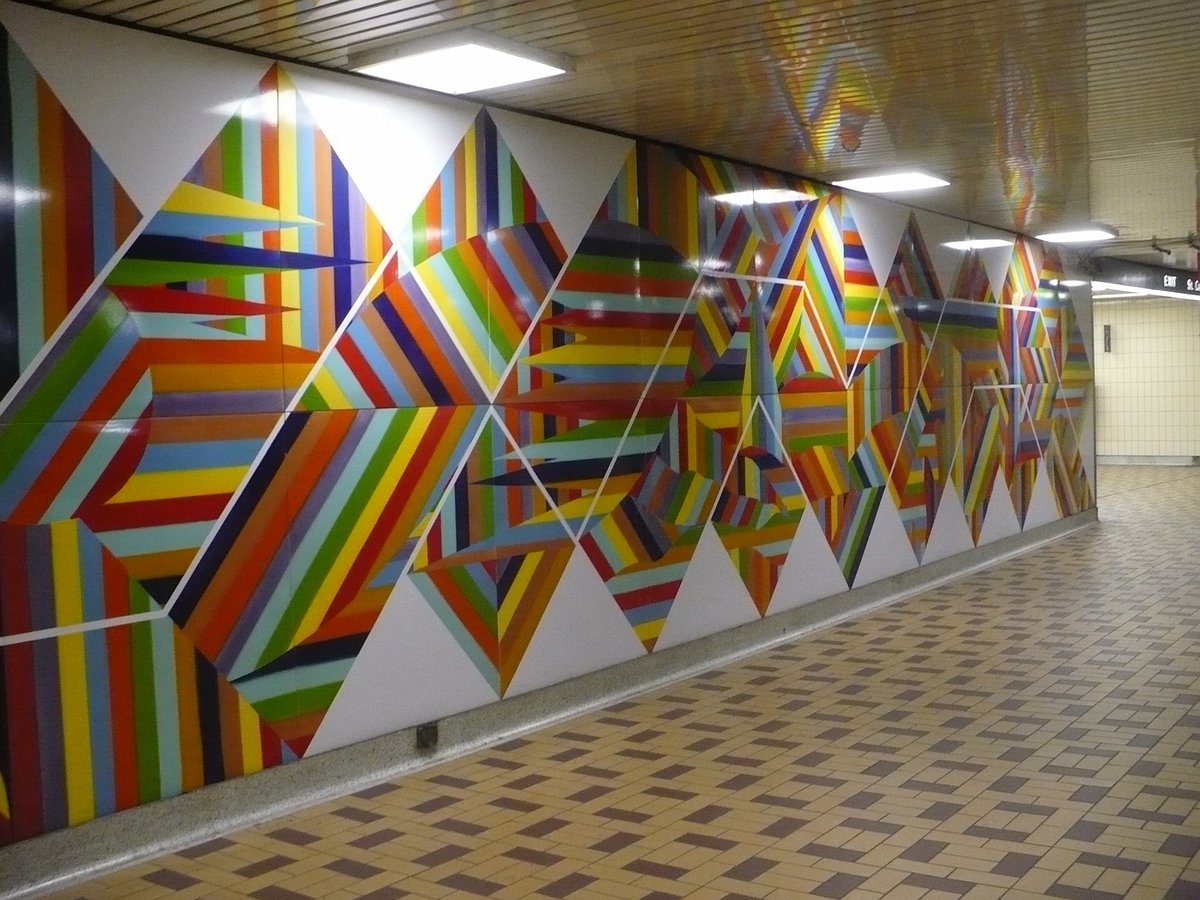
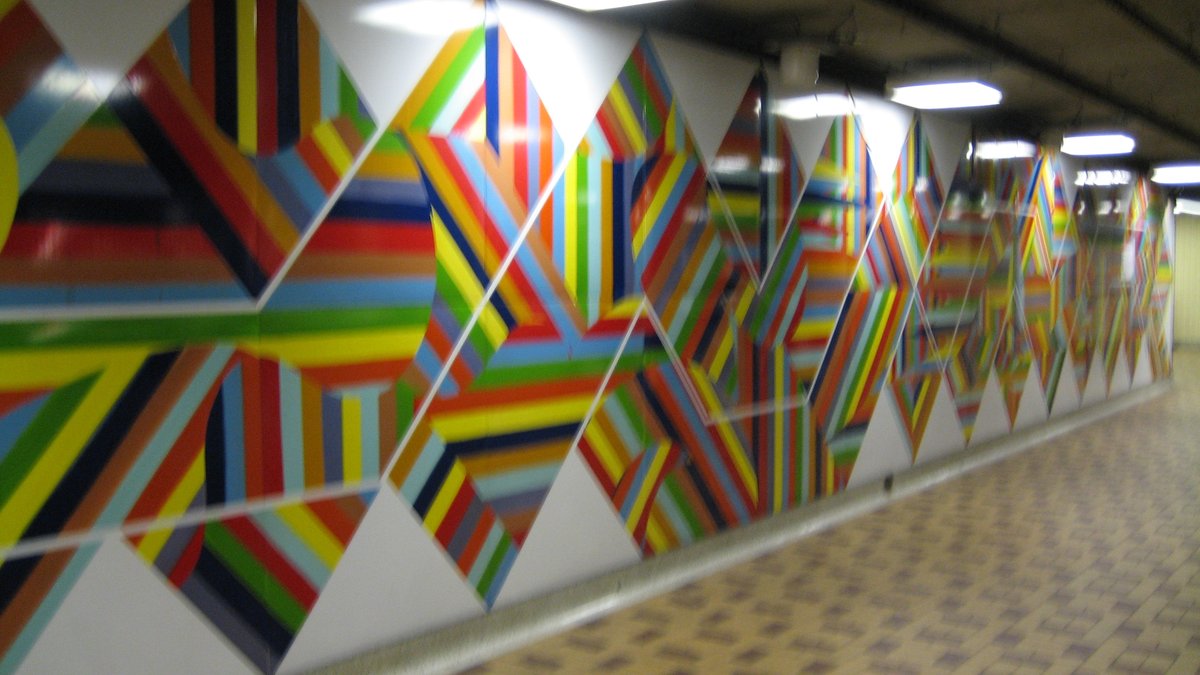
- Corso Italia Heritage Murals These murals celebrate Italian-Canadian heritage and can be viewed at any time along St. Clair Avenue West. The St. Clair Mural is also public art accessible at any time along the avenue.
- Stockyards District Historical Plaques Located near St. Clair and Weston Road, the plaques highlight the area’s industrial history. Self-guided tours are available, with maps online and at visitor centers.
- Artscape Wychwood Barns The former streetcar barn is an adaptive-reuse community arts hub with artist studios, galleries, exhibitions, and a popular farmers’ market. Its hours vary by event (Artscape Wychwood Barns).
- Wychwood Library The renovated library hosts workshops and exhibitions (Wychwood Library).
- Parks and recreation Sir Winston Churchill Park and Cedarvale offer green space for recreation and community events. Giovanni Caboto tennis courts and Wadsworth Park are other recreational spots.
Food, shopping, arts, and nightlife
Corso Italia is a place to stroll and enjoy Italian food. Independently owned eateries serve Italian, Portuguese, Caribbean, and Latin American cuisine, alongside brunch spots and coffee shops. Boutiques and specialty stores support local businesses. Bars, lounges, and live music venues host jazz, Latin, and open mic nights (Core Wellness Centre).
Festivals and community events
The TD Salsa on St. Clair Street Festival celebrates Latin American culture with music, dance, and food. Art fairs, community gatherings, and other events also reflect the neighborhood’s diversity and creative life (Todo Canada; Canadian Train Vacations).
Practical visiting information
Hours and admission
- Casa Loma Open daily from 9:30 AM to 5:00 PM, with last admission at 4:30 PM. Adult tickets are about $30, with discounts for children and seniors. Guided tours and special events are available (Casa Loma’s official site). Hours may vary seasonally.
- Artscape Wychwood Barns Hours vary by event. Its Saturday farmers’ market runs from 8 AM to 2 PM.
- Other attractions Most attractions are open from 10 AM to 6 PM.
- Outdoor monuments Open year-round, typically from early morning to evening; Earlscourt Park is open daily from dawn to dusk.
- Admission and fees Public spaces, festivals, and public monuments are free. Some events and workshops require tickets costing $10–$30. Guided tours may require booking and a nominal fee.
Getting around and accessibility
The area is accessible by public transit via the 512 St. Clair streetcar and St. Clair West subway station on Line 1. Most major sites and transit are accessible, and the neighborhood has well-maintained sidewalks and ramps. Many sites have paved pathways, though some older buildings may have limitations.
Tips
Guided walking tours are offered occasionally by local cultural groups; check community calendars and event listings for details. Key photographic spots include the historic Wychwood Barns and the colorful Corso Italia murals.
For Casa Loma’s current hours, check its website for seasonal updates. For tours and special neighborhood events, consult local cultural organizations and tourism websites.
For the CN Tower, weekday mornings may have fewer crowds. Online booking is suggested for best availability, and reservations are recommended for EdgeWalk and dining experiences. Photography is allowed throughout the tower.
The Audiala app offers interactive maps, audio tours, and event updates. Social media and local resources can also provide updates on happenings in St. Clair West and across Toronto.
Nearby places
The Toronto Botanical Garden and Casa Loma are nearby highlights. The CN Tower offers panoramic city views and visitor experiences (cntower.ca). It is typically open from 9:00 AM to 10:30 PM, with last admission at 9:30 PM; hours may vary seasonally. General admission starts around CAD 38, with SkyPod and EdgeWalk experiences available for extra cost. The tower is fully accessible with elevators and ramps. Nearby attractions include Ripley’s Aquarium, Rogers Centre, and Harbourfront.
Frequently Asked Questions (FAQ)
What are Casa Loma’s visiting hours?
Casa Loma is open daily from 9:30 AM to 5:00 PM, with last admission at 4:30 PM. Hours may vary seasonally; check its website for updates.
How do I get to St. Clair West by public transit?
Take the 512 St. Clair streetcar or use St. Clair West subway station on Line 1.
Are guided tours available?
Local organizations occasionally offer guided tours. Check community event listings.
Is the area accessible?
Most major sites and transit are accessible, though some older buildings may have limitations.
Are the sites family-friendly?
Parks and outdoor monuments are suitable for all ages.