

Historical Background of Queen’s Park Station and Surroundings
Origins and Civic Significance
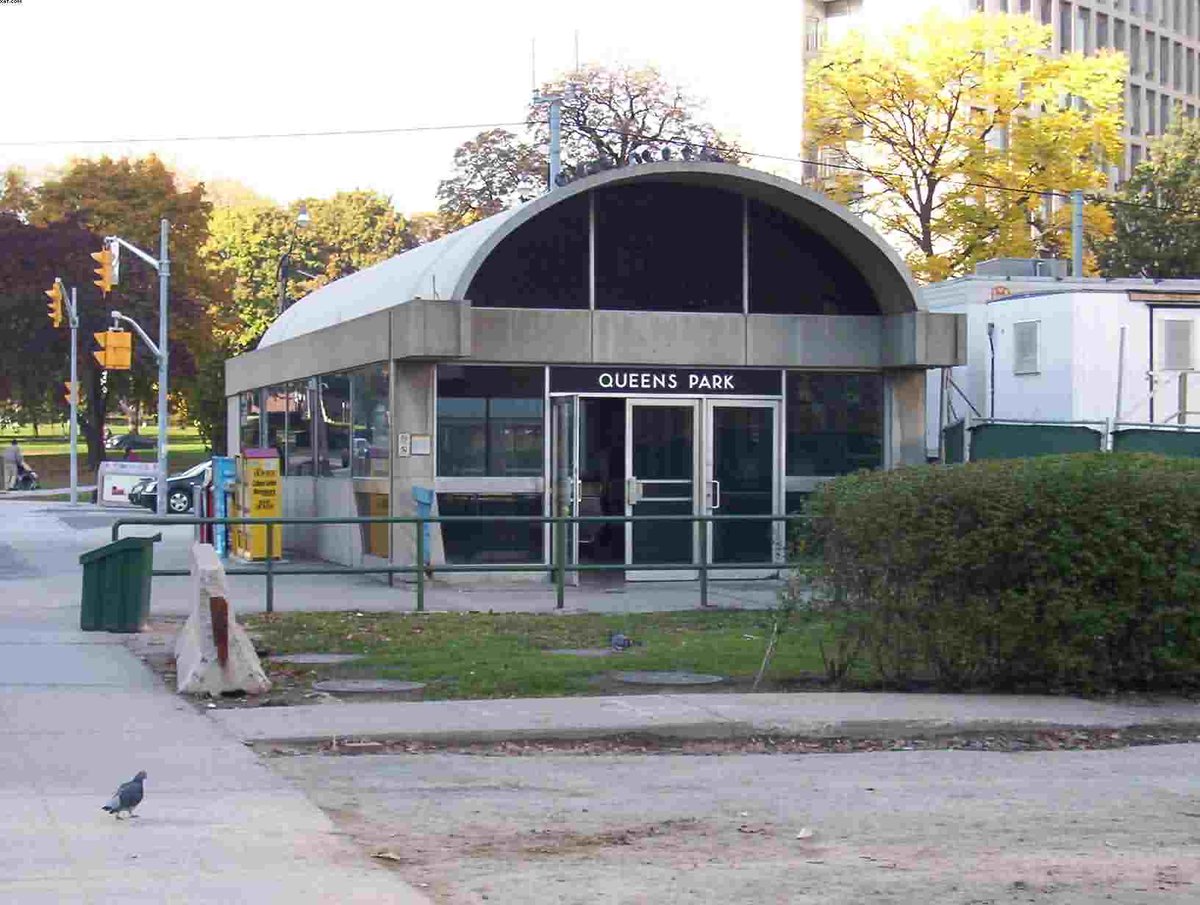
Queen’s Park Station opened in 1963 as part of Toronto’s rapid subway expansion, strategically serving the governmental and institutional district surrounding Queen’s Park. The park itself, inaugurated in 1860 and named after Queen Victoria, became the site of the Ontario Legislative Building in 1893, cementing its role as the province’s political epicenter. The area, once part of University of Toronto lands, transitioned from private university grounds to a vital public space and a symbol of Ontario’s governance and heritage (torontoforyou.com, historyoftoronto.ca, blogTO).
Architectural Features
Queen’s Park Station Design
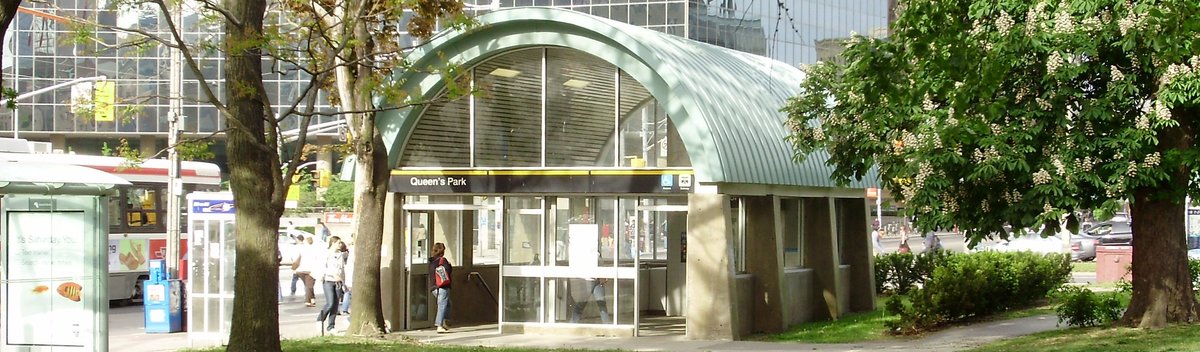
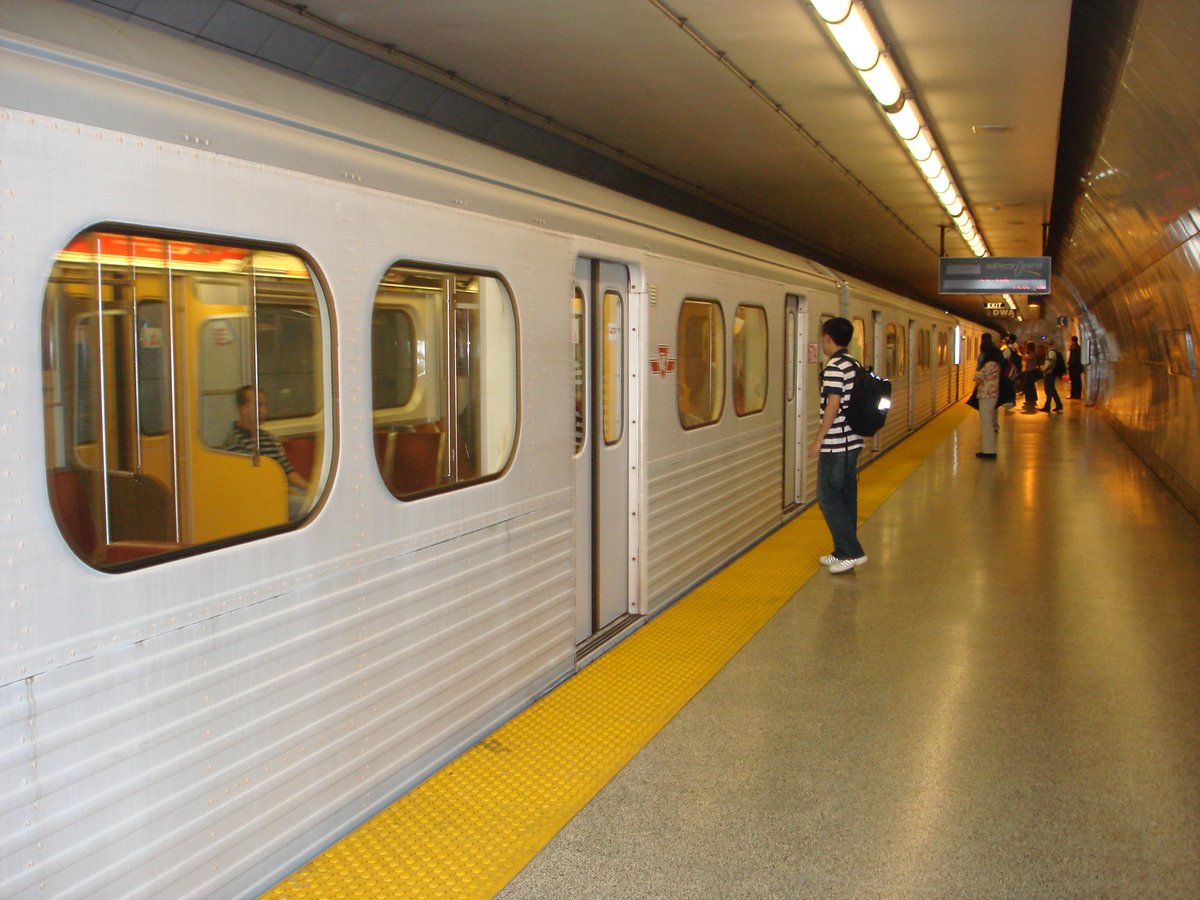
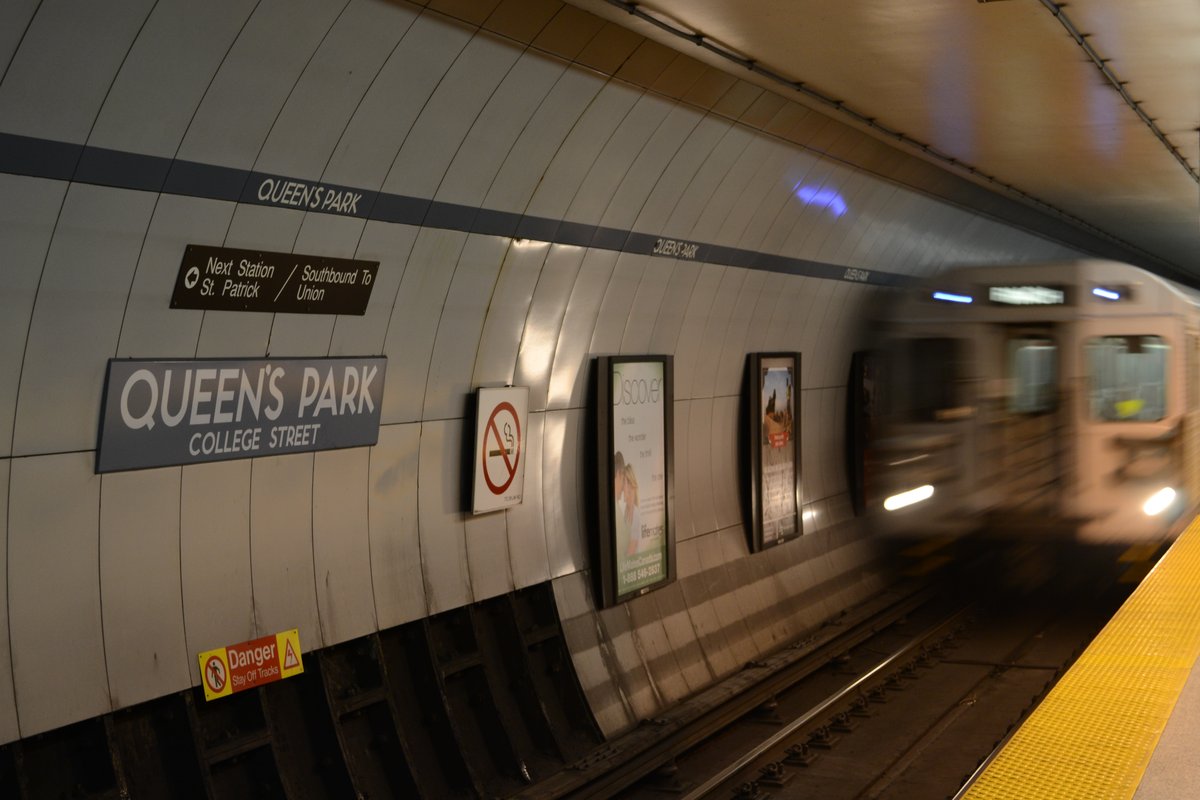
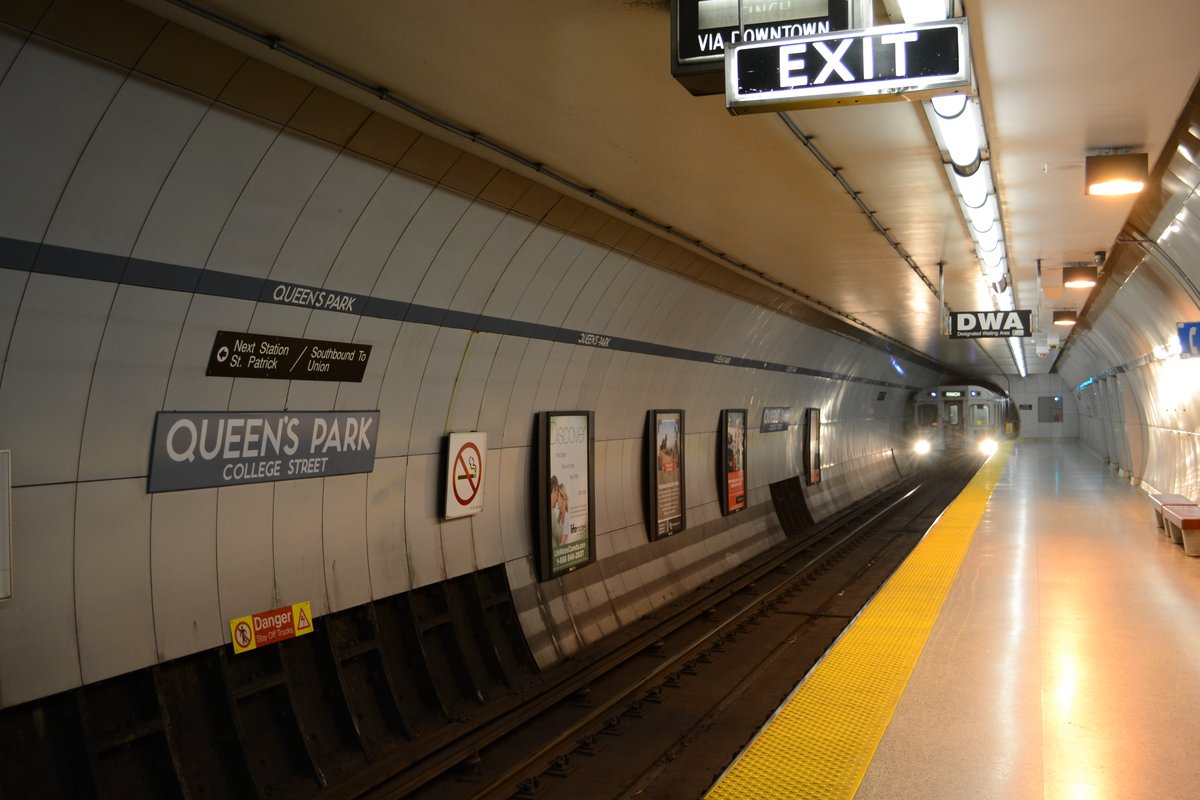
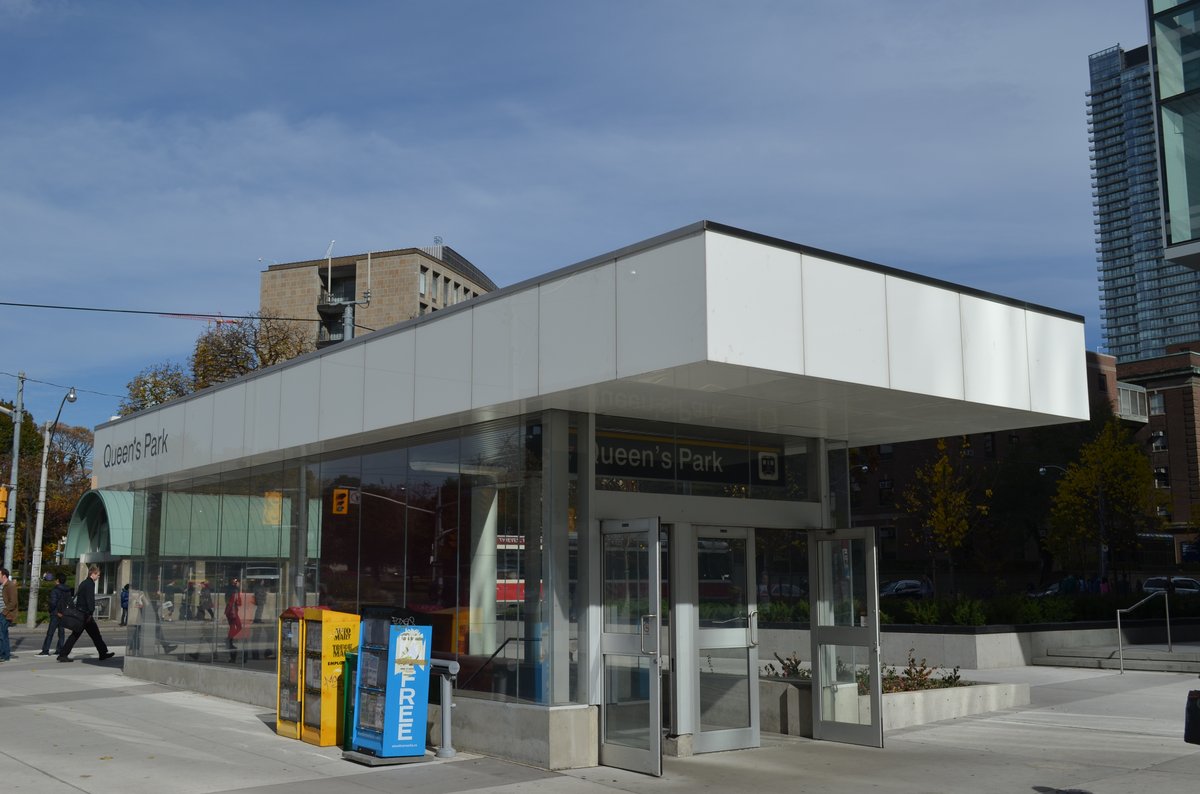
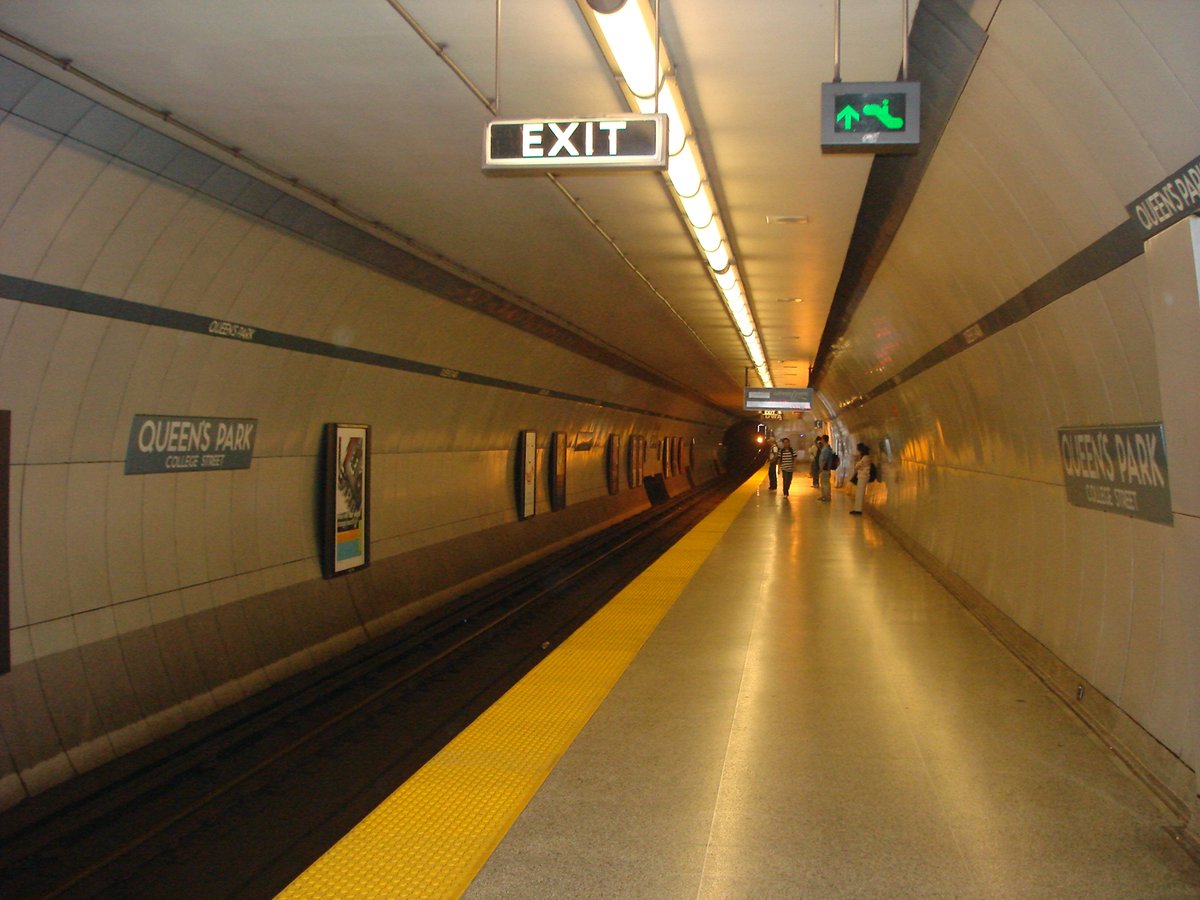
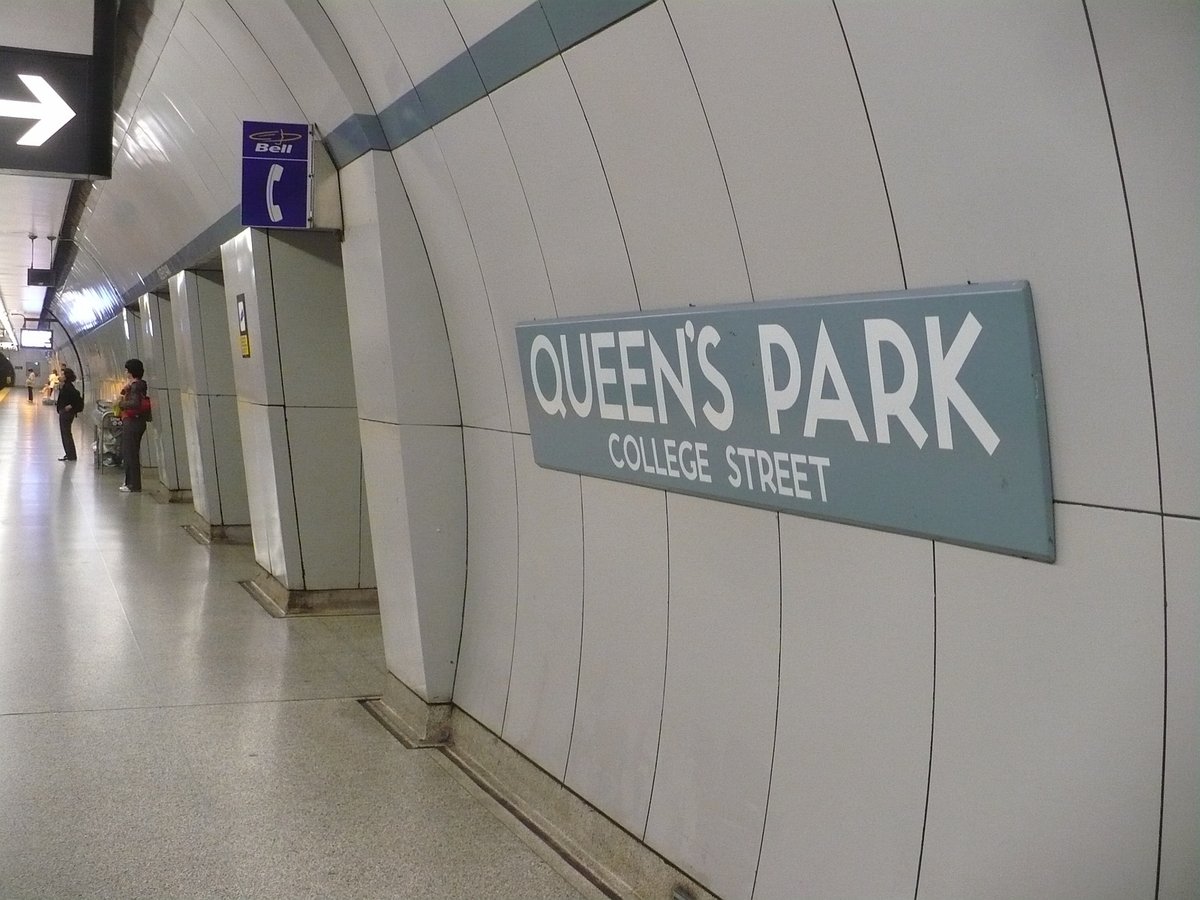
The station’s mid-20th-century modernist design features wide platforms, clean lines, and functional materials. Five entrances lead from all corners of College and University, plus a direct entrance from the MaRS Discovery District. The station is notable for its three-level, tubular design and includes a Portuguese ceramic tile mural on the mezzanine, celebrating Toronto’s multicultural heritage (ttc.ca, destinationtoronto.com).
Ontario Legislative Building
Directly above the station stands the Ontario Legislative Building—the “Pink Palace”—an iconic Richardsonian Romanesque structure built from Ontario sandstone. The building’s grand arches, towers, and intricate carvings reflect Ontario’s political stature and architectural ambition.
Surrounding Landmarks
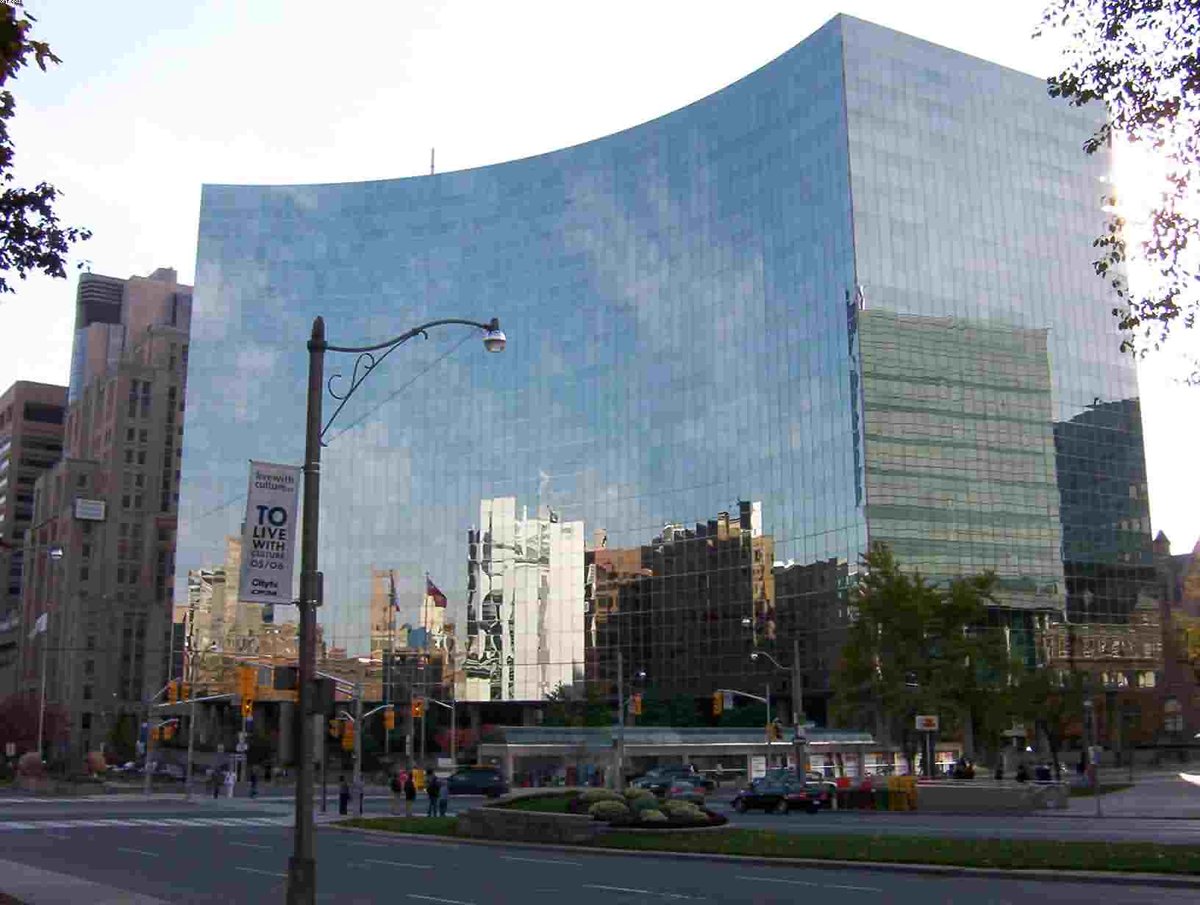
- Ontario Power Building Modernist glass curve, contrasting historic stone.
- MaRS Discovery District Merges Georgian revivalism with contemporary glass towers.
- Leslie Dan Faculty of Pharmacy Features illuminated glass “pods” by architect Norman Foster.
- Monuments and Statues Queen Victoria and Sir John A. Macdonald statues among many memorials (historyoftoronto.ca).
Visitor Information: Hours, Tickets, and Accessibility
Station Hours and Ticketing
- Operating Hours Approximately 6:00 AM to 1:30 AM (Monday–Saturday), 8:00 AM to 1:30 AM (Sunday).
- Fare Single adult fare is $3.35; day passes and PRESTO cards are available for unlimited travel. Tickets can be purchased at vending machines or online (ttc.ca).
- No ticket is needed to enter the station, but a valid fare is required to board the subway.
Accessibility
The station is fully accessible with elevators, escalators, tactile strips, and barrier-free entrances. The northeast corner entrance is the main accessible point. For up-to-date elevator status, consult TTC accessibility alerts.
Amenities
- Wi-Fi Free throughout the station.
- Art Portuguese tile mural on the mezzanine.
- Renovations Ongoing improvements may affect access.
Exploring Queen’s Park and Surroundings
Major Nearby Attractions
- Ontario Legislative Building Free guided tours (advance booking recommended), Monday–Friday, 9:00 AM–5:00 PM (Ontario Legislature).
- Royal Ontario Museum (ROM) Over 18 million artifacts, tickets $23–$25 CAD (ROM).
- University of Toronto St. George Campus Collegiate Gothic architecture, guided tours in summer (U of T).
- Gardiner Museum Ceramics and clay classes, $15 CAD admission (Gardiner Museum).
- Bata Shoe Museum Over 13,000 footwear artifacts, $14 CAD admission (Bata Shoe Museum).
- MaRS Discovery District Innovation hub with public events (destinationtoronto.com).
Events and Seasonal Highlights
- Annual Marathons, Parades, and Festivals The Toronto Marathon and Caribbean Day Culture Fest pass through the area.
- Museum Exhibitions ROM, AGO, and Gardiner host ongoing special exhibitions (AGO).
- Summer 2025 Events Canada Day Boat Party, HungaroFest, Chinatown Laughs, and more (canadiantrainvacations.com).
Travel Tips
- Visit during weekday mornings to avoid crowds.
- PRESTO cards offer the fastest fare payment.
- Check TTC alerts for construction or service changes, especially with Ontario Line construction nearby.
- Use the Moovit app for real-time transit info.
Frequently Asked Questions (FAQs)
Q: What are Queen’s Park Station’s opening hours?
A: Subway service runs roughly 6:00 AM–1:30 AM Monday–Saturday; 8:00 AM–1:30 AM Sunday.
Q: Is there a ticket fee to enter Queen’s Park Station?
A: No fee to enter, but a valid TTC fare is required to board trains.
Q: Are guided tours of the Ontario Legislative Building free?
A: Yes, but advance booking is recommended.
Q: Is the station and nearby attractions wheelchair accessible?
A: Yes, the station and major landmarks are fully accessible.
Q: Can I buy tickets at Queen’s Park Station?
A: Yes, at vending machines or via PRESTO card reloads.
Q: What’s the best time to visit?
A: Weekday mornings and afternoons for fewer crowds; spring and fall for scenic beauty.