
History of the PATH
Origins and Milestones
The first underground pedestrian tunnel in Toronto appeared in 1900, connecting Eaton’s department store to its annex. As Toronto’s downtown core expanded, so did the network, adding tunnels between new office towers and retail spaces (blogTO).
In the 1960s and 1970s, as modern complexes like the Toronto-Dominion Centre were built, the PATH began to take shape as a continuous system. By the 1980s and 1990s, a master plan guided the integration of additional buildings and landmarks, including Royal Bank Plaza, Scotia Plaza, and the Eaton Centre (GPSmyCity).
The PATH was officially recognized by Guinness World Records in the early 2000s as the world’s largest underground shopping complex. Today, it continues to expand, with city planners ensuring new developments are connected to this vital network.
PATH Visiting Hours and Access
- General Access The PATH is a public pedestrian network and is generally open year-round, with many corridors accessible 24/7, especially those connecting transit hubs like Union Station.
- Retail and Service Hours Most shops and services follow standard business hours (typically 9 AM–6 PM Monday to Friday). Some major shopping centers, such as the Eaton Centre, offer extended hours, while weekends may see reduced hours.
- Tickets There are no entrance fees or tickets required to walk the PATH. However, tickets may be needed for specific attractions or guided tours within or near the network.
Tip: Access may be restricted in certain buildings late at night for security reasons. Always check building-specific hours if visiting after regular business times.
Design, Navigation, and Accessibility
Navigating the PATH can be complex due to its multi-level, non-linear layout. The City of Toronto introduced a color-coded wayfinding system in the 1990s, where each letter in “PATH” corresponds to a color and cardinal direction:
- P (blue): South
- A (red): West
- T (yellow): North
- H (orange): East
Modern navigation is further enhanced by digital solutions, including a 3D digital map from Mappedin, which offers real-time wayfinding and business directories on your mobile device (Mappedin PATH Map).
Accessibility:
The PATH is designed to be inclusive, with elevators, ramps, and barrier-free routes at most major intersections and buildings. Wheelchair users and those with mobility needs will find clearly marked accessible routes.
Must-See Attractions and Connected Historical Sites
The PATH isn’t just a pedestrian network—it’s a gateway to many Toronto highlights:
- Union Station Heritage architecture and the city’s primary transit hub.
- CF Toronto Eaton Centre One of Canada’s largest shopping malls, directly connected to the PATH.
- Financial District Home to iconic skyscrapers like Toronto-Dominion Centre and First Canadian Place.
- St. Lawrence Market A short walk from PATH-connected buildings, renowned for its food and history.
- Brookfield Place & Allen Lambert Galleria A stunning architectural landmark and photographic hotspot.
- Hockey Hall of Fame, Air Canada Centre (Scotiabank Arena), Roy Thomson Hall Major attractions accessible via the PATH (Veronika’s Adventure; TripSavvy).
Economic, Social, and Cultural Significance
The PATH is an economic powerhouse, supporting over 1,200 businesses and employing thousands. Its consistent, weatherproof foot traffic sustains retail, dining, and service providers throughout the year (TourbyTransit; Traveling Pari).
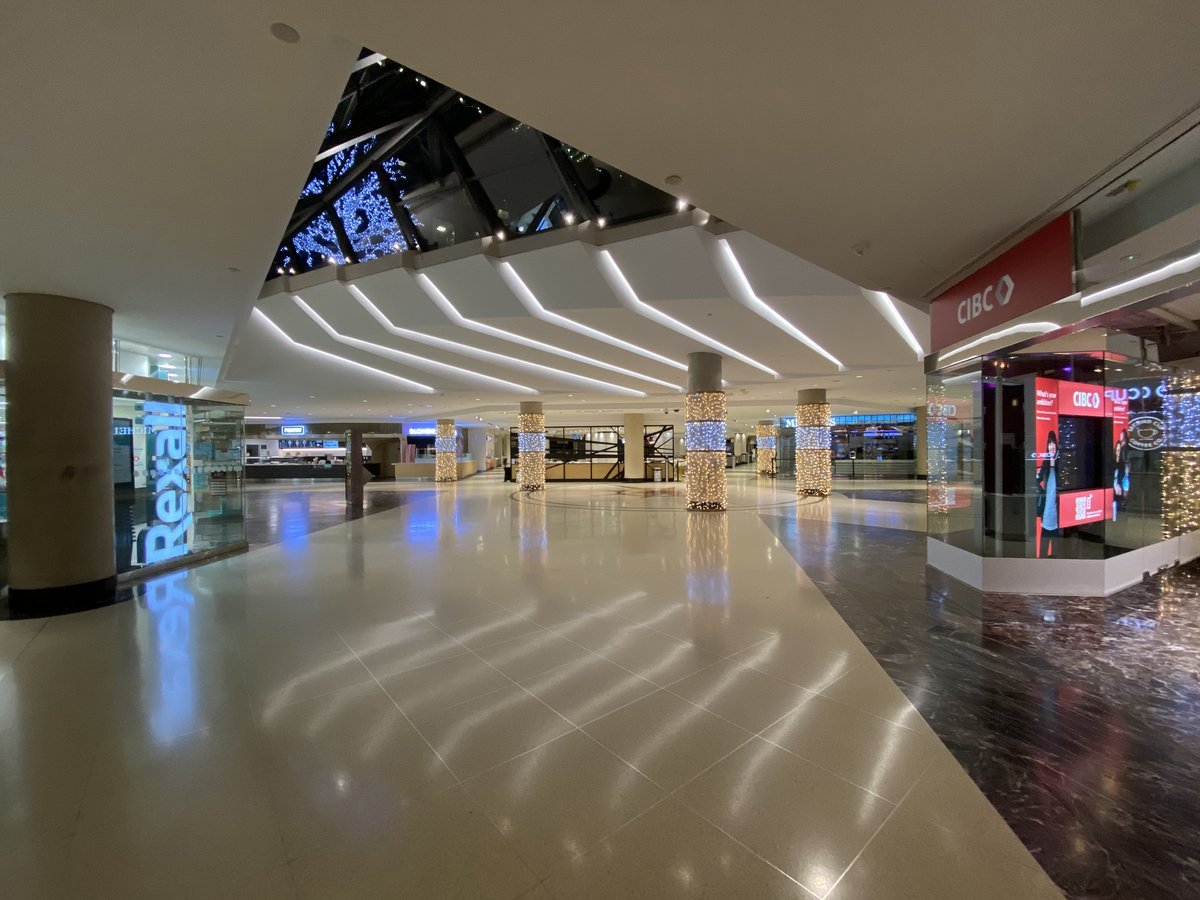
Culturally, the PATH features public art, sculptures, and unique architectural features. Seasonal events such as the annual underground sidewalk sale each July draw crowds for shopping and entertainment (Rove.me).
Integration with Urban Infrastructure
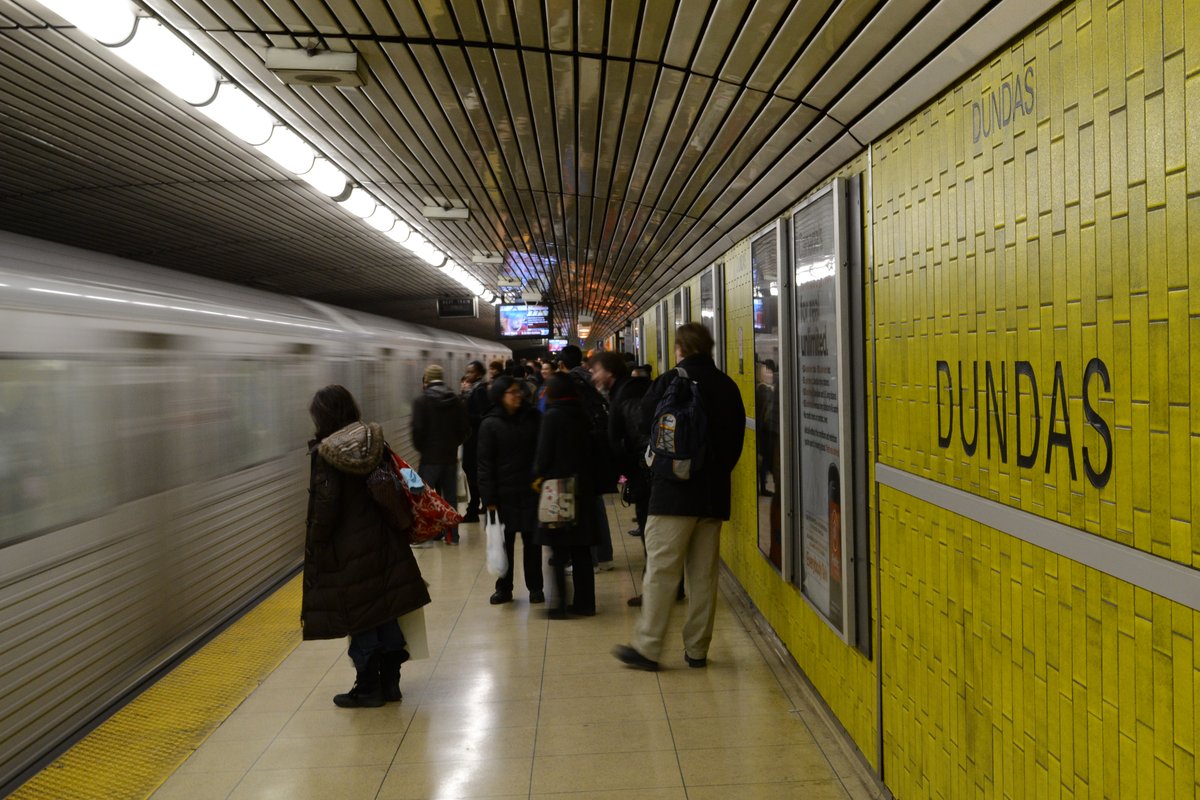
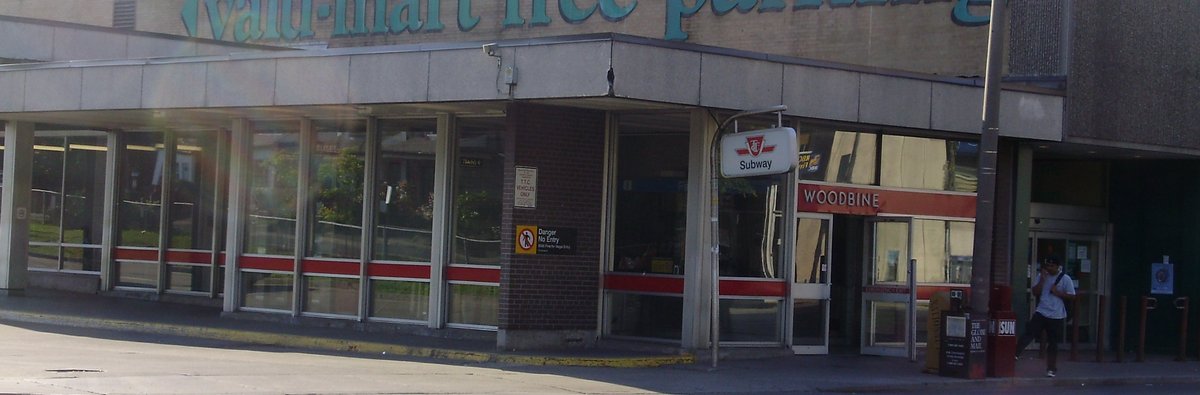
The PATH is intricately woven into Toronto’s downtown infrastructure, with new developments required to include PATH connections. The network integrates with six TTC subway stations, Union Station, and numerous hotels, ensuring seamless movement between transit, offices, and shopping (City of Toronto; GPSmyCity).
Challenges and Innovations
Despite its advantages, the PATH’s complexity can be daunting. Recent innovations—such as interactive digital maps, updated signage, and smartphone apps—have dramatically improved navigation and user experience. The system’s adaptability was highlighted during the COVID-19 pandemic, when it faced reduced traffic and operational changes (Wikipedia; Torontoverse).
Frequently Asked Questions (FAQ)
Q: What are PATH Toronto’s visiting hours?
A: The PATH is generally open for pedestrian use 24/7, but most shops and services operate Monday to Friday, 9 AM–6 PM, with some extended hours at major centers and reduced hours on weekends.
Q: Is there an entrance fee or ticket required?
A: No, PATH is free to access. Tickets may be required for special attractions or tours.
Q: Is the PATH wheelchair accessible?
A: Yes, most major entries and routes are fully accessible.
Q: Are guided tours available?
A: Yes, some companies offer guided tours highlighting the PATH’s unique history and architecture.
Q: Can I use digital maps to navigate?
A: Absolutely. The Mappedin PATH Map offers real-time, interactive navigation.
Q: How do I enter the PATH from Union Station?
A: Follow signs for “PATH” within the Union Station concourse for direct underground access.
Visual Tour and Media Suggestions
- Images to Include
- Map overview of PATH Toronto underground pedestrian walkway
- Union Station PATH entrance signage
- Interior of Allen Lambert Galleria (Brookfield Place)
- Food court in First Canadian Place
- Color-coded PATH wayfinding signage
- Toronto skyline from the CN Tower