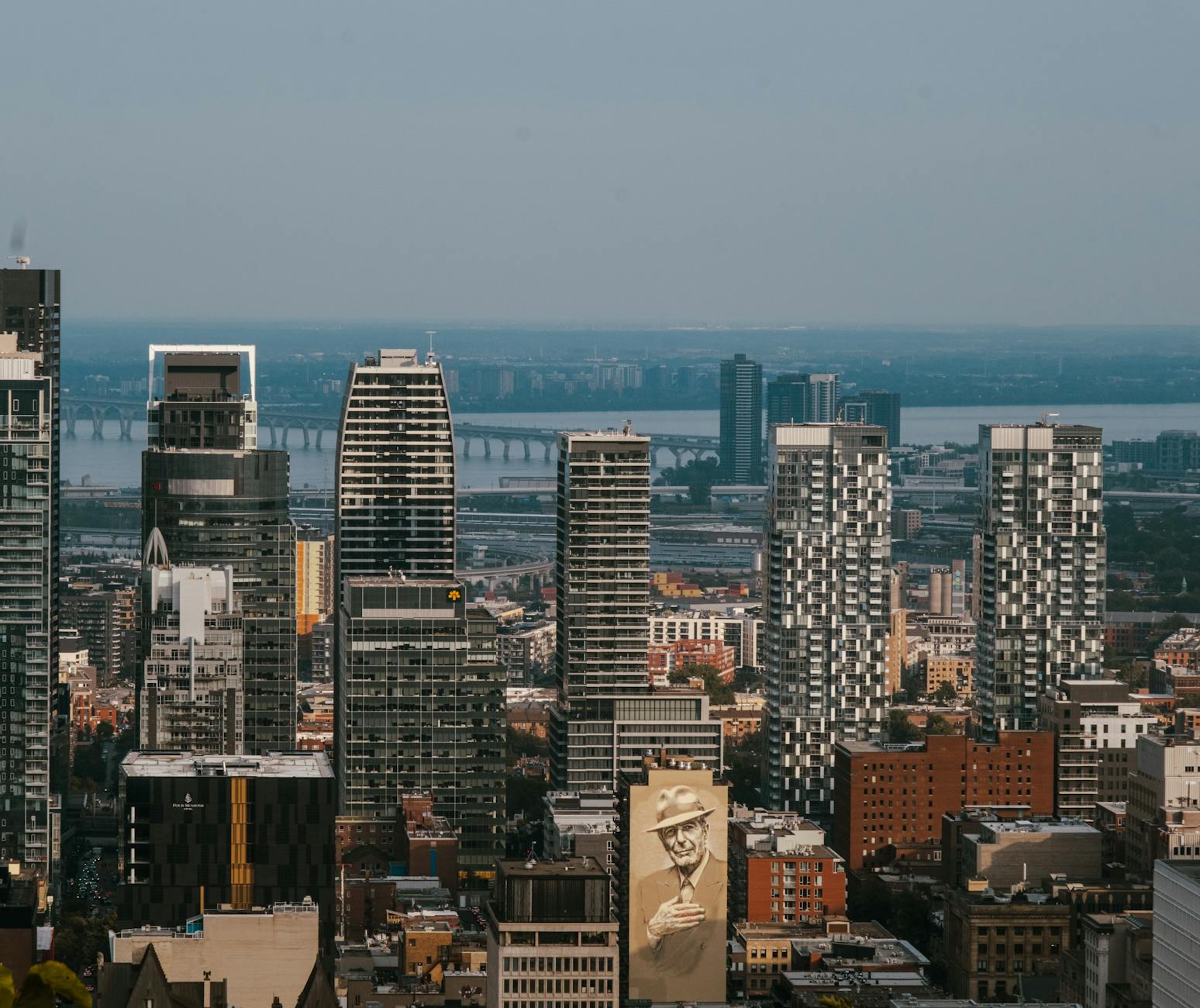
- Visa and Entry
- Canada is visa-exempt for many travelers, but the rule that matters is how you arrive. EU, UK, and Australian passport holders usually need an eTA for flights; the official fee is C$7, it is linked to your passport, and it is often approved within minutes. US citizens usually enter with a valid US passport and do not need an eTA.
- Currency
- Canada uses the Canadian dollar (CAD). Count on C$90-150 a day for a budget trip, C$220-350 for a comfortable mid-range trip, and much more in Banff, Vancouver, and downtown Toronto in summer. Restaurant tips start at 15%, and posted prices often exclude sales tax, which runs from 5% in Alberta to 14.975% in Quebec.
- Getting There
- Most international arrivals come through Toronto Pearson, Vancouver, Montréal-Trudeau, Calgary, or Halifax. Pearson reaches downtown Toronto on the UP Express in about 25 minutes, while Vancouver airport reaches downtown Vancouver on the Canada Line in under 30. If you are combining Canada with the US, the New York to Toronto, New York to montreal, and Seattle to Vancouver train routes are practical border crossings.
- Getting Around
- Canada looks manageable on a map until you notice the scale: Toronto to Vancouver is more than 4,300 km by rail. Use trains for the Windsor-Quebec corridor, ferries for Victoria and Atlantic islands, and domestic flights when you jump between regions like Quebec City, Calgary, and St. John's. For the Rockies, a car gives you the most freedom once you leave Calgary for Banff.
- Climate
- This is a country of hard contrasts, not one tidy forecast. Vancouver can sit in rain at 8C while Winnipeg drops below -20C and Toronto sweats through 30C humidity in July. September and early October are often the sweet spot for Quebec City, Ottawa, Toronto, and Halifax; July and August bring the best hiking weather in Banff and the highest hotel prices.
- Connectivity
- Mobile coverage is strong in cities and along major highways, but it thins fast in northern routes, mountain parks, and parts of Newfoundland and Labrador. Free Wi-Fi is standard in most hotels, cafes, airports, and libraries, though airport and train Wi-Fi can be patchy. If you are crossing from the US, check roaming before you land because Canadian mobile rates are rarely cheap.
- Safety
- Canada is broadly safe for travelers, with the usual big-city precautions around nightlife districts, transit hubs, and unattended bags. Weather is the real risk: winter ice, summer wildfire smoke in the west, and long driving distances that turn a small planning mistake into a serious delay. In parks around Banff and western Canada, respect wildlife rules, carry water, and never treat a bear warning like local color.
Budget for tax
The menu price is often not the final price. Add sales tax and a 15% restaurant tip before you decide whether that C$24 brunch in Toronto or montreal is actually a cheap meal.
Book summer early
Reserve Banff, Vancouver, Niagara Falls, and Quebec City as early as you can for July through September. Rooms that look overpriced in January can look like a bargain by June.
Use trains selectively
Train travel works best between Toronto, Ottawa, montreal, and Quebec City. Outside that corridor, flights usually save a full day, and in western parks a rental car is often the difference between seeing the place and seeing the parking lot.
Travel in September
September often buys you the best trade: warm enough for city walking, lower hotel pressure, and early fall color in Ontario and Quebec. By mid-October, Banff can see snow and shorter trail access.
Learn the local foods
Order the dish that belongs to the place instead of the generic safe option. That means poutine in Quebec, smoked meat in montreal, peameal bacon in Toronto, donair in Halifax, and toutons in St. John's.
Download before departure
Offline maps and boarding passes matter more here than in compact countries. Coverage drops quickly outside cities, and a long drive from Calgary to Banff or a ferry day to Victoria is not where you want to discover a dead signal.
Take weather literally
Canadians plan around weather because they have learned to. If locals mention wildfire smoke, freezing rain, or a highway closure, change your schedule instead of trying to power through it.