History and Development
Established in 1984, the Martin Goodman Trail was a landmark urban planning achievement, created to improve public access to Toronto’s waterfront, foster recreation, and protect the natural environment (Wikipedia). The trail honors Martin Goodman, whose advocacy for public spaces and healthy urban life was instrumental in shaping Toronto’s waterfront vision (roadtripontario.ca). Originally 18 kilometers long, the trail has been expanded and upgraded over the decades through city planning initiatives like the Western Waterfront Master Plan (Toronto.ca), now acting as a key segment of the greater Waterfront Trail network (Waterfront Trail).
Visiting Hours & Ticket Information
- Hours The Martin Goodman Trail is accessible 24 hours a day, 365 days a year.
- Fees There are no entrance fees or tickets required to use the trail.
- Events Occasionally, special events or guided tours may require registration or a fee—check local event listings or the official Waterfront Toronto website for updates.
Cultural Significance & Community Impact
Honoring Toronto’s Heritage
Traversing neighborhoods like The Beaches, Sunnyside, and Harbourfront, the trail exposes visitors to Toronto’s multicultural legacies and historic sites, including Sunnyside Pavilion, Palais Royale, and the Freedom for Hungary Monument (tctrail.ca).
Indigenous Placekeeping and Urban Wellbeing
Recent revitalization projects incorporate Indigenous histories and perspectives, led by Toronto’s Indigenous Advisory Circle (Toronto.ca). The trail is designed to be accessible, inclusive, and supportive of community wellbeing, with features for wheelchair users and family-friendly amenities (letsgoplayoutside.com).
Key Trail Features & Historical Landmarks
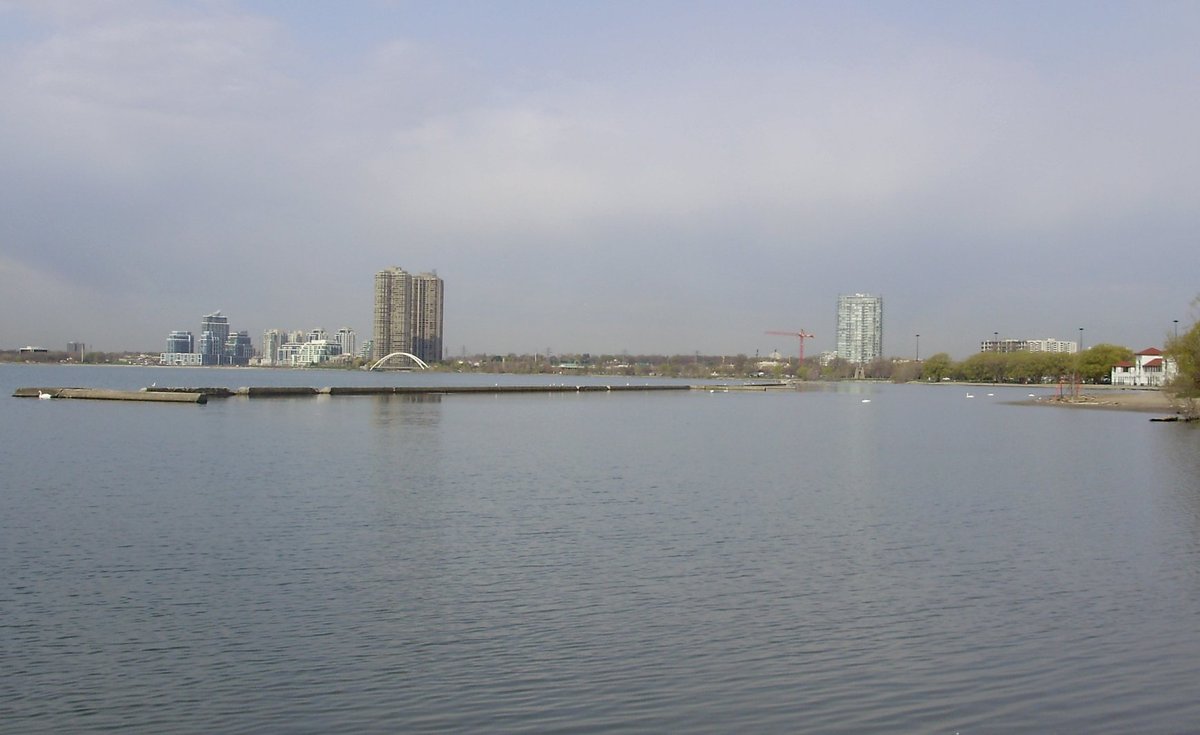
- Humber Bay Arch Bridge A signature architectural feature on the western edge, offering sweeping views of Toronto’s skyline (greatruns.com).
- Sunnyside and Western Beaches Home to historic leisure sites like Sunnyside Pavilion and Palais Royale.
- The Beaches & Eastern Waterfront Victorian homes, sandy beaches (Kew-Balmy, Woodbine, Ashbridges Bay), and vibrant local festivals (roadtripontario.ca).
- Harbourfront Centre A cultural hub with art galleries, theatres, and waterfront events (roadtripontario.ca).
- Fort York National Historic Site Accessible near Garrison Crossing, offering a glimpse into Toronto’s military past.
Environmental Stewardship
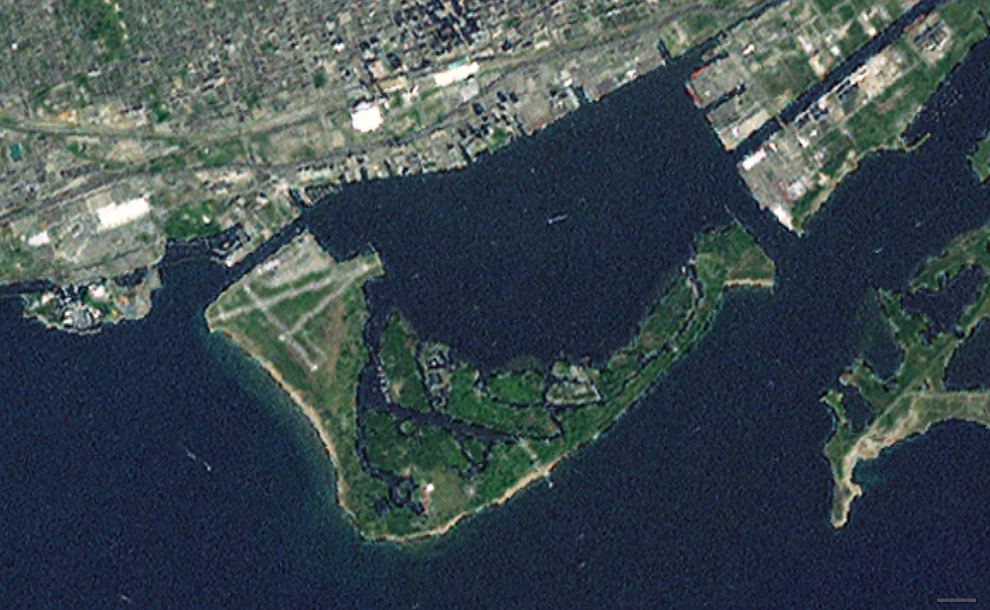
The trail is a prime example of sustainable design, connecting green spaces like Tommy Thompson Park and Ontario Place. It supports biodiversity, with native plantings, wildlife corridors, shoreline restoration, and urban forestry initiatives. The MGT is integrated with broader conservation efforts, such as the Port Lands and Don Mouth Naturalization Project (PortLandsTO.ca; Waterfront Toronto). Double rows of trees along Queens Quay provide shade, mitigate heat, and enhance air quality (City of Toronto, 2009).
Safety Tips & Seasonal Highlights
- Trail Etiquette Cyclists yield to pedestrians, keep right except to pass, and use bells or verbal signals. Speed limits (typically 20 km/h) apply in busy areas (Toronto Cycling Rules).
- Lighting Well-lit in central areas (Queen’s Quay, Sunnyside, Beaches); less lighting east of Cherry Beach and west of Humber Bay—prefer daylight for these sections.
- Emergency Services Emergency call boxes in busy zones; dial 911 for help (Toronto Police Services).
- Seasonal Highlights
- Spring Cherry blossoms at Exhibition Place, migratory birds at Tommy Thompson Park (TRCA)
- Summer Festivals at Harbourfront Centre, swimming and sunbathing at Sunnyside and Woodbine Beaches (Harbourfront Centre Events)
- Autumn Fall foliage, peak bird migration
- Winter Cross-country skiing, snowshoeing, and Winter Stations art at The Beaches (Winter Stations)
Nearby Attractions
- Ontario Place Entertainment, concerts, and waterfront festivals.
- Harbourfront Centre Arts, culture, and dining.
- Tommy Thompson Park Urban wilderness and birdwatching.
- The Beaches Boardwalk, volleyball, and local shops.
- Exhibition Place & Budweiser Stage Large event venues and concerts.
- Fort York Historic military site.
Frequently Asked Questions (FAQ)
Q: Are there entrance fees or tickets required?
A: No, the trail is free and open year-round.
Q: What are the best times to visit?
A: Spring through autumn offer ideal weather, but the trail is open and accessible 24/7.
Q: Is the trail wheelchair accessible?
A: Yes, most sections are accessible with paved surfaces and ramps.
Q: Are pets allowed?
A: Yes, dogs must be leashed and owners should clean up after them.
Q: Are there guided tours?
A: Occasionally, especially during festivals or special events—check local listings or the Waterfront Trail app.
Q: How do I report emergencies?
A: Use the emergency call boxes or dial 911.
Travel Tips & Visitor Guide
- Plan Ahead Use the Waterfront Trail app for maps and updates.
- Stay Hydrated Water fountains at major parks—carry a refillable bottle.
- Dress for Weather Toronto’s weather can change quickly; layers and rain gear are recommended.
- Respect Etiquette Keep right, pass on the left, and use bells/voice when overtaking.
- Check Event Schedules Festivals and races may affect access (City of Toronto events calendar).
- Protect from Sun Use sunscreen and hats in summer.
- Be Wildlife Aware Do not feed wildlife and use insect repellent in marshy areas.