Schaarstraat, Bruges, Belgium
Schaarstraat is a historic street in Bruges’ UNESCO World Heritage-listed medieval centre, in the Magdalenakwartier district. Near St. Magdalene’s Church and Astridpark, it offers a quieter setting away from the city’s bustling tourist squares. The street has a layered architectural character, with medieval, Renaissance, and 19th- to 20th-century buildings, stepped gables, brick facades, and original wooden details.
Schaarstraat is open year-round, 24/7, and has no entrance fee. For more information about Bruges’ historic centre and heritage, see the official Visit Bruges website and the Inventaris Onroerend Erfgoed.
History
Schaarstraat’s origins trace to the 13th century, when it was known as “Ten Hooie” or “Hooistraat.” Its development reflects Bruges’ mercantile history and medieval textile industry. The name “Schaarstraat” is associated with the Dutch word “schaar,” meaning “shear,” and the tailoring and textile guilds that flourished between the 12th and 15th centuries. The current name is also linked to the 17th-century house “De Schaere” (Inventaris Onroerend Erfgoed).
The street’s layout was shaped by construction of the Coupure canal in the mid-18th century, which divided the original thoroughfare. Its buildings record centuries of urban change, from medieval and Renaissance structures to 19th- and 20th-century architecture. Almshouses, including the 17th-century “de la Fontaine” on the eastern side, reflect Bruges’ traditions of charitable care (Inventaris Onroerend Erfgoed).
What to See
- Stepped-gable houses Examples of Flemish architecture from the 16th and 17th centuries, with decorative brickwork and original wooden beams.
- Townhouses 19th-century cornice facades at Nos. 25, 40, 42, 48, and 2.
- Brick facades Nos. 32, 34, 44, and 88 have distinctive window sills.
- Early 20th-century buildings Nos. 5, 9, and 12.
- No. 58 Built in 1964 on the site of a former 17th-century gable.
- Memorial plaque at No. 88 Honours Jose Dewit, a political prisoner during World War II.
- Almshouses (Godshuizen) Historic charitable housing from the 17th and 18th centuries. The almshouse “de la Fontaine” is on the eastern side of the street.
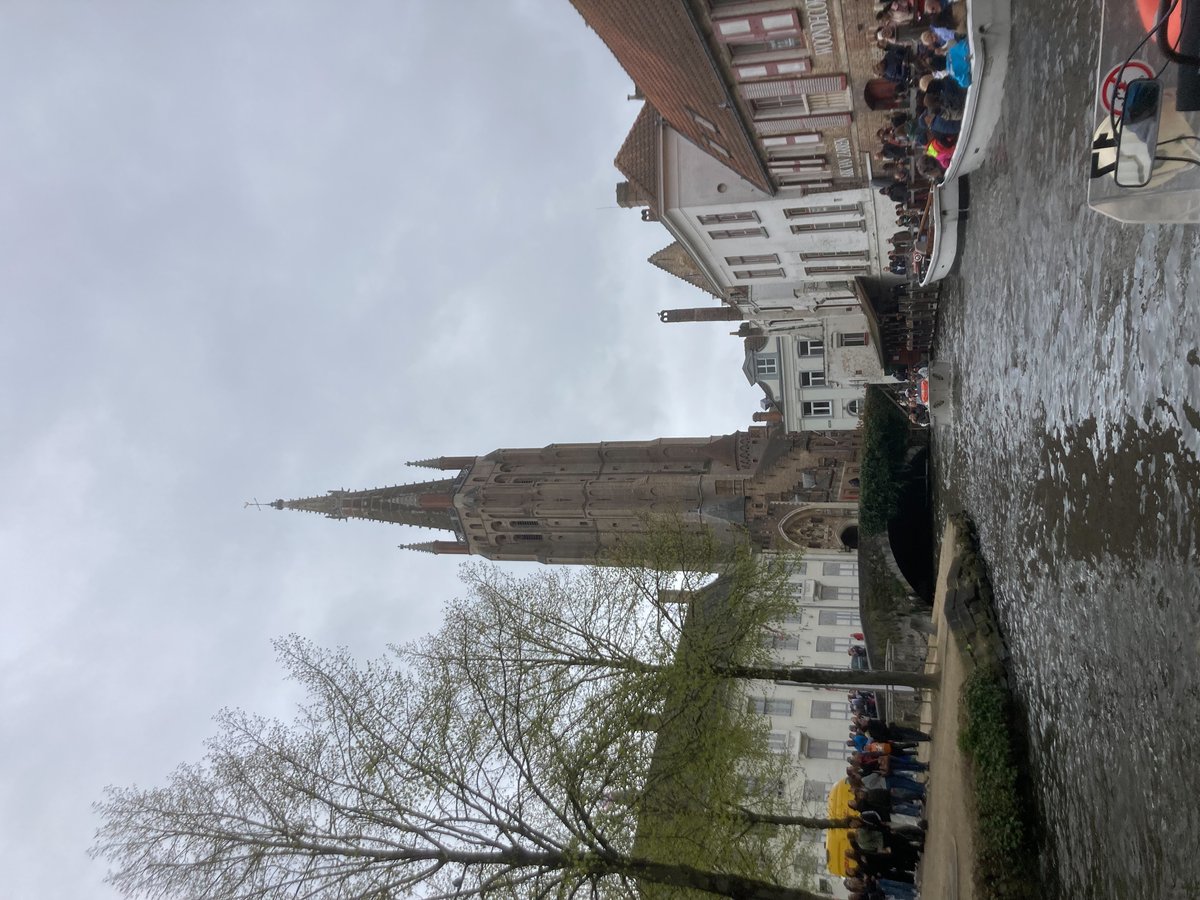
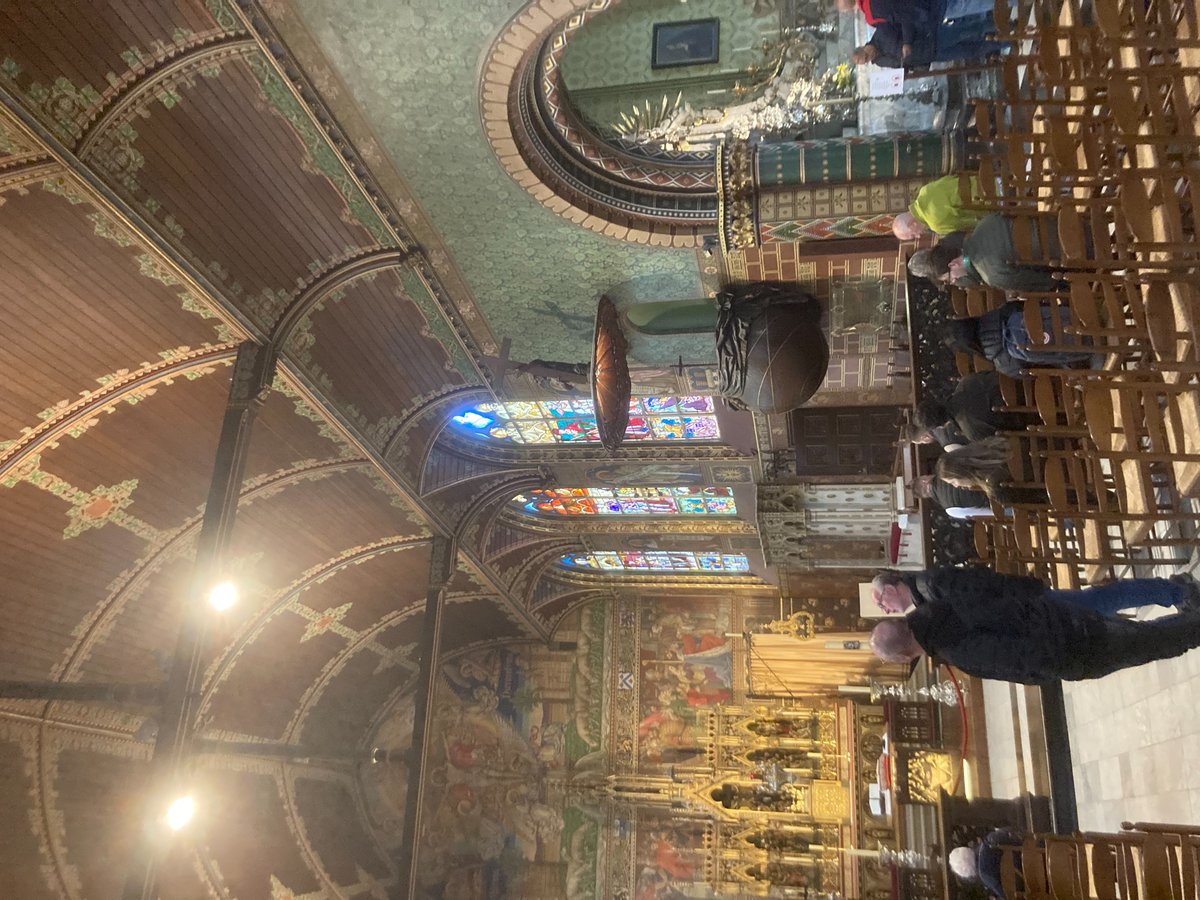
- Parish Church of Saint Mary Magdalene and Saint Catherine A neo-Gothic landmark with an impressive spire and an architectural and spiritual role in the Magdalenakwartier. The church is also known as St. Magdalene’s Church; check its official site for seasonal hours.
- Marian statue A statue dating to 1905 stands in a small square in front of the church.
- Astridpark A peaceful green space next to Schaarstraat.
The street’s gentle curve, varied building heights, and views of St. Magdalene’s spire make it a photogenic place.
Practical Visiting Information
Hours, tickets, and tours
Schaarstraat is accessible year-round, open 24/7, and free to visit. St. Magdalene’s Church is typically open from 9:00 AM to 5:00 PM, though hours may vary by season. Check the official site or the church’s official website for details.
Schaarstraat is often included in guided walking tours of Bruges. Book in advance with local providers through Visit Bruges Walking Tours; local tour operators can provide tour times and prices.
Getting there
- From Brugge Station One description gives a 10-minute walk or a short bus or taxi ride. Another gives a 20–25-minute walk, a bus to Markt, or a taxi.
- By car Parking is available at the city edge; car access is restricted in the historic centre. See Visit Bruges Practical Info.
- By bike Rentals are available near the station and city centre.
Accessibility and amenities
The street is mostly pedestrian-friendly, but uneven cobblestones and narrow sidewalks may present challenges for visitors with mobility impairments. Consult the Visit Bruges accessibility information for accessible routes and facilities.
Tourist information offices at Markt (Historium) and Stationsplein offer free maps, guides, and assistance (Visit Bruges Contact). Restrooms are available at major squares, museums, and cafés. Luggage storage is available at Brugge Station and at selected locations in the city.
Tips
- Best times to visit Spring and early summer bring pleasant weather and blooming parks; autumn and winter are quieter, with fewer crowds. Early mornings and late afternoons offer a tranquil experience and good light for photography (Weather25).
- Language Dutch (Flemish) is the official language; English is widely spoken.
- Currency Euro (€); cards and cash are accepted.
- Wi-Fi Available in many public spaces.
- Tipping Service is included; rounding up is appreciated.
- Weather Pack layers and rain gear for the maritime climate.
Nearby Places
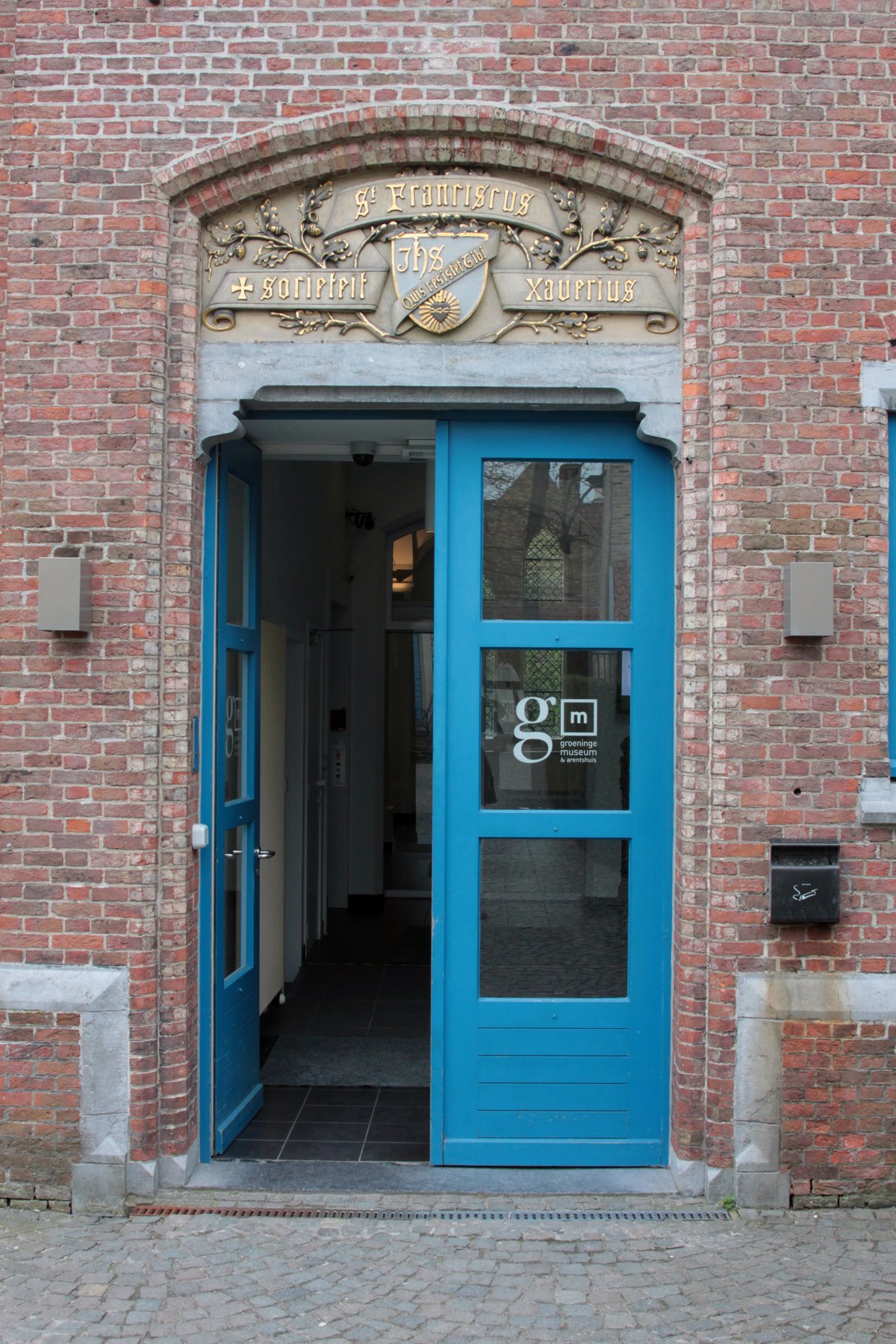
The Bruges Historic City Centre includes landmarks such as the Belfry, Market Square, and scenic canals. The Groeningemuseum houses Flemish art masterpieces. Nearby cafés and bakeries offer Belgian waffles, chocolates, and traditional pastries, including at Schaeverbeke, Schaarstraat 2 (World of Wanderlust).
Nearby food options and local cuisine include Flemish beef stew, moules-frites, local beers, Belgian waffles, fries, and artisanal chocolates (The Sunlounger, Get Lost in Wanderlust, Full Suitcase). Schaarstraat is also discussed in travel guides by Rough Guides and Wild About Travel.
Frequently Asked Questions (FAQ)
Q: Is there an entrance fee to visit Schaarstraat?
A: No. It is a public street with free access.
Q: Are guided tours available?
A: Yes. Schaarstraat is included in several Bruges walking tours. Check local tour operators for times and prices.
Q: Is Schaarstraat wheelchair accessible?
A: Cobblestones and narrow sidewalks may present challenges. Consult Visit Bruges for accessible routes.
Q: What are the best times to visit?
A: Early mornings and late afternoons offer the best ambiance.
Q: How do I get to Schaarstraat from Brugge Station?
A: Walk 20–25 minutes, take a bus to Markt, or take a taxi for convenience.