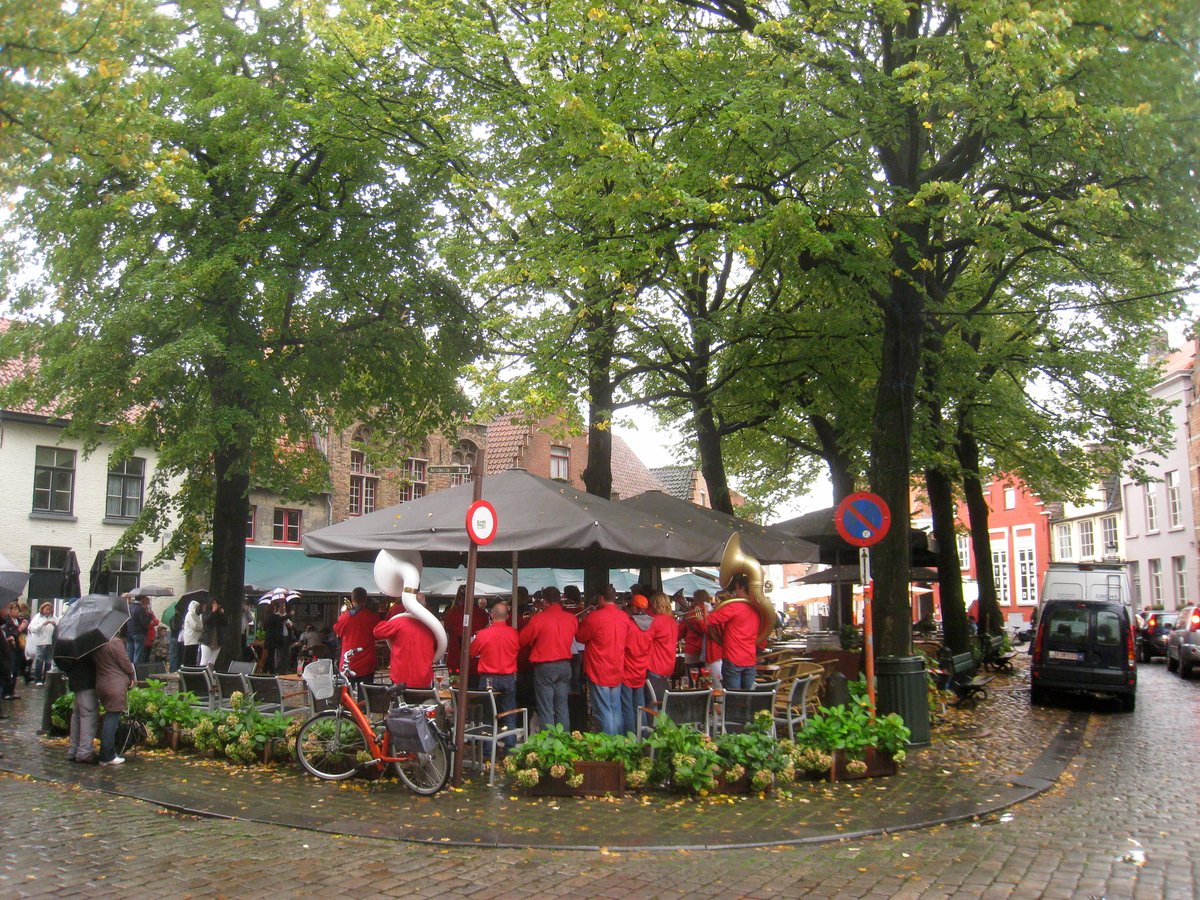
Leestenburg Visiting Hours and Admission
Visiting Hours
- Leestenburg Square Accessible 24/7 as a public square. Enjoy its peaceful atmosphere day or night.
- Courtyards and Almshouses Typically open during daylight (approx. 9:00 AM–6:00 PM, seasonally variable). Some buildings are private residences; interior access is limited or by special arrangement.
- Nearby Museums/Sites Generally open 9:30 AM–5:00 PM; check individual sites for details.
Tickets and Admission
- Leestenburg Square and Courtyards Free entry. Please respect the privacy of residents.
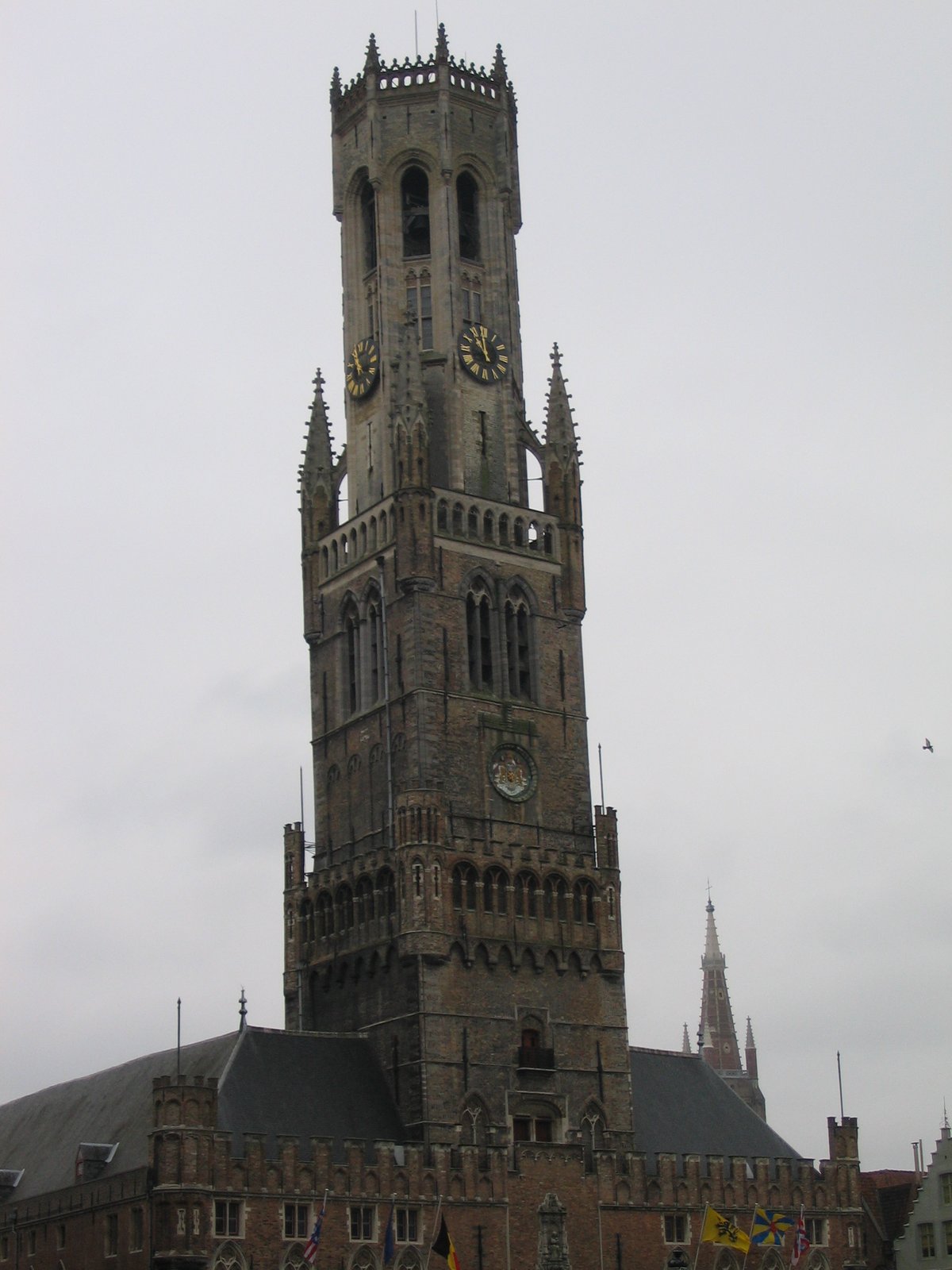
- Nearby Museums Fees apply (e.g., Historium ~€15, Belfry ~€14, Groeningemuseum ~€12). Discounts for children, seniors, and groups. Tickets can be purchased online, at the venue, or via the tourist office (Visit Bruges Practical Info).
Architectural and Historical Insights
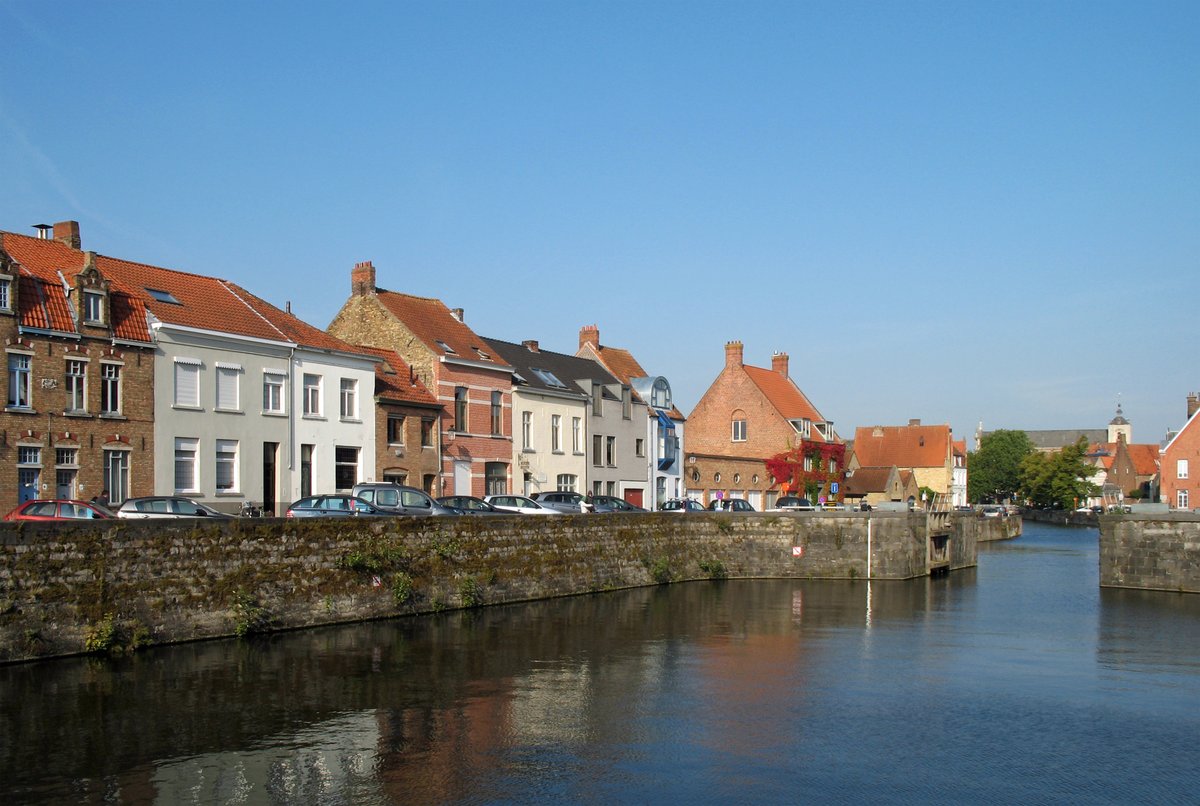
Leestenburg exemplifies Bruges’ tradition of philanthropy and communal welfare. The complex features whitewashed cottages, tranquil gardens, and subtle Gothic detailing—hallmarks of the almshouse (godshuizen) tradition. These buildings, often funded by wealthy guilds or benefactors, offered sanctuary to the elderly and poor. Architectural highlights include gabled roofs, brick facades, and religious carvings (Wanderlog).
Historically, Leestenburg’s name is thought to reference a “stone platform” or “fortified place,” reflecting its administrative or defensive origins. During Bruges’ medieval heyday, such sites housed guild meetings and civic activities, reinforcing the city’s social fabric (Visit Bruges; Gateway Travel; Adventure Backpack).
What to See and Do at Leestenburg
- Courtyard Gardens Relax in meticulously maintained gardens, ideal for quiet reflection.
- Architectural Details Admire original plaques, religious statues, and period doorways.
- Photography Capture the square’s medieval ambiance, especially during “golden hour.”
- Nearby Landmarks Leestenburg is close to the Church of Our Lady, Groeningemuseum, and iconic canals, enriching your historical itinerary (Wanderlog).
Guided Tours
Leestenburg features in several walking tours focusing on Bruges’ guild history, almshouses, and hidden gems. Tours can be booked at the tourist office (Markt 1, Stationsplein 5) or online (Visit Bruges; Next Stop Belgium). Guided experiences often include insights into daily medieval life and access to less-visited sites.
Frequently Asked Questions
Q: What are Leestenburg’s visiting hours?
A: The square is open 24/7; courtyards are generally open daylight hours (9:00 AM–6:00 PM), but vary seasonally.
Q: Is there an entrance fee?
A: No, entry to Leestenburg and its courtyards is free.
Q: Are guided tours available?
A: Yes, several walking tours include Leestenburg; check the tourist office or book online.
Q: Can I go inside the buildings?
A: Interiors are private residences and not generally open, except on rare open days or special tours.
Q: Is Leestenburg accessible for people with disabilities?
A: The area is mostly accessible, though cobbled streets may be challenging. Consult the tourist office for detailed info.
Cultural Context: Leestenburg’s Role Today
Leestenburg remains a living testament to Bruges’ values of charity, community, and heritage preservation. While quieter than major landmarks, it is cherished by locals and often featured in annual events or open days. Its enduring presence illustrates the city’s resilience and commitment to safeguarding its historic identity (Adventure Backpack).
Travel Tips for Bruges and Leestenburg
- Best Time to Visit April–June and September–October for mild weather and fewer crowds (Gateway Travel; Full Suitcase Bruges Guide).
- Language Dutch (Flemish) is official; English widely spoken in tourism sectors (Quick Whit Travel; Solo Sophie).
- Currency Euro (€); cards accepted widely, but carry some cash for small purchases (Nomadic Matt).
- Safety Bruges is very safe, but standard precautions against petty theft apply (Nomadic Matt).
Visitor Facilities and Accessibility
- Getting There Bruges is easily reached by train from Brussels and Ghent. From Bruges Station, Leestenburg is a 20-minute walk or short bus ride (Visit Bruges Practical Info; Free City Guides).
- Local Transportation Walking and cycling are ideal. Buses are operated by De Lijn. Car use is discouraged in the center; parking available at city perimeters (Visit Bruges Practical Info).
- Tourist Offices Located at Markt 1 and Stationsplein 5 for maps, bookings, and accessibility details.
- Luggage Storage Available at the train station and select central locations.
Best Times to Visit
- Seasonal Spring and autumn offer the best combination of weather and manageable crowds. Winter is magical for Christmas markets and festive lights (Thoroughly Travel; Destination Abroad).
- Daily Early morning or late evening provides a quieter atmosphere; many sites are illuminated at dusk (Full Suitcase Bruges Guide).
Accommodation and Dining Near Leestenburg
- Where to Stay Options range from luxury hotels to B&Bs and hostels. Book early in peak seasons (That Backpacker Bruges Guide).
- Dining Savor Belgian specialties—mussels, waffles, chocolate, and beer—at nearby cafés and restaurants. Lunch menus offer value; reserve for dinner on weekends (Rick Steves Bruges Guide).
Safety, Etiquette, and Essential Services
- Dress Comfortable shoes for cobblestones; layers for variable weather.
- Customs Polite greetings and punctuality are appreciated. Tipping is customary but not obligatory. Smoking is restricted to designated areas (Lonely Planet).
- Emergency Dial 112 for police, fire, or ambulance. Pharmacies are widely available (Visit Bruges Practical Info).
Practical Travel Tips
- Photography Leestenburg is highly photogenic. Tripods allowed outdoors; check for restrictions in museums.
- Events Check Bruges’ event calendar for festivals and concerts, such as the Procession of the Holy Blood or Cactus Festival (Rick Steves Belgium Festivals).
- Weather Bring an umbrella or raincoat and wear waterproof footwear (Wanderlog Bruges Weather).
Connectivity
- Wi-Fi Free in most hotels, cafés, and public spaces. SIM cards/eSIMs available at the train station.
- Apps The Visit Bruges Route App and De Lijn app for navigation and transport.