Origins and Early Development
Annuntiatenstraat’s history dates back to the medieval era when Bruges flourished as a commercial and religious center. Originally, a branch of the Reie river coursed through what is now Annuntiatenstraat, forming part of Bruges’ dynamic harbor district. This canal and its quays enabled trade and transport, reinforcing Bruges’ prominence as a major port city (Wikipedia).
Over the centuries, the canal silted up and eventually became an open sewer, earning the street the moniker "Vuil Reitje" (Dirty Little Canal). In 1835, the canal was filled in, transforming the area and reflecting broader urban sanitation and infrastructure changes. The filled-in area was known as “De Eerdeweg” (Earth Road), marking a shift away from Bruges’ water-based urban design.
Religious Heritage and the Annunciates
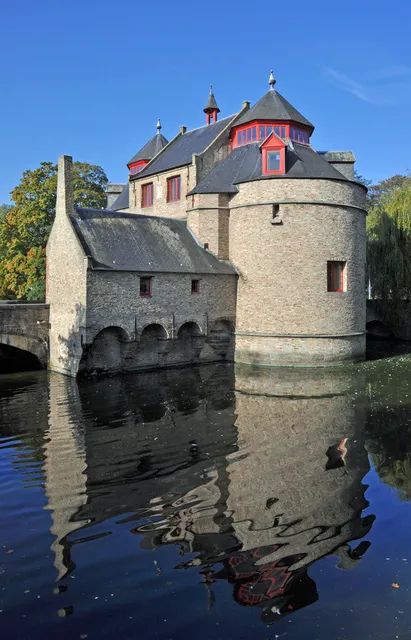
The street’s name commemorates the Annunciates (Zusters Annunciaten), a Catholic religious order that established a convent here in the 17th century. After relocating from outside Bruges’ Ezelpoort, the order’s Fluweelhof convent—with its distinctive tower—became a notable landmark. The Annunciates remained until Emperor Joseph II’s reforms led to the suppression of many monastic institutions in 1784. Their legacy endures in the street’s name and Bruges’ collective memory. Notably, the heart of Margaret of Austria, their patron, was safeguarded here before being lost during revolutionary upheaval (Wikipedia).
19th and 20th Century Transformations
In the 19th century, Annuntiatenstraat became home to additional religious and social institutions, including the Sisters of Charity of Jesus and Mary, who operated a hospital, and the Handmaids of the Savior, who built a cloister between 1848 and 1854. The cloister stood until 1966 before its redevelopment by the Wit-Gele Kruis healthcare organization. The street also hosted a diamond-cutting workshop and the “Ons Brood” bakery, reflecting its continued importance in Bruges’ economic and social life (Wikipedia).
Urban Renewal and Modern Identity
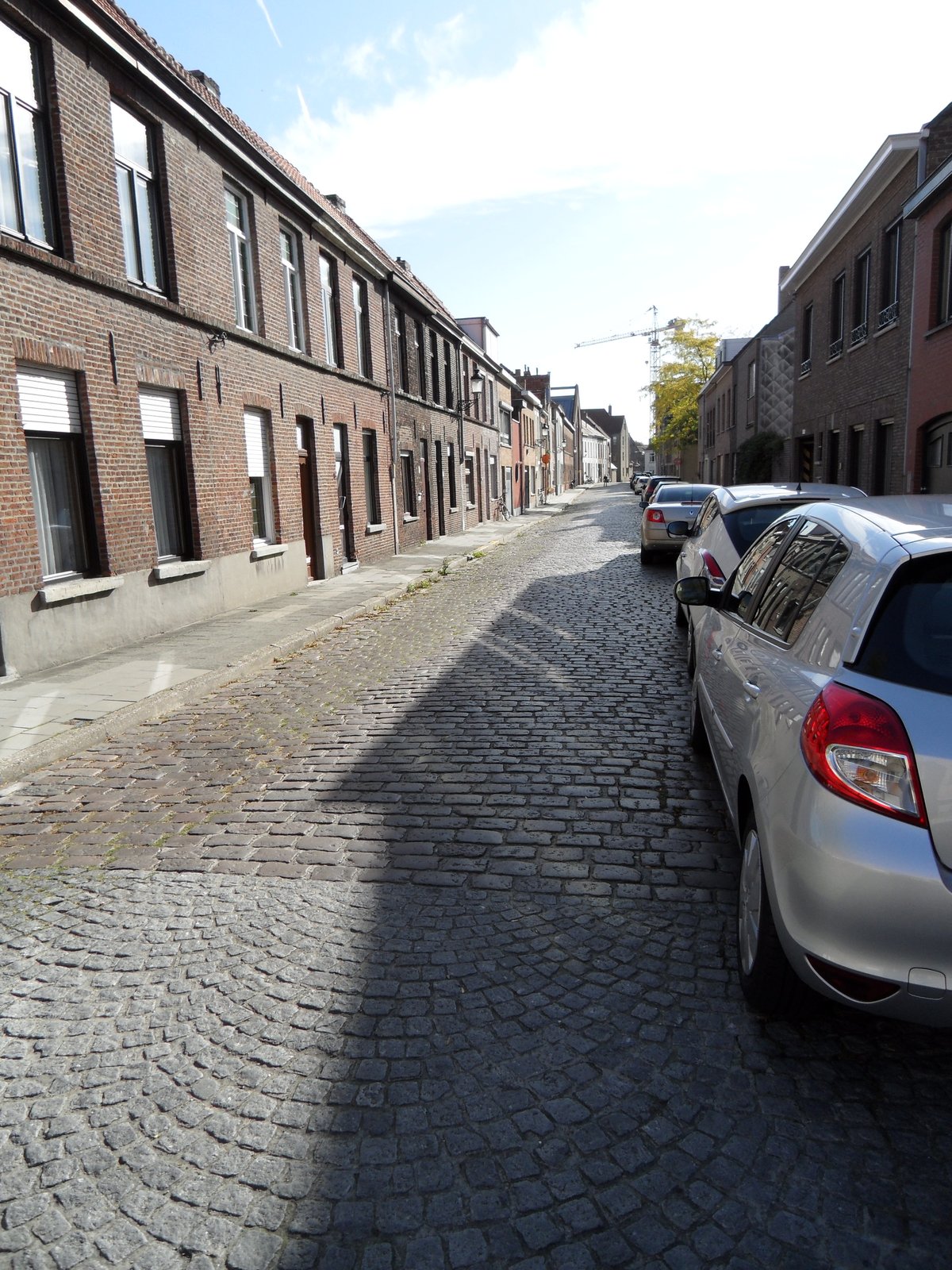
Today, Annuntiatenstraat balances its rich history with modern living. The “Mona” residential development, scheduled for completion in June 2025 at the corner of Baliestraat, includes homes, apartments, and a commercial pharmacy. Its name, derived from "monasterium," pays tribute to the street’s monastic past while embracing contemporary design (Christiaens Projects).
Architecturally, the street showcases a blend of Gothic, Renaissance, medieval, and Baroque influences, reflecting Bruges’ multifaceted urban history (GigglyGarden).
Annuntiatenstraat: Visiting Hours and Tickets
Annuntiatenstraat is a public street, accessible at all hours and free of charge. No tickets or entrance fees are required. While the street itself is always open, nearby attractions—such as St. Anne’s Church and the Jerusalem Chapel—have their own visiting hours and ticketing policies:
- St. Anne’s Church (Sint-Annakerk) Open Monday to Saturday, 10:00 AM–5:00 PM; closed Sundays. Admission is free; donations welcomed.
- Jerusalem Chapel Open for guided tours on select days; tickets approximately €5. Advance booking is recommended during busy periods.
For those interested in deeper historical context, guided tours including Annuntiatenstraat and its surroundings are offered by local tour operators. Advance reservations are advisable, especially during peak travel seasons (Visit Bruges).
Travel Tips and Accessibility
Getting There
- On Foot Annuntiatenstraat is a 15-minute walk from the central Markt square, passing scenic canals and neighborhoods.
- By Bicycle Bruges is famously bike-friendly; rentals are available near the train station and city center.
- Public Transport City buses serve the historic center, but walking or cycling is typically more convenient.
Accessibility
Although the area is largely flat, the cobblestone pavement may pose challenges for visitors with mobility impairments. Assistance or specialized mobility aids are recommended (Full Suitcase).
Amenities
- Restrooms Available at major nearby sites.
- Luggage Storage Facilities at Bruges train station and selected city center locations.
- Safety Bruges is safe and welcoming; for emergencies, dial 112.
Architectural Highlights and Urban Significance
Annuntiatenstraat’s built environment is characterized by:
- Stepped and crow-stepped gables Hallmarks of Flemish Gothic and Renaissance architecture.
- Original brick and sandstone façades Many buildings retain historic masonry with decorative details.
- Wrought ironwork Window grilles, lanterns, and door knockers reflect fine local craftsmanship.
- Religious iconography Subtle statues and plaques evoke the street’s spiritual legacy.
These cumulative features create a harmonious, authentic streetscape, making Annuntiatenstraat an outstanding example of Bruges' enduring medieval urban fabric (Wanderlog).
The street’s inclusion in Bruges’ heritage zone ensures that any renovations adhere to strict conservation guidelines, preserving its tangible and intangible heritage (Portico Urban Initiative).
Special Events, Photographic Spots, and Community Life
Annual and Seasonal Events
Annuntiatenstraat itself does not host major events but is adjacent to Bruges’ lively cultural calendar:
- Triennial Bruges Contemporary art installations throughout the city.
- Golden Tree Procession A historic pageant celebrating Bruges’ medieval heritage.
- Winter Glow Seasonal light festivals brighten the city during winter months.
Photographic Opportunities
The street’s tranquil setting, architectural diversity, and proximity to the Langerei canal make it ideal for photography, especially during early morning or late afternoon light.
Community Life
Annuntiatenstraat is a vibrant residential street with playgrounds, green spaces, and community centers. Renovated historic buildings now serve as health centers, neighborhood houses, and playgrounds, reflecting Bruges’ commitment to community-oriented urban renewal.
Nearby Attractions and Suggested Itineraries
While Annuntiatenstraat is itself a destination, it is also an excellent base for exploring nearby sites:
- St. Anne’s Church Late Gothic architecture, open to visitors.
- Jerusalem Chapel Unique private chapel with guided tours.
- Godshuizen Historic almshouses and hidden gardens.
- Canal Walks Gouden-Handrei and Groenerei offer scenic strolls.
- Cultuurcentrum Brugge Major cultural venue for performances and exhibitions.
- De Republiek & Het Entrepot Creative hubs and event spaces.
Suggested itinerary: Begin with a stroll along Annuntiatenstraat, visit St. Anne’s Church and the Jerusalem Chapel, explore the nearby godshuizen, and relax at a local café or along the canal.
Frequently Asked Questions (FAQ)
Q: Are there entrance fees for Annuntiatenstraat?
A: No, Annuntiatenstraat is a public street and free to visit at any time.
Q: What are the visiting hours for nearby attractions?
A: St. Anne’s Church is open Monday–Saturday, 10 AM–5 PM; Jerusalem Chapel offers guided tours by appointment.
Q: Are guided tours available?
A: Yes, several local operators offer tours including Annuntiatenstraat and the St. Anna Quarter.
Q: Is Annuntiatenstraat accessible for wheelchairs?
A: The cobblestone surface can be challenging; assistance or mobility aids are recommended.
Q: Where can I rent a bike near Annuntiatenstraat?
A: Bike rentals are available at the train station and throughout the city center.