Medieval Origins and Urban Development
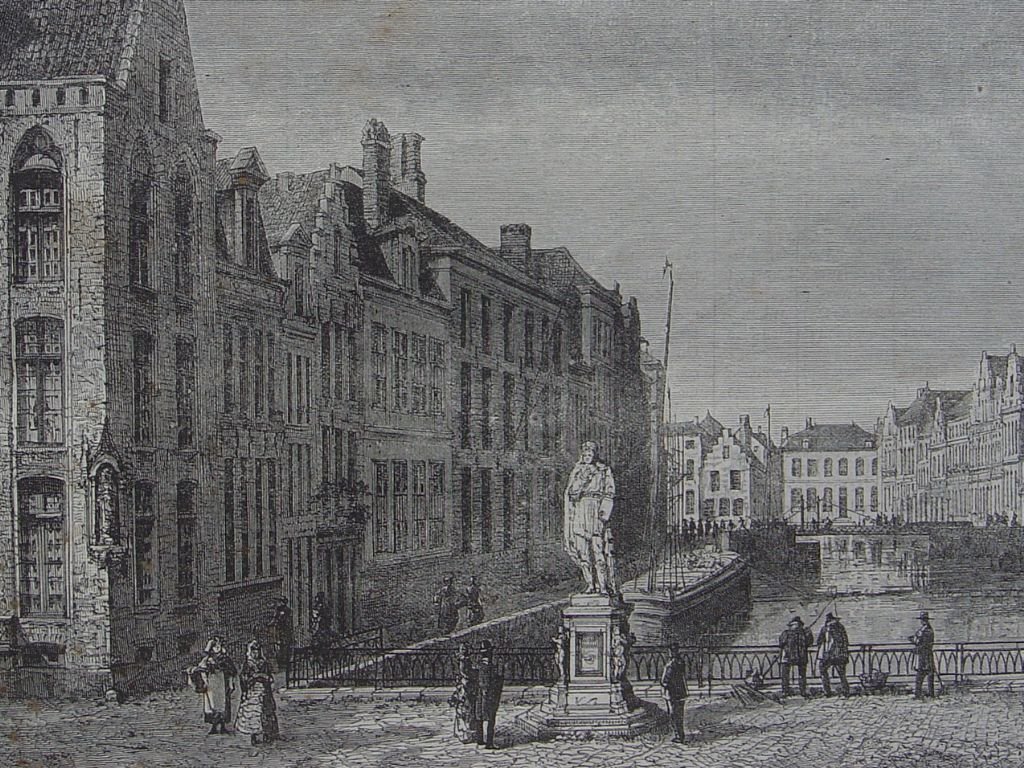
Minderbroedersstraat’s story begins with Bruges’ medieval expansion in the 13th and 14th centuries. The street owes its name to the Franciscan Minderbroeders, who founded a monastery here and shaped the district’s character with religious buildings, gardens, and charitable institutions (Bruges Day Tours). During Bruges’ Golden Age—as a leading European trading center—Minderbroedersstraat became a vital link between bustling marketplaces and the city’s intricate canal network, a role it continues to reflect in its preserved medieval layout (Wonderful Wanderings).
The Franciscan Monastery and Religious Influence
The Franciscan monastery, established in the 13th century, was a cornerstone of Bruges’ religious and social fabric. The friars were dedicated to poverty, education, and care for the less fortunate, founding schools, hospitals, and alms houses in the vicinity. While the original monastery has been transformed over the centuries—especially after secularization in the 18th and 19th centuries—traces remain in Gothic and Renaissance architectural details like pointed arches and decorative brickwork (Travel Toer).
Architectural Heritage and Preservation
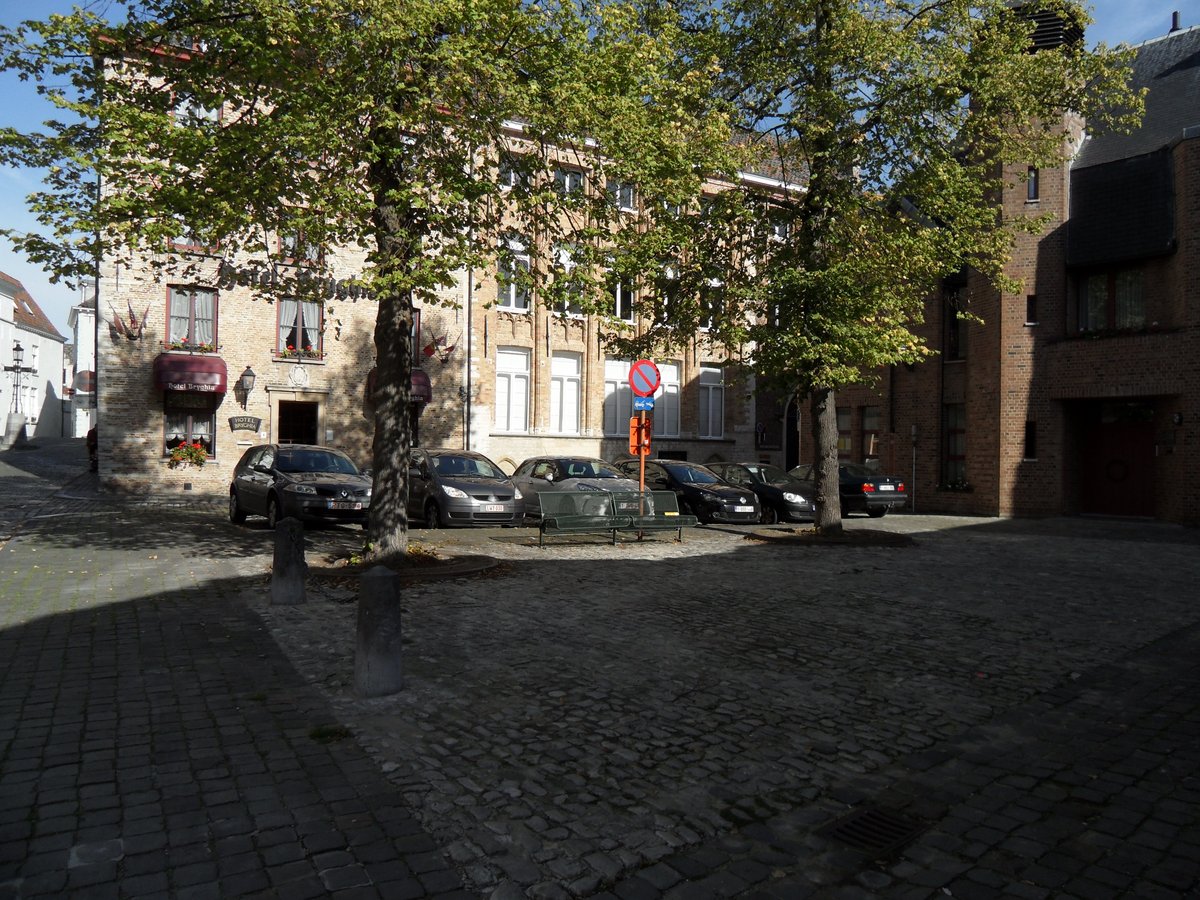
Minderbroedersstraat is renowned for its array of well-preserved buildings, dating from the 15th to 18th centuries, featuring stepped gables, Flemish brickwork, and ornate stone façades. Many structures were once homes to merchants and guilds, indicated by their size and decorative flourishes. Bruges’ commitment to heritage preservation, especially since its UNESCO World Heritage designation in 2000, has safeguarded the street’s medieval charm through meticulous restoration efforts (Timetravel Turtle).
Economic and Social Role
Historically, Minderbroedersstraat was more than a religious enclave; its location made it a bustling thoroughfare for merchants, artisans, and travelers. It hosted workshops, markets, and inns, reflecting a blend of commercial and residential life. Today, this dynamic legacy endures in the form of artisan boutiques, galleries, and cafés set in historic premises (Wonderful Wanderings).
Impact of Urban Changes and Modernization
Bruges’ economic decline from the 16th century inadvertently preserved its medieval center, including Minderbroedersstraat, from major industrial-era redevelopment. Restoration campaigns in the 19th and 20th centuries further protected the street’s architectural integrity, ensuring its continued allure as a “living museum” (Timetravel Turtle).
Notable Landmarks and Nearby Attractions
Minderbroedersstraat is ideally situated for exploring Bruges’ major historical sites. Key nearby attractions include:
- Former Franciscan Monastery Site Remnants and markers reveal the area’s monastic past.
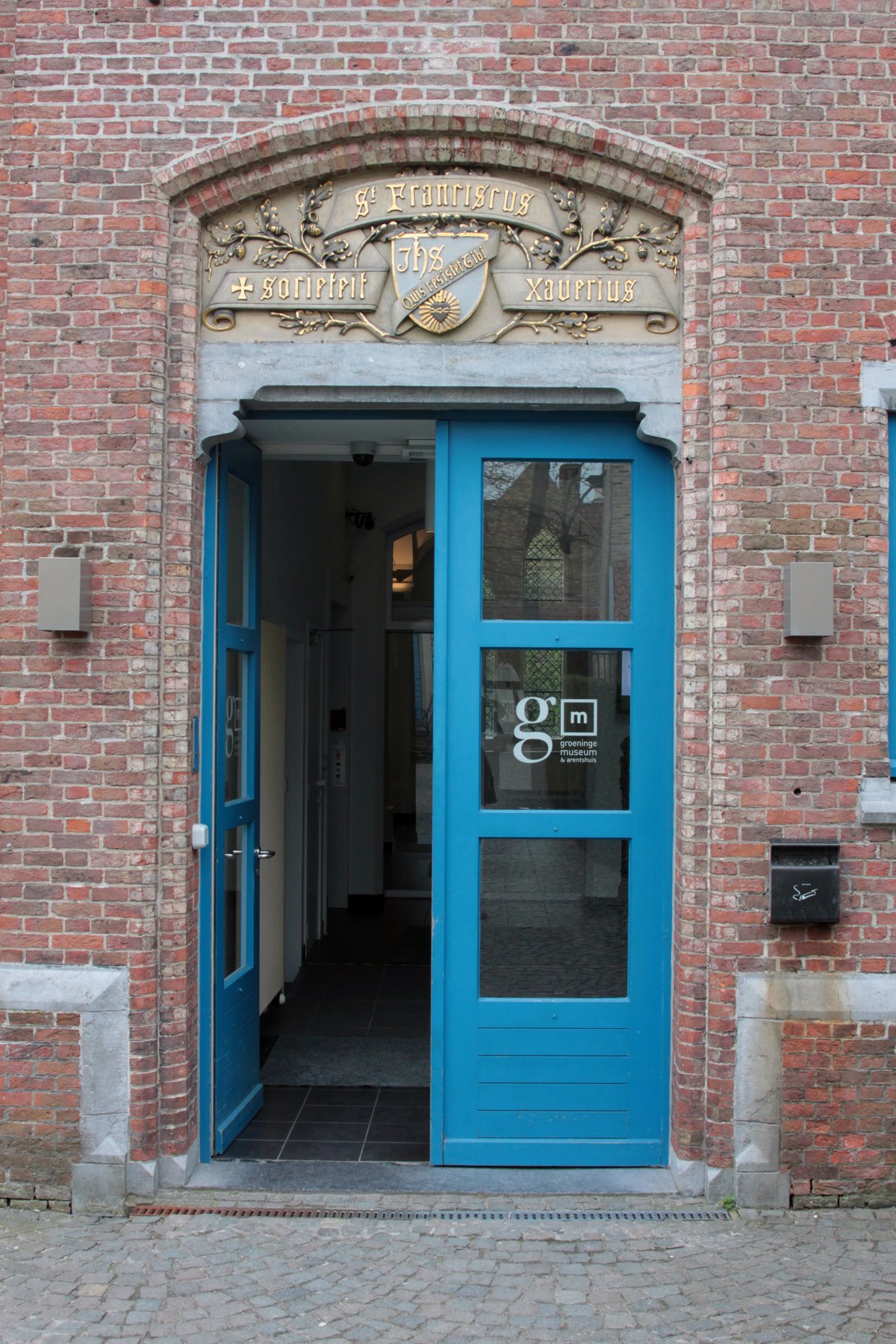
- Groeningemuseum Home to Flemish Primitives masterpieces. Open daily 9:30 AM–5 PM; tickets approx. €14 (Lonely Planet).
- Church of Our Lady Features Michelangelo’s Madonna and Child. Open 9:30 AM–5 PM; entrance is free, donations welcome.
- Beguinage (Begijnhof) A UNESCO World Heritage site and tranquil enclave of whitewashed houses, open daily 8 AM–6 PM, free entry.
- Arentshuis Museum & Gruuthusemuseum Art collections and historical exhibitions within a short walk.
For more information on Bruges’ historic buildings, see Wanderlog and Full Suitcase.
Visiting Hours, Tickets, and Guided Tours
- Street Access Minderbroedersstraat is a public street, open 24/7, with no entrance fees.
- Nearby Attractions Museums and churches have their own opening hours and ticket policies. Advance booking is advised during peak periods.
- Guided Tours Many walking tours feature Minderbroedersstraat as a highlight, offering historical insights. Book through official tourism sites or local providers (Withlocals).
- Special Events Art installations and festivals occasionally enliven the street. Check the Bruges events calendar for current happenings.
Accessibility and Practical Tips
- Mobility Cobblestones, while atmospheric, can be challenging for those with mobility impairments. Wheelchair-accessible taxis and public toilets are available nearby (Visit Bruges Accessibility). Consult the official accessibility guide for details.
- Parking Parking in the city center is limited—use park-and-ride facilities or nearby paid garages (Travel Toer).
- Public Transport The main train station is about 20 minutes on foot; taxis and buses are available.
- Footwear Sturdy shoes are recommended for cobblestone streets.
- Weather June sees mild temperatures (15–21°C) and occasional rain—bring a raincoat or umbrella (Get Lost in Wanderlust).
- Local Etiquette Respect the residential character of the street, keep noise down, and seek permission when photographing private homes.
- Safety Bruges is very safe, but general travel precautions apply.
Frequently Asked Questions (FAQ)
Q: Is Minderbroedersstraat free to visit?
A: Yes, the street is open to the public at all times with no entrance fees.
Q: Are tickets required for nearby attractions?
A: Yes, sites like Groeningemuseum and Gruuthusemuseum require tickets, which can be purchased online or on-site.
Q: Is the street wheelchair accessible?
A: Cobblestones can be difficult for wheelchairs, though nearby attractions may offer better accessibility.
Q: Where can I park?
A: Use park-and-ride facilities or paid garages near the center; avoid driving directly into the historic core.
Q: Are guided tours available?
A: Yes, both guided and self-guided tours are available through local providers and the Visit Bruges Route App.