
Origins and Development
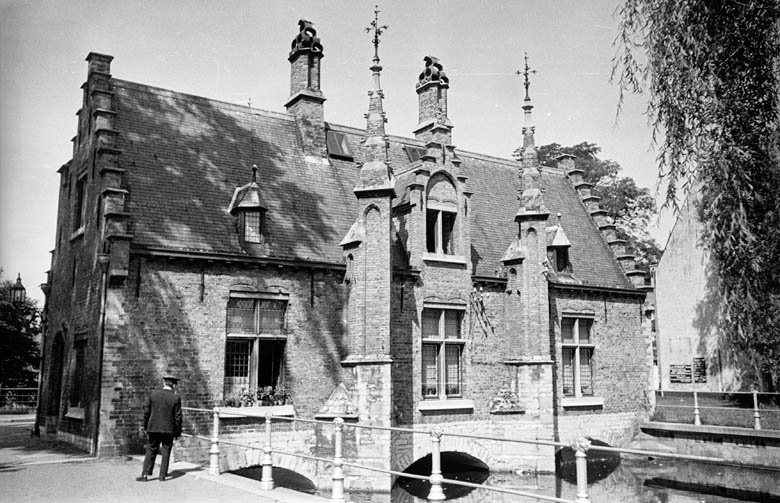
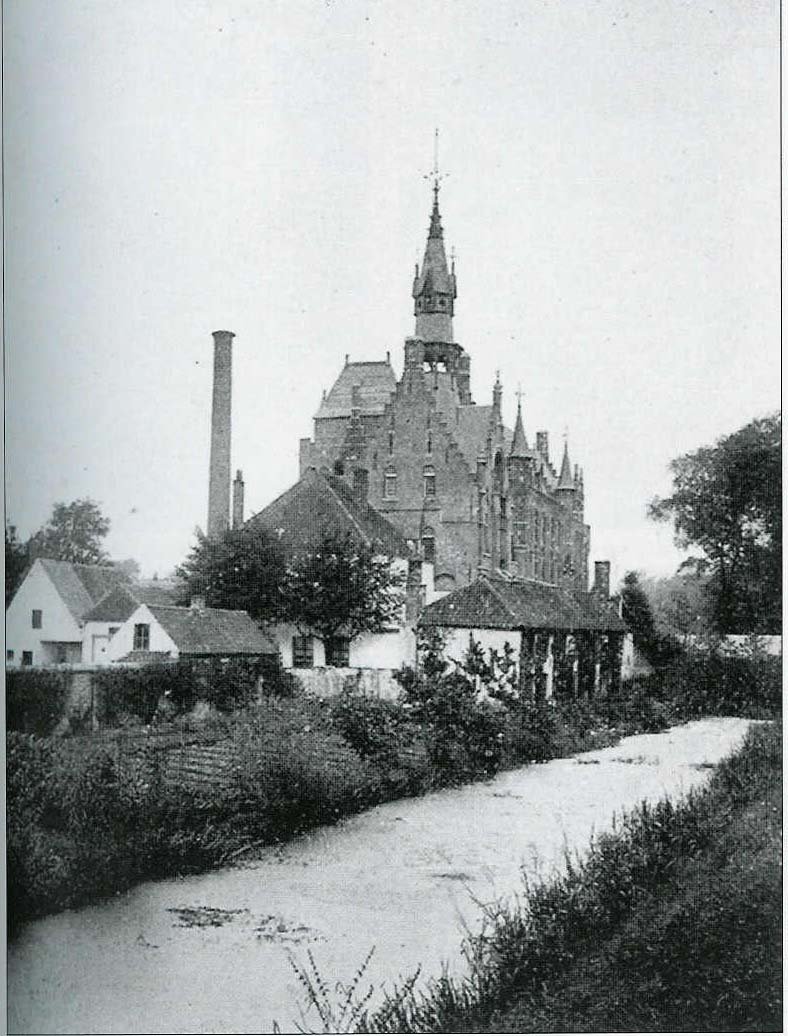
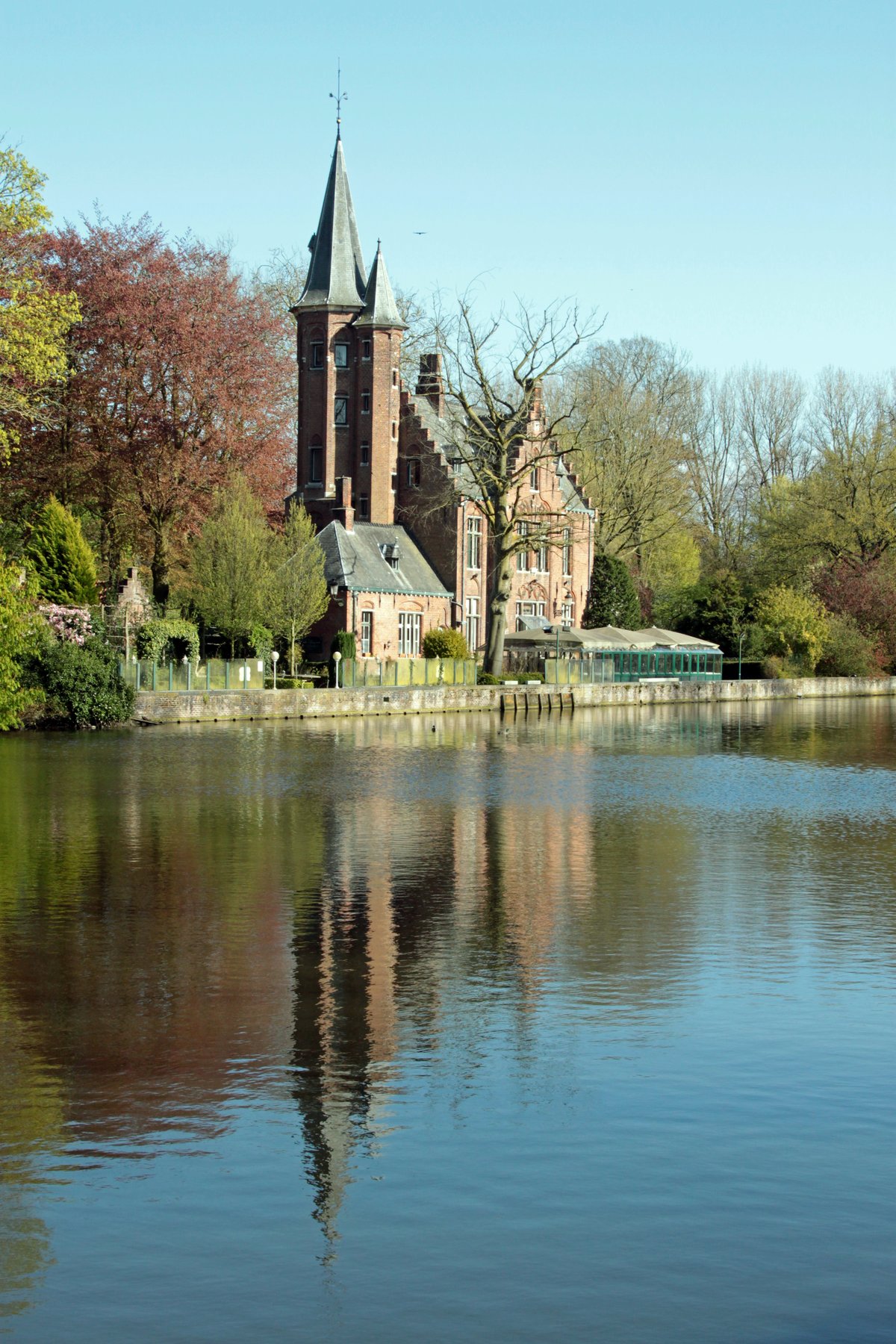
Castle De La Faille, also known as Kasteel de la Faille, was commissioned in 1893 by Léon De Wulf, a noted Bruges florist and alderman, and designed by architect Charles De Wulf. The castle epitomizes Belgium’s late 19th-century neo-Gothic revival, characterized by pointed arches, ornate brickwork, and picturesque turrets. In 1936, the property was acquired by the noble Della Faille family, whose stewardship connected the estate to Bruges’ mercantile and aristocratic traditions.
After decades as a private residence, the city of Bruges purchased the castle in 1980, integrating it into Minnewaterpark and preserving it as part of the historic cityscape near the UNESCO-listed Beguinage Quarter. Today, the castle is recognized as a protected monument and serves as a restaurant venue, blending heritage with contemporary life (Visit European Castles).
Visiting Information
Location and Accessibility
- Address Minnewater 4, 8000 Bruges, Belgium
- Setting The castle sits within Minnewaterpark, just south of Bruges’ medieval center and a short walk from the main train station (Trek Zone).
How to Get There
- By Train Bruges railway station is a 10-minute walk from the park.
- By Bus Bus line 12 stops at Brugge Bargeplein, a few minutes’ walk from the castle.
- On Foot/Bike The area is pedestrian-friendly, with easy access from the city center. Cycling is popular, thanks to Bruges’ extensive bike paths (Solo Sophie).
- Parking Car access is limited in the city center; use public parking garages near the train station and walk to Minnewaterpark.
Opening Hours and Ticket Details
- Castle Interior Access is limited to restaurant patrons. There are no regular public tours or museum hours (Discover World).
- Restaurant Hours Check the restaurant’s official site or local listings for current opening times, especially during holidays or events.
- Minnewaterpark Open year-round, from dawn to dusk, and free for all visitors.
- Entry Fees No admission fee for the park or to view the castle exterior; dining inside requires a reservation.
Accessibility Features
- Mobility Paths around the castle and park are generally accessible, though some surfaces may be uneven. Wheelchair users should verify details in advance.
- Restrooms Public facilities are available in Minnewaterpark and at nearby attractions.
Architectural Highlights
Castle De La Faille showcases neo-Gothic architecture with its pointed arches, intricate brick façade, turrets, and steeply pitched roofs. Its dramatic silhouette reflected in Minnewater Lake is a favorite subject for photographers and artists (Komoot). The castle grounds feature landscaped gardens and scenic walking paths, further enhancing its fairy-tale atmosphere.
Cultural Significance and Events
The castle is more than a photogenic landmark—it embodies Bruges’ historical balance between preservation and modernity. It is occasionally used for private events, art exhibitions, and cultural festivals, including open-air concerts and the annual Cactus music festival in Minnewaterpark. These events highlight the castle’s role as a living part of Bruges’ cultural landscape (Visit European Castles).
Nearby Attractions
Make the most of your visit by exploring these sites within walking distance of Castle De La Faille:
- Begijnhof (Beguinage) A tranquil UNESCO World Heritage Site and historic religious complex.
- Poertoren A medieval gunpowder tower and city landmark.
- Belfry of Bruges Iconic bell tower with panoramic city views.
- Groeningemuseum and Church of Our Lady Renowned for Flemish art and impressive architecture.
- Bruges Canal Network Offers boat tours through the city’s medieval waterways (Trek Zone).
Practical Travel Tips
- Best Visiting Times Spring and autumn (shoulder seasons) or weekdays for fewer crowds. Early morning and late afternoon light are ideal for photography (Solo Sophie).
- Dress Wear comfortable shoes for cobblestone paths; bring rain gear due to Bruges’ changeable weather.
- Dining Reserve a table at the castle restaurant in advance, especially during festivals or busy weekends.
- Language Dutch (Flemish) is primary, but English, French, and German are widely spoken.
- Safety Bruges is safe, but be vigilant for pickpockets in crowded areas.
- Events Check the Bruges events calendar before visiting for possible festivals or park closures.
Frequently Asked Questions (FAQ)
Q: Can I tour the inside of Castle De La Faille?
A: Interior access is reserved for restaurant guests only; there are no general public tours.
Q: Is there an entrance fee for Minnewaterpark or the castle grounds?
A: No, both are free to access year-round.
Q: Are guided tours available?
A: While the castle itself does not offer tours, many Bruges walking tours include the exterior and Minnewaterpark (Visit Bruges).
Q: Is the site accessible for people with disabilities?
A: Most park paths are accessible, but some may be uneven. Check in advance for specific needs.
Q: What is the best way to reach the castle?
A: Walking or cycling from the city center, or public transport from the train station.