
Medieval Roots and Library Development
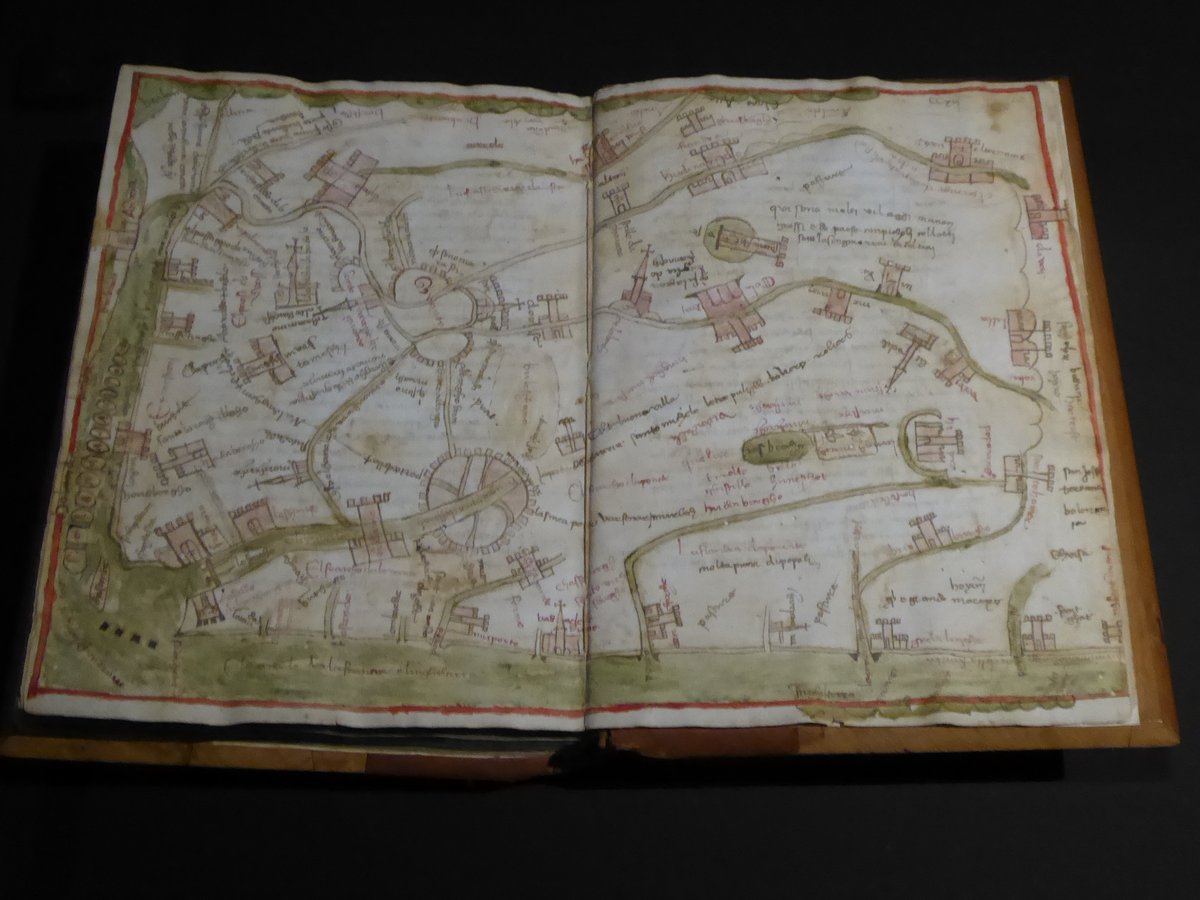
Openbare Bibliotheek Brugge’s origins are deeply intertwined with Bruges’ medieval prominence as a center of trade, learning, and book production. During the 14th and 15th centuries, Bruges flourished as a hub for manuscript production, especially within monastic communities. The city’s libraries grew from collections amassed by abbeys such as Ten Duinen and Ter Doest, whose illuminated Books of Hours exemplify the artistry and spiritual devotion of the era.
The ongoing exhibition "Trots en Troost: middeleeuwse getijdenboeken en hun lezers" ("Pride and Solace: Medieval Books of Hours and Their Readers") showcases never-before-seen manuscripts and related artworks, highlighting Bruges’ medieval literary culture (Musea Brugge).
Role as a Heritage Institution
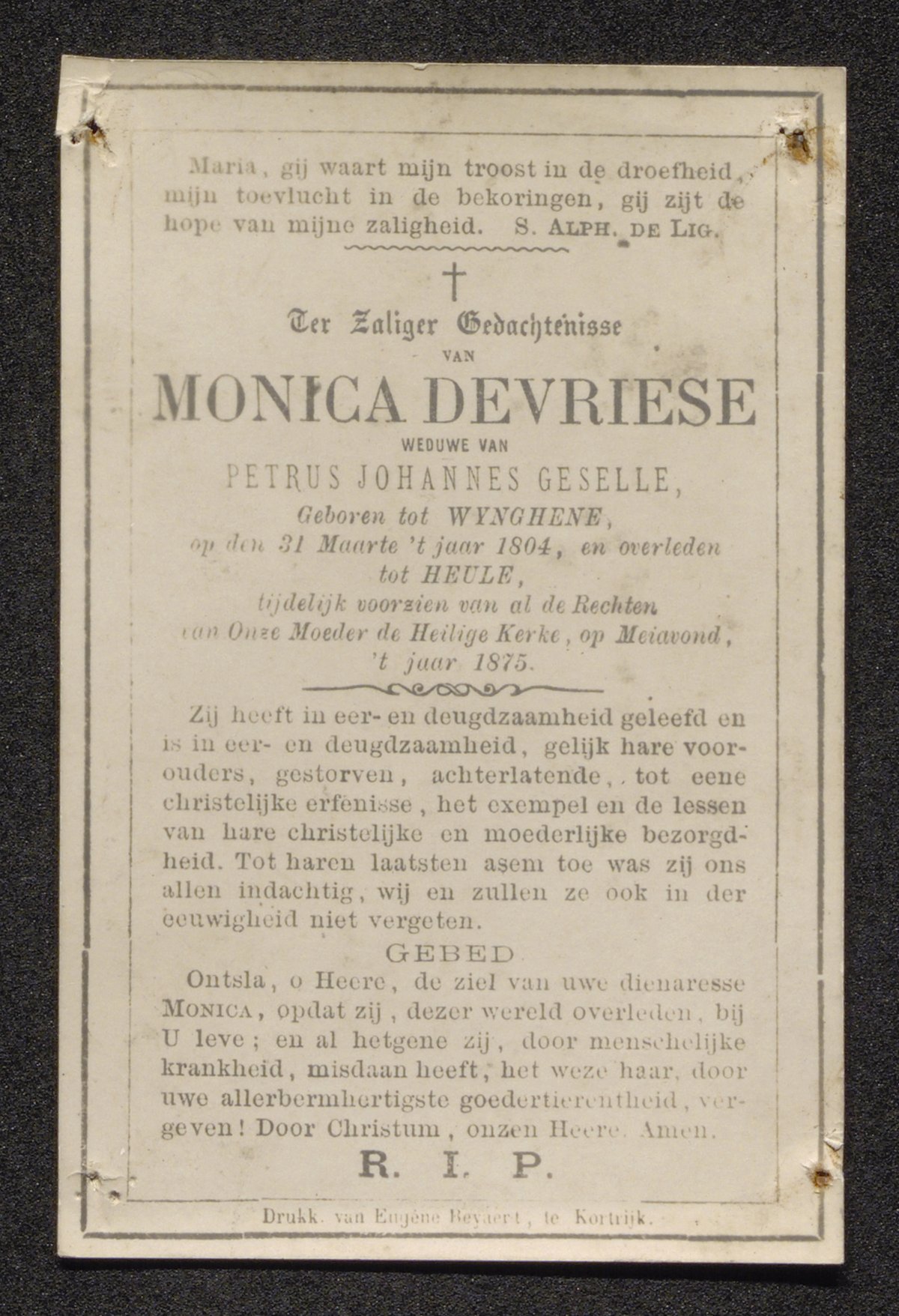
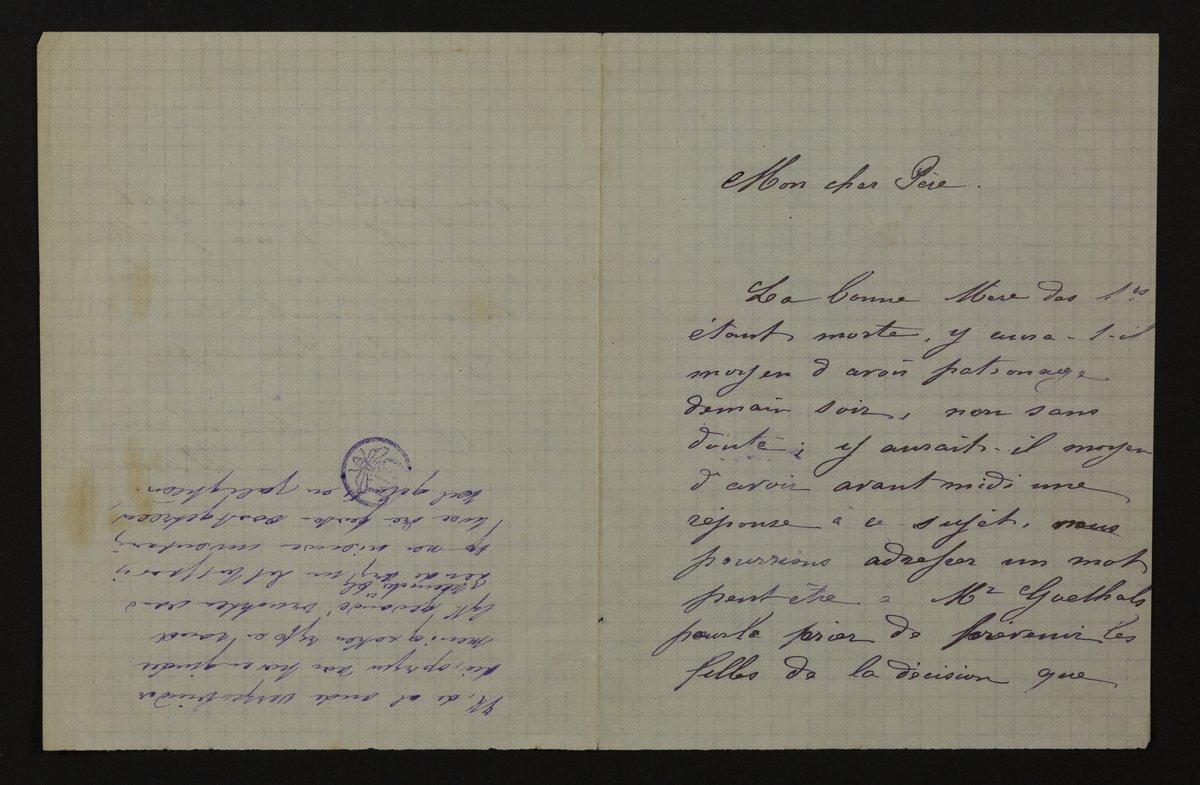
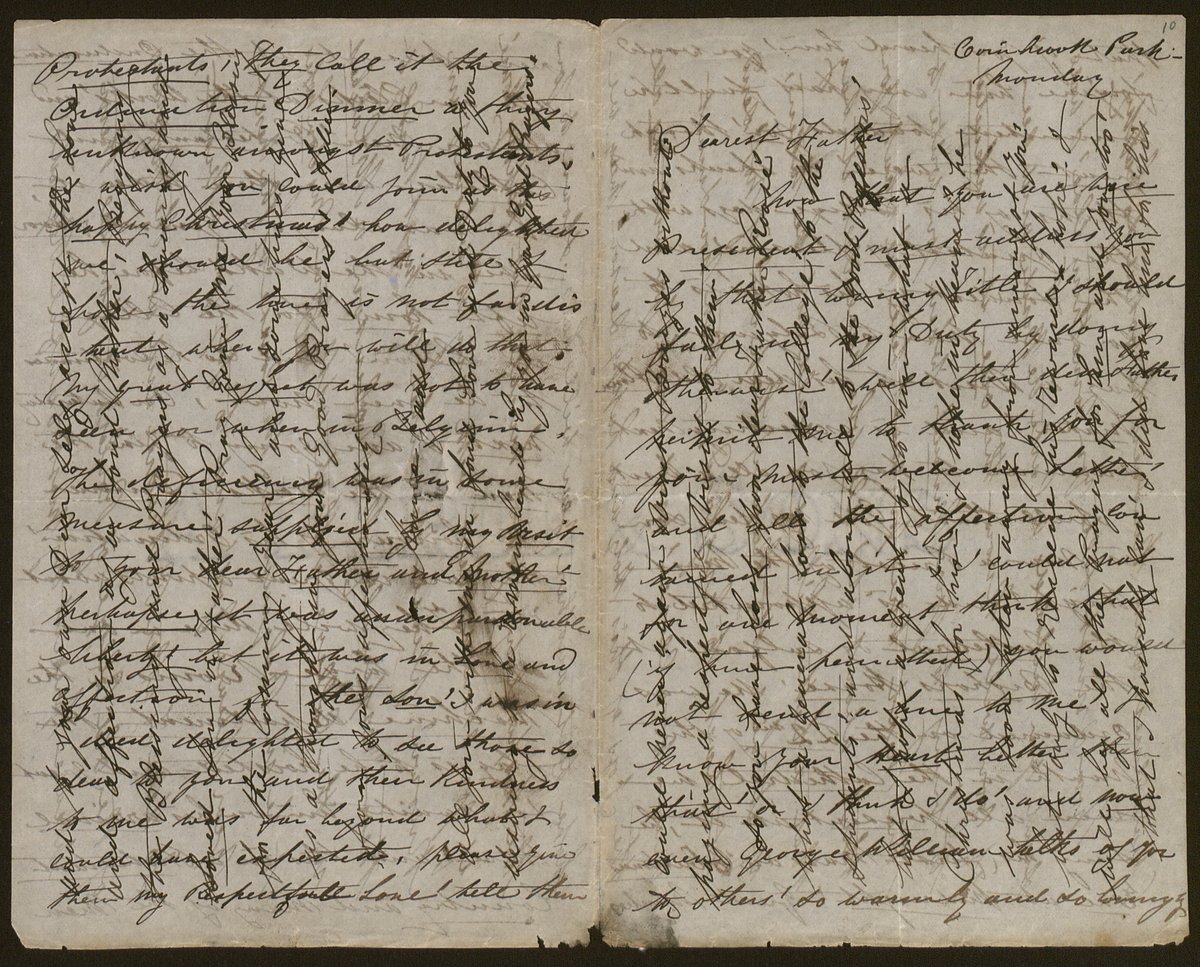
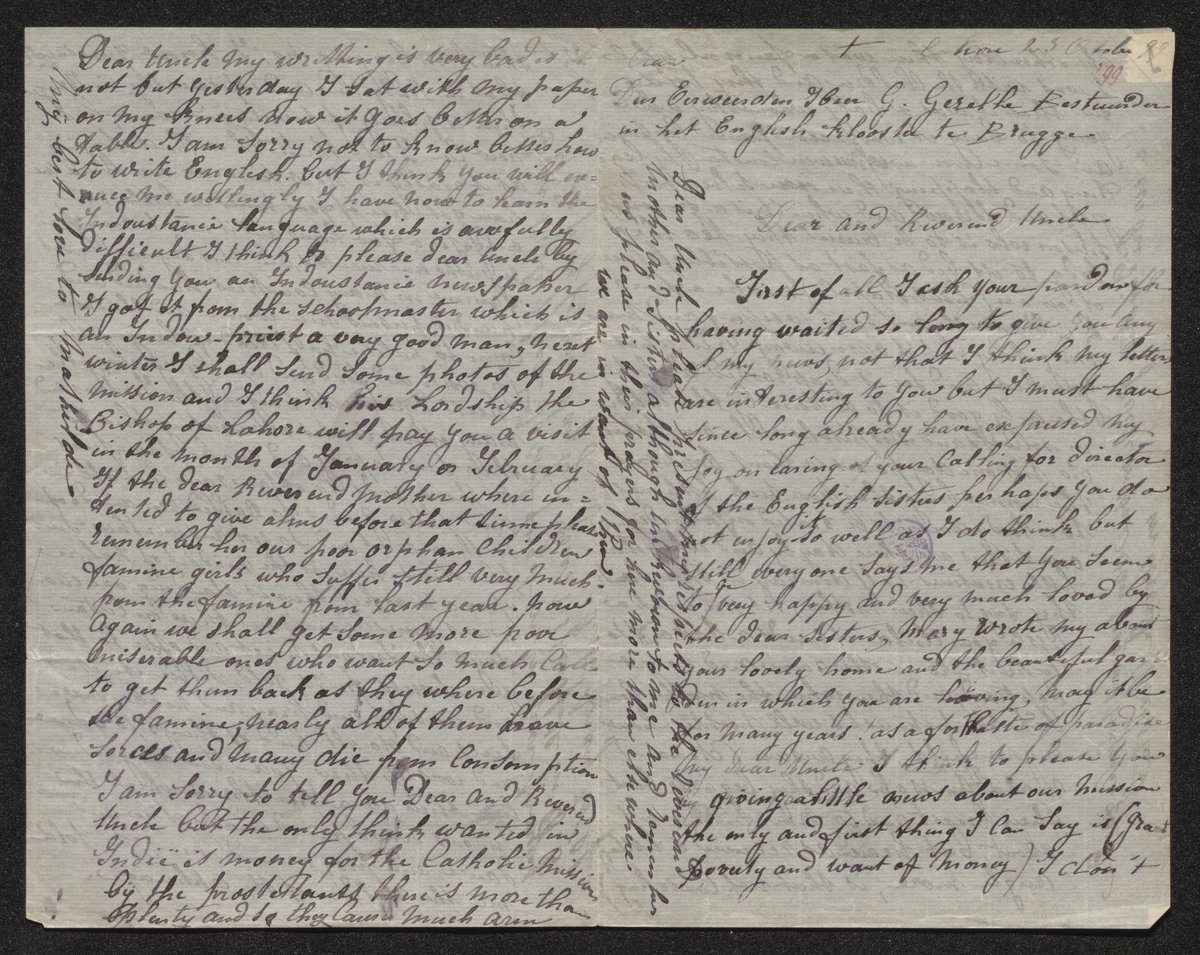
Designated as an "erkende erfgoedbibliotheek" (recognized heritage library), the Openbare Bibliotheek Brugge is a custodian of Bruges’ written heritage. Its extensive holdings include medieval manuscripts, incunabula (pre-1501 printed books), rare prints, and unique archival materials. Collaborations with other local heritage organizations, such as Musea Brugge and the city archives, ensure the preservation and accessibility of these treasures (Musea Brugge).
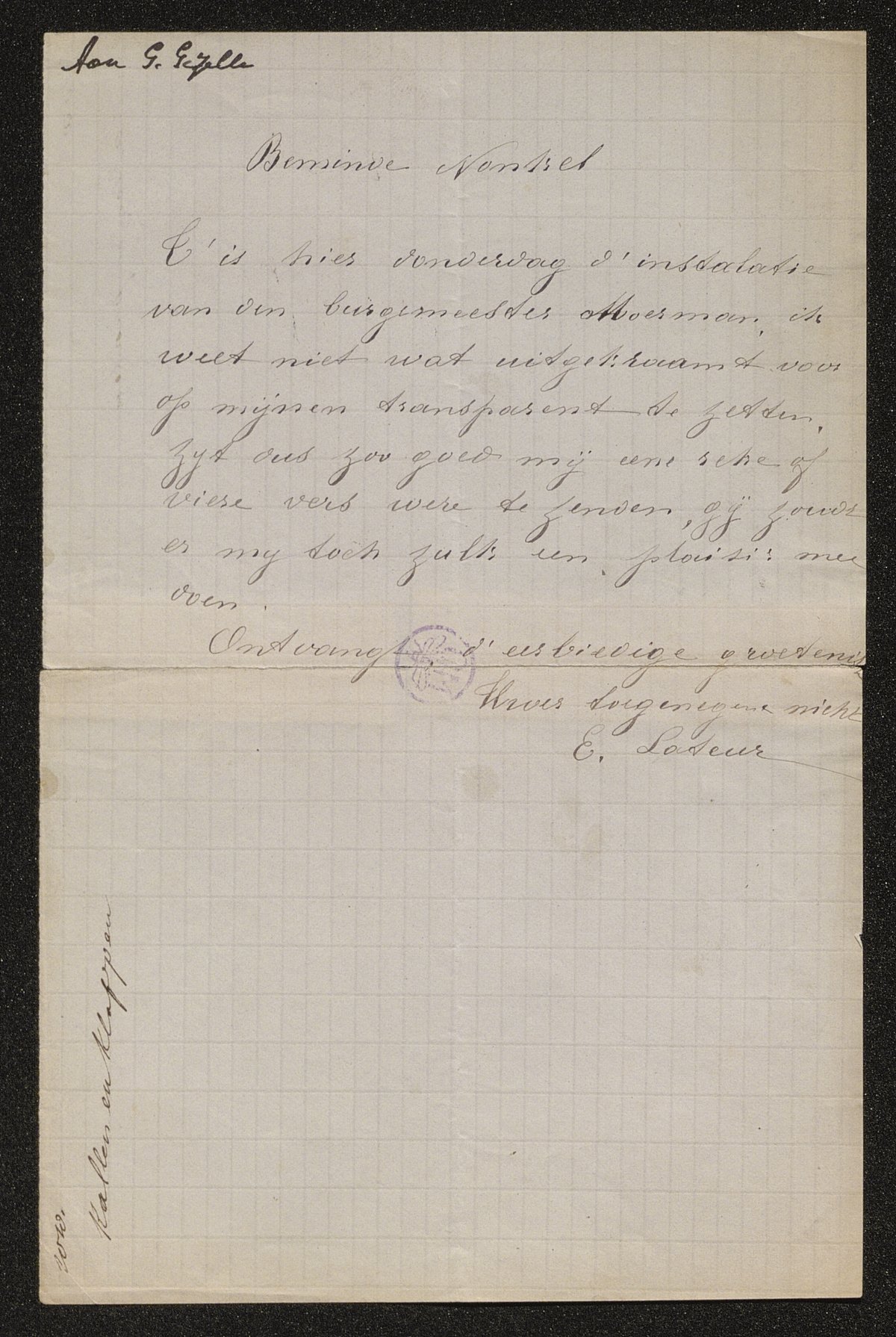
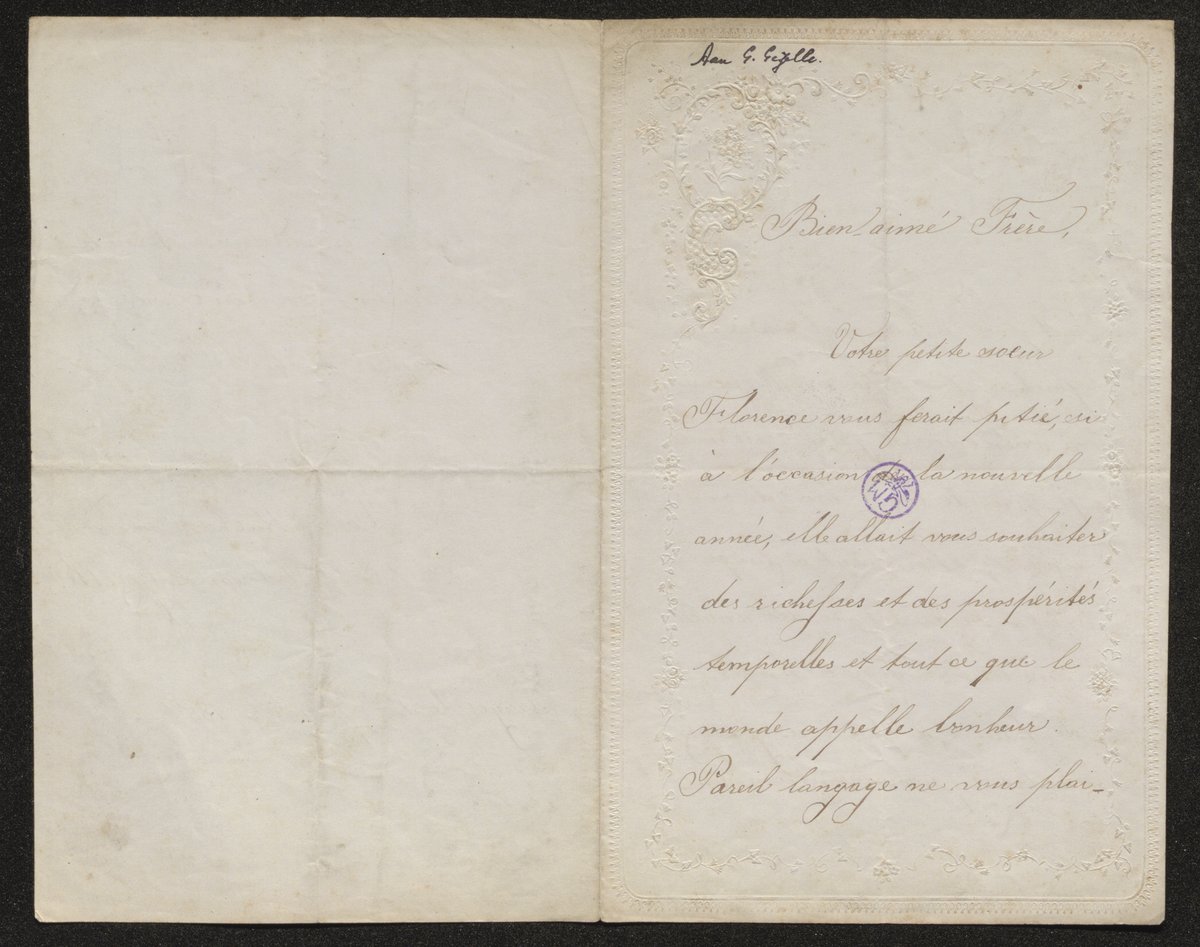
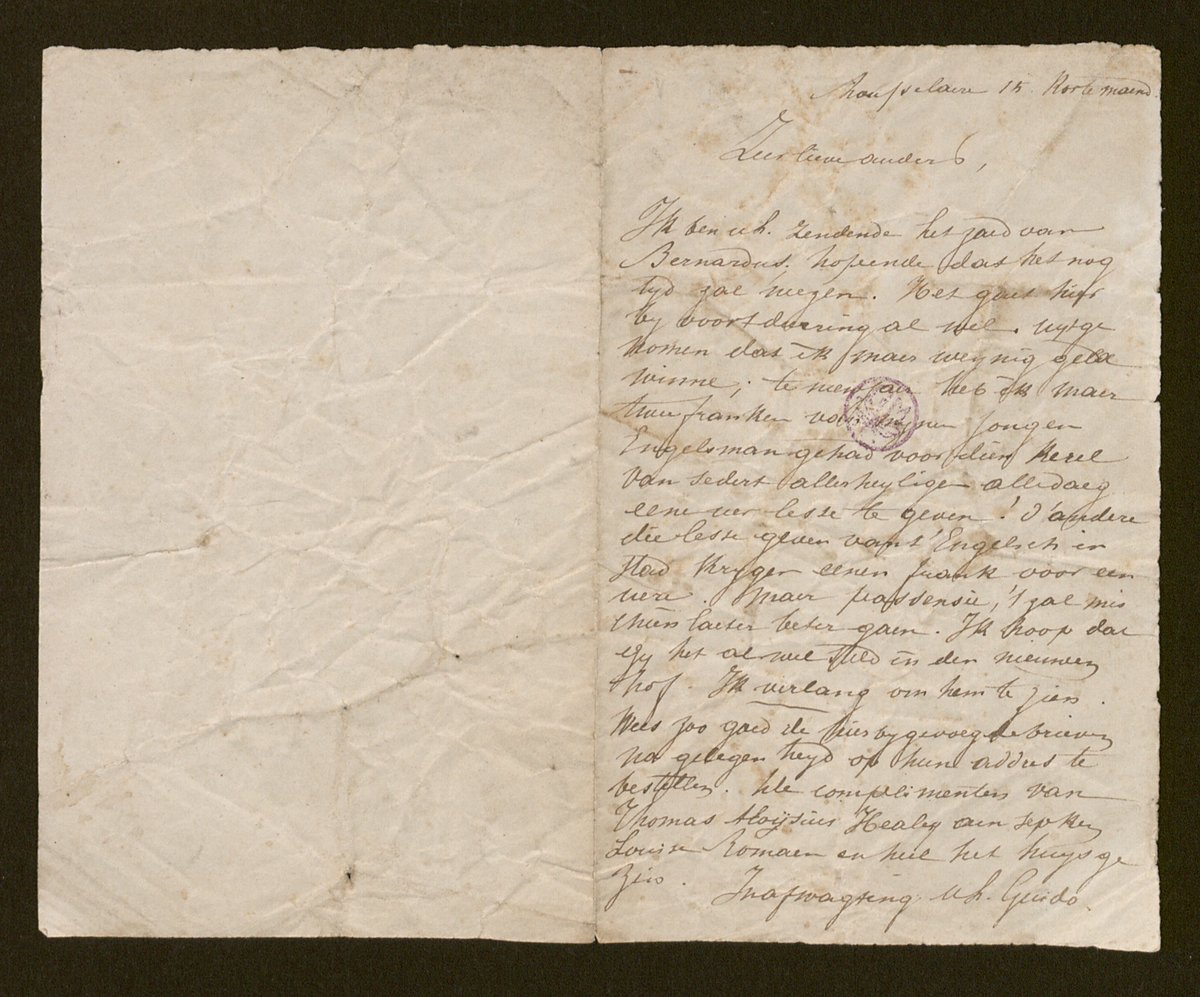
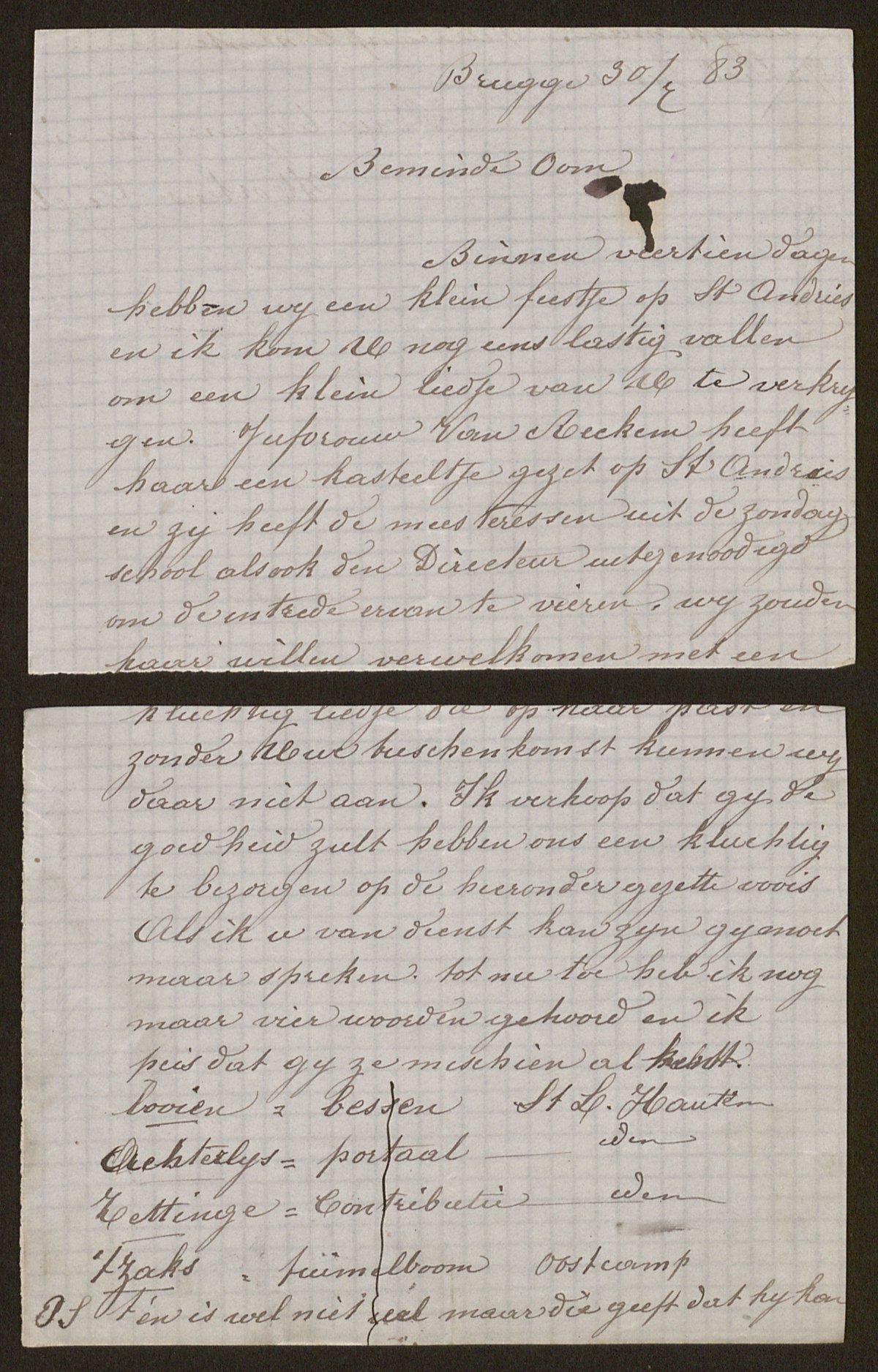
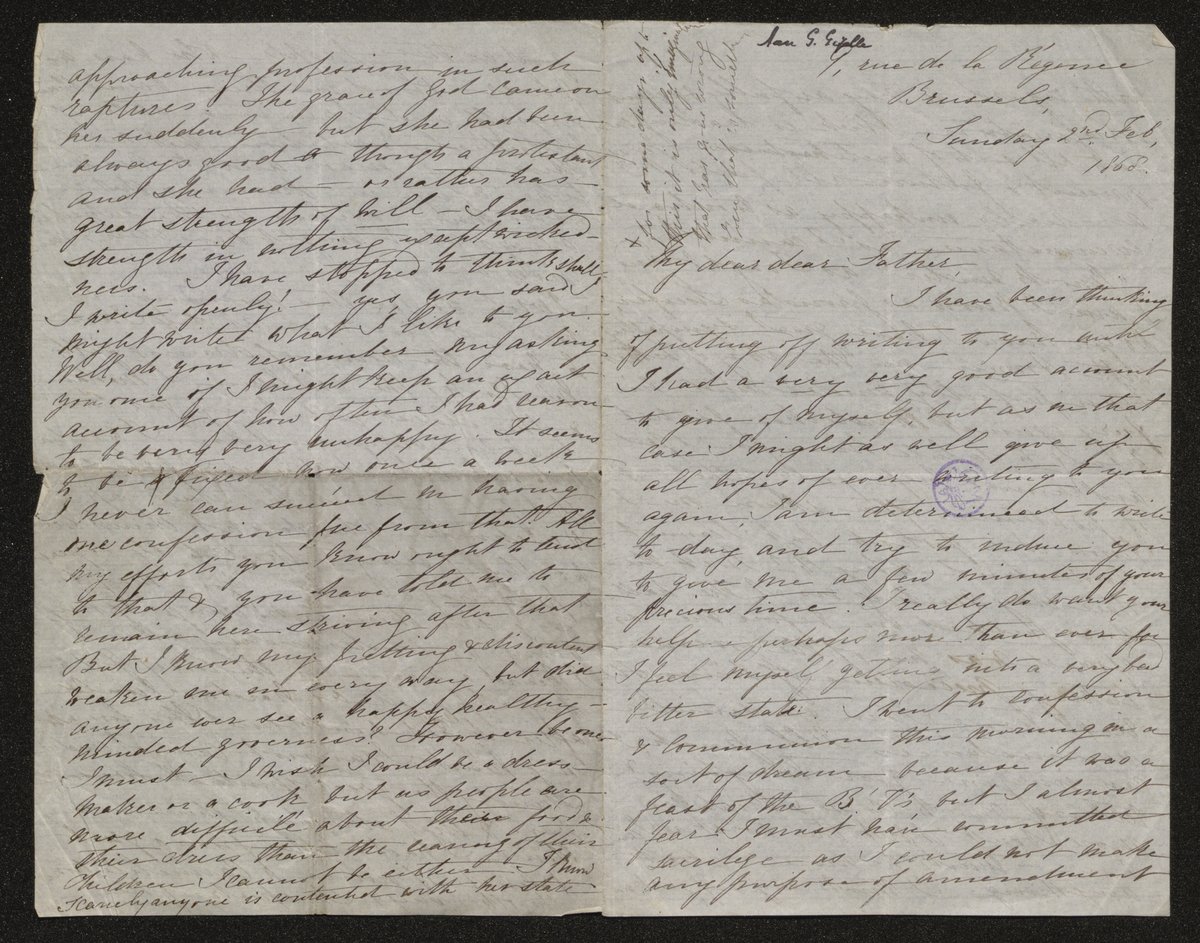
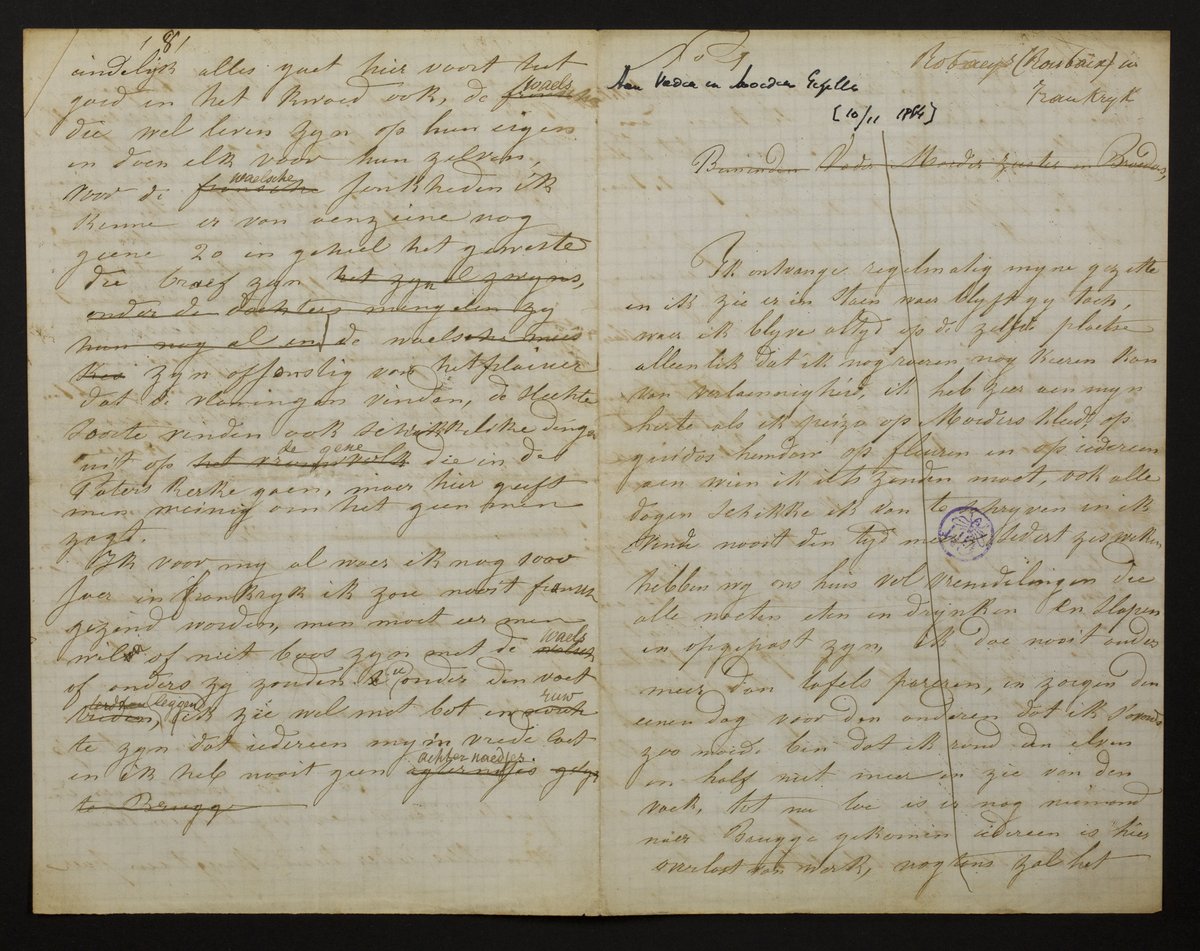
Key highlights include manuscripts from Ten Duinen and Ter Doest, rare early printed books, historic newspapers, and the Guido Gezelle Archive, which documents the life and work of the iconic Flemish poet.
Modernization and Public Accessibility
The library has evolved into a modern, welcoming institution. Its main branch—Hoofdbibliotheek Biekorf—anchors a network of twelve locations throughout Bruges (Praktische info). Facilities include:
- Extensive lending collections and digital media
- Study and workspaces with free Wi-Fi
- Print and copy services
- Exhibition areas and event spaces
Visitors can consult heritage materials by requesting items from the library’s closed stacks, either through temporary free passes or full membership (Aanvragen uit het magazijn). This approach makes even the most valuable items accessible to both researchers and curious visitors.
Visitor Information: Hours, Tickets & Access
- Location Kuipersstraat 3, 8000 Brugge (Biekorf building), steps from the Markt square
- Opening Hours Monday–Friday: 9:00 AM–6:00 PM; Saturday: 10:00 AM–4:00 PM; closed Sundays and public holidays (Praktische info)
- Admission Free for general access and exhibitions. Special collections or guided tours may require a prior appointment or registration.
- Accessibility The library is fully accessible for visitors with disabilities, featuring ramps, elevators, adapted restrooms, and helpful multilingual staff.
Travelers are advised to use public transport or walk, as the library is centrally located. Nearby parking is available but limited due to Bruges’ pedestrian-friendly layout.
Cultural and Educational Significance
The Openbare Bibliotheek Brugge is a vibrant hub for culture and education, hosting:
- Rotating exhibitions and heritage displays
- Lectures, workshops, and children’s activities (e.g., the annual "Schatten van Vlieg" treasure hunt) (Schatten van Vlieg)
- School partnerships and outreach programs
- Collaborative events with museums and cultural groups
Special attention is given to bringing Bruges’ medieval book culture to a broad audience, with public lectures and educational resources highlighting the importance of manuscripts like Books of Hours (Musea Brugge).
Architecture and Location
The main library is housed in the Biekorf building, a modernist structure designed by Luc Vermeersch and Luc Dugardyn (inaugurated in 1986). Its brick façade harmonizes with the historic cityscape, while the interior offers spacious reading areas, a central patio, and exhibition spaces (Visit Bruges). The location is ideal for combining a library visit with other Bruges attractions, such as the Belfry and Groeningemuseum.
Access to Collections and Membership
Library membership is free and open to everyone. Registration can be completed on-site with a Belgian e-ID or smartcard (Lidmaatschap). Visitors can:
- Borrow books, multimedia, and e-books
- Request access to special collections with a temporary pass
- Use digital services and research tools
Researchers should contact the library in advance to schedule appointments for viewing rare manuscripts (Aanvragen uit het magazijn).
Innovation and Digital Services
The library leads in digitization and digital access:
- Online catalogue and reservation system
- Digitized heritage collections, including manuscripts and newspapers (Erfgoed Brugge)
- Print and copy services from personal devices (Kopiëren / printen)
- Workshops on digital literacy and e-reading
These innovations make Bruges’ literary treasures accessible to a global audience and support ongoing research.
Frequently Asked Questions (FAQ)
What are the library's opening hours?
Monday–Friday: 9:00 AM–6:00 PM; Saturday: 10:00 AM–4:00 PM. Closed Sundays and holidays (Praktische info).
Is there an admission fee or ticket required?
No, access is free. Special exhibitions or guided tours may require registration.
How can I access the rare collections?
Contact the library in advance to schedule an appointment or request a temporary pass for on-site consultation.
Is the library accessible to visitors with disabilities?
Yes, with step-free access, elevators, and adapted facilities.
Are guided tours available?
Yes, for groups by appointment and during special events.
Can I access heritage materials online?
Many items are digitized and available via Erfgoed Brugge and the Flandrica portal.
Discover More
Plan your visit to the Openbare Bibliotheek Brugge today! Consult the official library website and Erfgoed Brugge platform for current hours, exhibitions, and events. Download the Audiala app for guided audio tours, and follow the library on social media for updates and exclusive content. Discover Bruges’ literary heart and immerse yourself in its centuries-old stories.
Summary and Final Tips
The Openbare Bibliotheek Brugge is a living testament to Bruges’ enduring literary and cultural legacy. Its blend of historic collections, innovative digital access, and vibrant community programming make it a highlight for locals and tourists alike. Whether you seek to view medieval treasures, attend cultural events, or simply enjoy a tranquil reading space, the library welcomes you at the crossroads of history and modernity.